Introduction
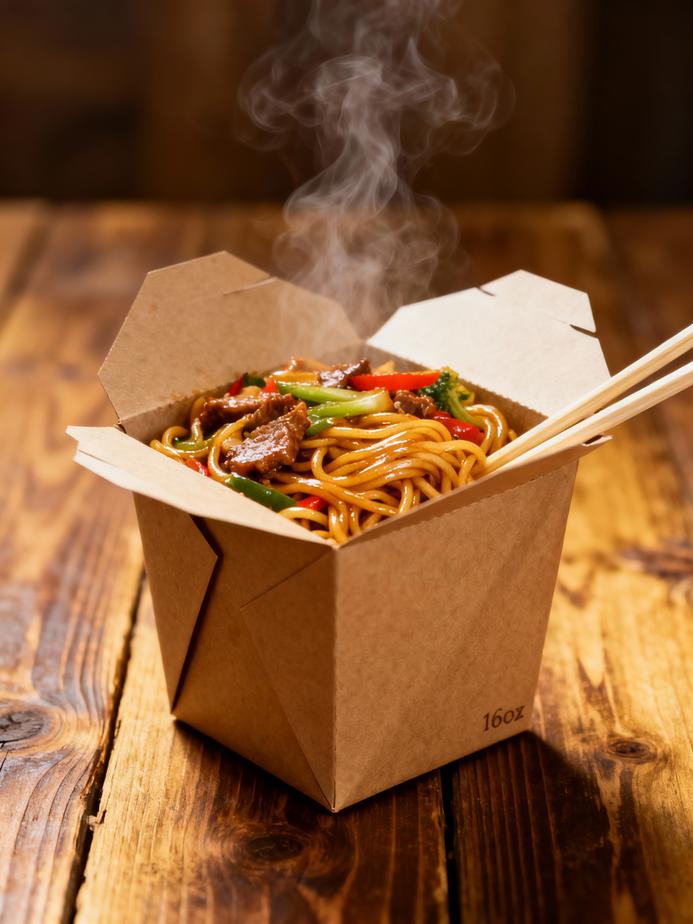
The 16oz kraft noodle box has emerged as a staple in the foodservice industry, especially for takeout. Offering an eco-friendly and cost-effective solution, these boxes cater to a growing demand for sustainable packaging. This article delves into the intricate manufacturing process of 16oz kraft noodle boxes, analyzing the materials used, current market trends, customization options, and the economic implications of these factories. Each section aims to equip business owners with essential insights, ultimately reinforcing the value and impact of choosing high-quality kraft noodle boxes for their operations.
Tables of Contents
Chapter 1: Optimizing Material Choice: The Core of Kraft Noodle Box Production
- Choosing the Right Materials for 16oz Kraft Noodle Boxes: Sustainability Meets Functionality
- Commitment to Quality and Eco-Conscious Practices in 16oz Kraft Noodle Box Manufacturing
Chapter 2: Navigating Eco-Friendly Choices in Kraft Noodle Box Production
- Choosing Sustainable Materials for 16oz Kraft Noodle Box Manufacturing
- Material Specifications for 16oz Kraft Noodle Box Production: Balancing Performance and Environmental Responsibility
Chapter 3: Navigating the Eco-Conscious Landscape: The Rise of Sustainable Packaging in the Food Service Industry
- The Greener Path: Sustainability and Evolving Consumer Preferences for 16oz Kraft Noodle Boxes
- Navigating the Market Dynamics of 16oz Kraft Noodle Boxes: Economic Trends and Regional Variations
Chapter 4: Innovative Customization Strategies in 16oz Kraft Noodle Box Production
- Crafting Distinctive Experiences: The Art of Customization in 16oz Kraft Noodle Boxes
- Empowering Customization: Material Innovations and Economic Advantages of 16oz Kraft Noodle Boxes
Chapter 5: The Financial Landscape and Strategic Pricing in 16oz Kraft Noodle Box Manufacturing
- Navigating Cost Structures and Pricing Strategies for 16oz Kraft Noodle Box Factories
- The Financial Landscape of 16oz Kraft Noodle Box Production and Its Market Potential
Chapter 1: Optimizing Material Choice: The Core of Kraft Noodle Box Production
1. Choosing the Right Materials for 16oz Kraft Noodle Boxes: Sustainability Meets Functionality
The manufacturing of 16oz kraft noodle boxes centers around the careful selection of materials, where sustainability and functionality converge to meet contemporary consumer demands. At the heart of this process is kraft paper, a material revered not only for its eco-friendliness but also for its remarkable strength and food-safe characteristics. The manufacturing industry leverages this unbleached, renewable resource, which provides high tensile strength, ensuring that these containers can withstand the weight and texture of hot, saucy noodles during transport and storage. This robust nature appeals to an environmentally conscious demographic, enhancing the product’s marketability directly.
Kraft paper selected for these noodle boxes typically comes from FSC-certified sources. This certification is crucial since it guarantees that the material is harvested sustainably, contributing to responsible forest management. The biodegradability and recyclability of kraft paper also play significant roles in its selection, attributes that resonate well in a market increasingly hostile to plastic waste. Moreover, factories often opt for food-grade kraft paper or alternatives like white paperboard or bamboo pulp, emphasizing product safety and sustainability in their offerings.
To enhance the capability of these boxes, factories often incorporate linings that cater to specific food types. For instance, a PLA lining—derived from cornstarch and fully compostable—offers an eco-friendly solution for grease and leak resistance, making it ideal for noodle dishes drenched in sauce. Conversely, a PE lining serves a similar purpose, albeit derived from traditional plastic sources. Additional coatings, such as soy-based inks or grease-resistant treatments, are also applied to protect the structural integrity of the boxes when filled with oily foods.
The strength of kraft paper is further augmented by its thickness, allowing manufacturers to tailor the material to specific requirements. High tensile and tear-resistant kraft paper is tested rigorously during production to ensure it meets the demands of heavy meals without sacrificing integrity or functionality. This experimentation often leads to custom thicknesses and coatings that help the boxes hold firm under various conditions, such as microwaving at temperatures up to 96°C, all the while withstanding temperatures as low as -25°C. Such wide-ranging temperature tolerances ensure that customers can reheat their meals comfortably without concern for their containers.
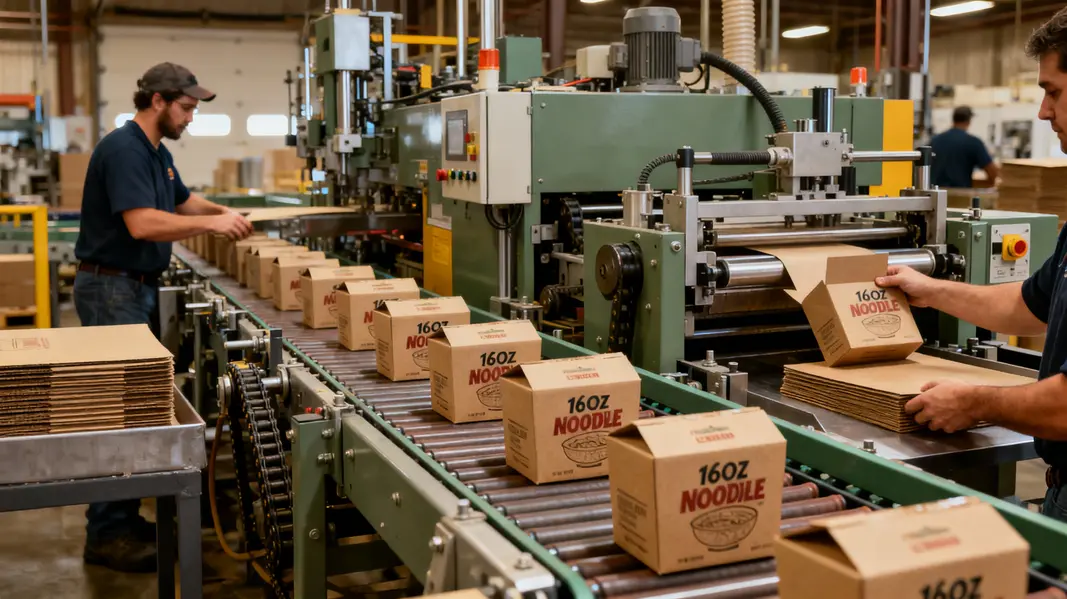
Ambitious factories can crank out millions of noodle boxes in a month, producing them at a scale that supports both high demand and competitive pricing. Yet, the vast production scales come with challenges that require innovative engineering solutions, particularly when designing the noodle box. Features such as secure locking lids, wide openings for easy access, and angular designs come into play. These aspects not only enhance user experience but also ensure leak-proof performance during transport. Special attention is given to the shaping and tooling of the boxes, optimizing them for stacking and reducing the risk of spillage, thus avoiding any messy situations for consumers.
A critical aspect of material selection rests within the balance between sustainability and durability. While high-quality kraft paper proves to be effective, lower-grade variants can feel flimsy, leading to potential issues such as difficulty in achieving secure locks and inadequate resistance under heavy loads. Consequently, manufacturers opt for premium stocks that provide both the reliability needed and the eco-friendliness demanded by consumers. Striking this balance without compromising either quality or sustainability is paramount and remains a point of focus for ongoing research and development within the industry.
Typically devoid of windows, these kraft noodle boxes further maximize strength and maintain a straightforward aesthetic that enhances recyclability. The minimalist design philosophy aligns with the preferences of eco-sensitive buyers, who increasingly favor packaging that echoes their values. Importantly, factories also consider the application of plain kraft finishes, which not only contribute to an environmentally sound product but also minimize the use of harmful chemicals in the production process.
As consumer sentiment aligns more closely with environmental awareness, the demand for sustainably produced packaging is only set to rise. The importance of certifications—ensuring that materials are PFAS-free and compliant with food safety standards—cannot be overlooked in ensuring product success from both a regulatory and customer satisfaction perspective. With ongoing advancements, factories now prioritize features that grant the noodle boxes a competitive edge while embracing a sustainable manufacturing ethos.
In summary, choosing the right materials for 16oz kraft noodle boxes involves a multifaceted approach that prioritizes strength, safety, and sustainability. The careful interplay of non-toxic linings, enhanced structural designs, and ongoing improvements in manufacturing techniques ensures that the industry not only meets current consumer expectations but also paves the way for a more sustainable future. The evolution of chemistry and material science continues to shape how factories evolve in this space, creating products that resonate with eco-conscious values without compromising on performance. For further insights into sustainable packaging solutions, one may explore the benefits of kraft paper box packaging as detailed in various industry resources.
2. Commitment to Quality and Eco-Conscious Practices in 16oz Kraft Noodle Box Manufacturing
The manufacturing process of 16oz kraft noodle boxes is underpinned by a dual commitment to quality and sustainability, both of which are crucial in the competitive takeout packaging industry. These kraft boxes, primarily crafted from environmentally responsible materials, face rigorous quality control measures while simultaneously adhering to advanced sustainable practices. This subchapter delves into how manufacturers strike this delicate balance, ensuring their products meet food safety standards while championing eco-friendly production methods.
Quality Control Practices
In the realm of food packaging, especially for takeout items like 16oz kraft noodle boxes, quality control is paramount. Manufacturers recognize that their products must not only be aesthetically pleasing but also safe for food consumption. Consequently, factors such as material integrity and cleanliness are heavily monitored throughout the manufacturing process.
To begin with, manufacturers apply rigorous material testing protocols. This involves verifying that the kraft paper used meets established food-grade standards. The paper is evaluated for its strength and leak-proof characteristics, essential for containing hot noodle soups and preventing spills. Additionally, many producers utilize polyethylene (PE) coatings that enhance the boxes’ waterproof properties, ensuring they can withstand microwave heating without compromising their structure.
Moreover, ongoing production monitoring becomes a critical aspect of maintaining quality. Factories often deploy systems such as the Quality Risk Management Process (QRMP) which standardizes operations and minimizes defects. This system helps ensure consistent quality across batches, allowing manufacturers to uphold compliance with industry standards. A focus on plant accountability further ensures that any potential issues are quickly addressed, safeguarding both the product and the end-users.
Final inspections play a vital role in the overall quality assurance framework. Before packaging reaches consumers, a thorough check is conducted to eliminate any defects, such as foreign particles or improper sealing. Feedback from consumers, particularly regarding similar takeaway packaging issues, is utilized to refine these inspection protocols. Manufacturers strive to guarantee that every box is clean, features properly vented lids, and boasts sturdy construction to sustain the rigors of delivery.
Sustainability Considerations
As the global market shifts towards sustainable options, the production of kraft noodle boxes has increasingly adopted eco-conscious practices. The use of biodegradable kraft paper stands at the forefront of this transformation. By utilizing renewable resources, manufacturers significantly cut down on plastic consumption, aligning with the broader movement towards zero-waste packaging solutions in the food service industry.
Notable manufacturers embrace eco-materials, designing packaging from disposable kraft paper with vented lids that provide moisture control and support sustainable food practices. By making these boxes fully compostable and utilizing advanced techniques to produce biodegradable options, they help ensure that the end-of-life disposal of packaging does not contribute to environmental degradation.
The manufacturing process is also characterized by efficiency. Many factories maintain low minimum order quantities while featuring high reorder rates, indicating a resource-efficient production model. This efficiency is further accentuated within Chinese manufacturing facilities, which often boast substantial production capabilities, churning out millions of units monthly while minimizing waste. Additionally, processes that allow for customization, such as bespoke printing options, enable restaurants to align their branding with sustainable packaging, enhancing their market appeal.
Furthermore, features such as being leak-proof and microwave-safe reinforce sustainability goals by reducing food waste and reliance on single-use plastic alternatives. These small yet impactful design choices reflect a commitment not merely to consumer convenience, but also to environmental responsibility.
Conclusion
Today’s leading manufacturers of 16oz kraft noodle boxes embody the merging of quality and sustainability. With comprehensive quality control practices ensuring that every box meets safety and structural integrity standards, alongside developments in eco-friendly materials and manufacturing processes, they play an integral role in the evolution of takeout packaging. The transformation of food packaging through these practices heralds a future where convenience and earth-consciousness coexist harmoniously.
By choosing kraft noodle boxes that align with qualitative and sustainable practices, consumers also contribute to a greater cause, driving demand for products that have minimized ecological footprints. For more specific details on bio-degradable packaging options and how they are reshaping the food industry, consider exploring additional resources.
Chapter 2: Navigating Eco-Friendly Choices in Kraft Noodle Box Production
1. Choosing Sustainable Materials for 16oz Kraft Noodle Box Manufacturing
When it comes to selecting materials for 16oz kraft noodle boxes, the emphasis on sustainability cannot be overstated. Manufacturers must navigate a myriad of options, each with its own eco-friendly attributes and performance characteristics. The choice of materials not only meets regulatory guidelines but also aligns with growing consumer demand for environmentally responsible packaging solutions, particularly in food service applications.
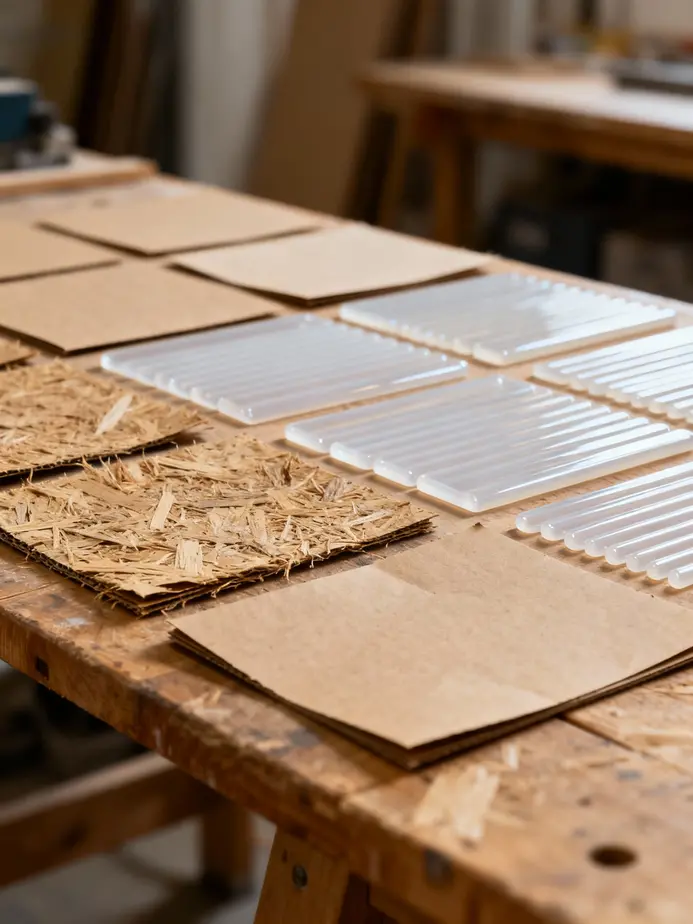
At the core of the desired eco-friendly solutions for kraft noodle boxes is the use of FSC-certified food-grade kraft paper. This material is sourced from responsibly managed forests, ensuring that the environmental impact of paper production is minimized. Typically, manufacturers utilize kraft paper with a basis weight ranging from 50 g/m² to 300 g/m², favoring options that offer the right balance of durability and lightweight design. Grease resistance is crucial for packaging hot, oily noodle dishes, which is where kraft paper shines due to its inherent properties, making it ideal for direct food contact.
To enhance the functionality of kraft noodle boxes, manufacturers often incorporate eco-friendly linings and coatings. Polylactic Acid (PLA), derived from cornstarch, is a preferred option for its biodegradability and compostability. PLA linings provide effective moisture and grease barriers, ensuring the integrity of food contents while eliminating the reliance on traditional plastic coatings. Another option is water-based barrier coatings, which provide a safer alternative to petrochemical-based solutions. These coatings avoid toxic chemicals and are more compatible with recycling processes, supporting the overall sustainability narrative of kraft packaging.
In addition to PLA and water-based coatings, soy eco-wax plays a vital role in maximizing the environmental friendliness of noodle boxes. This plant-based wax offers robust leak-proofing properties, allowing boxes to safely contain hot and greasy foods, while also maintaining an eco-conscious profile. Temperature tolerance is another significant consideration, and soy wax-coated boxes can effectively handle temperatures from -25°C to 96°C, making them suitable for various food types, from steaming noodles to chilled salads.
In contrast, the more traditional polyethylene (PE) lining, while effective for moisture resistance, is regarded as less eco-friendly. While PE offers a strong barrier against leaks and a cost-effective solution for packaging, its reliance on fossil fuels and lower biodegradability diminishes its appeal in sustainable manufacturing contexts. As such, it is often classified as a middle-ground option, presenting a compromise between performance and environmental impact.
The structural design of the 16oz noodle box is inherently important, as it influences both packaging efficiency and consumer convenience. Standard dimensions typically measure 75mm in length, 55mm in width, and 85mm in height, allowing enough volume for a hearty serving of noodles. To enhance durability, many manufacturers opt for double-walled designs, which provide additional strength and insulation without compromising compostability. Customization is yet another attractive feature; manufacturers can tailor these dimensions to better accommodate various meal types while retaining the box’s eco-friendly characteristics.
When it comes to aesthetics, the crucial aspect of printing and finishing complements the practical benefits of kraft noodle boxes. Using soy-based inks for surface printing aligns with eco-friendly initiatives while ensuring vibrant color reproduction. Whether through CMYK or Pantone Matching System (PMS), custom designs can be incorporated seamlessly onto the kraft paper surface, enhancing brand identity without resorting to harmful chemicals. Further, finishing options including glossy or matt lamination can be employed to enhance the tactile experience without detracting from the environmental benefits.
One of the significant advantages of these eco-materials lies in their compostability. Many of the materials used in manufacturing 16oz kraft noodle boxes are industrially or home compostable. For instance, PLA and soy eco-wax linings contribute positively to this aspect, facilitating a circular economy model. Consumers and businesses alike can dispose of these boxes with confidence, knowing they’re participating in sustainable waste management practices.
Moving forward, adopting eco-friendly materials will not just appeal to current consumer trends but will increasingly become a regulatory requirement as governments worldwide impose stricter environmental standards. The evolving market landscape represents an opportunity for manufacturers to rethink their sourcing strategies and invest in innovative, sustainable solutions without compromising on performance or functionality.
As production scale rises, the focus on lead times becomes paramount, with many manufacturers maintaining a production timeline of 10 to 15 days and minimum order quantities often starting at 5,000 pieces. This operational efficiency can be combined with sustainable practices, ensuring that large quantities of eco-friendly kraft noodle boxes can satisfy both local and global market demands.
In conclusion, the material specifications for 16oz kraft noodle boxes are paving the way for a more sustainable future in food packaging. By selecting the right combination of kraft paper, linings, and coatings, manufacturers not only promote environmental stewardship but also position their products competitively in a marketplace that increasingly prioritizes sustainability. With such advancements, the kraft noodle box will continue to evolve, standing out as a compliant, innovative, and eco-friendly packaging solution in the food service industry.
2. Material Specifications for 16oz Kraft Noodle Box Production: Balancing Performance and Environmental Responsibility
The production of 16oz kraft noodle boxes relies on a thoughtful selection of materials that ensure both functional performance and environmental sustainability. These containers, prominent in takeout services, especially for noodle dishes, utilize eco-friendly kraft paper complemented by various linings and coatings to ensure they meet the rigorous demands of food safety and performance during their lifecycle. Here, we delve into the critical material specifications that characterize high-quality kraft noodle boxes, examining how they achieve the dual goals of preserving food quality while supporting eco-friendly initiatives.
At the core of a 16oz kraft noodle box is the base material, typically food-grade kraft paper sourced from Forest Stewardship Council (FSC)-certified suppliers. This material choice not only ensures strength and durability but also aligns with global sustainability standards. To further enhance performance, kraft paper is often combined with specialized materials like low-density polyethylene (LDPE) board or food service board (FSB), both of which offer additional structural integrity. Manufacturers may even incorporate bamboo paper into the mix, providing enhanced strength while remaining eco-conscious.
Adding to the robustness of these containers are the linings and coatings that protect the contents from moisture and grease. The most common options include polylactic acid (PLA) from cornstarch, which is completely compostable, and polyethylene (PE), known for its excellent moisture barrier properties. Water-based barrier coatings (WBBC) and eco-friendly wax alternatives, such as soy blend eco-wax, are also popular choices. These materials ensure that the noodle boxes exhibit natural grease and moisture resistance without incorporating harmful chemicals, avoiding chlorine and other toxic substances during production. Such innovations in lining technology not only protect food quality but also elevate the environmental profile of the packaging.
The physical specifications of the kraft noodle box, particularly its thickness and structure, play a significant role in achieving performance excellence. Typically, these boxes are manufactured with multi-layer laminations, achieving thicknesses between 5 to 6.3 mils. Reinforced seams are designed to withstand the weight of heavy meals and prevent leakage, while the specially designed walls enhance stackability for efficient storage and transport. Dimensions for the 16oz version generally approximate 75mm in top width, 55mm in bottom width, and 85mm in height, allowing for a compact design that meets varied customer needs while ensuring ease of handling.
Temperature tolerance is another critical performance metric for these takeout boxes. Designed for versatility, they can endure temperatures ranging from -25°C to a robust 96°C. This wide range facilitates the safe transport of various meals—from steaming hot noodles to cold salads—while preventing structural compromise or leakage. Moreover, these boxes are often microwave-safe, providing convenience to customers who wish to reheat their meals.
Durability characteristics are essential for ensuring that the noodle boxes withstand the rigors of daily use. They are engineered to be leak-proof, cut-resistant, and drop-resistant, capable of surviving falls from heights of 1 to 1.5 meters without breaking. Such toughness is particularly important for saucy dishes, as the grease-resistant nature of the boxes keeps the food contained, maintaining a tidy and pleasant dining experience. The upright design of the boxes also plays a vital role: it helps retain heat better compared to other packaging options, such as clamshells.
The aesthetic appeal of kraft noodle boxes is equally significant, as branding plays a crucial role in contemporary markets. Producers can utilize a variety of printing and finishing techniques to enhance the visual appeal of the packaging. Techniques such as CMYK/PMS printing, gloss or matte lamination, spot UV finishing, and foil stamping allow brands to communicate their identity effectively and attract consumers. The smooth interiors afford an excellent surface for branding messages, while the use of soy-based inks further supports sustainability goals by minimizing environmental impact.
From a safety and compliance perspective, 16oz kraft noodle boxes adhere to stringent food safety standards set by regulatory bodies such as the FDA and the EU. Each box is compliant with guidelines for direct food contact, having undergone rigorous testing by certified bodies like SGS and ROHS. This commitment to safety is a cornerstone of the production process, ensuring that harmful coatings or chemicals are strictly avoided.
In terms of environmental impact, manufacturers increasingly prioritize materials that are recyclable or compostable. PLA-lined options stand out for their capability to biodegrade, lending an environmentally friendly profile to takeout packaging. The choice of FSC-certified sourcing reinforces a commitment to sustainability, acknowledging the connectedness between responsible sourcing and environmental preservation.
However, it’s essential to recognize the variability in performance based on the type of lining used. For instance, while PLA offers superior compostability, PE provides broader resistance to moisture and temperature extremes. Below certain orders, minimum quantities may rise above 10,000 pieces, necessitating longer lead times of anywhere between 10 to 15 days to accommodate specific customization requests.
In summary, the material specifications of 16oz kraft noodle boxes reflect a delicate balance between performance and environmental responsibility. With their focus on quality, safety standards, and eco-friendliness, these containers serve as a compact yet robust solution for takeout food offerings. They exemplify how thoughtful engineering in packaging can enhance the culinary experience while adhering to sustainable practices. As consumer preferences shift toward greener options, the kraft noodle box stands ready to lead the way in responsible food packaging solutions. For those interested in exploring additional options for sustainable food packaging, a variety of choices are available here.
Chapter 3: Navigating the Eco-Conscious Landscape: The Rise of Sustainable Packaging in the Food Service Industry
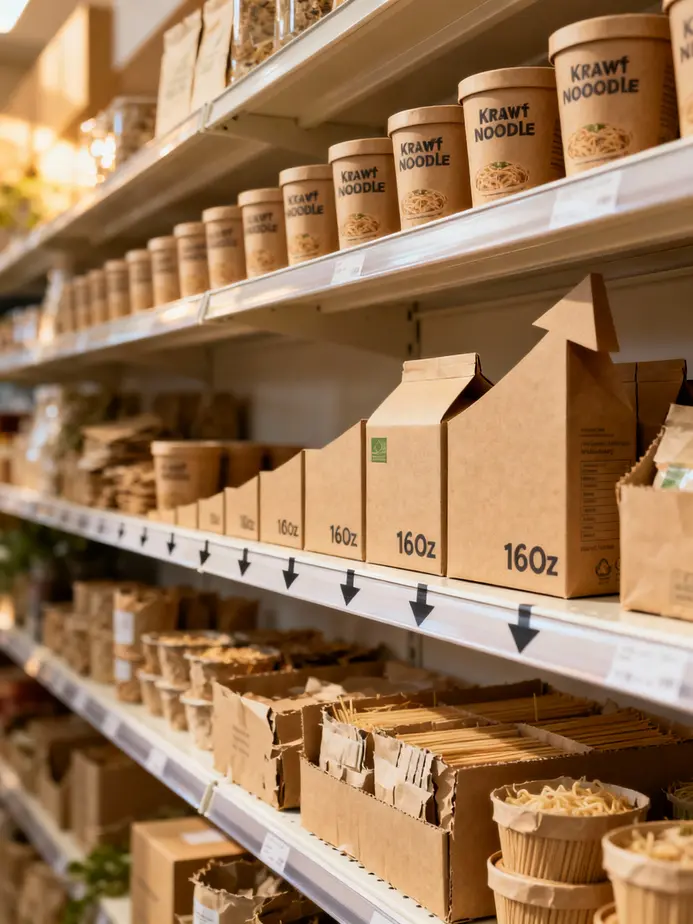
1. The Greener Path: Sustainability and Evolving Consumer Preferences for 16oz Kraft Noodle Boxes
In recent years, the food service industry has undergone a transformation, driven significantly by an increasing awareness of environmental issues and a shift toward sustainable practices. As a result, the market for disposable food containers, particularly 16oz kraft noodle boxes, is experiencing robust growth. A compound annual growth rate (CAGR) of 6.2% from 2023 to 2030 is anticipated as more consumers seek convenient food delivery solutions that align with their eco-conscious values.
Sustainability has emerged as a cornerstone for manufacturers of kraft noodle boxes. Many businesses are strategically shifting their materials sourcing to prioritize eco-friendly products. For example, the use of FSC-certified kraft paperboard is now becoming standard. This certification not only promotes responsible management of the world’s forests but also ensures that the paper is sourced ethically and sustainably. These innovative takeout containers often feature biodegradable linings made from cornstarch-based PLA or PE, striking a balance between environmental responsibility and structural integrity.
This evolution in materials reflects a broader consumer preference for packaging that does not harm the planet. Today’s environmentally conscious customers actively seek out products that exhibit carbon-friendly attributes. As such, manufacturers are also experimenting with new printing techniques, opting for soy-based inks that are non-toxic and environmentally safe. This combination of sustainable materials and eco-friendly printing methods not only enhances the aesthetic appeal of the packaging but also supports the overall message of environmental stewardship.
The desire for eco-conscious packaging coincides with changing consumer preferences that pave the way for innovative designs in noodle boxes. The 16oz size is particularly popular as it effectively serves a variety of portion sizes, whether for side dishes, rice, or noodle soups. However, it’s the functionality and design that truly resonate with today’s consumer expectations. The demand is growing for packaging that not only looks good but also performs well under various conditions, from heat retention to leak prevention.
Many modern designs incorporate features such as double-wall constructions and reinforced seams, ensuring that the containers are leak-proof and capable of withstanding the rigors of food delivery, including exposure to oils and liquids. This reliability is essential for maintaining food quality, and ultimately, customer satisfaction. Furthermore, a growing emphasis on microwave safety adds another layer of convenience. Many households appreciate the ability to reheat takeaway meals in the same container they came in, simplifying the dining experience and reducing the need for additional dishware.
Aside from function, the unboxing experience has become a pivotal aspect of dining trends. Brands now understand that packaging serves as a marketing tool; thus, high-definition custom printing on kraft noodle boxes offers a unique opportunity to showcase brand identity. With the ability to print across the vertical surfaces of these containers, companies can provide a 360-degree branding opportunity, effectively turning each box into a canvas for their promotional artwork. As a result, the attention to packaging design directly correlates with brand perception and customer loyalty in a delivery-first environment.
Durability remains a non-negotiable aspect in the design of 16oz kraft noodle boxes. In an era where takeaway meals are often consumed on the go, ensuring that containers can withstand tearing or puncturing during transit is paramount. Grease-resistant and cut-resistant features are staples in the production of quality noodle boxes that cater to modern consumer needs. It’s vital that customers receive their meals in pristine condition, as any compromise in quality can diminish brand reputation and impact customer retention.
Beyond these functional attributes lies the overarching narrative of sustainability that appeals to the conscience of the modern consumer. As businesses respond to consumer preferences, the integration of environmental responsibility into product offerings will likely result in a paradigm shift within the food packaging sector. By meeting these demands, manufacturers not only contribute to a healthier planet but stand to gain a competitive edge in a saturated market.
The momentum toward sustainability is significant, but it’s also nuanced, as different regions may express varying levels of consumer demand and regulatory frameworks regarding packaging. In the context of the 16oz kraft noodle box market, understanding these dynamics becomes crucial for suppliers and manufacturers looking to penetrate both domestic and international markets. Companies that leverage sustainable practices effectively can attract a diverse range of customers, reflecting a compelling alignment between business growth and environmental accountability.
In conclusion, the increasing focus on sustainability and evolving consumer preferences for 16oz kraft noodle boxes signals a bright future for eco-friendly packaging solutions. Through thoughtful design, responsible materials sourcing, and a commitment to quality, the industry can foster a packaging revolution. Manufacturers who embrace these changes not only cater to common expectations but also pave the way for a more sustainable future.
To explore some of the latest options in eco-friendly packaging, you can check out custom kraft noodle boxes.
2. Navigating the Market Dynamics of 16oz Kraft Noodle Boxes: Economic Trends and Regional Variations
The market for 16oz kraft noodle boxes is expanding rapidly, propelled by a myriad of economic drivers and regional trends that reflect not just consumer preferences but also broader socio-economic shifts. Made predominantly from eco-friendly, FSC-certified kraft paper, these boxes are not only designed with functionality in mind but also cater to an eco-conscious demographic increasingly wary of traditional plastic options. As the demand for takeout and delivery solutions rebounds post-pandemic, projected to grow at a compound annual growth rate (CAGR) of 6.2% from 2023 to 2030, the significance of these kraft noodle boxes becomes ever more pronounced.
One of the leading forces behind this growth is the uptick in takeout orders, which surged following pandemic restrictions. The 16oz kraft noodle boxes have become the go-to choice for restaurants aiming to offer hot meals while maintaining the quality of the food during transport. With their ability to hold up to 500ml of liquid, these containers are ideally suited for a variety of meals, especially noodles and stir-fries that typically require safe, leak-proof packaging. More advanced designs include thermal properties that sustain meal temperatures ranging between 65°C and 70°C for up to 30 minutes post-service, essential for maintaining food integrity and customer satisfaction.
Customization is another pivotal driver of the kraft noodle box market. Brands are increasingly leveraging these boxes not just as packaging but as a platform for branding, with opportunities for logo prints and creative designs. This aspect is particularly vital in today’s experience-driven economy, where packaging aesthetics can play a significant role in attracting customers on social media. Enhanced unboxing experiences have been shown to correlate with increased consumer engagement, especially among younger demographics who prioritize presentation alongside taste. This trend has led suppliers to offer more variations, including boxes with matt lamination or vibrant soy-ink prints, which not only enhance visual appeal but also reinforce the eco-friendly message of sustainability.
As industries pivot towards more sustainable practices, the kraft noodle boxes are undeniably well-positioned. The market has seen a distinct shift toward bio-based and biodegradable materials, with growing government regulations favoring eco-friendly packaging solutions. The adoption of cornstarch-based PLA lining in these boxes serves a dual purpose; it aids in waterproofing and oil resistance while alleviating environmental impacts. This is particularly important as consumer awareness of plastic pollution rises, indicating a clear preference for disposable products that do not contribute to landfill waste. Moreover, companies that adhere to eco-certifications, such as FSC (Forest Stewardship Council) standards, are more favored by consumers who value sustainability in their purchasing choices.
Beyond the material advantages, bulk production capabilities are strategically significant for manufacturers in this space. Factories in China are capable of producing upwards of five million units monthly, allowing for competitive pricing. This cost efficiency is crucial as high-volume restaurants and food vendors increasingly seek affordability without sacrificing quality. Units can range from $0.02 to $0.19 per piece depending on features like dual-wall construction and specialty linings, making them economically viable for both small businesses and larger chains.
Geographically, demand for 16oz kraft noodle boxes is notably robust in specific regions. The Asia-Pacific area, driven primarily by popular Chinese cuisine, demonstrates significant consumption of noodle and rice takeaway meals, reinforcing a cultural inclination toward fast casual dining. As more consumers opt for convenient meal options, the local manufacturing of kraft noodle boxes addresses this market directly. Conversely, in Europe, where culinary trends differ, adaptations include the use of these boxes for bakery and confectionery products. Brands such as Green Box are leading this charge, exploring the versatility of kraft materials in various sectors.
North American markets also reflect a unique set of needs, emphasizing customizable solutions that align with gourmet trends in sushi and noodle dishes. The rise of artisanal food offerings has prompted a search for packaging that aligns not just with functionality but also with the presentation of elevated dining experiences.
Overall, the global market is shifting towards a heightened demand for compostable solutions, particularly visible during peak seasons such as holidays. As businesses aim to scale their operations effectively amidst ongoing supply chain challenges, the need for robust yet cost-effective packaging remains paramount. As inventory pressures mount—often resulting in packaging solutions outselling forecasts by as much as 30%—the role of kraft noodle boxes as a staple in food delivery is clearly underscored.
Emerging trends such as reinforced seams and wider openings are responses to both family-style dining and individual meal requirements; however, it’s worth noting that budget-friendly options may struggle with temperature retention when pitted against premium versions. This complexity underscores the importance of strategic planning and market analysis for vendors looking to thrive in the competitive landscape of takeaway food packaging.
For businesses aiming to embed themselves within this burgeoning market, leveraging the interests marked by these economic drivers while adapting to regional insights will be crucial. As the landscape continues to evolve, companies that prioritize flexibility and sustainability in their packaging offerings will undoubtedly find substantial opportunities ahead.
Chapter 4: Innovative Customization Strategies in 16oz Kraft Noodle Box Production
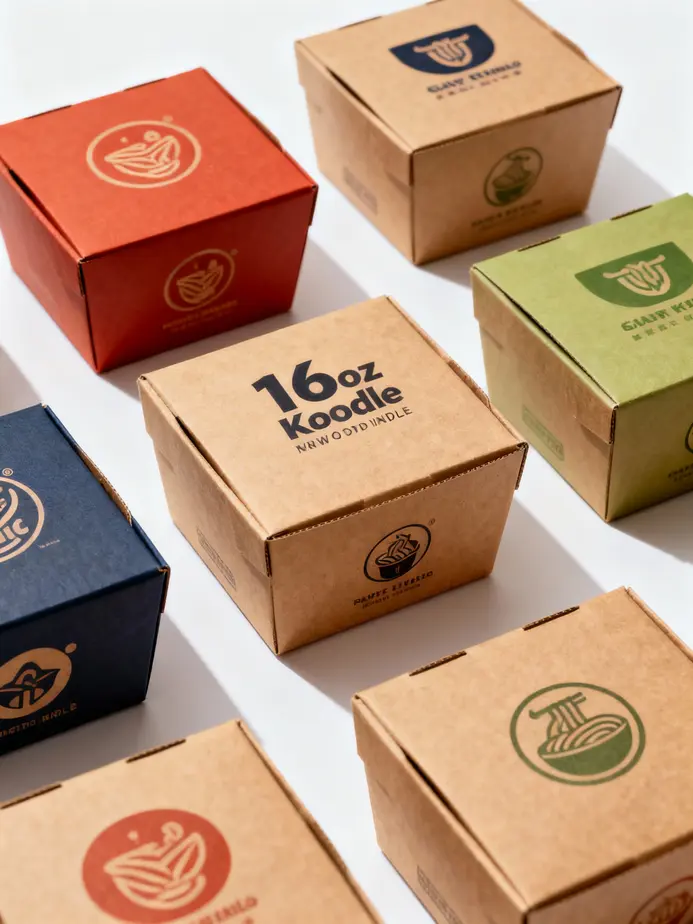
1. Crafting Distinctive Experiences: The Art of Customization in 16oz Kraft Noodle Boxes
In the fiercely competitive food service industry, the presentation of takeout and delivery meals has become as crucial as their quality. For establishments serving noodles and similar cuisines, 16oz kraft noodle boxes serve not just as practical packaging solutions but also as canvases for branding that can distinctly convey their identity and engage customers. As businesses look to create memorable dining experiences, the ability to customize these kraft noodle boxes with unique visual elements and functional features emerges as a strategic advantage.
The customization of 16oz kraft noodle boxes ranges in scope from branding elements to functional improvements. At the heart of branding strategies is custom printing. This involves imprinting logos, business names, and artistic designs on the natural brown surface of the kraft paper. Modern printing techniques allow for high-definition, 360-degree designs that enhance visibility and appeal. Businesses often opt for a plethora of design options, including vibrant colors and creative fonts that resonate with their target audience. Some may even choose premium embellishments such as gold-foiling, which lends an air of sophistication—ideal for upscale dining establishments. This versatility ensures that whether a restaurant’s theme leans toward casual or elegant, the noodle box can be tailored accordingly to create a lasting impression on patrons.
Beyond aesthetics, the design versatility of these boxes is pivotal in meeting the specific needs of various food types. Brands have the flexibility to adapt their packaging to different culinary offerings from gourmet sushi to standard fast-food dishes. Strategic adjustments in logo placement and design elements enhance the container’s alignment with its intended food type, further engaging the customer. For instance, noodle boxes designed for upscale meals may sport refined graphics, while those intended for speedy takeaway can maintain a more straightforward and accessible design. This adaptability not only serves branding but also contributes to the overall user experience by making the packaging visually appealing and easy to handle.
Adding to the appeal, the incorporation of premium finishes can significantly enhance a noodle box’s tactile experience. Food-grade coatings can safeguard prints while improving durability, effectively transforming a simple package into a multi-functional item that aligns with current consumer trends toward aesthetics and sustainability. These glossy or matte finishes enable boxes to not only protect their contents but also serve as effective marketing tools for sharing on social media, inviting customers to showcase their meals.
While branding is crucial, functionality remains paramount. The craftsmanship behind 16oz kraft noodle boxes includes considering material and coatings that maximize performance while maintaining eco-friendliness. Made from strong yet biodegradable kraft paper, these containers often feature specialized interior coatings such as double-poly or waxed finishes. These innovations ensure leak-proof integrity against oils, broths, and steam, making them suitable for handling even the hottest dishes without compromising on quality. Such practical solutions are essential for preventing sogginess and maintaining food integrity during transport, leading to elevated consumer satisfaction.
Size and style variations also play a pivotal role in meeting diverse operational needs. The 16oz box can be found in several configurations—from traditional folded take-out containers to innovative wire-handle pails and upright designs—each tailored for specific culinary contexts or restaurant styles. Many of these containers are stackable and designed with reinforced seams to enhance durability—a critical factor in fast-paced service where robust packaging protects against spills and is conducive to efficient service.
Perhaps one of the most essential attributes of these kraft boxes is their performance characteristics. As more consumers seek convenient meal options, the demand for microwave-safe packaging has surged. The 16oz kraft noodle boxes are often engineered to withstand a range of temperatures, allowing them to retain heat effectively. This aspect is particularly important for takeout meals that are meant to be enjoyed hot, as it improves the customer’s edible experience. While some budget variations might garner critiques for flimsiness, many users find that these containers hold their own, accommodating generous portions of dishes such as pastas or curries without difficulty.
Manufacturers also streamline the customization process by offering low Minimum Order Quantities (MOQs), making it easier for small to medium-sized establishments to embrace personalized packaging. Quick production timelines following design approval, coupled with meticulous material checks, enable businesses to access tailored solutions efficiently. Customization does not just end at design; manufacturers frequently conduct quality assurance tests on print clarity and package strength to ensure reliability, ultimately allowing food service businesses to serve delicious meals in containers that are as appealing as the food itself.
In summary, the journey of customizing 16oz kraft noodle boxes goes beyond merely adding a logo; it intertwines the art of branding with the science of functionality. By harnessing the diverse customization options available—ranging from innovative materials and engaging designs to practical performance characteristics—businesses can deliver memorable dining experiences that resonate with customers and enhance their market presence. As the industry continues to evolve, the importance of crafting unique packaging solutions remains at the forefront of successful food service strategies.
2. Empowering Customization: Material Innovations and Economic Advantages of 16oz Kraft Noodle Boxes
When exploring the realm of 16oz Kraft noodle boxes, customization options play a crucial role not only in augmenting the product’s utility but also in enhancing the overall consumer experience. The intersection of material enhancements and branding capabilities signifies a noteworthy evolution in how these boxes are crafted and perceived in the market. This comprehensive approach to packaging ensures that the noodle boxes are not merely containers but integral parts of a dynamic dining experience, particularly in the fast-paced world of food delivery and takeaway.
The journey into material innovations begins with the fundamental understanding of the Kraft paper itself—an eco-friendly option well-regarded in the packaging industry for its strength and sustainability. What’s more, businesses can further enhance these boxes through features designed specifically for heavy-duty use in restaurant settings. Double-poly coatings serve as a primary innovation, granting the boxes impressive oil and steam resistance. This is especially critical when dealing with delicious, saucy noodles that demand a robust barrier against leakage. Such protective measures safeguard not just the contents, but also the integrity of the brand image for establishments aiming to deliver top-notch service.
Additionally, reinforced seams bolster the structural integrity of these boxes. Preventing leaks is vital, particularly when transporting hot and potentially messy meals. No diner enjoys the unease of a leaky takeaway container, making this enhancement indispensable. Beyond functionality, manufacturers are also tapping into the advantage of microwave-safe structures, allowing customers to reheat their meals directly within the box. This eliminates the step of transferring food, boosting convenience in a world where time is often limited.
Temperature maintenance is another essential consideration. Insulated paper options, available in various finishes like Kraft and white, serve to extend the enjoyment of a hot meal. By reducing condensation that could compromise food quality, these designs ensure that customers receive their meals just as intended. Moreover, upright designs that minimize air exposure help in retaining heat, further emphasizing the commitment to quality service.
Beyond functional enhancements, the aesthetic aspects of 16oz Kraft noodle boxes cannot be overlooked. Engaging features such as premium finishes, which protect prints and provide tactile appeal, elevate the overall consumer experience. When consumers can visually appreciate their packaging, it sets the tone for the meal to come, facilitating a connection between the food and the brand. Incorporating eco-friendly options, such as matte lamination, marries sustainability with style, creating an attractive and responsible product that resonates with environmentally conscious diners.
Transitioning from material innovations to economic impacts illustrates how these customization options create a ripple effect for both manufacturers and consumers. Bulk manufacturing practices have yielded significant reductions in unit prices, generally falling within a range of £0.07 to £0.20 per box. Such pricing models empower restaurants and food vendors—especially startups and small businesses—to maintain quality while adhering to budget limitations. This prices them competitively in the thriving foodservice market.
The role of custom branding also warrants significant attention. Boxes adorned with logos, catchy taglines, or eye-catching imagery become far more than simple containers; they transform into mobile advertisements. Enhanced brand visibility occurs organically through social media interactions and word-of-mouth referrals. When diners share their experiences online, the visually appealing packaging plays a crucial role in capturing attention, thus creating a bridge between product appreciation and customer loyalty.
Furthermore, elevated design leads to recognized brand identity. Custom printing on noodle boxes not only reinforces the company’s mission but also aids in establishing a unique place in a crowded market. The confluence of quality packaging and branding facilitates customer retention and encourages repeat business—gains that are incredibly fruitful for restaurants navigating the challenges inherent in the food service industry.
Scalability is yet another critical advantage afforded by the customizable nature of 16oz Kraft noodle box production. With flexible options available to suit businesses ranging from humble food stalls to expansive restaurant chains, these packaging solutions allow for wholesale pricing structures that accommodate growth. This scalability is vital as it supports varying business needs, whether for a limited-time promotion or daily operational requirements.
While the immediate advantages of material and branding innovations are clear, it is crucial to consider the insights gained from existing industry data regarding economic benefits and potential ROI metrics. Though comprehensive analyses on these aspects are limited, the enduring relationship between state-of-the-art packaging and profitable growth is undeniable. Businesses can realize significant savings through bulk purchasing while simultaneously enhancing their market position through effective branding strategies.
In summary, the exploration of customization options for 16oz Kraft noodle boxes reveals a landscape rich with material enhancements and economic potential. Together, these features not only enhance utility and consumer satisfaction but also align with broader market strategies that support brand visibility and customer retention. As the food industry continues to evolve, the importance of these innovative packaging solutions will only gather momentum, further entrenching the Kraft noodle box in contemporary dining experiences. Companies keen on exploring these pathways can delve into options offered across platforms familiar to industry professionals—such as Alibaba, where myriad manufacturers await with tantalizing propositions for the business-savvy restaurant operator. Along these lines, a valuable resource detailing these innovative choices can be found via Cofe Cup’s comprehensive offerings.
Chapter 5: The Financial Landscape and Strategic Pricing in 16oz Kraft Noodle Box Manufacturing
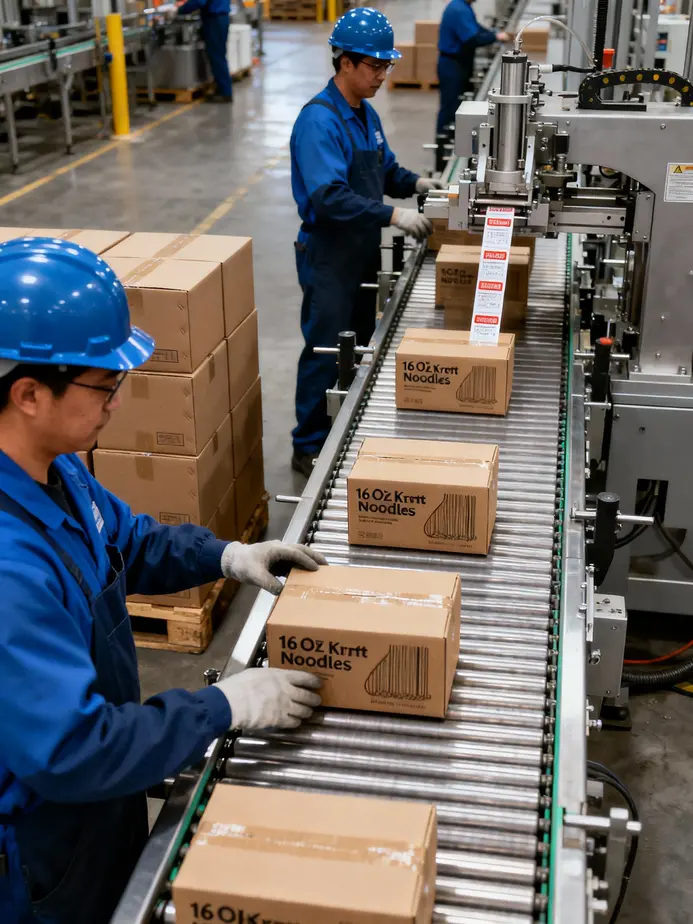
1. Navigating Cost Structures and Pricing Strategies for 16oz Kraft Noodle Box Factories
The manufacturing of 16oz Kraft noodle boxes presents a unique cost structure that significantly influences overall economic impact. Understanding this structure is critical to implementing a successful pricing strategy that maximizes profitability while maintaining competitiveness in the market. The cost structure can be broken down into four primary components: raw materials, labor, packaging and overhead, and pricing strategies. Each plays a pivotal role in determining the factory’s bottom line.
Raw Materials form the backbone of the manufacturing process. Kraft paper, known for its durability and eco-friendliness, is the primary material used. Prices for kraft paper can vary considerably, ranging from $0.01 to $0.20 per unit based on bulk purchasing agreements. Factories that purchase minimum order quantities of up to 10,000 pieces can leverage these lower costs to enhance profitability. Furthermore, manufacturers often seek to differentiate their product through customization, such as heat-resistant coatings or printed designs, which can increase the value perception among food businesses. The trend towards eco-friendly materials, like FSC-certified kraft or plant-based linings, adds another layer of complexity and potential cost.
Transitioning to Labor Costs, these expenses are directly tied to the production cycle, encompassing activities such as cutting, folding, printing, and assembling the noodle boxes. In high-volume operations, the economy of scale tends to reduce these per-unit costs. However, it’s crucial to account for the comprehensive labor expense, including wages and benefits, which can hover around $0.50 per item. When planning labor investment, factory managers should consider adopting automation where feasible to maintain competitive pricing and improve operational efficiency.
The next component, Packaging and Overhead, encompasses a range of miscellaneous expenses including shipping boxes for outbound products, utility costs, factory rentals, equipment depreciation, and insurance premiums. Packaging and overhead collectively contribute approximately $0.40 to $0.60 to the total cost per unit. Effective management of these costs can significantly influence overall profitability. For instance, factories must carefully plan logistics to minimize shipping costs while ensuring timely deliveries that meet customer demand.
With a thorough understanding of costs established, companies must now focus on their Pricing Strategy. An effective pricing strategy involves calculating the total production cost and determining an appropriate markup that aligns with market expectations while ensuring the company remains profitable. A commonly utilized formula comes into play here: Selling Price = Total Cost ÷ (1 − Target Margin). For 16oz kraft noodle boxes, with a total manufacturing cost estimated at $0.15 per unit, and a target margin set between 60% and 70%, this translates to a calculated selling price of approximately $0.43 per unit at a 65% margin.
However, customized offerings and bulk orders can necessitate adjustments to these base prices. Adding features such as logo printing, which can impose a 10% to 20% premium on the base unit cost, not only enhances value but fosters customer loyalty, particularly among restaurants and takeout services seeking brand recognition.
Another advantage of high-volume production is the opportunity to capitalize on economies of scale. For factories producing 10,000 or more units, this can substantially reduce per-unit costs. Increased production not only enhances profit margins but also cushions the business against fluctuations in raw material prices or labor costs. Such operational stability becomes crucial in a competitive landscape where prices are continuously pressured by suppliers and market demand. Regular assessments of operational costs and profit margins are essential to maintain profitability, especially as input prices fluctuate.
Moreover, strategies to monitor and adjust pricing based on market feedback and consumer trends will further aid factories in remaining relevant and competitive. This is particularly important in a sector where the proliferation of eco-friendly packaging options attracts conscientious consumers who favor sustainable practices. By aligning pricing strategies with these market trends, factories can foster greater engagement with their customer base, leading to increased sales and a stronger brand reputation.
In this economic landscape, however, factory operations also face limitations. Lack of specific factory data means that many of the calculations are drawn from broader industry analogs, necessitating caution when interpreting these figures. It’s assumed that the noodle box specifications—which must be heat-resistant, stackable, and fit for food-grade applications—align with prevailing quality benchmarks. Anomalies in production conditions may impact costs and delivery, making adaptability a key attribute for success in this sector.
In conclusion, the operation of factories producing 16oz Kraft noodle boxes demands not only a clear grasp of various cost elements but also a strategic approach to pricing. By meticulously navigating the intertwined nature of these factors, manufacturers can optimize their economic impact while staying competitive in a rapidly evolving market. Effectively leveraging such insights can lead to synergistic relations with clients seeking eco-friendly options, thus reinforcing the factory’s standing in this burgeoning market of disposable yet sustainable packaging solutions. For those interested in exploring customized packaging options, resources and products can be found through platforms dedicated to eco-friendly packaging solutions.
2. The Financial Landscape of 16oz Kraft Noodle Box Production and Its Market Potential
The economic viability of 16oz Kraft noodle boxes is not merely a reflection of their immediate applications but an encapsulation of broader industry trends that signal robust potential for growth and profitability. In the context of the global food service packaging market, projected to ascend to USD 502.5 billion by 2026 with a steady compound annual growth rate (CAGR) of 4.8%, the demand for biodegradable and eco-friendly packaging, particularly in food takeout sectors, is gaining traction. Given this backdrop, the production of Kraft noodle boxes stands at the intersection of sustainability and scalability, promising not just ecological benefits but also significant revenue opportunities for manufacturers engaged in this arena.
The eco-friendly appeal of 16oz Kraft noodle boxes originates from their materials—composed largely from sustainable Kraft paper, these packaging solutions represent a conscientious response to the pressing demand for environmentally responsible food packaging. With features such as waterproofing and oil resistance, facilitated through options like PE/PLA linings, these boxes are modified to meet the specific needs of food vendors, enhancing their marketability and consumer acceptance. The customization possibilities, next to standard sizes, extend to options like customized prints and lamination, further broadening the consumer base and enabling factories to command varied pricing parameters.
The economic implications for manufacturers are palpably vast, with costs per unit ranging from $0.02 to $0.19, contingent on design intricacies and additional features. Furthermore, leading manufacturers such as SenAng02 and Colinpak exhibit output capabilities reaching five million pieces per month, signifying a capacity that aligns well with the growing demand for take-out and fast-food services globally. Such large-scale production streams not only furnish factories with competitive advantages regarding pricing but also position them as key players in the supply chain of food service packaging.
Delving deeper into factors that shape revenue potential, a notable trend is the increasing preference for customized and premium packaging solutions among foodservice operators. These vendors seek packaging that reflects their brand ethos while simultaneously catering to consumer expectations concerning sustainability. As a result, manufacturers producing 16oz Kraft noodle boxes have the opportunity to increase profitability through value-added services, including unique designs, specialized materials, and sustainability certifications, which can justify higher price points in their offerings.
Another crucial aspect influencing the financial landscape is the geographical distribution of production. While several companies based in China dominate the market due to lower labor costs and economies of scale, regional supply also reveals interest from European and U.S.-based manufacturers who focus on sustainable practices and eco-friendly materials. This diversification enables small to medium-sized enterprises (SMEs) outside of China to emerge, targeting local markets that prioritize sustainability in their sourcing strategies. The overall market growth for food packaging can significantly benefit these SMEs, particularly as consumers become increasingly conscious of their environmental impact.
In addition to end-user trends, the cost-efficiency afforded by bulk procurement plays a decisive role in determining market dynamics. For instance, minimum order quantities often start at 5,000 pieces, allowing wholesale buyers to leverage price breaks that amplify their bottom lines. The stacking design of these noodle boxes enhances shipping efficiency, reducing the overall cost spent on logistics—an imperative consideration in the foodservice industry.
As environmental concerns persist alongside shifts in consumer preferences, the Kraft noodle box segment stands to benefit immensely from policy changes encouraging the reduction of plastic usage. Many governments are implementing bans on single-use plastics and offering incentives for companies adopting biodegradable packaging methods. These legislative shifts not only create a favorable regulatory environment but also push financial investment into the production technologies that enhance the sustainability of packaging products like Kraft noodle boxes.
Moreover, potential profitability increases through reclamation and recycling efforts—ways in which discarded packaging can return to the supply chain. This approach not only broadens the sustainability narrative but also introduces routes for cost recovery, further sweetening the economic prospects for companies involved in the noodle boxes’ production.
In conclusion, the economic impact of 16oz Kraft noodle box factory operations radiates well beyond simple production costs, encompassing thriving market trends, customization options, and sustainability movements. The sector’s expansion is poised amid favorable market projections and a collective consumer push for greener alternatives, signifying a promising financial pathway for manufacturers. By embracing these elements, factories can position themselves strategically within a flourishing segment, tapping into the unprecedented revenue potential intrinsic to the production of 16oz Kraft noodle boxes commonly used by food service providers globally. For manufacturers looking to succeed, navigating these dynamics will be essential, as the drive toward sustainable packaging continues to shape the economic landscape of the food service industry.
Final thoughts
Understanding the intricacies surrounding manufacturing 16oz kraft noodle boxes provides invaluable insights for business owners. From sourcing quality materials to recognizing customization options and comprehending current market trends, each aspect plays a crucial role in making informed decisions. The economic impact of these operations signifies a ripple effect on local communities, reinforcing the significance of choosing the right packaging. Adopting 16oz kraft noodle boxes not only caters to consumer preferences for eco-friendly options but also promises sustainability and cost-effectiveness for foodservice providers seeking to enhance their offerings.
Choose our reliable disposable tableware and packaging solutions for your business. We offer quality products that meet safety standards, with fast delivery and flexible options. Partner with us today to elevate your service – contact our team now for a tailored quote!
About us
We specialize in manufacturing and supplying disposable tableware, packaging paper, and boxes. With years of experience, we prioritize safety, durability, and eco-friendly practices. Our goal is to provide businesses with trusted, cost-effective solutions backed by responsive customer support.