
Introduction
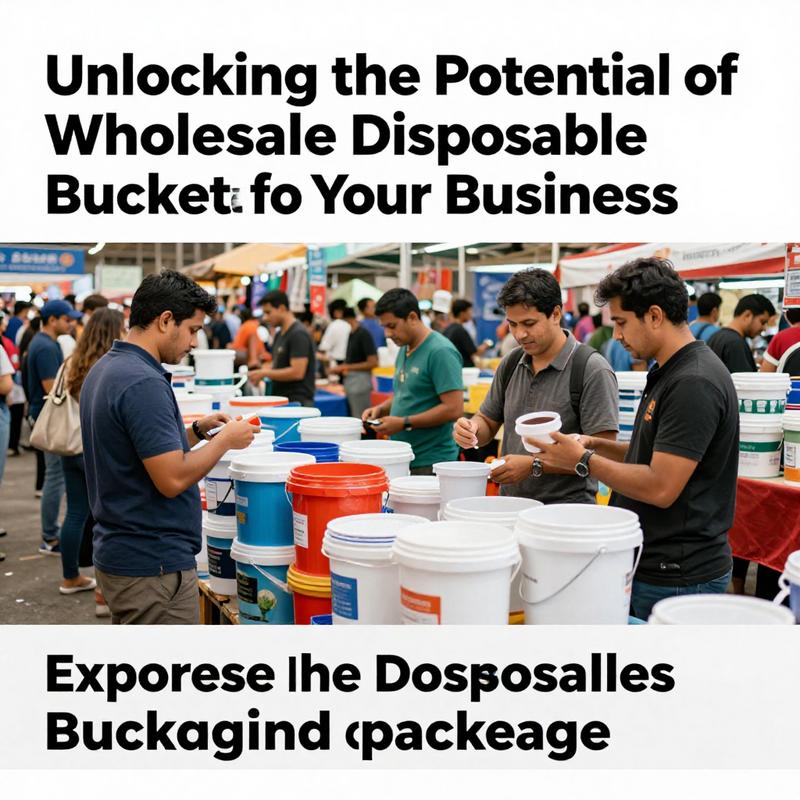
The wholesale disposable bucket market is witnessing a surge driven by a need for effective, sustainable solutions in food and beverage packaging. As businesses increasingly pivot toward eco-friendliness, understanding this market becomes crucial for making informed purchasing decisions and ensuring compliance with safety standards. This article delves deep into the various dimensions of the wholesale disposable bucket industry, from an overview of the market and key suppliers to customization options, pricing structures, and the benefits of eco-friendly materials. Each chapter aims to equip business owners with insights that can sharpen their competitive edge in the burgeoning disposable bucket market.
Tables of Contents
Chapter 1: Exploring Market Dynamics and Future Growth Potential in the Disposable Bucket Wholesale Industry
- Strategic Insights into the Evolving Landscape of Disposable Bucket Wholesale
- Navigating Geopolitical Challenges in the Disposable Bucket Wholesale Sector
- Eco-Conscious Practices Driving Demand in Disposable Bucket Wholesale
Chapter 2: Exploring China’s Industrial Landscape for Wholesale Disposable Buckets
- Navigating the Heart of Manufacturing: China’s Key Industrial Clusters for Disposable Buckets
- Innovative Sustainability: Eco-Friendly Practices in China’s Disposable Bucket Manufacturing
- Unpacking the Infrastructure and Logistics Landscape of China’s Disposable Bucket Manufacturing Regions
Chapter 3: Enhancing Brand Identity Through Custom Packaging Solutions
- Crafting Unique Visual Experiences: The Power of Customization in Disposable Bucket Wholesale
- Bespoke Solutions: Crafting Custom Sizes and Shapes to Elevate Your Brand
- Crafting Quality and Functionality: The Art of Choosing Materials in Disposable Bucket Wholesale
Chapter 4: Navigating the Pricing Landscape of Disposable Buckets: MOQ Insights for Buyers
- Decoding Minimum Order Quantities: A Comprehensive Guide for Bulk Disposable Buckets
- Examining Cost Structures and Order Strategies in Disposable Bucket Wholesale
- The Interplay of Market Trends with Pricing Models and MOQs in Disposable Bucket Wholesale
Chapter 5: Harnessing Eco-Friendly Innovations for a Sustainable Future in Disposable Bucket Wholesale
- The Role of Eco-Friendly Materials in Promoting Environmental Stewardship in Wholesale Disposable Buckets
- Rising Demand and Economic Incentives for Eco-Friendly Disposable Buckets
- Driving Consumer Loyalty with Eco-Conscious Packaging in Disposable Bucket Wholesale
Chapter 1: Exploring Market Dynamics and Future Growth Potential in the Disposable Bucket Wholesale Industry
1. Strategic Insights into the Evolving Landscape of Disposable Bucket Wholesale
The disposable bucket wholesale sector is undergoing significant transformations, with robust growth fueled by diverse factors spanning industrial, commercial, and consumer markets. A recent analysis indicates that the global plastic bucket and pails market was valued at USD 1.2 billion in 2024 and is anticipated to escalate to USD 1.8 billion by 2033, highlighting a compound annual growth rate (CAGR) of around 4.5% throughout this forecast period. This remarkable surge is not without its catalysts, prominently featuring an ongoing wave of industrialization, an uptick in construction activities, and a burgeoning demand for cost-effective, durable, and hygienic packaging solutions across varied sectors including chemicals, automotive, food and beverage, and household cleaning products.
Furthermore, the market is witnessing a pivotal transition driven by evolving consumer preferences that favor lightweight, recyclable, and sustainable materials. Such trends are increasingly prompting manufacturers to innovate their product lines while adhering to eco-friendly practices. Nonetheless, conventional plastics remain prevalent due to their affordability and versatility, maintaining a dominant grip on the market. This duality between the push for sustainability and the economic practicality of traditional materials is a defining characteristic of the current wholesale landscape.
Tension within the competitive landscape is intensifying; manufacturers are stepping up investment in production capacity, optimizing supply chains, and streamlining operational workflows to effectively cater to escalating regional demands. To bolster their market position, key players are increasingly pursuing strategic partnerships and diversifying their geographical presence, ensuring they remain resilient amidst fluctuating market dynamics.
The rise of e-commerce and direct-to-consumer distribution channels is also reshaping the market’s accessibility, enabling businesses to scale operational capacities efficiently and reach a broader audience. This transformation is powered by technological advancements that facilitate transaction ease and product visibility in a crowded marketplace, ultimately contributing to higher sales volumes and faster turnaround times.
As sustainability concerns escalate, the pressure on suppliers to embrace eco-friendly manufacturing practices is mounting. Businesses are increasingly tasked with exploring alternative materials for product development, which could significantly reshape future market dynamics. This sustainability drive not only caters to the growing number of environmentally-conscious consumers but also aligns with regulatory mandates that prioritize reducing environmental impact.
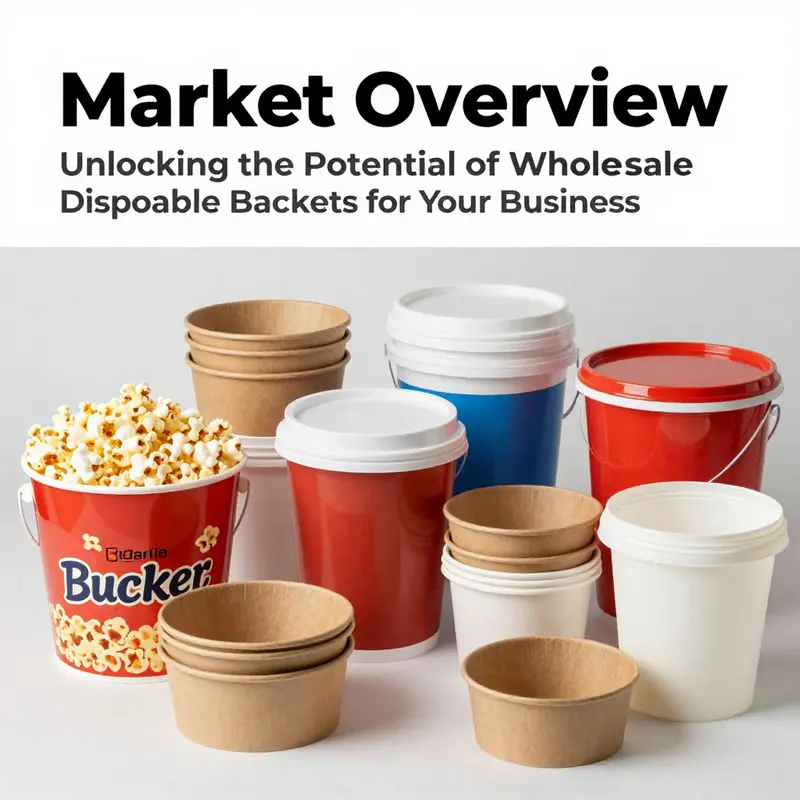
According to reports, the demand for eco-friendly, food-safe packaging solutions is on the rise, with evolving regulations emphasizing the need for innovation in packaging materials. The emphasis on products such as single-wall popcorn buckets, kraft paper bowls with lids, and disposable soup buckets made from durable, food-grade kraft paper illustrates the market’s pivot towards sustainability. This shift signals that while traditional products will persist, the future will likely favor innovations that marry functionality with environmental responsibility.
Amidst the backdrop of these ongoing changes, suppliers leveraging advanced manufacturing capabilities, particularly in China’s industrial hubs, are positioned to capitalize on emerging opportunities. For businesses looking to stay ahead in this thriving market, forming strategic alliances with these manufacturers can prove beneficial. The wholesale disposable bucket sector is ripe for exploration, offering myriad possibilities for those willing to innovate.
For insights into customizable options for sustainable packaging solutions, explore our range of products here.
2. Navigating Geopolitical Challenges in the Disposable Bucket Wholesale Sector
The disposable bucket wholesale market does not operate in a vacuum; it is significantly influenced by geopolitical dynamics that can impact supply chains, pricing, and international trade policies. Recent events, ranging from regional conflicts to shifts in trade agreements, have underscored the need for market participants to maintain flexibility and vigilance in their operations.
One of the most pressing geopolitical challenges is the disruption of global supply chains. Geopolitical conflicts often result in port closures or heightened security measures, which can severely delay shipments. For a sector heavily reliant on timely delivery, such interruptions present not only logistical complications but also financial burdens. Increased shipping costs resulting from rerouted paths or the need for additional security can raise overall procurement expenses, impacting the pricing strategies of wholesalers. Navigating these complexities demands agility from businesses, which must adapt their logistics strategies swiftly to mitigate risks associated with unpredictable geopolitical situations.
In addition to logistical hurdles, fluctuations in raw material prices pose significant challenges for the disposable bucket market. The majority of disposable buckets are made from materials like plastics that are closely tied to petroleum markets. Geopolitical instability within oil-producing regions can lead to sudden price spikes for raw materials, thus complicating the cost structure of disposable bucket manufacturers. Such price volatility not only affects direct costs but also necessitates a reevaluation of price-setting strategies and inventory management practices.
Trade policies further complicate the landscape of disposable bucket sourcing and distribution. Economic sanctions, tariff impositions, or trade barriers can limit a company’s access to essential manufacturing hubs, thereby altering the sourcing dynamics. For instance, if a country imposes tariffs on imports from key suppliers, wholesalers may face steep increases in costs or need to seek alternative, potentially less reliable suppliers. As businesses navigate these uncertainties, they often find themselves reevaluating and diversifying their sourcing strategies to maintain competitive advantage in a constricting market.
Research from the OECD in 2023 highlights how geopolitical tensions have cast a long shadow over global trade systems, particularly in containerized shipping. The research reveals a stagnating demand for shipping, starkly juxtaposed against a growing supply, indicating structural imbalances worsened by global instability. For those in the disposable bucket wholesale market, where logistical efficiency is paramount, these macro-level disruptions require an acute awareness of international trends and their potential ramifications on local operations.
Additionally, increased environmental regulations, often spurred by geopolitical factors, are reshaping consumer preferences and production standards. The global shift towards sustainable practices is not merely a reflection of consumer demand but is also rooted in international relations and agreements aimed at combating climate change. As regulations become stricter, manufacturers are pushed to innovate, developing eco-friendly alternatives that are both marketable and compliant with new standards.
In conclusion, understanding the geopolitical influences shaping the disposable bucket wholesale market is crucial for business leaders. They must remain responsive to these challenges, enhancing their operations and strategies accordingly. Adapting to this complex landscape could determine the success or failure of businesses in this competitive sector.
For more insights into how businesses adapt to these geopolitical influences, consider exploring eco-friendly product options available in the market.
3. Eco-Conscious Practices Driving Demand in Disposable Bucket Wholesale
The wholesale disposable bucket market is undergoing a transformative evolution driven by the imperative for sustainability. As societal values shift toward environmental consciousness, manufacturers and suppliers are stepping up to meet the growing demand for eco-friendly products. This change is not a mere trend; it has become a crucial determinant of success in the market. Companies are recognizing that aligning with sustainability is essential not only for compliance but also for capturing the loyalty of eco-aware consumers.
The impetus for this change stems from a convergence of consumer behavior, regulatory pressures, and the increasing salience of Environmental, Social, and Governance (ESG) criteria. Today’s consumers are not just passive recipients; they actively seek products that reflect their values. This trend is particularly pronounced in sectors such as food service and retail, where disposable products are ubiquitous. As such, the demand for disposable buckets crafted from biodegradable materials or sustainable resources is surpassing traditional offerings. Single-wall popcorn buckets and kraft paper bowls are now preferred in many venues, illustrating a profound shift towards greener alternatives.
By adopting innovative manufacturing processes, companies play a pivotal role in this sustainability narrative. For example, producers are increasingly utilizing cleaner production technologies and energy-efficient methods to minimize their overall carbon footprint. Reports from leading industry analysts suggest that, as these practices take root, manufacturers stand to benefit from operational efficiencies while responding to rising regulatory expectations regarding emissions and environmental responsibility. Additionally, investments in renewable energy sources and sustainable raw materials further facilitate this shift, often resulting in cost savings that enhance competitiveness in the wholesale market.
Supply chain transparency has emerged as yet another cornerstone of sustainability in the disposable bucket sector. Buyers now demand comprehensive information regarding the sourcing of materials, production ethics, and disposal options at the product’s end-of-life. This heightened sense of accountability compels suppliers to maintain higher standards in their operations, credibly demonstrating their commitment to sustainable practices. The importance of influence from capital markets cannot be overstated; as they increasingly seek sustainable investments, companies that do not adhere to these standards risk losing not only market share but also investor interest.
Furthermore, proactive investments in sustainability certifications are becoming a strategic differentiator. Wholesalers that pursue credentials such as Forest Stewardship Council (FSC) or Cradle to Cradle certification not only enhance their reputation but also appeal to discerning customers who value verified ethical practices. Such certifications act as tangible proof of a company’s commitment to sustainability, thereby fostering trust and loyalty among consumers. The drive toward nature-positive solutions is indicative of the urgent need to balance business operations with environmental stewardship, using renewable raw materials while curbing activities that lead to deforestation.
In conclusion, sustainability is reshaping not only product development in the disposable bucket wholesale market but also the very fabric of entire supply chains. Companies that prioritize eco-conscious practices and transparency are positioning themselves favorably in a competitive landscape marked by growing consumer awareness and regulatory scrutiny. The momentum of sustainable innovations presents an opportunity to transform the wholesale market, firmly establishing eco-friendly disposable solutions as the gold standard for the future of packaging. To explore further how sustainability is influencing product categories, including disposable packaging, visit established platforms for tailored sourcing solutions, as they provide insight into this urgent marketplace shift.
Chapter 2: Exploring China’s Industrial Landscape for Wholesale Disposable Buckets
1. Navigating the Heart of Manufacturing: China’s Key Industrial Clusters for Disposable Buckets
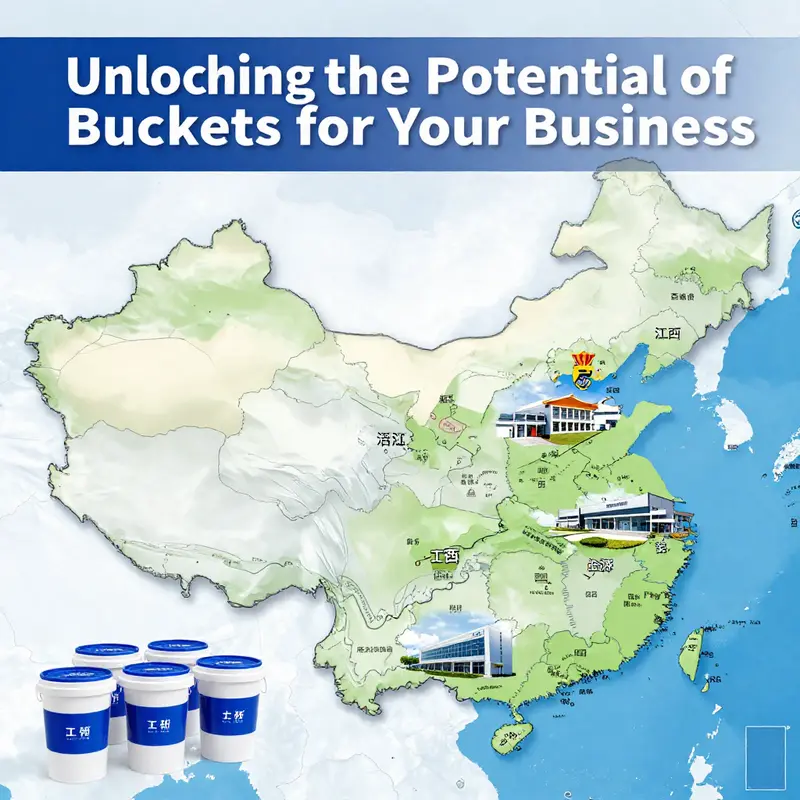
China stands as a global leader in the wholesale disposable bucket market, primarily due to its robust industrial infrastructure and diverse manufacturing hubs. This country’s key industrial clusters not only bolster production capabilities but also emphasize innovation, sustainability, and logistical efficiency. Among the most prominent regions, Zhejiang and Fujian Provinces lead the charge, offering unique advantages that appeal to businesses looking to source high-quality disposable buckets in bulk.
Zhejiang Province, particularly through cities like Wenzhou and Ningbo, serves as a powerhouse in paper molding and packaging. The region benefits from advanced facilities equipped with cutting-edge technology that enhances production efficiency. Ningbo-Zhoushan Port holds the distinction of being one of the largest ports globally, enabling seamless logistics that facilitate timely deliveries for international buyers. The mature supply chains in this area allow manufacturers to employ advanced coating and sealing techniques, crucial for ensuring product quality, especially for food-safe packaging solutions.
Meanwhile, Fujian Province, with Xiamen as its focal point, showcases a strong commitment to eco-friendly packaging innovations. This hub is increasingly recognized for adopting sustainable practices in the production of disposable buckets. Suppliers in Fujian often prioritize compliance with stringent international food safety standards, making it an ideal sourcing destination for environmentally conscious operators. Given the rising demand for biodegradable and recyclable materials, the focus on sustainability here resonates well with global market trends.
In addition to these established regions, Anhui and Jiangxi Provinces are emerging as competitive players in the disposable bucket manufacturing landscape. With lower operational costs, these provinces offer attractive pricing structures without compromising production quality. Their solid manufacturing infrastructure ensures reliable output, enabling suppliers to meet the growing demands of diverse markets efficiently. This burgeoning industrial activity presents an excellent opportunity for buyers seeking to capitalize on the value proposition provided by these lower-cost manufacturing settings.
Not to be overlooked, Shanghai stands out for its emphasis on high-end customization and design services. Often dubbed China’s commercial hub, it houses leading R&D facilities that push the envelope in product design. Businesses seeking to differentiate themselves in a crowded marketplace can benefit from Shanghai’s sophisticated logistics networks that ensure rapid turnaround times for custom orders. Through this hub, buyers can obtain premium-quality disposable buckets tailored to their specific branding needs.
The collective advantages presented by these regional clusters enrich the wholesale disposable bucket market. Buyers can expect faster lead times, greater product variety, and the potential for enhanced innovation when they strategically engage with these manufacturers. By leveraging Chinese industrial capabilities, businesses can navigate the intricacies of sourcing while capitalizing on the functional benefits of disposable buckets. For a deeper dive into suppliers and product specifications tailored to your needs, exploring resources such as Disposable Paper Bucket Suppliers in China: B2B Sourcing Guide & Top Manufacturers can yield valuable insights.
2. Innovative Sustainability: Eco-Friendly Practices in China’s Disposable Bucket Manufacturing
China stands as a pivotal hub in the wholesale disposable bucket market, largely due to its sophisticated manufacturing ecosystem. This ecosystem thrives on rapid advancements in technology and a growing commitment to sustainability. Across various provinces, manufacturers are innovating to provide eco-friendly disposable packaging solutions, crucial for businesses aiming to meet consumer demand for environmentally conscious products.
One of the leading regions is Zhejiang Province, particularly the cities of Wenzhou and Ningbo. These cities are at the forefront of advanced paper molding technologies and specialize in creating eco-friendly disposable buckets from materials like kraft paper and recycled pulp. The dense manufacturing landscape here has enabled factories to streamline production processes while ensuring compliance with international environmental standards. Moreover, these cities boast access to major export ports, including the Ningbo-Zhoushan Port, facilitating efficient international shipping for wholesalers looking to capitalize on rapid delivery times.
Moving to the Fujian Province, specifically in Xiamen, we find another vital player in this market. Xiamen has solidified its reputation through a focus on sustainable innovation. Factories in this region emphasize food safety and environmental compliance, achieving certifications such as FDA and LFGB. This is particularly evident in products like eco-friendly soup buckets and custom take-out lunch bowls, where companies like HeFei Paka Eco-Tech Co., Ltd. illustrate expertise in marrying functionality with sustainability. Their innovative containers are equipped with built-in coatings that prevent water damage while remaining biodegradable. This intersection of safety and sustainability is essential for today’s ecologically aware market.
Anhui and Jiangxi Provinces are progressively establishing themselves as cost-effective manufacturing clusters. Here, production processes benefit from lower operational costs without sacrificing quality. These regions have become attractive options for wholesale buyers looking for affordable yet sustainable disposable buckets. Manufacturers here provide extensive customization options, allowing clients to order products tailored specifically to diverse market needs—whether that be printed logos or size variations.
In contrast, Shanghai stands out for its premium offerings in customization and research and development. This city supports high-end manufacturing with sophisticated logistics and rapid prototyping, making it an ideal environment for businesses seeking bespoke packaging solutions. Here, quality meets creativity, as brands can experiment with innovative designs while ensuring that their packaging aligns with sustainable practices.
Moreover, the Hebei Province is notable for hosting some of the largest hygiene product factories, indicating a level of industrial maturity applicable to the disposable bucket production line. These vertically integrated facilities are capable of large-scale production while adhering to sustainable practices, reinforcing the notion that eco-friendly manufacturing can coexist with high output.
Last but not least, Tianjin and Shanghai factories emphasize stringent compliance with medical-grade standards, ensuring that their products are suitable for even the most sensitive applications—the emphasis on sustainability remains robust, reflecting a comprehensive approach to protecting the environment.
As the market increasingly shifts towards sustainability, China continues to lead by embracing eco-friendly innovations. Manufacturers across these provinces now offer an impressive range of customizable options while maintaining rigorous quality control. By sourcing from these specialized regions, B2B buyers gain access to high-quality, sustainable disposable buckets that align with evolving market demands for eco-friendly solutions. To explore some customizable eco-friendly packaging options, consider checking out customizable kraft paper salad takeaway bowls.
3. Unpacking the Infrastructure and Logistics Landscape of China’s Disposable Bucket Manufacturing Regions
China stands at the forefront of the disposable bucket wholesale market, characterized by robust infrastructure and strategic logistics that cater to a diverse range of global needs. Each major production region in the country has carved out a niche that not only maximizes manufacturing efficiency but also enhances overall supply chain effectiveness. This subchapter delves into the key manufacturing hubs, focusing on their unique strengths, logistical advantages, and contributions to the disposable bucket market.
Starting with Zhejiang Province, particularly the city of Taizhou, this region has emerged as a powerhouse in the production of paper-based disposable products. Taizhou is home to advanced paper molding facilities that utilize cutting-edge technologies for coating and sealing. The logistic advantages of this area are astounding, given its proximity to the Ningbo-Zhoushan port complex, one of the busiest ports in the world. This strategic location facilitates rapid turnaround times for shipments and seamless access to international markets, making it an ideal location for wholesale buyers looking to streamline their procurement processes. Many suppliers in Zhejiang provide comprehensive services, from mold design to final production, enabling them to uphold strict quality control standards while significantly reducing lead times.
Next, Fujian Province stands out, mainly through cities like Xiamen and Quanzhou, as a leader in eco-friendly packaging innovation. Here, suppliers creatively incorporate sustainable materials, such as sugarcane pulp and molded fiber, into their products. The infrastructure in Xiamen encourages the use of sustainable manufacturing processes, aligning with global trends toward reducing environmental impact. Moreover, the closeness of factories in Quanzhou to Xiamen Port allows for efficient export processing of their high-volume orders. This region caters to increasingly conscientious businesses that prioritize sustainability without sacrificing product quality.
Then, there is Guangdong Province, which includes critical cities like Guangzhou and Shenzhen. Known for its robust plastic packaging manufacturing capabilities, Guangdong is home to industry giants such as Guangzhou Hongkai Plastic Products Co., Ltd. and Guangzhou Maibao Package Co., Ltd. The logistical efficiencies of Guangdong are bolstered by its proximity to Shenzhen Port, enabling swift container consolidation and quick dispatch of exported products. Many facilities in this region are equipped with in-house mold design capabilities and automated production lines, which not only facilitate customization but also speed up the delivery process, addressing the demands of B2B clients seeking both quality and efficiency.
Emerging as cost-effective alternatives are Anhui and Jiangxi Provinces. While perhaps less recognized, these provinces provide a foundation of solid infrastructure alongside increasing technical expertise. They are well-equipped for bulk orders, typically exceeding minimum order quantities of 50,000 units. Their manufacturing setups allow for competitive pricing without compromising quality, making these regions appealing for buyers focused on maximizing value.
Finally, Shanghai leads in high-end customization and medical-grade certification. Suppliers in Shanghai benefit from comprehensive design and integrated logistics solutions essential for clients in healthcare and institutional markets requiring stringent hygiene standards.
The convergence of regional specialties—Zhejiang’s paper products, Fujian’s sustainable materials, Guangdong’s plastics, and Shanghai’s premium design—forms a powerful collective force. Buyers who strategically align their sourcing with these hubs are likely to benefit from enhanced product variety, accelerated delivery times, and the potential for greater innovation in their disposable bucket offerings.
For further exploration of product options, including eco-friendly packaging, various available sizes, and sourcing strategies, check out customized biodegradable solutions.
Chapter 3: Enhancing Brand Identity Through Custom Packaging Solutions
1. Crafting Unique Visual Experiences: The Power of Customization in Disposable Bucket Wholesale
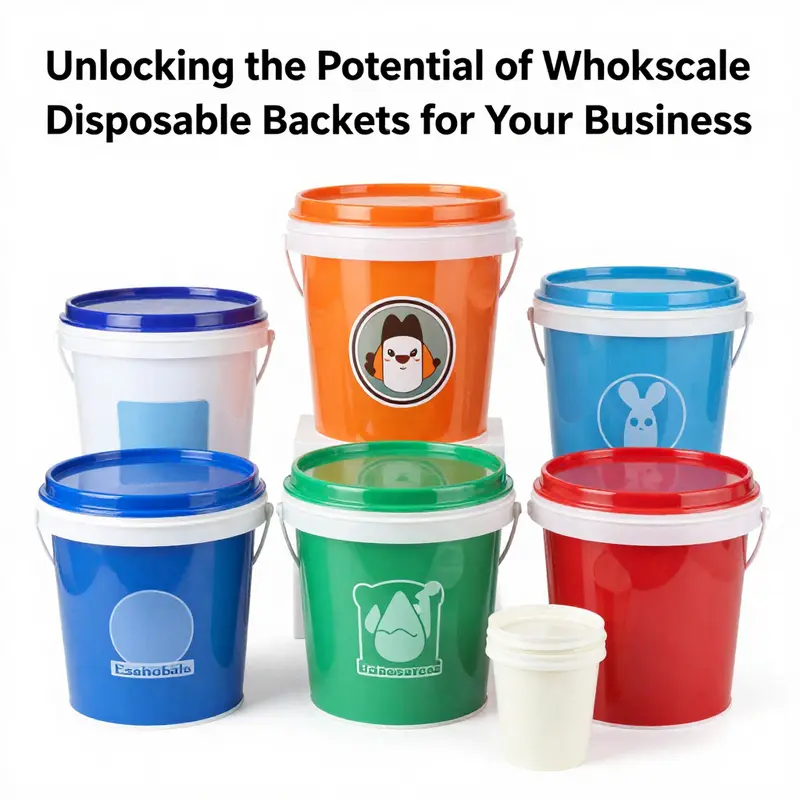
In the competitive landscape of disposable bucket wholesale, businesses are increasingly recognizing the significance of customization as a powerful marketing tool. Customized buckets not only serve a practical purpose in food service but also function as an engaging canvas for companies to express their brand identity. By incorporating logos, unique designs, and vibrant colors, businesses can create strong visual associations that enhance brand recognition and appeal directly to consumer preferences.
Among the prevalent options in this market, paper and plastic buckets hold specific significance. Paper buckets, particularly, have gained popularity due to their eco-friendly attributes and excellent printability. Volume choices typically range from 64oz to 120oz, allowing for substantial personalization. For instance, suppliers in China excel in producing popcorn buckets that can be adorned with intricate graphics or themes to capture customer interest, particularly in family-oriented or large gatherings. Thanks to advancements in manufacturing technology, such as the capability to execute vivid color prints at an economical price, companies can efficiently meet the growing demand for sustainable packaging while promoting their brand effectively.
On the other hand, plastic buckets are another appealing option for customization. Their transparency often plays a vital role in settings where displaying the contents is key to driving sales, like in snack and beverage outlets. The printing capabilities for plastic buckets not only include logos and brand messages but can also extend to the packaging’s full-body design, amplifying visual appeal. This versatility offers brands the potential to draw in consumers by showcasing vibrant and eye-catching packaging that complements their product offerings.
Customization services extend far beyond merely adding a logo. Leading suppliers typically offer a suite of printing technologies including, but not limited to, silk screen and pad printing. Each method promises distinct advantages; for example, silk screen printing is especially favored for its durability and vibrancy, ensuring that the brand message remains prominent even after extensive handling. In addition, flexibility in Minimum Order Quantities (MOQ) allows emerging brands to experiment with various designs without a hefty upfront cost. Some manufacturers may accommodate orders as low as a few hundred units, inviting creativity from small businesses or startups.
Furthermore, the emphasis on food safety remains essential in the customization process. All materials used for these buckets must comply with rigorous food safety standards, reinforcing consumer trust. Certifications acknowledging the use of non-toxic and biodegradable materials not only appeal to the environmentally conscious buyer but also enhance the overall product stance. This aspect compels suppliers within regions like Zhejiang and Anhui, which are renowned for their high-quality production capabilities, to innovate consistently in their custom offerings.
Ultimately, customized disposable buckets are transforming standard packaging into a multi-faceted marketing strategy that showcases functionality, environmental responsibility, and brand narrative. By effectively utilizing printing and branding options, companies can leverage their packaging to go beyond utility, creating a lasting impact on consumer perceptions and purchasing behavior—which is pivotal as they strive to distinguish their products in a crowded, competitive market. This alignment of function, aesthetics, and brand value is essential not only for customer attraction but also for fostering enduring relationships that can enhance brand loyalty over time. To explore more about customized options, visit [Custom Printed Disposable Bucket – Made in China].
2. Bespoke Solutions: Crafting Custom Sizes and Shapes to Elevate Your Brand
In the competitive landscape of wholesale disposable buckets, customization stands as a pivotal strategy for businesses seeking to meet diverse consumer demands and enhance brand identity. Suppliers offer a broad array of customization options, tailoring sizes and shapes to suit a range of applications—from snack containers at bustling events to robust storage solutions in industrial settings. This ability to modify products not only fosters retail versatility but also empowers brands to carve their niche in an increasingly eco-conscious marketplace.
When considering the customization of disposable buckets, size emerges as a fundamental criterion. For example, popcorn buckets are available in sizes ranging from a modest 32oz to impressive 85oz capacities, effectively accommodating both small catering gigs and large festivals. The generous volume options allow businesses to cater to various portion sizes and customer preferences, thus optimizing the consumer experience.
Material selection adds another layer to customization. Disposable buckets are primarily crafted from food-grade paperboard, equipped with a single polyethylene (PE) layer to ensure moisture resistance. This design not only enhances usability but also accentuates the presentation of food products. Suppliers enable brands to leverage custom designs featuring logos and branding, which can be applied using advanced flexographic printing methods in up to three colors. This high-quality printing service enables businesses to transform basic packaging into a potent marketing tool, enhancing visibility and brand recognition during customer encounters.
For industries requiring sturdier solutions, the availability of plastic buckets extends customization benefits further. Durable variants, such as the 5-gallon white plastic buckets, are particularly suited for carrying fluids like oils or lubricants. Suppliers also cater to requests for specific sizes and modifications, incorporating secure lids for safe transport and storage. This adaptability ensures that businesses can rely on one supplier for a comprehensive range of containers tailored to their operational needs.
Effective production capabilities are crucial in the wholesale disposable bucket market. Major manufacturing hubs across China—including Guangdong, Zhejiang, Jiangsu, and Shanghai—are equipped to handle high-volume production runs, making them prime partners for businesses aiming for scalability. Notably, production costs diminish significantly at larger quantities (often starting at 100,000 or more units), allowing brands to strike a favorable balance between quality and affordability. Rapid advancements in injection molding technology and printing capabilities facilitate accelerated turnaround times for customized orders, ensuring that businesses can respond swiftly to market demands.
Green initiatives also play a crucial role in the customization dialogue. Increasingly, the market is witnessing a shift toward sustainable materials, with many disposable food containers being manufactured from recycled paperboard or molded fiber—both compostable and environmentally friendly options. While some products may not be suitable for microwave or oven use, the general movement toward eco-friendliness resonates with contemporary consumer values, enabling brands to position themselves favorably in a sustainability-driven landscape.
Beyond size and shape, businesses now enjoy customization opportunities that include material selection and packaging logistics, creating a comprehensive approach that aligns products with operational requirements and customer expectations. This multidimensional customization is essential for sustaining a competitive edge.
For businesses exploring these opportunities, sample requests from suppliers can bridge the gap between conceptualization and practical application. Many suppliers offer free samples, with shipping costs covered by the buyer, allowing brands to evaluate products before committing to bulk orders. This process ensures that companies receive precisely tailored solutions that not only meet their needs but also reflect their vision in the marketplace.
3. Crafting Quality and Functionality: The Art of Choosing Materials in Disposable Bucket Wholesale
The choice of materials in wholesale disposable buckets plays a vital role in defining their functionality, quality, and suitability for various applications. As businesses increasingly seek to balance cost, performance, and sustainability, understanding the spectrum of material options becomes essential.
At the forefront of materials used for disposable buckets is Polypropylene (PP). This food-grade plastic is renowned for its excellent chemical stability and heat resistance, capable of withstanding temperatures between 80-100°C. Adhering to stringent international food safety regulations, PP is the preferred choice for packaging both cold and hot food items. For instance, a 20-liter rectangular food-grade PP bucket is typically priced between $2.30 and $2.45 per unit, with a minimum order quantity set at around 1,000 pieces. Its lightweight yet durable nature makes it ideally suited for the fast-food sector, catering services, and food delivery logistics.
High-Density Polyethylene (HDPE) emerges as another significant contender in the disposable bucket market. Known for its impressive impact resistance and chemical inertness, HDPE is favored for uses that demand higher robustness, such as industrial applications. While its heat resistance might not parallel that of PP, HDPE excels in storing chemicals and cleaning agents, making it a go-to option for non-food applications where strength and durability are critical.
With an increasing emphasis on environmental sustainability, recycled paperboard and molded fiber are gaining traction as eco-friendly options for disposable buckets. Crafted from repurposed paper fibers or plant materials like sugarcane bagasse, these biodegradable solutions resonate with brands focusing on sustainable practices. Not only do they break down naturally, but they also present an excellent solution for serving dry or semi-wet food items, positioning them as ideal candidates for events and green catering solutions. Their appeal is particularly strong among clients whose brand ethos revolves around eco-consciousness.
Exploring beyond the conventional options, businesses might consider other materials such as PET and bamboo. PET, a lightweight and transparent plastic, serves well in short-term storage scenarios, while bamboo offers a naturally renewable alternative that appeals to high-end markets promoting organic packaging solutions. Conversely, materials such as PVC have been scrutinized for their potential to release harmful substances when exposed to high temperatures, leading to their gradual phase-out from the market.
Ultimately, selecting the right material requires careful consideration of the bucket’s intended use—whether it’s for food contact, industrial purposes, or fulfilling environmental objectives. While food-grade polypropylene and molded fiber options represent the best balance for food-related applications, there exists a rich tapestry of materials available to suit varied needs.
In summary, the wholesale disposable bucket market thrives on the diversity of materials, each with unique benefits catering to specific requirements from different sectors. Understanding these options not only assists in making informed purchasing decisions but also supports brands in aligning with consumer preferences for sustainability and quality. By integrating this knowledge into their offerings, suppliers can enhance their product line and strengthen customer loyalty in an environment increasingly defined by health and eco-friendliness. For those looking to explore sustainable options, check out the versatile choices available for all applications at Cofe Cup.
Chapter 4: Navigating the Pricing Landscape of Disposable Buckets: MOQ Insights for Buyers
1. Decoding Minimum Order Quantities: A Comprehensive Guide for Bulk Disposable Buckets
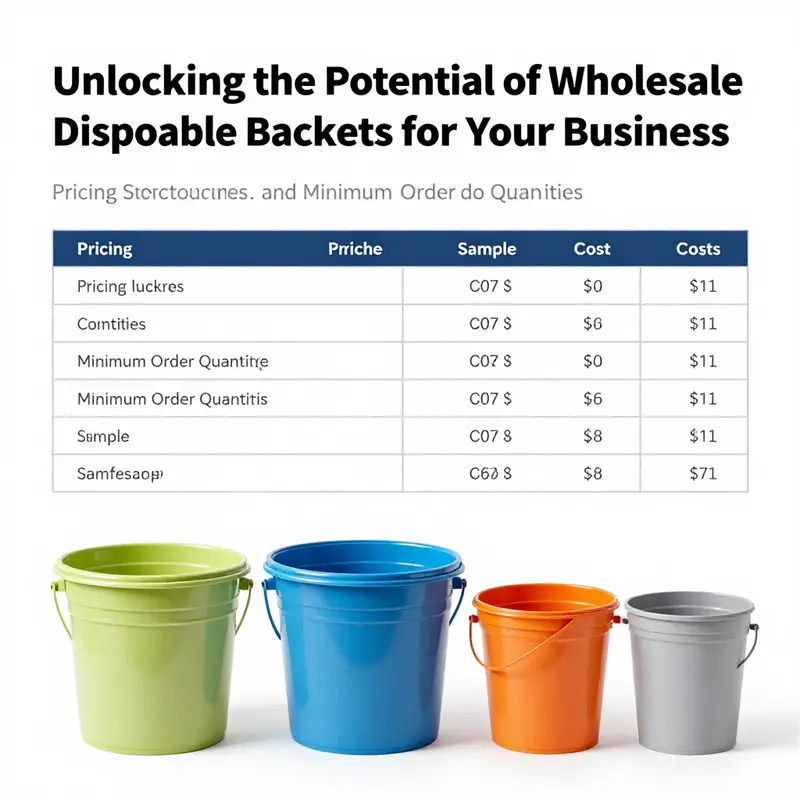
In the wholesale market for disposable buckets, understanding the intricacies of Minimum Order Quantities (MOQs) is essential for both buyers and suppliers. MOQs directly impact purchasing strategies, pricing structures, and alignment with business goals, especially in an era where sustainable practices are becoming increasingly important. Navigating these figures, especially between custom and standard products, provides insights that can optimize procurement processes.
The distinctions between custom and standard products in the disposable bucket sector highlight why MOQs vary. For custom-designed offerings—such as a 32 oz PP drink bucket imprinted with a brand logo—the typical MOQ starts at 1,000 pieces. This minimum is necessary to offset the initial setup costs involved in the production of custom items, including the creation of molds and the printing process. Customization allows businesses to align their packaging with their brand identity, which can enhance marketing and consumer recognition.
Conversely, standard disposable containers, such as generic plastic takeout buckets, typically set their MOQs at about 5,000 units. These heightened numbers ensure that manufacturers secure profit margins while covering fixed overheads associated with mass production. Thus, understanding where these thresholds lie can empower businesses to make strategic decisions regarding inventory and sales forecasts.
Moreover, with the rising trend of eco-conscious consumerism, eco-friendly alternatives like sustainable organic buckets made from recycled paperboard are gaining traction. Though these biodegradable products may also require MOQs ranging between 1,000 and 5,000 units, their increasing popularity reflects a pivot toward environmentally responsible packaging solutions. Businesses prioritizing sustainability must consider how these MOQs align with their own operational targets and sustainability commitments.
Recognizing the significance of MOQs can provide companies with several advantages, including better inventory management, improved financial planning, and enhanced supplier relationships. For instance, procuring large quantities of a 170 oz disposable paper bucket that complies with specific safety standards can optimize operational efficiency. Understanding MOQs becomes a cornerstone of planning: knowing when to purchase more or less and identifying opportunities for cost savings.
Engaging effectively with suppliers is another crucial component in navigating MOQs. Direct consultations can yield vital information about potential price adjustments, variations influenced by region, material type, or level of customization. Some suppliers, such as those offering sampling initiatives, provide opportunities to test products before committing to large orders. For instance, companies that can receive samples within 7–15 days significantly reduce the risks associated with bulk purchasing and enhance their confidence in acquiring dependable products.
For businesses seeking a broader array of options within the disposable bucket wholesale market, platforms that consolidate suppliers can be invaluable. These platforms often provide products in various sizes, styles, and materials suited to diverse operational needs. Additionally, suppliers focused on customer service and transparent communication regarding MOQs tend to foster long-term relationships, facilitating smoother transactions in the future.
To further equip businesses exploring the wholesale disposable bucket landscape, a valuable resource can be found in understanding standards and applications related to large-capacity buckets. This knowledge armors buyers with the necessary insights to navigate market trends and drive effective business decisions. For more on this topic, consider referring to detailed guides focusing on innovative packaging solutions.
2. Examining Cost Structures and Order Strategies in Disposable Bucket Wholesale
In the wholesale disposable bucket market, pricing dynamics and minimum order quantities (MOQs) play a pivotal role in shaping purchasing decisions. Effective procurement strategies hinge upon understanding these elements, especially as the market evolves towards higher demand for eco-friendly and customizable products. Price ranges for disposable buckets vary significantly based on the type of material used, the design specifications, and the volume of the order, providing a nuanced landscape for buyers to navigate.
Material Influence on Pricing
One of the foremost factors affecting pricing is the type of material. Food-grade paperboard buckets, commonly utilized for snacks like popcorn, show considerable price variations. Here, basic models can retail for as low as $0.01 to $0.20 per unit, particularly for standard sizes ranging from 64oz to 130oz. These buckets typically feature a single polyethylene (PE) coating to resist moisture, enabling them to withstand handling and consumption environments. Buyers can significantly benefit from larger orders due to volume discounts, which allow them to effectively manage operational costs. For instance, placing an order of 50,000 pieces, especially when opting for custom flexographic printing, often leads to further reductions in per-unit pricing.
The dynamics shift slightly when considering transparent plastic buckets. A typical 500ml food-grade variant starts at $0.69 per unit for smaller orders but can dip to $0.43 per piece when acquiring larger quantities of 10,000 units or more. This drop in price reflects not only economies of scale but also the operational efficiencies gained through established manufacturing processes. Suppliers streamline production, resulting in lower setup costs and minimized material wastage, thus enhancing the profitability of large-scale purchases.
Customization and Its Financial Impact
Customization is another critical element influencing cost structures in the disposable bucket wholesale sphere. Many suppliers offer extensive options for personalization, including logo printing and branded designs, which add a layer of appeal to the product. However, these custom features typically incur additional fees and are contingent upon meeting specific MOQs. Buyers often receive free samples to assess quality, although shipping costs remain the buyer’s responsibility, which is an essential consideration for budgetary planning.
Simulating Order Scenarios
Understanding the payment terms is crucial for managing cash flow effectively. Commonly, suppliers require a 30% deposit upfront with the balance due prior to shipment, standard practice in the industry. Delivery times also factor into logistical planning, with new orders typically taking between 30 to 45 days to fulfill, whereas repeat orders can arrive considerably faster, within 7 to 15 days. This highlights the efficiency gained from established supplier relationships, a vital factor for long-term buyers seeking to align inventory with demand swiftly.
Overall, the pricing structures and MOQs in the disposable bucket market underscore the importance of volume in achieving cost-effective procurement. Buyers should develop strategies that prioritize order sizes and material choices while leveraging supplier customization opportunities to optimize their input costs. Successful engagement in this market requires astute planning, allowing businesses not only to manage expenditures but also to enhance their brand visibility through tailored products on relevant platforms, such as those featuring customizable food packaging solutions.
3. The Interplay of Market Trends with Pricing Models and MOQs in Disposable Bucket Wholesale
Understanding the disposable bucket wholesale market necessitates a deep dive into the intricate relationship between current market trends and pricing structures, including Minimum Order Quantities (MOQs). As the sector evolves, various factors contribute significantly to the financial landscape, influencing how suppliers and buyers navigate their transactions.
One of the foremost considerations is the escalating costs associated with raw materials and energy. The continuous rise in expenses for essential components, particularly for plastic-based products, has surged due to heightened demand across diverse industries such as electronics and packaging. This competition for feedstock results in a ripple effect, causing suppliers to adjust their pricing structures upwards, leading to increased per-unit costs. Consequently, wholesalers must create robust pricing models that account for these fluctuations, impacting both their profit margins and the purchasing capacity of retailers.
In conjunction with raw material costs, trade policies and tariffs introduce another layer of complexity. The enactment of various tariffs, particularly those affecting imports, has altered the landscape for disposable bucket sourcing. For example, U.S. tariffs initiated in 2025 have increased the effective landed cost of imported products, forcing buyers to reconsider their supply chains aggressively. This strategy often manifests in demands for lower MOQs and renegotiated pricing as businesses seek to mitigate risks associated with import tariffs and supply chain uncertainties. Furthermore, the shift toward sourcing from local suppliers can result in greater flexibility but might limit availability on certain specialized items, often requiring businesses to balance savings against the need for specific product types.
Sustainability also plays a pivotal role in shaping today’s market trends, as consumer preferences and regulatory demands increasingly favor eco-friendly products. This shift toward sustainable packaging solutions, such as biodegradable and compostable materials, signifies a broader trend where brand reputations and ecological responsibility are paramount. However, these green alternatives typically come with elevated production costs, which in turn results in premium pricing being set for eco-friendly disposable buckets. This necessitates a tiered pricing structure within the wholesale market, where products range from standard plastics to high-value sustainable options, ensuring that consumers have a choice aligned with their values and budget.
As suppliers respond to external pressures and sustainable product demand, adaptations in MOQs have become prominent. Recognizing the diverse needs of smaller businesses or startups, several manufacturers have begun to offer reduced MOQs on specific product lines, allowing for more manageable entry points into the market. However, for highly specialized or custom-designed buckets, MOQs may remain elevated as suppliers strive to justify the fixed costs related to setup and production runs.
Ultimately, the confluence of raw material costs, trade policies, sustainable practices, and evolving MOQ strategies underscores the intricate dynamics at play in the disposable bucket wholesale sector. As the landscape continues to evolve, suppliers who can effectively adapt their pricing models in response to these market trends will be well-positioned to maintain competitiveness and foster long-term relationships with their buyers. For wholesale buyers looking for tailored solutions in this changing market, platforms such as Cofe Cup offer a gateway to a range of customizable options that meet varying demands in both price points and sustainability.
Chapter 5: Harnessing Eco-Friendly Innovations for a Sustainable Future in Disposable Bucket Wholesale
1. The Role of Eco-Friendly Materials in Promoting Environmental Stewardship in Wholesale Disposable Buckets
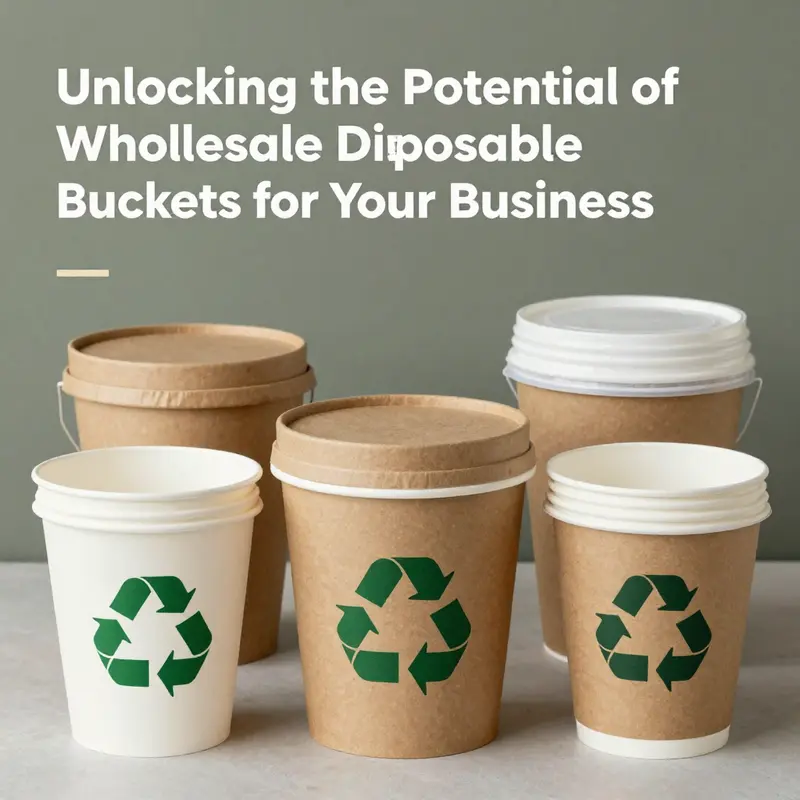
The wholesale disposable bucket market is witnessing a transformative shift as eco-friendly materials become central to production methods. This evolution reflects a growing commitment to environmental stewardship, a trend increasingly driven by consumer awareness, regulatory demands, and significant advancements in sustainable material technology. The alarming impacts of plastic pollution have steered the focus away from conventional petroleum-based products towards greener alternatives that promise reduced ecological footprints. By prioritizing eco-friendly materials, the industry is not only responding to market forces but is also embracing a paradigm that emphasizes sustainable practices from design to disposal.
Eco-friendly materials, such as biodegradable plastics derived from plants, paper products sourced from responsibly managed forests, and renewable resources like cornstarch and bamboo, are coming to the fore. These materials promise to significantly reduce the environmental impact associated with traditional disposable buckets, whose excessive waste retains the potential to inflict lasting damage on landfills, waterways, and landscapes. The use of materials designed to decompose successfully within controlled composting environments provides an effective solution to waste management issues associated with single-use products.
The advantages of utilizing eco-friendly materials in disposable bucket production extend beyond simple biodegradability. These alternatives can enhance waste management systems and support resource conservation efforts. Unlike conventional plastics that can persist in the environment for centuries, sustainable materials increasingly offer options for responsible end-of-life disposal. Many biodegradable containers can break down within a matter of months, allowing businesses to engage in robust recycling initiatives that alleviate the burden on municipal waste systems. As preferences evolve, consumers are motivating companies to consider not only how their packaging looks but also its ecological impact throughout its lifecycle.
Moreover, to facilitate this transition, lawmakers are advancing initiatives that require producers to accommodate sustainable practices. The growing support for Extended Producer Responsibility (EPR) policies, particularly in progressive states such as California, has reinforced the accountability of manufacturers for their products once they reach the consumer. This has led to broader adoption of recyclable or compostable materials in product designs and supply chains. As social pressures mount and data emerges showing the systemic benefits of switching to eco-responsible options, the wholesale industry is likely to catalyze pioneering solutions essential for lasting change.
The integration of reusable systems within wholesale operations presents an additional layer of sustainability. As businesses explore systems for reusing containers and buckets instead of strictly relying on disposability, innovative models are emerging that not only enhance environmental performance but also drive operational efficiencies. While the upfront costs of implementing reusable frameworks may seem formidable, the long-term advantages encompass reduced waste generation and lower overall lifecycle emissions, thus proving these strategies economically viable.
As the wholesale bucket market navigates this evolving landscape, consumer awareness surrounding eco-friendly products intensifies, promising substantial growth for innovative, sustainable packaging solutions. Industry pioneers are challenged to balance economic considerations with environmental accountability, paving the way for a future where eco-friendly practices are not merely viable but essential. Innovations in sustainable materials herald a new era in disposable bucket wholesale, where environmental stewardship leads strategy and design choices, ultimately shaping a greener tomorrow for societies worldwide. This commitment reflects a significant, collective leap towards minimizing ecological footprints while readiness to adapt is a hallmark of industry resilience.
The inception of this eco-centric trend erupts as a resonant call to action for all stakeholders, compelling manufacturers to rise to the occasion and embrace eco-friendly solutions tailored to meet today’s environmental challenges. Companies that choose this path find themselves innovating strategically—not only for compliance and market relevance but in support of a higher purpose focused on sustainability and protection of our planet’s inherent resources.
2. Rising Demand and Economic Incentives for Eco-Friendly Disposable Buckets
The wholesale market for disposable buckets is increasingly aligning with eco-friendly trends, reflecting both consumer preferences and economic opportunities. As sustainability becomes a key concern for consumers and businesses alike, the demand for biodegradable materials is surging. Products made from sustainable sources, such as kraft paper and plant-based plastics, offer a viable avenue for growth in the disposable bucket sector. This shift towards eco-friendly solutions aligns closely with evolving regulatory standards that encourage businesses to minimize their environmental impact.
The economic benefits of eco-friendly disposable buckets cannot be overstated. Many consumers now prioritize sustainability in their purchasing decisions, often willing to pay a premium for products that are environmentally friendly. Recent studies indicate a significant trend: the global market for eco-friendly disposable packaging is projected to grow at a compound annual growth rate (CAGR) exceeding 8% through 2030. This growth is not just anecdotal; it is fueled by a genuine shift in consumer attitudes towards sustainability, where buyers actively seek out brands that demonstrate environmental responsibility.
Major retailers and food service providers are also adopting more sustainable practices, further contributing to the booming market. These entities recognize the importance of offering eco-friendly options to their clientele, leading to increased orders for personalized and sustainable products. Wholesale suppliers providing customizable disposable buckets—from popcorn containers to food-safe trays—are witnessing a marked rise in demand, especially from clients in environmental-conscious regions such as North America and Europe.
Additionally, there are economic incentives tied to the adoption of eco-friendly products. Many governments worldwide are offering tax breaks and subsidies to companies that incorporate sustainable materials into their operations. This not only aids manufacturers in offsetting initial investment costs but also encourages a broader industry shift toward greener practices. Furthermore, manufacturers experience reduced waste disposal costs when utilizing compostable materials, which directly enhances profitability while fostering a cleaner environment.
Adopting eco-friendly disposable buckets not only satisfies regulatory mandates and consumer expectations but also bolsters a company’s brand image. Companies can effectively differentiate themselves in a crowded marketplace by adopting sustainable packaging solutions. This differentiation is crucial, as positive brand association with sustainability can lead to increased customer loyalty, which is invaluable in today’s competitive landscape.
For small and medium enterprises, the burgeoning green supply chain presents an unprecedented opportunity. The availability of low minimum order quantities (MOQs) and competitive pricing—often as low as $0.025–$0.035 per unit—facilitates entry into the market without substantial financial risk. This allows even budding businesses to participate in eco-friendly initiatives, broadening their appeal among an increasingly eco-conscious consumer base.
In conclusion, the wholesale disposable bucket market’s pivot towards eco-friendly materials represents more than just adherence to environmental trends; it signifies a strategic opportunity for economic growth. Wholesalers that invest in sustainable options stand to benefit from rising demand, build stronger customer relationships, and ensure long-term profitability in this dynamic market. As the call for sustainability continues to resonate, entities that prioritize eco-friendly practices will likely emerge as leaders in the industry.
For further insights into the wide range of eco-friendly disposable options available, explore the innovative products offered by various suppliers: Eco-Friendly Disposable Kraft Paper Popcorn Buckets.
3. Driving Consumer Loyalty with Eco-Conscious Packaging in Disposable Bucket Wholesale
The rise of sustainability in consumer choices is transforming the wholesale disposable bucket market, as brands increasingly embrace eco-friendly materials to cater to growing consumer demand. This transition is not merely a trend but a definitive shift in purchasing behavior, as environmental issues become more pressing in public consciousness. Today’s consumers are more informed and prioritize products that reflect their values, which often align with sustainability and environmental responsibility. As a result, businesses are stepping up to meet this demand by offering disposable buckets made from renewable, biodegradable, and recyclable materials such as kraft paper, bamboo, recycled paper pulp, and polylactic acid (PLA).
The global market for PLA disposable containers, for instance, exhibits rapid expansion due to the escalating consumer preference for biodegradable alternatives to conventional plastic packaging. By selecting eco-friendly disposable buckets, companies can reduce their environmental footprint and forge stronger connections with consumers who share eco-conscious values. These sustainable choices enhance a brand’s image, positioning it as a responsible entity in a crowded marketplace.
In the wholesale disposable bucket sector, utilizing sustainable materials serves a dual purpose: compliance with regulatory standards and a strategic differentiation tool. For instance, buckets crafted from 100% wood-based kraft paper or plant-derived PLA not only offer durability and food safety but also contribute to the principles of a circular economy. Such materials resonate profoundly with customers, increasing both loyalty and brand affinity. Customization options, such as vibrant designs or branded logos on eco-friendly popcorn buckets, empower businesses—like theaters and family events—to reinforce their identity while upholding commitments to sustainability. This mindful approach to packaging boosts visibility and allure, appealing to a demographic that values environmental stewardship.
Moreover, the price competitiveness of sustainable packaging solutions significantly lowers entry barriers for businesses of varying sizes. The availability of scalable options—such as bulk orders starting at 50,000 units priced between $0.025 and $0.035 each—opens up the market for smaller players eager to adopt green packaging practices without financial strain. As many manufacturers move towards using biodegradable materials derived from resources like coconut coir or bamboo, the perception of a company’s commitment to environmental sustainability only strengthens. Consistently, studies show that companies adopting eco-friendly practices witness improved public image and customer loyalty, thus increasing the likelihood of repeat purchases.
As regulatory landscapes shift toward stricter controls on single-use plastics, businesses that pivot to eco-friendly disposable buckets not only remain compliant but invest in their long-term success. This strategic transition aligns well with evolving consumer preferences, resulting in a stronger brand presence and deeper connections with environmentally conscious buyers. Through sustainable practices, companies can cultivate a loyal consumer base while contributing positively to the wider ecological narrative—ultimately achieving a harmonious balance between profit and planet.
To learn more about specific eco-friendly disposable bucket products, consider exploring options available on platforms focused on sustainable packaging solutions.
Final thoughts
In conclusion, the wholesale disposable bucket market is not only thriving but is also pivotal for businesses looking to embrace environmentally sustainable practices. With diverse suppliers providing customizable options at competitive pricing, there are ample opportunities for companies to improve their packaging solutions. As the demand for eco-friendly materials rises, adapting to these trends will equip business owners to meet consumer expectations while enhancing brand loyalty. Understanding this market landscape is key to ensuring your business stands out in a crowded marketplace.
Choose our reliable disposable tableware and packaging solutions for your business. We offer quality products that meet safety standards, with fast delivery and flexible options. Partner with us today to elevate your service – contact our team now for a tailored quote!
About us
We specialize in manufacturing and supplying disposable tableware, packaging paper, and boxes. With years of experience, we prioritize safety, durability, and eco-friendly practices. Our goal is to provide businesses with trusted, cost-effective solutions backed by responsive customer support.