
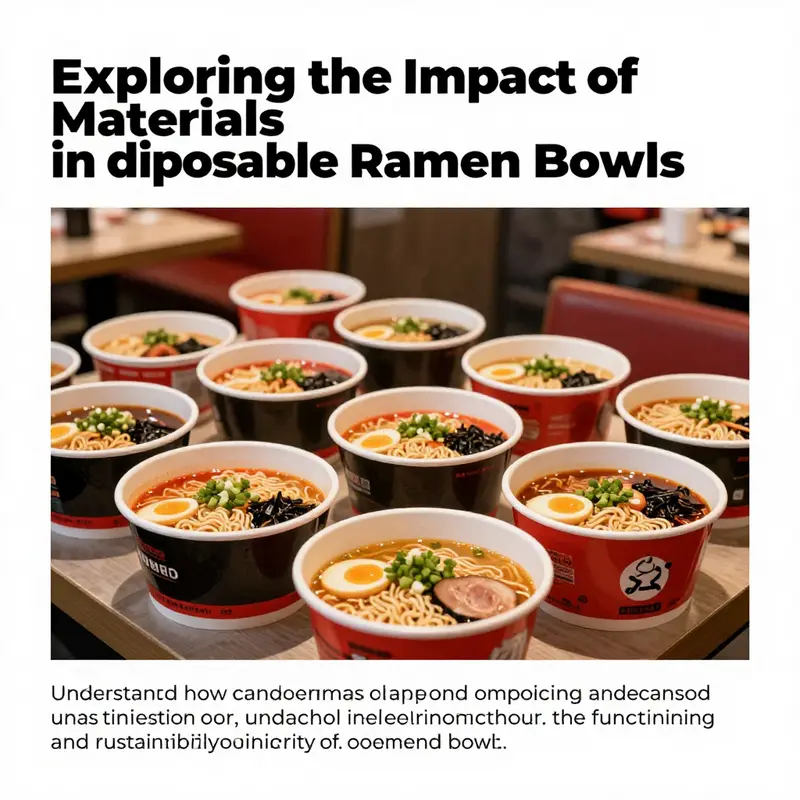
Disposable ramen bowls have become essential in the fast-growing food service industry, especially as customer demand for convenience rises. Various materials, from plastic to biodegradable options, influence their usability, performance, and environmental impact. This article delves into the diverse materials used for these bowls, their market performance standards, the myriad of applications in which they excel, and the pressing environmental challenges they pose. By examining these aspects, business owners can make informed decisions that benefit their operations and align with sustainable practices.
Material Choices in Disposable Ramen Bowls: Safety, Heat, and the Environmental Footprint
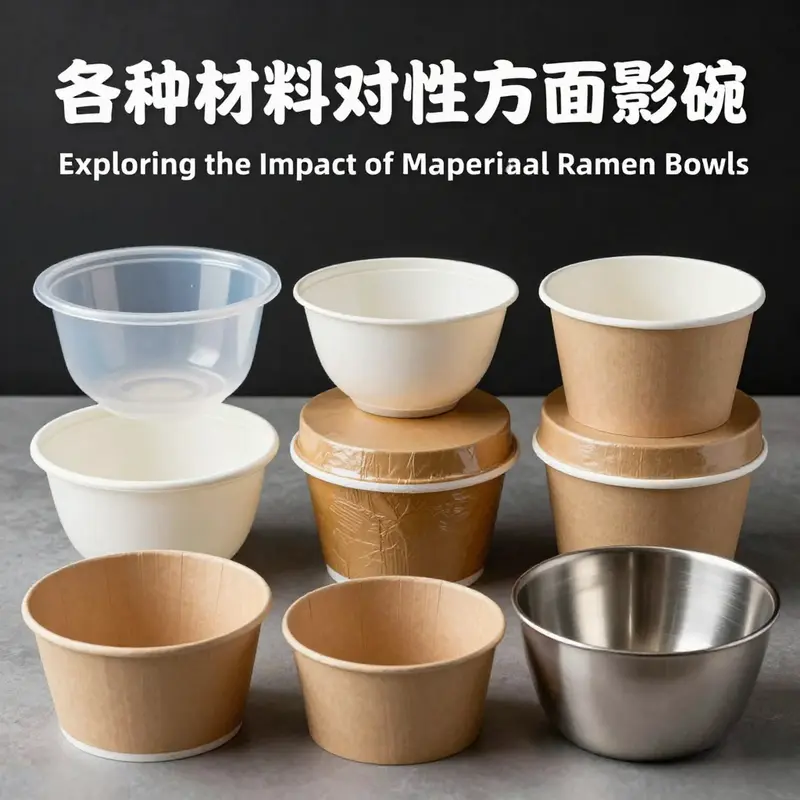
Each steaming bowl of ramen carries more than aroma and flavor; it embodies a chain of material decisions that affect safety, heating performance, and the environmental footprint of a densely served food culture. The repeated demand for convenient, single-use bowls in takeout and quick-service environments has pushed manufacturers to explore a spectrum of materials, each with distinct advantages and hidden risks. In this landscape, the choice of material does not merely determine cost or appearance. It determines how heat is managed, how the packaging interacts with food, and how waste is handled after the meal. The detailed materials, from laminated paper to stainless steel and bio-based fibers, reveal a practical tension between convenience, safety, and sustainability that guides both producers and consumers in a fast-moving market.
Among the most common materials is a plastic laminated paper, a family of products that blends paperboard with an inner plastic film. The inner layer, typically a food-grade polyethylene film, acts as a barrier to moisture and oil, helping to seal in heat and prevent leakage. The outer layer is a board-like paper that provides stiffness and surface for printing. This arrangement has a number of pragmatic benefits: relatively low cost, strong sealing, and adequate performance at moderate temperatures. At room temperature or for brief exposure to hot liquids, these composites can keep contents hot without immediate deformation. They are also compatible with many standard manufacturing lines, which keeps prices competitive and availability high across markets. Yet the performance of these bowls declines when the temperature climbs beyond certain thresholds. When hot water approaches or exceeds ninety degrees Celsius, the risk increases that traces from the inner or outer layers could migrate into the ramen broth. This may involve low molecular weight compounds or processing additives that, under high heat, become more likely to leach out. The concern is not merely hypothetical; there have been studies and industry observations pointing to the detection of fluorescent or heavy-metal traces in some samples, signaling potential contamination pathways that arise from multi-layer structures and production variability. These risks highlight a critical truth: a single layer passing a safety check does not guarantee the entire package is free from hazards when subjected to the rigors of hot infusion and prolonged contact.
A second widely used option is polypropylene, a rigid plastic known for stronger heat resistance and chemical stability. PP can tolerate higher temperatures and retains its shape even when filled with hot liquids. In many products, PP is marketed as microwave-safe or induction-heating compatible, which aligns with consumer expectations for quick reheat in office or home kitchens. The tolerances of PP, including the ability to withstand boiling or near-boiling water, make it a practical choice for bowls designed to be heated directly in consumer appliances. Nonetheless, even PP is not without caveats. The material may carry additives or undergo processing steps that introduce residual contaminants if the certification and sourcing are lax. Regular quality assurance practices, including QS and SGS certifications, help ensure that materials meet safety standards, but lax supply chains can still introduce premature aging or micro-level impurities that might migrate during repeated or prolonged heating. Consumers who rely on disposable PP bowls may benefit from brands that clearly disclose material composition and certification status, reinforcing a culture of informed consumption rather than passive acceptance of packaging.
While plastic-based options dominate in mass markets, there is a push toward reusable or semi-reusable metals for specific use cases. Stainless steel, particularly grade 304, offers a robust option for environments that prioritize durability and long-term reuse. These bowls can withstand high temperatures, from direct stovetop heating to microwave or electric oven applications, depending on design and closure. The appeal of stainless steel lies in its inertness and absence of migration risk when properly manufactured and maintained. A potential downside is cost and weight, which makes these bowls less practical in single-use contexts and more suitable for reusable programs or outdoor activities where ruggedness and hygiene are valued. The evaluation of stainless steel in the disposable category often centers on the balance between a truly reusable model and a traceable pathway for recycling at end of life. In well-regulated supply chains, 304 stainless steel has a strong track record of food safety when it is derived from certified sources and produced under stringent controls that restrict nickel or chromium leaching and ensure surface passivation.
Emerging and rapidly evolving as a category are plant-based and fiber-rich materials such as wheat straw, bagasse, and other plant fiber composites. These materials are framed as environmentally friendlier alternatives due to their renewable origin and potential biodegradability. Some producers highlight that plant-fiber bowls can be compostable in industrial facilities or at least more readily degradable than traditional plastics. Yet the reality of biodegradability hinges on disposal conditions and local waste management capabilities. In practice, these materials may exhibit strong performance at normal or moderate temperatures, but their barrier properties to oil and moisture can be less robust than plastic-based alternatives. They may also display some susceptibility to deformation or leakage when subjected to prolonged exposure to hot broth. The economics of these materials frequently reflect higher production costs and variable market adoption, which influences where and how they are deployed in the food-service sector.
Other options, though less common in mass markets, include glass and other highly inert materials intended for reuse. Glass offers exceptional chemical stability and heat resistance, and it is inherently recyclable. It is not a practical choice for many forms of single-use packaging because of fragility and transport considerations. Glass bowls typically appear in contexts where reusability is emphasized, such as office or home settings where frequent washing is convenient. The trade-offs here center on durability, safety during handling, and the energy footprint associated with washing and reuse, which can be favorable only if the lifecycle is carefully managed.
Across these material categories, the critical questions revolve around safety standards and regulatory compliance. The safety of any packaging that contacts hot food hinges on adherence to food contact material regulations in major markets. Standards that govern the migration of substances from packaging to food, such as those associated with the FDA in the United States and corresponding EU frameworks, guide the acceptable materials and allowable processes. In the specific case of laminated paper-based bowls, the integrity of each layer matters. The inner polymer film should be food-grade and free from substances that could transfer to the broth, especially under repeated exposure to heat. The outer paper layer, inks, and coatings must also meet food-contact criteria, particularly when high temperatures or prolonged contact are involved. The absence of universal, harmonized standards across all jurisdictions means that what passes in one market may come under scrutiny in another. This is why many manufacturers emphasize certifications such as QS or SGS, which offer an externally verifiable signal of compliance, even as gaps in global standards remain.
The discourse around safety and materials is not only about the chemistry of the layers but also about the reliability of the supply chain and the integrity of the manufacturing process. A widely cited reference in this field emphasizes that evaluating inner layer safety alone is insufficient. An overall assessment of a multi-layer bowl must consider the entire stack, the compatibility of layers, and the potential for contaminants to migrate under heating. In other words, robust safety evaluation requires a holistic view of the product, not a partial check. This understanding has informed industry discussions and prompted calls for clearer disclosure of materials, processing aids, and end-of-life pathways. The focus shifts from merely meeting a single standard to ensuring a traceable, responsible chain from raw materials to final disposal.
From the perspective of food-service operators, these material characteristics translate into practical considerations. A bowl with strong heat resistance and effective sealing reduces the risk of leaks during delivery and improves the overall dining experience. Microwave or induction-ready features appeal to consumers who reheat at home or in the office, but they must be backed by rigorous material testing to assure safety during repeated heating cycles. A key point for managers and chefs is that packaging design can either complement or undermine the quality of the food experience. For example, a bagasse-based or wheat straw bowl may resonate with sustainability goals and branding, but if it warps or leaks under a typical serving temperature, the operation may incur waste or customer dissatisfaction. Conversely, stainless steel or glass options support reuse programs, but require infrastructure for cleaning and sanitation. In each case, the packaging must be aligned with the broader service model and waste management ecosystem that the business supports.
In the broader conversation about sustainability, the environmental profile of disposable bowls depends not only on the material but on disposal realities. Paper-based or compostable options promise a cleaner end of life, yet real-world outcomes hinge on correct waste segregation and access to industrial composting facilities. Without those facilities, these materials can behave like conventional plastics in landfills, highlighting a structural barrier to achieving meaningful environmental gains. The discourse therefore moves beyond material choice to include the entire lifecycle, from raw material sourcing and manufacturing to use, collection, and end-of-life treatment. The practical implication is that brands and buyers should consider not only the surface attributes of a bowl but also the feasibility of its disposal path within their community or customer base. This approach increases transparency and guides purchasers toward products that genuinely align with local waste infrastructure and sustainability goals.
As a guiding principle, many stakeholders advocate for a multi-pronged strategy. First, consumers should prioritize products with complete, verifiable food-contact certifications and clear declarations of material composition. Second, brands should invest in transparent supply chains that enable traceability of raw materials and processing aids. Third, there is a strategic case for reusable options, especially for settings with high throughput and reliable cleaning capabilities. In some contexts, plant-fiber bowls, when paired with a robust collection and processing system, offer the most compelling environmental benefits. In others, sturdy stainless steel or glass, when integrated into a well-managed reuse program, can deliver superior lifecycle outcomes by reducing waste and energy use per served portion.
For readers seeking deeper insight into the safety issues surrounding multi-layer disposable bowls, the national assessment conducted by an international industry association provides a foundational reference. It highlights the vulnerabilities that can arise when outer layers are not subjected to the same rigorous testing as the inner barrier. This body of work argues that a piecemeal safety approach—focusing on one component while neglecting others—undermines overall food safety and consumer trust. The findings underscore the importance of holistic evaluation and the need for better communication between manufacturers, regulators, and brands about the role of each material layer in the final product. A comprehensive safety mindset is the best defense against potential migration and contamination in any hot-food packaging.
In practice, these insights translate into a set of pragmatic recommendations for anyone involved in ramen bowl packaging. First, when possible, select packaging that provides a complete safety profile with documented certifications for every material layer and adhesive or ink used in printing. Second, favor materials with proven performance under the expected heat and handling conditions of your service model. Third, consider the end-of-life realities in your market, and support systems that enable proper disposal or reuse. Fourth, recognize that the environmental advantage of a given material is not universal; it depends on how the packaging is produced, used, and finally treated after use. These considerations form a practical framework for evaluating ramen bowls in a way that respects both consumer health and ecological responsibility.
For practitioners who want to explore a spectrum of options and to locate products aligned with these criteria, the Disposable Bowls category offers a curated range of materials and designs suitable for various use cases. This collection reflects the diversity of approaches in the market and serves as a practical touchpoint for planners, procurement specialists, and culinary teams who want to balance functionality, safety, and sustainability in their packaging choices. disposable-bowls category
Ultimately, as the industry continues to evolve, the core question remains: can a single-use bowl meet the demands of safety, performance, and environmental stewardship without compromising the dining experience? The answer lies in a concerted effort to understand and manage the entire material stack, ensure robust testing and certification, and design disposal pathways that align with local waste management capabilities. The dialogue between material science, regulatory frameworks, and user needs will shape how ramen bowls perform in kitchens and delivery chains for years to come. External perspectives from the broader packaging community reinforce the idea that there is no one-size-fits-all solution. Instead, thoughtful material selection, transparent labeling, and a commitment to end-of-life responsibility are the essential ingredients for responsible packaging that supports the growing popularity of ramen as a global comfort food.
External reference: https://www.foodpackaging.org.cn/report/2018/
在标准与创新之间:一次性方便面碗的市场性能、安全性与环保挑战
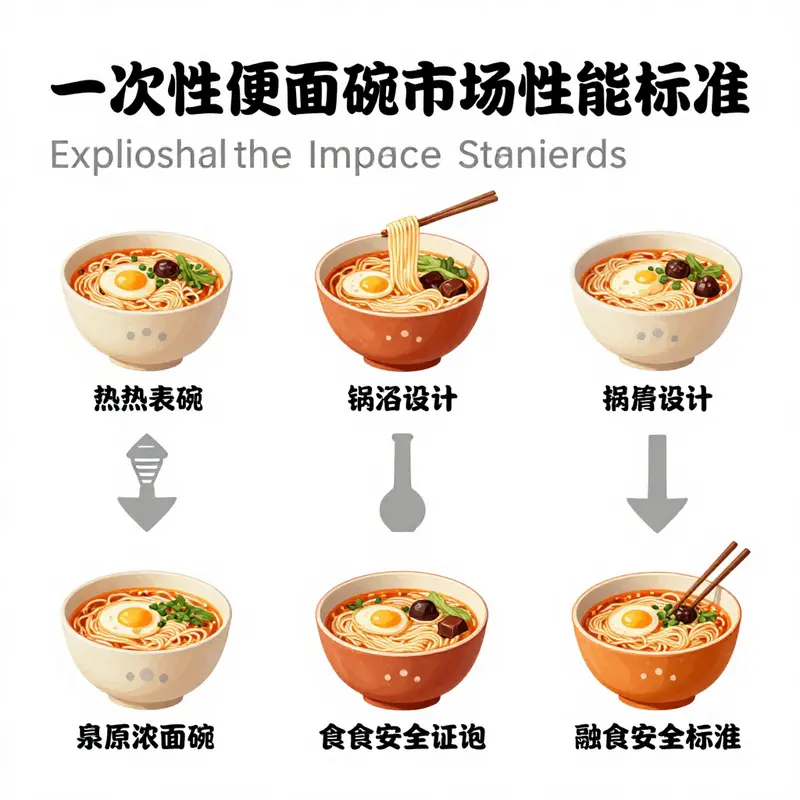
在快节奏的餐饮场景中,一次性方便面碗承担着把热汤、香气和便利性快速传递给消费者的职责。这种包装不仅要确保汤汁不溢出、碗身在高温下依然保持形状,也要在日常的外卖配送中承托长时间的运输与多变的环境温度。随着消费偏好向更高的卫生、可追溯与可持续性靠拢,市场对一次性方便面碗的要求已从单纯的低成本与基本功能,逐步进入一个以材料安全、热稳定性、密封性、尺寸适配和环保性共同决定成败的新阶段。此处讨论并非单纯列举材料特征,而是在广义产业链中审视这些碗具如何在实际使用场景中实现“稳定、卫生、可追溯且更友好环境”的目标。为了理解当前的市场逻辑,我们需要把握五个维度:材料安全与耐用性、热稳定性与可加热性、结构与密封性能、尺寸与容量的自适应,以及环保与可持续性的实际影响。所有这些都直接关乎消费者体验、餐饮企业的运营成本以及公共环境的长期健康。正因为如此,相关技术标准与监管要求变得尤为关键,它们为不同材质、不同设计的碗具设置了可比的基线,也推动产业向更高的安全性与可持续性前进。与之相伴的是信息透明度的提升,消费者逐步学会关注材质标识、耐热特性、使用说明以及是否具备回收或堆肥资格。这种趋势不仅改变了包装供应商的研发路径,也改变了餐饮企业在采购、储运和日常使用中的决策流程。为帮助读者在复杂市场中建立清晰的判断框架,本章将聚焦市场性能与合规性的核心关系,强调在可控范围内实现创新与环保并行的可能性。
Ramen Bowls Unwrapped: The Hidden Roles of Disposable Containers in a Fast-Changing Food Landscape
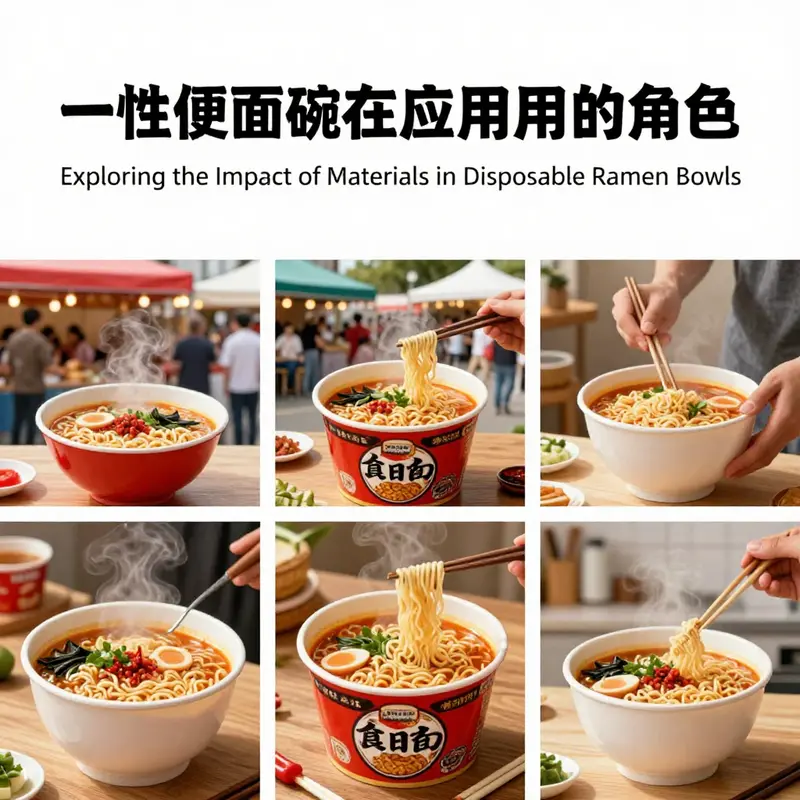
In the swirl of modern dining, disposable ramen bowls often vanish from memory once the steam clears. Yet their humble form hides a complex web of decisions about heat, handling, branding, and sustainability. They are not merely packaging; they are the first, sometimes the last, touchpoint in how a meal travels from kitchen to consumer. Their design must reconcile several imperatives at once: they must keep hot soup hot, prevent leaks during transit, fit a range of portions, withstand the rigors of microwaving or induction heating when required, and align with evolving environmental expectations. The chapters of this topic reveal that disposable ramen bowls are, in fact, a microcosm of broader shifts in foodservice—where convenience, cost, and conscience converge in a single disposable cup or bowl.
From a materials standpoint, the spectrum is telling. At one end, traditional plastics have long served as the workhorse of quick-service packaging. Polystyrene, with its translucence and low cost, offers excellent insulating properties and lightness but struggles with high-temperature stability and end-of-life disposal. It risks deformation under boiling liquids and poses challenges for recyclability in many urban streams. On the other end lies polypropylene—a more resilient thermoplastic that handles higher temperatures, resists chemical attack, and is widely used in containers designed for microwaving and heated serving environments. The advantage is clear: a bowl that can tolerate a boil of ramen or a steaming ladle of broth without warping, while still being economical enough for mass production. Yet even this favored material must navigate a maze of regulatory standards and consumer safety expectations, including compliance with food-contact regulations and restrictions on harmful migrants under specific use conditions. In practice, PP-based disposable bowls often embody the balance between reliability and safety demanded by both street food vendors and formal dining establishments.
Beyond plastics, the rise of paper-based solutions marks a notable pivot in the discussion of sustainability. Paper pulp, bagasse, and bamboo fibers—often lined with compostable or water-based barriers like PLA coatings or wax—promise a more earth-friendly image. These bowls align with a growing consumer preference for renewable materials and the narrative of responsible consumption. However, there are trade-offs. The natural fibers tend to be less heat-resistant and less water-impervious than their plastic counterparts, which translates into limitations for long-term soup containment, extended hot-holding, or microwave usage. In practical terms, a paper-based bowl may perform beautifully for a scheduled pickup with a short window, yet struggle under sustained heat or for meals that require direct reheating in a shared kitchen. The choice becomes a question of context: how long will the product sit, how hot will it stay, and how will it be disposed of once the meal is enjoyed?
A still more uncommon, but increasingly seen option, is stainless steel. Though not truly disposable in the traditional sense, single-use steel bowls appear in certain outdoor events or specialized contexts where durability, reusability, and guest experience converge. They embody a different value proposition—higher upfront costs, extended lifespan, and a clear signal of premium or sustainability-focused branding. In many market segments, however, the economics and the expectations for convenience still favor single-use options, making steel more of an outlier than a mainstream choice. What remains consistent across these material families is the need to manage the heat profile, the seal against leakage, and the transition between transport and consumption. The best bowls are those whose material properties are matched to the intended use: a container that remains intact when a cup of broth is carried across a campus quad, yet is safe and compliant when warmed in a newsroom break room.
The performance criteria that govern selection are as practical as they are consequential. Heat stability matters not only for the immediate experience of sipping a boiling broth but also for the structural integrity of the container during handling. A bowl that softens or deforms can spill, ruin a customer’s day, and create tainting concerns for food safety. That is why many manufacturers highlight compliance with food-contact standards from bodies like FDA or EU regulations, signaling that the materials chosen will not leach harmful substances under typical use scenarios. Sealing performance is equally critical. Lids that resist leakage during transit protect the broth from splashing, prevent messes in delivery bags, and reduce the need for additional packaging that would otherwise add weight and cost. The size and capacity of bowls—ranging commonly from around 450 to 900 milliliters—reflect different dining occasions: a compact lunch, a mid-size dinner portion, or a more generous serving for a shared moment. The functional versatility of certain bowls, such as those marketed as microwave-safe or induction-heat compatible, enhances adaptability in households and commercial kitchens. A microwaveable bowl, for instance, offers a simple path from carry-out to hot meal directly in a consumer’s kitchen, shortening the distance between order and enjoyment. In aggregate, these performance factors are not independent variables; they intersect with the service model, whether it is a quick-serve counter, a bustling take-out corridor, or a catering event where timing and reliability shape the guest experience.
In practice, the roles of disposable ramen bowls extend well beyond their core function of containing soup. In the restaurant ecosystem, they serve as a reliable workhorse for a broad spectrum of offerings—ramen, noodles, rice bowls, soups, and even cold desserts when a sturdy, leak-resistant vessel is needed for transport. The ability to print on the bowl surface—be it branding, color, or messaging—transforms the bowl into a moving marketing asset. A well-designed container can reinforce a brand’s identity, communicate sustainability commitments, or signal a special event through color and texture in a way that toasts the dining experience while traveling through the consumer’s day. This is where the concept of scene-based, tiered packaging strategies comes into focus. A fast-casual operation can leverage a branded, visually distinct bowl to create a memorable user journey, while a street-food vendor might prioritize weight, grip, and durability for quick turnover and outdoor exposure. The packaging becomes part of the service design, not merely a receptacle for food.
The consumer experience is further shaped by how these bowls perform at the moment of use. For many diners, the ease of carrying a sealed container, the thermal sensation of a hot broth, and the crispness of the outer surface as they unwrap the lid—all these micro-moments contribute to satisfaction or disappointment. The best bowls reduce friction: a lid that snaps shut with little effort, a surface that is easy to grip with gloved hands, a design that minimizes heat transfer to the fingers, and a bottom that remains stable on a tray or table. In the context of delivery and takeout, the role of packaging in maintaining temperature and preventing spills becomes even more critical. A well-sealed bowl gives drivers confidence, reduces the probability of leakage on longer routes, and enhances the recipient’s first impression when the package is opened. The interplay between design and utility is not a luxury but a necessity in a market where margins tighten and customer expectations rise in tandem.
From a business and procurement perspective, the disposable ramen bowl is a focal point for cost control, supply chain resilience, and sustainability strategy. In the current landscape, a significant portion of the market is driven by mass demand and rapid turnover. The economics of material choice—cost per unit, waste management costs, and end-of-life handling—can determine the viability of a delivery-focused model or a dine-in service that aims to minimize dishwashing volume. Brands increasingly balance the lure of low upfront cost against the downstream benefits of materials that are recyclable, compostable, or reusable in some system. The choice is rarely a simple binary. Instead, it reflects a classic sourcing dilemma: how to optimize for temperature retention and leak resistance while aligning with corporate social responsibility goals and local waste management infrastructure. In this balancing act, partnerships with suppliers who can tailor packaging to specific needs—such as custom sizes, printed branding, or unique barrier properties—become a strategic asset. The capability to offer multiple specifications, from standard single-use bowls to more robust, multi-application formats, enables a vendor to serve varied operators—from university cafeterias with high-volume throughput to boutique ramen shops seeking a distinct, premium presentation.
For readers who want a practical snapshot of the market, consider the current catalog and range of options offered by suppliers who showcase multiple materials, capacities, and configurations. A quick glimpse into the available categories reveals a continuum of choices: compact bowls for snack-focused stands, standard-size bowls for everyday meals, and larger, meal-sharing options that speak to family dining or group orders. The presence of a disposable-bowls category on supplier platforms highlights how vendors position form and function in concert. It is not merely about listing products; it is about curating a set of choices that align with operational realities—how quickly food can be prepared, how efficiently it can travel, and how the packaging can reflect a brand’s values. Within this spectrum, the bowl becomes a bridge between the kitchen’s efficiency and the consumer’s experience, a conduit through which the quality of the food is perceived, protected, and appreciated.
To connect with the practical breadth of options, a representative gateway within the supplier landscape offers a concise view of the available formats and materials. The disposable bowls category on a professional sourcing site provides a window into current production techniques, performance claims, and customer feedback. This page not only showcases products but also acts as a learning map for operators deciding which solution best fits their service model. It demonstrates how a single item—from a sturdy, heat-tolerant PP bowl to a compostable paper-based alternative—can anchor a broader strategy that blends reliability with responsible stewardship. For practitioners, attending to these details translates into tangible outcomes: fewer product returns due to leakage or deformation, improved customer satisfaction scores tied to the unboxing experience, and a clearer path toward meeting regulatory and sustainability benchmarks without sacrificing speed or cost efficiency.
As the industry continues to evolve, the integration of packaging choices with service design will grow more pronounced. The question is no longer only about what the bowl can hold, but about how it can contribute to a holistic dining encounter. A bowl’s physical properties, its branding potential, and its environmental footprint will increasingly weigh as heavily as its price tag. The most effective solutions will be those that offer adaptability—whether through temperature tolerance, barrier performance, or customizability—while remaining aligned with waste-management realities and consumer expectations for sustainability. In this light, disposable ramen bowls are not a static commodity but a dynamic instrument of operations, experience, and responsibility at the intersection of food, technology, and culture. For readers exploring the practical dimension of these choices, the accessible entry point remains the catalog of bowls themselves, where the very act of selecting a package becomes a decision about how a brand shows up in the daily rituals of eating, sharing, and traveling with a hot bowl of ramen.
For those who want a concrete navigational anchor within the supplier landscape, a quick visit to the disposable bowls category offers a compact tour of available formats and materials. It serves as a practical reminder that even everyday packaging can embody strategic intent when selected with care and foresight. The category acts as a focal point for operators seeking to tailor packaging to their unique pace, style, and environmental commitments, and it invites a broader conversation about how packaging design supports a modern, fluid, and diverse foodservice ecosystem. In this sense, the disposable ramen bowl becomes a small but telling node in a larger network of food quality, customer experience, and sustainable practice.
External resource: https://www.aoqiangpack.com/
Internal reading: for a catalog that illustrates how packaging form and function come together in real-world supply contexts, you can explore the disposable bowls category on a supplier’s site, which shows multiple materials, sizes, and configurations suitable for different operations. This kind of page helps bridge the gap between concept and practice, turning theoretical considerations into actionable procurement decisions.
Toward Greener Ramen Bowls: Materials, Waste Systems, and Packaging Innovation
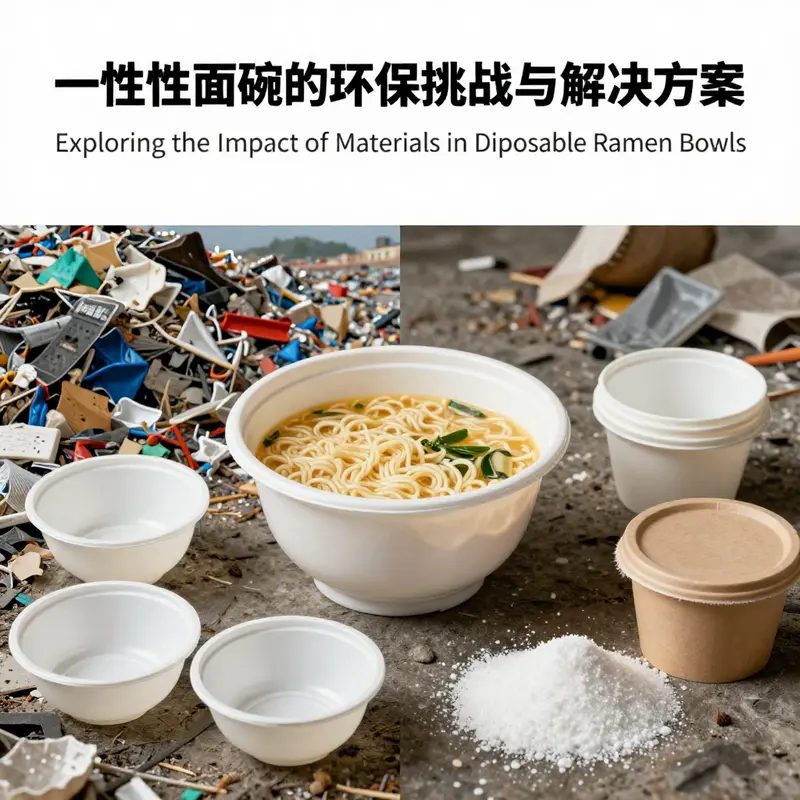
Disposable ramen bowls sit at the intersection of convenience and environmental impact. This chapter surveys the main material families—plastics, paper-based options, and occasional reusable metal designs—and explains how each choice shapes waste streams and end-of-life pathways. It highlights how recycling, industrial composting, and consumer disposal behavior interact with local infrastructure to determine the true sustainability of a bowl. The discussion also considers design strategies that reduce material use, enable better recovery, and encourage the adoption of reusable systems where feasible. The goal is not perfection but a practical roadmap toward packaging that preserves usability while minimizing ecological footprint.
Final thoughts
In conclusion, understanding the materials used in disposable ramen bowls is crucial for business owners aiming to balance functionality, safety, and sustainability. By selecting the right materials and adhering to market performance standards, businesses can meet consumer expectations while minimizing their environmental footprint. Emphasizing eco-friendly options and innovative solutions can lead to a more sustainable future in the food service industry. Ultimately, choosing the right ramen bowl is not just about convenience—it’s about making a positive impact.