
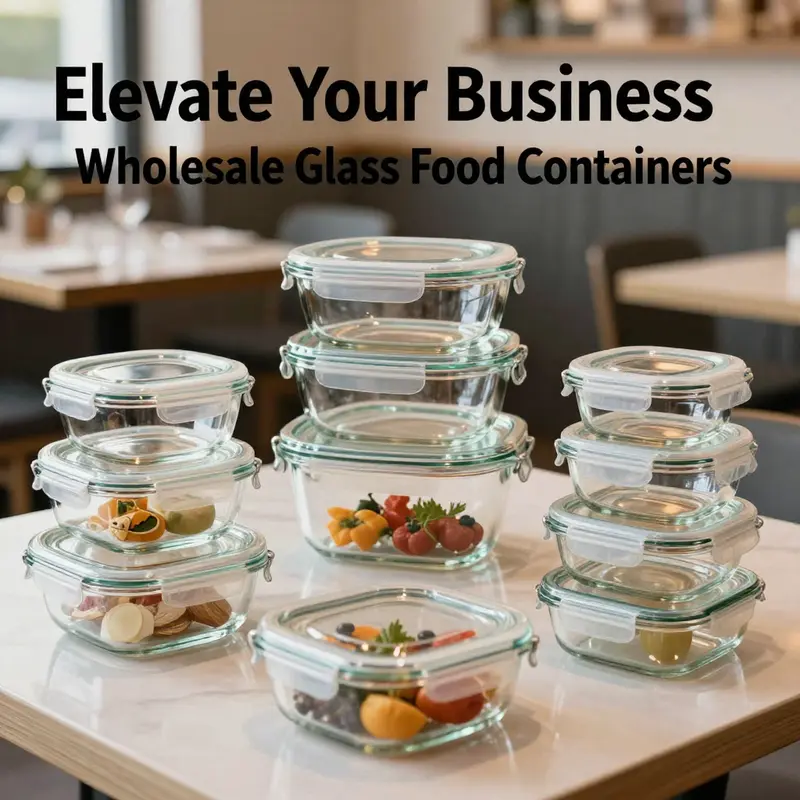
Wholesale glass food containers are revolutionizing how beverage chains, restaurants, food trucks, catering services, event planners, and corporate procurement teams manage their food storage and presentation. As the demand for durable, safe, and environmentally friendly packaging continues to grow, understanding the intricacies of this market becomes essential. The following chapters will explore the overall market landscape, diverse product offerings, effective pricing strategies, supplier reliability insights, and the sustainable nature of glass food containers. This comprehensive view will empower your business to make informed purchasing decisions that align with both practical needs and modern consumer expectations.
Crystal Markets: Navigating the Wholesale Glass Food Container Landscape

The wholesale market for glass food containers sits at a crossroads of sustainability, safety, and visual appeal. As consumer tastes swing toward products that feel transparent not just in appearance but in purpose, glass emerges as a packaging material that communicates purity, quality, and longevity. The growth trajectory mirrors this shift: analysts project a steady expansion in the glass packaging sector, with volumes rising from 1.2792 billion metric tons in 2025 to 1.5163 billion metric tons by 2030, a compound annual growth rate of 3.28%. This upward trend signals a durable preference for materials that are fully recyclable, chemically inert, and capable of delivering a robust barrier against moisture, odors, and contamination. For wholesale buyers, that translates into reliable demand at a time when retailers and brands alike are seeking packaging solutions that align with sustainability goals without sacrificing function or aesthetic appeal.\n\nIn the wholesale layer specifically, platforms such as Alibaba’s ecosystem act as critical connective tissue between buyers and manufacturers, especially in China where a dense network of glass producers operates. The production geography is not random. Regions like Jinhua and Yiwu in Zhejiang, Xuzhou in Jiangsu, Hejian in Hebei, and Bengbu in Anhui are known for specialized glass manufacturing capabilities and tightly coordinated supply chains. Many suppliers emphasize rigorous third-party audits and “Depth Verified” or “Deep Verification” credentials, underscoring a market that rewards reliability as much as price. This verification adds a layer of confidence for wholesale buyers who must balance volume, lead times, and compliance with food-safety standards. The emphasis on audit readiness and traceability helps wholesalers position glass containers as a premium segment within a broader packaging portfolio, particularly for liquids, dry goods, and artisanal products that emphasize craft and provenance.\n\nFrom a product standpoint, the wholesale landscape is remarkably variegated. The shapes range from classic rounds and rectangles to hexagonal jars ideal for honey and jam, and even whimsical novelty designs that catch the eye in boutique retail settings. The materials split mainly between high borosilicate glass, celebrated for heat resistance and durability, and the more common sodium calcium glass, which remains cost-effective for everyday storage needs. Functionality spans a wide spectrum: sealed storage for dry goods like grains, nuts, and tea; fridge-friendly bins for produce or seasonal items; vacuum-seal configurations tailored for coffee beans and spices; dedicated baby food containers; and large display jars suited for wedding candy or decorative pantry sections. Closure systems are equally diverse, featuring bamboo lids, screw-top lids with silicone gaskets, stainless steel clips, and press-and-seal mechanisms that blend convenience with robust preservation. The result is a wholesale catalog that can be adapted to a retailer’s or brand’s specific narrative—whether that narrative is minimal and clinical or handcrafted and heritage-themed.\n\nPricing dynamics in this market are as varied as the products themselves. Basic transparent glass jars can be sourced at modest unit prices, sometimes around $0.36 for bulk orders, underscoring how scale affects cost. By contrast, specialty items built to premium performance—such as high-borosilicate vacuum-seal jars with advanced gasket systems—can command prices closer to $15.99 per unit. The spectrum is broad enough to accommodate both high-volume, price-sensitive buyers and boutique brands seeking distinctive, durable packaging with a story. The wholesale environment is further reinforced by compelling sales metrics: a single listing for a stainless steel coffee seal container, for instance, has achieved thousands of transactions, signaling strong market traction across both traditional retail channels and online marketplaces. Re-purchase rates for popular items have demonstrated resilience, with figures approaching the high range of mid-40s percent, indicating repeat business driven by reliability, design appeal, and perceived value.\n\nFood safety and reliability are non-negotiable in wholesale communications. Suppliers consistently emphasize food-grade materials and clear labeling to reassure buyers about the products’ suitability for contact with edible contents. The sealing performance—tight-fitting lids, rubber or silicone gaskets, and, where applicable, vacuum-sealing capabilities—serves not only to preserve freshness but also to protect against cross-contamination and moisture ingress. For wholesalers, this translates into a compelling value proposition: containers that protect contents during storage, shipping, and on-shelf display while also enabling a clean, transparent view of the product inside. To build trust in a market where lead times and after-sales service can make or break a deal, many suppliers offer guarantees such as seven-day replacements, 48-hour dispatch windows, and one-year warranties. These assurances are not mere marketing fluff; they reflect a wholesale ecosystem that values reliability as a competitive differentiator in a crowded marketplace where profit margins can hinge on operational efficiency and after-sale goodwill.\n\nSustainability is another pillar that sustains demand for wholesale glass. Glass is inherently recyclable and non-toxic, presenting a compelling alternative to many plastics. Its chemical inertness and strong barrier properties support long shelf life, which is attractive for brands that promise freshness and purity. This environmental narrative resonates with modern consumers who increasingly scrutinize packaging beyond price and aesthetics. The wholesale sector, aware of this, is often quick to highlight the recyclability of glass and its longevity as a reusable storage solution for households. This alignment with sustainability goals has created opportunities for wholesalers to offer value-added solutions, such as customization and branding that emphasize eco-friendliness and responsible consumption. In turn, brands looking to differentiate themselves can leverage the visual clarity of glass to communicate quality, provenance, and care for the product inside.\n\nMarket dynamics are also shaped by evolving consumer and retailer expectations. The growth of e-commerce and direct-to-consumer brands has shifted demand toward glass packaging that can be customized with branding, labels, and even artful finishes. In niche markets, artisanal preserves, organic foods, and specialty beverages intensify demand for glass options that convey a premium, craft-oriented identity. Wholesale buyers increasingly seek suppliers who can provide not only a broad catalog of shapes and sizes but also the capability to deliver small-batch runs or co-create design iterations with brands. In this context, the ability to handle varied order volumes—ranging from hundreds to tens of thousands of units—becomes a key criterion for supplier selection. For many buyers, the success of a glass container program hinges on a blend of price competitiveness, dependable quality, and the agility to respond quickly to shifting demand signals.\n\nWithin this wholesale frame, the relationship between product design and consumer perception is a critical area of focus. The shape and finish of a jar or bottle influence not just storage performance but also perceived value. Even the choice of closure—whether bamboo, silicone, or stainless steel—sends a signal about the product’s intended use, its premium status, and its alignment with a brand’s sustainability goals. Suppliers frequently highlight design options that extend beyond mere function, offering a platform for storytelling through container aesthetics. For retailers and brands, this translates into a powerful opportunity to craft experiences around food storage and display—an opportunity that can drive higher margins when paired with appealing product photography, impactful in-store merchandising, and cohesive online presentation. As a wholesale buyer, the strategic value of glass lies in the ability to combine reliability with beauty, utility with narrative, and scale with customization.\n\nTo knit the broader market context back to practical sourcing decisions, wholesalers should consider how their product mix aligns with regional consumer taste, logistics, and branding strategy. The aforementioned production hubs can offer advantages in terms of lead times and capacity, while the verification ecosystems help mitigate risk when expanding into new markets or establishing private-label programs. The variety in shapes and closures invites a tiered approach: core products for everyday storage, premium lines for display and gifting, and niche formats for artisanal brands seeking distinctive packaging that communicates their ethos at a glance. An effective wholesale strategy also requires thoughtful consideration of transport weight and cost. Glass, though heavier than plastic or aluminum, delivers longevity and consumer confidence that plastic often cannot match. For premium segments, the higher landed cost is frequently offset by longer shelf life, better consumer perception, and stronger brand storytelling, creating a compelling total cost of ownership argument for glass-based packaging.\n\nAs wholesalers map opportunities, they should also keep in view how glass packaging sits within a broader ecosystem of home storage and organization. The current generation of jars and containers does not exist in isolation; it sits alongside a spectrum of storage solutions that households use daily. In that regard, exploring related categories—such as the broader storage-containers segment—can provide useful context for demand patterns, packaging trends, and cross-selling opportunities. For a sense of how glass containers fit into broader home storage ecosystems, see the storage containers category storage containers. This linkage underscores how a single product family can ripple outward to create complementary offers across a retailer’s catalog, reinforcing the case for a coherent, design-forward wholesale strategy.\n\nLooking ahead, the wholesale glass market is likely to continue focusing on durability, safety, and aesthetic versatility. Buyers will increasingly gravitate toward glass that can withstand the rigors of home use while preserving the visual clarity that makes contents easy to identify at a glance. Innovation in closures, such as improved gasket materials and more sustainable threading finishes, will further enhance performance and consumer confidence. Meanwhile, the ongoing emphasis on sustainability will keep glass in favorable emphasis within corporate procurement programs and consumer-facing branding campaigns. The convergence of these factors suggests a stable, multi-year horizon for wholesale glass containers, with opportunities to capture niche markets through customization, heritage-inspired designs, and partnerships that emphasize traceability and quality control. For practitioners assembling portfolios or negotiating supplier terms, the central task remains balancing cost, speed, and quality while maintaining a narrative that positions glass as a responsible, beautiful, and practical packaging choice. The market rewards those who can articulate this balance clearly to retailers, brands, and end consumers alike, translating the glass container’s transparency into tangible competitive advantage.\n\nExternal reference for further technical and market insight can be found through established supplier directories and industry data sources. For a broad view of supplier listings and catalogues in this space, refer to the external resource: https://www.alibaba.com/products/glass-food-containers.html. This resource complements the on-the-ground realities described above, offering real-time data on product ranges, materials, and price bands that wholesalers use to calibrate their margins and sourcing timelines. The combination of robust market growth data, a diversified product roster, and a reliable audit framework paints a coherent picture of the wholesale glass food container market as it stands today and where it is headed tomorrow.
A Wide World of Glass: Exploring the Diverse Range of Wholesale Glass Food Containers
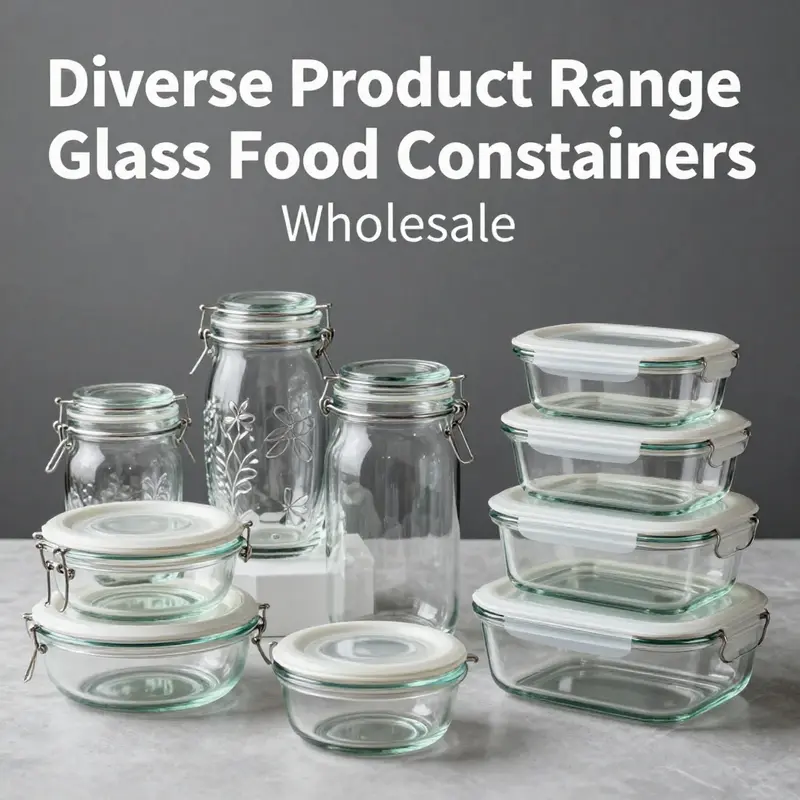
Across wholesale markets, glass food containers have evolved from simple jars into a sophisticated, highly varied assortment that serves kitchens, retail counters, hospitality fleets, and even research settings. The wholesale landscape is deeply interconnected with regional strengths, especially in major production zones that have built efficiency and reliability into their supply chains. In particular, hubs in parts of China are recognized for their specialized glass manufacturing capabilities, yielding a broad spectrum of shapes, sizes, and closures. Buyers are drawn not only by a wide catalog but also by the assurance that suppliers have undergone rigorous third‑party audits, sometimes described in terms of deep verification, to signal quality and dependable performance. This blend of scale, quality control, and process transparency underpins a wholesale market that can meet both high-volume demand and niche, need‑specific forms of packaging. The result is a catalog that truly reflects the needs of multiple industries and consumer trends while keeping a steady eye on safety, sustainability, and aesthetics.
The diversity of the product range is driven by several core factors: the material’s stability, its transparency, and its long‑term reusability, all of which contribute to glass becoming the preferred alternative to plastic in many segments. The range is organized around several axes: shape, material, function, and closure. Shapes extend beyond the standard cylinder to include square, rectangular, and even artful curves that enhance display value while remaining practical for stacking and transport. Materials present a choice between high borosilicate glass, known for heat resistance and mechanical durability, and more economical sodium calcium glass, which remains widely used for everyday storage. Functions span from sealed storage designed for dry goods to fridge organization, from vacuum‑seal systems for coffee beans and spices to containers aimed at baby feeding and large display jars intended for retail shelves. Closures range from bamboo lids to screw‑top designs with rubber seals, silicone gaskets, and stainless steel clips, with some innovations enabling press‑and‑seal mechanisms. These combinations translate into a catalog that feels almost custom‑made for different operation scales and consumer expectations.
Prices on wholesale listings reflect size, material, and mechanical complexity. Basic transparent jars can begin at modest unit costs, while more specialized and high‑performance options, especially those designed for vacuum sealing or heat resistance, command higher price points. The lower end often corresponds to entry‑level lineups suited for bulk pantry storage or compact display jars, while higher‑end offerings address premium segments that prize durability, long shelf life, and the ability to withstand thermal cycling. Volume is a major driver of pricing, with high transaction counts indicating strong ongoing demand. The market’s health is reinforced by repurchase dynamics that show consistent customer satisfaction and the advantage of repeat orders in wholesale channels. This combination of affordability, performance, and durability supports a wholesale ecosystem that can flex to changing macro trends without sacrificing reliability.
From a buyer’s perspective, supplier guarantees and safety assurances are central. Reputable suppliers emphasize food‑grade materials, ensuring that glass used in containers is non‑reactive and inert with foods. The reliability of seal systems is highlighted as a key feature, with tight‑fitting lids, silicone gaskets, and, in certain configurations, vacuum sealing to preserve freshness and minimize moisture ingress. To build trust, several suppliers offer practical guarantees such as short dispatch times, limited warranty periods, or replacement policies, which can be pivotal for retailers and food service operations that depend on predictable turnover. Sustainability is also foregrounded in marketing and product design; glass is inherently recyclable and can be reused indefinitely without degradation, aligning with institutional sustainability goals and consumer expectations for eco‑friendly packaging.
Design and function have advanced in tandem with the market’s demand for efficiency and user experience. Ergonomic grips and non‑drip spouts improve handling, while precision pour controls reduce waste in both home kitchens and professional environments. The rise of borosilicate glass has further expanded the appeal of glass containers, enabling direct use in microwaves or ovens in some variants, thus blurring the line between storage and cooking utilities. Aesthetic considerations also influence purchasing decisions. Crystal‑clear clarity not only showcases the contents but also elevates perceived quality, making glass containers popular for brand display, premium product lines, and gift packaging. In this sense, glass storage can do more than simply hold food; it can enhance the narrative around freshness, provenance, and care.
The wholesale landscape is not merely a catalog of fixed products. It is a dynamic ecosystem shaped by a few recognizable product categories, each with its own array of design choices and practical considerations. Glass bottles, with neck size variability—from small to wide—offer flexibility for beverages, dairy, syrups, and viscous syrups that need easy access. Shapes range from the standard cylindrical to square or gently curved forms that maximize shelf presence while maintaining pour control. This category benefits from a spectrum of closures and thread patterns that respond to different storage needs and consumer preferences.
Glass jars and cans are tailored for canned goods, preserves, pickles, and condiments. They bring together wide mouths, precise pour features, and robust sealing lids that guard against leaks and oxidation. In wholesale terms, the ability to sustain flavor and texture over time is a powerful selling point, delivering on both consumer satisfaction and supply chain reliability. The storage containers—boxes and trays—play a crucial role in organization and long‑term storage. Their transparency supports inventory management, while airtight seals and well‑designed lids extend freshness and reduce waste across households, cafés, and professional kitchens. Then there is specialized packaging, which includes items like baby feeding bottles and vials designed for lab‑grade applications. These products showcase how glass containers can cross boundaries from everyday culinary use to more technical or therapeutic contexts, underscoring the breadth of a wholesale program that can serve multiple lines of business.
Within this broad spectrum, suppliers often position themselves around core guarantees that reduce risk for buyers. The emphasis on food safety remains central, with products described as food grade and manufactured from materials that do not interact with contents. Seals and closures are presented not only as convenience features but as essential components that preserve flavor, aroma, and texture. Reliability is reinforced by service commitments—dispatch timelines, return policies, and warranty periods—that help buyers forecast inventory and protect margins. Sustainability continues to influence choices as buyers seek durable, reusable containers with long service lives and high recyclability rates. The net effect is a wholesale environment that values not only product diversity but also the ongoing relationship between supplier and buyer, anchored by safety, performance, and environmental responsibility.
If you want a consolidated view of related storage solutions in wholesale catalogs, the storage containers category provides a comprehensive lens on how these pieces fit into kitchen organization and retail presentation. This section of listings highlights how transparency, airtight design, and varied capacities can support both consumer convenience and professional efficiency. For a direct reference, explore the storage containers category here: storage containers category.
The global view of this market also reminds buyers of the broader context in which wholesale glass food containers operate. The push toward reducing plastic use, paired with a growing preference for materials that preserve flavor and safety, continues to drive demand for glass across multiple channels. Health and safety concerns regarding plastic leaching have sharpened the focus on inert glass, particularly in premium or organic product categories where buyers are careful about the full lifecycle of packaging. Glass’s recyclability and potential for indefinite reuse align with corporate sustainability goals, giving wholesalers a compelling narrative to share with retailers and end consumers. Beyond safety and sustainability, the functional innovations in glass containers reinforce how form and function can coexist. Ergonomic lids, secure seals, and options for direct heating or oven use broaden the scope of use cases, enabling glass to serve as more than a storage vessel and to become a practical component of consumer workflows in households and professional kitchens alike.
This breadth also translates into procurement strategy. Wholesalers need to evaluate material choices—high borosilicate versus sodium calcium glass—against expected usage scenarios, thermal exposure, and handling practices. In high‑volume channels, the predictability of supply, the capacity to scale production, and the ability to customize lids, seals, or labeling can distinguish a supplier in a crowded marketplace. The regional production hubs mentioned earlier—recognized for their efficiency and depth of verification—play a pivotal role in ensuring that suppliers can meet diverse demand while maintaining consistent quality. Buyers who map their assortments to practical use cases—pantry organization, beverage storage, bridal or gift packaging, and hospitality service—will find it easier to curate a lineup that reduces complexity for procurement teams and improves end‑user satisfaction.
The wholesale ecosystem for glass food containers, though expansive, remains coherent when viewed through the lens of safety, sustainability, and user experience. It is not simply about filling shelves with glass jars but about understanding how function, form, and context come together to support efficient kitchens, responsible retailers, and informed consumers. The most successful wholesalers are those who translate this understanding into reliable supply, transparent product information, and a willingness to adapt to evolving standards without sacrificing the integrity of the core material. In this sense, glass containers become a strategic asset rather than a mere packaging option, reinforcing how packaging decisions can influence product integrity, brand perception, and the environmental footprint of the food system.
External context and further reference can be found in global listings that summarize the breadth of glass food container offerings available to buyers. For a broad view of current inventory and pricing on a major international platform, see the glass food containers listings at https://www.alibaba.com/products/glass-food-containers.html.
From Factory Floor to Front Shelf: Strategic Pricing in the Glass Food Containers Wholesale Market
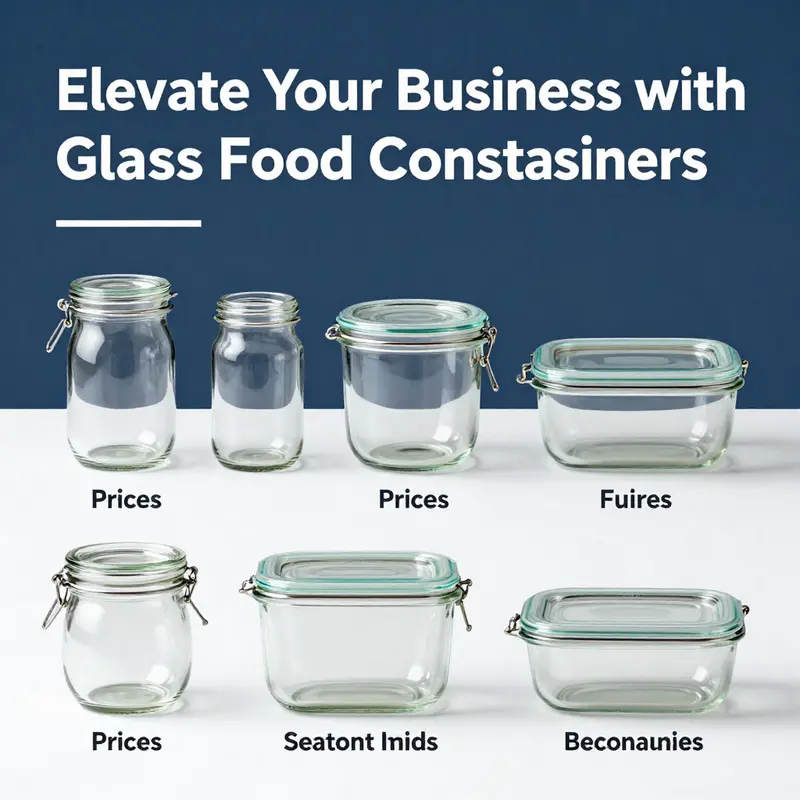
Pricing in wholesale glass food containers sits at a compelling intersection of material science, manufacturing discipline, and the economics of scale. When you trace the path from the factories clustered in regional hubs to the hands of retailers and, ultimately, to kitchen shelves, price becomes a signal that encodes both cost and value. The wholesale market, driven by a broad spectrum of producers across several Chinese provinces such as Zhejiang, Jiangsu, Hebei, and Anhui, operates with a shared understanding: glass, in its many forms, represents a durable, non-toxic, and recyclable packaging option that appeals to buyers seeking long-term cost efficiency and consumer trust. In this setting, the pricing strategy is less about competing on a single unit price and more about orchestrating a portfolio of options that align with different customer segments, production realities, and logistics realities. The most telling feature of this market is not a single price point but a lattice of price bands shaped by material choice, size, finish, closure mechanism, and the sheer scale of purchase.
At the core, price differentiation emerges from a straightforward set of inputs. The basic high borosilicate glass storage containers—compact, clear, and heat resistant—tend to hover in a mid-to-low price corridor. Real-time data from wholesale listings in January 2026 shows ordinary high borosilicate sets, such as a common 2-liter three-piece configuration, typically trading within roughly $0.70 to $1.28 per unit. This range reflects the economies of scale that come with standardized shapes and volumes, plus the efficiency of established supply chains in key manufacturing zones. In contrast, high-end variants that pair glass with more premium closures—think wooden lids such as bamboo or a light-colored hardwood—can demand a premium, roughly $2.10 to $3.20 per unit. The difference is not merely aesthetic; it represents deeper material costs, including the sourcing and processing of specialty lids, and the subtle labor costs associated with finer finishing and packaging that signals a higher value to downstream buyers.
The influence of minimum order quantities (MOQs) on unit economics cannot be overstated. In practice, a buyer seeking mass scale can drive unit costs downward through quantity. For example, 1000-piece orders of standard pasta-style glass containers may land at around $0.70 per unit, while smaller, non-standard orders—50-piece lots of similar jars—can price in the $1.80 to $2.20 range. The gap mirrors the fixed costs and setup considerations that suppliers must absorb when non-standard configurations are requested. This is the clearest illustration of scale economics in action: as production lines run toward full capacity and as logistics become more predictable, the incremental cost of each additional unit falls, enabling more aggressive pricing for large buyers. Beyond MOQs, the choice of material itself modifies the price ceiling. High borosilicate glass, favored for its heat resilience and durability, commands higher costs than ordinary soda-lime glass, and the marginal cost difference is felt across the entire product range—from jars to storage canisters and even display pieces.
The production narrative behind these numbers is also instructive. While mass-produced, stock-keeping-friendly shapes are common, certain workshops still employ hand-finished processes or nuanced coating techniques to achieve distinctive effects, such as subtle color lendings or embossed textures. The added labor and artisanal touches raise per-unit costs, yet they create opportunities for a differentiated product line that can command higher price points in boutique channels or specialized retail segments. This is where the pricing strategy must be attuned to the channel logic: basic, value-oriented lines may dominate wholesale listings, but there is room for premium lines that emphasize craft and sustainability. And sustainability is not just a marketing cue. Glass containers are recyclable and non-toxic, attributes that resonate with retailers seeking to align with environmental imperatives and with consumers seeking long-term value. The resulting price positioning should thus reflect a balance between responsible material choices, production realities, and the expected end-use life cycle.
Channel strategy also shapes how price signals are perceived and acted upon by buyers. Wholesale marketplaces position themselves as competitive arenas where numerous suppliers vie for attention with assurances like food-grade safety, reliable sealing mechanisms, and efficient dispatch windows. The ability to guarantee features such as tight-fitting lids, silicone or rubber gaskets, and, in some cases, vacuum-seal capabilities, creates added value that can justify higher price bands. In practical terms, this means a tiered pricing approach works best. A basic line might emphasize affordability and reliability, a mid-tier line could emphasize stronger sealing and better long-term preservation of contents, while a premium tier might couple high-performance closures with designer aesthetics and bespoke packaging. Customization options—logo imprints, bespoke dimensions, or tailored packaging—carry a premium, reflecting non-standard production costs but also adding a perceived and real value to buyers who need differentiation on their shelves. In this context, the value proposition becomes a narrative: durability, safety, and design all contribute to a product’s total cost of ownership and its appeal to end users.
The consumer mindset that underpins wholesale purchasing also informs pricing decisions. Retail buyers are sensitive to the total landed cost when they calculate return on investment and shelf turnover. The literature surrounding wholesale purchasing on large platforms indicates that buyers are highly attuned to a realistic “to-hand price”—the price they expect to pay delivered, including estimated logistics. They compare this against a perceived “line price” and seek confidence in the reliability of delivery times, the integrity of the product, and the seller’s after-sales guarantees. In the glass containers segment, where food safety and moisture protection are paramount, buyers often equate higher price points with higher assurances of performance. Hence, a robust pricing strategy cannot rely solely on volume discounts; it must also reinforce product safety, packaging integrity, and the ability to meet tight dispatch windows. For vendors, that means building trust through clear labeling about food-grade materials, temperature tolerance, and the presence of silicone gaskets or vacuum features. It also means acknowledging that some buyers place premium value on design-driven features—such as rounded edges, stackability, or a preferred lid style—when determining whether to invest in a higher-cost line.
To translate these dynamics into tangible pricing guidance, it helps to consider the interplay between cost, value, and risk. A solid pricing framework recognizes that the wholesale price curve is not a straight line but a set of layers. The base layer represents the fundamental raw material costs, the next layer accounts for production efficiency and capital costs, and the top layer captures value-added features, branding, and service guarantees. The risk layer includes volatility in raw material prices, exchange rate fluctuations for cross-border orders, and the potential for logistical interruptions that can increase landed costs. Effective pricing must absorb these risks while preserving competitiveness. This is where strategic levers become meaningful. For instance, bundling multiple items into a multi-piece set can raise the average order value and spread fixed costs over more units, improving margins at a given SKU. Similarly, offering a tiered ladder of products—entry-level, mid-range, and premium with a clear value proposition for each—helps suppliers meet the needs of diverse buyers, from household retailers to mid-sized food-service operators and beyond.
A practical implication of this approach is the construction of a pricing staircase that aligns with channel expectations. The staircase begins with an economical, high-volume option that emphasizes dependable quality and aggressive unit costs. The mid-level tier should highlight enhanced sealing performance and better preservation, with a price point that communicates incremental value without pricing out price-sensitive buyers. The premium tier can justify its higher price through superior materials, more sophisticated closures, and an elevated packaging experience, potentially supported by non-standard features such as custom branding or limited-edition finishes. Within this structure, sellers can employ strategic promotions to modulate demand and manage inventory without eroding base margins. Time-bound discounts, volume-based incentives, and pre-season promotions are among the tools that help manage cash flow and forecast accuracy while preserving the perceived value of higher-end lines.
For buyers, understanding this pricing logic supports smarter sourcing decisions. It clarifies why a 2-liter, three-piece set might sit at a certain price band and what additional value is captured when a buyer moves into a premium configuration with a wooden lid and reinforced seals. It also explains the logic behind MOQs and the impact of customizing services. The ultimate objective is not simply to minimize unit cost but to optimize total cost of ownership, which includes storage efficiency, product freshness over time, and the ability to meet consumer demand with reliable delivery. To aid cross-category decision-making, it can be helpful to explore related storage options and how they complement glass containers in a retail or food-service setting. See the Storage Containers category for broader context and alignment with complementary packaging and organization solutions.
Storage Containers offers a broader lens on how glass storage solutions fit into a complete packaging and pantry organization strategy. While price remains a central consideration, the integration with other packaging and storage products influences both buyer perception and utilization efficiency. In terms of external market context, the most relevant external reference for wholesale pricing insights in this sector is a leading global wholesale marketplace that aggregates supplier capabilities, safety certifications, and delivery commitments across regions. The linked resource below provides a broader data backdrop for the price ranges discussed here and illustrates how buyers compare options across a spectrum of products and suppliers. External reference: https://www.alibaba.com/trade/search?fsb=y&IndexArea=product_en&CatId=&SearchText=glass+food+storage+containers
The pricing strategy described here is not a fixed prescription but a flexible framework. It encourages a move away from one-size-fits-all pricing toward a structured, multi-tier approach that reflects material realities, production nuances, and buyer expectations. By aligning cost structures with a layered value proposition, wholesalers can protect margins while delivering choices that meet the needs of diverse customers. It also positions them to navigate currency and logistics fluctuations with a clear, communicated rationale for price adjustments. In the end, pricing in the glass food containers wholesale landscape is about translating the science of glass, the craft of manufacturing, and the precision of logistics into value that retailers and consumers recognize and trust.
Trust, Timelines, and Transformation: How Reliable Suppliers Shape the Glass Food Containers Wholesale Market
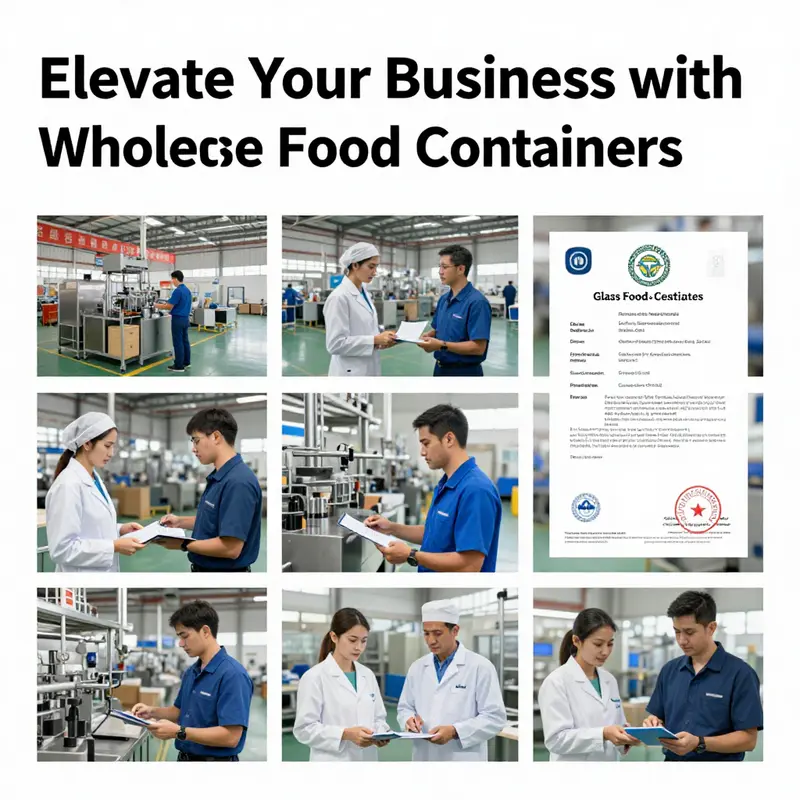
The wholesale market for glass food containers has matured into a disciplined ecosystem where durability, safety, and speed become non-negotiable expectations for buyers and brands alike. The strength of this market does not hinge on a single product feature but on a tapestry of reliability that touches every link in the chain—from raw material sourcing and production lines to packaging, certification, and on-time delivery. In this landscape, supplier reliability isn’t a nice-to-have; it is the axis around which competitive advantage rotates. Buyers who understand what makes a supplier trustworthy can move from reactive purchasing to proactive, scalable procurement that supports brand promises and seasonal launches alike. The narrative of reliability begins with regional clusters in China, where industrial depth translates into predictable performance. Jiangsu Province, with its dense network of glass producers and accessory suppliers, stands out for high-borosilicate glass production and technologically advanced forming lines. Nearby Shandong and Hebei contribute a different but equally vital set of capabilities: larger volume runs, robust routing through central distribution hubs, and cost-conscious soda-lime glass that remains a workhorse for everyday use. These regions benefit from proximity to high-purity quartz sand and a layered ecosystem of supporting suppliers—gasket makers, lid molders, labeling houses, and finishing services—that collectively shrink lead times and stabilize pricing. This earned efficiency translates into a reliable fabric of supply, where standard orders can be fulfilled with a cadence that aligns with product drops, promotions, and replenishment cycles. It also means that lead times are not a guess but a metric that buyers can plan around, with typical windows spanning several weeks rather than months, and with the flexibility to compress timelines for common sizes when required. The reliability story grows more concrete as buyers start to demand proof of compliance and safety before any purchase is finalized. Reputable suppliers in the glass containers space routinely present documentation that demonstrates alignment with international food-safety standards. For borosilicate glass used in ovens, microwaves, and freezers, thermal resistance testing is a given, and claims about BPA-free construction or microwave compatibility are supported by certifications and testing results. Buyers should expect to see certifications like FDA 21 CFR and EU Regulation No. 1935/2004, and they should probe any claims about heat tolerance or chemical safety with third-party test data. The importance of these certifications cannot be overstated: they establish a baseline of trust that reduces post-purchase disputes and accelerates regulatory compliance in new markets. In parallel, the technical capabilities behind a supplier’s claimed reliability are often visible in the factory floor and the control room. Automated bottle-forming lines, precision molding for lids, and annealing lehrs that correct residual stresses in glass are not just technical niceties; they are the backbone of batch-to-batch consistency. When these processes are well-managed, a mid-volume producer in a city like Xuzhou can routinely hold in-stock inventories of standard jars and respond to urgent orders within a matter of days. In contrast, a larger exporter with strong capabilities in customization, often located in coastal hubs, can fulfill bespoke orders with uniform quality while still preserving a dependable lead time. Reliability here means a supplier can scale from a few thousand units to tens of thousands without sacrificing performance or timing. A predictable supply chain also hinges on the way suppliers interface with buyers through clear service guarantees. It is common to see commitments such as 48-hour dispatch, a 7-day replacement window for defective items, and even a one-year warranty for certain lines. These guarantees do not operate in a vacuum; they reflect a broader confidence in the quality control systems that underwrite every shipment. They also serve as a practical risk-management tool for brands that must meet stringent shelf commitments, respond to rapid market shifts, or launch private-label lines with tight go-to-market calendars. The price tension that naturally accompanies reliable supply is nuanced. On one hand, borosilicate glass, prized for its heat resistance and durability, commands a premium that translates into higher per-unit costs—roughly within a range that buyers typically associate with higher-end, reusable packaging. On the other hand, soda-lime glass offers a more economical path that supports large-volume programs while still delivering robust performance for storage, organization, and display needs. Price bands in the wholesale channel reflect not only material composition but also design complexity, closure systems, and the breadth of customization offered. As a general guide, base borosilicate jars with standard shapes may hover around modest unit prices, while vacuum-seal jars, specialized lids, and uniquely shaped containers can move toward premium levels. The economics of customization are especially meaningful for brands pursuing differentiated packaging. Full customization—think distinctive silhouettes, unique lid geometries, and integrated labeling schemes—typically requires a higher minimum order quantity (MOQ). Yet the savings at large scale can be substantial, with bulk orders surpassing ten thousand units sometimes delivering material cost reductions well into the ~30 percent range compared with standard Western alternatives. For buyers who value sustainability and end-of-life considerations, glass again proves compelling. Glass is inherently recyclable and non-toxic, aligning with the growing consumer preference for eco-conscious packaging. This sustainability narrative reinforces reliability, because it supports long-term partnerships with retailers and foodservice operators who are increasingly wary of plastic alternatives and the regulatory scrutiny that accompanies them. The reliability calculus is not purely about parts and numbers; it also encompasses the practical realities of working with a global market. The most robust sourcing ecosystems operate on a platform that offers real-time supplier data, verified profiles, and performance metrics. Alibaba exemplifies this model, providing a granular view of factory capabilities, production lead times, and compliance credentials. For buyers, this means they can assess material options, confirm whether a supplier can meet a given MOQ, and gauge whether the supply chain can sustain product launches through peak seasons. In such a marketplace, the buyer’s diligence becomes a continuous process rather than a one-time audit. The buyer’s due diligence, in practical terms, means looking beyond unit prices to the supplier’s track record on delivery, warranty performance, and the transparency of documentation. Material compliance and safety are non-negotiable: any claim about heat resistance or microwave safety should be traceable to test results or third-party certification. The best suppliers maintain auditable quality-management processes, stable annealing cycles, and disciplined lot-traceability. They also invest in service capabilities that minimize downtime for buyers—clear communication channels, prompt familiarization with regulatory requirements in different markets, and responsive after-sales support that reduces the time between problem identification and resolution. An experienced procurement professional will also examine the supplier’s alignment with packaging and storage needs, especially for brands that require a close match between product aesthetics and function. Product ranges become more navigable when the conversation clearly maps to end-use cases: sealed storage for grains and tea, fridge-friendly bins for produce, vacuum-seal systems for coffee beans and spices, baby-food containers, and large display jars for weddings or events. The shape family—round, square, rectangular, and even whimsical forms like novelty silhouettes—matters for brand storytelling and shelf impact. Closure systems—ranging from bamboo lids to screw-top designs with rubber seals, silicone gaskets, or stainless-steel clips—address moisture control, odor retention, and consumer convenience. In this broader context, an internal reference can help teams visualize compatibility across product lines. For buyers exploring practical storage solutions in their catalog, a close look at the storage-containers product category can illuminate compatible designs and sizes that fit a brand’s curated range storage containers. While the category serves as a helpful internal map, the strategic takeaway remains: reliability is proven through consistency, visibility into certification and testing, and a supplier’s ability to adapt to demand without sacrificing performance. For those seeking a structured, real-time lens on market dynamics, the external industry guide that accompanies this chapter offers a broader snapshot of current inventories, price benchmarks, lead times, and MOQs across the major regional hubs. External resource: https://www.alibaba.com/product-detail/Wholesale-Glass-Food-Containers-B2B-Supplier_1600688137218.html?spm=a2700.1.w1.1.5c9d5a1fRzXrVg&albq=y&src=albq&searchText=wholesale+glass+food+containers
Glass at Scale: Unpacking the Sustainability Promise of Wholesale Food Containers
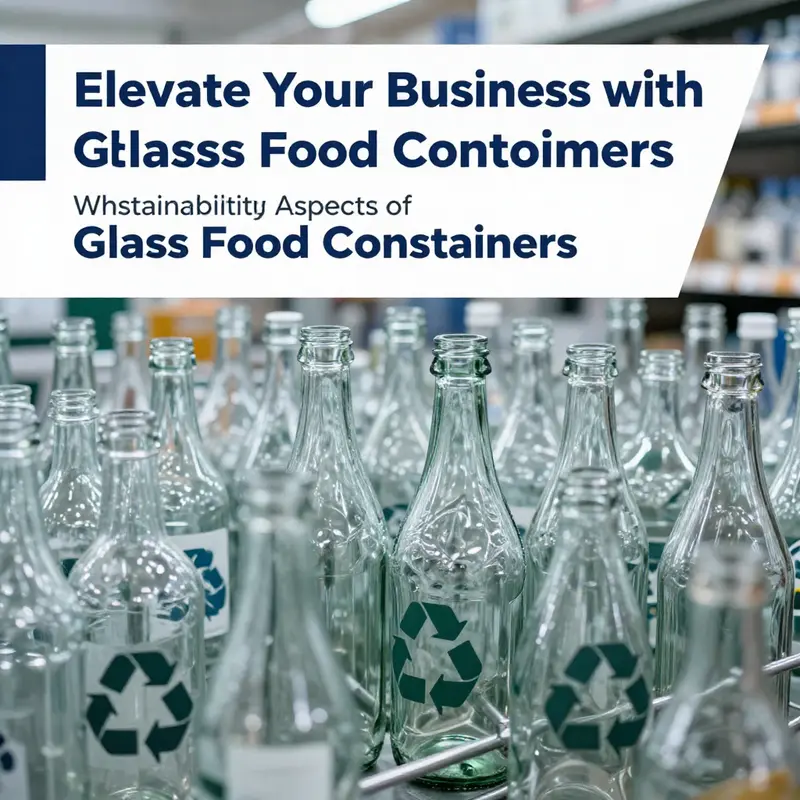
Wholesale glass food containers sit at a pivotal intersection of commerce and climate, where the scale of distribution shapes both the financial viability and the environmental profile of modern packaging. When businesses buy in bulk, the choices they make reverberate through factories, fleets, and kitchens, influencing waste streams, energy use, and the perception of responsibility that brands carry. The wholesale market for glass storage solutions, concentrated in several Chinese manufacturing hubs, is organized around a simple yet powerful truth: glass can be designed, manufactured, and distributed in ways that maximize durability, minimize waste, and support circular economy goals. In this landscape, borosilicate glass often leads the way due to its heat resistance and resilience, while sodium calcium glass remains a cost-efficient alternative for bulk products. Suppliers emphasize the reliability of their operations through third-party verifications, underscoring that the journey from raw material to finished container passes through rigorous checks for safety and quality. The provenance of this supply chain matters as much as the product’s functionality, especially for buyers who must balance price, performance, and long-term sustainability.
Durability is perhaps the most tangible sustainability attribute of glass containers. Borosilicate glass can withstand repeated cycles of washing and heating without experiencing the microstructural changes that afflict many plastics. This resilience translates into a longer usable life for each container, which in turn reduces the frequency of replacements and the volume of waste generated by store shelves, kitchens, and households. In practice, this means fewer discarded jars, fewer broken vessels, and lower demand for virgin materials over time. When a business rents or purchases glass in bulk, the cost of replacement is amortized across thousands of units, sharpening the case for long-term thinking about material choice. The durability narrative is reinforced by closure systems designed to preserve contents with precision. Whether the seal is achieved with silicone gaskets, airtight lids, or vacuum mechanisms, the goal remains constant: minimize moisture ingress and content loss while maintaining the container’s integrity through countless cycles of use. The outcome is not merely cleaner storage; it is a tangible reduction in material turnover that translates into fewer shipments to restock and less energy spent in manufacturing replacements.
Yet durability alone does not capture the full sustainability profile of wholesale glass containers. The recyclability of glass stands as a defining advantage over many plastics. Glass can be recycled endlessly without losing quality or purity, a property that anchors its appeal for businesses pursuing closed-loop or circular economy strategies. This attribute is especially relevant when the wholesale model emphasizes bulk purchases—recyclability scales with volume. In contrast, plastics, while technically recyclable in many jurisdictions, commonly undergo downcycling, where the recycled material is transformed into a lower-grade product with a shorter lifespan. This dynamic can lead to multiple processing steps, energy use, and, ultimately, weightier end-of-life disposal. Data from the broader waste management landscape underscores the challenge: only a small fraction of plastic produced historically enters recycling streams and remains suitable for high-quality reuse. The EPA’s reporting frames this reality, highlighting the material recovery realities that shape policy, industry practice, and consumer expectations. Against that backdrop, glass emerges as a robust option for wholesale buyers who want to align packaging choices with long-lived material performance and a cleaner recovery profile.
The wholesale shift toward glass also intersects with a powerful social and environmental imperative: reducing single-use plastics. In professional kitchens, meal prep environments, and institutional settings, bulk purchases of durable glass containers can displace a significant portion of disposable plastics. A study published by the Journal of Industrial Ecology in 2024 quantified this impact, reporting a 70% reduction in packaging-related waste when plastic storage containers were replaced with reusable glass in commercial kitchens over a three-year horizon. That figure captures more than a simple substitution; it reflects how scale matters in waste prevention. When hundreds or thousands of containers circulate in a system, the cumulative waste reduction becomes a compelling argument for buyers who must meet sustainability targets, satisfy regulators, and respond to consumer demand for responsible sourcing. The wholesale channel makes this transition more feasible by offering cost-effective pricing, predictable supply, and the assurance of continuous availability in high volumes.
Health and safety form another cornerstone of the glass story in wholesale packaging. Glass does not leach chemicals under typical kitchen conditions, including microwaving or prolonged storage of acidic products. This non-reactive behavior is not merely a regulatory tick box; it is a practical safeguard for the health and trust of end users, from home cooks to professional stewards of large cafeterias. In the wholesale context, this safety assurance is paired with robust design features: well-fitting lids, gasket materials that maintain seals over repeated uses, and configurations that reduce ingress of air and moisture. These design elements are not cosmetic; they are mission-critical for preserving the quality and safety of a wide range of contents, from dry goods to liquids, spices to baby foods. Buyers often weigh safety alongside environmental credentials, recognizing that a packaging system must perform reliably for months or years without compromising health or flavor. The result is a holistic value proposition that appeals to regional distributors, retailers, and foodservice operators who compete on both sustainability and quality.
Sourcing practices in wholesale glass containers further illuminate the sustainability calculus. Buyers who seek to minimize their carbon footprints typically prioritize suppliers that demonstrate low-carbon manufacturing processes, proximity to major markets, and responsible packaging. Local or near-local production can shorten transport distances, reduce emissions, and speed response times—an important consideration in wholesale markets characterized by demand volatility and long lead times. Additionally, many glass products now incorporate recycled content, which lowers the energy intensity of the overall supply chain and reduces raw material extraction. For wholesale buyers, these choices are not solely about compliance; they are strategic decisions that shape brand narratives and stakeholder perception. In practice, a responsible sourcing approach may involve evaluating a supplier’s verification status, labor practices, and environmental management systems, alongside product performance metrics like heat resistance, seal integrity, and stackability. The end result is a supply chain that supports durability and recyclability while weaving in social and ecological accountability that resonates with modern consumers and institutional buyers alike.
Market dynamics in this space reveal a broader shift toward sustainability as a core performance metric, not an ancillary consideration. Consumer awareness and regulatory expectations are converging to reward brands that demonstrate a clear, measurable commitment to sustainable packaging. Wholesale buyers are increasingly attuned to the lifecycle costs of containers—initial price, shipping, storage, maintenance, and end-of-life handling—and they recognize that glass, when managed thoughtfully, can deliver favorable total cost of ownership over time. This realization is not a rejection of plastic; rather, it is a calculated trade-off that prioritizes long-term resilience, reduced waste, and a stronger brand proposition built on safety and sustainability. The wholesale channel, with its capacity to leverage economies of scale, can align supplier capabilities with buyer ambitions, from bulk procurement of storage jars for dry goods to large display jars for event settings or retail showcases.
A practical consequence of these dynamics is the opportunity for integrated solutions that blend functionality with sustainability. Buyers may seek containers that combine seal quality with design features that facilitate recycling and reuse, while suppliers highlight the ease of disassembly and the compatibility of their products with standard recycling streams. This alignment supports not only environmental objectives but also operational efficiency. In wholesale workflows, it is common to see standardized packaging, predictable lead times, and uniform compatibility across assortments, which simplifies procurement planning and reduces the logistical friction that can otherwise undermine sustainability efforts. To the extent that buyers can consolidate their orders, reduce the number of SKUs, and streamline handling, they also reduce the energy and emissions associated with storage, transport, and warehousing.
For readers exploring internal pathways to bolster sustainability, one practical step is to examine the broader catalog of storage solutions and how they complement glass containers within a packaging ecosystem. The category of storage containers, for example, is central to maximizing the utility of glass vessels in kitchens, cafeterias, and retail environments. By coordinating choices across materials, sizes, and closures, buyers can build cohesive systems that minimize waste and improve food safety. This approach also helps brands present a consistent sustainability narrative to customers and partners. If you’re scouting for durable, scalable options, consider exploring the storage containers category to identify bulk-ready solutions that align with glass containers for a comprehensive packaging strategy. storage containers category.
The narrative of wholesale glass sustainability, then, rests on a few interlocking pillars: durability that extends product life and reduces replacement cycles; recyclability that supports endless recovery loops; concrete waste reductions in high-volume environments; health and safety intrinsic to glass’s non-reactive properties; conscientious sourcing that lowers transport emissions and encourages recycled content; and market momentum that rewards brands for responsible packaging choices. Taken together, these factors help explain why a growing share of wholesale buyers view glass containers not as a niche or premium option but as a practical, scalable path to responsible packaging. The picture is nuanced and context-driven, dependent on the specifics of volume, geographic reach, and the sophistication of the supply chain. Yet the central thesis remains clear: when managed with attention to design, lifecycle considerations, and supplier accountability, wholesale glass packaging can deliver measurable environmental benefits without sacrificing performance or cost-effectiveness. This holistic perspective positions glass as a mature component of sustainable packaging strategies, capable of supporting ambitious business objectives while advancing broader ecological goals.
External resource for further reading: https://www.epa.gov/sustainability/understanding-our-waste
Final thoughts
The wholesale glass food containers market offers an invaluable resource for businesses across various sectors, providing reliable, safe, and sustainable options. By understanding the market landscape, the diverse range of product offerings, effective pricing strategies, supplier reliability, and the key benefits related to sustainability, your business can align its product choices with both customer expectations and environmental considerations. As you explore wholesale options, consider the importance of these factors in making informed decisions that support your operational goals and promote a greener future.