
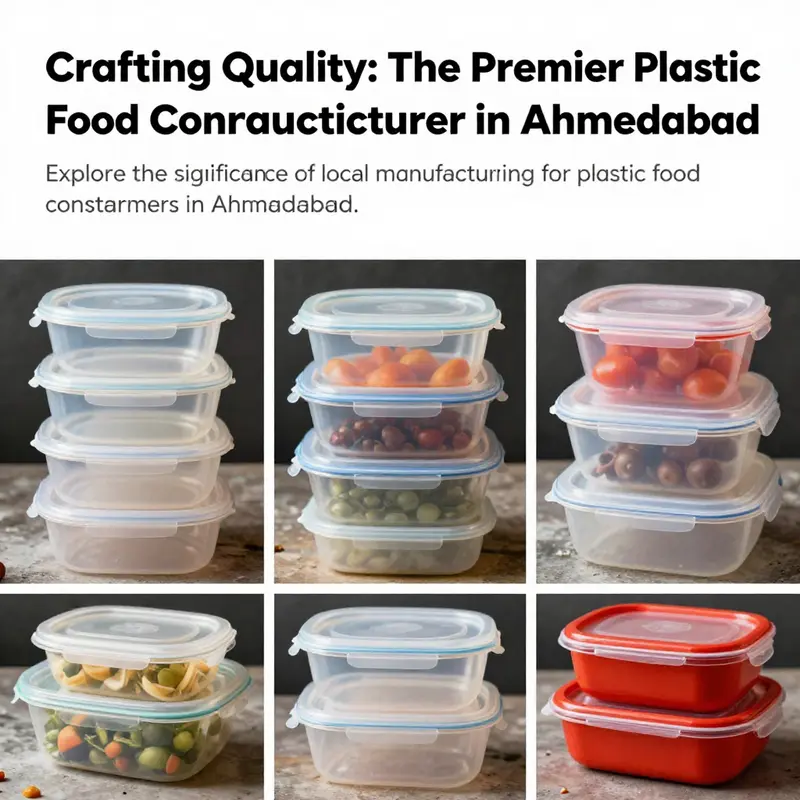
Ahmedabad is a key player in the plastic food container manufacturing sector, with notable companies like Uma Krupa Plast leading the charge. This city boasts a vibrant industry ecosystem catering to diverse needs in food service, retail, and events. As the demand for sustainable solutions rises, it’s crucial for businesses such as bubble tea shops, restaurants, and catering services to partner with manufacturers committed to quality and safety. Each upcoming chapter delves into the essential factors defining this market, including sustainable practices, compliance with regulations, consumer trends, and the overall economic impact on Ahmedabad. By understanding these elements, businesses can make informed decisions when selecting packaging solutions that enhance their services.
Uma Krupa Plast and the Rise of Modern Plastic Food Containers in Ahmedabad
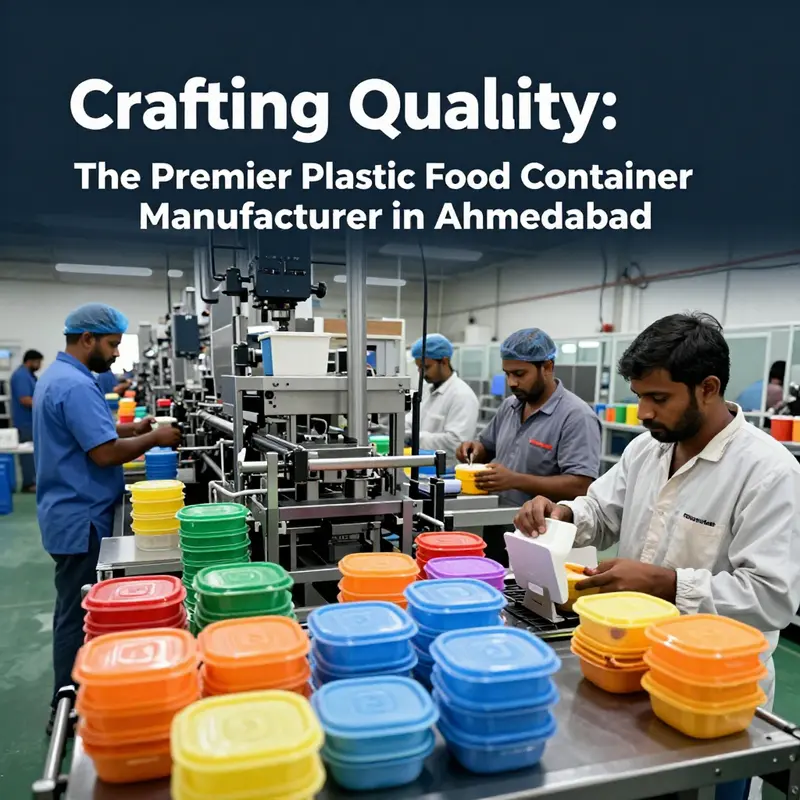
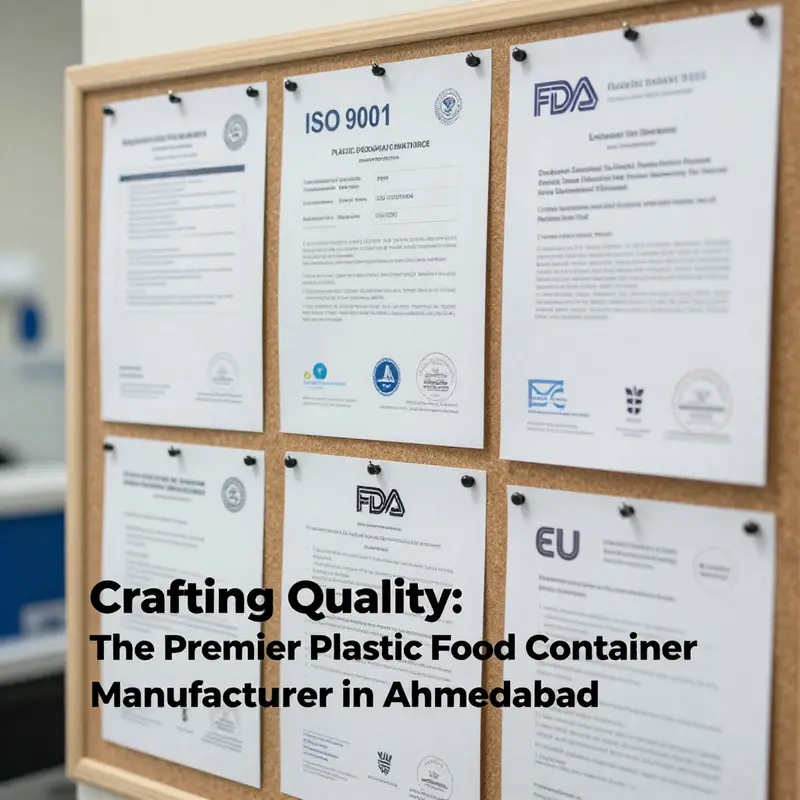
Ahmedabad sits at the crossroads of tradition and fast-moving industry, its streets echoing with the hum of small workshops that scale into regional manufacturing networks. In this landscape, the demand for dependable, safe, and aesthetically compatible packaging has grown in step with the city’s evolving food culture. The dynamics here are not just about holding a meal; they are about preserving taste, ensuring hygiene, and telling a brand’s story through durable containers that carry and protect food across crowded markets, street corners, and restaurant tables. Within this milieu, a prominent player stands out for shaping how households and businesses in and beyond Gujarat store and present food: Uma Krupa Plast. The company operates from Ahmedabad, and its approach to plastic food storage and display solutions has become a touchstone for reliability and design-minded functionality in the local packaging ecosystem. While the city has long been a manufacturing hub, the emergence of firms like Uma Krupa Plast reflects a disciplined convergence of material science, quality management, and responsive service that appeals to a broad spectrum of customers—from home cooks to bustling kitchens and retailers seeking consistent, safe packaging. In this sense, the company’s trajectory mirrors a larger shift in Ahmedabad’s plastics landscape, where capacity to produce high-quality, food-safe packaging is increasingly paired with an emphasis on hygiene, durability, and practical design. The market now looks for containers that not only withstand routine use but also align with evolving consumer expectations around safety and sustainability. This chapter delves into how Uma Krupa Plast has become a leading figure within that trajectory, illustrating how a local manufacturer can influence both supplier standards and consumer confidence in a city renowned for its manufacturing depth. The emphasis is not merely on what is stored inside a container, but on what the container itself conveys—dependability, cleanliness, and a commitment to meeting stringent safety norms without compromising on usability or visual appeal. The company’s breadth encompasses plastic food containers, with a particular focus on printed round containers and kitchen storage solutions designed for domestic use as well as commercial deployment. By occupying this space, Uma Krupa Plast demonstrates how a local producer can deliver versatile packaging that satisfies the daily needs of families and the steady demands of restaurants, cafes, and retailers. The emphasis on durability and hygiene underpins every design choice, from material selection to wall thickness, lid fit, and ease of cleaning. In practice, this translates into products that resist cracking under typical kitchen stresses, that resist staining and odors, and that maintain their shape and clarity through repeated washing in hot water or gentle sanitizing cycles. The result is packaging that performs consistently, an attribute highly valued by buyers who rely on containers to protect freshness, preserve flavor, and minimize waste. The narrative around this segment of Ahmedabad’s manufacturing fabric also reveals how material science informs practical packaging decisions. High-density polyethylene and polypropylene have become mainstays in food-contact packaging for reasons that extend beyond cost. HDPE offers excellent chemical resistance and toughness, making it a dependable choice for everyday storage. PP adds heat resistance and a level of clarity that helps with product presentation and inventory management in retail spaces. When a local producer is able to combine these materials with careful molding practices and rigorous quality control, the product becomes not only a container but a reliable everyday tool for households and businesses alike. This reliability is amplified when manufacturers align with recognized safety and quality frameworks. The emphasis on compliance with food safety standards—whether through guidance aligned with FDA or EU 10/2011 principles or through localized certifications—helps reassure buyers that the packaging is suitable for contact with various foods. Such assurances are especially important for customers who pack delicate items, ready-to-eat meals, or heavily prepared foods that travel through complex supply chains. In this respect, Uma Krupa Plast’s commitment to quality management is a central pillar of its market credibility. ISO 9001 certification, where applicable, communicates a formal commitment to continuous improvement. Beyond certification, the availability of third-party testing reports—migration tests that assess the potential for substances to transfer from the container to food, and heat resistance tests that confirm performance during reheating or hot storage—offers tangible data that buyers can rely on when selecting packaging for sensitive or high-volume applications. For the domestic and commercial markets, these factors translate into reduced risk, steadier supply, and clearer assurances for partners who must meet their own safety and quality benchmarks. Another layer of the story concerns design and branding. In a market where presentation matters, packaging that marries function with branding can elevate a product’s perceived value. Printed round containers, in particular, showcase how visual identity travels with the package, complementing restaurant menus, retailer in-store displays, and household meal prep routines. This intersection of form and branding resonates with a broader trend in packaging: the demand for solutions that are not only protective but also communicative. In this regard, the dialogue around packaging printing emerges as a pertinent companion topic to the core discussion of storage and distribution. For readers curious about how branding and packaging materials intersect, a useful reference can be found in the packaging printing category of the broader packaging solutions ecosystem. This linkage highlights how manufacturers balance decorative and informative printing with the rigorous demands of food safety and hygiene. Among the questions buyers ask, efficiency remains paramount. Local production in Ahmedabad reduces lead times, strengthens supply chain resilience, and enables closer service relationships. The proximity between manufacturer and client becomes a competitive advantage when changes in demand, seasonal fluctuations, or custom requests arise. A dependable supplier in this region can adapt quickly, offering varying capacities and customization options while maintaining compliance with safety norms. It is in this adaptive capability that Uma Krupa Plast demonstrates how a regional manufacturer can remain relevant as consumer preferences evolve, even as global standards push all packaging toward newer levels of performance, recyclability, and sustainability. The broader industry context in Ahmedabad echoes nationwide and regional shifts toward more sustainable packaging strategies. Consumers and regulators alike are increasingly attentive to the lifecycle of plastic packaging: from raw material sourcing and manufacturing to end-of-life considerations. In response, many manufacturers are exploring HDPE and PP formulations that align with recyclability goals without compromising performance. For a kitchen container or a retail display unit, the emphasis on cleanability, heat resistance, and material safety remains central. The local supplier ecosystem benefits from this trend as it creates opportunities for collaboration with material suppliers, toolmakers, and testing laboratories to ensure that products are trustworthy and fit for purpose. The human element of this story—the engineers, quality controllers, and shop-floor technicians who continually refine processes—constitutes a crucial backbone of the Ahmedabad packaging scene. Their daily work translates into consistent product quality, predictable performance across use cycles, and improved customer satisfaction. For buyers seeking a reliable local partner, indicators such as process controls, traceability, and documented testing become critical. In the end, the value proposition of a manufacturer like Uma Krupa Plast rests on more than the ability to produce containers. It rests on the capacity to provide safe, durable, and visually coherent packaging that supports food safety, helps preserve freshness, and integrates seamlessly into the day-to-day routines of households and businesses. The respectful alignment of material science, stringent quality practices, and responsive customer service creates a credible model for how Ahmedabad can continue to strengthen its role as a hub for plastic packaging that meets contemporary standards and consumer expectations. For readers exploring the practicalities of selecting a local supplier, the message is clear: prioritize partners with demonstrable quality systems, accessible third-party testing, and a thoughtful approach to sustainable materials and packaging design. The goal is to find a collaborator who can deliver reliable performance, clear documentation, and a packaging experience that reinforces trust from kitchen to storefront. To learn more about related packaging and printing solutions and to explore how design and material choices intersect in this landscape, refer to the packaging printing category linked in this chapter. External references and standards continue to evolve, and staying informed helps buyers and manufacturers alike navigate the next phase of packaging innovation in Ahmedabad and beyond. External resource: FDA guidance on food-contact materials provides foundational context for safety expectations that many regional manufacturers align with as they expand into more rigorous markets. See https://www.fda.gov/food-contact-materials for further details.
Circular Currents: Sustainable Transformation in Ahmedabad’s Plastic Food Container Manufacturing
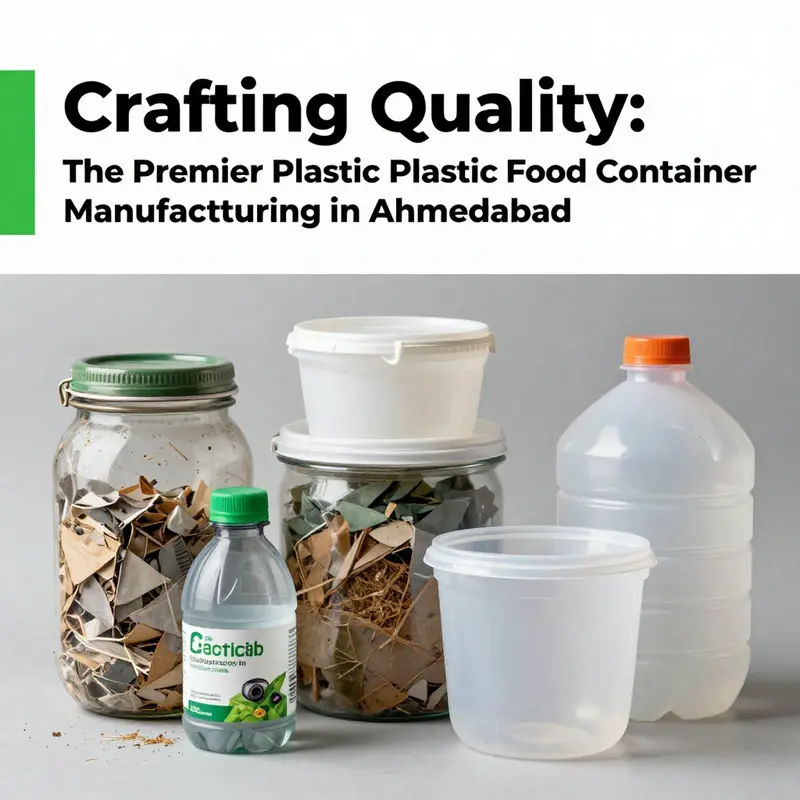
In Ahmedabad, the plastic food container manufacturing sector stands at a crossroads where growth and responsibility meet. The city’s industry has matured around packaging solutions demanded by restaurants, retailers, and households, yet the horizon is shifting. In response to mounting environmental concerns and stricter regulatory expectations, many firms are embracing sustainable practices that extend beyond compliance, aiming to build resilient supply chains and trusted brands. The shift is visible across materials, processes, and end-of-life strategies, especially as India advances toward its Plastic Waste Management Rules 2022 and the broader goals of a circular economy. This isn’t a distant ideal but a practical recalibration that blends technical capability with social license to operate. The result is a narrative in which efficiency and accountability reinforce one another, turning sustainability into a source of competitive advantage rather than a compliance burden.
On the material front, the use of recycled plastics has moved from a niche option to a mainstream feedstock. Recycled content, such as rPET and other post-consumer polymers, is increasingly integrated into new containers that still satisfy stringent safety standards for food contact. Manufacturers must balance supply variability, quality control, and regulatory checks with the desire to reduce virgin petroleum-based inputs. The goal is not merely to substitute one input for another but to engineer a material mix that preserves performance while lowering environmental impact. As HDPE and PP remain the workhorses of the sector, the challenge is to raise recycled content without compromising rigidity, heat resistance, or clarity where needed. This requires advances in sorting technology, purification steps to remove contaminants, and refined processing conditions that ensure consistent melt behavior. The outcome is a manufacturing ecosystem that can flexibly adapt to feedstock realities while keeping safety and performance non-negotiable.
Energy efficiency is another pillar of sustainability in Ahmedabad’s plastics landscape. Companies are investing in modern extrusion lines and auxiliary equipment whose energy profiles are markedly better than older generations. High-efficiency motors, improved cooling strategies, and sophisticated process control reduce energy intensity per kilogram of finished product. Even modest improvements in resin melt temperatures or cycle times can translate into meaningful daily savings. Beyond the plant floor, energy stewardship extends to facility design, heat recovery from cooling and exhaust streams, and data-driven optimization that aligns production with demand while minimizing idle energy use. When combined with reduced scrap and tighter quality control, these measures contribute to lower emissions and a smaller footprint—outcomes that resonate with customers who increasingly seek evidence of responsible manufacturing in their supply chains.
Biodegradable and compostable alternatives also find a place in Ahmedabad’s evolving product mix. Polylactic acid (PLA) and other biobased polymers provide a route to containers with different end-of-life profiles. Implementing these options requires thoughtful integration into existing lines, careful consideration of supply chains, and clear labeling that aligns with local waste management practices. The push toward compostability is not about supplanting conventional materials overnight; it is about expanding the portfolio to meet specific customer needs, municipal capabilities, and consumer expectations for sustainability. This measured approach—combining traditional, high-performance resins with responsibly sourced alternatives—allows manufacturers to deploy green options where they are most effective while maintaining the reliability that the food sector requires.
A further cornerstone is the development of closed-loop recycling systems within manufacturing networks. Closed loop means recovering products at end-of-use and reinserting the recovered material into production with minimal quality loss. Implementing such loops involves not only on-site reprocessing lines and take-back schemes but also harmonized specifications across suppliers and customers. Digital tracking and material certifications provide the transparency needed to verify circularity at every stage—from design decisions that optimize recyclability to post-consumer collection that maintains feedstock quality. While this approach demands upfront investment and coordinated governance, the long-term benefits are substantial: reduced waste sent to landfill, greater control over material streams, and a stronger platform for meeting extended producer responsibility obligations embraced by policy.
Collaboration with local waste management authorities and community programs enriches the overall sustainability strategy. When municipalities and private collectors coordinate to improve post-consumer collection, sorting, and pre-processing, the quality and quantity of recyclable materials improve. These partnerships help lower contamination, raise material yield, and stabilize supply for reprocessing facilities. In addition, manufacturers increasingly engage in community education initiatives that explain proper disposal practices and the importance of separating containers by type. The social dimension—building trust with customers, regulators, and residents—complements the economic case for recycling and demonstrates that environmental stewardship can be a shared, everyday practice rather than a distant objective.
The drivers of this transition are multifaceted and increasingly seamless. Consumer demand for eco-friendly packaging options has grown, especially among urban consumers who are sensitive to waste and demand accountability. Brands that align with sustainability narratives tend to earn loyalty when the narrative is supported by verifiable data such as third-party testing of safety and performance. Corporate social responsibility initiatives also push firms to embed environmental stewardship into core business strategies rather than treating it as a peripheral concern. A 2024 industry survey highlighted that a majority of Ahmedabad-based packaging firms are adopting or piloting green manufacturing technologies, signaling a shift from pilot projects to scale. The data point matters not only for corporate strategy but for the investment climate, as it indicates readiness among suppliers, financiers, and customers to participate in a greener packaging economy.
Government incentives and international partnerships further accelerate the transition. Policy instruments that support material substitution, energy efficiency, and enhanced waste management create a favorable climate for investment. Partnerships that bring best practices from global sustainability programs help local manufacturers benchmark performance and implement advanced methodologies that might otherwise be out of reach. This cross-pollination expands the toolkit available to small and mid-sized enterprises, enabling them to test new materials, adopt cleaner production technologies, and participate in broader supply-chain collaborations that amplify impact. The Ahmedabad corridor exemplifies how a manufacturing cluster can evolve toward higher-value, lower-impact production by leveraging policy support, market signals, and collaborative governance.
These sustainable efforts resonate with national ambitions to rationalize plastic packaging through circular economy principles. They are aligned with the Plastic Waste Management Rules that emphasize extended producer responsibility and effective recycling and recovery of plastics. In practice, this means a shift from linear models—extract, use, discard—to systems in which products and materials are designed, used, and recovered in cycles. The Ahmedabad context becomes a microcosm of a national transformation, where manufacturing excellence is married to environmental accountability. For researchers, policymakers, and business leaders, the city’s path offers both a blueprint and a set of cautions: innovations must be technically robust, economically viable, and socially accepted to endure. The experience underscores the importance of end-to-end thinking—from material selection and process optimization to consumer behavior and municipal waste systems.
Looking ahead, the trajectory in Ahmedabad suggests a more resilient and transparent sector. Firms are likely to pursue deeper material science collaborations to increase recycled content without compromising food safety, while equipment suppliers deliver smarter lines that optimize energy use and minimize waste. Consumers will increasingly expect proof of responsible practice, pushing firms to publish data on migrations, heat resistance, and shelf life. This is not a sudden revolution but a continuum of incremental improvements, each layer building on the last to create a more sustainable packaging system. As a gateway city in Gujarat, Ahmedabad demonstrates how local manufacturing clusters can adapt quickly to regulatory demands and evolving consumer preferences while preserving the economic viability that sustains jobs, supplier networks, and regional growth.
For readers seeking practical pathways, the field presents a spectrum of resources that illustrate both opportunities and constraints. Industry catalogs and platforms that aggregate packaging options are useful for teams developing specifications and supplier shortlists. These resources help designers and procurement leaders balance cost, regulatory compliance, and environmental impact when selecting containers for different food categories, destinations, and consumer segments. To illustrate this approach in the local context, practitioners can refer to the evolving range of plastic packaging options available via the online catalogs that curate compatible, safe, and recyclable solutions in a single place. See, for instance, the broader catalog of plastic packaging options here: plastic packaging options.
The Ahmedabad story thus operates as a living case study of how a manufacturing region can institutionalize sustainability through material choices, process efficiency, waste handling, and end-of-life partnerships. The momentum in the city is not merely a response to regulation but a strategic reorientation toward resilience, cost efficiency, and trusted product safety. As more firms publish transparent reporting and pursue ISO certification, the region will continue to contribute to India’s packaging future while offering a model for other manufacturing hubs seeking to reconcile growth with responsibility. The journey is ongoing, and the next phase will hinge on scalable performance gains, customer-partner alignment, and policy support that unlocks sustained value for business and society. For broader context on sustainable manufacturing trends in the chemicals and plastics sector—particularly related to material sourcing and lifecycle impacts—an external resource provides useful perspectives: https://www.reachingnetzero.org/sustainable-manufacturing-in-the-chemicals-industry
null
null
Shaping Convenience and Consciousness: Market Currents in Ahmedabad’s Plastic Food Container Landscape
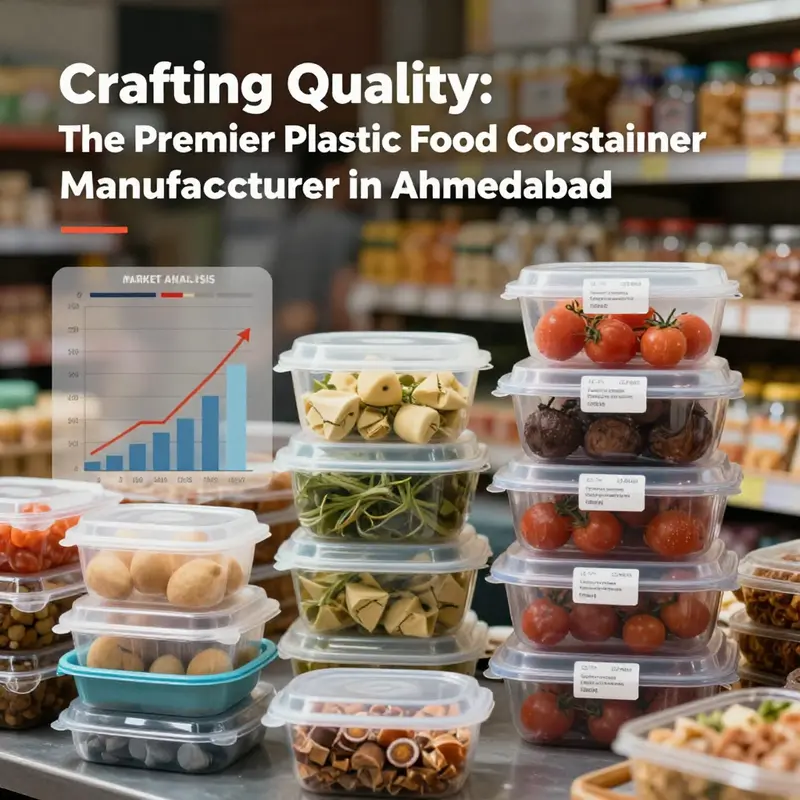
Ahmedabad’s manufacturing milieu for plastic food containers sits at a crossroads where cost-driven practicality meets a rising tide of environmental awareness. The city’s industry has long been anchored by local players who supply a spectrum of packaging solutions—containers for snacks, liquids, bakery items, and ready-to-eat products—designed to keep foods safe, visually appealing, and compliant with the rigors of storage and display. Among these players, Uma Krupa Plast has emerged as a recognizable name in Gujarat’s capital of industry, offering a portfolio that includes plastic food containers, round containers suitable for printing and display, and kitchen storage solutions. In a market that serves bustling cafés, street-side vendors, retail chains, and households, such a lineup highlights how a single manufacturer can influence the rhythm of supply across commercial and domestic kitchens alike. Yet the story extends beyond the mechanics of molding and molding again. It unfolds in the choices that brands and consumers increasingly expect: packaging that travels well from shelf to microwave, while still respecting stringent safety standards and evolving environmental norms.
At the heart of these choices lies material science that balances performance with perception. HDPE and PP remain the workhorses of modern plastic packaging in Ahmedabad because they offer toughness, clarity, chemical resistance, and a favorable cost-to-performance ratio. For products ranging from hot beverages to cold snacks, these materials can deliver reliable barrier properties and heat tolerance, ensuring shelf life without sacrificing usability. The practical appeal of HDPE and PP is complemented by a growing emphasis on regulatory alignment. Local manufacturers recognize that compliance is not merely a checkmark on a certificate but a pathway to trust with retailers, food service operators, and households. ISO 9001 certification often anchors this trust, signaling systematic quality management across design, production, and distribution. Beyond certification, many firms are adopting third-party testing to confirm migration levels, heat resistance, and overall material safety. In a market where a slight variance in barrier performance can translate into real losses in shelf life or consumer confidence, such tests are not optional luxuries but operational imperatives.
The consumer’s gaze, increasingly directed by sustainability, adds another layer of complexity—and opportunity. Ahmedabad’s urban households, and the younger cohorts within them, are more vigilant about the environmental footprint of packaging. The demand for eco-friendly alternatives—whether recyclable plastics, lighter-weight formulations, or materials that can be more readily integrated into circular economies—gains traction as waste reduction becomes a shared objective among cities, businesses, and regulators. The policy environment, alongside local initiatives, nudges manufacturers toward innovations that do not compromise safety or practicality. The dialogue has moved from a binary choice of “cheap” versus “green” to a more nuanced calculus in which brands seek materials and designs that deliver both performance and responsibility. In practice, this translates into research and development efforts aimed at widening the adoption of materials that can be recycled, easily sorted, or even compostable in compatible waste streams where feasible.
The design space for plastic food containers in Ahmedabad is broad but not limitless. The demand signal for flexibility is strong: packaging must accommodate a spectrum of products—from tea and coffee pouches that need secure seals to ready-to-eat meals and bakery items that demand sturdy stacks and clear labeling. In response, manufacturers are refining container geometries, improving seal integrity, and enhancing surface finishes for print quality and product visibility. The same flexibility that makes plastic attractive in manufacturing also broadens its appeal in display and merchandising. A container can be manufactured to fit a standard shelf footprint, while the lid doubles as a cover for on-the-go consumption, and both components align with the brand’s aesthetic. In this sense, packaging design becomes a narrative device—communicating safety, cleanliness, and convenience to the consumer at the moment of decision. The narrative also evolves with the growing prevalence of reusable container systems and the exploration of reusable, durable designs that encourage customers to reduce single-use waste over time.
Behind the scenes, industry players in Ahmedabad navigate a supply chain that is sensitive to raw material costs, regulatory shifts, and the evolving expectations of retailers and consumers. Manufacturing facilities invest in process improvements to optimize energy use, reduce scrap, and shorten lead times while maintaining the strict tolerances that safety and shelf life demand. The quality dialogue extends to suppliers and logistics partners, where traceability and batch-level documentation help ensure that every shipment of containers complies with defined standards for safety and performance. In a market that prizes consistency, the ability to provide reliable migration data, documented heat resistance, and confirmed mechanical properties becomes a key differentiator. As such, many manufacturers emphasize not only the initial certification but also ongoing verification through third-party reports that accompany product batches and replace subjective assurances with objective evidence.
What emerges from Ahmedabad’s current trajectory is a nuanced blend of affordability, reliability, and increasingly deliberate environmental consideration. The city’s manufacturers understand that sustainability is not a trend to chase but a framework within which product engineering must operate. This mindset encourages the exploration of recyclable plastics, materials with higher post-consumer recyclability, and designs that simplify sorting and recovery within local waste management ecosystems. It also invites a rethinking of packaging life cycles—how a container is used, how it is discarded, and how materials can be reclaimed and redirected into new products without compromising safety or integrity. In practice, this translates into collaborations that extend from the factory floor to the supplier network and to the brands that rely on these containers to maintain quality across distribution channels. The result is a market that remains robust due to its capacity to fulfill essential needs while gradually incorporating sustainable principles that align with broader Indian and global packaging agendas.
For readers seeking a concrete lens on how Ahmedabad’s packaging ecosystem is evolving, the broader context of flexible packaging trends in India offers a useful frame. It highlights how the region’s players are responding to the tension between performance, cost, and environmental responsibility, and how this balancing act shapes new opportunities for local manufacturers to differentiate themselves through responsible design and rigorous quality governance. As brands in Ahmedabad advance, they are not merely adopting what is fashionable; they are integrating what is feasible, safe, and sustainable into every container produced. In doing so, they preserve the practical benefits of plastic—lightweight, durable, and adaptable—while continually expanding the set of materials, processes, and systems that support responsible consumption and efficient operations.
For brands seeking adaptable, compliant solutions, exploring the broader spectrum of plastic-packaging available from local suppliers can offer a balance of cost, performance, and sustainability. This localized sourcing stance makes it easier for manufacturers to align with safety standards and to respond quickly to changing demand patterns without sacrificing quality. The interplay between local capability and global knowledge is evident in how Ahmedabad’s producers adopt internationally recognized testing regimes and labeling practices while tailoring them to regional market realities. In the end, the city’s plastic container ecosystem is defined less by a single dominant style and more by a resilient, evolving toolkit that combines robust materials like HDPE and PP with thoughtful design, rigorous testing, and a growing emphasis on waste reduction. The trajectory points toward more recyclable solutions, more reusable system concepts, and more transparent assurance mechanisms so that consumers can trust not only the safety of their food but the integrity of the packaging that carries it.
External Resource: Flexible Packaging Trends in India – Industry Analysis (https://www.globeandmail.com/business/industry-analysis/flexible-packaging-trends-in-india/article31256789/)
Containers and Commerce: The Economic Engine of Ahmedabad’s Plastic Packaging Industry
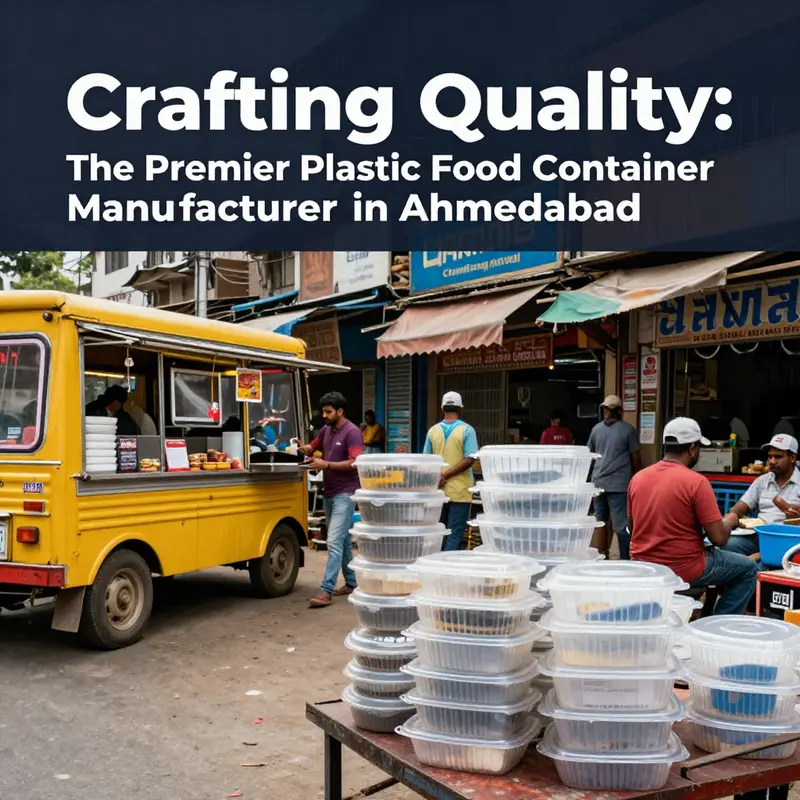
Ahmedabad’s plastic food container sector sits at a crossroads where manufacturing discipline meets rapid market demand. The city has long been a dynamic manufacturing center in western India, yet the packaging segment has matured into a highly integrated ecosystem that influences how food travels from kitchen to consumer, how vendors manage stock and waste, and how brands maintain safety and consistency across countless servings. In this environment, plastic containers are more than packaging; they are a critical link in a complex chain that touches restaurants, street vendors, retailers, and households alike. The core material story centers on HDPE and PP, with PET visible in bottles and related rigid packaging. These materials are chosen for durability, heat resistance, and recyclability, enabling products that can withstand the pressures of quick-service environments while preserving food quality from point of sale to home. Across the industry, manufacturers strive to blend performance with cost efficiency, a balance that is essential in a price-sensitive market but one that is increasingly shaped by safety standards that govern food contact materials. The quest for compliance is not merely a regulatory checkbox; it is a signal to buyers that a supplier can deliver consistent quality, traceable provenance, and predictable performance under typical kitchen and distribution conditions. In this context, even as the basic shapes of containers remain familiar, the sophistication of the supply chain behind them grows deeper. This is evident in the push for formal certifications, such as ISO 9001 across facilities, and the availability of third-party testing reports that cover migration, heat resistance, and mechanical performance. For buyers, such certifications translate into confidence that a batch of containers will perform uniformly through multiple cycles of use and cleaning, reducing the risk of contamination and ensuring that regulatory audits can be satisfied with verifiable data. When one walks through the city’s industrial parks and clusters, it is clear that the local fabric is not only about volume but about the speed and reliability of conversion—from resin to finished product, from concept to shelf, and from order to delivery. The network in Ahmedabad also illustrates how global links reinforce local capabilities. Local manufacturers source raw materials, additives, and film laminates from international suppliers, leveraging the strengths of regional partners in China’s Guangdong, Fujian, and Henan provinces. These regions are renowned for advanced plastics processing, rapid prototyping, and efficient export logistics that connect Ahmedabad to broader supply chains. The proximity to major ports, including Xiamen and Guangzhou, accelerates the movement of resins, films, and semi-finished components, enabling faster turnarounds for new designs aimed at both domestic and export markets. The result is an industry that can pilot innovations with shorter cycles and scale them more quickly than in traditional packaging belts elsewhere in the country. Yet this globalization of supply is balanced by a strong national framework that steers sustainability and safety. A significant regulatory shift is under way, heralded by a policy move that encourages the use of recycled plastics in food packaging starting in March 2025. The policy emphasizes that recycled resin must be sourced from authorized suppliers and certified according to the Food Safety and Standards Authority of India (FSSAI) standards. This is not a marginal change; it redefines the economics of recycling, the design considerations for packaging, and the logistics of supply chains that must now include certified recyclers and audited processing facilities. The implications for Ahmedabad’s plastic container makers are substantial. The city’s manufacturers, already facing compressed margins and intense competition, will need to invest in compliant recycling infrastructure, develop or partner with certified recycling streams, and adjust product design to accommodate recycled content without compromising safety or performance. In practice, this means more robust material testing, better traceability, and a clearer delineation between virgin and recycled streams across plants. It also opens up a host of business opportunities for local recyclers and packaging producers who can align with the new standards to serve both municipal and industrial customers. The policy also nudges suppliers toward creating secure, auditable supply chains with end-to-end documentation that supports migration testing, exposure testing, and other critical safety metrics. For a market actively expanding its reach, this clarity about recycled content helps reduce risk for buyers who must demonstrate compliance to retailers and regulatory authorities across India and beyond. The broader economic impulse in Ahmedabad is underscored by the city’s role in large-scale events that stimulate downstream demand for disposable containers. The recent example of a major international concert circuit passing through Ahmedabad generated an estimated ₹641 crore in total economic impact, with direct revenue contributions of ₹392 crore. Such events ripple through the packaging ecosystem: they lift forward orders from eateries and caterers, create spikes in take-out and delivery volumes, and push manufacturers to stage just-in-time production that minimizes waste while maximizing service levels. The increased demand for cups, lids, containers, and related disposable ware, even within a few weeks of a show, demonstrates how the city’s manufacturing capacity responds to short-term surges while maintaining long-term reliability. This dynamic is precisely why the regulatory and industry infrastructure in Ahmedabad matters. A robust framework—supported by ISO 9001-certified facilities, the availability of independent testing, and adherence to food safety standards—helps the city to integrate more deeply into regional and global markets. It enables small and mid-sized firms to compete on quality and lead times, not just price, while allowing large players to scale responsibly through standardized processes and transparent supply chains. The integration with global partners also keeps Ahmedabad at the frontier of innovation, enabling local brands to experiment with design optimization, material efficiency, and end-use performance. When it comes to design and material choices, the emphasis is on sustainability without sacrificing safety or convenience. The shift toward recycled content pushes designers to rethink barrier properties, seal integrity, and heat stability in ways that are compatible with food-contact regulations. It also incentivizes certifications and testing regimes that reassure buyers about the safety and consistency of recycled materials in daily use. In other words, the city’s plastic packaging ecosystem is adapting not only to new rules but to a broader consumer expectation that packaging should support sustainability goals and reduce environmental impact. For readers exploring the spectrum of options in this space, the plastic-packaging category offers a lens into the kinds of solutions that are gaining traction in Ahmedabad and beyond. This internal reference point helps stakeholders understand how a producer balances performance, cost, and compliance while serving a diverse client base that ranges from neighborhood eateries to multinational distributors. As policy and procurement practices evolve, Ahmedabad’s industry stands to gain from the convergence of domestic recycling capacity growth with clear standards and market access. The result is not a single pathway but a resilient, adaptable ecosystem that can absorb shocks, seize opportunities, and contribute meaningfully to the city’s economic development and environmental aspirations. For readers who want to see a concrete example of where these trends converge, the broader packaging landscape—especially in the plastic packaging category—serves as a useful benchmark. External resource: FSSAI Recycled Plastic Rules.
Final thoughts
In summary, Ahmedabad’s contribution to the plastic food container industry is vital for numerous sectors including food trucks, catering services, and beverage chains. Companies like Uma Krupa Plast are not only leading the way in quality manufacturing but are also adapting to the pivotal shift towards sustainability. Regulatory compliance ensures the products meet the highest safety standards, making them reliable for all types of consumers. Understanding market trends and the economic implications of this sector leads to better procurement decisions. In a world that increasingly values sustainability, cost-effectiveness, and safety in food packaging, aligning with top local manufacturers is crucial for long-term success.