
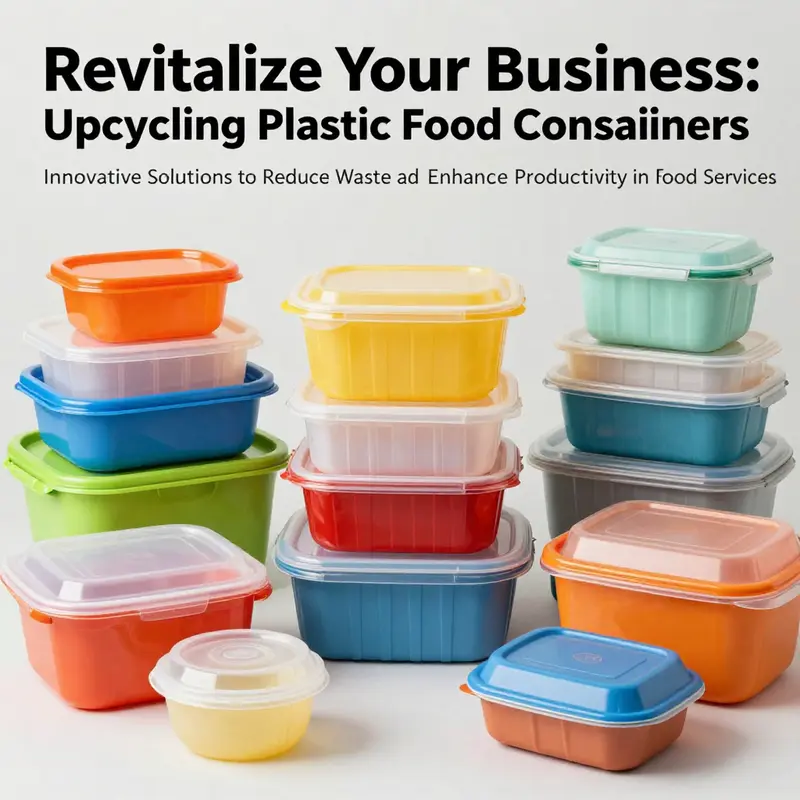
In today’s environmentally conscious market, food businesses like bubble tea shops, restaurants, food trucks, and catering services face a unique challenge: how to balance quality service with sustainability. Upcycling plastic food containers offers a creative and effective way to address this issue. With the practical applications detailed in the first chapter, discover how these containers can meet your operational needs while promoting eco-friendliness. The second chapter explores the profound environmental impact of turning waste into resources, a crucial narrative for modern businesses aiming to enhance their brand image. For those looking for inspiration, the third chapter presents innovative DIY projects that can resonate with customers and elevate the aesthetic of your offerings. Finally, capacity for organized efficiency unfolds in the fourth chapter as we explore organizational solutions using upcycled containers, leading to better operational management. Together, these chapters create a comprehensive guide to integrating upcycling into your business model, while fostering a greener future.
From Pantry to Planter: Reimagining Plastic Food Containers
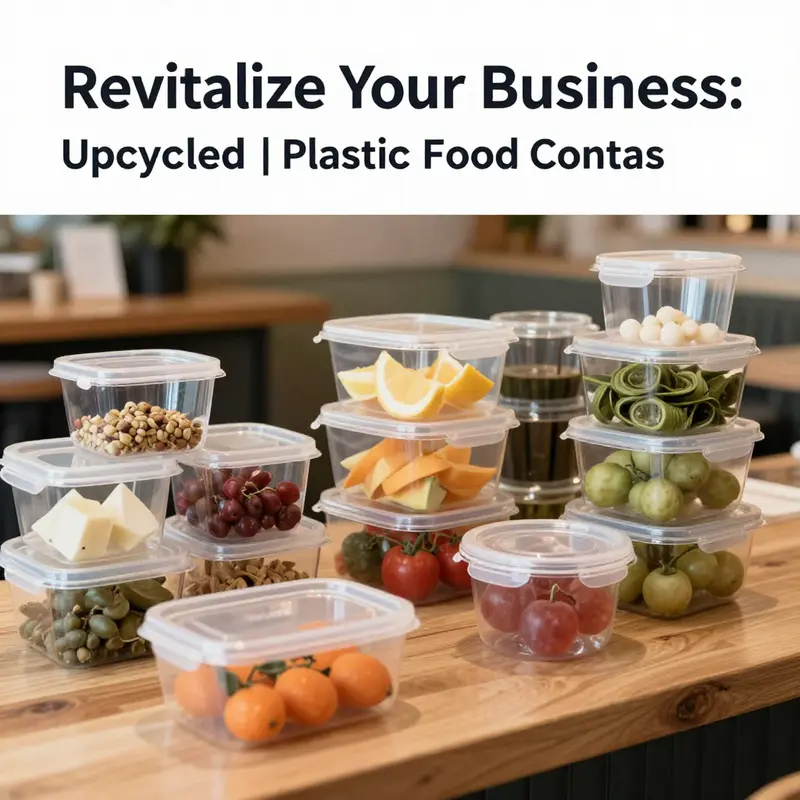
A simple plastic food container, once emptied and discarded, can become a resilient ally in the home. Upcycling these everyday items is more than a clever craft; it is a practical, hands-on approach to extending the lifecycle of materials that would otherwise contribute to crowded landfills. When we view containers not as disposable packaging but as raw material for future usefulness, we begin to see the potential for small, high-impact changes in daily life. In this light, the practical applications of upcycled plastic food containers unfold as a continuum—from tidy organizing systems to garden aids, from educational tools to small-batch storage solutions.\n\nWhen the container has emptied, the first priority is cleanliness. Thorough cleaning is essential, not only to remove food residues but also to ensure future uses are sanitary and safe. A soak in warm, soapy water helps detach labels and adhesives, and a gentle scrub clears away any clingy residue. For stubborn glue marks or sticky tape, a paste of baking soda with a splash of water can act like a mild abrasive, lifting adhesives without scratching the surface. Vinegar can also help dissolve rings of residue that linger around the lid’s threads or on the container’s interior. The result is a blank slate that invites new life, rather than a reminder of its former purpose. After cleaning, drying completely is important. Any trapped moisture can promote mold in humid environments or cause paint to peel later on.\n\nOnce clean, we arrive at the design possibilities that give each container a second life. Decorative touches—paint, stickers, fabrics, or even decoupage—can personalize a piece while signaling its new function. A planter’s rim might receive a splash of color to brighten a kitchen windowsill or balcony, while a small lid could be repurposed as a seed tray cover or a lid-labeled storage cap. If outdoors is a planned use, sealing painted surfaces with a clear, waterproof coating extends durability. The key is to match the project to the container’s size and structure. A shallow, wide tub can support herbs and microgreens as a balcony garden, while a tall, narrow jar can organize pens, brushes, or seeds with enough transparency to monitor contents at a glance. For the garden, the transparent walls of many containers offer a practical advantage: you can see moisture levels, root growth, or the presence of pests without cracking the lid open.\n\nThe most immediate and everyday utility lies in organization. A row of upcycled containers on a pantry shelf can hold pasta shapes, grains, dried herbs, or baking staples, each clearly labeled so contents are instantly identifiable. The transparency that makes these containers practical in the first place now becomes a benefit in organization, enabling quick inventory checks and reducing the impulse to buy duplicates. When used in storage areas, these repurposed vessels lend themselves to modular systems. Stackable designs maximize space in small kitchens, laundry rooms, or craft corners, while the varied sizes accommodate a spectrum of needs—from loose buttons to loose-leaf tea. In this light, an upcycled container becomes not just a receptacle but a prompt for mindful consumption, a small but meaningful step toward reducing the frequency with which we purchase new storage solutions.\n\nIn addition to homes, the value of upcycled plastic containers scales to spaces such as schools, community centers, and small businesses. In classrooms, containers can serve as inexpensive experimental kits, holding materials for science activities, such as crystals, seeds, or micro-ecosystems, turning ordinary teaching into hands-on exploration. In community hubs, a wall of labeled containers can store craft materials, first-aid essentials, or emergency supplies in a tidy, accessible way. Even small ventures can benefit: containers can function as cost-conscious packaging for samples, test runs, or collectibles, eliminating the need for new packaging while preserving a professional, organized appearance. The beauty of this approach lies in its adaptability. A container that previously held sourdough starter can be cleaned and reused for seed starters; a mint-green tub might become a tidy bathroom caddy or a kids’ art supply bin. The same container can travel through roles as life circumstances change, reducing waste by keeping pace with a household’s evolving needs.\n\nFrom a sustainability perspective, extending the lifecycle of a plastic container has tangible environmental benefits. By reusing materials that would otherwise accumulate in landfills and potentially require virgin plastic production for new packaging, individuals contribute to a broader reduction in plastic pollution. The environmental gains are not merely theoretical; they manifest in everyday choices. Upcycling reduces demand for new plastics, lowers the energy footprint associated with producing and transporting new materials, and minimizes the waste stream that would otherwise rely on disposal systems. In this framework, each repurposed container becomes a small but measurable act of stewardship. It is not a protest against modern packaging but a practical adoption of a circular mindset—one that treats products as resources with much longer potential than their initial use suggests.\n\nAnother layer of value emerges when we consider resourcefulness as a social practice. DIY projects around upcycled containers often foster collaboration and learning. Families share techniques for labeling, decorating, and sealing; neighbors swap project ideas and exchange surplus lids or containers. In schools or after-school programs, students can design container-based projects that combine creativity with science, learning about materials, adhesives, and finishes while developing problem-solving skills. This social dimension turns upcycling into more than a personal habit; it becomes a community activity that reinforces environmental awareness and resilience. The shared nature of these projects can spark conversations about consumption, waste, and the possibilities that exist when resources are viewed through a long-term lens.\n\nThe versatility of upcycled containers also invites us to rethink their role in daily rituals. Shopping once, cooking, and tidying up—these routines can be carried out with a lighter ecological footprint when a few simple containers are used as the backbone of storage and organization. In the kitchen, for example, a repurposed tub can store dry goods in a way that keeps them visible and accessible, while smaller jars gather spices and seeds in orderly, clearly labeled sets. In the bathroom, containers can hold cotton rounds, cotton swabs, or travel-sized toiletries, reducing clutter and simplifying routines. Even beyond the home, these containers can become portable organizers for craft fairs or garden plots, where a compact, lightweight system supports mobility and adaptability. The overarching theme is that practical upcycling elevates what we already own into a toolkit for sustainable living, emphasizing function, simplicity, and beauty without requiring specialized supplies or complex techniques.\n\nFor those taking the first steps, the process is approachable and forgiving. Start with containers you already have at home. Identify their best-fit new task—planter, organizer, or storage vessel—based on size, shape, and transparency. Clean thoroughly, then consider whether you want to decorate, seal, or label. If a container will hold food again, make sure it was previously used only for safe, compatible foods, and consider using food-safe finishes and adhesives. If its new life has an outdoor element, a weatherproof coating can extend durability. The goal is to keep the transformation simple, repeatable, and resilient. It is about making small, incremental improvements in daily life that accumulate into meaningful waste reduction over time.\n\nIncorporating upcycled plastic containers into daily practice does not require a dramatic overhaul. It invites a shift in mindset—seeing value in what many overlook, and recognizing the potential of ordinary materials to perform extraordinary tasks. The projects described here are not distant fantasies of a zero-waste future; they are practical demonstrations of resourcefulness. They show how to harness the inherent attributes of common plastics—transparency, durability, and ease of cleaning—so that each container can play multiple roles across the home, classroom, and community. The result is a more organized home, a greener footprint, and a collaborative culture that celebrates ingenuity and responsibility. To sustain momentum, it helps to keep a small set of go-to practices in mind: clean, label, decorate if desired, and seal where needed for durability. Let these steps be the anchor for a flow of ideas that can grow with your own creativity and evolving needs.\n\nAs you explore the potential uses for upcycled plastic food containers, you may find that the most valuable outcomes come from the act of repurposing itself more than from any single project. The habit fosters a mindful approach to consumption, a readiness to adapt, and a willingness to experiment. It reframes waste as a resource rather than a problem, inviting people of all ages to participate in a practical, solvable challenge. The same container that once carried leftovers can become a seed starter, a spice organizer, a classroom experiment kit, or a compact garden container. As the days unfold, your collection of upcycled pieces can expand with your needs, turning a simple household practice into a living demonstration of sustainability in action.\n\nFor readers seeking direct, practical inspiration, a simple, accessible path lies in exploring storage solutions that align with this approach. The concept is to connect the container’s size and shape with a function that serves daily life while minimizing waste. A thoughtful reimagining might pair a wide, shallow tub with herbs on a sunny sill, a narrow bottle with a cork lid as a seed starter, and a mid-sized tub as a modular organizer for desk supplies. The beauty of upcycling is the flexibility to adapt; the containers you keep can rotate through roles as your space and priorities evolve. In this way, repurposing becomes not a one-off project but a practice that accompanies you through different seasons of home life, work, and community engagement.
From Tubs to Treasures: The Complex Environmental Footprint of Upcycling Plastic Food Containers
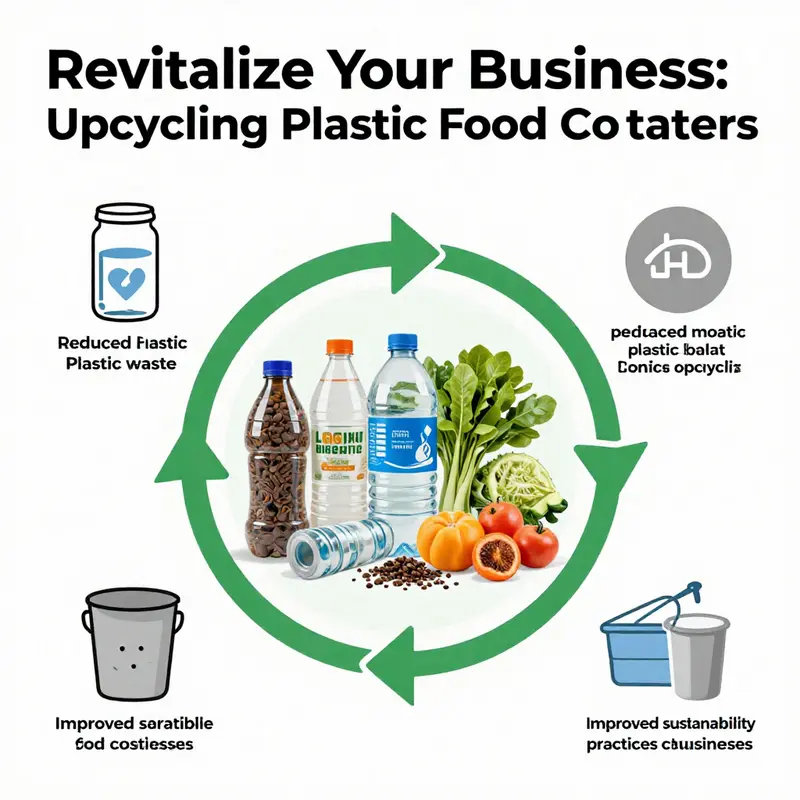
Upcycling plastic food containers offers a tangible path toward a more circular economy, but its environmental impact is not a simple win. It rests on a balance between extending the life of a material and the energy, water, and logistics required to keep that material in use. The narrative is not merely about keeping plastic out of landfills; it is about designing a system where reuse, cleaning, transport, and eventual end-of-life are all aligned to reduce overall environmental burden. When we examine upcycling as part of a broader waste-management strategy, several core ideas emerge. First, upcycling can reduce the demand for virgin plastics by substituting new products with ones fashioned from existing containers. This substitution lowers the embedded energy and emissions tied to petrochemical production, resin processing, and the manufacturing of new packaging. Second, because upcycling diverts materials from disposal streams, it can decrease the pollution burden in land and sea and contribute to cleaner ecosystems. Yet, these benefits are not automatic. The net environmental gains depend on how often the containers are reused, how thoroughly they are cleaned, and the fate of the upcycled products after their usable life ends. The complexity of the equation matters, because it calls for careful design choices, mindful consumer behavior, and efficient systems that can scale beyond a single household. A deeper understanding of these factors helps explain why some upcycled solutions outperform others in life-cycle assessments, and why a one-size-fits-all claim about upcycling’s superiority is rarely accurate. The tension is not between “more recycling” versus “less,” but between long-term reuse and the energy-exhaustive steps that keep that reuse viable. In this sense, upcycling becomes less about a single clever craft and more about a durable, well-organized loop that keeps plastic moving through practical, long-lived applications. To grasp this dynamic, it helps to follow the life of a typical plastic food container as it transitions from supermarket shelf to household helper and, potentially, back to another useful form. At the outset, the container is designed to perform a specific task: hold food safely, resist impact, and allow a clear view of contents. The material choice—often PET or HDPE—matters for durability, chemical stability, and compatibility with cleaning processes. PET’s clarity can make it ideal for transparent storage, enabling quick visual checks of what’s inside. HDPE, with its toughness and chemical resistance, lends itself to tougher storage roles. When these containers are reused, they begin a secondary life that can vastly extend the material’s usefulness, assuming the containers survive many cycles without degrading in ways that create health or safety concerns. The environmental mathematics becomes clearer as one considers what happens in practice: each reuse cycle saves the energy and emissions that would have been produced by creating a new container, provided the reuse lasts long enough to offset these initial investments. However, the Michigan study on reusable take-out containers complicates the picture. It found that a container’s environmental footprint can surpass that of single-use alternatives if the container is used only once or twice before disposal or recycling. In other words, the benefit of reuse hinges on frequent, continuous use, and not merely on the idea of “reusing.” In the real world, that means households must commit to a rhythm of cleaning, refilling, and repurposing across many cycles for the gains to accumulate. Each step in this rhythm contributes to the overall footprint. Cleaning, for instance, typically requires water and energy for washing, which may seem marginal on a per-container basis but adds up across thousands of households and, crucially, across the lifetime of the container. The formulation of the cleaning process matters, too. If households wash by hand with hot water or rely on energy-intensive dishwashers for large batches, the energy and water use can become substantial. This fuels a broader debate about the optimal balance of home-based cleaning versus centralized cleaning or even the adoption of durable, dishwasher-safe designs that minimize resource use per cycle. The durability of the material after repeated cycles is another critical factor. Plastics can degrade, cracking or scratching over time, potentially leading to microbial growth or leakage of contents if integrity is compromised. Microplastics, those tiny fragments that can be shed from degraded plastics, present another layer of concern. The United Nations Environment Programme has highlighted the pervasive nature of microplastics across ecosystems and even human biological systems, underscoring that preventing degradation becomes as important as preventing production. The possibility that some upcycled products may release microplastics during use or disposal reminds us that durability is not a simple matter of “more is better.” It requires a nuanced assessment of how long a container remains fit for purpose, what it is used to store, and how it is ultimately disposed of or recycled after its final cycle. The lifecycle assessment of upcycled plastic containers must also account for the end-of-life options beyond reuse. If a container is no longer usable for its original function, a well-designed upcycling path could convert it into a different product with a higher or equal value, sustaining material utility rather than consigning it to landfill. This approach aligns with circular-economy principles, where value retention is the objective rather than mere disposal. Yet the transition to a second life can introduce new emissions streams. For example, transforming a used tub into a plant pot or a storage bin may involve coatings, adhesives, or colorants that alter its recyclability or disposal profile. Each additive that improves function can complicate the material’s future paths, sometimes narrowing the options for final recycling. These trade-offs emphasize that upcycling is not a neutral act. It carries ecological costs and benefits shaped by choices made at the design stage, at the household, and within the broader waste-management infrastructure. The concept of design for reuse, therefore, becomes central. If containers are engineered with longer service lives, easier cleaning, and repairability in mind, the energy costs of maintaining them can stay low relative to the savings from avoiding virgin plastic production. Conversely, designs that degrade quickly or require expensive cleaning processes may erode or even erase the environmental advantages of keeping the material in use. The interplay between design, behavior, and infrastructure cannot be overstated. A successful upcycling system depends on a chain of reliable actions: separating containers at the source, ensuring they are clean enough to store food again, and choosing applications that do not require therapies or coatings that would complicate disposal later. The consumer, acting as a steward of the loop, plays a pivotal role. Simple habits—rinsing containers promptly, avoiding harsh scrubbing with aggressive chemicals, and selecting upcycle projects that maximize reuse—can compound into meaningful reductions in energy use and emissions over time. Education helps, but so does practical guidance about when to recycle or discard rather than continue the cycle of reuse. The most sustainable outcomes, as recent assessments suggest, emerge when reusable and upcycled containers are used repeatedly over long periods. Reducing reliance on single-use plastics remains the cornerstone of that sustainability. The challenge is to reconcile the desire to reuse with the realities of daily life, including family routines, space constraints, and the availability of alternative storage solutions. This is where local infrastructure matters. For instance, municipal or community-based programs that support standardized cleaning stations, shared repair workshops, or centralized upcycling hubs can extend the operational life of containers while minimizing the per-unit environmental cost of maintenance. Transport logistics also influence the environmental equation. When upcycled containers travel long distances to reach end users or recycling facilities, transportation emissions can offset some benefits gained from avoiding new plastic production. This is not a reason to abandon upcycling, but it is a call to optimize logistics. Closer-to-home reuse cycles, up to a practical limit of efficiency, generally yield better outcomes. The conversation around upcycling thus moves beyond a simple moral imperative to a nuanced engineering and systems problem. It invites designers, manufacturers, policymakers, and consumers to consider which materials, which processes, and which habits produce the lowest overall environmental footprint. It invites us to pursue opportunities for standardization—of container sizes, labeling, and compatibility with common cleaning methods—to reduce waste and streamline reentry into reuse streams. It also urges mindful experimentation: some containers might be better suited for continuous reuse in households, while others might lend themselves to upcycling into accessories or organizers that remain functional for many years. In evaluating any upcycling pathway, it is essential to adopt a holistic perspective that weighs all stages of the lifecycle. The energy and water needed for cleaning, the durability of the material over many cycles, the potential for microplastic release, the design choices that affect recyclability, and the end-of-life trajectories all contribute to the final tally. While upcycling is not a universal remedy, it remains a powerful mechanism for reducing waste, building skills in creative reuse, and encouraging a more deliberate approach to packaging consumption. To make the best use of upcycled plastic containers, readers can explore practical, home-based strategies and connect with broader networks that share best practices. For instance, a simple way to begin is to adopt a consistent habit for repurposing containers—perhaps using smaller tubs for seed starters or bigger ones for tool organizers—while maintaining clear visual labeling and an orderly storage system that minimizes unnecessary washing or waste. If readers are seeking ideas for household organization and garden projects, there are rich resources that showcase innovative repurposing approaches, including guides that highlight how to transform clean, transparent tubs into herb planters or seed storage solutions. For practical ideas on organizing such containers at home, consider the broader range of storage solutions available within the storage containers category, which emphasizes accessibility, durability, and adaptability while promoting sustainable use. storage containers. Beyond household projects, communities can benefit from shared learning about this topic. Local workshops, maker spaces, and neighborhood swap events can provide hands-on demonstrations of repurposing techniques, enabling people to visualize the lifecycle of a container from its original role to its upcycled incarnation and, eventually, its next phase in the circular loop. As the discussion evolves, it becomes clear that no single action guarantees a positive outcome. Instead, the environmental footprint of upcycling plastic food containers is shaped by a constellation of choices, each with its own cascading effects. The power lies in informed decision-making, responsible maintenance, and a willingness to adapt practices as new evidence emerges. In the end, upcycling is a means to slow the extraction of raw materials and to keep useful plastics circulating longer. Its success rests on aligning consumer habits with design foresight and infrastructure that supports repeated, efficient reuse. When this alignment is achieved, upcycling becomes more than a clever craft or a clever marketing narrative. It becomes a meaningful, enduring contribution to reducing waste, cutting emissions, and nourishing a more sustainable material economy. External resource for further reading on the evolving environmental assessment of reusable containers: https://www.umich.edu/news/2023/01/um-study-finds-reusable-take-out-food-containers-can-have-higher-environmental-impact
From Everyday Tubs to Everyday Triumphs: The Coherent Craft of Upcycling Plastic Food Containers
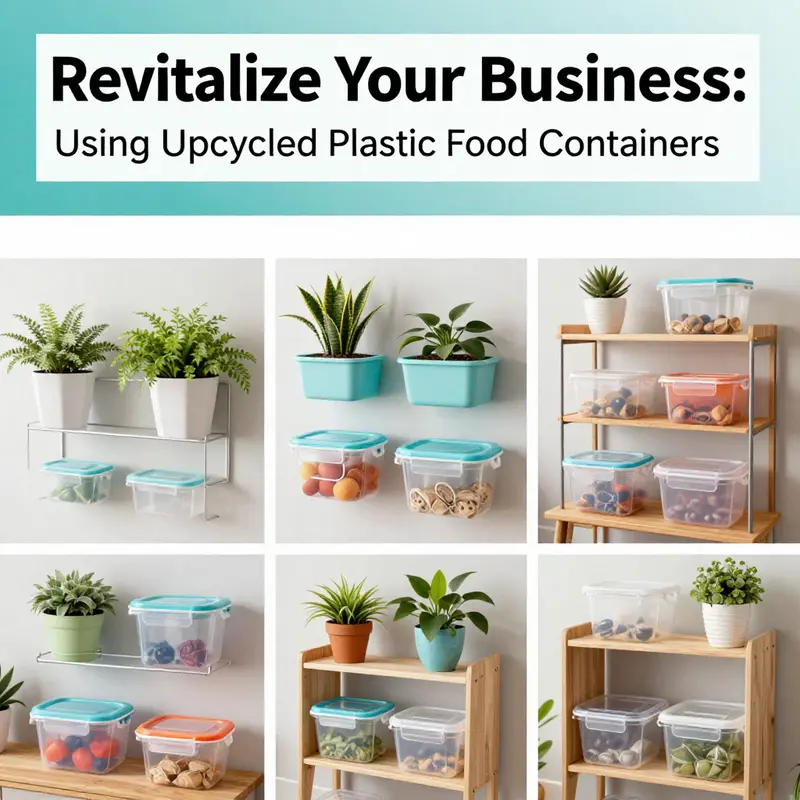
Every kitchen, pantry, and balcony holds untapped potential in the humble plastic food container. These objects, often made from durable materials like PET or HDPE, arrive with a practical mission and a short life cycle. Yet when their lids click shut for the last time, a new chapter begins for the same plastic in a different form. Upcycling is not merely about recycling a bottle or tub; it is a deliberate, creative reimagining of waste into objects that improve daily life. This is where practicality meets artistry, where a container designed to hold soup or sauce becomes a vessel for growth, organization, or play. The philosophy behind upcycling is simple, even if the execution requires care: respect the material, clean it thoroughly, and then reimagine its role in your home or garden. When done well, the process reduces waste, saves money, and blurs the line between junk and jewelry of daily life. The impact extends beyond individual households as communities share ideas, patterns, and methods that amplify the effect of small acts of reuse. A single container can seed a cascade of changes, from tidy storage to a more welcoming outdoor space or a vibrant learning corner for children. The key is to approach each project with intention, ensuring that the container’s strength, shape, and surface are aligned with its new function. A transparent tub can offer a window into organization, making contents visible and accessible. A larger milk jug or detergent container, once bulky and unwieldy, can become a sturdy outdoor bin or a tool caddy that withstands weather with a simple protective coating. These transformations are not just about conserving resources; they are about cultivating a mindset that values ingenuity, care, and responsibility toward the materials that surround us every day.
The practical parts of the craft come first: thorough cleaning is essential because upcycling begins with a container that is truly ready for a second life. Warm, soapy water dissolves grease and residues, a task that is often quicker than one might expect. Labels and adhesive can be stubborn, but a soak loosens stubborn glue and smooths the way for a fresh finish. For the trickier bits, a gentle sprinkle of baking soda followed by a dab of vinegar creates fizzing action that helps lift labels from curved surfaces. This playful cleaning ritual also serves as a reminder that functional upcycling blends science with care. Once clean, the containers stand ready to be dressed for their new roles. This is where decoration becomes more than cosmetic; it is a deliberate step that strengthens the connection between a container’s past and its future purpose. A bit of interior labeling, a splash of color, or a fabric wrap can turn a plain tub into a charming storage solution or a garden accent. A clear sealant or waterproof coating protects painted surfaces from sunlight and rain, extending the life of outdoor projects and keeping colors vibrant through seasons. The result is not only a practical object but a statement piece that echoes an individual or family’s values about waste, renewal, and aesthetic care.
The beauty of upcycling lies in the versatility of containers. A large, sturdy tub becomes a vertical planter, transforming space into a living wall of herbs and blooms. This practice, inspired by initiatives like Bottle Garden 2.0, demonstrates how upcycled planters can stack neatly to create a tiered garden that thrives in compact spaces. The technique is simple but powerful: cut or split plastic containers to fashion planters, drill drainage holes, and use string, wire, or brackets to arrange a sculptural yet functional garden. The vertical garden not only maximizes sunlit spots but also draws the eye upward, inviting curiosity about where food and beauty grow in small urban yards. The same approach adapts to windowsills or balconies, where a few containers become a micro-garden that yields fresh herbs, baby greens, or pretty flowers, each season inviting a new design and a new handful of harvests.
Inside the home, small containers become organized helpers that reduce clutter and increase accessibility. Clean tubs can be repurposed as craft organizers for beads, buttons, and small tools, or as storage for screws, nails, or spare hardware. The key is thoughtful labeling; a simple, clear tag or a printed label makes it easy to find precisely what you need, which in turn reduces time wasted rummaging through drawers. This is not merely tidying up but enabling a creative workflow—when tools and materials are easy to locate, making something becomes more enjoyable and more likely to happen. The same logic works for shared spaces like workshops or kids’ rooms, where neatness supports learning and collaboration. A transparent container shows its contents at a glance, turning organization into a visible habit rather than a daily chore. A well-labeled system can be both practical and aesthetically pleasing, transforming a corner of a room into a calm, efficient zone that invites use rather than avoidance.
The potential for upcycling extends into the realm of daily rituals and family routines. A large, sturdy container with a lid can be converted into a pet food dispenser. A cut near the bottom creates a controlled flow that is easy to portion, while the closed top reduces spills and keeps food dry in outdoor settings. Placing the dispenser on the ground or suspending it from a hook makes feeding accessible for pets and convenient for caregivers, a small convenience that reduces waste and mess in the long run. For families with children, a playful reimagination of containers can become a learning opportunity about sustainability. A kid-friendly toy box, painted in bright colors and decorated with family symbols, can become a center for imaginative play while remaining highly functional. The container’s waterproof qualities protect toys from dampness, encouraging indoor and covered outdoor use. In this way, upcycling aligns with values of care and stewardship, teaching children that ownership of everyday objects includes responsibility for their second life.
Outdoor spaces offer perhaps the most visible canvas for upcycling. Larger containers, such as those used for bulk products, can be fortified with tape or paint to become rugged outdoor storage bins. They can hold gardening tools, seeds, or seasonal decorations, enduring exposure to sun, wind, and rain with the right sealant and a robust finish. The choice of protective coatings matters here: a clear, weatherproof layer can preserve color and prevent flaking, ensuring the container remains functional for years. Outdoor storage also invites more ambitious projects, such as converting a container into a weatherproof wipes holder or a compact outdoor dry-wipe station. A small opening in the side can provide easy access to wipes or baby wipes, keeping essential supplies within reach while guarding against spills. The material’s light weight and durability make these projects particularly appealing for families who want to reclaim space and avoid bulky, single-use options. The end result is not just a piece of furniture or a storage unit, but a durable signal that everyday waste can be reimagined into something useful, resilient, and even beautiful under sun and rain.
One of the most rewarding aspects of upcycling is the way it invites ongoing experimentation. If a project begins as a practical solution, it can evolve into a design statement. A plain tub can be transformed into a family treasure chest for keepsakes, a decorative wipes holder that doubles as a small organizer on a desk, or a bird feeder that harmonizes with a backyard tree. The bird feeder, in particular, demonstrates how simple modifications—cutting a few holes, adding perches, and filling with birdseed—can create a functional, inviting structure that brings wildlife closer to home. The simple act of hanging a feeder turns a mundane container into a point of connection with nature, inviting observation, patience, and care. The best part of these projects is that they can scale to family involvement or community-driven initiatives. When neighbors exchange ideas about containers, plants, and materials, a neighborhood becomes a living workshop where creativity is social, accessible, and enduring. The Bottle Garden 2.0 narrative is a reminder that upcycling can be a communal art form, crossing boundaries between home, street, and shared space, turning discarded items into shared beauty and utility.
In weaving together the threads of practicality, aesthetics, and environmental responsibility, upcycling plastic food containers becomes a method of everyday reform. It asks us to scrutinize our routines, to notice the holes that clutter leaves behind, and to fill those gaps with purpose rather than letting them persist as waste. It also invites us to consider the lifecycle of materials not as something inherent to a product but as something we continually shape through skill, care, and ingenuity. The act of transforming a tub into a vertical planter or a toy box does more than free up storage space; it cultivates a mindset—the habit of asking whether a thing can be used again, and how creatively it can serve someone else. This mindset spreads beyond the confines of the home. It informs how we shop, how we interact with our surroundings, and how we engage with our communities. It turns the everyday act of rinsing a container into a small act of design, a willingness to see potential where others see waste. The payoff is both tangible and intangible: cleaner spaces, more resilient households, and a shared culture that values reuse as a practical, artistic, and social practice.
If you are looking for a practical map to begin, consider the rhythm of a few small projects that can be completed on weekends and then built upon as confidence grows. Start with cleaning and labeling a few containers you already own. Move to repurposing a couple of small tubs as craft organizers or storage bins in a kitchen cabinet. Then experiment with a larger container in the garden, perhaps a vertical planter or a weatherproof outdoor bin. The process rewards slow, thoughtful iteration—the chance to adjust dimensions, finishes, and integrations with other household systems. As ideas accumulate, so does a sense of momentum: each upcycled item becomes a reminder that waste can be redirected into usefulness, beauty, and even delight. This is not just about saving a few bottles from landfills; it is about adopting a working philosophy that makes reuse a natural, joyful part of daily life. When that philosophy takes root, it reaches beyond the kitchen or the shed and becomes a living practice—one that neighbors notice, friends imitate, and communities celebrate.
For readers seeking a structured path to more ideas and guidance, a broader collection of upcycling concepts is available through related subject areas. In particular, you might explore broader storage and organization resources that align with repurposing projects. This can provide a practical framework for integrating upcycled containers into a cohesive home system, from the pantry to the garden to the workshop. The synergy between reuse, organization, and aesthetics creates spaces that feel lighter, more intentional, and easier to maintain. And because these projects rely on materials already at hand, they offer a sustainable way to rethink consumption without requiring costly tools or specialized skills. The core message remains simple: with a clean slate of containers and a curious mindset, you can reimagine everyday plastics as durable, useful, and visually pleasing elements of your living environment.
To deepen your journey, a curated set of external resources offers thoughtful guidance on repurposed ideas and practical steps. For further inspiration, you can explore an external guide on repurposed food container ideas, which presents a broader array of projects and tips that echo the themes in this chapter. This external resource complements the hands-on approach described here and can spark new avenues for reusing containers in daily life.
Internal link note: For a collection focused on home storage and organization, you can explore the broader category of storage containers within the same site. This page serves as a practical hub for ideas on how to keep upcycled items neatly integrated into everyday life. storage containers
External inspiration: a comprehensive external guide on repurposed food container ideas can be found here: https://www.appliancerepair.com/13-repurposed-food-container-ideas-for-your-home/ This resource offers additional projects and step-by-step guidance that align with the spirit of the approaches discussed in this chapter.
From Waste to Workflow: Organizing Life with Upcycled Plastic Food Containers
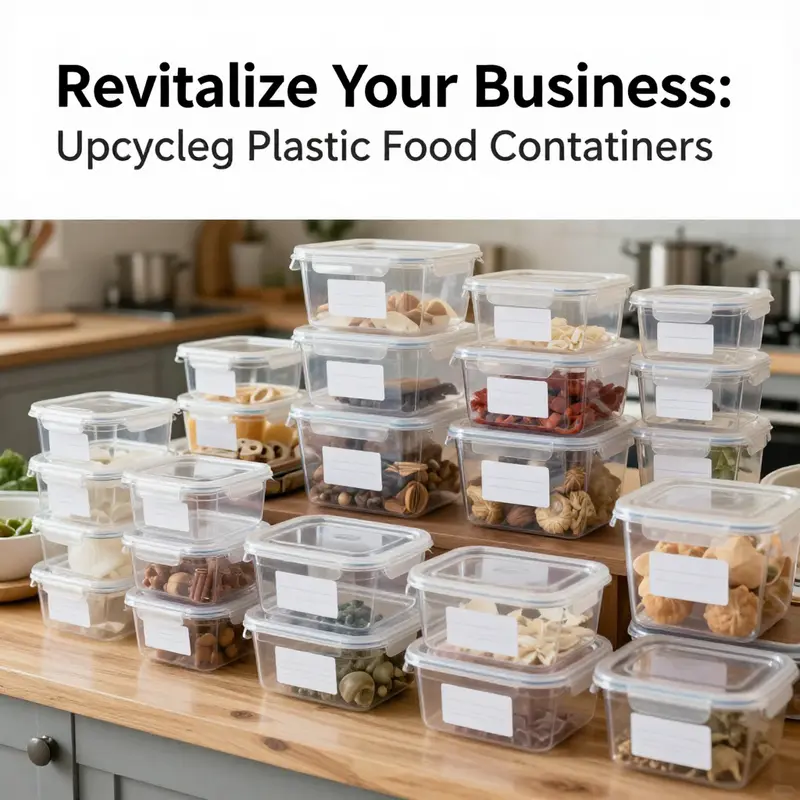
Upcycling plastic food containers into organizational solutions turns waste into a practical toolkit for daily life. In homes where drawers brim with cosmetics, brushes, and samples, these durable, uniform vessels offer a quiet power: they create order without branding, and they do so with less environmental impact than buying new storage. A container that once carried a single-use item becomes a modular unit in a broader system. Its clear walls offer instant visibility, while its lid becomes a spill guard and a boundary for items that should stay separate. When you begin to see containers this way, organizing stops feeling like a chore and it starts to resemble a design problem you can solve with the ingredients already in your kitchen or pantry. The result is a calmer morning, a drawer that no longer demands a scavenger hunt, and a small demonstration of how sustainable habits can translate into tangible order in everyday life.
Beyond aesthetics, the practical advantages of upcycled containers lie in their variety of shapes and sizes. A shallow tray can cradle tiny accessories; a deeper bin can hold larger makeup palettes, brushes, or travel-sized products. When a set shares a common dimension, they can be arranged in a neat grid within a drawer, a vanity cabinet, or a shelf. This uniformity reduces friction: you can measure a layout, migrate items to similar compartments, and restore the setup with minimal rearrangement should your routine shift. The lids, often overlooked, act as guardrails—dust stays out, spills stay contained, and contents remain discrete when needed.
From a design perspective, the upcycled path offers a sustainable route to organization that respects space and budget. The durability of common plastics means your system can withstand daily handling, and the modular nature enables you to experiment with layouts without committing to permanent changes. You can begin with a single drawer and a handful of containers, then expand as needed. In this approach, waste becomes a resource, not a burden, and mindful consumption is reinforced: reuse what exists and tailor your tools to your actual needs rather than to the promise of new products.
Implementing an upcycled storage system begins with clean, thoughtful preparation. Thorough cleaning removes residual odors and labels. A warm wash loosens adhesives, and a gentle scrub helps lift stubborn residue. If you want to customize, you can paint the exterior with weatherproof acrylic, seal the surface, and label sections with a dry-erase marker for easy updates. If you prefer a subtler look, you can wrap the exterior with linen or decorative paper and use stickers that reflect your space. Either path supports durability and keeps contents protected. The transformation should feel practical first and expressive second, aligning with a broader goal of reducing household waste while increasing daily efficiency.
Beyond makeup, the same principles scale to other areas of the home. A shallow container can organize small hardware or crafting supplies, while a larger box can store kitchen staples. The lid helps keep dust away and protects contents in busy drawers or on shelves. With careful planning, these modular units can create efficient grids that maximize space. The key is to start with a plan: measure the space, decide how many compartments you need, and select containers that fit your items. You can try different layouts before settling on one, reconfiguring as your needs change without buying new fixtures.
For further inspiration, explore practical guides on creative reuse and product layouts. Look for storage container pages or category hubs that showcase shapes and sizes designed for drawers and shelves. A resource like storage-containers can offer starting points for choosing the right shapes to fit your space: https://cupbowlpack.com/product-category/storage-containers/
Final thoughts
Integrating upcycled plastic food containers into your business model not only enhances your operational efficiency but also demonstrates a commitment to sustainability, appealing to today’s eco-conscious consumers. Each chapter illustrated the potential of these containers—from practical applications in the kitchen to compelling environmental narratives, creative DIY projects, and effective organizational solutions. By adopting these practices, businesses can reduce their carbon footprint and inspire others in the community to follow suit, all while optimizing their service delivery.