

In the culinary world, especially in food service and catering, the choice of packaging is critical, particularly for delicious options like Purén Chile. This traditional Chilean mashed potato dish not only requires delicious preparation but also careful consideration regarding the containers it’s stored and served in. Understanding the specific requirements—ranging from safety standards to temperature handling—will enable food service businesses to make informed decisions. In this guide, we will explore essential aspects of plastic containers, including material safety, temperature resistance, sealing technology, compliance with national standards, and the importance of sustainable practices. Each chapter will substantiate why selecting the appropriate plastic container is more than just a matter of presentation; it’s about quality, safety, and maintaining freshness in every serving.
Safety at the Core: Material Choices for Food-Grade Plastic Containers for Purén Chile
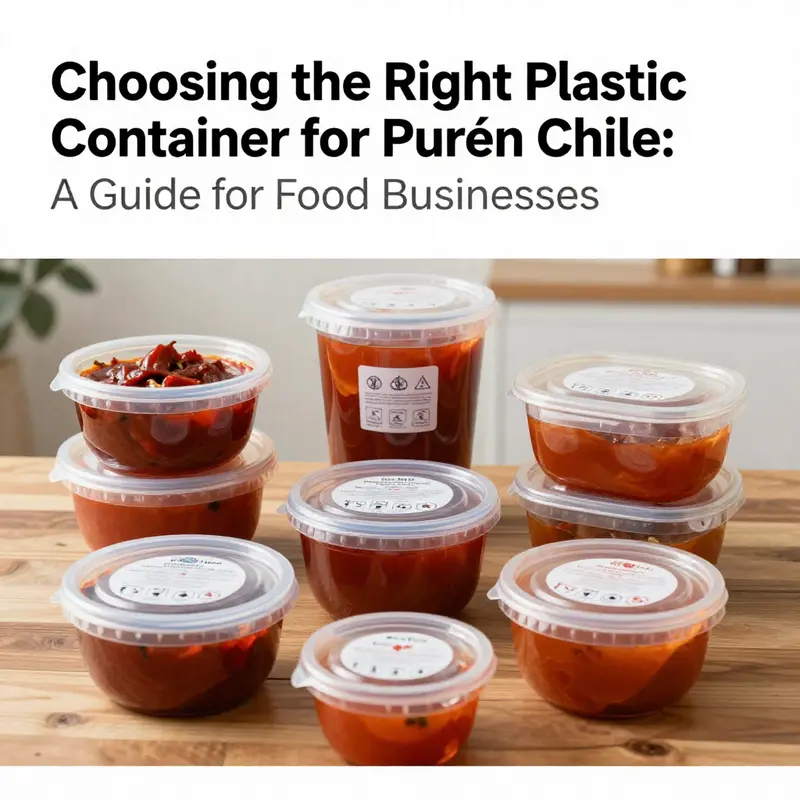
Choosing a container for Purén Chile means more than picking a pretty lid. It requires understanding how the container’s material interacts with hot, occasionally acidic potato-based purée, and how the container behaves through heating, cooling, washing, and repeated use. The guidance for selecting food-contact plastics rests on established safety frameworks that govern how a material touches what we eat. In many jurisdictions, the essential baseline is that any plastic material intended for food contact must meet specific standards that limit the migration of harmful substances into the food. For practitioners and home cooks alike, this translates into a careful balance of chemistry, design, and practical handling. In practice, this means looking for containers that clearly state conformity to food-contact standards, preferably with an explicit material declaration and traceability to a recognized standard. The foundational standard often referenced is a national regulation that defines permissible substances and their migration limits, alongside accompanying rules for testing and labeling. Those decisions influence not just whether a container is technically suitable, but whether it remains safe during everyday use—from hot dish transfers to the final rinse before the next batch. When you examine Purén Chile, a dish that can be served warm and sometimes tangy from its tomato or pepper notes, the concern about temperature and acidity becomes sharper. A container that can tolerate heating without deforming or releasing unwanted substances helps preserve flavor while protecting health. That is a dual objective: maintain the sensory profile of the purée and minimize any risk associated with contact materials. To achieve it, the channeled path of decision-making begins with material choice. The most widely recommended family for hot or acidic foods is polypropylene, PP, designated often as plastic number 5. PP offers a robust combination of heat resistance, chemical inertness, and clarity that supports easy visibility of contents when the container is sealed. Importantly, PP is typically BPA-free and exhibits low moisture absorption, which helps keep the purée from drying at the surface during storage. For many households, PP containers with a secure lid and a silicone gasket provide an excellent mix of safety and user-friendliness. The second strongly favored option is high-density polyethylene, HDPE, labeled as plastic number 2. HDPE is known for its chemical resistance and durability. It tolerates typical refrigerator temperatures and some cool-grade heat without softening, making it a reliable choice for cold storage of Purén Chile. While HDPE can withstand brief exposure to mildly warm conditions, it generally does not match PP’s heat tolerance, which is why it might be preferred for chilling and fermentation stages rather than for direct hot serving. The science undergirding these recommendations is not merely about what the materials can do in isolation; it is about what they do when placed in the everyday food-use cycle. Migration tests and limits are defined by regulatory bodies to ensure that harmful elements do not leach into the food beyond safe thresholds. In many regions, the standards require that the plastic materials and their articles be specifically designed and manufactured for contact with food, with transparent declarations about the composition and compliance. Labels such as “food contact approved” or “meets GB 4806.7-2016” provide reassurance that heavy metals, residual solvents, plasticizers, and other potentially concerning substances are controlled. The GB 4806.7-2016 standard, widely referenced in Chinese regulatory guidance, forms part of a broader framework that also includes GB 4806.1-2016 for general safety of food contact materials and articles. Together, these standards guide manufacturers to avoid materials that can release toxic agents into acidic or salted foods, particularly during heating. They also define testing regimes and labeling strategies so that consumers and food businesses can make informed choices about the products they buy. From a practical standpoint, compliance means more than a stamped claim. It means selecting containers that have clear, verifiable production licenses and that carry a certifiable chain of custody, often including a standard code or SC number on the packaging. The presence of such identifiers signals that the product has undergone appropriate quality control measures. It also reduces the likelihood that inferior or non-compliant materials will be used in household or commercial settings where Purén Chile might be prepared, stored, or served. A related, but equally important, concern is the long-term integrity of the container. Even the safest plastic can degrade with repeated exposure to heat, sunlight, or aggressive cleaning agents. Ultraviolet light and high temperatures can accelerate polymer aging, promoting microcracks that harbor bacteria or increase surface roughness where residue can lodge. In turn, this can influence the perceived flavor and texture of Purén Chile after storage. Therefore, selection should extend beyond a single use to the lifecycle of the product. A well-chosen container should offer easy disassembly for thorough cleaning and drying, and ideally be compatible with dishwasher or boiling-water sterilization where the product specifications explicitly permit it. A practical rule for household use is to avoid exposing cold storage containers to direct heat or prolonged sun exposure and to avoid aggressive scrubbing that might abrade the surface. Cleaning routine matters as much as material choice. A neutral detergent and a soft cloth, applied with gentle friction, typically keep the interior smooth and reduce the risk of hidden residues. After washing, effective drying is essential; moisture trapped in micro-scratches can become a safe harbor for bacteria over time. Scratches, clouding, or a persistent odor are not merely cosmetic issues; they can be signs that the container’s material is aging and potentially compromising its food-contact performance. In this context, the decision to reuse rather than replace comes with responsibility. If a container begins to show noticeable wear—deformation, discoloration, cracking, or a persistent off-note—its safe use should be re-evaluated. Replacing with a compliant, clearly labeled product helps ensure ongoing safety for Purén Chile. The environmental argument for reusable, durable containers is compelling, but it must not undercut food safety. Reusable PP or HDPE containers are often a more sustainable choice than single-use plastics, provided they are used within the limits of their design specifications. In the broader picture of packaging and storage, the conversation about sustainability intersects with regulatory compliance. Reusing a certified container aligns with both environmental stewardship and food safety objectives. When considering the practicalities of serving Purén Chile, a container designed for hot or warm foods that maintains a tight seal becomes especially valuable. A lid with a silicone gasket can help preserve moisture and prevent evaporation, ensuring the purée remains creamy and flavorful over time. The choice of materials is not arbitrary; it is shaped by the type of food, its acidity, and the anticipated storage conditions. For Purén Chile, where a balance of warmth, texture, and taste matters, PP and HDPE emerge as the most defensible options under current safety paradigms. While no single material is perfect for every situation, the key is to select products that carry clear evidence of food-grade compliance, ideally with explicit reference to GB 4806.7-2016 and related standards, to support safe handling from kitchen to table. The path from raw potato to plated Purén Chile is a journey of care, and that care should include the tools used to hold and transport the dish. In practice, this means choosing a container with documented safety credentials, a design that resists deformation under typical serving temperatures, and a maintenance routine that keeps the interior free of residues and microbial risks. For readers who want to explore options within the broader family of storage solutions, the storage-containers category on a supplier site offers a spectrum of shapes, sizes, and sealing systems that can be evaluated against these safety criteria. storage-containers. When evaluating options, remember that the label is there for a reason: it communicates not only material composition but also the conduct of the manufacturer in terms of testing, labeling, and compliance. This is not a trivial concern for home cooks who wish to serve Purén Chile with confidence, nor for small businesses that want to maintain consistent quality across batches. Finally, the regulatory perspective adds a layer of assurance. In many jurisdictions, official guidance is anchored in documents published by national or regional food safety authorities. For example, the United Kingdom’s regulatory guidance on food contact materials provides a comprehensive set of considerations, including migration testing, labeling requirements, and risk management principles. Access to these resources reinforces the idea that food safety is an ongoing process rather than a one-time select-and-forget decision. While the specifics may vary by country or region, the underlying philosophy remains the same: protect the consumer by ensuring that materials in contact with food do not compromise health or flavor. In summary, for Purén Chile and similar foods, the recommended practice is to prioritize PP and HDPE containers that are explicitly labeled as food-grade and compliant with recognized standards such as GB 4806.7-2016, with a focus on heat resistance, chemical stability, and safe sealing mechanisms. A mindful maintenance routine—gentle washing, thorough drying, and timely replacement of worn items—completes the circle of safety. The journey from a simple kitchen staple to a safely stored and enjoyed dish rests on these material choices and their conscientious management. External resources can deepen this understanding, such as the guidance provided by leading food safety authorities, which illuminate migration limits, testing regimes, and labeling expectations for packaging materials. For a broader regulatory context, consult reputable sources that discuss food contact materials and safe practice. External resource: https://www.food.gov.uk/.
Heat-Smart Packaging for Purén Chile: Crafting Microwave-Safe Plastic Containers that Preserve Texture and Safety
Purén Chile, a beloved Chilean preparation that blends smooth potato with sauces and spices, presents a distinctive packaging challenge: the container must endure heat, protect delicate textures, and safeguard flavors without compromising safety. When food is prepared to be reheated, stored, and served from the same vessel, the material choice becomes a decision that touches on culinary quality, consumer trust, and environmental responsibility. In this chapter, we explore how to navigate the temperature demands, material safety, and practical design considerations that govern a plastic container intended for Purén Chile and similar heat-sensitive, sauce-rich foods. The goal is to understand how a thoughtful combination of material science, regulatory awareness, and user-centered design can yield a container that performs reliably in the kitchen while aligning with broader ambitions for sustainability and transparency.
At the heart of choosing an appropriate container is material safety. Containers intended for food contact must meet standards that limit the migration of substances from the plastic into the food. In many regulatory environments, this calls for plastics that are explicitly approved for food contact, with the most common choices including polypropylene (PP), high-density polyethylene (HDPE), and polyethylene terephthalate (PET). For Purén Chile, where the product is often creamy and oil-rich, the container must not only be inert but also resistant to the kinds of leachables that can occur with fatty sauces and acidic components. The practical implication is a container that is labeled as food-contact compliant, fabricated from a material that is BPA-free, and designed to minimize any migration under typical use conditions. This is not merely a regulatory checkbox; it is a trust-building signal to consumers who expect that their reheated meals remain safe and flavorful after the micro-waves hum.
Safety goes hand in hand with performance. The reheating scenario for Purén Chile usually involves microwave exposure to heat the sauce and soften the texture while preserving the integrity of the solid elements, if any. The container must withstand repeated heating cycles without warping, cracking, or releasing flavor-impairing substances. In practical terms, this means selecting a thermally stable polymer whose glass transition temperature and overall heat resistance can support temperatures at or above the level reached during typical reheating. While the base polymer like PP offers robust performance, the design often extends beyond the material to include structure and seals that perform under heat. The container should be able to handle microwave energy without absorbing excessive heat itself, which could distort the container or alter the food. A well-engineered design recognizes that the oil content and salt levels in Purén Chile can influence how heat is conducted and how the container behaves under pressure, especially when a tight seal is involved.
Microwave safety is not a singular feature but a composite property of material choice, wall thickness, and lid integrity. The plastics community frequently emphasizes microwave-safe construction as a certification rather than a mere statement. In practice, this means testing for thermal stability during microwave exposure, ensuring that the container does not deform, leach, or transfer any undesirable compounds. The gasket or sealing mechanism must complement the container body, maintaining a tight seal that preserves texture and portion integrity while allowing venting if needed to prevent suction during heating. For Purén Chile, where the dish can be both creamy and slightly savory, a transparent lid with a silicone or elastomeric gasket often proves advantageous. The transparency helps both retailers and home cooks monitor the filling and visual cues of doneness, while the seal minimizes moisture loss and texture alteration. The combination of a robust lid seal and a microwave-compatible body supports consistent heating, enabling the consumer to heat directly in the container and enjoy a smooth, evenly warmed product rather than an unevenly heated lump.
Conversations about materials inevitably touch on sustainability. A growing portion of consumers seeks reusable or long-lasting containers to curb one-way packaging waste. In this light, the most responsible approach favors durable, reusable plastic containers designed for repeated use and simple cleaning. However, reuse must be balanced with safety considerations; repeated exposure to heat, oil, and acid can gradually alter the surface properties of plastics, potentially influencing migration characteristics. For Purén Chile, a container built for multiple reheating cycles should feature a resilient polymer and a robust seal that withstands frequent opening and closing. This shift toward durability dovetails with broader environmental goals and aligns with a growing expectation that food packaging deliver value beyond a single meal. When evaluating options, it is prudent to consider the full lifecycle of the container—from resin selection and manufacturing processes to end-of-life disposal or recycling streams. Clear labeling about recyclability and compatibility with local facilities helps guide responsible consumer choices and reduces the likelihood that a high-quality container becomes waste prematurely.
A practical and often overlooked dimension is how the container communicates its suitability for direct reheating. Consumers value explicit readability: the presence of markings such as “microwave safe” and “food contact safe” translates into a straightforward decision in a busy kitchen. But the conversation should not end at the label. A thoughtful design also considers how the container responds to heat during transport, whether from a home kitchen to a desk at work or from a kitchen to a takeout counter. The outer appearance—the clarity of the plastic, the color of the lid, and the visible fill line—can influence how users perceive portion control and freshness. For Purén Chile, where the sauce can obscure the exact fill level, a transparent body helps ensure that portions are consistent and that the reheating process yields predictable results. In the same breath, the lid should be designed to prevent accidental opening after heating and to minimize condensation that could run back into the sauce, diluting the texture. All of these factors contribute to a smoother user experience and, ultimately, a more reliable product offering.
An essential thread in this narrative is regulatory alignment. In many markets, rules governing food contact materials require compliance documentation, traceability, and, in some cases, labeling that communicates safe use, migration limits, and manufacturing controls. While the regulatory specifics differ by region, the underlying principle remains: the container must support safe, predictable use across the consumer’s lifecycle, from storage to reheating to serving. The presence of a recognized standard or certification can serve as a proxy for thorough testing and responsible manufacturing practices. For teams developing a Purén Chile packaging solution, engaging with these standards early in the design process reduces risk and accelerates market readiness. The goal is not merely to pass audits but to foster a culture of safety and transparency so that buyers and home cooks alike can trust the packaging as a true partner in quality dining.
From a practical standpoint, the decision to incorporate a storage-oriented design into Purén Chile packaging carries both culinary and brand implications. A container that couples a secure seal with clear visibility encourages consumers to keep the product in the refrigerator or freezer without sacrificing texture. The ability to microwave reheating directly in the container is a compelling convenience, particularly for families and individuals seeking fast, dependable meals. The packaging should also reflect a respect for the sensory aspects of Purén Chile—the color, the sheen of the sauce, and the aroma released during heating. The container must not interfere with these attributes; instead, it should act as a conduit that preserves the original quality, enabling a satisfying experience when the consumer lifts the lid. In this sense, the packaging becomes a mediator between cooking and dining, a silent enabler of texture, aroma, and taste.
To support a holistic approach, teams are encouraged to consider a practical framework for material choice and testing. Start with a robust material selection that prioritizes safety, heat resistance, and optical clarity. Pair the material with a lid design that provides a dependable seal, appropriate venting, and easy handling during heating. Incorporate labeling that communicates critical cues about microwave safety and food contact compliance, and ensure that the design accommodates easy cleaning to maintain hygiene during repeated use. Finally, embed sustainability through durability, recyclability, and clear guidance on disposal. By weaving together safety, performance, and environmental stewardship, the container becomes more than a vessel for Purén Chile; it becomes a responsible packaging solution that supports confident, convenient meals.
Internal linking: When considering the broader ecosystem of storage and packaging options, exploring a range of containers designed for durable storage can provide useful context. For example, many teams find value in examining a family of storage containers that emphasize resilience, visibility, and compatibility with reheating. Learn more about these options at storage containers, which offers a practical perspective on selecting containers that balance usability with safety and sustainability. storage containers.
External reference: For authoritative guidance on food contact materials and safety standards, consult the Food Standards Agency’s guidance on food contact materials, which provides a comprehensive overview of material safety, labeling, and testing considerations. https://www.food.gov.uk/
Sealed Freshness: The Integral Role of Sealing and Preservation Technologies in Plastic Containers for Purén Chile
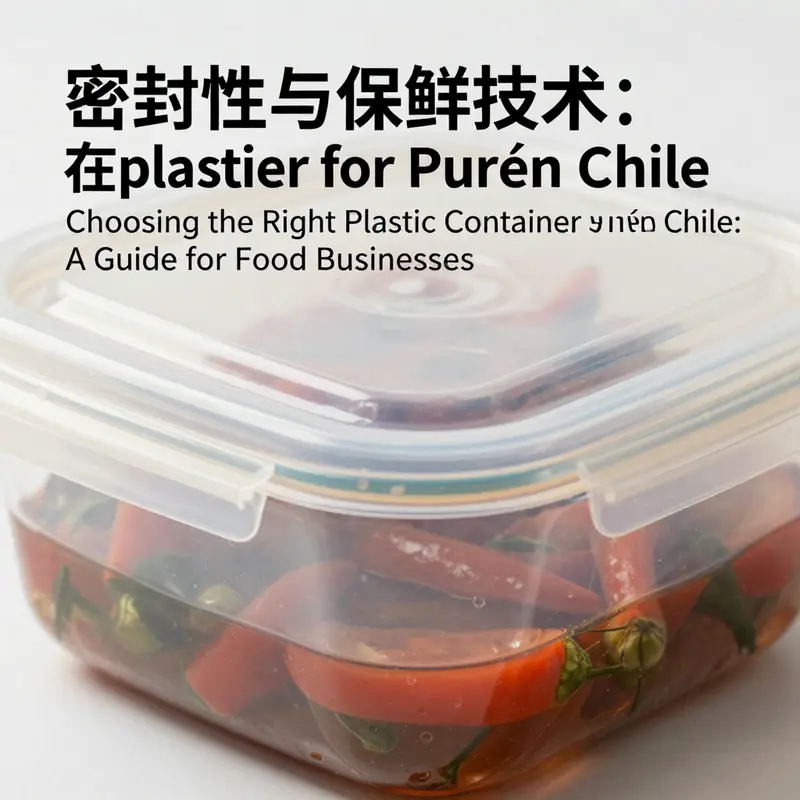
Sealed freshness is not a mere afterthought in the journey from kitchen to plate; it is the invisible architecture that determines whether a consumer can taste the intended texture, aroma, and warmth of Purén Chile when the product finally reaches the table. In the context of high-moisture, ready-to-eat or reheat-ready foods, the plastic container becomes a dynamic system rather than a simple vessel. The interaction between material, seal, and interior atmosphere is what ultimately governs quality, safety, and shelf life. A container that excels in sealing creates a formidable barrier against the intrusion of ambient air, moisture loss, and the ingress of odors that can dull or alter the product’s characteristic spiciness and creaminess. At the same time, the seal must perform reliably across the rough realities of distribution—vibration in transit, sudden temperature shifts, and the repeated demands of consumer handling. When these conditions align, the consumer experience remains consistently authentic, whether Purén Chile is enjoyed immediately or after several days of storage. A robust seal is, in essence, the first gatekeeper of sensory integrity, preserving not only safety but the precise balance of flavors that define the dish.
The sealing performance of a plastic container unfolds through a careful orchestration of geometry, elastomeric interaction, and material choice. The lid, often molded from the same family of polymer as the body, incorporates a gasket—commonly silicone or a compatible elastomer—that fills micro-gaps and prevents micro-leakage. This design reduces the risk of liquid seepage during transport and minimizes the risk of air exchange that would otherwise promote oxidation and microbial growth. It also plays a critical role in safeguarding volatile aroma compounds. Purén Chile, with its nuanced profile of earthy sweetness, pepper notes, and the subtle tang of preserved ingredients, can lose its signature aroma if even modest amounts of vapor escape or if external odors diffuse inward. A well-engineered seal effectively locks these sensory cues inside, ensuring that the product’s identity remains intact from packaging line to consumer palate.
Beyond the physical seal, the contemporary practice of preservation within plastic containers embraces proactive factors that shape the internal microenvironment. Modified Atmosphere Packaging (MAP) exemplifies this proactive stance by altering the gas composition inside the package prior to sealing. In practice, nitrogen, carbon dioxide, or blends thereof displace portions of the ambient air to slow down spoilage processes. High concentrations of carbon dioxide, for instance, can suppress certain aerobic bacteria and molds, extending visual and microbial stability, while nitrogen acts as a blanket to limit oxidation-driven color and flavor shifts. The choice of gas and its partial pressures must be harmonized with the food’s chemistry and water activity to avoid adverse effects such as texture changes or gas-related discomfort upon opening. In a typical MAP approach, the container’s inner environment is not a passive trap but a carefully curated microclimate that complements the barrier properties of the container walls. As a result, the combination of a tight seal and a designed internal atmosphere creates a dual line of defense: one physical, one chemical, both working in concert to maintain freshness without requiring added preservatives or excessive chilling.
The advantage of a multi-layered packaging system becomes evident when one considers the practical realities of storage and distribution. The base polymer—often polypropylene (PP)—offers a resilient, food-grade platform that can withstand repeated microwaving and dishwashing, provided the label guidance is followed. The walls may incorporate additional barrier layers or coatings that reduce the transmission of oxygen and carbon dioxide, further lowering the risk of oxidative rancidity or enzymatic browning that can accompany chili-based products. Transparency in design is not merely aesthetic; it supports quality control by allowing visual inspection for condensation or phase separation, indicators that the product’s interior conditions may have deviated from the intended state. When the container brings together a transparent body with a precisely molded lid and a snug seal, it creates a reliable environment that resists the creeping changes that erode quality over time. In this light, the packaging becomes less about concealment and more about controlled revelation: it preserves a product until the moment of opening, and then reveals purity of texture and aroma rather than a compromised impression.
Heat and temperature management are central to both consumer convenience and product stability. For Purén Chile and similar dishes, the ability to reheat or refrigerate without compromising integrity is a strategic asset. Containers labeled as microwave-safe or heat-resistant provide clear guidance for safe reheating, yet the material science behind these claims must be sound. PP and HDPE materials commonly used in food-contact applications display favorable heat tolerance, but not all grades are created equal. The migration of additives into the food is a potential concern, particularly under prolonged heating. Therefore, container design must balance safety requirements with user-friendly features, ensuring that lids remain secure and seals stay intact under repeated cycles of heating and cooling. A well-specified container will endure practical everyday use—being microwaved with the lid off or slightly vented when required, then re-sealed for storage—without warping, leaking, or suffering from degraded barrier performance. This enduring reliability translates to a consistent eating experience, preserving the intended mouthfeel, heat level, and spicy brightness that define Purén Chile in the consumer’s mind.
Compliance and traceability are the invisible threads that connect the kitchen table to regulatory expectations. For containers intended for food contact, material safety is governed by standards and directives that govern migration limits, labeling, and manufacturing controls. In many jurisdictions, the rules require that the container be produced from food-grade polymers, such as PP, HDPE, or PET, and that the finished article bears clear labeling that it is safe for contact with foods. The presence of a production license or facility registration, often represented by an SC number or equivalent, is a practical cue of legitimacy. Alongside material safety, transparency about intended use—whether the container is suited for hot foods, whether it can be microwaved, and any dishwasher or cleaning guidelines—helps retailers and consumers alike avoid misuse that could compromise safety or flavor. For practitioners designing these packaging solutions, compliance is not a hurdle but a foundation for trust. It anchors a company’s ability to communicate performance, reduce risk, and sustain shelf life through the entire supply chain. In this context, the packaging choice transcends mere containment; it becomes a guarantee that the food will maintain its intended sensory profile from producer to plate.
From a sustainability perspective, the conversation around sealing and freshness intersects with long-term environmental responsibility. Reusable and durable containers reduce the burden of single-use plastics while offering the potential for optimized cleaning and reconditioning processes. Designers increasingly integrate leak-proof, gasketed lids that tolerate multiple cycles of washing in consumer dishwashers, as well as more resilient wall structures that resist cracking or deformation. Yet durability must be aligned with recyclability. The selection of materials should favor those compatible with established recycling streams and that minimize the presence of multilayer laminates that are difficult to separate. In practice, this means striking a balance between high barrier performance and end-of-life options. The consumer experience benefits when containers remain visually pristine after repeated handling, when seals stay robust enough to prevent leaks during transport, and when the packaging system supports recycling programs. In short, sealing and preservation technologies are not only about extending shelf life; they are about delivering reliable performance within a circular economy framework that increasingly values responsible resource use as part of product quality.
For practitioners and researchers, a practical takeaway is the importance of viewing the container as a single, integrated system rather than a collection of discrete features. The seal, the interior atmosphere, the wall barriers, the heating compatibility, and the labeling all contribute to a coherent performance narrative. The real-world impact is measured not only in days or weeks of shelf life but in the consistency of the eating experience across multiple reheat cycles and storage conditions. In this sense, the modern plastic container for Purén Chile embodies a convergence of food science, materials engineering, and consumer-centric design. It is a testament to how careful attention to sealing integrity and preservation dynamics can protect flavor, ensure safety, and support sustainable consumption, all while meeting the practical realities of modern distribution networks. For those exploring options, a broader view of the packaging landscape can be enlightening; you may begin by examining the plastic packaging category to understand material choices, barrier capabilities, and assembly methods that address both safety and sensory performance. plastic packaging category.
External reference: https://www.sciencedirect.com/science/article/pii/S0260877423002569
null
null
Choosing the Right Plastic Container for Purén Chile: Safety, Temperature, and a Sustainable Path
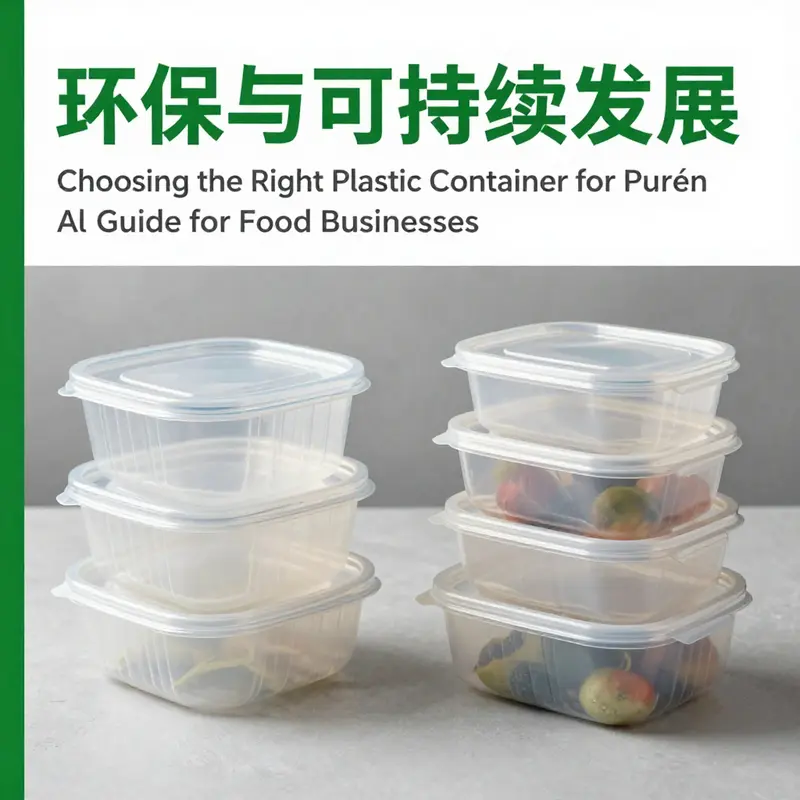
Purén Chile—a creamy, comforting mash of potatoes with a Chilean soul—travels from kitchen to table with the same gentle warmth it offers in a bowl. The container that carries it matters as much as the recipe itself. The choice is not merely about holding food; it is about safety, flavor preservation, and the long-term footprint of our everyday habits. When we set out to select a plastic container for Purén Chile, we step into a web of material science, regulatory expectations, and ecological responsibility that stretches far beyond a single meal. This is not a technical digression but a practical, daily decision that can influence how safely we reheat leftovers, how cleanly we dispose of packaging, and how much plastic we introduce into the world from one ordinary dish at a time. In this sense, the container becomes a small but meaningful actor in a larger story about health, convenience, and planetary stewardship.
First comes material safety. Containers intended for food contact must comply with standards that govern what can touch what we eat. In many regulatory contexts, the core requirement is that the container be made from food-grade plastics that are known to meet migration and safety guidelines. Common, widely accepted materials include polypropylene (PP), high-density polyethylene (HDPE), and polyethylene terephthalate (PET). These materials offer a balance of strength, chemical resistance, and relatively predictable migration profiles when treated correctly. For Purén Chile, which may be consumed hot or at room temperature, choosing a container that is explicitly designed for food contact and that carries recognized indications of suitability is essential. In practice, this means looking for explicit “food contact” markings and, where applicable, certifications or license numbers that attest to compliance with national standards.
Beyond the basic material, temperature performance is a critical thread in the safety fabric. Purén Chile—being a dish that can be heated or stored in the fridge—demands containers that can endure temperature swings. A reliable container should be microwave-safe and able to withstand at least 100°C without deforming, warping, or releasing unwanted substances. Materials that struggle with heat, such as some low-temperature plastics or foamed polystyrene, risk not only reduced performance but also the potential release of residues into food. The practical upshot is simple: if you intend to reheat Purén Chile in its container, verify the labeling. Look for clear indications like “microwave safe” and “heat resistant” on the packaging. The goal is a durable, predictable performance that keeps flavors intact and minimizes any risk of chemical migration during reheating.
Equally important is the container’s ability to preserve freshness while minimizing moisture loss. A sturdy, transparent PP container with a well-fitting lid—ideally a lid that uses a silicone gasket—can help preserve the creamy texture and prevent surface drying. The transparent material is not only a practical benefit for quick identification but also a cue to its cleanliness and hygiene state. A reliable seal reduces the exchange of air and moisture, which in turn helps maintain the intended sensory profile of Purén Chile. A well-sealed package also reduces the temptation to over-reheat to compensate for staling, a practice that can further stress the container’s material integrity over time.
The source and compliance of the container matter as well. When possible, choose products from brands that operate under formal production licenses and carry clear food-contact labeling. While the global market is full of options, not all are created equal in terms of traceability and safety assurance. A critical step is to verify that the product is designed for food contact and to check for any regional standards it claims to meet. This offers a level of assurance that the container was manufactured with the intended use in mind, rather than being a generic, multipurpose plastic that may not have undergone the specific testing required for heated or acidic foods.
The conversation about safety, however, cannot ignore the environmental dimension. The allure of convenience must be weighed against the larger consequences of single-use plastics and the creeping reality of microplastics. The default assumption should be to minimize waste while maximizing reuse. Reusable containers—constructed from durable, heat-tolerant plastics—emerge as a sensible compromise between ease of use and ecological impact. In many contexts, this also means choosing containers that are easy to clean thoroughly and that can withstand repeated cycles of washing, reheating, and storage without losing their integrity or leaching substances. The more durable a container is, the less often we need to replace it, and the less waste we generate over time.
Yet even the most robust containers carry implied responsibilities. The distinction between “recyclable” and “recycled” is not trivial. In theory, PP and PET are recyclable in many systems, but real-world recycling hinges on cleanliness and the ability of local facilities to process the materials. Food residue, grease, or sticky sauces can dramatically reduce recycling value, turning a seemingly recyclable item into waste. Proper cleaning before recycling is more than a habit; it is a practical prerequisite that preserves the integrity of the recycling stream. In practice, this means scrupulous rinsing and, if possible, separation of parts that complicate recycling streams, such as silicone seals. The aim is to keep the cycle moving smoothly from consumer to facility, rather than letting contaminated items clog the system.
With these practical realities in mind, it is worth weighing alternatives and thinking about durability as a guiding principle. Glass and stainless steel offer tempting advantages for long-term reuse and inertness. They introduce different trade-offs in weight, breakability, and thermal behavior, yet in the long run can reduce the environmental footprint compared to single-use plastics. A thoughtful decision balances convenience with responsibility, taking into account one’s lifestyle, kitchen routines, and the feasibility of cleaning and storage. This is where consumer education matters: a small shift toward a reusable, heat-tolerant container can ripple outward into less waste and fewer dirty, oily residues that hamper recycling.
Policy shifts and market dynamics are reinforcing this trajectory. In recent years, regulatory bodies and policymakers have moved toward clearer rules around single-use plastics, labeling, and the safety standards for materials used in food contact. These trends push manufacturers to adopt safer materials and clearer labeling while guiding consumers toward responsible choices. In practice, the effect is a packaging landscape that rewards durability, traceability, and transparent testing data—attributes that help shoppers assess risk and reduce unintended exposures in everyday meals like Purén Chile. The broader conversation is not limited to national boundaries; it reflects a global push toward packaging that respects health, supports sustainable consumption, and aligns with evolving environmental priorities.
To ground the decision in accessible, real-world cues, consider how the packaging ecosystem presents options. A well-curated shelf may display a range of food-grade containers under a shared standard, with indications about heat resistance, sealing quality, and recyclability. If you visit a supplier’s catalog, you may encounter a dedicated category that aggregates options suitable for food contact and hot foods. A practical approach is to explore a section such as the plastic packaging category, which gathers containers designed for meals and reheating. This doesn’t replace the need to read labels, but it helps orient your search toward products that meet the core criteria discussed above: safety, heat tolerance, and a practical sealing system.
Of course, the broader ethical and ecological narrative cannot be ignored. The research fallouts on microplastics remind us that higher temperatures can increase the release of microplastics from certain materials. While the evidence continues to refine our understanding, the precautionary takeaway is clear: where possible, favor materials with stronger heat resilience and lower propensity for particle shedding, and minimize reliance on disposable options. The chapter you hold in your hands is as much about practical cooking as it is about responsibility—recognizing that every choice, from the dish to the container to the storage method, constitutes a link in a longer chain of environmental impact. The goal is not perfection but progress—an ongoing shift toward safer, more durable, and more thoughtfully sourced packaging choices that honor both flavor and planet.
In keeping with the wider discourse, it is useful to connect personal choices to broader movements in policy and industry. For instance, regulatory developments in North America and Europe are encouraging manufacturers to rethink packaging life cycles, reduce hazardous substances, and provide clearer information about material safety. These shifts are not abstract; they translate into everyday experiences of shopping, cooking, and meal planning. When we select a container for Purén Chile, we participate in a cycle that supports safer materials, responsible cleaning practices, and a more transparent approach to what happens to packaging after it leaves the kitchen. The cumulative effect is a tangible step toward a more sustainable food system, where convenience does not have to come at the expense of health or the environment.
For readers seeking a broader scientific and policy context, recent research on microplastics and food contact materials offers a valuable backdrop. A notable study in Nature Sustainability provides insights into how plastic materials interact with food under varying conditions, underscoring the importance of material choice, processing, and exposure. While no single container can solve the issue, the synthesis of findings reinforces a cautious, informed approach to packaging design and use. In the end, the most effective strategy blends practical, evidence-based decisions with a commitment to sustainability: select safe, heat-tolerant containers; keep them clean and reusable; and advocate for packaging practices that minimize waste and protect health. This is the essence of responsible cooking and responsible consumption—the quiet but powerful promise we make with each Purén Chile served from a well-chosen container.
References and further reading can illuminate the broader landscape without overwhelming daily life. For those who want to explore more about packaging regulations and business guidance, the Food Standards Agency and other authorities offer extensive resources on food contact materials, migration tests, and labeling expectations. For a deeper understanding of the microplastics dimension and its implications for consumer choices, recent research from Nature Sustainability provides a rigorous evaluation of how materials release particles under heat and everyday use. These external sources anchor the practical guidance in the day-to-day decisions that shape a more sustainable relationship with food and packaging. See Nature Sustainability for the latest peer-reviewed findings that contextualize these concerns within a global research framework.
In sum, selecting a plastic container for Purén Chile is a small act with meaningful downstream effects. It is about safety and convenience today, yes, but also about resilience and care for tomorrow. The healthiest approach is deliberate: prioritize food-grade materials with proven heat tolerance, favor durable, reusable designs with dependable seals, and maintain a mindful eye on cleanliness and recycling realities. When we combine these practices with cautious attention to policy trends and environmental science, we create a pathway toward meals that feel comforting in the moment and responsible in the larger arc of daily life. This is how a simple dish becomes a vehicle for sustainable living, showing that even the ordinary act of storing and reheating Purén Chile can contribute to a cleaner, safer, more resilient world.
External resource: https://www.nature.com/articles/s41893-025-01234-x
Final thoughts
Selecting the right plastic container for Purén Chile is a multifaceted decision that impacts food safety, quality, and sustainability. By adhering to safety standards, ensuring temperature resistance, utilizing advanced sealing technologies, and considering environmental impacts, your food business can provide both delicious and safe products to customers. Remember, the right container not only preserves the integrity of the food but also reinforces your commitment to quality and responsibility. Making informed choices now will ensure lasting success in your culinary ventures.