
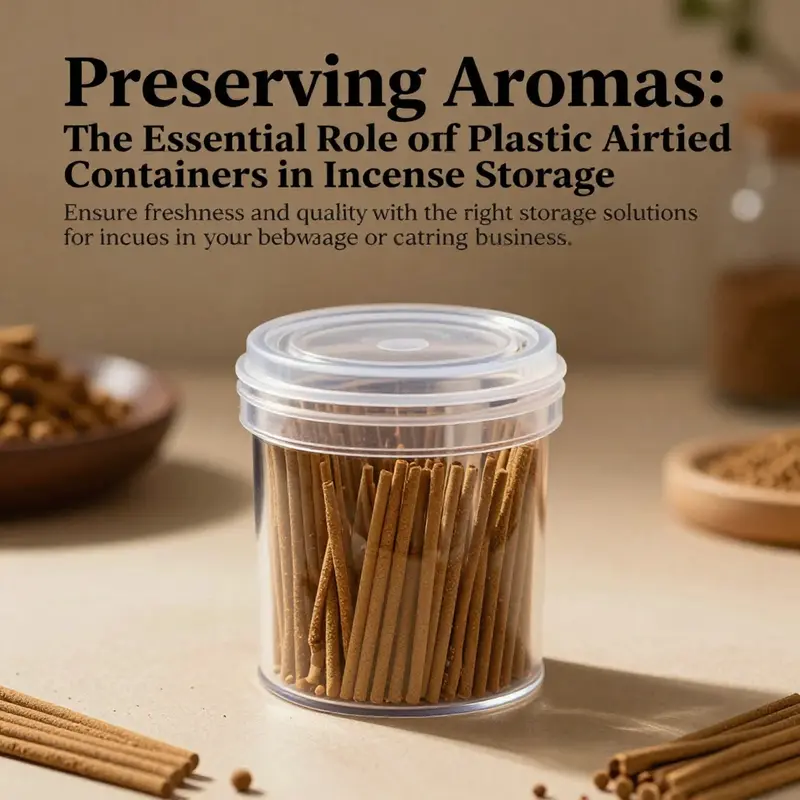
The world of incense is a fragrant realm that invites tranquility and relaxation, but just like culinary ingredients, incense requires proper storage to preserve its unique properties. In establishments such as bubble tea shops, restaurants, food trucks, and catering services, ensuring the freshness and quality of incense can significantly enhance the atmosphere of your business. Understanding the importance of airtight functionality, material safety, durability, design, and market viability of plastic airtight food containers can help you choose the best storage solutions for your incense. This article delves into these aspects, equipping you with the knowledge to make informed decisions that not only preserve aromas but also align with your operational needs.
The Seal That Keeps Scent: Exploring Plastic Airtight Storage for Incense
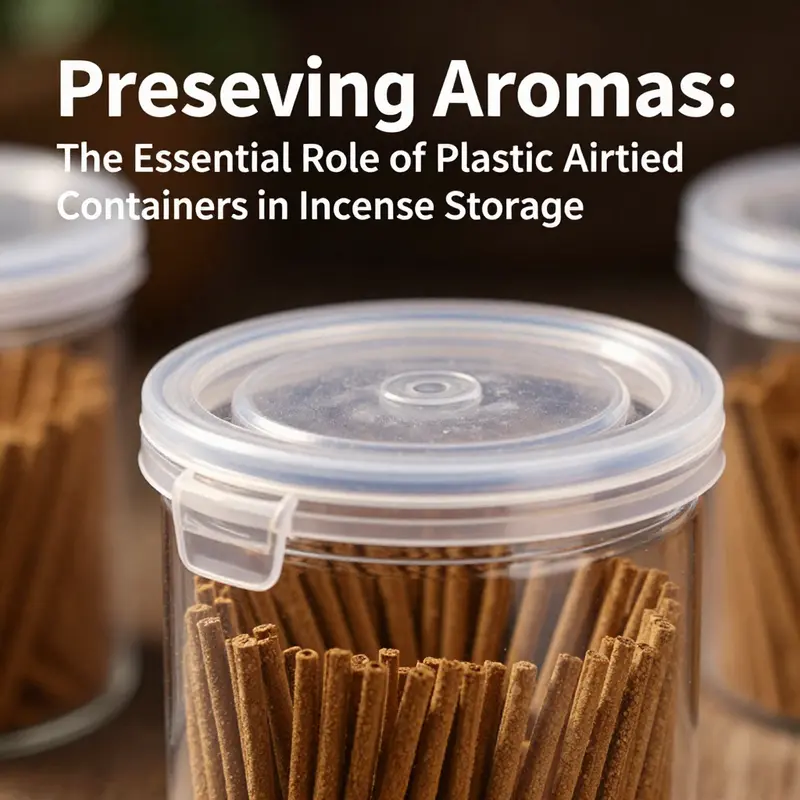
Incense holds its character in a fragile balance of volatile compounds. When those compounds drift away, the scent that first drew us to a stick or cone weakens, morphs, or vanishes. The storage environment—light, heat, moisture, and yes, air—becomes a silent steward of scent over time. In this chapter we explore how plastic, marketed as a kitchen workhorse and everyday home storage solution, can unexpectedly serve as a quiet guardian of incense fragrance. The question is not whether plastic can seal a container, but how well it can do so without inviting moisture, chemical interaction, or scent loss. A practical answer lies in the combination of a truly airtight seal and materials that hold up under the pressures of essential oils, resins, and delicate aroma profiles. The result is a storage solution that is as much about discipline as it is about plastic chemistry, a balance between convenience and fidelity to the fragrance inside.
Airtightness in plastic containers rests on two pillars: the geometry of the seal and the chemistry of the plastic itself. Modern designs often couple a robust gasket with a reliable latch or screw mechanism to create a barrier against air ingress. Some models feature vacuum functionality, accessible through a pump or squeeze mechanism, which actively reduces the presence of air inside the headspace. The logic is straightforward. If air can be kept out, moisture and oxidation slow their assault on volatile fragrance molecules. If the air that remains is minimal, diffusion-driven evaporation slows, leaving more of the incense’s top, middle, and base notes intact for a longer period after sealing. This is particularly relevant for incense, where the top notes—those first impressions of fragrance—are most susceptible to evaporation and degradation. A well-executed seal preserves not just scent but the sensory integrity of the incense you have chosen for your own ritual or daily use.
The material from which the container is made matters almost as much as the seal itself. BPA-free plastics are often selected for consumer containers because they reduce concerns about leaching and taste transfer. Within this category, Tritan copolyester has earned a reputation for clarity, strength, and chemical stability. It is specifically engineered to resist degradation from oils and aromatic compounds, a key consideration when storing incense that carries resinous and citrusy notes. In practical terms, a container built from such a material tends to stay clearer and more durable after repeated opening and closing, a welcome trait for anyone who wants their storage solution to remain reliable for months on end. While glass and metal sometimes offer superior barrier properties, the plastic alternative provides a lighter touch for everyday use, especially in households where routine access to incense is part of daily life.
The choice of plastic cannot be reduced to one material alone, however. High-density polyethylene, or HDPE, stands out in discussions about chemical stability and resistance to solvent interaction. Recyclers often identify HDPE with codes 2 or 5, signaling a compatibility with many essential oils and aromatic compounds that might otherwise interact with more reactive plastics. In incense storage, HDPE-based containers are widely regarded as offering a more stable environment over time compared with materials such as PET, PVC, PS, or mixed plastics. Those other plastics can be more permeable to volatile compounds or more reactive to certain essential oil constituents, which can accelerate fragrance loss or alter aroma. HDPE’s relative inertness helps maintain the purity of the scent while the container remains sealed. It’s not a perfect fortress, of course—no plastic is—but it reduces some of the most common vulnerabilities associated with long-term storage.
Even with a high-quality material and an excellent seal, long-term fragrance preservation faces the realities of time. A study conducted under the banner of a well-known cosmetics association in 2021 demonstrated a recurring theme in fragrance science: even airtight plastics can contribute to volatility over extended storage. The study reported a notable increase in top-note evaporation—around forty percent—after six months when fragrances were stored in plastic containers. The takeaway is not to abandon plastics altogether, but to recognize their limitations and to implement best practices that mitigate those limitations. In other words, plastic can be a practical home-storage solution for incense, especially for those who want readily accessible containers and easy maintenance, but it may not be the optimal choice for antique, rare, or exceptionally valuable incense intended for long-term preservation. Those scenarios often favor glass or metal stands with superior barrier properties.
Design and versatility also shape how plastic containers perform in real life. Aesthetics aside, the practical design elements—size, seal mechanism, and the ease of cleaning—make a container more or less suitable for incense. The market offers a spectrum of sizes, typically ranging from around 185 milliliters up to 1.5 liters. Smaller jars are convenient for keeping a few sticks or cones within reach, while larger capacities serve households with frequent incense use or bulk purchases. Premium-grade plastics may incorporate broader features such as clamp lids or snap-tight closures that reinforce the seal without demanding meticulous alignment each time the lid is closed. In addition, some containers employ a straightforward, cylindrical profile that maximizes storage efficiency and minimizes corners where dust or moisture can collect. The material quality matters just as much as the form; when both align, the container becomes a dependable ally for fragrance retention.
Beneath the practical features lies a broader question about home storage philosophy. Incense does not expire in the same way as perishable foods, but its fragrance can fade with exposure to air, light, and fluctuating temperatures. For this reason, many aromatics enthusiasts prefer to keep incense in a cool, dark, dry place, gently away from sunlight and heat sources. A truly airtight plastic container can support that strategy by minimizing air exchange and shielding the contents from environmental swings that would otherwise accelerate fragrance loss. Yet the choice between plastic, glass, or metal will reflect a balance between convenience, budget, and the value placed on fragrance longevity. Plastic offers a durable, affordable, dishwasher-safe option that makes everyday storage manageable. It is essential, however, to pair a quality container with consistent care: keep the container away from direct sunlight when possible, avoid exposing it to moisture, and ensure the seal remains clean and undamaged.
The practicalities of everyday use also tie into lifecycle considerations. Plastic containers are typically lightweight and easy to handle, traits that many people appreciate as they move between storage areas, shelves, and drawers. The ability to wash them in a dishwasher or by hand without fear of warping or dulling the surface adds to their appeal. For incense storage, this means you can refresh the container periodically, removing any residues or odors from prior uses and returning the interior to a neutral baseline before resealing. The habit of cleaning the interior and checking the gasket periodically helps preserve the seal’s performance. A worn gasket can compromise airtightness just as much as a porous lid, so inspection should become part of a routine rather than a neglected task. In practice, a well-maintained plastic container becomes a low-friction component of a larger storage system, a small but valuable correlation between care and fragrance preservation.
In the broader landscape of packaging and home storage, it is worth acknowledging how a plastic container for incense sits alongside other packaging choices. While these containers are widely marketed for food storage, their airtight properties translate effectively to incense storage due to the shared objective: keep the product dry, safe, and true to its scent. The transition from food storage to fragrance storage is not a wholesale replacement of packaging logic; it is a reframing of how users think about containment, barrier properties, and the interplay between material science and sensory experience. The practical implication is clear: if you want to extend the usable life of incense at home, consider a high-quality, airtight plastic container with a durable seal, and pair it with mindful storage habits.
For readers who wish to explore a broader range of home-storage options, a quick glance at the storage containers category reveals an array of shapes, sizes, and locking mechanisms designed for different needs. The category shows that the market recognizes the demand for reliable seals and easy handling across a variety of contexts. Whether you are seeking compact jars for on-shelf display or larger cans for bulk incense storage, the principle remains the same: airtightness, material stability, and thoughtful usage rules create the conditions for fragrance retention. By understanding these principles, incense enthusiasts can select a container that aligns with their personal rituals, preferred scent profiles, and the practical realities of daily life. storage containers offers a curated starting point for exploring options that balance these factors.
In the end, the decision to store incense in a plastic airtight container hinges on a set of trade-offs. Plastic provides convenience, durability, and a reasonable barrier against humidity and air exposure when the seal is well designed. HDPE presents a robust option for chemical stability and longevity, particularly in environments that experience occasional temperature changes. Yet, the best long-term preservation may still lie with alternatives that offer superior barrier properties, such as glass or metal, especially for valuable or long-term storage. A practical approach is to use plastic for routine, everyday storage while reserving glass or metal for special batches or items you wish to preserve at peak quality for extended periods. By combining good materials, a solid seal, and disciplined storage, you can maintain incense’s fragrance over time without compromising safety or handling ease. This integrated approach supports the broader aim of the article: to connect material choices to sensory outcomes in the everyday spaces where fragrance is cultivated, stored, and enjoyed.
External reference for further reading: https://www.essentialoils.com/storage-tips/plastic-containers-incense
Guardians of Fragrance: Material Safety and the Promise of BPA-Free Tritan Airtight Containers for Incense
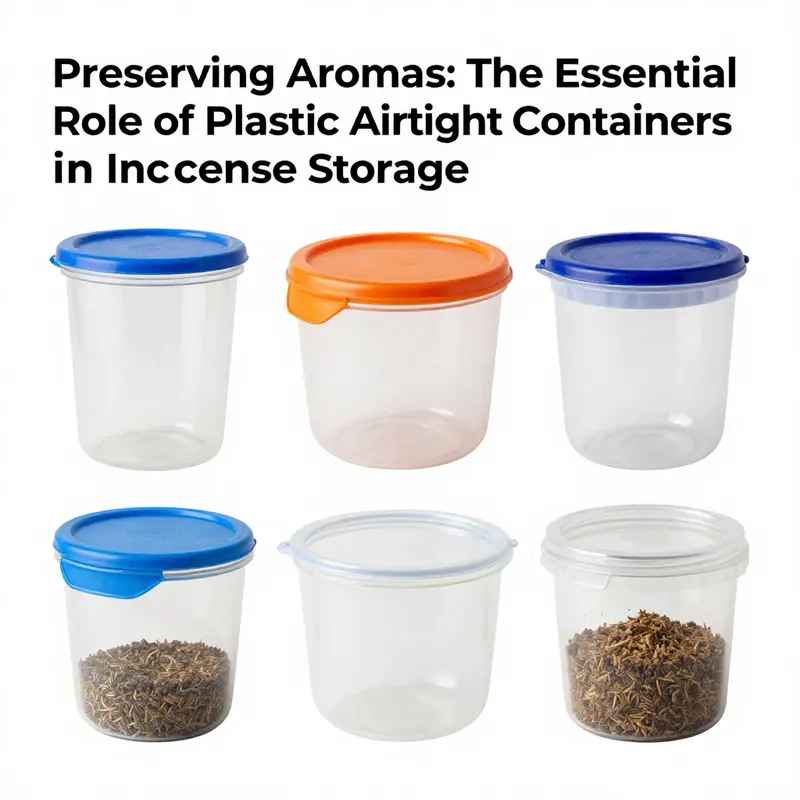
The preservation of incense demands more than a pretty box or a clever lid. It requires an environment that keeps moisture, air, light, and heat from altering the delicate chemistry of the aromatic compounds. When people choose plastic airtight containers for storing incense, they are often drawn to the practical promise of extended freshness, long shelf life, and the clean, odor-free performance that a tight seal can deliver. Yet behind that promise lies a matrix of material safety concerns that can affect both the potency of the incense and the health of the user. In this chapter we examine how material choices—especially the use of BPA-free Tritan copolyesters—shape the safety profile of these containers and, by extension, influence the fragrance experience that incense offers over months and even years of storage. This is not simply a discussion about plastic versus paper; it is a conversation about how modern packaging supports sensory integrity without compromising safety, and how consumers can navigate the tradeoffs between convenience, durability, and environmental responsibility.
From the moment incense enters a storage container, the fight against degradation begins. The goal is to suppress oxygen ingress, minimize moisture exchange, and shield the contents from environmental factors that can dull or alter fragrance notes. The design attributes of a good airtight container matter as much as the material from which it is made. A robust gasket or seal mechanism, a design that prevents leakage, and a seal that can be verified by a simple squeeze or a vacuum action all contribute to the preservation equation. In practice, many containers marketed for food storage use identical sealing principles. They are designed to be easy to open, to close snugly, and to resist ambient humidity cycles. For incense, these features translate into a storage solution that keeps capillary moisture out of the aromatic matrix and helps maintain the volatility profile of the essential oils and resins within. The outcome is less drift in scent strength, steadier burn behavior, and a fragrance that remains faithful to its original profile longer than it would in a looser container.
Material safety enters the frame in two key ways. First, the container must not introduce any chemical substances into the incense that could interfere with its aroma or aroma-driven properties. Second, the material should remain stable under typical storage conditions. Here, the star material in many premium storage options is Tritan copolyester. Tritan is celebrated for being BPA-free, phthalate-free, and endocrine-disruptor-free, with a robust performance profile that suits long-term storage. The safety assurances are not merely marketing claims; they reflect the chemical resilience and inertness that Tritan brings to daily handling, transport, and microclimates found in many homes. When a product specification explicitly states Tritan use, it signals that the container is designed to resist the kind of leaching that can accompany repeated exposure to temperature variation or gentle heat during the course of routine kitchen and home storage activities. This is particularly important for incense, where fragrance compounds can be sensitive to even modest shifts in their chemical environment.
The properties of Tritan support both safety and function. It offers good impact resistance, which matters when a jar is bumped or dropped in a busy kitchen or storage area. It also maintains dimensional stability across a range of temperatures, reducing the risk of warping that might compromise the seal or create microchannels for moisture to creep in. Chemical resistance is another critical advantage. In a home environment, containers may encounter various cleaners, fingerprints, oils from hands, or incidental food residues. Tritan’s resistance to these factors helps ensure that residues do not create contaminated surfaces or transfer odors back to the incense inside. More importantly, Tritan’s non-degrading behavior under heat helps protect the integrity of the aromatic compounds within the container. Unlike some older plastics that may degrade or degrade substances when exposed to sun or heat, Tritan tends to maintain its matrix, preventing the gradual release of unwanted substances into the storage space.
What makes a storage container truly suitable for incense is not only the material but the broader design approach. A well-engineered container combines a reliable airtight seal with a geometry that minimizes crevices where moisture can hide. Some models employ clamp lids or screw-top mechanisms that press the gasket evenly around the circumference, providing a uniform barrier against air exchange. The absence of sharp interior corners reduces the surface area that could interact with volatiles, helping preserve both the integrity of the incense and the clean interior that makes cleaning straightforward. Clear or translucent walls are not merely a matter of aesthetics; they enable quick visual checks for moisture, condensation, or dust that might compromise storage. Importantly, the ability to withstand freezer, microwave, or dishwasher cycles without compromising the seal broadens the container’s utility beyond incense storage. For households that use these containers in a variety of contexts, such versatility reduces the temptation to repurpose inferior vessels that may compromise safety or fragrance.
A critical practical consideration concerns how consumers handle incense within these containers. Direct exposure to sunlight and heat can accelerate chemical processes that degrade both the container and its contents. Even the most inert materials, including high-quality Tritan, can warp or soften under extreme heat, which could alter the seal and invite moisture intrusion. The advice is simple and practical: store these containers in a cool, dry, and shaded space, away from ovens, stoves, or other heat sources. This not only protects the quality of the incense but also preserves the physical integrity of the container. Regular cleaning becomes part of the safety routine, ensuring that any dust or oil residues do not accumulate in corners where moisture might later condense. A mild soap and warm water regimen, followed by thorough drying before resealing, helps keep the interior pristine. Avoiding harsh solvents or abrasive scrubbers keeps the interior surfaces smooth and prevents micro-scratches where residues can become reservoirs for moisture or odors.
Beyond safety, there is the question of sustainability and environmental impact. Material choices matter not just for immediate safety but for end-of-life handling. Single-material designs, particularly those built from BPA-free Tritan, offer a clearer recycling pathway than multi-layer packaging sometimes used in alternative storage options. This aligns with broader consumer concerns about minimizing chemical exposure while supporting responsible disposal. The durability of Tritan also means that these containers are designed to last, reducing the frequency with which households replace them. Yet durability must be balanced with the acceptance that at some point these containers will reach the end of their useful life. A well-managed disposal plan, aligned with local recycling guidelines, helps ensure that the inert, non-toxic nature of Tritan contributes to a sustainable lifecycle rather than becoming waste.
From a consumer education perspective, clarity matters. Product descriptions often emphasize the lightness, clarity, and strength of Tritan, but it is equally important to understand how to interpret safety claims in real-world terms. A container may be described as BPA-free and heat resistant, but those properties apply within specific temperature ranges and time frames. It is wise to heed storage recommendations, such as avoiding prolonged exposure to direct sunlight and extreme heat, and to follow manufacturer instructions for cleaning and loading. The consumer who internalizes these guidelines is less likely to encounter off-notes or degraded fragrance because the storage environment remained consistent with what the incense requires and the material can tolerate.
The broader ecosystem of home storage and organization also intersects with incense storage. The same containers that keep incense fresh can be part of a cohesive storage strategy for a kitchen or pantry, where the lines between food storage and aroma preservation blur. This is why the concept of a unified storage system resonates with many households. It is not merely about repurposing a food container; it is about choosing a robust storage approach that minimizes risk while maximizing convenience. When people link their incense storage to their general storage workflow, they are more likely to invest in quality containers that offer reliable seals, inert materials, and straightforward maintenance. This perspective supports informed decision-making that respects both fragrance integrity and human health.
For readers seeking a tangible point of reference within the broader landscape of storage solutions, consider exploring the storage containers category, which covers a range of practical options and helps situate incense storage within a broader home organization framework. Such a reference helps readers connect the dots between incense storage and everyday needs, reinforcing that the right container can serve multiple purposes without compromising safety or fragrance. storage containers offers an accessible starting point for evaluating the kinds of materials, sealing mechanisms, and design features that best align with incense storage goals. This cross-pollination between aroma preservation and general storage design underscores a more holistic approach to home packaging, where safety, durability, and versatility converge to deliver consistent performance.
In sum, the choice of material and the design of the container play pivotal roles in safeguarding the aromatic character of incense over time. A BPA-free Tritan container with a reliable seal, thoughtful geometry, and resistance to heat and chemicals represents a prudent blend of safety and functionality. It supports long-term fragrance retention while keeping the user’s health front and center. It invites users to treat incense storage not as a disposable afterthought but as a small, deliberate practice of care, one that respects the science of scent and the responsibilities of safe packaging.
External reference for further safety and material details can be found in a dedicated supplier specification that outlines the inert properties and non-toxic assurances of Tritan in airtight containers. This source provides concrete context for why Tritan is often favored in storage solutions that handle aromatic or sensitive contents. https://www.alibaba.com/product-detail/Korean-BPA-Free-Tritan-Vacuum-AirtightINCENSE1600582477435.html?spm=a2700.190359.0.0.3b1c7e1e5jVXvJ
Durability, Seals, and Subtle Aromas: How Plastic Airtight Containers Preserve Incense Over Time
Durability, Seals, and Subtle Aromas: How Plastic Airtight Containers Preserve Incense Over Time
The moment incense is set aside for storage, its future scent is already negotiated with the packaging that surrounds it. Traditional packaging, while often decorative, can falter under the realities of daily life—humidity, temperature shifts, travel, or a quick knock in a crowded cabinet. Plastic airtight containers, especially those marketed as food storage, offer a practical answer to these concerns. They combine rugged construction with intelligent sealing, creating a stable microenvironment that protects delicate aromatic compounds without demanding excessive attention from the user. What makes these containers particularly compelling for incense is not merely their ability to keep moisture out or air out, but their holistic design, which marries safety, durability, and everyday usability into a single, versatile solution.
At their core lies a straightforward principle: a tight seal plus a barrier to moisture and oxidation dramatically slows down the processes that dull fragrance and potency. The sealing mechanism in many plastic options operates on vacuum principles. Users pump or squeeze to remove air from the container before sealing, which minimizes the presence of oxygen that would otherwise accelerate the degradation of resinous and essential-oil components. The result is not a temporary concealment of scent but a robust preservation of aroma and integrity across weeks, months, or even longer. This is particularly valuable for incense sticks and cones, which can crumble at the slightest drop in humidity or become uneven in scent if exposed to inconsistent air exposure. A truly effective seal also guards against leaks and messes, a practical advantage for anyone who transports incense in a bag, a car, or a luggage compartment.
Material safety is another cornerstone of these containers. A number of premium options are explicitly labeled BPA-free and crafted from Tritan copolyester, a material developed with safety and clarity in mind. Tritan’s FDA-approved status and its reputation for being durable, shatter-resistant, and resistant to temperature fluctuations make it a dependable choice for long-term storage. When a container is described as BPA-free, it signals to the user that the risk associated with certain legacy plastics has been removed, aligning with broader consumer expectations for safe, reusable packaging. This safety profile becomes especially meaningful when the container doubles as a general kitchen storage unit or a travel companion for incense that travels in a relaxed, non-retail context.
Durability is not only about resisting a single drop or a scratch. It encompasses resistance to everyday wear—curbside trips, shelf-to-table transfers, and the occasional tumble in a drawer. Plastic airtight containers designed for food storage are often engineered with impact-resistant walls and reinforced rims, so they can absorb minor shocks without cracking. When these same containers are used for incense, their rigidity helps maintain the integrity of the sticks or cones, preventing misalignment that could lead to breakage or broken tips. The advantage extends to daily routines. If you stock multiple scents or varieties, you can organize them by size and seal strength without worrying about the containers bending or warping with repeated use. The ability to withstand freezer, microwave, or dishwasher cycles in some models further enhances their practicality, turning a dedicated incense accessory into a versatile, all-purpose storage solution that can hold spices, nuts, or other pantry staples when needed.
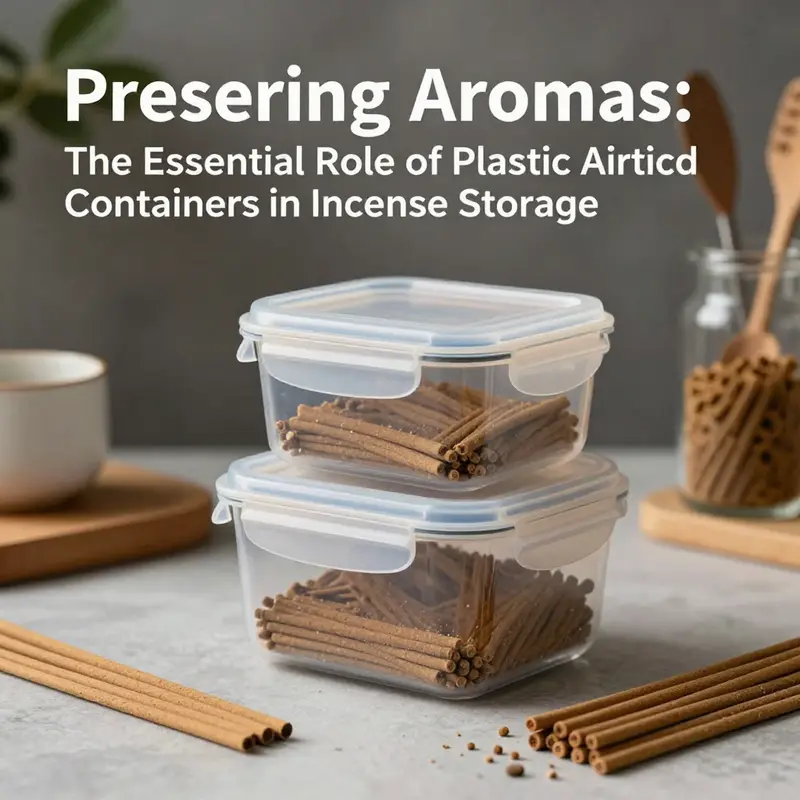
The very shape of these containers also contributes to their durability and usefulness. Many options come in sizes ranging from compact 185 milliliters up to 1.5 liters, a span that accommodates everything from handfuls of incense sticks to larger bundles of cones. The breadth of sizes lets users tailor storage to their quantities and preferred organization method. Classic, straightforward geometries—often cylindrical or squat rectangular forms—maximize stackability and minimize wasted space. Clamps or secure lids are common sealing solutions; some models feature clamps that lock the lid firmly into place, providing tactile assurance that the contents stay dry and contained. Clear or translucent walls offer another practical benefit. When you can see your inventory at a glance, you reduce the chance of moisture exposure from accidental over-handling or prolonged searches for a particular scent. This visual accessibility also makes these containers appealing for retail displays or premium gift sets, where the contents’ appearance contributes to the overall experience.
From a design perspective, the emphasis on practicality does not preclude elegance. Transparent acrylic or clear rigid plastic can deliver a sleek, minimalist look that blends well with various interior styles in homes, studios, or boutique retail spaces. The transparency invites a quick inventory check without opening the container, a feature that many incense lovers value as part of their ritual: noticing the color and density of the sticks, judging whether a cone has softened, or simply confirming that a batch remains intact after a move. Yet the emphasis on durability does not come at the expense of safety or hygiene. The materials used in these containers are often chosen for ease of cleaning and resistance to odors, ensuring that seal integrity is not compromised by lingering scents from other foods or items stored nearby.
For readers who want to broaden their perspective beyond a single product line, there is a natural impulse to compare options that are marketed for food storage with those aimed specifically at incense. The underlying logic remains consistent: a sturdy container with an airtight, leak-proof seal and a composition that resists moisture and oxygen is a reliable ally in preserving fragrance. In practical terms, this means prioritizing BPA-free materials, such as Tritan copolyester, and evaluating the sealing mechanism—whether a vacuum pump, a squeeze valve, or a clamp lid—on the basis of how reliably it prevents air exchange during repeated openings and resealing. The durability of the material matters too; a container that survives daily handling and occasional travel without deforming will protect your incense inventory far more effectively than a cheaper, less robust option.
The multi-functionality of these containers is a key element of their appeal. While their primary use remains storage, their capacity to serve multiple functions makes them a valuable pantry companion for many households. They can protect dry goods such as herbs, spices, or tea leaves, in addition to incense. In some cases, the same container that keeps incense dry and fragrant can be used to store small baking supplies or snack items, provided the contents do not compromise the seal or introduce moisture. This flexibility is especially beneficial in compact living spaces where one storage solution must cover several needs. The ability to seal tightly is crucial not only for keeping odors contained but also for preventing cross-contamination of scents. When incense is stored alongside food items, a well-sealed container helps ensure that aromas remain distinct and do not mingle in undesirable ways.
Another aspect of durability and multi-functionality is the ease with which these containers can be integrated into daily routines. The straightforward shapes and robust construction reduce the cognitive load involved in storage: you do not need to worry about delicate lids or fragile edges that require special handling. A reliable seal means you can pop the lid, access the contents, and reseal with confidence—repeating the process many times without compromising freshness or cleanliness. This level of reliability matters whether you are protecting a personal stash at home, maintaining inventory for a small shop, or preparing a thoughtful gift set that showcases fragrance variety while keeping each component pristine.
In terms of consumer behavior and practical decision-making, the choice of container often hinges on the balance between safety, durability, and aesthetics. For incense, the priority is to prevent moisture ingress and oxygen exposure that can degrade essential oils and aromatic resins. The plastic options described here deliver on that promise without demanding specialized storage spaces or fragile handling. They also acknowledge the realities of everyday life—travel, relocation, and busy households—where samples might be moved, shared, or displayed in multiple settings. A well-chosen container becomes less of a mere vessel and more of a functional, long-term stewardship tool for fragrance.
For readers exploring related product categories and further options, consider exploring the broader range of storage solutions that align with the durability and sealing principles discussed here. You can discover additional options in the storage containers category, which complements the incense-specific use by offering a spectrum of sizes, materials, and sealing technologies that may suit different storage needs. storage containers category.
External resource: https://www.ebay.com/itm/386579012233
Seal, Scent, and Sustainment: Designing Plastic Airtight Containers for Incense Storage
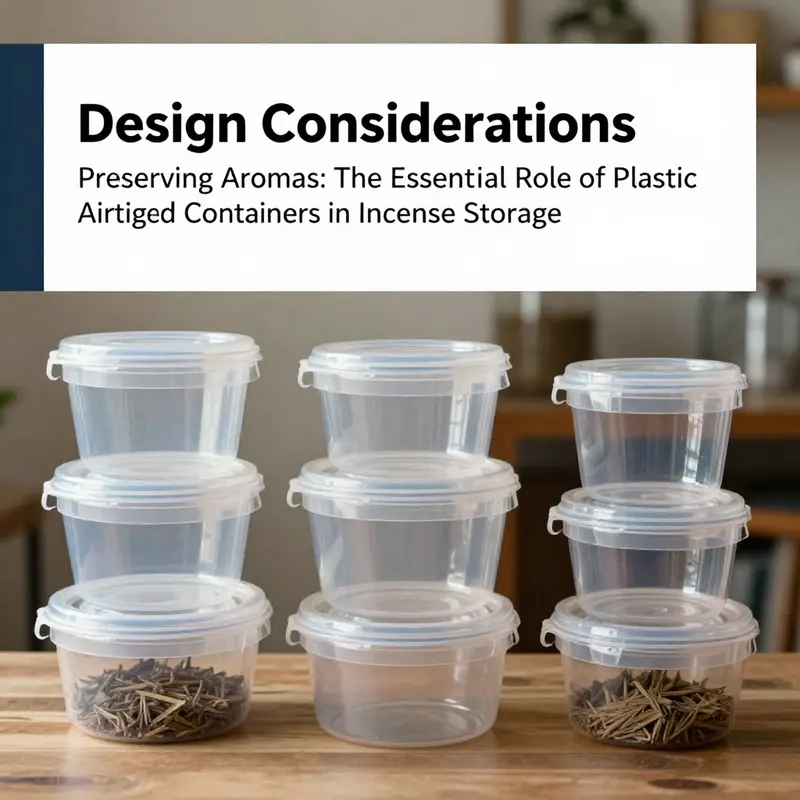
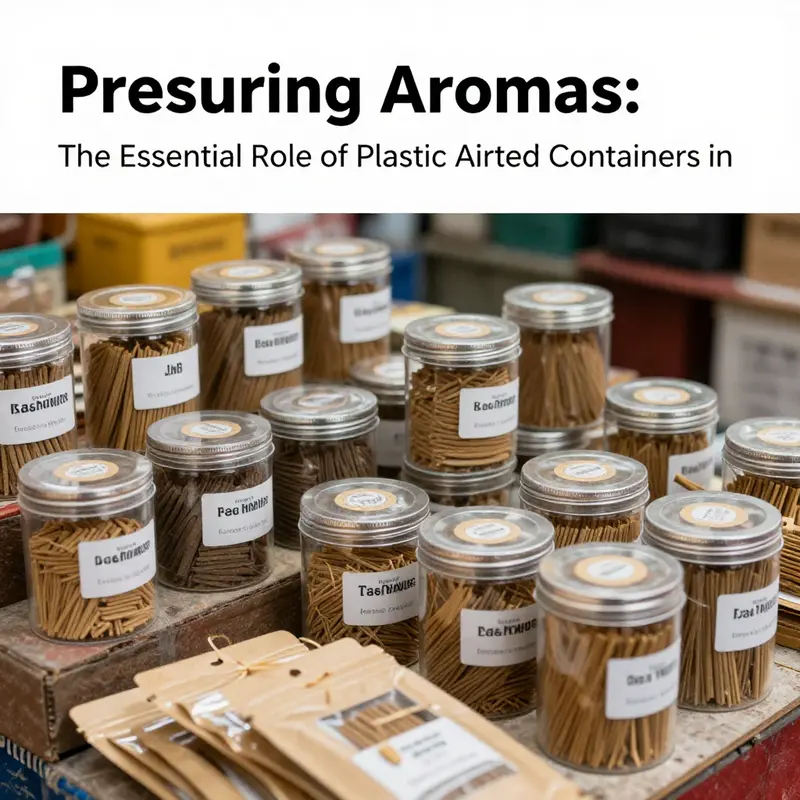
Incense storage design goes beyond simple containment. Incense carries a delicate blend of aromatic compounds, resins, and essential oils that can degrade if exposed to air, moisture, or improper containers. When designing a plastic airtight container for incense, the brief expands to odor integrity, chemical compatibility, and long term preservation of fragrance. The best containers are not just boxes with lids; they are engineered systems that balance materials science, sealing technology, and everyday usability. They should shield incense from moisture and temperature swings while allowing easy access and monitoring without compromising the scent profile or the container’s appearance. The question becomes how a plastic container can actively support fragrance longevity and the user’s experience of ease and confidence. Material choice sits at the center of this design. BPA-free plastics such as Tritan copolyester are widely favored for containers intended to store a range of goods. Tritan is valued for durability, clarity, and resistance to staining and odors compared with older plastics. For incense storage, these attributes translate into advantages: resistance to absorbing aromatic compounds reduces cross contamination between batches; and a safety profile matters for everyday life. Yet no plastic is perfectly inert. Some volatile compounds can interact with plastics over time, so long term storage requires attention to how the material behaves under odor exposure, light, and temperature changes. The best approach is to choose a translucent or lightly tinted resin with proven odor and chemical resistance, and to monitor the container for subtle fragrance changes that might indicate interaction. In design terms, select a resin that minimizes scent retention and cross odor transfer while still delivering the clarity or gloss associated with premium storage. Material choice is the foundation on which all other design decisions rest. The sealing mechanism is the next critical factor. A truly airtight seal keeps incense safe from humidity and from temperature driven air movement. The best designs use a silicone gasket together with a screw threaded lid or a clamp closure that maintains uniform contact with the rim. The goal is to prevent leakage and to create a stable microclimate inside the container. For incense, an interior seal helps preserve delicate blends and slows the rate at which odorous compounds escape when opening and closing. The gasket must stay pliable over time, resist compression, and tolerate repeated cycles without losing effectiveness. The lid geometry should distribute pressure evenly around the seal to avoid weak points. In real life, the seal must perform well in daily use, be easy to operate, and inspire confidence in the container’s integrity. The best designs balance robustness with a user friendly feel that does not require excessive force or fiddly adjustments. Light exposure considerations matter as well. Light, especially UV, can accelerate some degradation pathways in fragrances. A fully transparent container may be aesthetically pleasing but could accelerate fragrance loss for light sensitive blends. To mitigate this, designs use UV protective coloration or mid toned translucence that reduces direct light while preserving visibility. This choice directly influences product longevity and user satisfaction. The aim is to preserve clarity enough to identify incense types at a glance while protecting the aroma profile from unnecessary light. When light protection is paired with a strong airtight seal, the container creates a resilient environment that helps maintain fragrance potency as quantities change and storage routines evolve. Size and form factor complete the key considerations. Ranges vary from small capacities to larger volumes for bulk sticks or larger cones. Interior geometry matters as much as exterior. A tall narrow vessel can hold sticks upright with less risk of breakage, while a wide mouth design eases access and cleaning. A smooth, non porous interior helps prevent residue buildup and simplifies cleaning. The user’s lifestyle is central: a container that fits easily in a kitchen drawer or cabinet, opens and closes with one hand, and tolerates occasional dishwasher or quick wipe downs is more likely to be used regularly and thereby better preserve scent. Even decisions such as making a container free standing or adding a hand pump for vacuum extraction can shape daily habits and influence how consistently storage supports fragrance longevity. Safety and repurposing considerations matter too. Many households reuse food grade containers for incense storage because of their airtight properties. However, the risk of cross scent transfer, odor uptake, and chemical compatibility must be considered. A thoughtful design couples robust sealing with a material that resists odor absorption, adds light protection, and fits typical incense dimensions. A clean, uncluttered aesthetic can support a calm, organized space where fragrance is a daily ritual rather than a mere commodity. In the end, the value proposition is straightforward: preserve fragrance integrity, minimize mess, and integrate smoothly into daily life. The container should feel like a natural extension of the user’s rituals, reliable and unobtrusive, able to preserve fragrance longer than expected. For readers seeking more options, a review of the storage containers category can provide context on how general purpose solutions compare with purpose-built incense storage designs. See the storage containers category for configurations and capacities that suit different households. External resources offer depth on the materials discussed, including the properties and standards behind BPA-free, odor resistant plastics. To understand Tritan copolyester and its chemistry, see official overviews of Tritan copolyester. The material’s interplay with fragrance compounds and its tolerance for cleaning and reuse, along with its FDA-compliant status, provide a solid backdrop for evaluating plastic containers for incense storage. External resource: Tritan Copolyester Overview https://www.eastman.com/products/tritan-copolyester
null
null
Final thoughts
In the pursuit of preserving the enchanting aromas of incense, choosing the right plastic airtight food containers becomes essential for bubble tea shops, restaurants, and other culinary service providers. The airtight properties of these containers provide an unmatched protective barrier against environmental factors, while their safety, durability, and aesthetic design ensure they align with your operational needs. Furthermore, their market viability underlines the increasing demand for quality incense storage solutions. By investing in premium plastic airtight containers, businesses not only enhance the sensory experience of their patrons but also affirm their commitment to quality and safety. Make the switch today to elevate the ambiance in your culinary environment!