

As culinary convenience evolves, boil-in-bag meals are making waves across food delivery sectors. This growing trend simplifies dining for various establishments, including bubble tea shops, restaurants, and catering services, by offering ready-made dishes that maintain quality and flavor with minimal preparation. In this article, we’ll explore how technological advances have streamlined the packaging and delivery of these meals, assess their economic implications on foodservice businesses, and discuss societal preferences shaping consumer choices. Each element reveals how boil-in-bag offerings can enhance menu options and support operational efficiency for diverse establishments.
Smart Boil-in-Bags: Tech-Driven Transformation of Convenient, Safe, and Sustainable Food Delivery
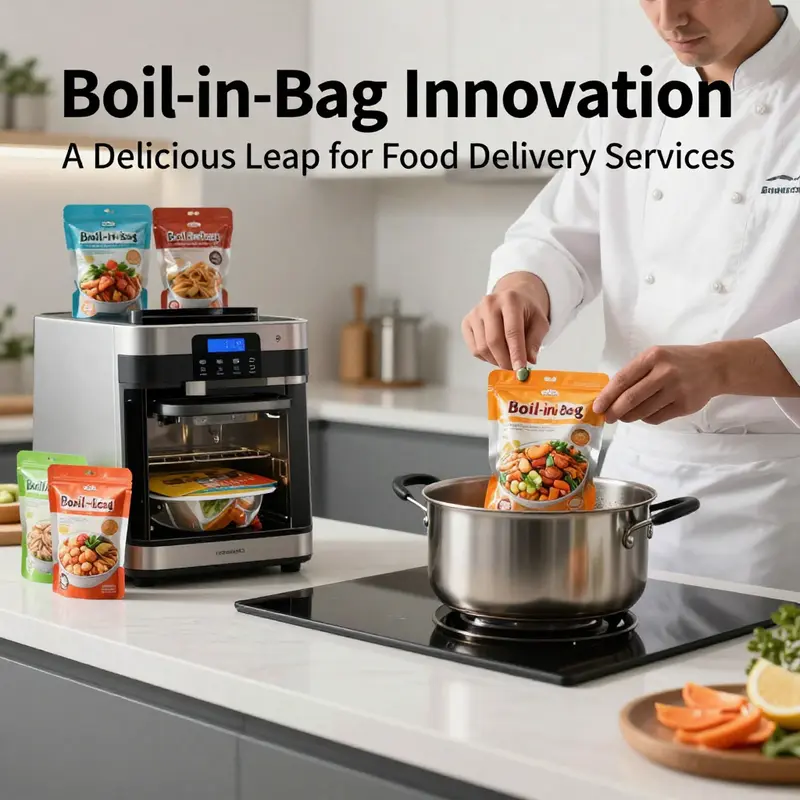
The boil-in-bag concept has evolved far beyond a simple cook-now, eat-later trick. In kitchens around the world, this format now sits at the crossroads of packaging science, digital transparency, and data-enabled consumer experiences. What began as a practical shortcut for busy households has grown into a sophisticated ecosystem where the container itself becomes a conduit for safety, quality, and connection to the broader food system. The trend is not merely about heating a pouch in hot water; it is about orchestrating a reliable, traceable, and satisfying meal journey from packaging line to palm-sized decision point in the consumer’s daily routine. When you watch this evolution closely, you see a pattern: technologies that safeguard the product and inform the consumer while reducing waste and increasing confidence in what lands on a plate.
Central to this evolution is smart packaging. The modern boil-in-bag is more than a barrier that keeps flavors sealed. It now carries digital threads that tie the meal to sourcing narratives, nutritional clarity, and precise cooking guidance. QR codes and near-field communication chips have become common tools that unlock a layered world of product truth. A consumer can scan and learn where ingredients were grown, how they were processed, and how a dish was engineered to deliver a particular texture once heat meets pouch. This level of transparency builds trust at a moment when trust matters most: the moment of preparation and consumption. Rather than simply presenting a list of ingredients on a label, manufacturers can route users to a dynamic experience that explains the culinary technique behind a dish and the cultural lineage of its flavors. It is not about marketing fluff; it is about empowering informed choices in real time. The effect is cumulative. When a family scans a code and sees a cuisine’s provenance alongside clear, actionable cooking instructions, the perceived value of the meal rises. Convenience is not just speed; it is confidence that a dish will deliver expected taste and safety without guesswork.
The packaging itself has become a platform for safety assurance through real-time monitoring. Advances in materials science and sensor technology enable boil-in bags to elevate quality control in storage and during cooking. Hybrid films now combine barrier properties with intelligent components that respond to heat and time. Temperature-sensitive indicators embedded in the pouch can provide visual cues if a product was exposed to temperatures outside safe ranges at any point in the supply chain. More sophisticated systems employ micro-sensors that monitor internal conditions such as temperature, moisture, or even gas composition. These sensors can relay data to connected devices, enabling brands to verify that a pouch reached the precise thermal threshold required for safe and consistent cooking. The consumer benefits are tangible: peace of mind that a meal is not merely hot, but correctly hot, thus preserving texture, aroma, and nutritional integrity. Through this lens, boil-in-bag meals evolve from simple heat-and-serve options into evidence-backed experiences that invite people to trust the process as much as they trust the product description.
This transformation is inseparable from the materials themselves. The most visible shifts involve heat resistance, packaging integrity, and barrier performance. Multilayer laminates continue to be refined to withstand boiling while protecting delicate flavors and vitamins. Yet the push toward sustainability is reshaping material choices as well. Developers are exploring bio-based polymers and recyclability improvements that still meet the demanding barrier requirements of a boil-in-bag system. In practice, this means companies are balancing performance with end-of-life considerations, seeking to reduce the environmental footprint without compromising safety or taste. The debate between recyclability and compostability is nuanced. Some markets prioritize mechanical recycling streams for high-volume packaging, while others explore compostable alternatives that can return nutrients to the soil. The reality is often a blended approach, with packaging designed to be accepted in specific regional waste systems, accompanied by clear on-pack guidance. The result is a form of packaging that communicates not only how to cook but how to dispose responsibly, turning a simple meal into a small act of environmental stewardship.
Behind these material choices lies a broader supply-chain vision: digitization that stitches production, packaging, transport, and consumer use into a single, traceable fabric. Manufacturing lines equipped with sensors and automated control systems can adjust to demand in near real time, reducing waste and ensuring consistency across batches. The same digital backbone supports quality assurance protocols that verify ingredient integrity and align with regulatory standards. When a product moves from a facility to a consumer’s kitchen, the chain remains auditable. Temperature logs, batch codes, and sensor readings can be accessed by brands and, with consumer consent, by customers themselves. This level of traceability has several practical benefits. It supports recalls with pinpoint precision rather than broad, costly campaigns. It helps retailers and manufacturers optimize shelf life and storage conditions. And it provides a foundation for personalized nutrition programs, where a user’s dietary goals can be matched with meal options that carry verified data about macronutrient content, allergen status, and culturally relevant flavors.
The consumer experience sits at the heart of these advancements. The boil-in-bag format is popular precisely because it streamlines decision-making at the moment of purchase and during meal preparation. Smart packaging elevates this experience by reducing cognitive load in two critical ways. First, real-time information becomes dynamically accessible, removing the need to interpret dense nutrition panels or ambiguous cooking times. Second, the packaging and its digital extensions create a feedback loop that informs product development. Consumer responses captured through scan data, app interactions, and post-meal feedback enable brands to tune recipes, adjust spice balances, or propose complementary sides that align with a given dish’s profile. The result is a more responsive ecosystem where the wariness of “will this taste right?” gives way to a data-informed confidence that the meal will meet expectations.
In addition to safety and convenience, smart boil-in-bag systems are redefining sustainability metrics in meaningful ways. The potential to reduce waste hinges on better preservation and precise cooking. When sensors report freshness in real time, the likelihood that a package will be discarded due to spoilage diminishes. Accurate cooking indicators help prevent undercooking or overcooking, both of which can degrade flavor and texture and lead to unnecessary waste. The packaging becomes a guardian of quality across the product’s journey, from warehouse to platter. For households seeking lower environmental impact, this translates into tangible benefits: longer storage life, reduced spoilage, and confidence that a higher portion of the purchased meal will be consumed rather than discarded. Over time, as the appetite for transparent nutrition grows, these systems can also support healthier choices. When a scan reveals not only ingredients but precise nutritional targets aligned with a consumer’s plan, the meal becomes a collaborative partner in daily health goals rather than a blank option on a shelf.
The technology of boil-in bags also intersects with the broader shifts in consumer expectations around food safety, privacy, and data stewardship. Scannable codes and connected devices inevitably raise questions about who is collecting data, how it is used, and what control consumers have over their information. Responsible design emphasizes opt-in data sharing, clear explanations of purposes, and robust security to prevent misuse. Brands that approach data with transparency foster trust, reinforcing the idea that technology exists to support better meals, not to surveil everyday life. In this sense, the boil-in-bag trend becomes a model for responsible innovation: a practical cooking tool that also embodies a commitment to safety, sustainability, and consumer respect. It is not a tale of gadgetry for gadgetry’s sake; it is a narrative about aligning advanced materials, digital traceability, and humane data practices to deliver reliable meals that feel both fresh and thoughtful each time they are prepared.
The role of design in this evolutionary arc cannot be overstated. As boil-in-bag meals proliferate across markets with varied dietary needs—gluten-free, plant-based, high-protein, low-sodium—packaging must communicate essential information quickly and unambiguously. The textual content on the pouch is often complemented by visual cues, such as color-coded cooking instructions or heat indicators that change during the boil. For a consumer, this integration reduces the effort needed to interpret cook times, while still honoring the sensory cues that make a dish appealing. The design challenge extends to the packaging interface itself: the materials must tolerate repeated handling, the QR or NFC components must remain scannable after boiling, and the overall form must remain user-friendly for a broad audience, including those with limited dexterity or vision. In response, designers collaborate with engineers to create intuitive packaging geometries, clear typographic hierarchies, and resilient digital tags that survive the rigors of home preparation.
The interplay between cooking science and packaging technology becomes particularly pronounced when considering cultural and dietary diversity. Boil-in-bag meals are increasingly engineered to deliver authentic flavors across a spectrum of cuisines while maintaining rigorous safety standards. Achieving this balance requires precise flavor science, robust sourcing information, and flexible production processes capable of delivering varied recipes at scale. Smart packaging supports this diversity by accommodating different cooking parameters and follow-up steps for each dish. It can also enable dynamic pricing and portion adjustments based on consumer preferences or regional availability, all while ensuring that the integrity of the cooking process remains intact. In practice, this means that a single packaging platform can support a range of recipes, each with its own set of transparency data, cooking instructions, and sustainability considerations. The result is a versatile, adaptable system that can respond to shifting consumer tastes without sacrificing the core advantages of boil-in-bag usability.
One practical consequence of these technologies is the potential for reduced returns and faster iteration cycles. When cooks can verify that a product has retained its quality through a digital log, the likelihood of miscommunication or mislabeling declines. Suppliers can detect where a process faltered—perhaps a storage temperature excursion or a packaging seal issue—before a problem reaches a consumer. This proactive quality management reduces waste and protects brand reputation. It also provides a foundation for more personalized meal experiences. If a consumer consistently enjoys a particular style of dish, the data trail can guide recommendations for similar meals with transparent ingredient sourcing and nutrition profiles. The long-term implication is a food-delivery landscape where choices are not only convenient but also well-explained and aligned with personal values.
The convergence of these elements—smart packaging, advanced materials, real-time sensing, and rich digital content—reflects a broader industry movement toward integrated, data-informed food systems. In boil-in-bag meals, packaging becomes a cross-functional vehicle for safety, quality, sustainability, and consumer engagement. It is no longer enough to ensure that a pouch can withstand boiling; the pouch must also carry meaningful, accessible information and actively participate in the cooking process. This shift invites manufacturers to rethink the entire lifecycle of a product, from ingredient verification and supplier audits to end-of-life strategies and consumer education. When executed with discipline and care, this approach yields meals that are not only quick and easy but also reliable, transparent, and aligned with modern sensibilities about health, environment, and personal agency.
To bring these ideas to life in everyday settings, manufacturers are embracing cross-disciplinary collaboration. Food scientists, materials engineers, data scientists, and communication designers work together to balance safety margins with user-friendly experiences. For instance, the choice of a packaging material is no longer solely an engineering decision; it is also a conversation about how easily a consumer can read a cooking instruction while standing at the stove, how the tag can survive routine dishwashing in a kitchen if the pouch is reused for any reason, and how the overall aesthetic communicates trust. The result is a cohesive system where physical and digital elements reinforce each other, reducing friction at the moment of use and increasing consumer satisfaction across the lifecycle of the meal. The sophistication of boil-in-bag meals thus mirrors the maturity of the food-tech sector—an industry that moves with agility yet remains anchored in the fundamentals of safety, nutrition, and reliability.
As this technological trajectory continues, the potential for educational and cultural enrichment grows as well. Smart packaging can host short narratives about a dish’s origins, regional variations, and traditional preparation methods. Such content does not merely fill screens; it invites people to engage with flavors that might be unfamiliar and to understand the cooking techniques that bring them to life. In a market that thrives on discovery, these features make each boil-in-bag meal a micro-lesson in cuisine and technology, a compact package that respects both the cook’s time and the richness of culinary heritage. Importantly, this educational layer can be tailored to different audiences, whether a family seeking family-friendly meals, a student exploring plant-based options, or a health-conscious consumer tracking sodium or saturated fat intake. The technology makes each of these paths accessible without sacrificing the sensory joy of eating.
The path ahead looks both challenging and exhilarating. Regulatory frameworks will increasingly shape how data is collected, stored, and shared, and how materials are evaluated for safety and environmental impact. Companies will need to navigate regional differences in labeling, nutrient disclosure, and recycling infrastructure. At the same time, consumer expectations will continue to rise for clarity, speed, and ethical stewardship. The boil-in-bag format stands to benefit from the careful alignment of these forces: it can deliver rapid meals while simultaneously offering verifiable safety, traceable provenance, and meaningful choices about sustainability. The technology that powers this transformation—sensors, digital tags, and smarter packaging—will mature further, bringing even subtler forms of feedback into the home. Imagine pouches that adjust cooking guidance based on altitude or water hardness, or that communicate with kitchen devices to optimize heat transfer, preserving texture and color with precision. The concept remains practical today, but its potential is only beginning to unfold as the ecosystem learns to harness data responsibly and translate it into tangible improvements on every plate.
For researchers, policymakers, and industry leaders, the boil-in-bag frontier offers a compelling canvas for experimentation. It challenges us to design packaging that balances mechanical performance with ecological responsibility, to create data architectures that respect privacy while enabling consumer empowerment, and to encourage culinary authenticity within standardized production processes. It calls for a shared vocabulary among scientists, engineers, designers, and marketers so that a consumer can confidently scan a code, learn the story behind a dish, and feel assured about what arrives in their kitchen. It also invites ongoing dialogue with waste management networks, recyclers, and municipal authorities to ensure that the packaging strategies adopted today remain compatible with the waste streams and recovery systems of tomorrow. In short, the technology of boil-in bags is not a single invention but a collaborative, evolving system that reflects how modern food delivery can be safer, smarter, and more sustainable without sacrificing the joy of cooking and sharing meals.
The practical implication for readers and consumers is clear. When you reach for a boil-in-bag meal, you are choosing not only convenience but a product that has been thoughtfully engineered to support safe cooking, accurate nutrition, and responsible behavior around disposal. You are engaging with a packaging system that communicates, protects, and adapts. You are participating in a kitchen experience that can be personalized while remaining accessible to all. This is the promise of the next generation of boil-in-bag meals: a harmonized blend of culinary tradition and digital-age assurance, where every boil is a step toward a better understanding of what we eat and how it travels from source to sustenance. In this light, the boil-in-bag format is not a temporary convenience but a platform for ongoing innovation that aligns with broader goals of health, transparency, and sustainability across the food ecosystem.
Internal link reference: As packaging design becomes more complex and data-rich, a broader ecosystem of materials and printing processes supports these advancements. For readers interested in how packaging visuals and functional printing contribute to clarity and safety on boil-in-bag products, see the resources at packaging printing.
External reference for further reading: Smart packaging technologies and market insights are discussed in depth in Market Research Future’s overview of the boil-in-bag market, which explores current trends, regulatory considerations, and growth projections. External resource: https://www.marketresearchfuture.com/reports/boil-in-bags-market-2739
Echoes of Convenience: Reading the Economic Pulse of Boil-in-Package Meals in a Delivery Economy
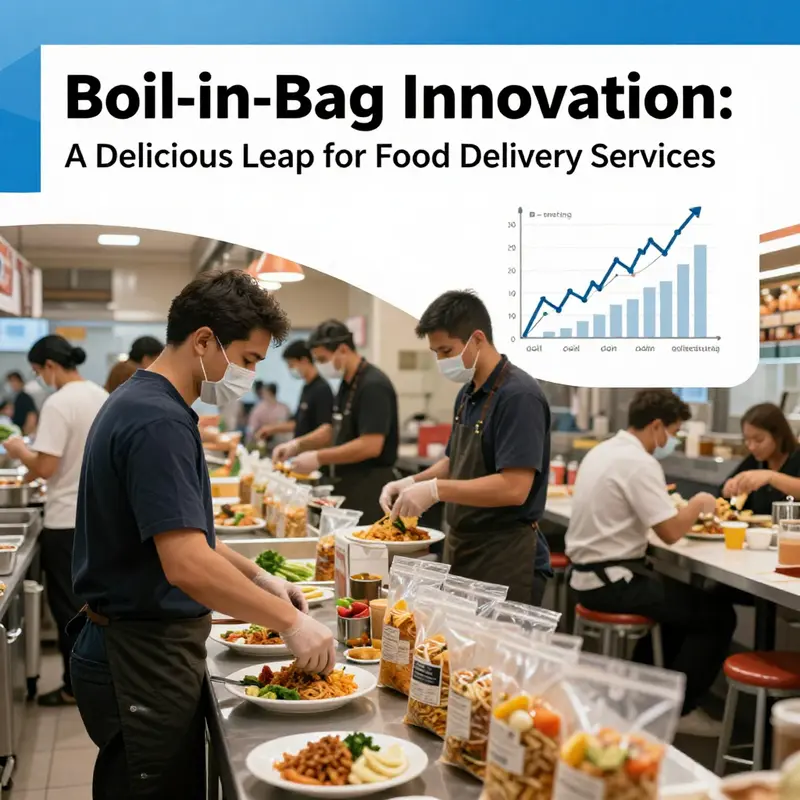
In the expanding theater of food delivery, boil-in-bag meals have emerged as a quiet, dependable actor that keeps the scene moving even when kitchens are crowded or time is scarce. They are not merely convenient sachets ready for a quick boil; they are a compact, scalable system that connects farmers, manufacturers, packaging engineers, logistics networks, and countless households into a single, fast moving value chain. The economic story around these packages is about efficiency, digital storefronts, and standardized product formats that shape incentives and risks across the industrial ecosystem. Market signals show growth: in 2024 the global boil-in-bag market stood at about USD 1.81 billion, with forecasts near USD 2.95 billion by 2032. Those numbers reflect a shift in how people eat, shop, and how value is created in food systems. The expansion aligns with rising demand for prep ahead meals that heat directly, while traveling through a vast online delivery network that promises speed and reliability. The scale implied has implications for investment, employment, and the structure of the supply chain. It also foreshadows how packaging choices ripple outward to affect costs, opportunities, and policy considerations across cities and nations.\n\nAt its core the boil-in-bag model embodies a simple idea: seal a balanced ready-to-eat dish in a heat tolerant medium and rely on boiling water as the sole active cooking step. The economics rest on a few interconnected levers. First is the packaging system that must withstand boiling temperatures, protect flavor and texture, and survive through transit and storage. Second is the manufacturing and assembly line that fills, seals, and sterilizes pouches with consistent quality. Third is the distribution network that moves these packages from production to shelves or directly to consumers via subscription or on-demand services. Each link must perform with low variance because in a delivery economy even small inefficiencies cascade into delays and higher costs. The consequence is a chain where capital is weighted toward machinery, packaging materials, and cold- or heat-stable logistics, pushing up upfront costs while the promise of higher turnover can improve throughput over time.\n\nThis dynamic matters especially in households juggling work, care, and leisure. Convenience translates into economics when households trade labor for meals, and the boil-in-bag option converts minutes of boiling water into a hot, ready-to-eat dinner. The market expansion is not just about retail shelves; it is about creating a reliable, scalable heat-and-serve experience that fits into a broader delivery ecosystem. For manufacturers and suppliers, this translates into a demand for highly standardized product formats that travel well, heat quickly, and maintain quality across recipes and dietary preferences. The online meal-delivery sector amplifies this effect because boil-in-bag meals can be distributed through digital channels with demand signals that improve forecasting and reduce stockouts. The result is a virtuous circle: more predictable demand supports investment in packaging innovations and capacity, which in turn improves service levels and speeds delivery.\n\nThe economic opportunities are real and multifaceted. On the demand side, manufacturers and packaging suppliers gain from higher volumes, better economies of scale, and the opportunity to diversify assortments from vegetarian dishes to high-protein options. The packaging industry benefits from advances in polymers, coatings, and heat sealing that extend shelf life and enable efficient boil times. This translates into lower spoilage, fewer returns, and fewer complaints about texture changes. On the supply side, boil-in-bag growth drives demand for upstream materials such as resins, adhesives, barriers, and tests for heat stability and food safety. These dynamics animate jobs and capital spending in chemical plants and extrusion facilities, as well as logistics, printing, and warehousing.\n\nOne visible channel of impact is employment. Regions adopting boil-in-bag meals often see a rise in skilled roles in packaging design, quality control, automation, and line maintenance. The need for engineers who understand polymer science, heat resistance, and seal integrity grows as the packaging system becomes more sophisticated. This supports training programs and partnerships with technical schools to build a workforce capable of higher throughput while maintaining safety and quality. The result is a broader economy where boil-in-bag acts as a driver of industrial activity beyond the kitchen.\n\nYet the growth brings challenges. Single-use packaging raises waste management questions and environmental costs as volumes rise. Municipalities face costs to collect, separate, and process packaging that can involve multilayer materials. Environmental costs can be lifted by policies such as extended producer responsibility and design-for-recyclability, shifting some costs upstream. For a business model built on speed, policy agility becomes strategic. Firms that invest in sustainable materials and recovery systems may protect margins, while those slow to adapt risk price pressure and market erosion. The economic narrative is then about balancing efficiency with responsibility, and resilience with cost.\n\nA practical frame shows how boil-in-bag touches broader market forces like inflation, exchange rates, and energy prices. Packagers rely on global supply chains for resins, adhesives, and coatings, and disruptions can ripple through costs. Energy prices affect both the boiling step at home and the sealing steps in factories. Transportation costs influence delivery timelines and the viability of free or low-cost shipping that supports customer acquisition. When these variables move together, the proposition tightens. Companies respond by innovating to reduce material use, negotiating long-term supplier contracts, and using data to optimize production and distribution. Packaging becomes a strategic lever that can improve speed, reduce waste, and lower costs while enabling more varied menus.\n\nIn this broader frame packaging design acts as a platform that can boost process efficiency, product quality, and end-of-life outcomes. Optimizing a pouch for heat transfer, leak resistance, and minimal headspace yields faster boils, lower energy use, and fewer returns. Design choices can also streamline recycling where feasible, reducing municipal costs and closing loops in the waste stream. The packaging thus becomes a shared investment among brands, manufacturers, recyclers, and municipalities. There are cross-cutting gains, but alignment across stakeholders with diverse incentives is essential for realizing them.\n\nThe boil-in-bag format also intersects with packaging printing and converting, which supply labels, seals, and barrier layers. Regulatory demands for clearer nutrition labeling, tamper evidence, and temperature instructions can affect economics. Inks, seal durability, and graphics influence both cost and consumer trust. The boil-in-bag meal becomes a canvas at the crossroads of food science and materials engineering, where economic outcomes are shaped by material costs and the value of a positive consumer experience. For readers curious about market dynamics, there is a growing body of resources on packaging printing in relation to food safety that can be explored through industry publications and research databases.\n\nOf course the story includes challenges. The convenience of boil-in-bag meals comes with waste and energy costs, and consumer preferences can shift with the price of alternatives. Pricing strategies must balance base materials costs, packaging, processing, and fulfillment against willingness to pay, promotions, and loyalty incentives offered by platforms. The ecosystem requires robust demand forecasting, agile pricing, and efficient logistics to preserve margins while maintaining the value proposition. The final act is sustainability, where smarter packaging, lower material footprints, and better data on waste recovery can reduce disposal costs and support continued demand. In sum, boil-in-bag economics blends opportunity and responsibility and invites ongoing dialogue among retailers, manufacturers, recyclers, policymakers, and consumers. The next chapters may explore consumer behavior, environmental policy responses, and strategic implications for players across the value chain, with external market studies and forecasts supporting strategic planning.
From Convenience to Conscious Choice: Societal Preferences in the Rise of Boil-In-Packaged Meals
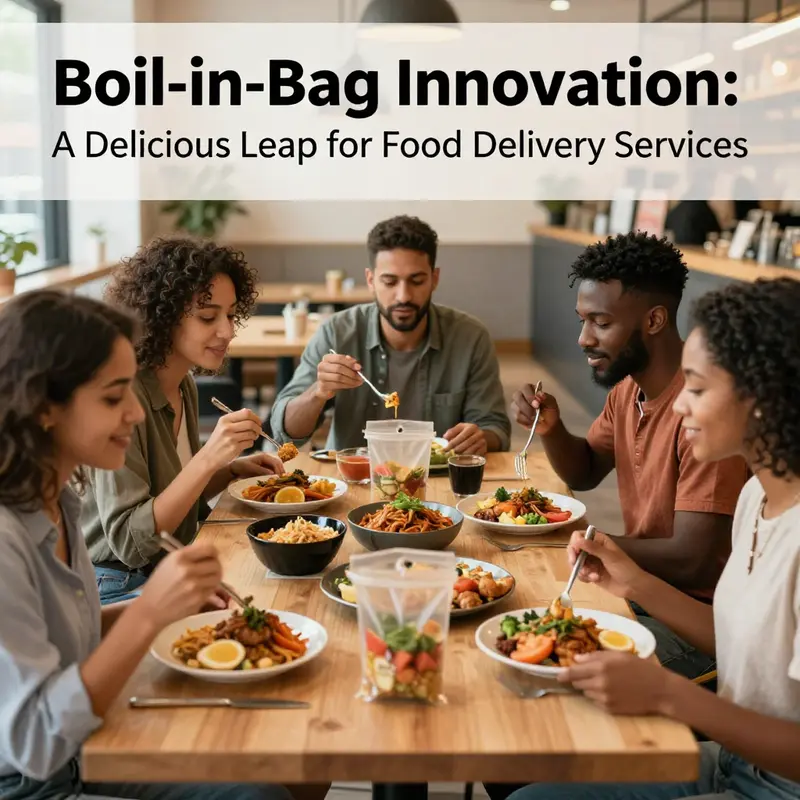
The boil-in-pack concept arrives at the intersection of speed, safety, and perceived home cooking. It signals a shift in how meals are conceived, prepared, and consumed in a world where time is a currency and cleanliness is a non-negotiable. As bags go from the pantry to the pot, they embody a broader adjustment in everyday eating: a move away from hands-on cooking toward a streamlined process that preserves flavor and nutrition while dramatically cutting the mess and the cleanup. This chapter follows that arc, tracing how society’s tastes, values, and routines are coalescing around boil-in-packaged meals and why this format has become a durable feature of modern food culture rather than a temporary novelty.
Market signals reinforce the narrative. While the familiar image of a ready-to-eat tray has long occupied supermarket aisles and convenience store fridges, the boil-in-bag format offers a distinct value proposition in the modern retail and delivery ecosystem. A global market projection places the boil-in bags sector on a steep ascent, growing from about USD 1,810 million in 2024 to roughly USD 2,950.83 million by 2032. This trajectory is not just a statistical flourish; it reflects a convergence of consumer desire for speed, hydration of home-style flavors, and a packaging design that promises both safety and simplicity. The numbers speak to a broad audience, from busy urban professionals seeking reliable dinners to families looking for nutritious options that fit into packed weeknights and weekend schedules alike. The rise of boil-in-packaged meals aligns with a larger trend toward meal formats that minimize prep, reduce post-meal cleanup, and deliver a consistent, comforting eating experience without demanding culinary skill or a significant time commitment.
What do people want when they choose a boil-in-bag option? In a word: ease. But ease is not monolithic. It encompasses speed, hygiene, predictability, and the reassurance that the meal will arrive at the right temperature, with the right texture, and without a cascade of waste. Consumer research into delivery choices shows that packaging type can meaningfully influence satisfaction. If the packaging design supports reliable heating, preserves aroma and texture, and reduces waste, diners are more likely to rate the experience highly. In the boil-in-bag format, the packaging plays a pivotal role not merely as a container but as an interface between raw ingredients and a finished dish. The experience hinges on whether the pouch can withstand boiling temperatures without compromising safety, whether the seal prevents leaks, and whether the bag contents emerge with mouthwatering flavor and balanced seasoning after a few minutes in hot water. These factors matter because they shape trust, which is the currency of repeated orders and long-term loyalty in a landscape dominated by choice.
The appeal of boil-in meals also intersects with broader dietary and health-conscious currents. A 2025 study on meal delivery formats highlights a growing appetite for options that support balanced nutrition, even when preparation time is short. When used to present nutrient-dense ingredients—such as lean proteins, whole grains, fiber-rich vegetables, and modest sodium levels—boil-in bags can align with contemporary dietary goals. The format makes it feasible to offer varied menus that accommodate preferences like plant-based diets, reduced-carbohydrate plans, or higher-protein combinations without demanding the cook to assemble everything from scratch. The packaging itself is part of the health narrative: it must protect nutrients during transit, minimize exposure to moisture and heat that could degrade quality, and present clear, accurate information about serving sizes and ingredients. This creates a virtuous loop where health-forward choices become easier to implement, reinforcing customers’ confidence in the delivery model.
Sustainability profiles are central to how society evaluates boil-in packaging. The same packaging that delivers convenience is also subject to scrutiny for its environmental impact. In many cases, boil-in bags are designed to reduce waste relative to multi-component meal kits, because single-portion, self-contained pouches can lessen the number of separate packaging elements and reduce over-packaging that often accompanies assembled meals. Yet the material choices matter. A growing emphasis on recyclability, compostability, and safer polymers informs the development of boil-in-bag materials. Consumers increasingly expect packaging to be robust under heat yet easy to recycle or dispose of, a balance that pushes material science toward thinner, more durable films, barrier coatings that extend shelf life, and easy-separation systems for recyclers. The design challenge is not only to keep food safe in boiling water but to ensure that the packaging itself does not become a post-consumer burden. In this context, the most successful boil-in offerings present a coherent value proposition: fast, convenient meals that also respect environmental sensibilities and provide transparent guidance on disposal. The societal preference is shifting toward formats that can deliver flavor, texture, and safety with as little waste and as little friction as possible, and packaging manufacturers are responding with materials that perform under heat while offering pathways to reuse or recycling when feasible.
The social dimension of this trend is as important as the technology. In dense urban settings, households range from solo diners to families sharing devices, screens, and calendars. The boil-in-bag format reduces the cognitive load associated with meal planning on a busy night. It also resonates with lifestyles characterized by flexible routines, irregular work hours, and the constant juggling of errands, school schedules, and social commitments. The convenience is not simply about time saved in cooking; it’s about reclaiming minutes that might otherwise be lost to planning, shopping, and post-meal cleanup. When a consumer can place a sealed pouch in boiling water and have a hot, ready-to-eat dish in minutes, there is a sense of empowerment that extends beyond nourishment. It becomes a practical assertion of control in a life where time is fragmented and choices are plentiful. This sense of control translates into a broader cultural confidence in the boil-in approach, a confidence that extends to how people think about value, nutrition, and the environment.
The personal aspect of preference cannot be ignored. For many households, boil-in meals offer the possibility of authenticity—home-cooked flavors recreated in minutes. The culinary imagination is not diminished by the convenience; rather, it adapts to new constraints and new tools. Manufacturers respond by crafting spice blends, textures, and ingredient combinations that mimic traditional meals while ensuring compatibility with the boil-in process. The aim is not to replicate an exact recipe but to evoke a sense of place and memory through a carefully balanced palate. In a society that celebrates culinary diversity, boil-in-bag formats become a flexible canvas. They can deliver the warmth of a familiar dish or introduce diners to emerging flavor profiles from different cuisines, all within a controlled, predictable heating method. The consumer’s willingness to experiment is reinforced by reliable outcomes—the aroma, the appearance, and the mouthfeel align closely with expectations, even after the meal has traveled through complex supply chains and sat on a shelf for a computed period of time.
When we think about the lifecycle of a boil-in-bag meal, we must look at what happens before and after the consumer’s act of heating. Before heating, the product’s packaging must survive cold chain storage, transit vibrations, and occasional mishandling. This means the pouch material must tolerate rapid temperature changes, resist punctures, and maintain a locked seal under pressure. After heating, there is the matter of disposal. The preference for reduced packaging waste becomes more than a marketing claim; it evolves into a standard by which manufacturers gauge the success of a product. The packaging must communicate clearly how to dispose of the bag, whether it can be recycled in a given municipal stream, and if there are local composting options. Although the ideal scenario is recyclable packaging that can be processed through existing infrastructure, the practical reality varies by region. Consumers are increasingly attentive to these differences, and the burden of responsibility falls on producers and retailers to provide accurate guidance and accessible disposal options. In response, packaging designers and supply chain managers are experimenting with materials that are not only heat-stable but also compatible with more sustainable end-of-life pathways. The result is a landscape in which sustainability is not an afterthought but a core criterion embedded in product development.
The design of boil-in bags also reflects a broader shift toward transparency in food communication. Clear labeling, precise cooking instructions, and straightforward nutritional information help consumers make informed choices quickly. A boil-in-bag dish is judged not only by its taste and texture but by how well it communicates its ingredients, allergens, and potential dietary accommodations. This is especially important as more households manage dietary restrictions, cultural preferences, and health considerations within a single family or shared living environment. The packaging thus becomes a brief and efficient translator between the kitchen and the consumer’s table, translating ingredients and preparation steps into cues that guide safe heating and confident consumption. In this sense, the packaging is an educational device as much as a container, contributing to a more empowered and informed consumer base.
A subtle, but influential factor in societal preference is trust. Trust in a boil-in-bag format rests on consistent quality, transparent safety practices, and predictable outcomes. When a consumer has experienced a handful of successful meals in a row, that positive pattern compounds into brand equity, repeat purchases, and even word-of-mouth recommendations within social networks. Reliability in this context extends beyond taste. It encompasses the sensory experience—the way steam carries aroma, the color of the vegetables after a brief boil, and the tenderness of the protein after the recommended time. It also includes the emotional resonance of not feeling deprived of home-cooked goodness, even when a person does not have the time or skills to replicate it from scratch. In a society where groceries travel further and the pressure to prepare meals from scratch is intense, boil-in-bag options represent a constructive compromise between convenience, flavor, and nourishment. They provide a path to maintain cultural meals, dietary diversity, and personal routines without sacrificing the core satisfaction that comes from a hot, freshly cooked dish.
The internal ecosystem around these meals—retailers, delivery platforms, and packaging suppliers—has learned to move with the cadence of consumer expectations. The packaging, logistics, and cooking guidelines are not separate silos; they are parts of an integrated system designed to deliver a consistent product experience. This integration is visible in the way packaging choices influence a consumer’s perception of value and safety. For instance, the choice of packaging materials can affect the product’s perceived quality, the ease of preparation, and the environmental footprint of the meal. The packaging is, in effect, a customer interface that shapes how households feel about convenience, health, and responsibility. When retailers and manufacturers align these elements with the realities of urban life—busy commutes, irregular schedules, and the desire for predictable meals—the boil-in-bag format can secure a durable place in daily routines. The emphasis shifts from a novelty to a dependable option that competes not only with traditional cooking but with other convenience formats that promise speed and ease with varying degrees of transparency about nutrition and sustainability.
The potential for personalization within boil-in-bag meals is another driver of societal preference. As consumers seek options that align with individual or household dietary goals, the capacity to tailor bundles—whether by macronutrient balance, inclusion or exclusion of certain ingredients, or regionally inspired flavor profiles—becomes a significant differentiator. In practice, this means that meal providers are expanding their catalogs to include low-carbohydrate dishes, high-protein offerings, plant-based menus, and allergy-aware selections. The boil-in-bag format can accommodate these variations without sacrificing the simplicity that makes them appealing in the first place. The onus falls on developers to craft recipes that hold up under boiling conditions, maintain texture and color, and deliver a balanced sensory experience. Achieving this balance requires careful formulation, precise processing conditions, and a robust quality assurance framework that can scale with demand while preserving individual specification.
The discourse around boil-in-packaged meals also invites reflection on how these products influence broader cooking cultures. Critics worry that the ubiquity of ready-to-heat meals could erode traditional cooking skills or family meal rituals. Proponents counter that these meals free up time for other culinary activities, such as experimenting with new flavors, learning about nutrition, or simply sharing a meal with others after a long day. In either view, boil-in packaging acts as a catalyst for a shifting relationship with food—one where convenience coexists with curiosity, and where the kitchen becomes less about labor-intensive preparation and more about selecting, warming, and savoring a dish that still carries the warmth of home-cooked cuisine. The social meaning of the boil-in-bag experience, then, is not simply a function of speed; it reflects a recalibration of how people allocate attention, what they value in meals, and how they see their responsibilities toward health, family, and the environment.
This chapter has threaded together several threads that commonly appear in analyses of contemporary food delivery formats: speed without sacrifice, safety without excess waste, nourishment without heavy labor, and flavor with a story that reaches beyond the plate. The boil-in-bag format embodies a philosophy of modern eating that respects time, health, and the planet. The design of the packaging, the reliability of heating, the clarity of labeling, and the availability of nutrient-dense options all contribute to a consumer experience that can feel both comforting and responsible. The societal preference for these meals, then, is not a single impulse but a tapestry of priorities: convenience that respects health; sustainability that does not demand compromise; variety that honors dietary needs and cultural curiosities; and a packaging narrative that guides users toward safe handling and mindful disposal. When seen through this lens, boil-in-bag meals emerge as more than a trend. They represent a deliberate evolution in how people think about cooking, eating, and living well in a complex, time-pressured world.
For readers curious about how this trend translates into broader packaging strategies and material choices, the discussion of plastic packaging is especially telling. The format’s success hinges on a balance between heat resistance, safety, and environmental considerations, a balance that continues to push materials science toward innovations in barrier properties and recyclability. Plastic packaging, when designed with clarity and end-of-life options in mind, can contribute to a more streamlined, lower-waste dining pipeline while maintaining the integrity of the food inside. See more on the topic of modern packaging options here: Plastic Packaging.
As with any evolving sector, the boil-in-bag format faces ongoing questions about efficiency, equity, and access. Will the expansion of boil-in meals help reduce time poverty for lower-income households, or will it exacerbate disparities if pricing remains a barrier? How will regional differences in waste management infrastructure shape the environmental performance of these meals across geographies? Can manufacturers continue to advance the sensory quality and nutritional value of dishes while keeping waste and energy use in check? The answers will depend on a complex dance of policy signals, corporate responsibility, and consumer education. Yet the core tendency is clear: societies appear to be gravitating toward formats that harmonize convenience with health and sustainability, and boil-in-packaged meals are well positioned to ride that trajectory as long as the packaging and the narrative around them remain compassionate to both people and the planet.
External reading for broader context on dietary trends and meal-kit delivery is available here: https://www.mdpi.com/2072-6643/17/1/123
Final thoughts
Boil-in-bag meals are not just a passing trend; they represent a significant shift in food service dynamics. Through technological innovation, these meal solutions enhance operational efficiency and profitability for restaurants, catering operations, and food truck services. Moreover, as consumers increasingly prioritize convenience and variety, the societal demand for such offerings continues to grow. By adopting and promoting boil-in-bag solutions, food businesses can satisfy consumer cravings for tasty and quick meals, ultimately positioning themselves for future success in a competitive market.