

In a world where branding and aesthetics dramatically influence consumer choices, the Clear Plastic Cartoon Wonder Woman Coffee Cup stands out as a delightful fusion of creativity and utility. Catering to a wide array of businesses—from bubble tea shops to event planners—this cup not only appeals to the superhero-loving audience but also offers practicality. This article will delve into the captivating design characteristics of this coffee cup, explore its manufacturing processes, track current market trends, assess its collector value, and discuss its environmental implications. Each chapter is crafted to provide an insightful understanding of this charming beverage vessel’s growing significance across various sectors.
Translucent Power, Playful Heroism: A Deep Dive into the Clear Plastic Cartoon Wonder Woman Coffee Cup
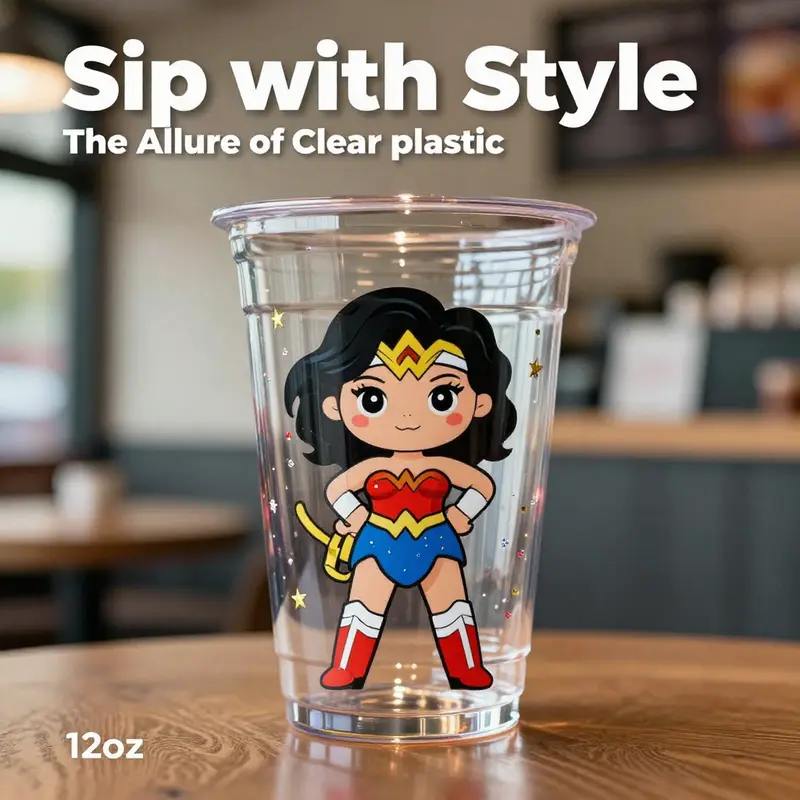
The clear plastic cartoon Wonder Woman coffee cup sits at an odd crossroads where everyday ritual meets mythic storytelling. It is a pragmatic vessel—a 12-ounce container built to carry coffee, tea, or a cool afternoon drink—yet its design invites a spontaneous smile, a nod to a familiar heroine, and a reminder that the quotidian can be infused with color, movement, and character. In studying this object, we encounter a larger conversation about how contemporary drinkware materiality intersects with pop culture iconography. The cup’s translucent body acts as a stage for the artwork to breathe, allowing light to travel through the plastic and illuminate the bold red, blue, and gold that echo Wonder Woman’s enduring costume. The result is not merely a decorative motif; it is a living graphic experience that transforms the mundane act of sipping into a small, portable comic panel. The visual strategy leans into a cartoonish exaggeration—an intentional simplification of features, dynamic poses, and bright contrasts—so the figure reads instantly, even from a distance or in a crowd. The effect is kinetic rather than solemn: a playful energy that aligns with the rapid pace of modern life and the quick turnover of everyday beverages. The idea of a “clear” cup, then, is more than a technical specification. It is a design stance that embraces transparency as a virtue. The material clarity gives the artwork room to speak, free from the heavier visual load that a colored, opaque base might impose. When the surface is clear, the hero’s silhouette becomes an interplay between form and light, the red and gold catching highlights as if the wearer of the Lasso of Truth exists not only on the page but in the immediate space of the user. This is an instance where pop aesthetics are not merely decorative; they are functional in the sense that they influence how a person experiences a drink—whether at a bustling event, a quiet kitchen nook, or a casual coffee run. The design’s cartoonish stylization supports accessibility. It communicates quickly to both longtime fans and newcomers who may not recognize every reference but instinctively grasp the character’s vitality. This universality is, in itself, a form of cultural literacy. A hero posed in a heroic stance—perhaps with a semi-heroic wink or a sly tilt of the head—translates across ages and languages. The use of sparkles, bold outlines, and kinetic motion lines surrounding the figure mirrors the language of comic book panels. In a single glance, a viewer imbues the cup with a story: the hero is ready to take on a long day, to rescue a routine morning, or to accompany a friend through a shared pause at a cafe. The glassy surface of the cup, meanwhile, brings additional texture to this experience. Translucent plastic catches the eye differently than opaque surfaces, catching reflections in a way that can feel almost interactive. The result is a dynamic interplay of color and light that changes with the user’s lighting or the liquid inside. If the liquid is a dark coffee, the background tones deepen and give the character a richer aura; if the cup is held against a bright window, the colors glow with a saturated clarity that almost resembles stained glass. From a design perspective, this approach leverages both graphic economy and material honesty. The artwork is not overwhelmed by texture: there is no extra glaze, no heavy embossing, just crisp lines and bold hues set against a clean, transparent canvas. The simplicity of the background makes Wonder Woman’s silhouette the focal point, ensuring that the iconic silhouette remains legible and legible quickly—the vital criterion for consumer-friendly product design in the bustling modern marketplace. Beyond aesthetics, the practical features that accompany these cups often reinforce their appeal. The clear plastic is typically lightweight and shatter-resistant, qualities that lend themselves to social occasions, outdoor gatherings, and family use. The presence of a sturdy handle and a secure lid is almost universal in this category, enabling a confident grip and minimizing spill risk during transit. Some iterations even explore heat-reactive or color-changing effects that respond to hot liquids, adding an extra layer of engagement. In such moments, the drink’s temperature subtly alters the surface presentation, offering a small, playful element of interaction that can spark conversation around a table or in line at an event. The kit of features is purposeful: it aligns with the needs of fans who want to celebrate their hero without sacrificing practicality, and with organizers who seek affordable, visually appealing, thematically consistent drinkware for parties, screenings, or branded gatherings. The market response to these designs taps into a broader cultural current that blends nostalgia with immediacy. Wonder Woman’s cultural resonance has endured for decades, sustaining a steady appetite for merchandise that can be both collectible and functional. Clear plastic, as a material category, provides a suitable counterpart to that demand. It is modern, it is adaptable, and it carries a sense of efficiency that resonates with contemporary consumer sensibilities. The transparency invites customization and display in ways that opaque options might not. A user may choose to fill the cup with a hot beverage and reveal a warmer, more saturated look, or with a cold drink to let the artwork stand out with crisp, cool tones. The energy surrounding this kind of cup is not solely about fandom. It intersects with the everyday ritual of coffee culture, a field that increasingly embraces itemization—personalized mugs, themed cups, and limited-edition drinkware that blur the line between utility and collectible. For organizers and marketers, leveraging a recognizable heroine in clear, affordable packaging becomes a strategic move. It invites social sharing, as people photograph their beverages with the vivid character as a vivid, instantly recognizable backdrop. The cup, therefore, is not just a vessel; it is a small stage for storytelling, a site where communal memory is formed at the table. The practicality of the design does not exist in a vacuum. It operates within a broader ecosystem of materials, manufacturing choices, and consumer expectations. Clear plastic, while offering visibility of the artwork, also demands consideration of safety, recyclability, and lifecycle impact. In many markets, there is rising attention to the environmental footprint of disposable drinkware. As a result, manufacturers and retailers frequently emphasize recyclable options, rigorous safety testing, and clear labeling about heat resistance and durability. The best iterations balance visual appeal with responsible manufacturing practices, giving fans confidence that their enthusiasm is expressed through a product that respects both the artwork and the world in which it circulates. For those who are drawn to this kind of design, a practical tip emerges. Seek options that pair bold, cartoon-inspired art with reliable, user-friendly features like tight seals and ergonomic handles. If possible, look for cups that offer clear labeling about materials and disposal options, so the celebration of a pop icon does not come at the cost of environmental mindfulness. The internal conversation that accompanies a purchase like this often centers on how a single object can reflect taste, memory, and value. A clear plastic carry cup with a Wonder Woman motif becomes a microcosm of how popular culture travels through daily life: it is portable, visible, and personal. It travels from the kitchen to the office, from a quiet study session to a crowded fan event, and in every setting it invites a small, shared recognition—the moment when a user looks at the cup and smiles because the hero’s stance mirrors their own resolve to face the day. For readers who want to explore tangible exemplars of this category without naming specific products, consider the broader landscape of disposable beverage ware designed to be both functional and expressive. The trend shows a consistent preference for items that can carry a story, even when that story is simply a color-saturated image of a hero in motion. The result is not only a convenient object but a little form of daily reinforcement: a reminder that courage, even in a routine morning, can be worn like a badge on a cup. To connect this discussion to practical choices, one may encounter a range of options across markets, from basic clear plastic cups with minimal print to more elaborate designs that incorporate glitter, dynamic patterns, or limited-edition color schemes. The correlation between perceived value and visual complexity is strong; more vivid artwork tends to draw more attention and, in some cases, higher perceived collectibility. Yet even the simplest executions retain power when the hero’s image is presented with clarity and confidence, unencumbered by extraneous complexity. In sum, the clear plastic cartoon Wonder Woman coffee cup is a small yet meaningful artifact of contemporary culture. It blends utility with myth, accessibility with aspiration, and everyday routine with a spark of imagination. It demonstrates how the form of a cup can become a canvas, how transparency can amplify character, and how a known icon can travel beyond comics into the everyday lives of coffee drinkers, event-goers, and casual fans alike. The object invites us to consider not just what we drink, but how we experience it—the moment when plastic, pigment, and persona converge in a shared, everyday ritual. For those who want to explore similar avenues of drinkware design and consumer engagement, a broader look at global manufacturing practices and product listings can offer valuable context. See this external resource for a wider perspective on how clear plastic, cartoon-inspired drinkware is realized in contemporary marketplaces. Alibaba listing. In addition, to ground your search in accessible consumer options, you can consider a widely available 8-ounce disposable cup line that emphasizes plastic-free, single-wall construction as a practical entry point. Best Price 8oz disposable cup. These references help map the spectrum from collectible novelty to everyday practicality, revealing how a single design philosophy—clarity, character, and convenience—manifests across contexts and occasions.
From Mold to Marvel: The Clear Plastic Cartoon Cup

Exploring the making of a clear plastic cartoon cup reveals how design, material choice, molding, printing, and finished surface come together. The goal is a sturdy, transparent cup that can carry vibrant artwork while remaining safe for food contact. The process begins with defining the final look and tolerances needed for artwork to wrap around a curved surface. The mold is a precision tool, typically steel or aluminum, designed to produce a smooth, shapely vessel and to support accurate ink registration. Material selection focuses on optically clear resins such as polystyrene or polypropylene that are safe for food use and resist fogging. Colorants and any decorative elements must preserve clarity and not compromise safety. The injection molding step balances flow, cooling, and wall thickness to avoid warping and micro-scratches. Printing can occur before or after molding depending on factory flow; common methods include screen printing and rotogravure, chosen for durability and color fidelity. Registration accuracy is critical, so every part of the artwork lines up with the cup geometry from every angle. Post molding steps add coatings if needed for abrasion resistance and wash durability, provided they remain food safe. The design also considers end markets such as single use and reusables, along with recycling and sustainability goals. Licensing governs how heroic imagery is used, ensuring brand guidelines and IP protections are respected. In summary, a clear cartoon cup is the product of careful coordination among tooling, polymer science, printing, and quality control to deliver a reliable and visually engaging consumer experience.
Clear Canvas, Bold Hero: Navigating the Culture, Design, and Market of the Clear Plastic Cartoon Wonder Woman Coffee Cup
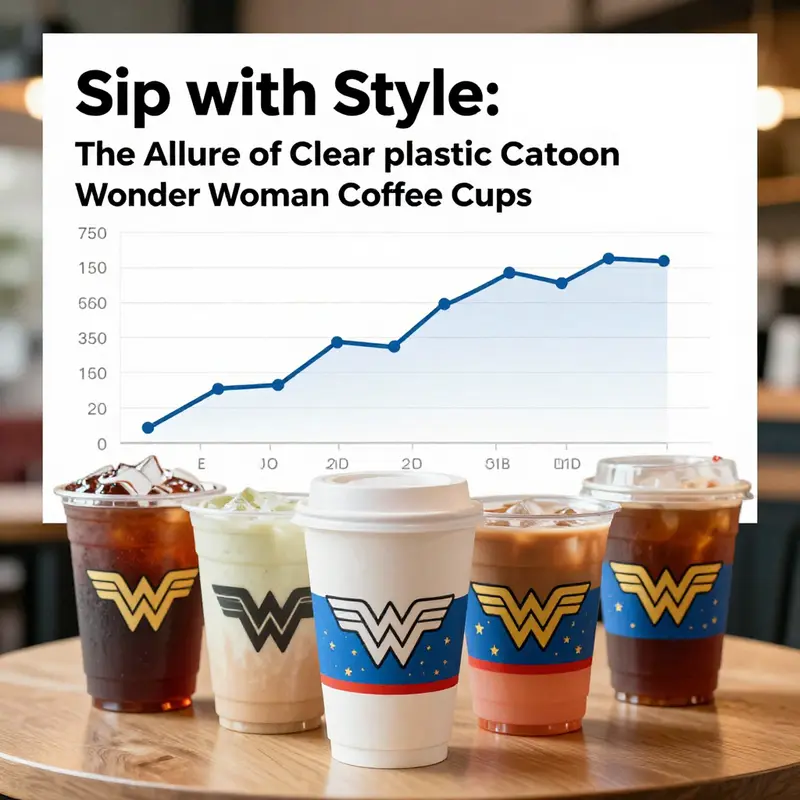
A clear plastic cup that carries a cartoon heroine is more than a vessel for coffee. It is a small intersection where design, memory, and consumer culture meet in a transparent, portable form. The idea of a clear plastic, 12-ounce cup featuring a widely recognized superheroine sits at the crossroads of function and fantasy. It is utilitarian on the surface, yet it operates as a tiny stage for identity, preference, and storytelling. In markets increasingly preoccupied with sustainability and personalization, these cups reveal how style, material choice, and cultural iconography shape what we drink from and why we choose to drink from it.
The visual appeal of a clear plastic base lies in its ability to harness light and color. When a cartoon character is printed or applied as a decal against a transparent surface, the image interacts with the liquid inside and the ambient light in a way that a solid color cup cannot. The result is a sense of depth: the design seems to float, shifting with the cup’s tilt and with the coffee’s hue. Add glitter elements, if the design includes them, and the liquid becomes a moving stage light, catching the glint of the coffee steam and the room’s lighting in a way that can feel almost kinetic. This delicate play between transparency, gloss, and embellishment can heighten the emotional resonance of a daily beverage routine, turning a simple coffee ritual into a moment of personal expression.
Yet beauty is balanced by practicality. A 12-ounce capacity is compact enough for urban life, where quick stops and micro-rituals define the day. The clarity of the plastic is not merely a style choice; it communicates a sense of honesty about the product—the material is visible, and the design sits in direct relation to what the consumer holds, sips, and disposes of. The subtle tension here is that clear plastics often carry implications about safety, heat resistance, and durability. In a space where mugs and cups are evaluated on both aesthetics and performance, the cup must withstand the heat of a hot pour without warping, while the print should resist dishwasher wear and coffee oils that dull the image. In this way, the cup embodies a practical design philosophy: it is a statement piece, but one that must behave reliably in daily use.
Cultural appeal amplifies this reliability. The hero at the center of the design—whether it is presented in classic comic lines or a modern, simplified cartoon silhouette—acts as a recognizable beacon. The character’s presence invites a conversation that goes beyond taste. It signals genre familiarity, fandom engagement, and a shared cultural shorthand. For collectors and casual fans alike, a cup with such imagery can become a tactile reminder of stories read or shows watched, a portable artifact that travels through life as a small token of memory. The collectibility of these cups often grows when the design includes a special feature—glitter accents, limited-run prints, or a “rare” designation—that elevates the object from everyday drinkware to a sought-after piece. In markets where scarcity can fuel desire, a cup that feels scarce and celebratory may be valued not just for its function but for its narrative and its status within a fan community.
From a production perspective, clear plastic cups are a study in material science and graphic application. The base needs to be strong enough to resist cracking under hot liquids, yet pliant enough to be molded into a clean, seamless silhouette. Printing on clear plastic presents its own challenges: the artwork must remain legible against the fluctuating background created by coffee levels and cup condensation. In some designs, a white backing behind the print helps ensure that line work remains crisp, while other approaches rely on opaque or semi-opaque inks that stand out even as the cup fills. When glitter or other embellishments are added, the manufacturing process must account for adhesion, durability, and compatibility with hot beverages. The result, in the best cases, is a cup that feels high-end for a disposable item, offering a momentary sense of premium quality without demanding a premium price.
Sustainability is not far from the center of this discussion. The global conversation around disposable cups has become increasingly pointed, with a shift toward biodegradable alternatives, reusable options, and windowed discussions about lifecycle impact. A clear plastic cup, especially one designed for a character-driven motif, sits within a broader tension: while the design may be compelling, the material choice invites scrutiny from consumers who are weighing convenience against environmental responsibility. This tension has sparked a wave of innovations—biodegradable blends, plant-based polymers, and coatings that improve recyclability. It has also elevated the value of customization and reuse. The same consumer who might be drawn to a hero-themed cup could also be drawn to a design that can be reused, resurfaced with another motif, or returned to a store for recycling. For designers and marketers, the challenge is to balance the allure of the pop-culture graphic with responsible material choices and clear communication about disposal or reuse options.
Personalization has become a key driver in many product categories, and cup design is no exception. The sense that a cup can be tailored to reflect a particular mood, event, or personal preference makes it feel both intimate and collectible. For creators and retailers, this implies opportunities for limited runs, customization options, and co-branded designs that echo fans’ favorite stories while offering them a sense of agency. The broader trend toward customization suggests a future where consumers can select not only the hero motif but also the visual treatment—perhaps a line art version for a minimalist moment, or a sparkling variant with subtle holographic elements for a more dynamic display. The potential is not simply in novelty; it lies in enabling a moment of personal connection through a shared cultural touchstone, all while maintaining practicality for everyday use.
The market context framed by the available research suggests that while specific data on clear plastic cartoon cups featuring iconic heroes is sparse, we can glean useful directional signals from adjacent trends. The disposable cup sector continues to grow, reflecting a robust demand for convenient, single-use beverage containers. At the same time, sustainability concerns temper that growth, prompting shifts toward materials and processes that mitigate environmental impact. Innovation thrives in this space when designers respond to both the desire for distinctive, character-rich graphics and the call for responsible production. The result is a spectrum where the most successful products are not simply visually striking but are engineered for performance, durability, and a clearer sense of lifecycle responsibility. In such a spectrum, a clear plastic cup bearing a cartoon hero can be appreciated as a piece of everyday design that simultaneously nods to pop culture and to a broader conversation about how we consume in a world increasingly attentive to waste, reuse, and renewal.
For readers who want to see how niche graphic drinkware circulates in real markets, one can explore examples that illustrate the curiosity and enthusiasm such items generate. These listings and pages show how collectors and fans treat these cups as more than packaging. They reveal how a combination of rarity, glittering details, and a recognizable motif can elevate a simple beverage accessory into a small, portable artifact of culture. If you are curious about similar design ecosystems, consider the internal discussion around eco-friendly printing and take-away cup options, which can be explored through resources that emphasize sustainable customization and packaging choices. eco-friendly printed logo paper cups This link points to an avenue where design meets responsibility, offering options for those who want to align style with eco-conscious production. The balance between aesthetics, cultural resonance, and environmental stewardship remains at the heart of whether such cups endure in the marketplace or fade as passing fads.
As a closing reflection, the clear plastic cartoon cup becomes a lens through which we can examine how everyday objects encode meaning. It is a reminder that our daily rituals—coffee in hand, a moment of personal narrative, the act of selecting a mug or cup—are not merely functional acts. They are acts of storytelling, of attachment, and of shared culture. The design challenges and market dynamics surrounding a 12-ounce, clear-base cup with a cartoon heroine show how much energy goes into making something so simple seem delightfully significant. And in a marketplace where sustainability, customization, and design innovation intersect, such cups offer a compact case study: a product that must perform well, carry a story, and reflect values that consumers increasingly consider non negotiable. For designers, retailers, and fans alike, the science and art behind these small vessels illuminate the way everyday objects can carry big ideas while still serving as everyday tools for daily life. External reference: https://www.ebay.com/itm/DC-COMICS-RARE-GLITTER-WONDER-WOMAN-12oz-COFFEE-CUP-NEW-W-TAG/374568099417
Beyond Glitter and Visibility: The Subtle Economics of Clear Plastic Cartoon Wonder Woman Cups
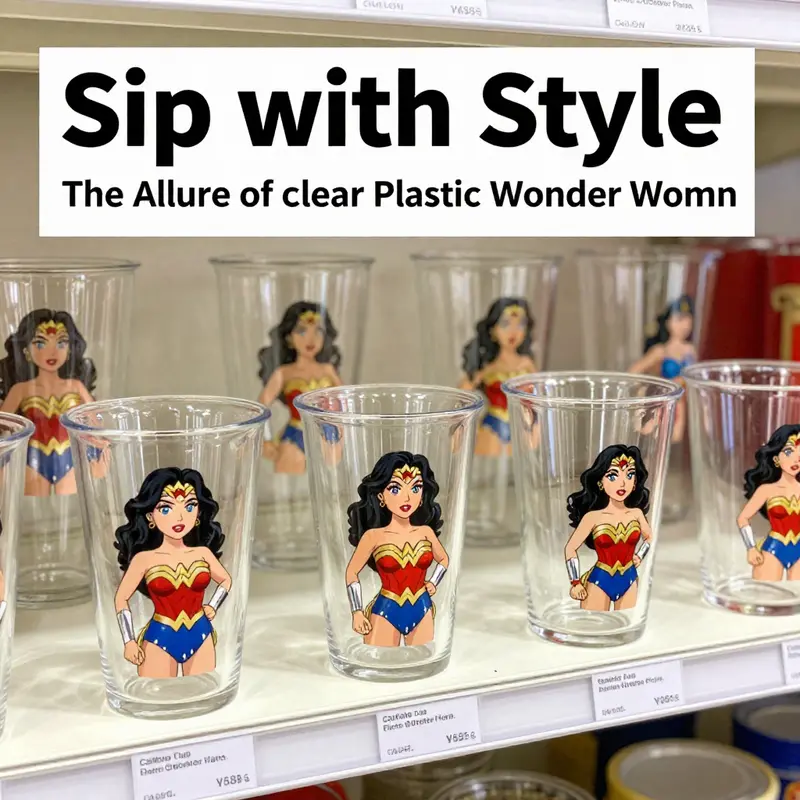
Clear plastic cups featuring bold cartoon imagery of a famous female superhero travel through time with a light, almost ceremonial confidence. They arrive at birthday parties, comic conventions, and promotional events as bright footnotes in a culture that loves color, nostalgia, and instant gratification. The juxtaposition of a hero’s iconography with a disposable medium creates a paradox that many collectors and casual observers find fascinating. On the surface, these cups appear to be fleeting; they are designed for a single use, crafted from transparent or translucent plastic, and often enhanced with glitter or other eye-catching accents to maximize visibility in a crowded room. Yet beneath that immediacy lies an intriguing set of questions about value, memory, and how pop culture objects accumulate meaning over time. This chapter does not promise a treasure map but invites a careful look at what makes such items resonate, why they rarely accrue lasting monetary value, and how crowd-inspired design choices shape the way fans remember moments tied to a character they love.
The aesthetic appeal of clear plastic cups with cartoon styling rests on several converging impulses. First, there is the lure of visibility. The transparent material allows the beverage inside to become part of the show, turning the cup itself into a tiny stage for color, light, and movement as the liquid shifts with every sip. When a bright, graphic silhouette is mounted on that transparent surface, the result is a portable piece of visual pop art. The inclusion of glitter or other reflective elements amplifies this effect, catching the eye as patrons move through a room or a line. The result is not just a utilitarian vessel but a small, affordable souvenir of a moment spent celebrating a character who embodies ideals fans hold dear—courage, justice, and the everyday imagination that can spark a heroic mood in ordinary circumstances.
Second, there is the social function of novelty. These cups are often tied to events with specific themes—cosplay gatherings, fan club meetups, or promotional campaigns tied to media releases. In those contexts, the cups serve as tangible mements that help attendees anchor their memories in the shared, tangible world of the event. The novelty is amplified by mass production. A design that feels special and collectible becomes common enough to be accessible, enabling many people to participate in the same ritual without a heavy price tag. The democratization of collectibility—the idea that something can be valuable precisely because it is widely available—breeds a different kind of value: social capital. People remember the moment they used the cup, the friends who noticed the design, the inside joke that circulated as the party unfolded, more often than the precise market price the item might fetch years later.
Yet the market reality for clear plastic cartoon cups is less generous. In the broader ecosystem of collectibles, these items occupy a space closer to partyware than to museum-grade memorabilia. Their life cycle is short: they are designed for single use, designed to be discarded or recycled, and often produced in large runs to keep costs down. Because of that, they rarely enter the world of serious collecting with established benchmarks or visible auction histories. The absence of serial numbers, limited editions, or licensing histories that are easy to verify makes it difficult for a casual shopper to claim a robust, trackable provenance. The result is a market where appreciation is more sentimental than financial. A cup can evoke a memory of a particular night or a favorite scene, but its value as an asset—something that could appreciate over time—remains speculative and unstable.
Even when a cup features a globally recognizable icon, the collector’s calculus shifts. The most coveted items tend to be those that pair official licensing with limited production or convergence with a storied moment in the character’s history. In practice, that means high rarity, verifiable authenticity, packaging that survives, and—crucially—a narrative that explains why this particular object mattered beyond its immediate function. Clear plastic cups with cartoon depictions rarely meet all of those criteria. They often exist in abundance, their designs repeated across countless batches, their glitter added to catch the eye but not to signal a unique origin. Without a distinctive backstory or a tie-in that becomes a touchstone in fan culture, the monetary upside is muted. The emotional appeal—the spark of recognition, the reminder of a shared moment among friends—can outlive any price tag, but that is a different kind of value altogether.
From a design perspective, the appeal of such cups lies in a blend of bold color, playful line work, and a sense of kinship with childhood memories of comic book pages and Saturday morning cartoons. The cartoon style simplifies identity into a silhouette of empowerment and energy, which translates well into the quick rhythm of a party scene. The glitter and glitter-adjacent embellishments create focal points that jump under artificial lighting, turning a simple drink vessel into a mini spectacle. This alignment between design intention and human perception helps explain why these cups remain popular as decorative or thematic accents even after the drinks are gone. They function as a reminder of a mood—the fun, carefree, imaginative mood—more than they do as durable, collectible artifacts. That distinction matters for anyone assessing value. A cup might be beloved for the moment it represents, but that does not automatically convert to long-term financial significance.
The economic logic behind collectible glassware, ceramic mugs, or limited-edition prints is anchored in scarcity and curation. The same logic does not neatly apply to disposable plastic cups, even when those cups carry a high-visibility design. The scarcity argument depends on verifiable rarity: a limited print run, a certificate of authenticity, a backstory linking the item to a pivotal cultural moment. In the case of many clear plastic cartoon cups, scarcity is more a function of time and context—how many of these cups were produced for a single campaign, how many remain in usable condition, and how many still exist in other people’s memories—as opposed to a formal, trackable scarcity. These items frequently fail to establish the durable scarcity that drives auction markets or museum-like valuations. They flourish instead as cultural bookmarks—memories of a shared experience rather than evidence of rising monetary worth.
Within this frame, collectors who pursue such cups often do so not for financial gain but for a curated scrapbook of pop culture moments. Some aficionados appreciate the way a design captures the visual language of a particular era, the way colors and line work echo the aesthetics of a bygone decade, or how a character’s iconography translates into portable, everyday life. For those collectors, a clear plastic cup can function as a micro-moment of nostalgia, a tiny, affordable portal back to crowds, costumes, and the tiny dramas of party life. The sentimental value can be significant, even if the item does not command a premium price in resale. In such cases, the asset is less a financial instrument and more a curated line item in a personal archive of pop culture experiences. The distinction matters for appraisers and for buyers who weigh the risks and rewards of investing in seemingly ephemeral objects.
Examining the broader market also helps explain why some appetites for this type of item persist while others fade. The entertainment ecosystem constantly refreshes its iconography, creating new waves of novelty while older images recede into memory. When attention shifts, the physical artifacts tied to earlier moments often drift into the background, maintaining their charm for the people who encountered them at the time but losing momentum in the next wave of marketing and fan enthusiasm. The plastic cup’s role as a vessel becomes overshadowed by the next trend in design and the next media moment that captures public imagination. In this churn, the cups retain a quiet, gentle value as reminders of a shared cultural thread rather than a force driving unimpeachable investment returns.
If a collector wishes to reframe these cups as more than casual souvenirs, a few pathways emerge. One is provenance: a documented story about where the cup came from, who used it, and in what event. Another is presentation: whether the cup has remained intact, whether the glitter remains vibrant, whether the design remains legible after years of handling. Yet even with such improvements, the path to serious appreciation remains narrow for the clear plastic variety. For true elevation, collectors often pivot toward items that combine official licensing with limited production in durable formats—ceramic mugs, metal drinkware, or art editions whose scarcity is verifiable and part of a curated catalog. This does not diminish the charm of the disposable cups; it simply clarifies where the value lies in the broader ecosystem of fan-made and licensed merchandise.
In practical terms, what should a reader take away from this landscape? First, don’t mistake immediate appeal for lasting value. A cup’s design can spark joy and conversation, but that is not the same as an investment. Second, consider what constitutes provenance for disposable items. A clear paper trail, a verifiable origin, and a recognizable context can add to a cup’s story, even if they do not guarantee financial growth. Third, recognize that sentimental value can be an equally meaningful form of value. A party memory, a photograph with friends around a table, the way a sparkling cup caught the light as a toast—that emotional residue can outlive prototypes and price tags. Finally, understand that the thrill of collecting often comes from the act of care and curation itself: cataloging memories, trading stories, and preserving a slice of pop culture history in a personal cabinet or a digital archive.
For readers curious about how the industry frames these items, a broader look at disposable cup design and branding reveals useful parallels. The materials people choose, the colors designers employ, and the licensing strategies that brands use to embed characters into everyday objects all influence how a piece ages in cultural memory. Even when a cup does not become a high-value collectible, its story—how it circulated, who noticed it, and how it felt to hold it during a festive moment—continues to resonate with fans who remember the details vividly. The most enduring takeaway is that value in this niche often lives at the intersection of aesthetics, memory, and social experience, not solely in price charts or auction records.
For readers who want a practical lens on related objects—especially those seeking alternatives that balance design appeal with more robust collectibility—explore a broader spectrum of cup designs that blend popular imagery with different materials and production runs. An internal resource on eco-friendly, logo-printed paper cups offers a contrasting example of how licensing can be integrated into everyday objects without compromising environmental concerns or long-term collectibility. See the discussion here for a sense of how contemporary cups balance visibility, usability, and sustainability: eco-friendly printed-logo paper cups with lids.
As the conversation about pop culture artifacts continues to unfold, the curious case of clear plastic cartoon cups remains a helpful reminder. Not all objects succeed as investments, but many succeed as shared experiences. They act as ephemeral carriers of story, not stable assets, and that distinction—between narrative value and financial value—helps us understand why these cups fascinate a wide range of fans and collectors. When the next wave of iconic imagery arrives, new disposable vessels will appear with fresh glitter and bold lines, inviting a new round of memories to glitter under the party lights. The cycle continues, and with it, the ongoing conversation about what we choose to keep, what we choose to share, and what we choose to pass along as a small token of the moments that felt, if only for a night, undeniably heroic.
External resource: For additional context on licensing and the broader market for Wonder Woman-themed mugs and related items, you can explore industry listings and consumer discussions here: https://www.alibaba.com/product-detail/Shop-Wonder-Woman-Mugs_1600542877352.html
Beyond the Clear Play: The Hidden Cost of Cartoon-Themed Plastic Cups and a Path Toward Safer, Reusable Hydration
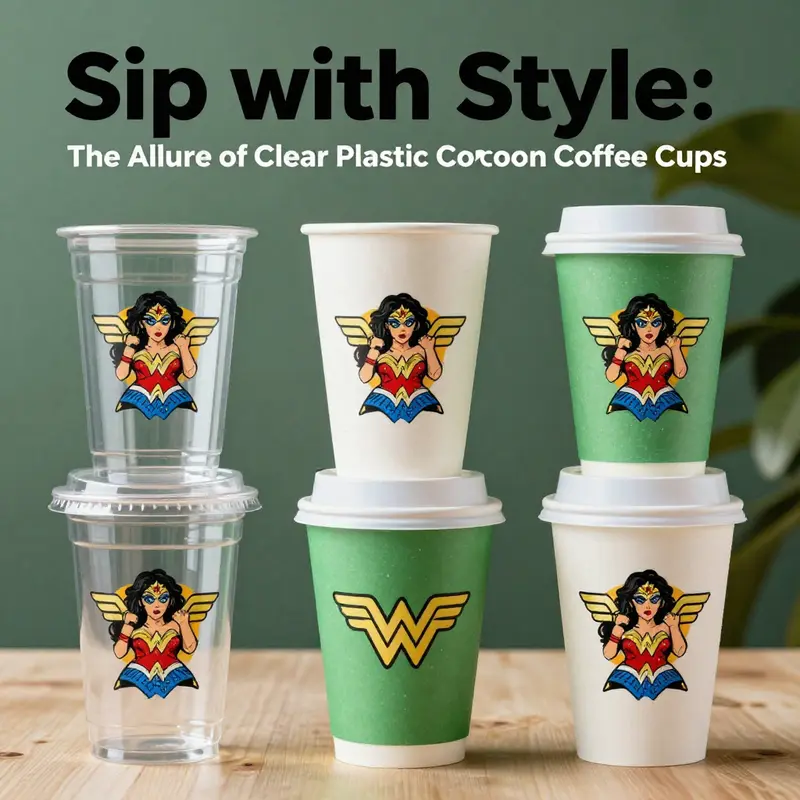
The surface of a clear plastic cup, decorated with a bright cartoon motif, can feel almost magical in the moment. It catches light, amplifies color, and promises a little spark of delight with every sip. Yet the charm hides a more stubborn truth: disposable cups, even when they look playful or chic, belong to a system that relies on a steady supply of fossil-fuel–based plastics, energy-intensive production, and limited end-of-life pathways. When we zoom out from the moment of purchase and hold the cup up to the larger cycle—manufacture, use, discard, and disposal—the picture becomes less about whimsy and more about stewardship. The popular appeal of cartoon designs often masks the environmental costs embedded in the materials and in the way our infrastructure handles these items after their short-lived fame has faded. To understand why, it helps to trace the journey of the cup from the factory floor to the landfill, and to ask what it would take for a culture of hydration to bend toward durability, reuse, and wiser design choices.
At the heart of the issue lies composition. Most single-use plastic cups destined for hot or cold beverages are made from polymers such as PET or polystyrene. These materials are derived from fossil fuels and are engineered for lightweight strength and cost efficiency. They perform well in the consumer environment—holding liquid, resisting leakage, and allowing for simple mass production. But their strength is paired with a stubborn ambiguity about end-of-life outcomes. Recycling streams in many places struggle with contamination, mix streams, and insufficient infrastructure to process small, thin-walled items. Even when a cup is labeled recyclable, actual recovery rates in the real world are far from perfect. The discrepancy between classification and collection means many cups land in landfills or, worse, in natural environments where they persist for centuries and break down into microplastics that infiltrate soil and waterways.
From a life-cycle perspective, the climate and ecological footprint of a disposable cup extend beyond the moment of use. Energy and materials are invested in extraction, resin production, shaping, printing, and transportation. Each unit’s production emits greenhouse gases and generates waste, some of which is recycled, but a portion of it becomes non-recyclable due to thin walls, mixed colors, or attached lids and liners. In many communities, the recycling system requires careful sorting and pre-cleaning; even small amounts of food residue or opaque glitter elements disrupt the stream. Glitter may seem like a harmless aesthetic flourish, but it complicates recycling because the tiny particles can contaminate batches and degrade value, nudging facilities toward downcycling or disposal. The cumulative effects—landfill volumes, energy intensity, and potential leakage of microplastics—prompt a broader question: does the playful design justify the environmental burden when a viable, reusable alternative exists?
Sustainability conversations around cups increasingly pivot from the novelty of a design to the durability and reuse of a vessel. Reusable options, such as those made from Tritan or stainless steel, offer clear advantages: they withstand repeated use, reduce long-term waste, and lower the carbon footprint per beverage over time when used enough times. Tritan, in particular, is noted for being BPA-free and durable, making it a practical option for everyday use. The environmental calculus shifts when the same vessel is used dozens or hundreds of times rather than discarded after a single outing. A reusable cup becomes less a collectible item and more a strategic tool in reducing material turnover and the energy intensity associated with many disposable cups. The challenge is cultural and logistical: it requires a shift in consumer habits, a redesign of point-of-sale systems to encourage or incentivize reuse, and a reliable service model for cleaning and sanitizing. In places where reuse is normalized, cafes and workplaces begin to unwind the single-use mindset that has long shaped how we sip on the go.
Product designers and retailers are increasingly aware that a cup’s enduring value hinges not just on its visual appeal but on its lifecycle economics. Aesthetics can draw attention, but longevity sustains impact. The integration of branding with material choices offers a compelling pathway: design that invites customers to see their cup as a personal, trusty companion rather than a throwaway. In practice, this means developing cups that are easy to sanitize, resistant to wear, and compatible with a robust return and reuse system. It also means exploring materials that balance safety, performance, and end-of-life options. For instance, some facilities are experimenting with compostable or biodegradable alternatives for certain applications, while staying mindful of actual composting conditions and timelines. In other words, the most effective design aligns with both consumer expectations and the realities of waste management infrastructure.
While the spectacle of a cartoon motif can be irresistible in the short term, the long-term story requires practical choices about how we hydrate. One bridge between whimsy and responsibility lies in branding that embraces sustainability as part of the design narrative. A cup can carry a playful image while also signaling a commitment to reuse and responsible disposal. This dual message can encourage consumers to participate in deposit-return schemes or to prefer outlets that offer discounts or incentives for bringing their own vessels. Such strategies transform a disposable item into a tap into a wider system of waste reduction, where the cup itself becomes a familiar tool rather than a fleeting artifact. The social dimension matters here: communities that adopt reuse-focused cultures tend to see reductions in litter and improvements in local cleanliness, as well as a sense of ownership over the materials that travel with them.
Nevertheless, the transition from throwaway to reusable demands supportive policy and infrastructure. Municipal recycling programs, extension of producer responsibility, and clear labeling about material composition and care instructions can reduce missteps that derail recycling or composting efforts. When consumers encounter confusing or misleading labels, confidence wanes and the incentive to separate, rinse, and recycle diminishes. A coherent system that explains how to reuse, recycle, or responsibly dispose of cups is essential. It becomes more than a set of rules; it becomes a shared expectation that every cup is a consumer’s small, intentional choice about resource stewardship. In the meantime, the most accessible path for many individuals remains choosing reusable options and supporting venues that champion durable, easy-to-clean vessels rather than relying on the perpetual cycle of new disposables.
The environmental conversation also intersects with broader cultural and economic dynamics. Discounters, food-service operators, and manufacturers are drawn to the low cost and high visibility of disposable plastics, particularly when designs are eye-catching. Yet the price of that immediacy may appear small on a receipt but accumulate across millions of cups and years. The opportunity cost—land, water, and energy used to produce and manage these cups—converges with consumer preferences for convenience to shape a trajectory that may be at odds with sustainability goals. If consumer demand leans toward reusables and if businesses adapt by facilitating easy access to washing and return services, the incentive structure shifts. In such a world, the cartoon motif remains a source of delight, but its value is augmented by the vessel’s long life and the system that supports it.
The tension between novelty and responsibility does not force a choice between aesthetics and ethics. It invites designers, marketers, and policy-makers to collaborate on products that preserve the bright, engaging visuals consumers love while embedding the virtues of durability and proper disposal into the product’s life. For readers seeking practical steps, there is a clear path: opt for durable vessels when possible, invest in a high-quality reusable cup, and support facilities and retailers that promote reuse. Where disposable options are necessary, advocate for clearer labeling, better recycling pathways, and innovations in materials that can truly integrate with established waste-management streams. The idea is not to abandon the playful energy of cartoon-inspired cups but to reframe that energy toward longevity and stewardship.
In this sense, the cup’s surface design becomes more than a decorative surface; it becomes a reminder of our collective capacity to redesign daily rituals around hydration. The familiar act of sipping transforms into a small act of environmental literacy, signaling how design, materials, and behavior come together to shape the world we leave behind. The conversation about clear plastic cups with cartoon imagery thus sits at a crossroads: we can celebrate the charm of visual storytelling while insisting on systems that minimize harm, maximize reuse, and honor the resource intensity behind everyday rituals. The step from here is gradual but meaningful. Choose reusable vessels, push for better end-of-life options, and recognize that the most powerful changes often begin with simple, deliberate choices in how we hydrate and how we regard the vessels we hold.
For readers who want to explore a concrete example of the kinds of eco-friendly packaging options that can replace disposable cup culture, consider the broader family of reusable or recyclable paper-based and durable plastic alternatives showcased by industry resources. These designs demonstrate how branding, usability, and sustainability can align. An example worth examining is the concept of eco-friendly printed-logo paper cups with lids, which illustrates that a brand can maintain visibility without compromising environmental integrity. You can read more about options like these here: eco-friendly printed-logo paper cups with lids. For a deeper dive into the scientific and policy dimensions of disposable plastic costs, see the external study linked below. This research illuminates how consumption patterns intersect with waste management realities and why rethinking single-use items matters for long-term resilience. External resource: https://www.sciencedirect.com/science/article/pii/S014112972300567X
Final thoughts
The Clear Plastic Cartoon Wonder Woman Coffee Cup is more than just a trendy beverage container; it embodies a narrative of quality design, meticulous manufacturing, and rising consumer demand. As businesses strategize on how to enchant their patrons, integrating such themed products can enhance customer experiences and foster brand loyalty. Collectors also view these cups with increasing enthusiasm, acknowledging their unique charm and potential value. While weighing these benefits, it’s crucial for businesses to consider the environmental implications of their choices. This vibrant cup serves as a reminder that style and sustainability can go hand in hand, encouraging a more conscientious approach to beverageware. Adopt this stylish cup in your establishment to connect with customers on a personal level while staying attuned to global trends.