
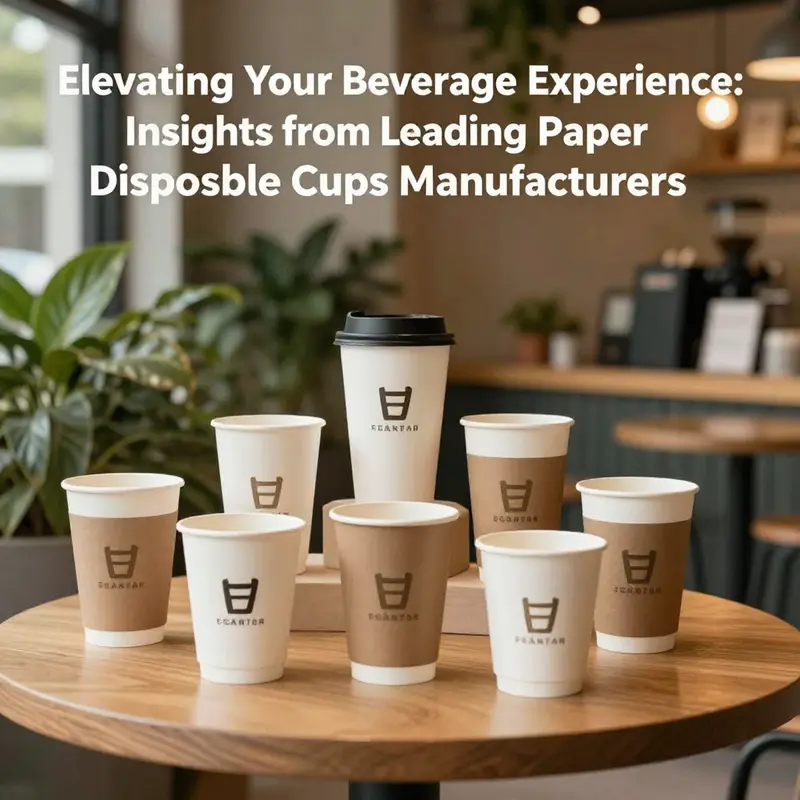
The paper disposable cups market is evolving, especially for industries like bubble tea shops, restaurants, and catering businesses. As sustainability becomes paramount, selecting a reliable manufacturer that offers quality, customization, and complies with industry standards is essential. This article delves into the leading paper disposable cups manufacturers globally, showcasing their product offerings, customization capabilities, commitment to sustainability, and quality assurance practices, providing you with a comprehensive understanding of what to look for in a supplier.
Global Giants and Local Innovators: Tracing the Paper Disposable Cups Manufacturing Landscape
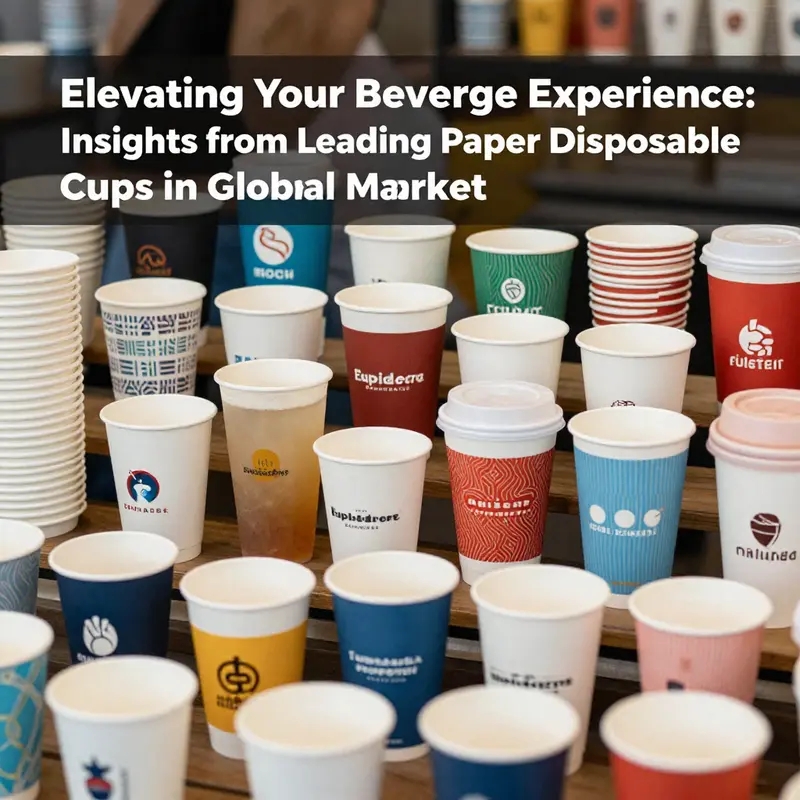
The global landscape for paper disposable cups sits at the intersection of scale, speed, and sustainability. Behind every cup is a network of manufacturers balancing performance with responsibility. From large, multi-site producers to nimble regional specialists, the industry has evolved into an ecosystem where efficiency and sustainability go hand in hand. This chapter traces the landscape, highlighting how leading players shape the market while smaller producers push the envelope on design, materials, and local customization. The picture is about capacity as well as how manufacturers translate evolving consumer expectations into packaging that preserves product quality and meets safety and environmental standards.
At the heart of global leadership are long-standing, high-volume producers that span continents. Huhtamaki, a Finnish stalwart, has built a reputation for high-quality, sustainable paper-based cup solutions. Its approach emphasizes materials aligned with circular economy principles, reflecting a shift toward responsible packaging that can be recycled or composted where facilities exist. The emphasis is not only on regulatory baselines; it is about reducing lifecycle impact from paperboard choice to coatings and end-of-life pathways.
Dart Container Corporation stands as a benchmark for scale in North America. Its portfolio includes a wide range of disposable paper cups, with a focus on hot-beverage applications where thermal performance and reliability matter. The company’s logistics capability supports predictable lead times and consistent quality, a critical differentiator in an industry where supply interruptions can ripple across thousands of outlets. The Dart model demonstrates how manufacturing excellence and supply chain resilience underpin large, multi-site foodservice operations.
Graphic Packaging International, LLC adds another dimension. A major player in the U.S. and international markets, GPI emphasizes sustainable sourcing and packaging design innovations. The company has invested in cup designs that reduce material use, improve branding print quality, and optimize end-of-life outcomes through more compatible fiber-based constructions. Buyers gain a value proposition that blends performance with sustainability credentials increasingly demanded by consumers who judge brands by packaging as well as product.
Reynolds Consumer Products represents a broader consumer-goods portfolio that extends into disposable cups through scalable manufacturing and cost-conscious packaging solutions. The Reynolds network supports both household and hospitality applications, providing dependable supply during peak periods. The approach demonstrates how mature consumer brands leverage manufacturing networks to stabilize cup supply across seasons and promotions.
A fourth thread comes from Seda Group, Inc., an American company known for customization and rapid prototyping for hospitality, events, and quick-service segments. Seda Group translates branding requests into print-ready packaging with short cycle times, enabling operators to align packaging with brand identity without sacrificing efficiency.
Together, these leaders illustrate a market that rewards scale, sustainable design, and reliable execution. Regulatory standards governing food-contact safety shape how cups are produced and what they can carry. In many jurisdictions, materials must be non-toxic and stable under typical use, with barrier coatings that protect the contents while preserving fiber integrity.
Sustainability remains central. Circular economy considerations influence fiber sourcing, coatings, and end-of-life options. Many designs pursue coatings that minimize environmental impact or improve recyclability, with some exploring compostable pathways where infrastructure supports industrial composting. Labels and material separation guidance help improve waste handling and, ultimately, the possibility of closing the loop on disposable packaging.
Beyond headline names, regionally focused producers add breadth and price diversity. In markets with robust bulk demand, Asian and Eastern European manufacturers have expanded capacity and diversified offerings to include standard goods and targeted customization. They often advertise favorable MOQs and cost-per-piece economics for large buyers, while advancing materials and printing capabilities for logos and seasonal artwork.
In practice, the choice of material for hot versus cold beverages remains a practical dimension of design. Hot drinks rely on barrier-coated, rigid or semi-rigid cups with inner coatings; cold drinks may use transparent outer layers paired with barrier films that support branding. The trade-offs among barrier effectiveness, recyclability, and cost drive ongoing development across the manufacturing line.
The customization trend continues to grow at scale. Strong partnerships enable brands to deliver consistent design language across locations, supported by robust printing, color management, and on-brand aesthetics without compromising performance. This capability is a defining feature of leading suppliers and a reason why buyers seek end-to-end production pipelines.
In this evolving ecosystem, regional players increasingly bridge cost efficiency with flexibility. They can deliver large-volume runs at competitive unit costs while offering customization, valuable for hospitality groups and retailers running campaigns or seasonal promotions.
For buyers evaluating suppliers, capacity, certifications, and material expertise matter alongside price. FDA compliance, ISO 9001, and sustainable-sourcing attestations signal trustworthiness. Material expertise—knowing when to choose rigid plastics for hot drinks, or PET for cold beverages—and how coatings influence recyclability, affects performance and lifecycle outcomes. A supplier’s ability to support design services can shorten time to market and reduce risk.
The most compelling narratives arise where global scale meets local nuance. Large manufacturers provide dependable supply and standard quality; nimble regional players tailor offerings to local regulations and consumer preferences. The result is a resilient ecosystem offering both bulk options and customized packaging that supports brand storytelling while maintaining safety and efficiency.
For deeper supplier insights, many guides offer practical guidance on sourcing, pricing, and compliance across regions. Buyers can understand costs and constraints of scale, while learning how to assess material specs and production capabilities. In a dynamic, global industry, informed partnerships help weather shifts in demand and policy. If customization resonates with your strategy, look for suppliers offering multilayer, print-enabled cups with scalable production for broader rollout.
Shaping Brands, Not Just Cups: The Power of Customization and Flexibility in Paper Disposable Cup Manufacturing
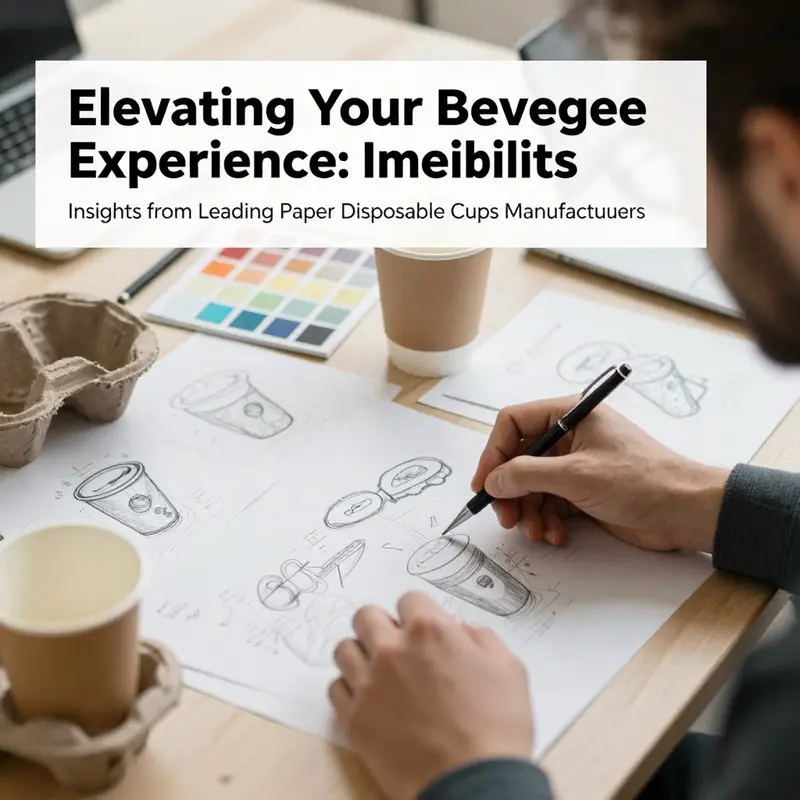
Across the global landscape of paper disposable cups, customization has moved from a value-added option to a strategic capability that defines how brands connect with customers. In a market shaped by rapid shifts in consumer taste, sustainability expectations, and the rising demand for on-demand, brand-driven packaging, manufacturers are redefining what it means to offer a cup. The core idea is simple yet powerful: the cup is the vehicle for a brand story, a portable billboard for a beverage moment, and a small but essential touchpoint in a broader sustainability and experience strategy. The most successful players in this space treat customization and flexibility not as a series of isolated features but as an integrated operating model that blends design, materials science, and agile production. In this context, the chapter that follows surveys how customization options, modular production approaches, and material innovations converge to give beverage brands a way to stand out while meeting the practical demands of scale, safety, and environmental responsibility. It is a narrative that echoes through factory floors where digital printing, adaptable molds, and ever-evolving coating technologies enable both standard offerings and truly bespoke solutions. It is a story of how flexibility, when designed into the process, reshapes the supply chain and the value proposition for end users, from boutique cafes to large event organizers and beyond.
A starting point for understanding this evolution is the shift from one-size-fits-all production to a modular, designed-for-choice approach. The modern manufacturing floor no longer relies on a single mold or a fixed set of printing plates. Instead, it relies on modular production equipment, adaptable molds, and scalable workflows that can accommodate a range of cup sizes, shapes, and surface textures. This flexibility matters because demand rarely follows a straight line. Market surges can come from a trendy beverage concept at a festival, a limited-edition collaboration with a retailer, or a seasonal campaign that requires a special colorway or pattern. The ability to pivot quickly without incurring prohibitive setup costs is what allows a brand to test ideas in small runs, learn from them, and scale what works. In practice, this translates into shorter lead times, reduced risk for new product introductions, and a stronger connection between the cup and the brand identity it carries. The result is a supply chain that feels responsive and intimate, even at large volumes.
At the heart of customization is the printing capability. Digital printing technologies have transformed what used to be a barrier to scale: the ability to preserve high fidelity in color, detail, and texture on cup surfaces while remaining economical for low-volume, high-variance runs. The newest generation of digital presses can reproduce bold logos, intricate patterns, and brand color systems with a vibrancy that was previously achievable only in large-format printing. This matters not only for aesthetics but for brand consistency across different product lines and regional markets. It is also the practical enabler of limited-edition designs that generate buzz without requiring massive inventory. The result is a spectrum of customization options that ranges from sub-6-ounce portions to larger 16-ounce cups, with the potential for rebranding across a seasonal period without the penalties of long production cycles. The technology supports not just logos and colors but also personalized designs for events, corporate gifts, and promotional campaigns. The shift toward digital printing aligns with sustainability goals as well, because it reduces waste associated with traditional setup processes and allows eco-conscious color management that minimizes the risk of overproduction.
Alongside printing, the surface finish and coating system play a crucial role in customization. The materials science behind coatings permits a broader palette of finishes while ensuring food safety, moisture resistance, and heat stability. Biodegradable or compostable coatings, including PLA-based films, are increasingly being deployed to improve environmental performance without sacrificing printability or barrier properties. These coatings can be engineered to maintain their integrity through typical beverage temperatures, ensuring that a printed design remains legible and vibrant even after exposure to hot drinks. The result is a packaging choice that supports a brand’s sustainability narrative without compromising user experience. Importantly, these coating innovations also open doors to new forms of customization. For instance, coatings that are compatible with certain printing technologies can enable multi-layer designs or tactile effects that enhance shelf appeal and consumer recall. As brands seek to differentiate themselves not only by what is printed but how it feels and behaves during use, coatings become a subtle yet essential instrument in the customization toolkit.
Beyond the surface and the ink, the design philosophy behind the cup itself has evolved. Modular design principles have grown in prominence, allowing manufacturers to adapt the geometry of a cup to different use cases with minimal retooling. Standard cups remain a baseline, but manufacturers increasingly offer variants such as ripple-walled or double-sleeve configurations that significantly affect insulation and user experience. The ability to mix and match cup bodies with compatible lids, sleeves, and coatings within a single production line reduces changeover times and enables more rapid fulfillment of custom orders. This modularity supports not only different sizes and textures but also variations in stacking stability, sipping experience, and heat retention. For brands, the capability to select from a menu of modular configurations translates into a more precise alignment with the intended consumer moment—whether a quick-service coffee run or a premium, in-store tasting event.
The operational flexibility embedded in these manufacturing approaches is what makes on-demand and small-batch production economically viable. A growing cadre of niche brands, boutique cafés, and event organizers need cups that reflect their identity without paying a premium for stock designs. This is where the combination of modular equipment and lean process design shines. Short-run production becomes something more than a testing ground; it becomes a strategic instrument for market experimentation and relationship-building with customers. Short runs reduce the risk of mismatched branding or outdated campaigns lingering in distribution channels. They also enable a cadence of product refreshes that keeps a brand’s packaging feeling current and relevant. When supply chains embrace this cadence, the brand experience expands from the beverage itself to the entire moment of service—the cup, its design, and the story it tells in every hand it passes through.
A further dimension of customization lies in the alignment with environmental and regulatory expectations that resonate across markets. Biodegradable coatings and compostability claims, backed by rigorous performance testing, help brands address a growing consumer demand for responsible packaging. The testing regime typically covers heat and moisture resistance, ink adhesion, and ink migration. By demonstrating that printed designs remain stable when the cup encounters boiling water, perhaps during a hot drink or a dessert pairing, manufacturers reassure food-service operators that branding will not degrade and that safety standards are maintained. These tests underpin the trust that retailers and consumers place in a brand’s packaging while supporting certification and sustainability narratives that are increasingly central to modern commerce.
Material innovations intersect with broader sustainability goals in ways that extend the cup’s life cycle. PLA-based films and other biodegradable coatings contribute to compostability, aligning with global trends toward circularity. This is not merely a theoretical advantage; it translates into real choices for clients who want packaging that can be disposed of responsibly without complicating the beverage experience. When a coating supports compostability and print compatibility, it broadens the range of customization possibilities. A simple color or pattern can be paired with a sustainable narrative that resonates with consumers who expect brands to demonstrate environmental stewardship. In practice, this often means offering a suite of coatings and substrate options that can be matched to regional recycling and composting infrastructure, thereby reducing end-of-life confusion for consumers and increasing the likelihood of proper disposal.
To illustrate how brands can leverage these customization capabilities in the field, consider the practical example of a supplier that emphasizes eco-conscious, on-demand customization in its offering. The approach combines digital printing, modular production, and biodegradable coatings to deliver prints that endure heat without migration and that can be produced in small runs for limited campaigns or larger runs for flagship events. The supplier’s portfolio is designed to accommodate a spectrum of customer needs—from simple, single-color logos on standard cup sizes to full-color, multi-piece designs on ripple-wall or double-wall configurations. For brands looking to see how a truly customized cup translates into brand recognition on the shop floor, a practical reference is the idea of a cup that can carry a logo, a color story, and a message aligned with a seasonal campaign. The result is a tangible extension of the brand’s visual language into the moment of serving the beverage.
A responsible, performance-driven approach to customization also informs how companies manage orders and production capacity. The literature on customization and flexibility in disposable cup manufacturing emphasizes the value of a customer-centric, demand-driven model. This model supports rapid response to market shifts, ensures cost efficiency in small-batch production, and sustains the ability to offer broader customization at scale when needed. In practice, it means a supplier can accommodate everything from a one-off promotional run to a regional rollout with consistent quality and on-time delivery. It also means that customers can tap into a design and production ecosystem that supports end-to-end solutions—from raw material choices and coating systems to printed artwork and finished product assembly. By integrating design support, printing, coatings, and packaging into a single, coherent workflow, manufacturers reduce coordination complexity for brands and accelerate time-to-market for new campaigns.
Of course, this kind of integrated flexibility must be grounded in robust quality management and safety standards. ISO 9001-style process controls, traceability, and rigorous supplier oversight help ensure that customized cups meet not only branding expectations but also the highest levels of food contact safety. The interplay between customization and safety is not a tension to be managed but a design constraint to be woven into the development process. The ideal outcome is a packaging solution that communicates a brand’s story with clarity and impact while delivering predictable performance in heat exposure, moisture exposure, and mechanical handling. When brands experience the predictable quality of customized cups—print fidelity, coating durability, and reliable insulation—their confidence to pursue more ambitious campaigns grows.
In contemplating the broader market implications, customization and flexibility are increasingly linked to strategic pricing and value perception. Digital printing and modular production reduce the marginal costs of small runs, which means brands can pursue personalization without sacrificing unit economics. This is particularly meaningful for boutique concepts, seasonal promotions, and event-based programs where unique cups can create a lasting impression at a lower overall cost than a large, static run of branded stock. At scale, the same capabilities translate into more efficient capital utilization and a more responsive supply chain. The result is a market where the cup becomes a differentiating asset, not merely a consumable item, and where service levels around design support, rapid prototyping, and on-demand production become competitive differentiators in the supplier landscape.
The practical implications for a brand seeking to deploy such capabilities are clear. First, work with partners who offer flexible MOQs and scalable production lanes that can grow with the brand. Short-run experimentation should be supported by cost-efficient digital printing, while longer campaigns can leverage more extensive runs that preserve color accuracy and coating performance. Second, insist on coatings and substrates that align with sustainability goals, including compostability where infrastructure supports it. Third, pursue a design workflow that treats the cup as part of a cohesive brand ecosystem, one that can be extended to lids, sleeves, and other packaging elements without friction in the supply chain. Finally, recognize that the value of customization extends beyond aesthetics; it strengthens brand recall, enhances consumer engagement, and reinforces a commitment to responsible packaging. In this sense, customization becomes a strategic asset, not a niche capability.
To connect this discussion with real-world exploration of on-demand customization in the market, consider the practical example of a supplier’s eco-conscious, logo-forward cup line that illustrates how branding, printing, and coating choices can converge in a single, flexible solution. The example shows how a brand can move from concept to finished product with minimal bottlenecks, while also ensuring that the packaging aligns with environmental commitments. For readers who want a concrete sense of how such options manifest in a consumer-facing context, this showcase demonstrates the potential for high-impact branding on everyday goods through a combination of digital printing, modular production, and responsible materials. You can explore a concrete implementation that emphasizes eco-conscious, logo-forward design here: eco-friendly printed logo paper cup.
As the chapter closes on customization and flexibility, it is essential to acknowledge the external information guiding industry trends. A comprehensive, forward-looking market analysis highlights the continuous evolution of disposable paper cup customization capabilities from 2024 through 2030. The analysis points to sustained growth in on-demand production, a broader assortment of coatings and substrates, and expanding capabilities in finishing and decoration. It also notes that consumer expectations around sustainability will increasingly influence the design and material choices that brands demand from their packaging partners. In short, the cup is no longer a silent vessel for a beverage; it is a platform for brand storytelling, sustainability commitments, and experiential marketing. The most successful manufacturers are those that blend engineering, design, and environmental stewardship into a single, coherent value proposition, enabling brands to craft memorable moments around every pour.
External resource: https://www.marketsandmarkets.com/Market-Reports/disposable-paper-cup-market-5927.html
Circularity in a Thin-Walled World: Reimagining Sustainability in the Paper Disposable Cup Industry
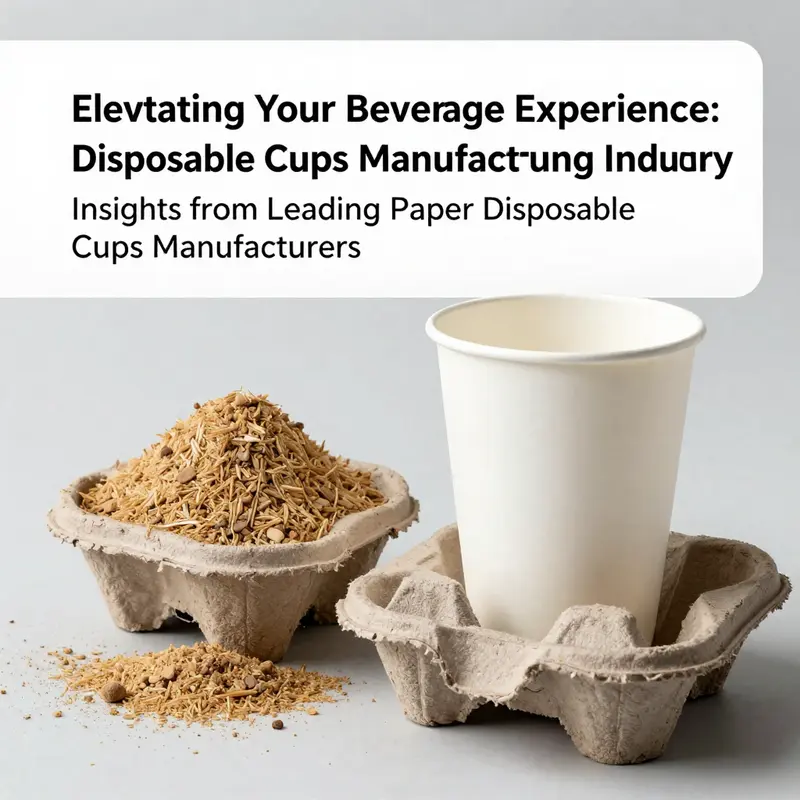
The paper disposable cup industry stands at a crossroads where the impulse for convenience meets the urgency of environmental stewardship. Global demand for single-use cups remains high, driven by fast-service culture, urbanization, and the proliferation of takeaway venues. Yet this demand collides with growing expectations from regulators, businesses, and consumers who increasingly demand packaging that respects the limits of natural resources and minimizes waste. In this context, sustainability is not a peripheral concern but a core design parameter that shapes material choice, manufacturing practices, and end-of-life pathways. The story of sustainability in this sector is not a simple tale of switching from one material to another; it is a complex negotiation among performance, cost, and planetary boundaries, requiring a rethinking of how cups are sourced, manufactured, used, and ultimately disposed of.
The environmental challenges facing disposable paper cups are rooted in their very construction. Most cups rely on paper as the primary substrate, but a barrier is essential to prevent leakage from hot or cold beverages. Traditionally, this barrier has been a polyethylene (PE) coating, a material that effectively blocks liquids but complicates recycling. Even when the paper substrate is sourced from responsibly managed forests, the PE lining disrupts the sorting and reprocessing processes that recycling facilities rely on. In practice, this means a substantial portion of used cups ends up in landfills or incinerators rather than being reintroduced into the production cycle. While some producers have explored biodegradable or compostable coatings, the reality is nuanced: many so-called “biodegradable” coatings require industrial composting infrastructure to achieve their intended end-of-life outcomes, and consumer behavior often fails to route cups into the appropriate facilities. The result is a lifecycle with significant leakage of materials from circular streams, and a risk of microplastic fragments migrating into soils and waterways when cups break down incompletely or are mismanaged.
This layered challenge extends beyond material choice to encompass the broader system in which cups are produced and used. The energy and water footprints of manufacturing, the emissions associated with shipping and handling, and the waste generated during production all accumulate. Even when a cup is designed for recyclability, the upstream realities of feedstock variability, supply chain disruption, and the availability of dedicated processing plants can erode the circularity that designers intend. Recognizing these complexities, researchers and industry practitioners are pursuing a more holistic approach that does not treat recycling as a afterthought but embeds circularity into the very fabric of product development. A growing body of work highlights that the most effective sustainability gains come from aligning material science with end-of-life infrastructure and consumer behavior, rather than relying on a single technological fix.
One promising avenue involves rethinking the barrier material itself. A number of studies point to cellulose-based alternatives and advanced fiber coatings that can provide water resistance without creating insurmountable obstacles for recycling. For instance, researchers have explored extracting cellulose fibers from post-consumer cups and converting them into more versatile films through optimized chemical processes. The potential of such films lies not only in replacing petroleum-based polymers but in fostering a more closed-loop mindset where the value of paper components is recovered and reprocessed rather than discarded. Achieving this at scale requires careful attention to process efficiency, material compatibility, and the economics of recycling streams. While the technical feasibility of turning used cups into regenerable cellulose acetate films is still under development in many contexts, the direction signals a path toward fully circular feedstocks—where the boundary between packaging and feedstock becomes increasingly blurred in service of sustainability.
The industry is also advancing in manufacturing technology that supports recyclability and waste reduction. Modern cup production increasingly leverages recycling systems capable of handling paper-based waste with greater efficiency, reducing the amount of material that escapes into waste streams. In parallel, machine technologies are evolving to minimize material waste during production. Innovations in cup-making machinery, some of which can operate at higher speeds with refined control systems, enable tighter tolerances and reduced offcuts. These improvements translate into tangible environmental benefits by cutting energy usage, lowering scrap rates, and enabling more precise control over coating application and printer inks. The result is a manufacturing ecosystem that not only produces cups that perform well in hot or cold beverages but also minimizes the downstream environmental footprint through smarter process design.
A crucial component of sustainability is the design discipline itself. Designers and engineers increasingly prioritize sustainability during the earliest stages of product development. This means selecting barrier technologies that are compatible with existing recycling infrastructure, designing cups with fewer layers or more recyclable layers, and optimizing printing inks and dyes to be less polluting and easier to remove during sorting. It also means contemplating end-of-life outcomes from the outset. A cup conceived with a clear intent for recycling or industrial composting prompts different decisions about fiber quality, coating thickness, and even the choice of adhesives. When design aligns with processing realities, the chance that a cup can re-enter a production cycle rather than a landfill rises dramatically. The practical implication is that customers and suppliers alike must collaborate more closely, sharing data about raw materials, coatings, and post-consumer pathways to design products that perform in their intended markets while staying adaptable to evolving waste management capabilities.
The social and economic dimensions of sustainability also shape the industry’s trajectory. Sustainable packaging is not solely about material science; it is about building resilient value chains that can absorb shocks, promote responsible sourcing, and deliver tangible economic benefits to communities and businesses. For many manufacturers, this means embracing responsible sourcing with traceable supply chains, investing in energy- and water-efficient plant operations, and pursuing certifications that attest to quality and environmental stewardship. The ISO 9001 standard, for example, has become a baseline for quality management, signaling a commitment to consistency and reliability that extends from raw materials to finished cups. For buyers, such certifications offer a degree of assurance that sustainability is not a marketing label but an operational reality embedded in daily practice.
The practical implications for buyers and manufacturers are clear. To move toward a truly circular model, companies must pursue a triad of strategies: responsible sourcing, closed-loop recycling, and clean production technologies. Responsible sourcing ensures that the forests or fiber sources feeding the paper substrate are managed for long-term viability, while suppliers demonstrate consistent performance in meeting environmental and social criteria. Closed-loop recycling aims to recover and reintegrate cup materials into the next generation of products, reducing the need for virgin materials and cutting waste. Clean production technologies focus on reducing energy intensity, minimizing water use, and limiting emissions throughout the manufacturing process. Each component reinforces the others, and together they form a more resilient, future-ready industry.
The practical expression of these principles often materializes in the form of targeted investments and collaborative programs. Some manufacturers have expanded capacities and established multi-site bases to improve efficiency, quality control, and supply reliability, while others emphasize customization capabilities that allow clients to specify color, size, and printing designs without compromising end-of-life performance. In this ecosystem, a balance emerges between offering high-value, differentiated products and ensuring that those products can be responsibly disposed of or repurposed after use. The result is a packaging landscape in which value is increasingly tied to the ability to close the loop rather than simply to the speed or appeal of a single-use cup.
From the perspective of the end consumer, the potential for meaningful impact depends on the clarity of disposal instructions and the accessibility of recycling or composting options. Without robust end-of-life infrastructure and effective consumer education, even the most advanced materials may fail to achieve their intended environmental benefits. This reality underscores the importance of public-private collaboration, investment in waste management infrastructure, and consistent labeling that helps consumers route cups to the right processing streams. It also points to a broader trend: sustainability is most effective when it is visible, measurable, and connected to everyday choices at the point of sale.
As the sector continues to evolve, the potential for progress rests on the dynamism of collaboration across the value chain. Large and small players alike must align on standards, share performance data, and co-create solutions that make circularity feasible in diverse markets with different waste-management capabilities. This collaborative posture does not erase inevitable trade-offs; rather, it acknowledges them and seeks practical compromises that advance environmental performance while preserving the economic viability that supports jobs and innovation. The ongoing dialogue about cup coatings, barrier materials, and end-of-life options is, in essence, a dialogue about the kind of packaging ecosystem producers, retailers, and consumers want to inhabit in the years ahead. It is a conversation that will determine whether paper cups are seen primarily as a temporary convenience or as a stepping stone toward a more sustainable material economy.
Within this evolving landscape, one can observe a quiet but powerful trend: the shift from single-purpose design to multi-value packaging. Cups are increasingly conceived not just as containers but as components of a broader sustainability strategy. They are designed to be compatible with recycled fiber streams, to carry inks and finishes that are easier to manage in sorting facilities, and to be produced in a way that minimizes waste and energy use. In practice, this means that procurement decisions—once driven by price and lead times—are now increasingly informed by life-cycle impact assessments, end-user disposal realities, and the long-term prospects for circular supply chains. The result is a more mature market where sustainability credentials are tested in the real-world performance of those products, measured by the efficiency of collection, the fidelity of reprocessing, and the ultimate fate of the materials after multiple reuse or recapture cycles.
For buyers seeking practical pathways to improve their packaging footprints, there is value in looking beyond the surface level of green claims and toward integrated solutions. A cup that performs as needed, uses materials with transparent origins, and feeds back into a recycling loop represents a step toward a more resilient packaging economy. It is in this integrated perspective—combining material science, manufacturing discipline, and post-consumer waste management—that the industry will discover durable, scalable answers to sustainability challenges. The aim is not to pretend that one solution fits all contexts but to build adaptable systems that can respond to regional waste infrastructure, consumer habits, and policy environments while preserving the function that cups provide in rapid-service settings.
In sum, sustainability in the paper disposable cup industry is best pursued as a coordinated, end-to-end transformation. It requires reimagining barrier technologies, embracing circular design, and investing in production systems that minimize resource use. It also calls for a shared understanding of end-of-life pathways and a commitment to continuous improvement driven by data and collaboration. When these elements align, the cup becomes more than a disposable object; it becomes a tangible representation of a packaging ecosystem that respects resources, serves communities, and supports a more sustainable industrial future. For readers navigating this evolving field, the practical takeaway is clear: success will hinge on the ability to connect material choices to recycling realities, design decisions to processing capabilities, and supplier relationships to a shared commitment to circularity. This is where the chapter turns from a diagnosis into a roadmap, guiding stakeholders toward a more sustainable and resilient paper cup industry.
For readers seeking a concrete example of the practical breadth of sustainable packaging options, one avenue worth exploring is the availability of eco-friendly printed-logo cups with lids that balance branding with recyclability. This kind of product family illustrates how customization and environmental considerations can co-exist when design teams and manufacturing partners align their goals. The linked example highlights how brands can convey identity while still respecting end-of-life pathways, a balance that is increasingly essential in modern packaging strategies. eco-friendly printed-logo paper cups with lids — a concrete illustration of how visual appeal and sustainability can converge in the same product line.
External resource: https://www.sciencedirect.com
Quality Assurance and Compliance in Paper Disposable Cups Manufacturing
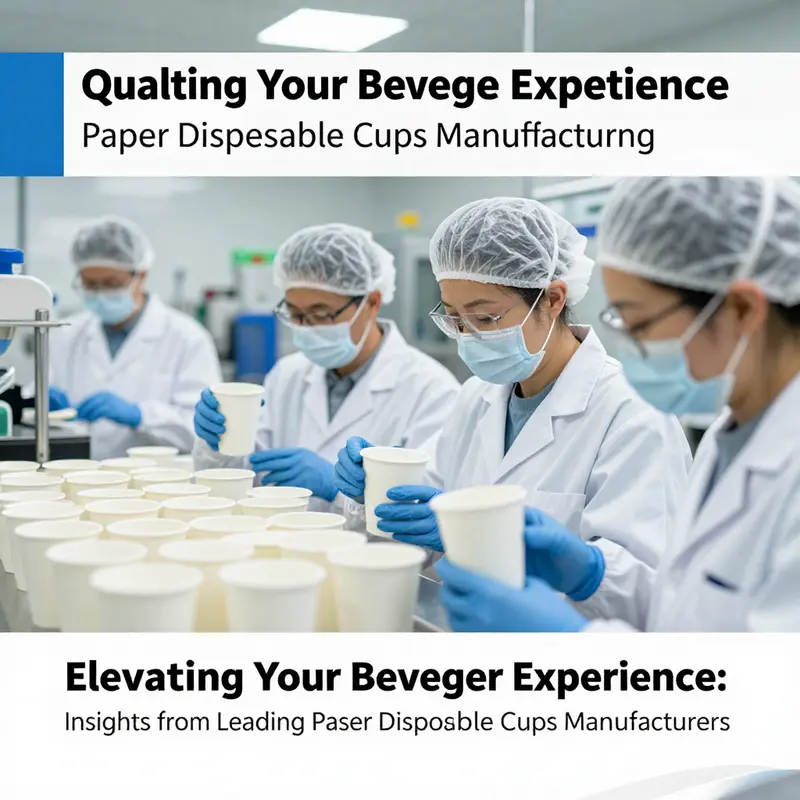
Quality Assurance and Compliance in Paper Disposable Cups Manufacturing
The production of paper disposable cups sits at the intersection of consumer safety, environmental responsibility, and global logistics. In a landscape where demand for bulk, customizable, and reliable packaging solutions continues to rise, quality assurance (QA) and compliance are not merely checklists but the invisible guardrails that ensure every cup performs under pressure—whether it holds a hot coffee or a cold beverage, whether it travels through a port in Guangdong or a distribution hub in Europe, and whether it arrives with consistent print quality and a leak-free seal. The chapter that follows stitches together the practical realities of QA with the regulatory expectations that shape the daily routines of major players in China’s paper cup ecosystem. It is a narrative that begins with materials and process control, moves through global regulatory landscapes, and ends with the operational discipline required to sustain trust across international markets.
From a materials standpoint, the QA journey begins long before a cup takes shape. Reputable manufacturers source pulp from responsibly managed forests or from recycled fiber streams to ensure consistency and minimize contamination risks. This is especially critical for cups designed to carry hot liquids, where the integrity of barriers, coatings, and seals must withstand sudden temperature and pressure changes. In practice, achieving the required precision means tight process controls across several dimensions. Wall thickness, for instance, must be controlled within ±0.1 millimeters, a specification that, while seemingly granular, translates directly into break resistance and insulation performance. Dimensional accuracy—within ±0.5 millimeters—ensures that cups fit predictable mold sizes and sealing components, enabling reliable stacking, printing, and lid compatibility. Sealing integrity is not a cosmetic attribute but a safety criterion; a small seam defect can become a conduit for leaks when a hot beverage is inside, undermining consumer confidence and increasing liability for the producer. These are not arbitrary targets but non-negotiable standards that hold up under routine audits, batch testing, and customer feedback loops.
In practice, the QA framework extends from raw material selection to finished products through a cascade of checks, certifications, and performance tests. For a typical leading production environment, automation forms the backbone of repeatability. Semi-automated or fully automated forming lines enable the production of single-wall, double-wall, and ripple-wall variants, including compostable formats where the coating system is redesigned to align with end-of-life requirements. Inline printing, rim rolling, and ultrasonic sealing are not merely speed enhancers; they are precision technologies that minimize human error and promote uniformity across tens of millions of units per month. The result is a stable baseline production capable of meeting the needs of bulk buyers who demand reliability, traceability, and speed. In a region like the Huangpi and Dongxihu industrial districts of a major manufacturing hub, these capabilities are complemented by robust logistics networks that connect production sites with global ports, ensuring the supply chain can scale from prototype runs to multi-million-unit campaigns.
The regulatory dimension adds another layer of rigor. In North America and Europe, cups must meet food contact regulations that prevent the transmission of contaminants from materials into food or beverages. The most direct way manufacturers address this is through certified polyethylene (PE) linings that deliver a liquid barrier without introducing harmful substances. The coatings must also comply with safety standards during both normal use and potential high-temperature scenarios. As consumer and environmental priorities evolve, there is a transition toward compostable alternatives such as polylactic acid (PLA) coatings. When properly implemented, PLA coatings can meet certification standards like ASTM D6400 and EN 13432, which define industrial composting conditions under which materials break down within a practical timeframe. This shift toward compostable coatings is not purely environmental; it reflects an evolving expectation among buyers for full lifecycle responsibility and credence in end-of-life outcomes.
QA and compliance are not theoretical ideals but verifiable commitments. Buyers should insist on third-party pre-shipment inspections that cover visual checks, dimensional verification, and leak testing. Documentation is equally important: certificates of compliance (CoC), material safety data sheets (MSDS), and batch-specific test reports provide the audit trail that buyers rely on when judging a supplier’s credibility. In practical terms, a reliable supplier demonstrates performance metrics that signal resilience within the supply chain. On-time delivery rates above 90 percent, rapid response times under four hours, and reorder rates exceeding 20 percent are not decorative statistics; they reflect the maturity of a supplier’s QA ecosystem and its capacity to absorb demand fluctuations without sacrificing quality.
Automation’s role in QA cannot be overstated. Modern facilities deploy forming lines capable of producing multiple cup configurations with tight tolerances. Inline printing ensures that graphics remain consistent across batches, while ultrasonic sealing and rim rolling reduce the risk of weak seams or misaligned lids. The combination of these technologies yields a product that not only looks right but performs predictably in real-world settings—from a steamy cafe to a disposable-food-service corridor in a bustling airport. Monthly outputs in the tens of millions are not unusual for large producers, and this scale enables the implementation of statistically robust QA processes. Each batch becomes a test case for the plant’s QA system, and every operator’s decision is filtered through standardized procedures designed to keep variability within the accepted envelope.
The businesses highlighted in recent industry analyses—three prominent players with long-standing production and export experience—exemplify the practical realization of QA and compliance in different market contexts. One company, a Chinese group established in the late 1990s, has evolved into a comprehensive enterprise producing both paper cups and plastic products. The model emphasizes a broad product portfolio across single-wall, double-wall, and ripple-wall formats in diverse sizes, with a coating architecture suited to the intended use and a production footprint that expanded significantly after 2020. The ability to print and customize according to customer requirements at a competitive MOQ speaks to the blend of scale and flexibility that QA programs in such configurations must support. The second and third manufacturers highlighted specialize in biodegradable or high-insulation variants, with a strong emphasis on customization and compliance. Their narratives foreground materials that meet international food contact safety standards, underscoring how regulatory expectations shape materials choices, coating strategies, and downstream disposal considerations. Together, these examples illuminate how a robust QA discipline translates into tangible, verifiable outcomes across global markets.
For buyers, the QA discipline translates into a practical due diligence framework. First, verify that raw materials come from approved suppliers with traceable lot numbers and clear material declarations. Second, request documented process controls that specify wall thickness targets, tolerances, and sealing integrity tests. Third, obtain third-party inspection reports and CoCs for pre-shipment verification, along with MSDS and batch test results. Fourth, seek evidence of regulatory alignment, including packaging and coating choices that comply with US FDA and EU food contact regulations. A supplier’s ability to present a coherent cross-border QA narrative—supported by certificates, data packs, and real-time communication—consistently correlates with successful export experiences. In practice, the bridge between QA theory and supplier performance rests on a disciplined QA culture: standardized operating procedures, continuous improvement loops, and a transparent dialogue with customers about traceability, change control, and corrective actions.
The broader implications for the industry are both pragmatic and strategic. QA and compliance are the engines that enable scale without surrendering safety or sustainability. They give buyers confidence to enter long-term contracts with confidence in consistent performance and predictable delivery. They also create a framework in which suppliers can pursue innovation—such as new coatings or alternative materials—without compromising safety profiles or regulatory acceptance. In a market that prizes customization, QA systems become the equalizer, ensuring that each batch adheres to the same quality standards regardless of the complexity of the design or the variation in print artistry. This alignment is especially crucial as environmental expectations continue to shape product development. Compostable coatings, recyclable packaging, and reduced footprint manufacturing are not add-ons; they are components of a QA paradigm that integrates material science, process engineering, and regulatory compliance into a single, auditable chain of assurance.
The path from raw pulp to consumer-ready cup is, at its core, a narrative of trust. A buyer cannot dim the lights on a front-house operation while hoping that the back-end production line remains steady; instead, QA and compliance must permeate every touchpoint—from the forest management policy associated with pulp suppliers to the end-of-life performance of a composting stream. A well-managed QA program recognizes that the customer’s expectations are not a static target but a moving horizon shaped by new regulations, evolving consumer preferences, and the growing demand for transparency. That is why the industry’s most resilient players invest in end-to-end traceability, robust supplier audits, and a culture of proactive risk management. In the end, the quality of a paper disposable cup is a function of the quality management system that surrounds it—the governance, the data, and the daily discipline that translate a raw material into a trustworthy, safe, and sustainable product.
Within this framework, a simple best practice emerges for B2B buyers seeking to establish a resilient supplier network. Look for verifiable certifications that reflect regionally relevant standards, look for a transparent and accessible QA data package, and look for a track record of meeting regulatory requirements while sustaining a competitive cost structure. In regions with mature export ecosystems, the integration of advanced logistics infrastructure with QA-driven production creates a seamless pipeline from factory to global distributor. The result is not merely a cup that holds a beverage but a standardized, auditable experience that supports brands in delivering consistent quality to their customers across continents. For readers who want to explore a concrete example of supplier transparency and product integrity, a long-form product page from a major supplier illustrates how QA and compliance can be documented alongside customization options. See the page here: senang01-hot-sale-customized-disposable-single-wall-paper-ice-cream-cups-with-lid-eco-friendly-food-grade.
The QA narrative is ongoing, and its importance lies not only in meeting current standards but in anticipating the next set of challenges. As global markets tighten standards around food contact safety and environmental stewardship, manufacturers are increasingly compelled to adopt more stringent internal QA protocols, invest in data collection and analytics, and embrace lifecycle thinking that measures environmental impact across sourcing, production, and end-of-life disposal. In this light, the three case studies highlighted—each addressing distinct market needs and regulatory pressures—collectively demonstrate that compliance is not a barrier to growth but a pathway to differentiation. A procurement leader who understands the QA architecture behind these cups gains a more nuanced view of risk, a sharper lens for supplier selection, and a more resilient plan for scaling across markets. The result is a more stable supply chain with clearer accountability, better product performance, and stronger relationships with distributors and end users alike.
External resource: for additional regulatory context on food contact materials, see FDA guidance and regulations governing food contact materials. This resource provides current standards and interpretations that inform QA teams during material selection, coating decisions, and testing protocols: https://www.fda.gov/food/food-contact-materials/food-contact-materials-regulations.
Final thoughts
Understanding the landscape of paper disposable cups manufacturers is crucial for beverage shops, restaurants, and catering services aiming to elevate their offerings. From customization that meets branding needs to sustainability practices that reflect modern consumer values, the right manufacturer can greatly impact your business. Quality assurance ensures that your cups not only look great but are safe for your customers. As you explore options, remember to choose a partner that aligns with your business goals and values.