
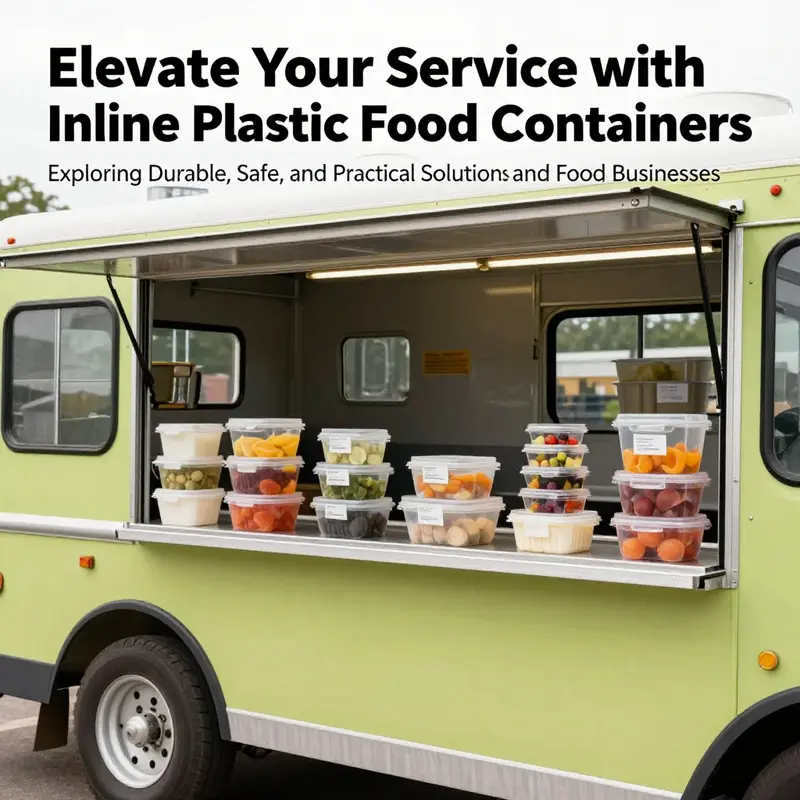
Inline plastic food containers are transforming how beverage chains, restaurants, food trucks, and catering services package, transport, and serve food. Known for their durability and leak-proof designs, these containers are perfect for maintaining food quality, whether for takeaway, delivery, or dine-in scenarios. This article aims to provide a comprehensive understanding of inline plastic food containers, exploring their material characteristics, popular models and applications, current market trends, and essential safety standards. Each chapter will illuminate how these containers can enhance operational efficiency and meet consumer needs in an ever-evolving culinary landscape.
Seal, Sight, and Substance: The Material Realities of Inline Plastic Food Containers
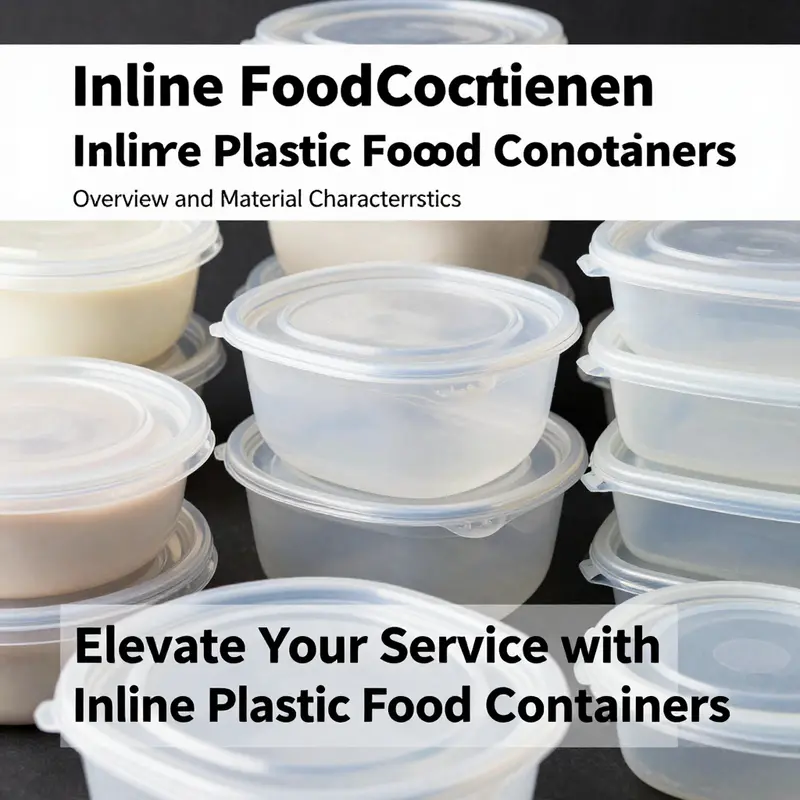
Inline Plastic food containers have become more than simple receptacles for meals and snacks. They sit at the intersection of practicality, safety, and everyday logistics. In kitchens, offices, and delivery fleets, these containers are expected to perform reliably under varied conditions: preserving freshness, resisting leaks during transit, and accommodating the demands of busy users who want a clean, efficient storage solution. The core of this capability lies not only in clever lid designs or modular partitions, but in the materials that compose the containers themselves. A careful look at the material characteristics reveals how a seemingly ordinary box can influence everything from shelf life and handling procedures to waste streams and health considerations. The discussion that follows treats the subject in a way that foregrounds the everyday realities of use while keeping an eye on the evolving standards that guide safe and sustainable packaging.
At the heart of many Inline Plastic containers are plastics chosen for a blend of clarity, strength, and resilience. Two materials—recycled-PET and polyethylene—appear repeatedly across the lines, each bringing distinct advantages to different use cases. Recycled-PET, or recycled polyethylene terephthalate, is prized for its transparency and its barrier properties. When used in food-contact applications, it provides a clear window into the contents, which is invaluable for quick visual identification in a busy kitchen or cafeteria line. Such clarity is not merely aesthetic; it reduces the need for labeling and helps staff monitor portions, freshness, and product turnover without opening containers. The barrier properties of PET—its resistance to moisture and gases—extend the useful life of many foods that would otherwise be susceptible to staling or moisture loss. In contexts like salads, snacks, and dry goods often packed for grab-and-go consumption, PET’s barrier performance translates into practical benefits: crisper textures, longer perceived freshness, and less spoilage during short-term storage or transit.
Polyethylene, on the other hand, enters the picture with a different set of strengths. It is widely used in many tamper-resistant and leak-resistant container designs and is favored for its durability and non-porous surface. Polyethylene’s impact resistance helps containers survive the inevitable bumps of a busy service environment, from a crowded catering event to a courier handoff. Its non-porous structure supports airtight seals, a feature that matters when liquids or semi-liquids accompany dry components, or when the container is expected to double as a meal-prep vessel to be refrigerated or even frozen. The ability to maintain integrity under low- and moderate-temperature conditions makes polyethylene a reliable backbone for freezer-safe applications, which are a frequent requirement for meal-prep regimes and bulk takeout programs. It matters in kitchens that rely on portion-control strategies, too. A sturdy, leak-resistant design reduces the risk of cross-contamination and simplifies stacking, cooling, and reheating workflows while preserving the sensory qualities of stored foods.
That said, material choice carries implications that extend beyond performance during use. The Safe-T-Fresh-type designs, which feature hinged lids and tamper-resistant configurations, illustrate how material decisions align with security and trust in consumer environments. A hinged lid reduces the likelihood of lid loss or misplacement during handling, and the tamper-resistant feature contributes to a perception of safety and integrity for packaged foods on the move. In practice, these design choices translate into tangible advantages for operations that must manage large volumes of meals or snacks, whether in a campus dining hall, a hospital cafeteria, or a delivery kitchen. Yet the story does not end with durability and convenience. It extends into questions of storage duration, heat exposure, and the practical realities of mixed-use cycles that containers endure in real life.
The conversation about materials also invites a sober appraisal of health and environmental considerations. Scientific research has documented that plastics used in food contact can shed microplastics into food and beverages, particularly where containers experience thermal stress, mechanical wear, or aging. This leaching is not merely a theoretical concern; it carries potential health implications as microplastics interact with human tissues and trigger inflammatory or cellular responses under certain conditions. The potential for microplastics to migrate from packaging into food underscores the importance of using containers within their intended safety parameters. It also prompts a broader reflection on lifecycle impacts: how many times a container is used, how it is cleaned, and what becomes of it at the end of its usable life. In parallel with these concerns, there is a growing appetite for sustainable alternatives that minimize environmental and health risks. Edible bioplastics, compostable coatings, and other eco-friendly packaging solutions are increasingly positioned as complementary or replacement options in environments where consumer awareness and waste reduction are central to brand and institution goals.
The practical implications of these material realities reveal themselves most clearly in everyday operations. Clear PET containers with tight, secure seals support efficient inventory management. Staff can quickly determine contents without opening the lid, which reduces the risk of contamination and spillage. When containers are designed for freezer use, they support longer planning horizons for meal-prep workflows, allowing kitchens to prepare large batches ahead of time and portion them for future service. At the same time, the reality that many such containers are not microwave-safe must be respected. This precaution aligns with safety guidelines for certain plastic types, which can change when subjected to microwave radiation. The consequence is a simple but crucial rule: plan reheating strategies that respect material limits, and favor containers specifically labeled for microwave use if hot service or re-cooking is anticipated. Following this guideline helps protect flavor, texture, and nutritional quality while avoiding unwanted chemical interactions or structural failures.
The interplay between design, material, and use-case is also a driver of efficiency in larger operations. For example, the ability to nest or stack containers without compromising seal integrity is not merely a space-saving feature; it accelerates loading, unloading, and cleaning cycles. In high-volume settings, the difference between a compact, stackable system and a bulky, unstable one can determine throughput, worker fatigue, and even safety. The visual advantage of clear bodies cannot be overstated here. When staff can identify contents at a glance, they can route orders, assemble lines, and monitor stock levels more rapidly, reducing errors and improving service reliability. This is particularly valuable in takeout environments where speed and accuracy can influence customer satisfaction and operational margins.
From a broader perspective, material choices influence not just daily operations but also strategic decisions about sustainability and supplier selection. Recycled-PET embodies a philosophy of circularity, turning post-consumer plastic into functional packaging that extends the material’s life cycle. Yet it is essential to acknowledge that not all recycling streams are equal, and the quality and integrity of recycled content can vary. In some configurations, recycled-PET must be carefully managed to preserve clarity and barrier properties, especially in multi-use scenarios. Polyethylene, with its rugged durability and reliable seal performance, offers a more forgiving path when the target use-case involves rough handling or frequent re-sealing. But even polyethylene benefits from thoughtful design choices that minimize the environmental footprint, such as optimizing wall thickness to balance strength with material usage, or selecting blends that maximize recyclability after the container’s service life ends.
Health and environmental discussions also invite consideration of alternative packaging materials when appropriate. The packaging landscape is increasingly diverse, with non-plastic options such as bagasse or kraft-paper-based containers offering compostable or recyclable pathways in many markets. These materials can provide attractive options for dry foods and cold storage in contexts where consumer demand prioritizes eco-friendly choices or regulatory incentives favor sustainable packaging. The idea is not to demonize one material but to acknowledge that many environments benefit from a mixed strategy. Businesses and households may find value in maintaining a core set of reliable, inert plastic containers for specific tasks, while reserving other materials for particular use cases where green credentials or compostability are prioritized.
The regulatory backdrop further shapes material choices and container safety. The Food Safety Modernization Act (FSMA) standards, among other guidelines, frame expectations for packaging materials used in food contact applications. Compliance is not a peripheral concern; it is integral to the design, procurement, and use of containers in professional settings. Firms can leverage these standards to guide risk assessments, cleaning regimens, storage conditions, and handling protocols. The standards emphasize a systems approach to food safety, recognizing that packaging is one piece of a larger puzzle that includes facility hygiene, supplier oversight, and traceability. In households and small offices, an awareness of these standards helps inform best practices around storage temperatures, reuse cycles, and disposal or recycling pathways.
To illuminate the broader packaging ecosystem, consider the contrast with paper-based and alternative packaging streams. For instance, disposable kraft paper takeaway boxes with clear lids illustrate how paper and bio-based packaging can fulfill similar functional roles in terms of containment, visibility, and ease of transport. A resource detailing this category—covering takeout boxes with clear lids and customizable finishes—provides a useful foil to plastic options by highlighting how different materials meet different goals, from compostability to messaging surfaces and branding. For those exploring the spectrum of materials available for meal packaging, a closer look at such kraft-based solutions helps ground the conversation in real-world tradeoffs.
This chapter’s exploration thus reframes plastic containers not as static, one-size-fits-all products, but as adaptable components within a dynamic system of storage, transport, safety, and sustainability. The choice of material—whether recycled-PET for its clarity and barrier attributes or polyethylene for toughness and seal reliability—interacts with design features like hinged lids, tamper resistance, and freezer compatibility to shape the container’s practical value. The end user, whether a home cook, a café worker, or a meal-delivery operator, benefits when those material choices align with clear labeling, robust sealing performance, and predictable behavior under temperature variations. The chain of consequences—from storage to transport to reheating—depends on the subtle properties of plastics and their interaction with food and handling practices.
In closing, the current material landscape for inline plastic food containers presents a coherent story of practicality married to safety and informed by ongoing environmental and health considerations. The materials chosen—recycled-PET for visibility and moisture control, and polyethylene for durability and leak resistance—provide a versatile platform for a wide range of food storage and transport needs. Yet the story also acknowledges the legitimate concerns around microplastics and the appeal of eco-friendly alternatives. It invites a continuum of decision-making that weighs performance, safety, and sustainability in equal measure. For those who want to diversify beyond plastic, the market offers compelling kraft-paper and bioplastic options that respond to different priorities without compromising the essential functions of containment and transport. Meanwhile, adherence to standards such as FSMA remains a critical compass for ensuring that packaging contributes to safe, hygienic, and reliable food experiences across home and professional settings. For readers seeking a practical contrast with paper-based packaging options, a representative example of disposable kraft paper takeaway boxes with clear lids can be explored here: https://cupbowlpack.com/product/disposable-kraft-paper-takeaway-box-clear-lid-custom-print-matt-lamination-for-sushi-salad-wholesale-food-container/. This link serves as a tangible point of comparison as readers consider how material choices shape everyday use and long-term sustainability in the evolving world of food packaging. External standards and more in-depth safety guidance can be found at the FSMA standards resource: https://www.foodsafety.gov/food-safety-modernization-act/fsma-standards.
Practical Strengths and Everyday Uses of Inline Plastic Food Containers
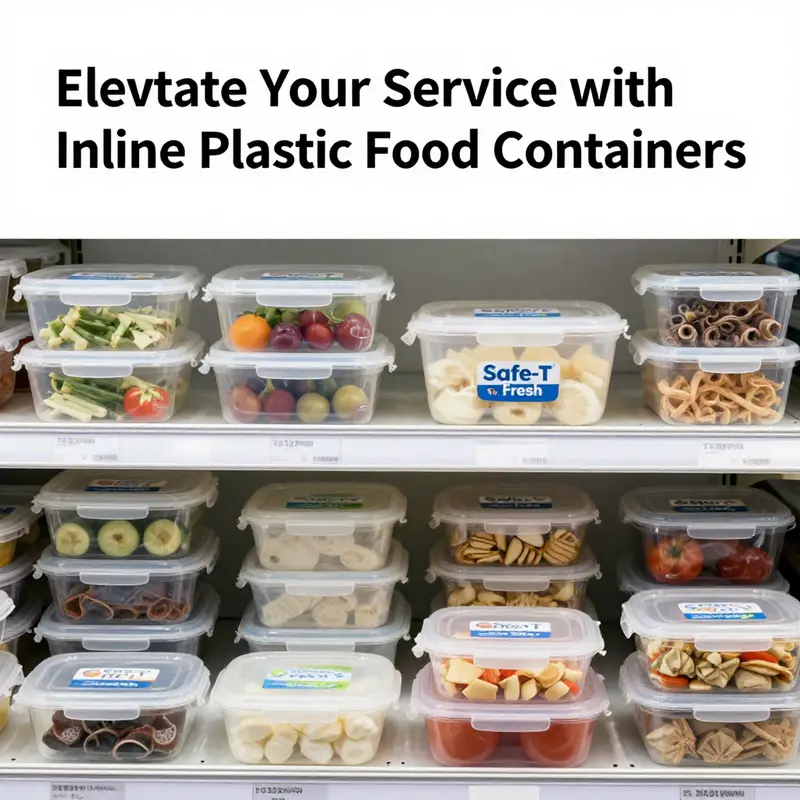
Inline plastic food containers have become a cornerstone for kitchens, food service operations, and delivery systems that need efficient, reliable packaging. Their design balances durability with convenience. They are produced in single-compartment and partitioned formats. They come with hinged lids, tamper-evident seals, and stacking profiles that fit tightly into shelving and transport racks. This chapter examines the materials, sealing systems, everyday applications, operational advantages, and practical decision points that help buyers choose the right inline plastic container for their needs.
Most containers in this category are molded from polymer resins such as polypropylene (PP) and high-density polyethylene (HDPE). These materials provide a mix of properties that matter for food handling. They resist common acids, oils, and salts found in food. They tolerate a range of temperatures without warping. They also show good mechanical strength, which reduces cracking and breaking when stacked or dropped. For businesses that prepare meals in volume, this reliability translates to fewer replacement costs and less waste from damaged packaging.
Thermal stability is often a deciding factor. Containers made from PP typically handle microwave use and reheating when indicated safe. They also remain dimensionally stable at freezer temperatures. That dual-use capability is invaluable for meal-prep services that cook, chill, and ship dishes to customers. Freezer-safe containers slow moisture migration and help maintain texture. Microwave-safe variants allow customers to reheat meals without transferring food to another dish. When containers are clearly labeled for microwave use, they reduce confusion and improve customer satisfaction.
Sealing performance is another core advantage. Many inline designs feature tight-fitting, hinged lids or separate snap-on lids with tamper-evident tabs. These systems reduce leakage and preserve freshness during transport. Tamper-evident features add a visible layer of security that reassures consumers and supports regulatory compliance in retail environments. When lids are transparent, the visual identification of contents speeds up service lines and inventory checks. Clear lids permit staff to confirm orders at a glance, reducing mistakes and improving throughput.
Compartmentalized versions expand functionality. Containers with molded partitions allow portion control, separation of hot and cold items, and prevention of sauces from soaking into dry ingredients. This is particularly useful for mixed meals, salads with toppings, or desserts that must stay crisp. For food retailers and meal-prep services, partitioned containers simplify packing and presenting multi-component dishes. They also reduce the need for additional packaging, saving cost and minimizing clutter in delivery bags.
Operational considerations go beyond material and closure. Stackability and nesting behavior affect storage efficiency. Good inline designs nest when empty to reduce warehouse footprint. When filled, they should stack securely to prevent sliding during transport. Dimensional consistency helps automated packing systems as well. Uniform sizes allow conveyor belts, sealers, and labeling machines to operate without frequent adjustment. For commercial kitchens with high throughput, these small efficiencies compound into sizable labor and time savings.
Bulk availability and customization options are important for businesses. Many suppliers produce these containers in large daily volumes and offer printing or branding services. Custom lids, tamper bands, and printed logos help restaurants and caterers present a professional image while protecting contents. Branded packaging also plays a marketing role when customers bring meals outside the point of sale. Ordering in bulk reduces per-unit costs and secures supply continuity during busy seasons.
Safety and regulatory compliance deserve careful attention. Choose containers made from food-grade resins. Confirm that materials meet local food-contact regulations. Avoid containers made from polystyrene for reheating tasks. Polystyrene may leach under high heat and is brittle at low temperatures. Select containers whose labels explicitly state microwave and freezer compatibility when those functions are required. Proper labeling reduces liability and aligns staff with safe handling practices.
Environmental questions often influence procurement choices. Thermoplastics like PP and HDPE are recyclable in many areas, and recycling lowers the material footprint compared with single-use alternatives that cannot be easily processed. However, recycling infrastructure varies widely. When recycling is unavailable, reusing sturdy containers extends their service life. Regular inspection for wear helps ensure food safety during reuse. For businesses that prioritize compostable or fiber-based packaging, there are alternatives such as kraft-paper bowls with PP lids that combine recyclability with a renewable base. One relevant option can be explored here: recyclable kraft paper salad bowl with PP lid.
Cleaning and reuse protocols play a crucial role in safe, sustainable operations. Rigid PP variants tolerate repeated washes in commercial dishwashers when the label permits. Use warm, soapy water and a soft brush for manual cleaning. Avoid abrasive pads that can scratch lids and compromise seals. Inspect hinges and snap features for stress marks or cracks. Replace containers that show significant wear. For transport of ready-to-eat foods, follow local sanitation guidelines and maintain a strict schedule for container rotation.
Choosing an appropriate size and shape reduces wasted space and improves portion control. Consider the nature of the menu and the preferred presentation. Shallow, wide containers suit salads and appetizers. Deeper, narrow containers work well for soups, stews, and layered entrees. Standardized sizes simplify inventory management and speed up order fulfillment. When labels or tamper bands are required, leave smooth side panels for easy printing or adhesive application.
Leak resistance matters most for liquid or sauce-heavy foods. Look for containers with double-lip seals or channel groove lids that lock in place. A reliable seal reduces the risk of cross-contamination during transit. For deliveries, consider an additional outer band or shrink film to secure lids under jostle. When stacking multiple orders, place heavier boxes below lighter ones to avoid pressure deformation and leakage.
Transport and packing strategies should align with container choice. For courier and delivery services, pack containers upright and use insulating bags when temperature control is necessary. Add cold packs for perishable chilled items and insulated liners for hot meals. Tamper-evident closures should be engaged after final inspection and before handoff. For retail shelf display, clear lids and well-designed labels aid impulse buys and speed customer selection.
Cost is always a factor. Inline plastic containers offer a compelling balance of upfront expense and durability. While compostable or fiber-based options may carry higher unit costs, plastic containers often provide longer in-service life if reused. Do a total-cost analysis that includes purchase price, expected life, cleaning costs, disposal fees, and environmental charges. Volume discounts and supplier contracts can reduce costs further.
Safety tips for staff and consumers include avoiding heating sealed containers in conventional ovens, ensuring venting for microwave reheating, and adhering to maximum temperature guidance. Train staff to check for warping, cracks, or compromised hinges. For long-term storage of acidic or oily foods, choose HDPE or high-quality PP to minimize changes in flavor or container integrity.
In short, inline plastic food containers deliver practical strength and flexibility for a wide range of food handling tasks. Their material properties support microwave and freezer use when specified. Tight lids and tamper-evident features preserve freshness and safety. Partitioned formats increase functional versatility. For businesses and home users balancing durability, cost, and convenience, these containers often provide the best blend of benefits. When sustainability is a priority, pairing plastic lids with recyclable fiber bowls or choosing reusable polypropylene variants can strike a workable compromise.
For shoppers seeking product listings and retail availability, consult major online retailers for current selection and quantities. For an initial reference point, visit: https://www.walmart.com/search?q=inline+plastics+food+storage+containers
Where Convenience, Safety, and Sustainability Meet: Trends Shaping Inline Plastic Food Containers
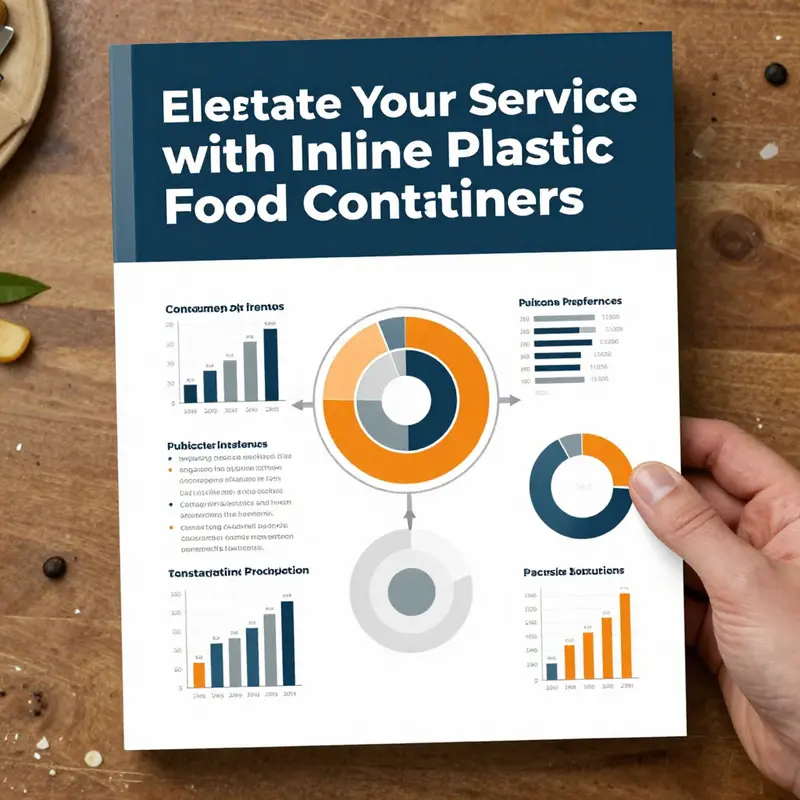
The market for inline plastic food containers is being reshaped by converging forces: evolving consumer habits, stricter safety expectations, and a growing emphasis on environmental performance. Demand for convenient, transportable meals and for reliable takeout packaging has expanded the role plastic containers play across households, meal delivery services, cafeterias, and retail food counters. Buyers no longer choose on price alone. They weigh transparency, thermal resilience, leak resistance, portion control, and end-of-life options. This chapter traces how those priorities influence product design, material selection, procurement decisions, and the gradual pivot toward hybrid solutions.
Clear, durable containers remain a default choice because they deliver practical benefits that matter to end users and operators. Visibility of contents speeds service and reduces errors. Rigid walls and tight-fitting lids resist crushing during transit. Lightweight construction keeps shipping costs down while still offering structural support. Materials such as polypropylene and high-density polyethylene are common because they balance chemical resistance with thermal stability. They tolerate refrigerated storage, brief reheating, and repeated handling. For foodservice operators, these traits translate into fewer returns, fewer spills, and smoother workflows.
At the same time, specific functional features have risen in importance. Tamper-evident closures and hinge lids that lock into place are more than conveniences. They signal safety and provide peace of mind for consumers who buy prepared foods or order delivery. Partitioned trays and multi-compartment bowls support portioning and menu variety without cross-contamination. Microwave-safe formulations and freezer compatibility permit meal prep and bulk batching. These performance attributes reduce food waste by extending usable life and enabling reheating without repackaging.
Material transparency and clarity influence purchasing, too. Containers made from clear polymers offer superior product presentation. For retailers and kitchens, clear packaging cuts down on labeling needs and accelerates inventory checks. The downside is that not all clear plastics behave the same under stress. Some show stress whitening, others are prone to surface scratches that obscure contents. UV exposure and acidic or oily foods can degrade appearance over time. Manufacturers respond by optimizing resin grades, increasing wall thickness where needed, and designing lids to protect visible surfaces.
Consumers are increasingly educated about material limitations. Many have observed staining in white or low-grade plastics when they contain richly colored sauces. That awareness has driven demand toward higher-grade, non-reactive polymers and toward liners or coatings that resist staining. Food-contact safety is another focus. Buyers expect materials to meet migration limits and to be free of harmful additives. Compliance with recognized food-contact standards is now table stakes for reputable suppliers.
Sustainability considerations are altering the market in meaningful ways. Conventional plastics still dominate for cost and performance reasons, yet recyclable and compostable alternatives are gaining traction. Where recycling infrastructure is robust, recyclable food containers that are mono-polymer or clearly labeled for curbside collection are preferred. In regions where composting is growing, bagasse and kraft solutions offer renewable, compostable options for dry or semi-dry items. Hybrid solutions—paper bowls with plastic lids, or plastic containers with biodegradable liners—are used when a single material fails to meet all performance needs. For operators, the choice often depends on local waste management capabilities more than on the container’s inherent compostability.
Cost-performance trade-offs remain central. Recyclable or biodegradable materials frequently carry higher unit costs or require thicker constructions to match the durability of conventional plastics. Yet the total cost of ownership can favor sustainable options when brands factor in waste disposal fees, regulatory compliance, or consumer preference-driven sales gains. Procurement teams are adopting a more holistic cost model. They evaluate purchase price, transportation costs, functional performance, and end-of-life logistics. When a supplier can document reduced leakage rates or fewer product returns, those operational savings become a persuasive argument.
Regulatory and labeling trends have a strong influence on both suppliers and buyers. Clear declarations about material type, microwave and freezer safety, and recycling codes help operators select appropriate containers. Third-party certifications and testing reports that demonstrate food-contact safety or compostability provide credibility. For large accounts, suppliers who offer technical data sheets, migration testing results, and batch traceability enjoy an advantage. Traceability is particularly important in high-volume environments where recalls could be costly.
Design innovations respond directly to operational realities. Stackability reduces storage footprint in small kitchens. Lids engineered to interlock lower the risk of lids popping open during transport. Tamper-evident features built into hinge designs protect brand integrity while minimizing additional packaging. Partitioned containers are evolving beyond fixed compartments into flexible inserts that allow a single SKU to serve multiple menu needs. These design shifts reduce SKU proliferation and simplify ordering for buyers who manage dozens of menu configurations.
The growth of food delivery and e-commerce has driven focus on leak-proof performance. A single spilled order can damage reputation and prompt costly refunds. As a result, seal design and material fit have improved. Gaskets, double-lip seals, and precise thermoforming close tolerances work together to reduce leakage. Many foodservice buyers now test containers under simulated transport conditions before committing to large purchases. They look for consistent lid engagement across temperature ranges and for dimensional stability when containers are stacked and shipped in bulk.
Operational efficiency extends into order assembly and speed of service. Containers that snap shut reliably and that nest when empty save minutes per order. Clear internal layout and visible portion lines speed assembly and portion control. For institutional buyers, such as cafeterias or catering services, these small efficiencies scale into significant labor savings. Packaging that supports quick, correct assembly also reduces food waste caused by over-portioning or by improper separation of hot and cold items.
Branding and customer experience remain intertwined with functionality. Packaging that preserves presentation delivers a better first impression. For retail operators, the visual appeal of contents inside a transparent container can drive impulse purchases. Yet visual appeal cannot compromise safety. As consumer expectations rise, packaging that combines clear display with tamper protection and easy resealability commands premium pricing. Some suppliers offer customizable printing or labeling options that preserve recyclability while enabling branding.
The supply chain implications are substantial. Demand volatility, seasonality, and the need for bulk purchasing require reliable lead times and predictable quality. Suppliers with scalable production and strong quality control reduce the risk of disruptions. For buyers, consolidating SKUs with versatile container designs can ease inventory management and reduce minimum order requirements. Many purchasers prefer to work with suppliers who offer a range of sizes and options within the same product family. That consistency simplifies training and ensures predictable performance across uses.
Evaluating containers requires clear metrics. Leakage rate, lid-engagement force, stack height per case, and cycle life under temperature extremes are useful performance indicators. Buyers should request lab data for migration testing and for thermal cycling. Real-world trials that simulate delivery routes and temperature changes provide the most actionable insights. Procurement teams that include operations staff in testing achieve better alignment between performance claims and daily realities.
Looking ahead, the market will continue to balance performance with sustainability and cost. Improvements in resin technologies, advances in mono-material designs, and better recycling streams will all influence adoption. Hybrid approaches will persist where they offer the best compromise between functionality and environmental impact. Transparency in material claims and in end-of-life pathways will increase as consumers and regulators demand accountability.
For buyers, the choice of inline plastic food containers is no longer a narrow decision. It spans material science, logistics, consumer psychology, and waste management. Successful selections meet operational needs, satisfy safety norms, and align with the retailer’s environmental stance. Where local waste systems support it, recyclable or compostable alternatives deserve serious consideration. Hybrid or higher-grade plastic options remain valid where durability and leak-resistance are paramount. To explore one example of compostable and partially plastic-integrated solutions, review the recyclable kraft paper takeaway salad bowl with PP lid for a concept that marries presentation with compostable bases and functional lids: https://cupbowlpack.com/product/best-price-recyclable-kraft-paper-disposable-rectangle-takeaway-salad-bowl-pp-paper-lid-750ml-microwavable-sugar-use-embossing/.
For technical guidance on material standards, properties, and industrial applications related to food container plastics, consult a comprehensive industry resource: https://www.plasticsnews.com/industrial-plastics/understanding-food-container-plastics-complete-guide.
With thoughtful selection and rigorous testing, inline plastic containers can meet the dual goals of functional performance and improved environmental outcomes. The balance may shift over time, but the priorities are clear: maintain food safety, reduce waste, and optimize operational efficiency while remaining transparent about material choices and end-of-life pathways.
Safeguards, Sustainability, and Everyday Realities: The Lifecycle of Inline Plastic Food Containers
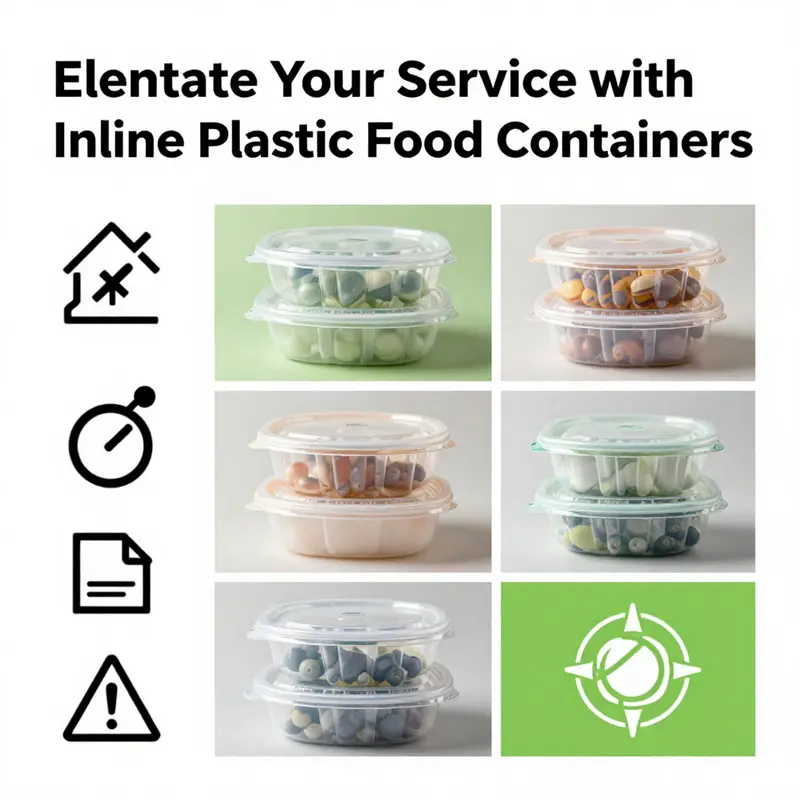
Inline plastic food containers have become quiet workhorses in homes, offices, and a wide range of food-service operations. They are prized for their durability, dependable sealing, and the practical versatility that comes from designs ranging from simple, single-compartment boxes to partitioned configurations. In daily routines—meal-prep sessions at home, takeout packed for a busy workday, or bulk storage in a cafeteria—their appeal hinges less on novelty and more on consistency: containers that resist leaks, protect the integrity of their contents, and fit neatly into a workflow. This chapter traces how safety standards and environmental considerations shape the use and ongoing evolution of inline plastic food containers, weaving together the threads of material science, regulatory oversight, and responsible consumption that underpin their reliability and, increasingly, their sustainability credentials.
At the heart of these containers is material choice. Most inline containers are fashioned from polypropylene (PP), high-density polyethylene (HDPE), or, less commonly for food-contact applications, polystyrene (PS). Each material brings a distinct balance of properties that influence performance in real-world conditions. PP is celebrated for its chemical resistance and broad applicability in food-contact contexts. It maintains its shape under repeated handling and resists a fair amount of thermal stress, which helps when containers move from fridge or freezer to microwave or hot serving lines. HDPE shares many of PP’s practical benefits, including resilience, toughness, and chemical inertness, which makes it a dependable choice for bent lids, hinges, and multi-compartment configurations. PS, while light and clear for easy content identification, has raised questions in heated or prolonged-use scenarios because of concerns about styrene migration. These material characteristics—stability, resilience, and the potential for leaching under certain conditions—frame the safety discourse surrounding inline containers.
Regulatory oversight reinforces the safety framework by ensuring that materials in contact with food meet established limits for chemical migration. The governing bodies tasked with these standards examine how substances migrate from plastic into food under typical use and under conditions that stress the material, such as heating or extended storage. The consensus across major jurisdictions is purposeful: polypropylene and high-density polyethylene are widely recognized for their food-contact safety and recyclability, whereas polystyrene has more limited applications when hot foods or microwaving are involved due to concerns about potentially higher leachates. The rules are not merely about the plastic itself but about the entire use scenario: from the moment a container is filled to when it is heated, cooled, stored, and eventually recycled or disposed of. This safety architecture makes the choice of container a matter of context as much as material.
Within this safety matrix, practical design features play a critical role in ensuring that food remains secure during transport and that the container’s performance aligns with careful handling practices. A significant feature set includes (1) tamper-evident and leak-proof constructions, (2) transparent, hinged lids for quick content identification, and (3) reliable hinges and seals that endure repeated use. In professional settings, these capabilities translate to fewer spoilage incidents, less cross-contamination risk, and more efficient packing and inventory management. When a lid seals tightly and a container resists leaks, it becomes feasible to transport both liquids and sauces without fear of spillages that create messes or waste. In retail and food-service contexts, clear visibility of contents helps front-line staff and customers alike distinguish entrees, sides, and desserts at a glance, reducing errors and speeding up service. The tangible benefits of such design choices ripple through the end-to-end process, from kitchen to consumer.
To illustrate how these principles translate into everyday practice, imagine a batch of containers used for mixed-diet meal prep. The containers are chosen for their robust sealing and their ability to withstand the temperature variations of a typical household cycle—from refrigeration to reheating. The design encourages portion control, a factor that supports both healthier eating habits and more predictable inventory in a shared kitchen. In commercial settings, the same attributes support high-volume throughput: rapid filling, dependable sealing, and a lid that remains secure even when containers are stacked or transported on carts during busy service periods. While the specifics vary by application, the underlying logic remains consistent—the aim is to preserve freshness, prevent leaks, and maintain a clean, efficient workflow.
A practical note on product anatomy and user experience can reflect how the market aligns with safety and efficiency. The market tends to favor transparent, easy-to-inspect packaging because it helps staff quickly verify that the proper items are in the correct containers and ensures that tamper indicators remain visible. The transparency not only supports quality control but also aids in inventory management and reduces the likelihood of mislabeling. The lid geometry, seal integrity, and hinge durability all contribute to this experience, shaping how containers perform in busy kitchens, break rooms, and delivery streams.
As safety and performance norms evolve, so too do sustainability considerations. The lifecycle of inline plastic food containers extends from raw material extraction to end-of-life management, and the environmental footprint of each stage merits careful attention. In the realm of recyclability, PP and HDPE stand out for their established recycling streams, which means that properly sorted containers can be reprocessed into new products with relatively lower environmental impact than virgin plastics. Yet, the best outcomes depend on responsible consumer behavior and clear end-of-life pathways. Even durable and reusable containers can contribute to environmental burdens if they are disposed of improperly or if recycling streams are overwhelmed by contamination. The challenge is not merely in choosing a material but in choosing processes that keep containers in use longer and ensure that their end-of-life journey leads to responsible material recovery rather than pollution.
Environmental considerations also raise questions about the production phase. The creation of virgin plastics carries greenhouse gas emissions and fossil-fuel consumption, underscoring the importance of reuse and recycling as strategies to mitigate climate impact. For many operators, durability translates into lower long-term waste when containers endure repeated cycles of storage and transport. This is why manufacturers and retailers increasingly emphasize long lifespans, multi-use design language, and labels that assist in proper sorting and recycling. The emphasis on durability, when paired with responsible end-of-life programs, can significantly improve the overall sustainability profile of inline containers.
To address these concerns, the discourse around sustainability has evolved beyond simply choosing a recyclable plastic. It now encompasses the broader circular-economy framework: designing containers for easy disassembly, ensuring certified recyclability, and promoting systems that collect, sort, and reuse plastic materials at scale. Best practices advocate not only selecting containers labeled as recyclable but also engaging in lifecycle-minded purchasing—prioritizing materials with established recycling streams, seeking BPA-free or BPA-conscious options where relevant, and supporting programs that collect products at the end of their life to reintegrate them into the production cycle.
These considerations are not solely theoretical. They have a direct bearing on how inline containers are used in different settings. In food-service operations, for example, the emphasis on leak-proof performance and tamper resistance should go hand in hand with responsible disposal practices in restaurants and cafeterias. In consumer households, the focus on reusable designs and careful cleaning routines helps extend the container’s life and reduces waste. The interplay of safety, performance, and environmental stewardship becomes a practical guide for decision-making rather than abstract rhetoric.
For readers seeking concrete examples of how these principles manifest in real-world supply contexts, consider the consumer take-away sector, where the balance of durability, safety, and ease of disposal is especially critical. These containers are often designed to be reused multiple times while also being compatible with common recycling streams when they reach end-of-life. The design intent is to minimize the friction between safe storage and efficient transport without compromising food quality or safety. A useful way to explore how this balance appears in practice is to review product pages that highlight material choices, sealing capabilities, and lifecycle considerations. For instance, a widely accessed page showcases a food-grade takeaway bowl designed for multi-use scenarios, including packing and reheating, and it features clear lids that help verify contents at a glance while maintaining a leak-proof seal. You can learn more about this kind of option here: Senang05 food-grade takeaway bowls.
An essential note on standards and guidance remains the role of authoritative safety resources. While product design and consumer behavior are critical, the backbone of safe use lies in adhering to regulatory guidance on food-contact materials. The FDA’s official guidance on food-contact materials provides a foundational reference for understanding acceptable levels of chemical migration, how containers should be used under heat, and what marks reputable suppliers may carry for safety and recyclability. This information helps manufacturers and users alike align daily practices with established best practices in food safety and environmental responsibility. For those seeking authoritative standards, the FDA link offers a comprehensive starting point.
In sum, inline plastic food containers sit at the intersection of practical everyday use, rigorous safety frameworks, and evolving environmental expectations. The materials—PP, HDPE, and PS—offer a spectrum of performance characteristics that suit different foods, temperatures, and handling scenarios. Regulatory oversight reinforces safe use by addressing leaching and heating behaviors, while thoughtful design—tight seals, transparent lids, and durable hinges—translates safety into reliable operation. Environmental considerations, increasingly central to production and procurement decisions, push the industry toward longer-lasting designs, certified recyclability, and streamlined end-of-life flows that minimize waste and maximize material recovery. The result is a landscape in which diners and service operators alike can appreciate the reliability of a well-made container while also recognizing their shared responsibility to reduce environmental footprints. As consumer demand and policy evolve, the value proposition of inline plastic food containers will continue to hinge on how well they harmonize safety, performance, and sustainability in everyday use.
External resources and further reading can deepen understanding of safety standards and environmental performance. See FDA guidance on food-contact materials for authoritative information and updates that influence what containers are considered appropriate for different foods and heating conditions: https://www.fda.gov/food/food-contact-materials
Final thoughts
Understanding inline plastic food containers is crucial for businesses in the beverage and food service sectors. Their range of products, material characteristics, and adherence to safety standards make them indispensable for efficient food management. As consumer preferences shift towards packaging that combines practicality with sustainability, aligning your choice of containers with these trends will enhance your brand’s appeal and operational effectiveness. Adopting high-quality inline plastic food containers offers a reliable solution to packaging challenges, ensuring product integrity and customer satisfaction.