
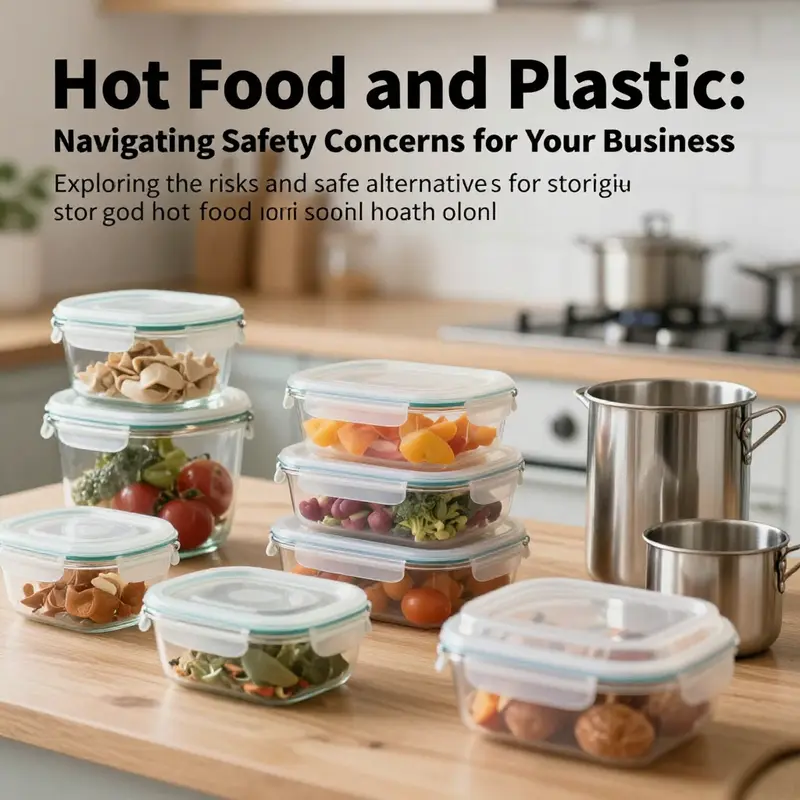
The debate over whether it’s safe to place hot food in plastic containers is more pressing than ever for food service providers such as bubble tea shops, restaurants, and catering services. Concerns about chemical leaching and the potential health impacts of microplastics cannot be overlooked. In this exploration, we will delve into the chemical risks associated with plastic containers when subjected to high temperatures. Next, we will examine the different types of plastics and their safety for hot food storage. Finally, we will present safer alternatives to ensure that your food offerings remain delicious and safe for your customers.
Heat, Leach, and the Risk Overlay: Reconsidering Hot Food in Plastic Containers
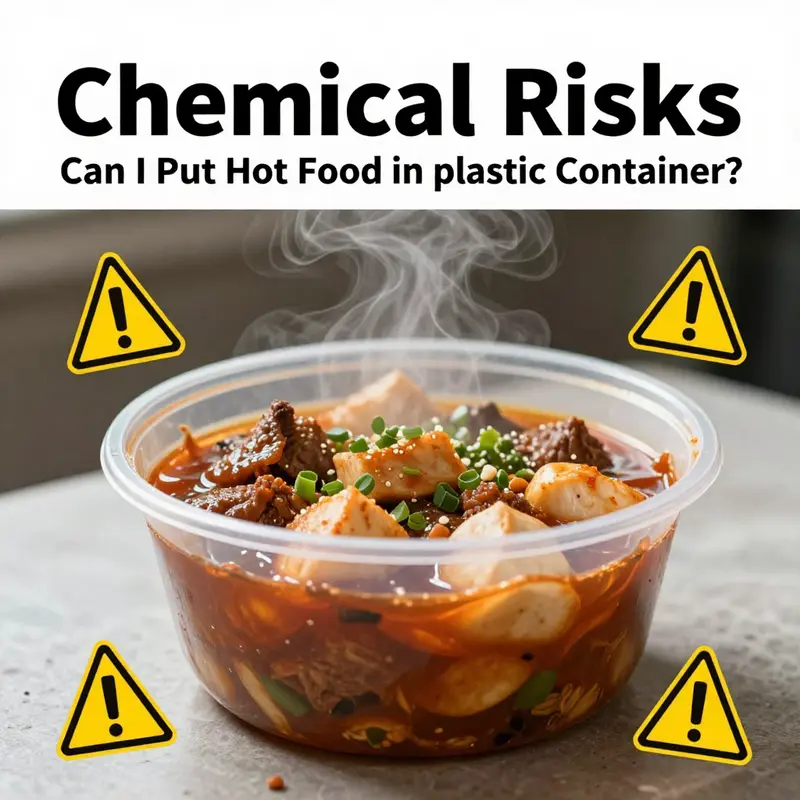
Heat tests a material’s integrity the way drought tests a landscape. When you pour hot soup, steam, or boiling broth into a plastic container, you are not just moving food from one vessel to another. You are inviting heat to push the boundaries of what the plastic can safely handle. The central concern is leaching: the migration of chemical constituents from the container into the food. This is not a distant hypothetical; it is a physical process driven by temperature, contact time, and the chemical makeup of the plastic. In practical terms, the hotter the food and the longer it stays in contact with the container, the greater the chance that substances will migrate into the meal. The study of these interactions reveals a landscape where some plastics pose modest risks under certain conditions, while others present more glaring hazards when heated. The overarching message is clear: hot food and many common plastics should be treated with caution, and the safest routine is to minimize plastic contact with heat whenever possible.
At the heart of the risk is chemistry. Plastics are long chains of molecules whose arrangement defines their mechanical properties and their interactions with food. When heat enters the equation, these polymer chains can loosen, rearrange, or fragment in ways that release additives and degradation products. Among the substances that most worry researchers and health professionals are endocrine disruptors such as Bisphenol A (BPA) and certain plasticizers like DEHA. BPA has been linked to hormonal imbalances, reproductive issues, and developmental concerns in children, particularly when exposure is persistent or repeated over time. Even if a container is labeled BPA-free, the story does not end there. Substitutes such as BPS or BPF have shown the capacity to mimic BPA’s effects in the body, sometimes with similar potency. This phenomenon—replacement with compounds that behave like the old toxin—complicates consumer choices and underscores why blanket assurances of safety can be unreliable.
Beyond these well-known chemicals, the heat-triggered migration of monomers and additives can generate other health signals, including the formation of free radicals. Free radicals are unstable molecules that can drive oxidative stress, a process implicated in cardiovascular disease, inflammation, cataracts, and even cancers in the long run. When food is heated inside a container whose polymer chains are disorganized or partially degraded, the release of free radicals can be more pronounced. The evidence is not a single alarm but a chorus of signals suggesting that high-temperature contact with plastics is not a neutral event. The risk landscape becomes even more intricate when one considers that certain plastics may shed microplastics—the tiny fragments or particles that result from polymer breakdown. While the health implications of microplastics in the human diet are still being explored, the sheer scale of exposure and the diversity of potential effects warrant caution and further research.
A practical way to parse the safety of specific plastics is to think in terms of their heat tolerance and their food-contact status. Polypropylene (PP) is often singled out as relatively safe under controlled conditions because it tolerates heat better than many other plastics—some sources cite a heat tolerance up to about 120°C (248°F). When a container is clearly marked as microwave-safe and food-grade, it is usually supposed to have been designed with such heating in mind. Yet even with PP, there are caveats. Prolonged exposure to high temperatures or the presence of fatty foods can change how substances migrate, and there is no universal guarantee of absolute safety. By contrast, polystyrene (PS) poses clearer risks when used with hot items. Heating PS can lead to warping, softening, and the leaching of styrene, a compound categorized as a suspected carcinogen in some risk assessments. Polyvinyl chloride (PVC) stands on the more dangerous end of the spectrum for food contact, carrying a higher likelihood of harmful migration and a greater number of additives that can migrate under heat. Low-density polyethylene (LDPE) and high-density polyethylene (HDPE) generally fare better with cold foods but are not made to withstand heat exposure; they can soften or degrade, increasing the chances of leaching and the formation of microplastics.
Taken together, the material-specific guidance points in the literature converge on a cautious stance: while certain plastics can be used for hot foods under tightly controlled conditions, the safer and more reliable approach is to minimize plastic contact with heat altogether. If plastic must be used for hot foods, the emphasis should fall on selecting containers that are clearly labeled as microwave-safe and that are made from polypropylene. And even then, it is prudent to limit heat exposure—avoid heating fatty foods, avoid boiling water directly in contact with plastic, and avoid reusing single-use plastics for hot meals. These precautions are not merely conservative habits; they reflect a body of evidence that heat amplifies chemical migration in some plastics more than in others.
What about the broader question of “is it safe to heat food in plastic containers?” The short answer, grounded in the current evidence, is that it is not universally safe. It is possible to reduce risk by choosing specific materials and by following careful heating practices. But the safest strategy, especially for households with children, pregnant individuals, or people with heightened exposure concerns, is to shift away from plastic for hot foods whenever feasible. The alternatives—glass, stainless steel, or ceramic—are inert in the sense that they do not leach harmful substances into food when heated. They provide a more stable barrier between the food and the environment, reducing the likelihood of chemical migration and microplastic exposure. These materials also tend to be more forgiving of high-heat cooking and reheating, preserving the flavor and integrity of the food rather than compromising it through chemical interactions.
In practice, this means rethinking everyday routines. When you cook and portion meals, consider transferring hot foods from the pan to a non-plastic vessel as soon as practical. If the schedule requires you to store or transport hot meals, plan ahead by using containers designed for heat resistance and food safety. For those who still rely on plastic in some capacity, it is essential to scrutinize the labeling, understand the product’s heat tolerance, and follow the manufacturer’s instructions to the letter. The idea is not to demonize plastic universally but to recognize its limits and to pair it with conscientious use that minimizes exposure risks. In many households, that translates into preemptively using glass or stainless steel for reheating in the microwave, then transferring to a non-plastic container for serving, or simply choosing ceramic bowls for hot meals that will be consumed directly rather than transported.
The narrative around BPA-free plastics has also evolved. The public health message has moved from “avoid BPA at all costs” to a more nuanced understanding: BPA-free does not automatically equal safe. The substitutes—such as BPS and BPF—can mirror BPA’s biological effects in meaningful ways. This realization underscores the broader principle that the safest route is to limit heat exposure in plastics whenever possible, rather than relying solely on the presence or absence of a single chemical marker. If the discussion becomes too binary—plastic or no plastic—one risks missing the subtleties of how different materials behave under heat and how small, incremental changes in chemical composition can shape health outcomes over time.
In addition to chemical leaching, the physical changes plastics undergo under heat deserve attention. Heat weakens the barrier function of some plastics, increasing permeability and enabling the movement of additives into the food. Improbable as it may seem, even containers that seem sturdy can become more porous when subjected to repeated heating cycles. This is particularly relevant for busy households where leftovers are often reheated in the same container. Repeated heating amplifies cumulative exposure. The risk is not a single alarming event but a pattern of exposure that can accumulate across meals and days, particularly for children who may consume a larger proportion of their calories from packaged or reheated foods.
The policy and practical implications flow from these scientific observations. Public health guidance now tends to favor food safety practices that reduce the need for heat in contact with plastics. When plastic is used, preference is given to materials known to be more heat-stable and less prone to leaching. This is where the conversation about alternatives and substitution becomes central. If you want to move away from plastic, consider non-plastic options that can withstand heat without compromising the taste, texture, or safety of the meal. For those who still need or want a plastic option under certain conditions, there are best practices that can mitigate risk: choose PP-labeled containers, avoid direct heating of fatty or oily foods, do not microwave without a safe lid, and do not reuse single-use plastic containers for hot meals beyond their intended use.
To translate these ideas into a more tangible decision-making process, imagine how a typical kitchen workflow changes when you shift away from hot-plastic use. A family that frequently reheats soups and meals can adopt a simple routine: prepare portions in microwave-safe glass or ceramic containers, reheat directly in those containers if the appliance supports it, and transfer to a non-plastic plate or bowl for serving. If transport is necessary, consider heat-resistant non-plastic containers for the journey. When plastic is unavoidable—perhaps for a quick grab-and-go scenario—opt for PP-based options, and be mindful of the heat source. Do not place boiling water or hot, fatty foods directly into containers not rated for high heat. Allow hot foods to cool briefly before sealing to reduce thermal shock and limit the migration window. These patterns of behavior may seem small, but they compound into meaningful differences in exposure over time.
The case for non-plastic alternatives is strengthened by the broader environmental and safety considerations. Glass, stainless steel, and ceramic do not present the same leaching risks and are more inert when exposed to heat. They also tend to be more durable and reusable, reducing waste and aligning with sustainability goals in households and institutions alike. The trade-off, of course, includes weight, fragility, and sometimes cost. Yet, when you weigh the health considerations against convenience, the equation often tips in favor of safer, more inert materials for hot foods. The decision is not about abandoning plastic outright but about situating plastic within a broader spectrum of choices—one that prioritizes health, safety, and long-term wellbeing.
For readers seeking a practical bridge between the science and everyday choices, consider non-plastic serving options that still support the convenience of takeout and meal-prep culture. A reusable approach centers on containers that resist heat without compromising safety. The idea is to identify a dependable alternative—such as a sturdy, heat-tolerant non-plastic vessel—that can handle the demands of day-to-day use. If you need a recommended option for non-plastic containers, a widely accessible alternative is to explore paper-based options designed for heat and moisture resistance. In this context, a non-plastic option like a kraft paper bowl with a lid can play a role in transport or serving where appropriate. For readers who want to explore such alternatives, a practical example can be found in kraft paper take-away solutions that combine durability with the convenience of a lid. This approach emphasizes the practical reality that safety and convenience do not have to be mutually exclusive; with thoughtful choices, hot meals can be stored, transported, and enjoyed without compromising health.
When considering the broader implications for daily life, it is important to anchor decisions in both science and lived experience. People want to know what to do in the moment: I have hot soup; can I use my plastic container? The evidence suggests caution, particularly when heat and fat are involved. If your goal is to minimize risk, the default should be to avoid heating food in plastic containers whenever possible. If you must use plastic for hot food, be selective about the type of plastic, monitor the heat exposure, and minimize the duration of contact. In households with vulnerable groups, erring on the side of safety is especially prudent. Think of it as an approach that values informed choice and practical risk management over convenience alone. The science does not demand perfection; it invites more mindful practices that reduce exposure while acknowledging the realities of busy life.
As you weave these insights into your routines, you may seek resources that align with safer practices without abandoning practicality. For instance, you can explore non-plastic solutions that still meet the needs of quick meals and take-out. A relevant example of such options is a non-plastic container designed for heat and moisture management, with a lid to prevent spills and maintain temperature. For readers who want to see tangible examples of non-plastic serving solutions, consider exploring a take-away kraft-paper option that provides a reliable lid and a sturdy base for meals while staying true to a more inert material profile. This approach allows you to maintain the convenience of take-out culture while reducing exposure to heat-induced leaching. If you choose to examine such options, refer to a non-plastic take-away solution like kraft paper octagonal bowl with lid. It illustrates how design can balance usability with safety, offering a practical alternative to heated plastic.
Finally, for readers who want to explore the broader scientific context beyond the everyday kitchen, the conversation about heat and plastics is ongoing. Researchers continue to investigate the long-term health effects of various plastic-related exposures, including the fate of BPA substitutes and microplastics in the human body. A comprehensive external resource that delves into the complexities of BPA-free plastics and related concerns can be found in the Johns Hopkins Bloomberg School of Public Health coverage, which discusses how certain substitutes may still pose endocrine-disrupting risks and invites ongoing scrutiny of safety claims. This external perspective complements the kitchen-focused guidance by reminding readers that safety science evolves with new data and that prudent decisions should adapt as understanding deepens. External resource: https://www.jhsph.edu/research/centers/environmental-health-sciences/news/2026/bpa-free-plastics-not-always-safe.html
Which Plastics Can Handle Heat: A Practical Guide to Safe Hot-Food Storage
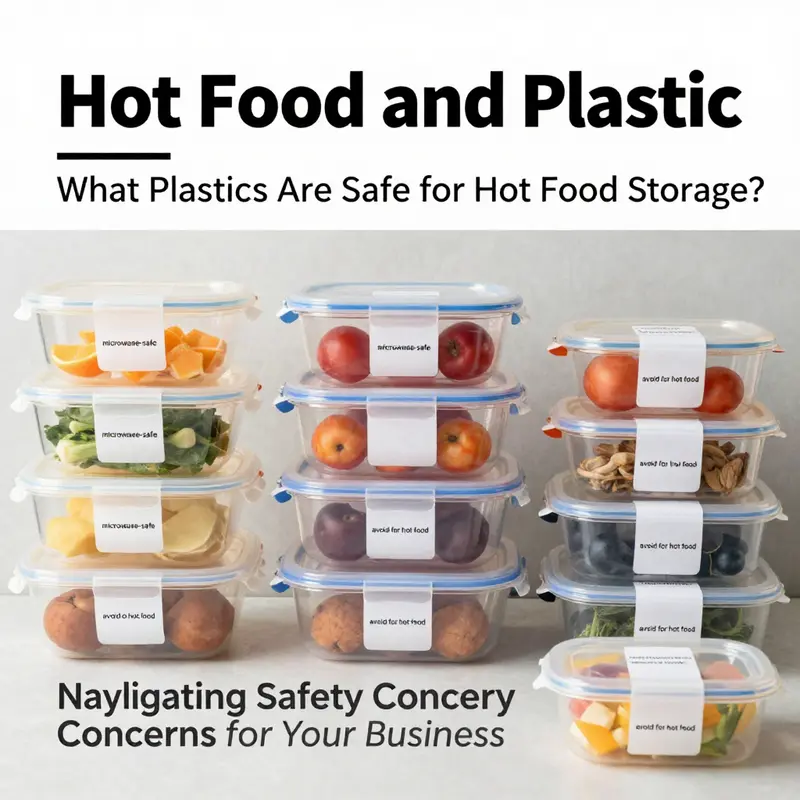
Choosing the right plastic matters when you put hot food into a container. Not all plastics behave the same under heat. Some soften. Some release chemicals. Some break down into tiny particles. These differences determine whether a container is safe for holding, storing, or reheating hot food.
Understanding the safety starts with the resin identification code, the small number in a recycling triangle. That number tells you what polymer a container is made from. It also gives clues about heat resistance and chemical stability. When hot food meets the wrong plastic, heat can speed chemical migration from the container into the food. This chapter explains which plastics are acceptable, which to avoid, and practical ways to reduce risk whenever heat is involved.
Polypropylene, marked #5, is the best choice for hot food. Polypropylene has a relatively high melting point near 160–170°C and stands up to common reheating temperatures without deforming. Containers made from polypropylene are chemically stable. They rarely leach harmful additives under normal use. Many microwave-safe containers are made of polypropylene. Still, confirm the container carries a food-safe or microwave-safe label. A scratched, heavily stained, or old polypropylene container may behave differently. Replace any plastic that shows signs of wear.
Containers stamped with a #1 are polyethylene terephthalate, known as PET. PET is common in single-use bottles and clear takeout packaging. PET has a lower softening point than polypropylene. It can deform and release chemicals when exposed to heat. Antimony and some plasticizers can migrate into hot or acidic foods. For that reason, PET containers should never store hot food or liquids. Single-use PET bottles are designed for one cold use. Avoid reusing them for warm soups, hot sauces, or boiling liquids.
High-density polyethylene (HDPE), #2, is robust for cold storage. It appears in milk jugs and some food tubs. HDPE resists many chemicals but has only modest heat tolerance. It is not ideal for hot food. Prolonged exposure to heat can cause softening and potential leaching. Use HDPE only for cool or room-temperature items. Do not pour boiling liquids into HDPE bottles or long-term store piping-hot meals inside.
Low-density polyethylene (LDPE), #4, appears in flexible wraps and some bags. LDPE handles light warmth but lacks the heat resistance needed for hot dishes. Wrapping steaming food in LDPE, or placing hot food directly on it, risks melting or chemical migration. LDPE is best left for cold or room-temperature uses.
Polyvinyl chloride (PVC), #3, should be avoided for food, and especially for hot food. PVC often contains phthalates and other additives to make it flexible. When heated, PVC can release harmful compounds, including dioxins. It is unsuitable for hot or fatty foods because heat and fat increase the likelihood of chemical transfer. Avoid cling films or packages that contain PVC when heat is involved.
Polystyrene, #6, is common in foam cups and disposable takeout containers. Polystyrene softens at relatively low temperatures and can leach styrene, a substance flagged as a potential carcinogen. Hot coffee and soups in polystyrene cups can increase exposure. Polystyrene also tends to warp under heat. Do not use polystyrene for hot food or liquids.
The #7 category covers “other” plastics. This group can include polycarbonate and mixed or layered polymers. Polycarbonate historically contained bisphenol A (BPA), which disrupts hormones. Even though many manufacturers have shifted away from BPA, #7 remains a catch-all that can hide risky polymers. Avoid relying on #7 containers for hot food unless the manufacturer explicitly states they are food-safe and heat-resistant.
Beyond resin codes, consider how the food interacts with the material. Fatty, oily, or acidic foods encourage migration. Acidic sauces and hot oils can extract chemicals from plastics more readily than plain water. For example, transferring a steaming tomato-based curry or hot fatty stew into a borderline plastic container increases the chance of leaching. Heat plus fat plus acid is a risky combination for many plastics.
Microwave safety is related but not identical to safe storage. A container labeled microwave-safe has passed tests for withstanding microwave heating without warping or releasing significant amounts of specific chemicals. Many microwave-safe containers are made of polypropylene. Still, microwave-safe labels rarely guarantee safety for all foods or every duration. Microwaves heat unevenly and create hot spots. Oils can become hotter than surrounding liquids, increasing the risk of chemical migration. When reheating in the microwave, transfer to a microwave-safe, vented, and undamaged container. Do not microwave food in single-use containers, unless they explicitly state they can be microwaved.
Microplastics are an emerging concern. Heat accelerates the breakdown of polymers into tiny particles. Those particles can end up in food and on your plate. The health consequences of ingesting microplastics remain under study, but early research suggests they can carry chemicals and persist in tissues. Avoiding unnecessary heat exposure of plastic reduces the chance of microplastic formation.
Lids and seals deserve attention. Some containers pair a heat-resistant base with a softer lid made from a different plastic. That lid may contain plasticizers that migrate at lower temperatures. If the lid material is unknown, avoid placing very hot food directly beneath it. Also, seals and gaskets can trap steam and increase local temperature. When storing or reheating hot food in plastic containers, use vented lids or leave a small opening to let steam escape. This reduces pressure and temperature spikes that might accelerate leaching.
Time matters. Short exposure to hot food carries less risk than prolonged contact. Placing a hot meal into a safe plastic container for storage in the refrigerator for a few hours is less risky than leaving it there for days. For long-term storage, choose inert materials like glass, ceramic, or stainless steel. These materials do not leach chemicals and tolerate heat and acid without changing.
If you must use plastic, follow a set of safe habits. First, check the code and label. Seek #5 polypropylene or items specifically labeled heat-resistant or microwave-safe. Second, avoid plastics that show wear: deep scratches, clouding, or discolored surfaces. Third, avoid storing hot, oily, or acidic foods in plastics for extended periods. Fourth, let very hot food cool for a few minutes before transferring it into plastic. Cooling slightly before transfer reduces thermal stress and possible leaching. Fifth, avoid pouring boiling water directly into plastic containers. Use metal or glass kettles and then transfer cooled water if plastic storage is necessary.
Single-use containers deserve special caution. Many takeout tubs and disposable cups are not designed for repeated use. Single-use packaging often employs thin plastics that deform under heat. Consider transferring food from disposable packaging into a reusable, rated container before storage. If you receive hot takeout in a thin plastic tub, move the meal into a polypropylene container or a heatproof alternative as soon as practical.
Consider alternatives when possible. Glass is nonreactive and withstands heat well. Tempered glass also tolerates sudden temperature changes better than regular glass. Ceramic bowls offer similar stability. Stainless steel is lightweight, durable, and inert. For takeout or disposable needs, coated kraft paper or bagasse options provide decent heat resistance. For example, microwavable kraft paper soup cups with lids can handle warm food without the same risks associated with certain plastics. These paper-based options often provide a safer single-use option than thin plastic foam.
Cleaning and reuse matter too. Even a polypropylene container can become less safe if cleaned with harsh abrasives that scratch the surface. Use mild detergents and soft sponges. Dishwasher cleaning is usually safe for many polypropylene containers, but repeated dishwasher cycles at high temperatures can age plastic. Monitor containers for signs of brittleness or clouding and replace when necessary.
Regulatory guidance offers additional reassurance. Food safety authorities evaluate materials and set migration limits for substances that come into contact with food. These agencies test common polymers for typical uses. Look for containers that meet local food-contact regulations or that reference food-grade compliance. If a manufacturer provides documentation that a container is tested for food contact at elevated temperatures, that is a positive sign. For general reference on food-contact guidelines, consult the U.S. Food and Drug Administration’s Food Contact Substances resources: https://www.fda.gov/food/packaging-food-contact-substances-fcs
Practical everyday advice helps reduce risk without complicating routines. When bringing home piping-hot meals, transfer them to a labeled, heat-tolerant container within minutes. When reheating leftovers, choose glass or labeled polypropylene. If you store soups or stews in plastic overnight, transfer them to glass before reheating. For children and pregnant people, take extra caution. Their vulnerability to hormonal-disrupting chemicals makes minimizing exposure important.
Finally, understand the limits of current knowledge. Scientists continue to study long-term effects of low-level chemical exposure and microplastic ingestion. Avoiding unnecessary exposure is sensible. Favor materials that are inert and heat-stable when handling hot food. Use polypropylene (#5) only when it is in good condition and clearly rated for the task. For the safest option, prefer glass, ceramic, or stainless steel.
Choosing safe containers reduces risk without requiring dramatic lifestyle changes. It requires awareness of resin codes, mindful handling of hot and fatty foods, and a preference for durable, heat-tolerant materials. Small habits—cooling hot food briefly, checking labels, and replacing damaged plastic—make a meaningful difference. When options exist, select glass or metal. When plastic is unavoidable, let the code and condition of the container guide you.
If you want a practical single-use option that avoids many plastic issues, consider disposable kraft cups designed for hot soups and porridge. These are often labeled microwave-safe and built for hot foods. For a ready example of such packaging, explore a microwavable kraft paper soup cup with lid.
By matching the material to the meal and by respecting heat, time, and the nature of the food, you can reduce the chances of unwanted chemicals moving into your plate. The safest practice is simple: when in doubt, use glass, ceramic, or stainless steel for hot food. When you must use plastic, choose #5 polypropylene, confirm microwave-safe labeling, and minimize contact time between hot food and plastic.
Key takeaways: prefer polypropylene (#5) for short reheating or storing; avoid PET (#1), PVC (#3), polystyrene (#6), and uncertain #7 plastics for hot items; never pour boiling liquids into thin plastic; minimize hot contact time; favor glass, stainless steel, or ceramic for long-term storage. Following these steps reduces risk while keeping your kitchen practical and safe.
Beyond Plastic: Safer Containers and Smart Choices for Hot Food Storage
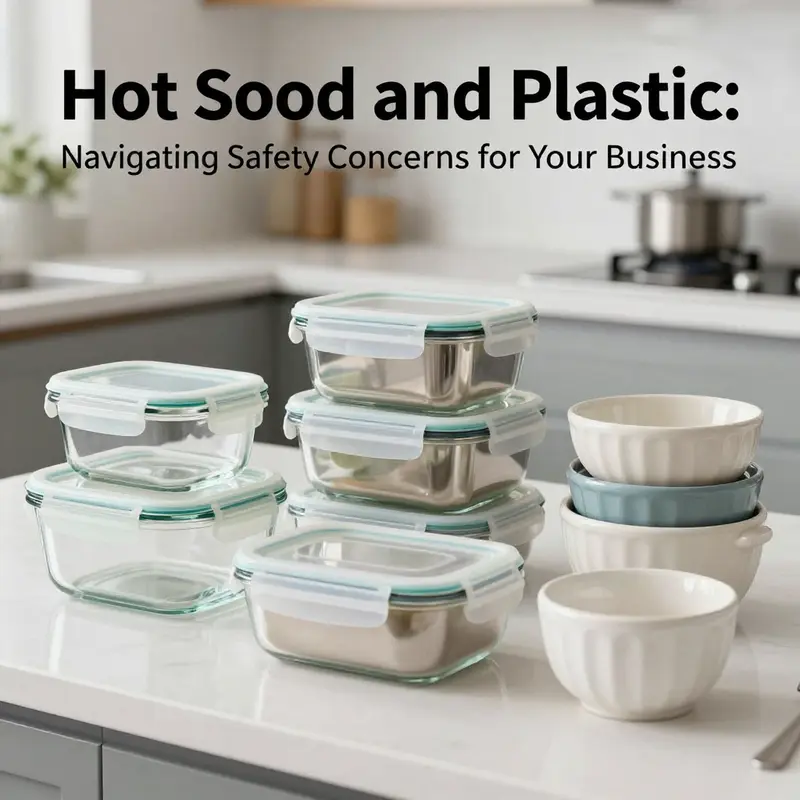
When you need to store hot food, the container you choose matters. Heat accelerates the breakdown of many plastics. That speeds chemical migration into food. Some of those chemicals can interfere with hormones or pose other health risks. Rather than accept that risk, you can switch to alternatives that remain stable under heat. Glass, stainless steel, ceramic, and certain plant-based fibers provide practical, safer options. They also cover a wide range of uses: meal prep, transport, reheating, and long-term storage.
Glass stands out because it is inert and non-porous. It does not absorb oils, acids, or odors. Glass tolerates high temperatures without degrading. Tempered or borosilicate glass resists sudden temperature changes better than ordinary glass. This property makes glass a reliable choice for moving from stovetop to fridge to microwave. Use containers with tight-fitting, heat-resistant lids. If lids contain plastic seals, remove them before reheating in the oven or microwave when possible. Glass also has advantages for food safety and taste. It will not impart flavors or react with acidic foods. It is easy to see through, which helps with portion control and inventory. For households serious about minimizing chemical exposure, a set of quality glass containers is a simple investment that pays daily dividends.
Stainless steel is another robust alternative. It is lightweight, durable, and very stable under high heat. Good stainless steel containers are made from food-grade alloys. They resist corrosion and do not leach chemicals into food. Stainless steel keeps soups and stews hot for longer when insulated. It performs well for transportation and outdoor use. However, stainless steel cannot be used in a microwave. It also provides less visibility than glass, and some non-reactive finishes may scratch over time. For fatty foods, sealed stainless containers are preferable to open pans. If you need to reheat, transfer contents to microwave-safe glass first. For thermal storage, look for double-walled models that maintain temperature without steel-to-food contact issues.
Ceramic and glazed stoneware are familiar options for hot liquids and dishes. Properly glazed ceramics resist heat and provide a non-reactive surface. They are excellent for casseroles, soups, and baked dishes. The main caution with ceramics is glaze composition. Low-quality glazes can contain lead or cadmium. Choose pieces that meet food-safety standards and are labeled safe for food use. Avoid chipped ceramics, as damaged glazes can expose underlying materials. When used correctly, ceramic offers both safety and aesthetic value. It also transitions well from oven to table, reducing the need for multiple containers.
For on-the-go and single-use needs, plant-fiber options have improved. Bagasse—made from sugarcane fiber—is compostable and handles heat much better than many plastics. It is molded and often coated to resist grease and moisture. Bagasse containers can handle hot soups and stews for brief periods and are sometimes microwave-safe. Paperboard made from kraft paper can be engineered for hot foods when combined with suitable coatings. But coatings vary. Some use polyethylene or polylactic acid (PLA) to resist oil and water. Those coatings affect recyclability and may change performance when exposed to high heat. If you choose plant-fiber disposables, verify microwave or heat resistance from manufacturers. An example of a practical option is microwave bagasse take-away bowls, which provide compostable convenience for hot meals while avoiding plastic contact (https://cupbowlpack.com/product/natural-sugarcane-bagasse-microwave-bagasse-take-away-food-dinnerware-round-bowl-disposable/). These work well for short-term needs and events where single-use is unavoidable.
When comparing materials, prioritize non-reactivity and heat stability. Non-reactive materials do not change chemically when heated. Glass and stainless steel meet that criterion. Ceramics coated with safe glazes can also qualify. Plant-based fibers vary more. Their coatings or lamination determine whether they remain inert at high temperatures. Read product information and choose items explicitly rated for hot food or microwave use.
Practical choices depend on circumstances. For meal prep and leftovers, glass containers with secure lids are my top recommendation. They are safe for hot food, microwaves, and dishwashers. Pair glass with silicone or stainless-steel lids if possible. This reduces plastic contact during storage. For packed lunches, insulated stainless steel containers offer excellent temperature control. They keep soups and stews hot for hours without chemical risk. For oven use, ceramic and tempered glass bakeware are ideal. For short-term single-use demands, choose compostable bagasse and certified microwave-safe paperboard. They reduce plastic waste while handling heat more reliably than many conventional plastics.
Temperature and food composition matter too. Heat speeds chemical migration. Acidic foods, like tomato-based dishes, and fatty foods, such as curries, can increase migration from plastics. If a container must be used temporarily, allow food to cool slightly before transferring. A hot-to-hot transfer into plastic is the riskiest scenario. Cooling food for a short time reduces stress on the material and lowers the chance of leaching. The same goes for reheating. Avoid heating food in plastic containers unless they are explicitly labeled microwave-safe and designed for that purpose. Even then, choose containers labeled for microwave use, and avoid prolonged or high-heat cycles.
A common question: what about “BPA-free” plastics? Label claims can be misleading. When manufacturers remove BPA, they often substitute other bisphenols like BPS or BPF. Those alternatives may have similar endocrine-disrupting effects. Heat can exacerbate that issue. Microplastics are another concern. Repeated heating and cooling can cause tiny plastic particles to shed. The health implications of microplastics are still under study. This uncertainty argues for limiting plastic use with hot foods rather than relying on nominally safer formulations.
Beyond material selection, pay attention to container condition. Plastics scratched from utensils or rough use are more likely to release chemicals. Avoid storing hot food in damaged or warped containers of any kind. For glass, watch for hairline cracks from thermal shock. For ceramics, inspect glazes to avoid chipped surfaces. Replace containers showing wear. Regularly rotate and inspect your collection to maintain safety.
Seals and lids matter. Lids often contain materials that differ from the container body. Silicone sealing rings are generally safer than plastic gaskets because they are more heat-resistant and less likely to leach. Stainless steel lids with silicone seals are a useful combination when avoiding plastic contact. For single-use containers, paperboard lids with proper coatings can provide a low-plastic alternative. When reheating with lids, ensure steam vents to avoid pressure buildup and to allow heat to escape safely.
Storage strategy reduces risk too. Transfer hot food to a heat-stable container before placing it in long-term cold storage. Cooling hot food quickly to safe temperatures also prevents bacterial growth. Use shallow glass pans to speed cooling before covering and refrigerating. For rapid cooling, divide large batches into smaller containers. This step not only enhances food safety but reduces the duration that plastic, if used, is exposed to high temperatures.
Consider the lifecycle of your container choices. Glass and stainless steel last for years and reduce waste. Plant-fiber disposables compost well, when facilities exist, and lower plastic pollution. Ceramic and quality stoneware are durable and often repairable. Making choices that align with both health and environmental concerns helps you avoid trade-offs where possible.
There are trade-offs and edge cases. Glass is heavier and breaks if dropped. Stainless steel is not microwave-friendly and may impart metallic tastes with highly alkaline or very salty foods unless made from high-quality alloys. Plant-fiber disposables require specific composting conditions, and coated paperboard can complicate recycling. Evaluate these practical considerations against your needs. For routine home use, glass plus stainless steel covers the broadest range safely. For travel or takeout, insulated stainless containers and certified compostable bowls are practical. For occasional single-use events, choose certified microwave-safe and compostable options.
For people relying on food delivery or takeout, request containers that avoid plastics for hot items. Many restaurants now offer compostable bagasse or kraft paper options. If that choice isn’t available, transfer hot food into your own glass or stainless steel container shortly after receiving it. Doing this reduces exposure to potential leachates and microplastics and ensures better food temperature control.
If you are shopping for new containers, look for clear labeling. Terms like “microwave-safe,” “food-grade stainless steel,” or “tempered glass” are helpful. Certifications from reputable bodies signal safer manufacturing practices and tested performance. For plant-fiber disposables, seek compostable or biodegradable certifications. Avoid vague claims. When in doubt, prefer inert materials such as glass and stainless steel.
Budget matters, but safety need not be expensive. Basic glass containers are affordable and last. Stainless steel options range from economical to premium. Ceramic pieces often serve dual roles as cookware and storage. For occasional single-use needs, bagasse disposables are competitively priced and reduce long-term waste management challenges.
Adapting habits completes the safety picture. Let hot food rest briefly before sealing. Use shallow glass pans to cool. Reheat in glass or ceramic. Avoid reusing single-use plastic containers for hot foods. Keep a small set of insulated steel thermoses for soups and stews on the go. Make a habit of inspecting containers for wear. Replace damaged items promptly. These small steps reduce exposure to unwanted chemicals and improve food quality.
The cumulative benefit of these choices is meaningful. Each switch from plastic to a stable material reduces both short-term chemical exposure and longer-term microplastic shedding. It also aligns with broader environmental goals. Durability and recyclability matter. Glass and stainless steel score well on both counts. Plant-fiber disposables, when properly managed, lower reliance on fossil-fuel-based plastics. And safer containers make reheated food taste better and store more predictably.
In settings where plastics still seem necessary, apply risk-minimizing practices. Avoid placing piping-hot food directly into plastic. Keep contact time minimal. Choose plastics designated for food and heat use, and inspect them regularly. Use silicone or stainless-steel alternatives for lids and seals. When heating food, transfer it to glass or ceramic first. If you decide to microwave in plastic, use only containers marked microwave-safe and avoid heating fatty or acidic foods in them.
Every household will balance cost, convenience, and values differently. The safest overall strategy is clear: minimize plastic contact with hot food and favor inert materials. Glass and stainless steel offer high safety margins and long service lives. Ceramics and well-manufactured stoneware work where appropriate. Compostable plant-fiber options provide a better single-use pathway than conventional plastics.
Adopting these alternatives reduces the chances of chemical leaching, lowers microplastic formation, and often improves food taste and temperature control. In practice, a small, well-selected set of containers covers most needs. A few shallow glass pans for cooling and storage, a couple of insulated stainless steel containers for transport, and reliable ceramic bakeware for oven-to-table cooking will handle the bulk of hot-food scenarios. For disposables, choose certified bagasse or heat-rated paperboard when necessary.
For further reading on how temperature drives chemical migration from plastics and safe storage practices, see the analysis from the Johns Hopkins Bloomberg School of Public Health: https://www.jhsph.edu/news/2026/01/safe-food-storage-plastics.html
Final thoughts
In conclusion, while some plastics can be deemed safe for hot food, the potential risks associated with chemical leaching and microplastics are significant concerns for any food service operation. The safest approach is to minimize the use of plastic containers for hot food altogether. Instead, consider using glass, stainless steel, or ceramic options to ensure food safety for your customers. By prioritizing safer storage methods, you not only protect the health of your patrons but also enhance the reputation of your business.