
As the food and beverage industry continues to evolve, understanding the implications of our packaging and heating methods remains paramount. Among the concerns, the safety of heating food in plastic containers stands out due to rising evidence of health risks. This article dives into the perils associated with plastic heating, the different types of plastics, and the compelling case for glass and ceramic alternatives. Additionally, we will address the environmental impact of traditional practices involving plastic heating, providing insightful recommendations tailored to bubble tea shops, restaurants, food trucks, and more. By the end, industry players will be equipped with the knowledge to make better choices, safeguarding both their customers and the planet.
null
null
From Type to Temperature: Understanding Plastic Safety and the Risks of Heating Food
Heating food in plastic containers is a topic that sits at the intersection of daily convenience and long-term health considerations. It is a question that keeps bouncing between kitchen practicality and scientific caution: does the container we reach for in a hurry truly pose no risk when it meets heat? The conversation becomes more urgent when the microwave is involved, because the combination of fat-rich foods, moisture, and rapid temperature rise creates conditions under which certain chemicals can more readily migrate from the plastic into the food. The body does not have a simple, obvious way to recognize and filter these foreign substances, which makes prevention more sensible than cure. The current consensus among researchers is not that all plastic heating is catastrophic, but that it carries a measurable risk that varies with the type of plastic, the presence of additives, the condition of the container, and the nature of the food being heated. In other words, the answer is nuanced rather than absolute, and the safest path is to minimize heating in plastic and to favor materials with a long track record of stability under heat. This is the thread that ties together the practical kitchen advice and the broader scientific literature on food-contact materials.
Across the broad spectrum of plastics found in consumer containers, there is a spectrum of risk that becomes most visible when heat is applied. A landmark study highlighted in Environmental Science & Technology in 2023 drew attention to the scale of microplastics and nanoplastics that can migrate into food when plastic containers are heated. The researchers demonstrated that heating a container for as little as three minutes can release astonishing quantities of microscopic particles per square centimeter—tens of billions of nanoplastics and millions of microplastics in a matter of minutes. Such numbers may be difficult to imagine, yet they underscore a mechanism: heat increases molecular mobility within the polymer matrix, allowing tiny fragments to migrate into the surrounding food. Once inside the body, these particles are notoriously challenging to eliminate and can accumulate in critical organs, with potential links to inflammatory processes and, in the long run, a range of health concerns. While the headline risk focuses on nanoplastics and microplastics, the broader takeaway is about chemical migration, not just particles. The story is that heating can cause certain additives—plasticizers, stabilizers, dyes, and other agents—to move from the polymer into the food, especially when fats, acids, or alcohols are present.
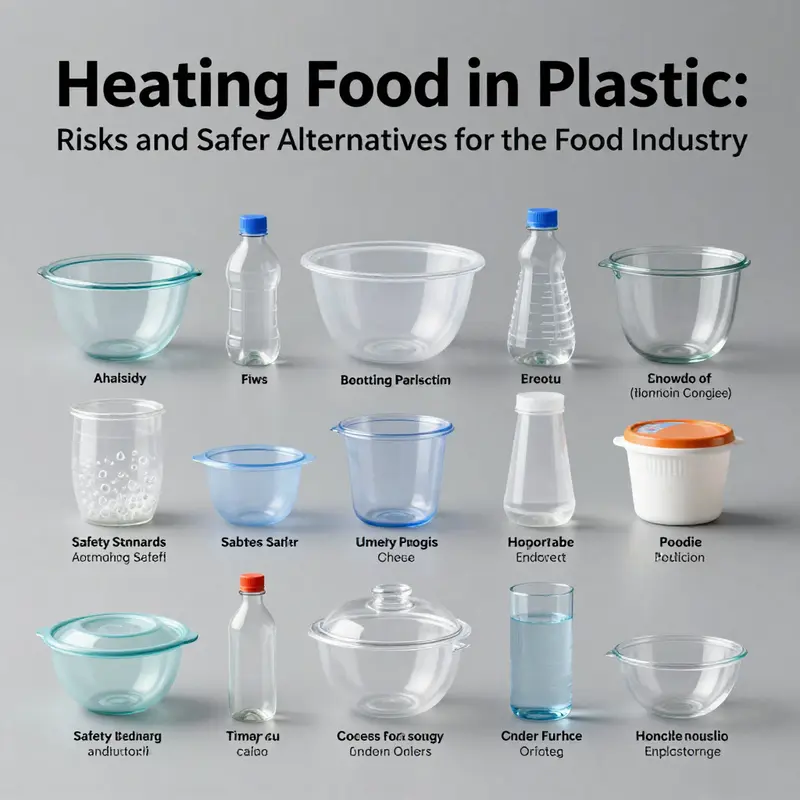
To understand why some plastics are safer than others, it helps to look at the common plastic types used in consumer containers and what they are known to release under heating. Polyethylene terephthalate, known as PET or #1, is ubiquitous in beverage bottles and some food packaging. Reuse and heating are not recommended because high temperatures can promote the release of elements such as antimony and certain plasticizers that are not intended for repeated contact with heated food. High-density polyethylene, or HDPE (#2), shows relatively better heat stability and is widely considered safer for general use, but even there, explicit microwave heating is not typically advised. The polypropylene family, PP (#5), sits toward the safer end of the spectrum for heating. It is designed to withstand higher temperatures—often advertised as microwave-safe—yet no plastic is perfectly inert, and not all PP containers behave identically under prolonged or very high heat. Then there is polyvinyl chloride, PVC (#3), infamous for containing plasticizers that can migrate when heated, making it a poor choice for any heated foods. Polycarbonate (#7) has drawn attention due to bisphenol A, or BPA, a known endocrine disruptor. Although BPA use has become restricted in certain products and contexts, the broader category of #7 plastics includes resins that may employ BPA substitutes like BPS or BPF. These substitutes are not yet proven to be safer, and research into their health implications remains active and evolving. The overarching lesson is not that one plastic type is categorically dangerous and another universally safe, but that each type carries a distinct risk profile that can be amplified by heat.
Why does heat intensify these risks? When plastics are heated, their molecular structures become more dynamic. Additives such as plasticizers and stabilizers, which are designed to improve flexibility and durability at room temperature, can migrate more readily into the surrounding medium as molecular motion increases. The same principle applies to pigments and other functional additives. For fats and foods with higher oil content, migration can be more pronounced because fats can dissolve certain organic compounds and carry them more easily into the food matrix. Acidic foods, like tomato sauces, and alcohol-containing beverages can also influence the rate and extent of migration. In the microwave, the rapid and uneven heating can create hot spots where temperature spikes momentarily, further accelerating migration in localized areas. The fundamental idea is straightforward: heat lowers the barrier for substances to move out of the polymer and into the edible matrix, sometimes by many orders of magnitude compared with room-temperature storage conditions.
From a regulatory standpoint, food-contact materials sit under the purview of agencies that evaluate safety based on standardized testing. In the United States, the FDA requires that manufacturers provide evidence that chemical migration into food remains below defined safety thresholds under “normal use” conditions. These determinations are supported by a battery of simulations that vary temperature, duration, and the type of food used as a proxy. The assumptions baked into these models—how long food sits in contact, how hot it gets, and what the food composition looks like—shape the conclusions about whether a container can be labeled microwave-safe. Critics, however, caution that these models may not fully capture real-world exposure, particularly chronic, low-dose exposure and the vulnerability of populations such as infants, pregnant individuals, and those with sensitive metabolisms. The bottom line is that the current framework aims to manage risk but may oversimplify some aspects of human biology and long-term outcomes.
In practice, the safest guidance remains conservative. The most robust path is to avoid heating any plastic container in the microwave. When possible, transfer leftovers to glass, ceramic, or stainless steel vessels, especially if the goal is to heat quickly or at higher temperatures. Containers that are expressly labeled as microwave-safe and use materials with strong heat resistance—typically certain grades of PP—offer a degree of protection, but even these are not flawless. Damaged, scratched, or aged plastics can release chemicals more rapidly, and containers stored for long periods, even when undisturbed, may accumulate microplastics or experience subtle changes in their polymer matrix that alter their performance when heated. The overall message is pragmatic: minimize plastic use for heating, and verify that a container is designed for hot-use scenarios before placing it in a microwave.
For those who must use plastics for convenience, careful selection matters. Look for containers that carry explicit microwave-safe labeling and, ideally, the “PP” designation when feasible. Yet the label should not be taken as a guarantee of absolute safety; it is a risk-reduction indicator rather than a seal of invulnerability. It is also essential to avoid heating in containers that are cracked, warped, discolored, or have emitted odd odors. Odors can signal the presence of residual solvents or degraded additives that may migrate more readily when heated. Another practical rule of thumb is to avoid non-food-grade plastics, such as many single-use or exterior packaging plastics used for foods. These are not engineered for repeated contact with heated foods and may release compounds that are not intended for ingestion.
In the broader narrative of safety, it is equally important to rethink the consumption and storage patterns that drive reliance on plastic heating. When possible, plan meals in a way that minimizes the need to reheat, or reheat using methods that do not require plastics at all. For example, reheating directly in a glass dish or transferring portions to a ceramic bowl designed for microwave use reduces the exposure risk. If the need to reheat a portion in a container is unavoidable, consider dividing the food into smaller portions to promote even heating and reduce the likelihood of hot spots that can intensify chemical migration in localized areas. The practice of venting lids or using containers with breathable barriers can also reduce pressure buildup and uneven heating, which indirectly influences how heat interacts with the container.
The thread connecting these ideas—types, heat, risk, and practical decisions—leads naturally to a broader point about choosing packaging as part of responsible cooking and food safety. The choice is rarely binary, but the consequences of neglecting heating dynamics are real enough to merit deliberate selection. In places where the climate, kitchen habits, and household composition encourage frequent reheating, the value of safer options becomes more pronounced. For some households, replacing parts of a plastic-reliant routine with glass or stainless steel items may seem costly or space-intensive at first. Yet the longer-term benefits—simplified cleaning, reduced chemical exposure, and a more robust sense of control over what reaches the plate—can outweigh initial adjustments.
A practical way to navigate this landscape is to view the kitchen as a place where safety features and design choices reinforce health goals. This involves understanding not just which plastics are labeled microwave-safe, but how real-world use diverges from the idealized testing conditions behind those labels. It also means recognizing that every transition away from plastic can feel incremental. A small step, like selecting a microwave-safe glass dish for leftovers instead of reheating in a plastic container, compounds over time into a substantial reduction in potential exposure. For readers who seek direct pathways to safer materials without sacrificing convenience, there are adaptable options that align with a modern, low-waste lifestyle. In this spirit, consider the move toward fiber-based or paper-based alternatives for certain uses, such as insulated cups or takeaway containers that are designed to be microwavable and safe under heat, yet do not rely on traditional petroleum-based polymers. A practical example of such an alternative approach can be found in resources that highlight eco-friendly packaging solutions, including kraft paper products engineered for safe or microwave-ready use. For readers exploring this direction, an example of an accessible option can be found at eco-friendly kraft paper cup. This kind of resource illustrates how packaging design, materials science, and consumer habits intersect to reduce reliance on conventional plastics while maintaining the practicality of heat-enabled meals.
No chapter in this series claims absolute certainty about every potential risk, but the trajectory is clear. Heating food in plastic containers is not universally safe, and the safest policy is to minimize exposure whenever possible. The evidence emphasizes a precautionary approach: use microwave-safe labels as a guide, but not a guarantee; favor non-plastic heating vessels whenever feasible; inspect containers for damage; avoid heating in containers that have housed fatty or acidic foods for extended periods; and be mindful of the cumulative exposure that can arise from everyday routines. This is not merely a focus on fear, but a reasoned alignment of everyday actions with what science has shown about how plastics behave under heat. The decision to heat food in plastic should be deliberate, informed by the type of plastic, the nature of the food, and the specific heating conditions.
As readers move through the chapter, they will carry a practical sensibility into their kitchens: a recognition that sometimes convenience comes with a cost, and that cost is best managed by choosing safer options, understanding material limitations, and adopting habits that reduce unnecessary exposure. The broader goal is a food system and a household practice that reflect both modern efficiency and long-term health considerations. In that sense, the chapter is not only about plastic types and temperatures; it is about stewardship—of what we put into our bodies, and of the planet we share. For those seeking deeper exploration of the science behind these recommendations, the Environmental Science & Technology study provides a rigorous, peer-reviewed foundation for understanding how microplastics and associated chemicals migrate under heating conditions, and how this translates into real-world risk. https://www.sciencedirect.com/science/article/pii/S001393512300475X
Heat Without Harm: Glass, Ceramic, and the Safer Path to Reheating Food
Every day, millions of households rely on plastics to carry, store, and reheat food. But heating plastic, especially in a microwave, is a habit researchers caution against. The science has grown clearer in recent years: when plastics are heated, they can release microscopic fragments and chemicals into the food we eat. In fact, studies summarized in a 2023 Environmental Science & Technology publication show that even containers marketed as “food-grade” can shed substantial quantities of microplastics and nanoplastics when heated. In concrete terms, research suggests that heating a plastic container for as little as three minutes can release staggering numbers—tens of billions of nanoplastic particles per square centimeter and millions of microplastic particles per square centimeter. The implications are not trivial. These particles can be difficult for the body to clear and may accumulate in vital organs, including the brain, heart, lungs, and even the placenta. The potential health costs range from chronic inflammation to an elevated risk of neurodegenerative and cardiovascular problems. The picture becomes even more complex when we consider how often microwaving is used to heat leftovers, sauces, soups, and snacks, turning everyday meals into potential exposure events.
Yet the concern goes beyond microplastics. The same body of work and related investigations remind us that no plastic is truly inert when temperatures rise. Even containers labeled as microwave-safe, particularly those made from polypropylene (PP5) or other common plastics, may resist warping or softening but are not guaranteed to be free of chemical migration under intense heat. The upshot is that a strong precaution underpins practical cooking: avoid heating food in plastic containers whenever possible. The safest alternatives are glass, ceramic, and, where heat processes demand metal, stainless steel, all of which offer advantages in terms of chemical stability and food safety.
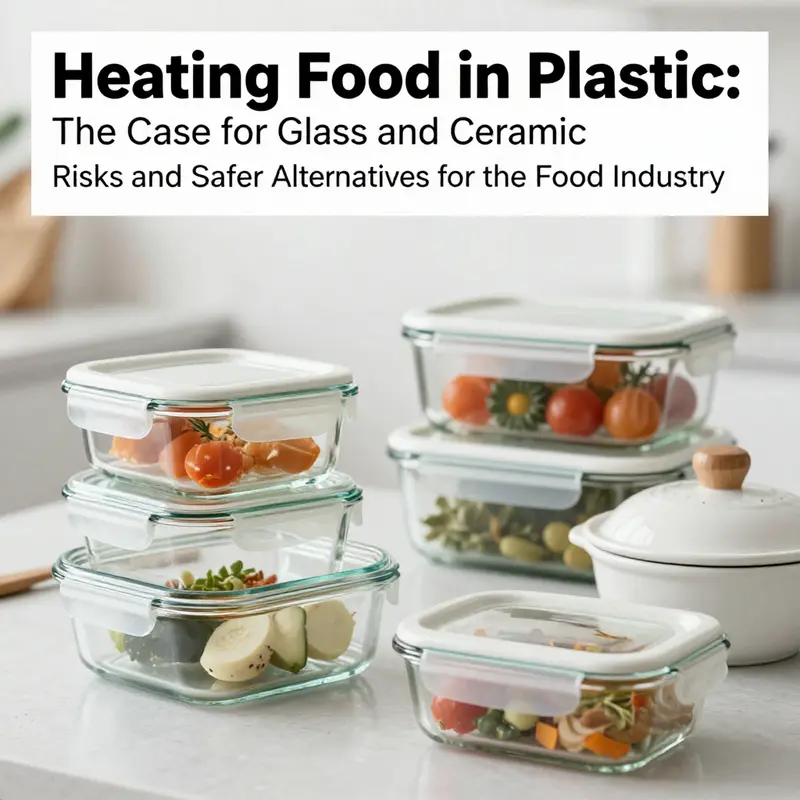
To this end, the safety case for glass and ceramic is built on several solid pillars. First, their chemical inertness is well established. When heated, glass and ceramic do not readily leach additives or plasticizers into food. This inertness helps preserve flavor, color, and texture and reduces the introduction of unwanted compounds into meals. Second, glass and ceramic are compatible with a broad range of heating methods. They can transition gracefully from the refrigerator to the stovetop, oven, or conventional microwave—provided the item is explicitly labeled as microwave-safe by the manufacturer. This labeling matters because not all glass and ceramic pieces tolerate microwave energy in the same way; some are designed for steady, gentle heating, while others are built to withstand rapid temperature changes without cracking or shattering. Third, glass and ceramic maintain structural integrity under repeated use. With careful handling, they offer a durability profile that often outperforms plastic in the long run, reducing the environmental footprint linked to frequent replacement.
The material science story has evolved further in recent years with the emergence of microcrystalline glass, sometimes called microglass. This hybrid material blends the transparency and thermal stability of glass with a level of durability that more closely resembles ceramics. It aims to combine the best of both worlds for kitchen applications—straightforward cleaning, optical clarity when serving, and robust heat resistance for a variety of cooking tasks. A 2024 technical review in Materials Today highlights microcrystalline glass as exhibiting superior chemical stability and electrical insulation properties compared with standard glass. For households, this translates into cookware and containers that remain inert during heating and resist the degradation pathways plastics may undergo under similar conditions. In practice, microglass is increasingly used in ovenware and in microwave-safe containers designed for busy kitchens where reheating leftovers, warming sauces, and simmering gentle dishes are common daily rituals.
This material shift carries practical implications for how we cook and reheat. If the goal is to minimize chemical concerns and preserve the quality of the food, relying on glass or ceramic allows for safer reheating across multiple appliances. Glassware and ceramic dishes handle stove, oven, and even microwave reheating—again, only when specifically labeled microwave-safe. Using a conventional oven or a stovetop with glass or ceramic can also help achieve more uniform heating, which is particularly important for proteins like poultry or leftovers that require thorough warming to minimize microbial risk. Microwave heating can be uneven, and hot spots can form in plastic containers, increasing both the risk of surface burns and chemical migration from the container. The logic is straightforward: reduce or eliminate contact with plastics during heating, and switch to inert materials that do not alter the food’s chemical composition.
This is not merely a theoretical argument about material properties. It translates into concrete cooking practice and everyday decision making. For anyone who wants to move away from plastic heating, the path is clear: choose glass or ceramic containers for reheating, cooking, and serving. If you must use a microwave, seek out products that are explicitly labeled as microwave-safe and are designed from glass or ceramic with food-safe glazes. The labeling matters because different glazes and body formulations can influence heat distribution and potential leaching. When selecting any container intended for heating, it helps to check for a glass or ceramic composition, a lead-free glaze, and a design that resists thermal shock. This approach aligns with the broader recommendations that minimize overall plastic use in food storage and heating, paired with careful attention to safety standards and product integrity.
For those who want to explore a tangible alternative that goes beyond traditional glass and ceramic, consider materials sourced from plant fibers and natural recyclables that are designed for heat resilience. A notable example is sugarcane bagasse pulp cookware and serveware, which is marketed for microwave usability and quick reheating in some contexts. These products illustrate a broader movement toward safer, more sustainable heat-compatible options that reduce reliance on conventional plastics. When contemplating these alternatives, it is helpful to examine how their performance stacks up against glass and ceramic in terms of heat tolerance, user experience, and environmental impact. For instance, you can explore examples of safer microwave-friendly options by examining this sugarcane bagasse-based servingware and its intended use for take-away meals. natural-sugarcane-bagasse-pulp-salad-bowl-microwave-bagasse-take-away-food-dinnerware. This link provides a window into how designers are balancing heat performance with eco-friendly credentials, a trend that complements the glass-and-ceramic emphasis without forcing consumers into a binary plastic-versus-nonplastic choice.
The decision to lean on glass or ceramic for reheating also benefits from a practical, user-centered perspective. In everyday kitchens, glass and ceramic dishes can be reused, cleaned easily, and adapted to many cooking styles. They offer a predictable performance profile: heat distributed more evenly than many plastics, less risk of chemical migration, and fewer scent or flavor changes that plastics can impart when heated. Of course, there are caveats. Ceramic glazes must be free of harmful heavy metals, and glass items should be tempered or designed to withstand thermal stress. When you place a hot dish in a cold surface or pour boiling liquid into a dish that hasn’t cooled, thermal shock can crack or shatter the dish. The simplest safeguard is to choose purpose-built, oven- or microwave-safe pieces and to heat gradually, avoiding the sudden changes that stress glass and ceramic. By embedding these practices into daily routines, households can retain convenience while reducing the risk of contaminants entering the food they eat and the air around their kitchens.
Beyond taste and safety, there is also an environmental argument that reinforces the switch away from heating plastics. The plastic life cycle—raw material extraction, production, usage, and end-of-life disposal—contributes to a broad spectrum of environmental harms, including microplastic pollution and greenhouse gas emissions. When households opt for durable, reusable glass or ceramic containers instead of disposable plastic ware, they also cut down on the volume of waste and the energy demands of frequent replacement. The cumulative effect is a quieter, cleaner kitchen that aligns with a more cautious approach to heating and food contact materials. In other words, choosing glass or ceramic is not just about short-term safety; it is about long-term resilience for both people and the planet.
For readers who want a deeper technical view of materials and their implications for everyday cooking, the literature offers a nuanced picture. A 2024 technical review in Materials Today highlights how microcrystalline glass maintains chemical stability and excellent insulating properties, attributes that support safe food contact during heating. This kind of material science insight helps demystify why certain cookware performs better under heat and why some materials resist the migration of materials into food more effectively than others. Integrating this knowledge with the practical guidance outlined above can empower cooks to make choices that balance safety, convenience, and environmental responsibility. It also invites continued innovation in kitchenware that prioritizes health and sustainability without sacrificing performance.
As you navigate the decision to heat food, it is worth keeping a few pragmatic checkpoints in mind. First, whenever feasible, use glass or ceramic for reheating rather than plastic. Second, if you must use plastic due to convenience or storage constraints, ensure it is clearly labeled microwave-safe and fits the specific heat conditions you plan to use, while recognizing that no plastic is completely risk-free at high temperatures. Third, explore alternatives beyond traditional plastics, such as microglass or bagasse-based serveware, understanding that each option has its own heat tolerance, reusability, and environmental profile. Fourth, never rely on a single approach. A safe kitchen often combines careful food handling—such as proper cooking temperatures and avoiding undercooked proteins—with materials science-informed choices about containers and heating methods. Fifth, be mindful of the broader context: even the best microwave practice cannot guarantee absence of risk if the underlying habits involve repeated heating of oily, fatty, or acidic foods in low-quality containers. In such cases, the cumulative exposure adds up over time, making the shift toward inert materials an even more valuable strategy.
For readers who want to explore the research trajectory behind these practical recommendations, several studies underpin the arguments outlined here. The 2023 Environmental Science & Technology study remains a touchstone for understanding how heating can drive microplastic and nanoplastic release from plastics, and it continues to inform regulatory and consumer safety discussions. The ongoing work in materials science, including microcrystalline glass, offers a path toward safer and more durable kitchenware that preserves food quality while minimizing chemical interactions. Taken together, these lines of evidence reinforce a simple but powerful moral: when heating, favor materials that do not willingly contribute chemicals or particles to your meal. Embrace glass and ceramic as the core, with a thoughtful openness to innovative alternatives that meet both safety and lifestyle needs.
Looking ahead, the practical implication is clear for households aiming to reduce plastic reliance without losing the convenience of reheating. The kitchen becomes a living laboratory where design, material science, and daily routines intersect. The goal is not to ban plastics outright but to reframe how we heat food in everyday life. With glass and ceramic taking center stage, supplemented by safer, heat-tolerant alternatives where appropriate, households can enjoy warm meals with greater peace of mind. This shift also aligns with broader public health and environmental objectives, reinforcing the idea that small, deliberate changes in daily habits can accumulate into meaningful improvements in both personal well-being and planetary health. As researchers refine our understanding of heat-migration dynamics and as new materials demonstrate even greater inertness and resilience, the case for safer heating only becomes stronger, more actionable, and more accessible to households across different contexts.
External reading for those who want to dive deeper into the latest science on heating plastics and associated health considerations can be found here: https://www.sciencedirect.com/science/article/pii/S001393512300475X
Heat, Plastics, and Planet: The Environmental Toll of Heating Food in Plastic Containers
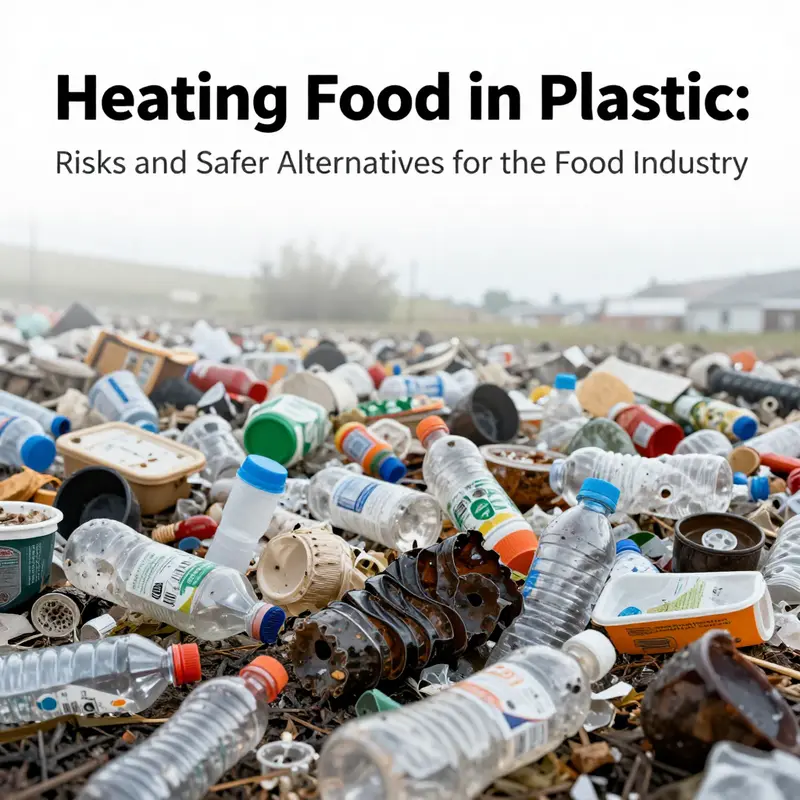
Heating food in plastic containers is not just a personal health question; it is a lens on a broader environmental crisis that unfolds from the kitchen to the globe. When a plastic container is heated—whether in a microwave, conventional oven, or hot water bath—the stress of heat weakens the material. The polymer chains shorten and fragment, and tiny particles are shed into the food and beverage we consume. Across studies, the scale of this release is striking: microplastics, typically 1–100 micrometers, and nanoplastics, less than a micrometer, can flood the meal in a matter of minutes. Early work and subsequent testing in Environmental Science & Technology suggest that heating plastic containers, even those marketed as microwave-safe, can unleash millions of microplastics and billions of nanoplastics per square centimeter. In some experiments, three minutes of microwave exposure produced releases that rival a small environmental pulse, underscoring that what we think of as a quick convenience can be a significant contamination event at the microscopic level. The implications extend beyond the plate; the particles that escape into foods are readily ingested, and their ultrafine size makes them difficult for the body to clear. The concern is not confined to immediate health effects. Once these particles enter the human system, their long persistence and potential to migrate to organs such as the brain, heart, lungs, and placenta raise alarms about chronic inflammation, neurodegenerative risks, and systemic stress. While the strongest cautions focus on health, the environmental dimension compounds the peril: millions of households heating food with plastics contribute to a cascade of ecological consequences that echo through air, water, and soil.
From a lifecycle view, the environmental footprint begins long before a plastic container reaches a kitchen. The production of plastics is a fossil-fuel–driven process that emits greenhouse gases and consumes energy. Even a container used for a single meal carries a manufacturing imprint that contributes to climate change. After use, most plastic waste is channeled into landfills or waterways, where the material resists natural degradation. Some estimates suggest that the persistence window for plastics can span centuries, with a single piece lasting 200 years or more in the environment. This durability is a double-edged sword: it preserves contents during use but ensures long-lived pollution once the container escapes intended disposal routes. When plastics do fail at the municipal level—through littering, mismanaged recycling, or incineration—additional toxins are released. Incineration, common in some waste systems, can emit dioxins and furans, pollutants that travel through air and precipitation back onto land and water, reintroducing harmful chemicals into ecosystems and, via contamination pathways, back to humans.
The microplastic and nanoplastic release from heated plastics is not a localized kitchen problem; it is a pathway for widespread environmental contamination. Once released, these tiny particles disperse with air currents and water flows, embed in soils, and settle in sediments. Aquatic systems become repositories for plastics that are tiny enough to be mistaken for natural organic matter, but which are chemically distinct and biologically disruptive. Wildlife ingest these particles, sometimes mistaking them for food, and may suffer from physical irritation, blockages, or nutritional deficits. The ecological toll includes ingestion by a broad spectrum of organisms—from plankton to larger marine life—and, ultimately, the potential re-entry of these contaminants into human food chains. The cumulative effect is a form of plastic pollution that travels from kitchen tables to ecosystems, contributing to a broader environmental burden that is harder to remedy than it appears at first glance.
The environmental narrative around heating food in plastic containers is reinforced by a growing body of research that frames plastics as a stubborn, self-propagating pollutant. Because the particles are buoyant and persistent, they accumulate in waterways, soils, and the atmosphere. Microplastics and nanoplastics are not inert; they carry adsorbed pollutants and can facilitate chemical transport within organisms and ecosystems. The health implications for humans, while complex and still under active investigation, are plausibly linked to inflammation, oxidative stress, and potential interference with immune function. When combined with other environmental stressors—air pollution, noise, climate fluctuations—the presence of micro- and nanoplastics in the environment intensifies concerns about public health and food safety. The message is consistent: the environmental toll of heating food in plastic is inseparable from its health dimensions. Each meal becomes a microcosm of a larger ecosystem in distress, highlighting the need for a transition toward materials and practices that decouple convenience from contamination.
What can be done in light of this ecology of risk? For individuals, the pathway toward reducing both personal risk and environmental burden begins with reducing plastic use for food storage and heating. The most straightforward strategy is to shift toward non-plastic, reusable materials for heating and storage—glass, ceramic, and stainless steel—with containers clearly labeled for microwave use if heat is involved. These materials are intrinsically more stable under heat and do not shed microplastics into food. Glass, in particular, offers chemical inertness, resistance to staining, and a long service life when cared for, though it can be prone to breakage if mishandled. Ceramic and stainless steel provide comparable advantages and can endure repeated heating cycles, which aligns with the growing emphasis on reuse over single-use disposables.
Guidance also emphasizes the importance of verifying safety labels and standards when plastic cannot be avoided. Even within the realm of plastics, some types labeled as microwave-safe—often polymers like polypropylene—are more heat resistant than others. Yet no plastic is completely risk-free under high heat, and the safer default remains minimizing heating in plastic altogether. In regions with robust safety frameworks, standards such as GB 4806.1–2016 in China outline the basic hygiene and safety requirements for food-contact plastics. Adherence to such standards can reduce the probability of harmful chemical migration under ordinary use, but it does not eliminate the risk of microplastic shedding when heat intensifies the material’s degradation. The practical takeaway is to favor non-plastic containers for heating whenever possible and to reserve plastics for cold storage or non-heating use.
For those who must use plastic packaging, the best practice is to minimize exposure to heat and to inspect containers for odors, cracks, or deformities before reuse. Strong odors or visible damage can indicate material fatigue that will elevate the release of microplastics under heat. In addition, reducing the overall volume of plastic used for food storage and heating has a compound benefit: it lowers the total environmental burden across the product’s lifecycle. The cumulative effect of many households choosing reusable, non-plastic options is a reduction in fossil-fuel dependence, lower greenhouse gas emissions from manufacturing, and less long-term ecological contamination. This is not merely a personal choice but a collective strategy that aligns consumer behavior with environmental stewardship and safer food systems.
The internal choices we make about heating foods are part of a broader transition toward sustainable packaging and responsible consumption. A practical and widely applicable part of that transition is embracing alternatives that support a circular economy: reusable glassware and metal containers, plus well-designed, recyclable or compostable packaging where appropriate. When we shift away from single-use plastics, we also open space for policy and industry actions that reinforce safe practices. Policy instruments that incentivize reduced plastic production, improve recycling rates, and fund better waste management infrastructure are critical. These changes can alter the scale of microplastic release at the population level, diminishing the likelihood that heated foods contribute to microplastic burdens in the environment.
In the spirit of tangible, kitchen-level solutions, consider exploring non-plastic solutions for everyday meals and take-away scenarios. For instance, durable, heat-tolerant containers made of glass or metal can often double as both storage vessels and portable heating options, enabling reuse with minimal disposal. If you do use paper or cardboard packaging, ensure that it is designed for higher-temperature contexts and disposed of responsibly after a single use. The broader point is that the heating of food in plastic containers is a symptom of a larger system that values convenience over environmental integrity; reversing that trend requires both personal discipline and systemic reforms that limit plastic production, improve end-of-life management, and promote safer, reusable alternatives.
To connect this kitchen-level shift with practical, ongoing consumer choices, one could look at packaging alternatives that align with the environmental and health goals outlined above. For readers who are curious about non-plastic options for take-away meals and storage, a representative example among kraft-based materials illustrates a broader category of eco-friendly packaging solutions. Consider kraft paper octagonal bowl with lid as a case in point. Such designs reduce reliance on petroleum-derived polymers, are often compatible with recycling streams, and can be integrated into reusable practices. While not a universal substitute for all heating scenarios, these containers embody a practical step toward lower environmental impact and reduced microplastic leakage into food systems.
The research landscape points toward a future in which the default assumption is to minimize heating food in plastic and to favor safer, more sustainable materials. It also highlights an important public health and environmental communication challenge: translating complex, sometimes counterintuitive findings into everyday choices without inducing panic. Clear guidance—such as avoiding heating in plastic altogether, selecting microwave-safe glass or metal alternatives, and embracing reusable containers—offers individuals a practical framework. Alongside personal choices, broader reforms in product design, waste collection, and recycling infrastructure can magnify the positive impact. The ultimate aim is to create a food system in which the act of heating a meal does not simultaneously introduce a new, stubborn pollutant into the environment nor into the human body.
In sum, the environmental toll of heating food in plastic containers is real and measurable. The problem spans the micro scale—where tiny particles detach and enter food—and the macro scale—where fossil-fuel energy, waste management practices, and ecosystem health intertwine. The strongest defense is a combination of reduced plastic usage, a shift toward reusable and non-plastic heat-tolerant containers, and policy actions that reshape production and disposal. By reorienting our heating habits toward materials that are inert to heat and receptive to reuse, we can safeguard both our health and the planet. For readers seeking a concrete path forward, the move away from plastic heating toward safer substitutes is not only prudent but essential for the integrity of our food systems and the resilience of ecosystems that sustain us.
External reference: For a detailed, study-based discussion of microplastic and nanoplastic release from heated plastics, see Environmental Science & Technology (2025) at https://pubs.acs.org/doi/10.1021/acs.est.5c01234.
Final thoughts
The food industry faces significant challenges regarding the safety and environmental impact of heating food in plastic containers. Understanding the possible health risks arising from chemicals leaching into food is crucial for business owners committed to customer wellbeing. As we’ve explored, opting for safer alternatives such as glass and ceramic is not just beneficial for health but also for marketing in an increasingly eco-conscious market. By making informed decisions, businesses can enhance their safety standards, protect their customers, and contribute positively to the environment. The responsibility lies within each of us to promote sustainability and health through better choices.