
The culinary landscape is ever-evolving, and as businesses strive to offer convenience and quality, self-heating disposable food containers emerge as a pioneering solution. These innovative packages allow consumers to enjoy hot meals without the need for external heating sources. From bubble tea shops to catering services, the versatility of self-heating technology can significantly enhance service offerings. Chapter one delves into the technological innovations that make these containers unique; chapter two explores their economic viability; chapter three discusses the geopolitical implications tied to their development; and chapter four assesses their societal impacts. Understanding these facets not only highlights their relevance but also equips businesses with insights to leverage this advancement effectively.
Heat on Demand: The Engineering and Promise of Self-Heating Disposable Food Containers
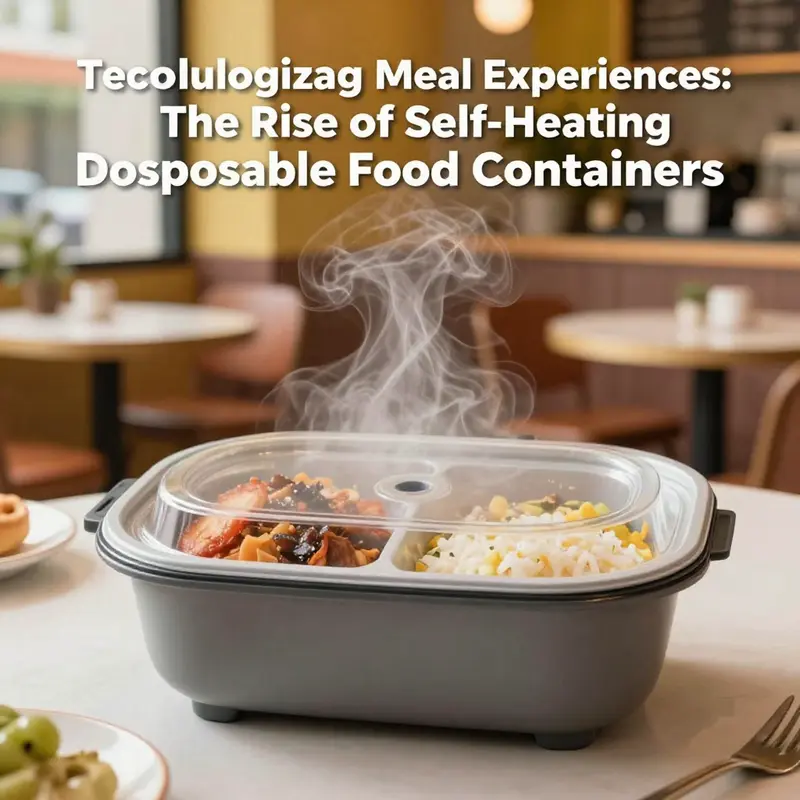
A self-heating disposable food container sits at a crossroads where chemistry, materials science, and logistics meet to reshape how we eat when cooking facilities are not available. The core idea is simple in principle but intricate in execution: a safe, self-contained heat source activates on demand, transferring warmth to a sealed food chamber so a meal can be enjoyed hot without a stove, a plug, or even a battery. In practice, the design must balance rapid heating, uniform temperature distribution, hygiene, and a sensible footprint on the environment. The narrative of this technology is as much about the user experience as it is about the chemistry that makes it possible. As urban life grows more fast paced, these containers have evolved from niche military or disaster rations into mainstream options for travelers, students, and busy professionals.
A central enabler in modern self-heating systems is the water-activated heating pack. This component stores a reactive material and water in a sealed, compartmentalized chamber. When the user initiates the reaction—typically by tearing a seal, pressing a tab, or breaking a barrier—the water interacts with the reactive material, producing an exothermic release of heat. The reaction is designed to be predictable: a controlled rise in temperature that begins within minutes and sustains heat long enough to bring a meal to a safe and enjoyable warming level. The packaging must ensure that the exothermic zone is physically isolated from the food chamber, preventing any leakage or cross-contamination. The careful choreography between activation, heat transfer, and containment defines the user’s experience. It is not merely about generating heat; it is about delivering warmth in a consistent, safe, and convenient package that can be trusted in a range of environments.
The choice of materials is equally consequential. Food-grade polypropylene (PP) has emerged as a practical backbone for many self-heating containers. PP provides a robust, lightweight shell that can tolerate the stresses of thermal cycling, while remaining compatible with direct food contact. The design challenges extend beyond chemical compatibility to thermal management: the heat must be distributed evenly so the entire meal reaches a palatable temperature rather than merely the outer edge. Engineers address this through intelligent internal geometry, insulating layers, and carefully positioned heat-transfer pathways. A streamlined heat transfer path reduces hot spots and ensures that soups, stews, and noodle dishes warm uniformly, enhancing mouthfeel and aroma. In addition, the container geometry often embraces single-use hygiene considerations, enabling safe disposal after a meal without requiring extensive cleaning infrastructure. In this sense, the material choice intertwines safety, convenience, and sustainability, even as the meal’s sensory attributes—its steam, its aroma, and its texture—are shaped by how heat travels from the activation chamber to the food chamber.
Sustainability remains a central tension in the evolution of self-heating packaging. The single-use model offers hygiene advantages and simplicity, but it raises concerns about waste and resource use. Manufacturers are increasingly exploring recyclable and even biodegradable materials that can slip more easily into circular economy loops. The packaging system often features a layered construction, which can complicate recycling. In response, designers pursue approaches that preserve heat efficacy while enabling more straightforward material separation at end-of-life. For instance, some iterations leverage food-grade plastics that can be responsibly recycled, while others explore advanced biopolymers or compostable components for certain layers. The trade-off, of course, is cost and performance. A widely cited cost range observed in some market conversations—expressed in FOB terms—illustrates the competitive dynamics: a self-heating unit may be priced in the neighborhood of a few tenths of a dollar per piece when produced at scale. This affordability, when combined with reliability, helps explain why such packaging has gained traction in mass-market channels and organizational contexts where logistics and shelf stability are paramount.
Safety is inseparable from both the chemistry and the materials. The heating reaction is designed with multiple safeguards: a robust barrier to prevent accidental activation, leak-resistant seals around the heating chamber, and fail-safes that limit the maximum temperature to avoid overheating. The frames of modern containers emphasize mechanical performance under damp or extreme conditions—think humidity, temperature swings, and rough handling during transport. Standards in the industry increasingly codify performance benchmarks for temperature rise, uniformity, and insulation to maintain consistent outcomes across lots and suppliers. The aim is not merely to heat the food but to do so with reassurance: the consumer should be able to gauge heat progress without opening the package, anticipate the final temperature, and enjoy a meal that remains safe to consume throughout the heating window. These safety features, paired with robust mechanical architecture, create a reliable system that can function in unpredictable outdoor or emergency scenarios while meeting the expectations of everyday use.
The market narrative for self-heating containers is as much about flexibility as it is about power. They have found a home in hotpot and bento-style meals, where the intensity and immediacy of warmth align with consumer preferences for freshly heated flavors. The geometry of meals—broths that shimmer with steam, dense stews, and noodle dishes—responds well to the way heat dissipates in these packages, producing a comforting, home-like experience even in non-domestic settings. Beyond culinary variety, the logistics increasingly favor these systems for applications such as remote camping, airline service, and emergency rations. The common thread across these use cases is the need for a dependable, self-contained heating solution that reduces the friction of meal preparation, enabling a hot, ready-to-eat option in environments where fuel sources or cooking facilities are scarce or unavailable.
Technological progress in this field also points to smarter integration. Temperature indicators, for instance, are beginning to accompany self-heating systems to offer real-time visual cues about the heating state. Such indicators help consumers judge when the meal has reached an optimal temperature without opening the package, preserving both safety and enjoyment. Modular designs are another promising trend. By adopting a modular approach, manufacturers can tailor portion size, heat capacity, and even meal type through swappable components rather than redesigning the entire container. This adaptability supports a broader range of cuisines and consumer preferences, from compact, single-serve bowls to larger family-oriented configurations. The modular concept also dovetails with sustainability goals, as it provides the potential to reuse or repurpose certain components where feasible or to simplify recycling pathways by designing modules that can be disassembled with minimal effort.
A practical view of manufacturing economics helps illuminate why these innovations proliferate. The shift toward PP-based, food-grade packaging is driven by cost-efficiency, supply chain familiarity, and regulatory acceptance for food contact materials. When the heat source—often a water-activated pack—appears as a discrete subassembly, it can be integrated into existing production lines with manageable adjustments. The result is a scalable, multi-megacity supply chain capable of meeting bulk demand for ready-to-eat meals across diverse markets. The cost structure, while variable by geography and volume, reflects the balance between materials, reaction chemistry, and packaging engineering. The outcome is a package that can be deployed widely, delivering hot meals without external heat sources, while maintaining margins that fuel further research and development.
The evolving landscape also invites comparisons with alternative heating modalities. Electric self-heating concepts, for example, leverage built-in batteries and heating elements to reheat meals. These designs position themselves as reusable solutions with a longer lifecycle, though they come with charging requirements and a different environmental footprint. In contrast, chemical reaction-based systems emphasize disposability and shelf stability, particularly valuable for emergency rations, military logistics, and disaster preparedness where long shelf life and compact form factors matter most. The dialogue between these approaches is not about one replacing the other but about expanding a spectrum of options for different contexts. Practitioners in the field increasingly evaluate trade-offs among heat intensity, duration, safety assurances, waste implications, and end-of-life handling to determine which solution best fits a given application.
From a consumer experience standpoint, the activation sequence remains a focal point. A pull tab, a seal break, or a deliberate press triggers the internal reaction. The design must ensure that this action is intuitive, does not require force beyond what a typical user could apply, and minimizes the risk of premature activation. Once activated, the heat transfer occurs through a carefully engineered pathway into the food chamber. The pace of warming—generally achieving a noticeable temperature rise within 10 to 15 minutes and a final, safe serving temperature within a predictable window—has become a strong differentiator in crowded markets. Consumers can appreciate not only the warmth but also the aroma that builds as the food nears readiness. The subtle science behind the scent is a reminder that heat is not a mere energy transfer; it is a multisensory signal that reconnects people with the perception of freshly prepared meals, even when the cooking took place elsewhere.
The intersection of technology, sustainability, and consumer expectations continues to shape regulatory and industry standards. As packaging solutions evolve, quantifiable metrics such as peak temperature, average rise, and heat distribution uniformity become essential for quality assurance. Standards now increasingly emphasize leakage prevention, safe activation mechanisms, and compatibility with common disposal streams. This regulatory scaffolding helps ensure consistent performance across manufacturers and geographies, which in turn underpins consumer trust. The ongoing development of smart features—such as built-in temperature indicators or modular components—also invites considerations about data, privacy, and user interpretation. While the data generated by indicators may be minimal, it contributes to a broader narrative of transparency and reliability that consumers value when they opt for self-heating meals in travel, work, or adventure settings.
For readers curious about practical demonstrations of how these systems are implemented in packaging design, consider exploring examples of ready-to-use, disposable heat-activated containers that illustrate the integration of a water-activated heating pack with a food chamber. These integrated systems often showcase a clean seam between the heating and food compartments, with intuitive user instructions etched into the packaging and clear indicators for the heating state. The modular approach is especially appealing for experimental kitchens and pilot production lines, where prototypes can be tested with different meal types and portion sizes to determine the most effective heat-transfer configurations. Such explorations underline a broader shift in packaging toward smarter, safer, and more adaptable solutions that maintain simplicity for the user while advancing performance for manufacturers.
The chapter’s thread, then, ties together three strands: the chemistry that makes on-demand heating possible, the materials and engineering that deliver safe and uniform heat, and the larger systems context in which these containers operate. This holistic view helps illuminate why self-heating packaging has not merely persisted but expanded its reach. It is not a shortcut to replacement cooking but an augmentation – a way to provide warmth, convenience, and security in places and moments where a flame or power supply would be impractical. The journey ahead likely involves refinements in energy density and reaction control, the introduction of more sustainable or recyclable material stacks, and the continued blending of digital cues with physical packaging to guide users through heat-up and consumption. In a world that often prizes speed, reliability, and responsible waste management, self-heating disposable containers embody a thoughtful synthesis of science, design, and practical necessity. They remind us that even a simple meal can become a compact system engineered to respond to human needs with precision, safety, and a touch of everyday ingenuity.
External resource for further technical overview: https://www.globalinkintl.com/
Internal reference for related packaging innovations (illustrative, non-brand specific): Disposable Kraft Paper Soup Cup with Lid
Hot on Demand: Navigating the Economic Trajectory of Self Heating Disposable Food Containers

The economics of self heating disposable food containers sit at the intersection of convenience, technology, and waste management. Market analyses across recent years show a clear impulse toward heat on demand packaging, driven by rise of on the go eating, delivery culture, and the need to offer hot meals without access to traditional kitchen facilities. In 2025 the global self heating food packaging market was valued at about 63.59 billion USD, and forecasts point to a reach of roughly 93.59 billion USD by 2033, reflecting a compound annual growth rate of just under 5 percent. These figures are not mere numbers; they map a persistent appetite among consumers, retailers, and logistics operators for solutions that can reliably deliver warmth, taste, and immediacy in settings as varied as roadside stops, remote adventures, and high demand food delivery corridors. Yet this growth is not a straight line. It is a tapestry of opportunities and constraints that shape which players win, how quickly they scale, and what kind of packaging design endures over time. At the core of this dynamic is a straightforward logic: convenience has value, and when a self heating system can reliably convert that value into a hot ready to eat meal, the premium attached to the product extends beyond the meal itself to the packaging that carries it.
The appeal for foodservice operators and delivery platforms is multifaceted. First, the ability to offer hot meals without forcing customers to seek external heating options reduces friction in the ordering process. Restaurants can present meals that arrive warm and enjoyable, even when customers are far from home or on a time critical schedule. This capability translates into a more predictable consumer experience and, often, higher perceived value. Second, the alignment with premium or on the go segments supports pricing strategies that reflect added convenience. When a meal can be plated, heated, and ready to consume within minutes of arrival, operators can justify slightly higher price points, provided the overall experience remains seamless. The data hint at this alignment between product and service: robust demand for self heating packaging in contexts where speed and warmth elevate the meal experience, such as soups, stews, noodles, and other ready to eat formats. The growth narrative is animated not by a single feature but by how well this concept integrates with logistics, branding, and consumer expectations in crowded markets.
From a business design perspective, scale and supply chain efficiency are decisive. The economic viability hinges on achieving cost parity with conventional packaging while preserving a safety margin for the exothermic components that drive heating. Companies have demonstrated that it is possible to produce insulated or semi insulated containers at surprisingly low unit costs. For example, innovations in insulated plastic packaging show that an 800 milliliter model can be produced at a price point around 0.13 USD per unit, indicating that even specialized packaging can be economically competitive at scale. Yet this is only part of the equation. The heating mechanism itself, which often relies on a controlled chemical reaction activated by water and a reactive constituent, introduces material complexity and manufacturing considerations that must be tightly engineered to ensure consistent performance. This means manufacturers must invest in reliable supply chains for reactive materials, precise assembly processes, and quality control protocols that prevent performance drift across batches. In other words, while the headline numbers paint a picture of strong market momentum, the underlying cost architecture remains sensitive to a spectrum of variables, including material costs, regulatory compliance, and the reliability of the heat generation process.
A key public facing driver of economic viability is consumer demand for a dependable, warm eating experience outside conventional kitchens. When a consumer orders a ready to eat meal in a self heating container, the perceived value is shaped not only by the quality of the food but by the overall experience—how hot the food arrives, how cleanly the container functions, and how easy it is to dispose of or repurpose afterward. In markets with high food delivery penetration, such as urban centers and travel corridors, the incremental willingness to pay for heat on demand can tilt the economics in favor of these systems. Restaurants and catering operators can monetize the added convenience by offering heated options that differentiate their offerings from competitors who rely solely on consumer heating at home. This potential for premium pricing supports a broader rationale for investment by retailers and food service providers seeking to capture share in a crowded market. The strategic calculus thus extends beyond manufacturing cost into the realm of customer experience, brand differentiation, and route to market efficiencies. The integration of self heating packaging with delivery logistics can reduce interim handling steps that would otherwise compromise heat retention, further strengthening the business case for adoption in high volume settings.
Nevertheless, economic viability is tempered by notable challenges that must be navigated with care. Environmental concerns loom large, particularly around disposal and lifecycle impact. A number of self heating systems leave residues from chemical reactions, and the complexity of the materials used—often a mix of plastics, metals, and reactive compounds—can hinder recycling prospects. This creates a tension: the desire for convenience and a hot meal competes with societal and regulatory pressures to minimize waste and improve end of life outcomes. The cost implications of this tension are real. If disposal becomes burdensome, or if the packaging fails to meet recycling targets, municipalities and retailers may incur higher post sale costs, recalls, or reputational hits that unravel margins. From a product design standpoint, the challenge is to reconfigure packaging so that heat generation is efficient while the afterlife options are straightforward and environmentally responsible. As regulatory frameworks evolve, companies will need to anticipate stricter packaging standards, which may necessitate redesigns, additional processing steps, or new materials. These adjustments will affect both capital expenditure and operating costs, potentially altering the relative attractiveness of self heating systems in certain markets.
Performance sensitivity adds another layer of cost and risk. The heating outcome can be strongly affected by user action, particularly the precise amount of water used to activate the reaction. Inconsistent heating, under or over heating, and safety concerns arising from misactivation can lead to customer dissatisfaction, product returns, and even safety incidents. When consumer errors translate into higher post sale support costs, the economics of a self heating format become more complex. Firms must invest in clear activation protocols, robust packaging communication, and fail safe designs that reduce the likelihood of hazardous or ineffective heating. These safeguards, while enhancing user experience and safety, contribute to overall production and quality assurance costs. If not managed well, the costs associated with recalls or warranty obligations can erode the premium that the format commands and dampen long term profitability.
Another challenge lies in production costs and supply chain resilience. While some cost reductions are possible through scale and improved manufacturing methods, the dual chamber architecture, the reaction sealing mechanisms, and the need for reliable, stable supply lines for reactive materials introduce a higher baseline cost relative to standard packaging. The economics of self heating require a careful balance between materials quality, heat efficiency, and waste management. The trend toward more economical, insulated plastics and optimized container geometries shows promise, but scaling these designs sustainably remains a hurdle. Businesses must consider not only the unit cost but also the total cost of ownership, including potential waste handling, regulatory compliance, and the risk of product withdrawals if performance varies across batches or user conditions.
In light of these dynamics, what emerges is a nuanced view of economic viability. The market signals a strong potential for growth driven by consumer demand and the ability to command premium pricing in certain segments. Yet the path to long run profitability depends on solving environmental and operational challenges that currently constrain scalability. Designers and manufacturers are increasingly pursuing approaches that merge performance with sustainability. This includes exploring biodegradable or recyclable materials, improved disassembly for recycling, and more predictable heat generation that minimizes material waste and waste management costs. The industry is testing trade offs between single use convenience and the growing imperative for circularity. As the supply chain matures, the cost gap between self heating packaging and conventional wrappers may narrow in favorable contexts, especially where the added warmth translates into higher value meals and customer satisfaction.
An underappreciated element of economic viability is the potential for design innovation to shift cost structures in meaningful ways. When heat generation is achieved with materials that are easier to recycle or repurpose, or when the reaction components can be separated and collected for reprocessing, the life cycle cost can improve substantially. In this sense, economics is not just about per unit price but about cradle to cradle thinking that reduces total waste and promotes reuse. For retailers and foodservice operators, the shift toward sustainable designs can also unlock access to green or circular economy incentives, align with corporate social responsibility goals, and appeal to a growing segment of eco conscious consumers who view packaging choices as part of the meal experience. While this chapter focuses on economic viability in the near to mid term, the longer term horizon appears to favor packaging ecosystems that harmonize convenience with responsible waste management and resource efficiency.
In the broader market context, the push toward sustainability has opened avenues for adjacent innovations. Insulation improvements can reduce energy demands during the heating process, while advances in barrier technologies can help preserve food quality and safety during transit, contributing to better overall product performance and customer trust. The economics of these innovations depend on the balance between upfront investment and downstream savings. If insulation and barrier enhancements translate into lower post sale waste handling costs, fewer returns, and higher repeat purchase rates, the net effect can be favorable even if initial unit costs are higher. Conversely, if investments do not yield clear savings in waste reduction or customer satisfaction, they may struggle to justify the added expense, especially in price sensitive segments.
The interplay between market growth, sustainability imperatives, and operational performance leads to a practical takeaway for stakeholders across the value chain. The economic viability of self heating disposable food containers rests on three interdependent pillars: cost efficiency and scale, reliable and safe heating performance, and end of life solutions that satisfy environmental goals and regulatory expectations. Each pillar influences the others. Cost reductions enable broader adoption, which in turn supports more robust heat generation systems and better material choices. Safer, more predictable heating strengthens consumer trust, encouraging higher purchase frequency and enabling premiumization. Superior end of life options reduce waste related costs and improve recyclability, potentially unlocking policy incentives and consumer goodwill. When these elements align, the economics become resilient enough to withstand market fluctuations, regulatory shifts, and the evolving preferences of a diverse set of consumers. This integrated view helps explain why investors remain attracted to the sector even as challenges persist, and why a successful product in this space must be designed with a holistic lifecycle perspective rather than a narrow focus on heat alone.
For practitioners seeking a tangible example of how packaging choices intersect with economics, consider the move toward eco friendly kraft based options within the self heating category. These designs aim to reduce end of life complexity while preserving performance. By embracing materials that are more amenable to recycling or composting, a brand can potentially lower total waste treatment costs and align with broader corporate sustainability commitments. This shift is not just about cutting costs but about rethinking the value proposition so that warmth, convenience, and responsible disposal coexist.
As the sector evolves, it is important to ground expectations in the broader industry landscape. The growth trajectory remains favorable, but the pace will depend on how quickly the industry can innovate around materials, recycling infrastructure, and user centric design. Companies that integrate lifecycle thinking into product development anticipate waste streams, establishing clear user instructions, and engineering for recyclability will be better positioned to convert the appetite for heat on demand into durable, profitable outcomes. In the near term, the key is to balance cost discipline with thoughtful investment in safer, more reliable heating mechanisms and in packaging systems that can be responsibly managed after use. In the longer term, if the industry can achieve a higher rate of material recovery and a reduced environmental footprint, self heating disposable containers may become not only a convenient choice but also a sustainable one that earns trust in markets around the world.
Heat Under Pressure: Global Power, Supply Chains, and Sovereignty in Self-Heating Food Containers
A self-heating disposable food container is more than a clever convenience; it is a microcosm of global politics, economic leverage, and environmental negotiation. When a consumer pulls a tab and a meal warms in minutes, a cascade of dependencies and decisions activates far beyond the kitchen. The heat that transforms a cold ration into a ready-to-eat meal travels through a network of materials, chemistry, and regulatory regimes that are deeply uneven across the world. That asymmetry, in turn, shapes who can access reliable warmth in emergencies, who can sustain export markets, and who bears the cost of end-of-life waste. In this light, these containers become strategic artifacts, positioned at the intersection of logistics, sovereignty, and environmental stewardship. They illuminate how the most ordinary acts of eating are entangled with how nations organize, regulate, and defend their interests on the global stage.
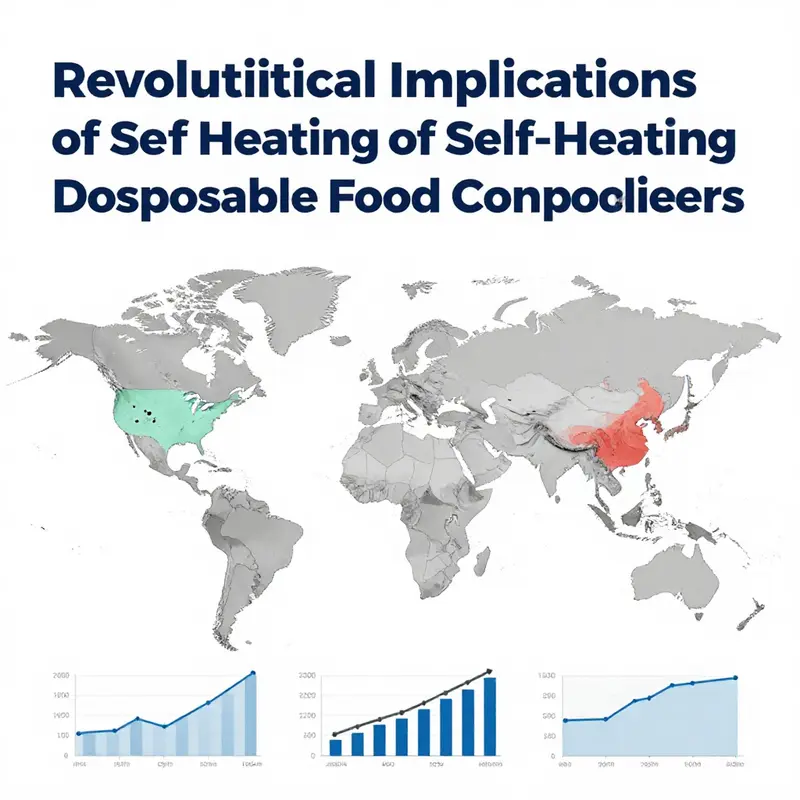
Central to the geopolitics of self-heating packaging is supply chain resilience. The heating mechanism often relies on specialized exothermic reactions that require carefully engineered reactants, like certain oxides and water-management systems. The production and processing of these materials are concentrated in specific regions, with a notable share of global manufacturing clustered around a handful of economies. When tensions rise, or when trade restrictions tighten, these chokepoints reveal themselves in shortages, delays, and price volatility that reverberate through the food supply chain. In emergencies—disaster response, military provisioning, or humanitarian relief—the ability to source and deliver reliable heat rapidly becomes a proxy for urgency, readiness, and humanitarian effectiveness. The stability of such supply chains is not merely about raw materials; it is about the downstream infrastructure: shipping lanes, packaging lines, and the ability to forecast demand under stress. The result is a system that can be exquisitely efficient under normal conditions, yet surprisingly brittle when political or logistical tremors strike. The reliance on a global ecosystem for heat-enabled meals invites a careful reckoning of risk management, diversification of suppliers, and local co-ordination with international partners to prevent gaps in critical food security operations.
The notion of technological sovereignty is inseparable from this discussion. As nations seek to reduce exposure to single-source dependencies, they invest in domestic research and innovation aimed at safer, more sustainable, and higher-performing self-heating solutions. The European example—operating within tight regulatory bounds on microplastics and chemical leaching—demonstrates both the aspiration and the challenge of crafting standards that protect consumers while encouraging innovation. Sovereignty here does not imply a fortress economy; rather, it signals a deliberate strategy to maintain autonomy over key heat-generation chemistries, materials, and end-of-life pathways. This dynamic shapes the global competitive field, where compliant and transparent manufacturers gain a leg up in markets that demand stringent safety and environmental stewardship. The political economy of R&D—public investment, private capital, and cross-border collaboration—becomes as consequential as any battle plan, because it dictates who can shape, and who must adapt to, evolving standards and consumer expectations.
Environmental regulation adds another layer of geopolitical consequence. The push to curb single-use plastics and to minimize hazardous end-of-life outcomes creates regulatory divergence across borders. Some jurisdictions encourage rapid innovation through incentives and streamlined approvals, while others impose bans or heavy taxes that alter the cost calculus for manufacturers and users alike. Such disparities matter far beyond domestic markets; they influence trade agreements, regulatory harmonization discussions, and even the tempo of technology transfer. When a country seeks to pivot away from disposable heat packaging toward reusable or recyclable solutions, it can trigger pushback from a supply base that is optimized for the current paradigm. This friction is not merely technical or commercial; it is political, touching on how nations balance consumer convenience with environmental accountability, and how they negotiate the distribution of responsibility for waste management and remediation across borders.
Military and humanitarian contexts reveal the strategic weight of self-heating packaging. In theaters of operation and during large-scale disasters, logistics are the fulcrum of mission success. Heat-enabled meals can reduce dependence on fuel stores, reduce cooking infrastructure, and improve morale in austere environments. However, reliance on foreign suppliers for critical components raises national security concerns. The fear of disruption—whether from sanctions, supply shortages, or geopolitical obstruction—can drive governments to reshore production, stockpile reactants, or foster regional manufacturing hubs. Yet reshoring is not an automatic remedy; it requires underpinning capabilities in safety, quality control, and environmental compliance, all of which carry budgetary and strategic trade-offs. In humanitarian operations, the same logic applies to the equitable distribution of warmth: the capacity to deliver heat-enabled nutrition should not be a privilege of wealthier nations but a measured, regulated response that respects international humanitarian law and the dignity of affected populations.
Market dynamics reinforce these geopolitic considerations. Global competition is not just about price and efficiency; it is about setting and meeting standards that reassure buyers in distant markets. The dichotomy between highly optimized, single-source supply chains and diversified, multi-regional networks shapes which players can scale and sustain operations under political volatility. Standards bodies, trade alliance commitments, and environmental compliance frameworks all become arenas where geopolitical calculus plays out. The result is a market where compliance with safety and environmental rules can confer competitive advantage, while noncompliance confers risk of market exclusion. The interplay between market access and regulatory alignment can determine which economies establish footholds in the emerging ecosystem of heat-enabled packaging, and which remain on the periphery, dependent on others’ regulatory choices and logistical capabilities.
Beyond the physics of heating and the economics of supply, there is a broader ethical and developmental dimension. Access to reliable, safe, and heat-enabled meals in times of crisis is not evenly distributed. In many regions, climate shocks, conflict, or weak infrastructure magnify the fragility of food security, amplifying the consequences of disrupted supply chains. The geopolitical frame thus compels policymakers to consider how to safeguard vulnerable populations through diversified sourcing, investment in local production capabilities, and robust waste-management infrastructures that align with climate commitments. It also calls for a critical examination of the environmental trade-offs inherent in disposable heat packaging. The tension between convenience, safety, and sustainability is not merely technical; it is a governance question about how to allocate risk, responsibility, and resilience across societies. To illustrate one facet of this complexity for readers who want a tangible sense of what sustainable choices look like in this landscape, consider the broader category of eco-friendly, disposable tableware and its alternatives. For those seeking context on how packaging can pivot toward more sustainable, reusable formats, see this discussion on eco-friendly bamboo utensils, which highlights how design and material choices can influence environmental footprints and circular economies. eco-friendly bamboo utensils.
The regulatory horizon also intersects with international diplomacy. As countries calibrate their responses to microplastics, chemical leaching, and transboundary waste, their regulatory calibrations have implications for trade, aid, and alliance-building. Cooperative regulatory harmonization can reduce friction and lower the barriers to rapid deployment of heat-enabled meals in multinational relief efforts. Fragmented regimes, by contrast, risk duplicative testing, delays, and higher compliance costs. In this sense, the governance of self-heating packaging becomes a proxy for how nations negotiate shared responsibilities for environmental protection, public health, and humanitarian logistics. The end-of-life story of these products—how they are collected, recycled, or disposed of—can be as consequential as their performance in warming a meal. If a country’s policy framework stigmatizes certain materials without offering robust recycling pathways, it may inadvertently incentivize illicit disposal practices or waste exportation, which raises another layer of geopolitical contention and calls for transparent, accountable systems that respect both local capacity and global stewardship.
In sum, the geopolitics of self-heating disposable food containers reveals a landscape where heat, policy, and power are braided together. The supply chain disorders that might seem distant are, in practice, the levers that determine whether a hospital ward, a disaster camp, or a remote expedition can count on a dependable hot meal. Sovereignty appears not as a fortress against globalization but as a strategic choreography—balancing domestic innovation with international trade, safety, and environmental responsibility. Environmental regulation becomes a diplomatic instrument, shaping who can participate in the next phase of packaging technology and under what conditions. Military and humanitarian imperatives reveal how the most practical form of nourishment can become a matter of national security and moral obligation. And market dynamics, tempered by standards and governance, decide which innovations survive, scale, and endure in the face of geopolitical uncertainty.
As the field evolves, the dialogue between efficiency, safety, and sustainability will continue to redefine what it means to heat a meal on the move. The question is whether the sector can cultivate resilience without locking in a fragile dependency on any single geography or technology. It is a test of whether thoughtful design—embracing recyclability, safer chemistries, and transparent reporting—can coexist with the ambition to deliver warmth quickly and reliably wherever needed. The chapter of self-heating packaging is still being written, and its pages will be read against the broader chapters on supply security, environmental responsibility, and national strategy. The outcome will shape not only how people eat in moments of need but how nations align their economic, environmental, and security objectives in a shared, warming environment that transcends borders.
Heat on Demand: Navigating Health, Environment, and Equity in Self-Heating Food Packaging

A container that can turn a cold meal into a warm offering without a flame or a stove begins with a simple promise and a more complex set of consequences. Self-heating disposable food packaging embeds a compact heat source within a sealed, multi-material vessel. The heat is generated when a user activates the system—often by pulling a tab or breaking a seal—and is then transferred to the food chamber to bring a meal to temperature in minutes. The appeal is unmistakable: in remote worksites, disaster zones, or on long-haul journeys, warmth translates into nourishment, comfort, and a sense of normalcy. Yet the same mechanism that delivers convenience also carries health, environmental, and social ramifications that ripple through households, industries, and communities. Reading these effects as a whole reveals how heat on demand can recalibrate daily life, for better and for worse, depending on how designers, regulators, and users respond to its opportunities and risks.
From a chemical perspective, the core idea of self-heating packaging sits at the intersection of chemistry and practicality. A dual-chamber layout often separates reactive components from food until activation. When the user initiates the sequence, a controlled reaction—typically exothermic and reliant on water and reactive metals or compounds—produces heat that travels through a heat-conductive pathway into the food chamber. The process must balance speed with safety, ensuring the yearned-for warmth does not come at the cost of burns, unintended burns, or uncontrolled reactions. The science is elegant in its efficiency, but the lived experience of that heat—the unpredictability of how hot a meal becomes, or how long it will stay warm—depends as much on packaging design as on chemistry. In practice, the experience is a negotiation between convenience and the fragilities of the materials used to enclose the heat source, the food, and the user.
Health considerations emerge most starkly in studies that follow dietary patterns connected to these heat-enabled meals. A body of evidence points to a clear correlation between frequent consumption of self-heating meals and elevated exposure to certain chemical classes known as organophosphate esters, or OPEs. In 2024, research published in Environmental Science & Technology highlighted that consumers who eat one self-heating meal per day show a substantial uptick in OPE exposure compared with traditional diets. A December 2023 study added color to the picture by quantifying risk and demonstrating a 12-fold increase under specific consumption scenarios. The implications extend beyond immediate discomfort or allergic sensitization. OPEs have been associated with endocrine disruption and neurodevelopmental concerns, and some are persistently scrutinized for potential carcinogenic effects. Taken together, these findings do not simply warn of a future risk; they illuminate an ongoing exposure pathway that accompanies the convenience story and invites scrutiny from regulators, manufacturers, and public health practitioners.
The environmental dimension of self-heating packaging compounds the tension between usefulness and responsibility. The very design that makes these products appealing—compact heat generation and fast warming—also enshrines a disposal discipline that is not always straightforward. The majority of current self-heating systems rely on mixed-material construction, combining plastics, metals, and chemical components in a way that challenges recycling streams. This creates two interlinked problems. First, the end-of-life handling becomes more complex for consumers who must sort materials that were never intended to be separated in the field. Second, the leachate risk—where trace chemicals migrate into food during heating or into surrounding environments if containers are discarded improperly—adds a potential vector for exposure that could affect cardiovascular and other health outcomes over the long term. While the logistical benefits in settings of limited cooking facilities are undeniable, these environmental costs demand a rigorous assessment of trade-offs. High-volume usage in emergency response or remote work sites intensifies the need for robust waste management and post-use recovery programs, alongside safer, more inert material choices.
Despite these cautions, the societal value of self-heating packaging is not simply negative or neutral. In the right contexts, the technology sustains nutrition, reduces food insecurity, and supports mental well-being, especially for workers in challenging environments. A 2025 study focusing on construction crews operating far from conventional kitchens documented tangible benefits: reliable access to hot, nutritious meals, improved morale, and a sense of continuity in daily routines. The physical warmth of a meal becomes more than a matter of comfort; it becomes a signal of care and stability in settings where irregular schedules and harsh conditions disrupt regular food practices. In disaster preparedness planning, the same heat-enabled meals can serve as a bridge—providing calories and morale while longer-term relief logistics catch up. While not all populations benefit equally, these findings illuminate how such packaging intersects with social protection, occupational health, and emergency readiness.
A broader market lens confirms that interest in self-heating solutions is not a peculiarity of niche segments. Market projections have pegged growth in this area at trillions of won or, more globally, tens of billions of dollars in the coming decade, with some estimates suggesting the sector could approach substantial multi-year values as demand for on-the-go convenience and ruggedized readiness continues to rise. The appeal, in short, is durable: warmth, autonomy, and portability, packaged in a compact form that travels well and requires no external energy source. Yet this same market dynamics underline an urgent need for sustainable design and policy alignment. If the ecosystem continues to emphasize disposability without meaningful investment in recyclability or alternative materials, the environmental footprint risks eclipsing the social gains. Industry observers therefore advocate for a dual track: maintain or improve safety and performance, while advancing material science toward reusable, recyclable, or bio-based options that align with circular economy principles. In this light, innovation is not merely about how hot a meal gets, but about how gracefully the packaging can close its loop after use.
Regulatory and policy conversations are moving toward fuller acknowledgment of these trade-offs. Requirements related to labeling, safety warnings, and performance assurances must keep pace with rapid product development. The path forward involves not only risk mitigation through safer chemistry and heat control but also transparency about materials, end-of-life options, and exposure mitigation. As regulators and industry bodies craft standards, one practical constraint remains constant: the packaging must not compromise food safety while delivering heat reliably. This balancing act invites a rethinking of the materials palette, encouraging the exploration of barrier films, inert heat-transfer media, and separable components that can be segregated in recycling streams to protect both health and environment. Without such guidance, the convenience narrative risks becoming a covert public health or ecological cost story that erodes trust and acceptance over time.
From a design and safety viewpoint, attention to human factors cannot be overstated. The moment of activation must be intuitive, but it must also be forgiving. A universal risk in any self-heating concept is the potential for burns or overheating when the heat source is poorly insulated or when a container is flipped or carried in ways that misalign thermal pathways. Designers are increasingly incorporating fail-safes, phase-change barriers, or stepwise heating profiles to help users gauge temperature and duration of warmth. Material scientists are experimenting with coatings that minimize leaching risk and with seal technologies that prevent premature mixing of reactive and food-contact components. In tandem with these technical advances, consumer education matters. Clear guidance on activation timing, safe handling, and disposal helps ensure that the warmth delivered does not turn into an inadvertent hazard or a post-consumption waste puzzle.
A critical dimension that threads through health, environment, and social well-being is equity. The benefits of heat-on-demand food can be unevenly distributed. Populations with reliable access to energy, robust waste infrastructure, and strong consumer protections may ride the wave of innovation with fewer downsides. Conversely, communities facing resource constraints, limited recycling capacity, or higher exposure to chemical risk could bear disproportionate burdens. News from recent studies emphasizes this reality by linking improvements in nutrition and mental well-being for vulnerable workers to the presence of supportive work conditions and access to safe, well-managed waste streams. If self-heating packaging is to contribute positively to social equity, the design conversation must extend beyond performance and safety to embrace accessibility, affordability, and end-of-life justice. Policymakers, manufacturers, and civil society groups are called to align incentives—through subsidies for safer materials, programs that support proper disposal, and standards that ensure consistent quality across products and regions.
Within this broad tapestry, an internal reference helps ground the discussion in a real-world interface with packaging forms. For a practical glimpse into a common packaging form that embodies several of the themes described here—namely, a compact, heat-delivery system housed in a disposable container—see the disposable kraft paper soup cup page. This resource illustrates how a seemingly simple vessel encapsulates design challenges around heat transfer, material compatibility with food, and end-of-life considerations in a single product footprint. The page serves as a concrete touchpoint for understanding how material choice, sealing strategies, and consumer use patterns interact to shape the overall impact of self-heating food solutions. disposable kraft paper soup cup page
The forward-looking path for self-heating packaging is not to halt innovation but to steer it toward sustainability without sacrificing safety and accessibility. Engineers and designers are exploring recyclable or biodegradable matrices to reduce waste while preserving the speed and reliability that users expect. Biobased polymers, enhanced barrier layers, and modular heat-media concepts offer routes to reusability and downstream recovery. Concurrently, research is expanding into life-cycle assessments that compare the environmental cost of self-heating meals against alternatives, including conventional ready-to-eat meals or refrigerated staples that need energy for storage but may yield simpler end-of-life handling. Such analyses help distinguish true sustainability from mere convenience and illuminate opportunities where policy instruments—such as extended producer responsibility, bottle-collection-like recycling programs for packaging with embedded heat sources, and labeling that communicates end-of-life options—can move the industry toward a more circular model.
Ultimately, the societal conversation about self-heating disposable food containers hinges on a simple question: does the warmth serve as a reliable, affordable, and safe solution that supports health and dignity, while not shifting the burden of risk and waste onto vulnerable communities or ecosystems? The answer is not monolithic. In some settings, the technology delivers indispensable nourishment and morale; in others, it raises concerns about exposure, disposal, and long-term sustainability. The fairest path forward will require ongoing collaboration among researchers, regulators, manufacturers, and end users to ensure that the benefits of heat on demand are not achieved at the expense of public health or planetary well-being.
External resource: For a deeper scientific perspective on the health implications linked to this packaging approach, see the external study in Environmental Science & Technology, which provides critical context for how chronic exposure pathways can emerge from regular consumption of self-heating meals. https://pubs.acs.org/doi/10.1021/es230874k
Final thoughts
Self-heating disposable food containers represent a remarkable fusion of technology, convenience, and innovation. For bubble tea shops, restaurants, and catering services, adopting this solution not only elevates customer satisfaction but also opens doors to market competitiveness. As we navigate the potentials of self-heating technologies, it is crucial to balance economic benefits with sustainability and societal responsibilities. Embracing this trend can lead to meaningful advancements in how we deliver food, impacting everything from consumer habits to global markets. The time to explore these possibilities is now, ensuring your business remains at the forefront of efficiency and convenience.