
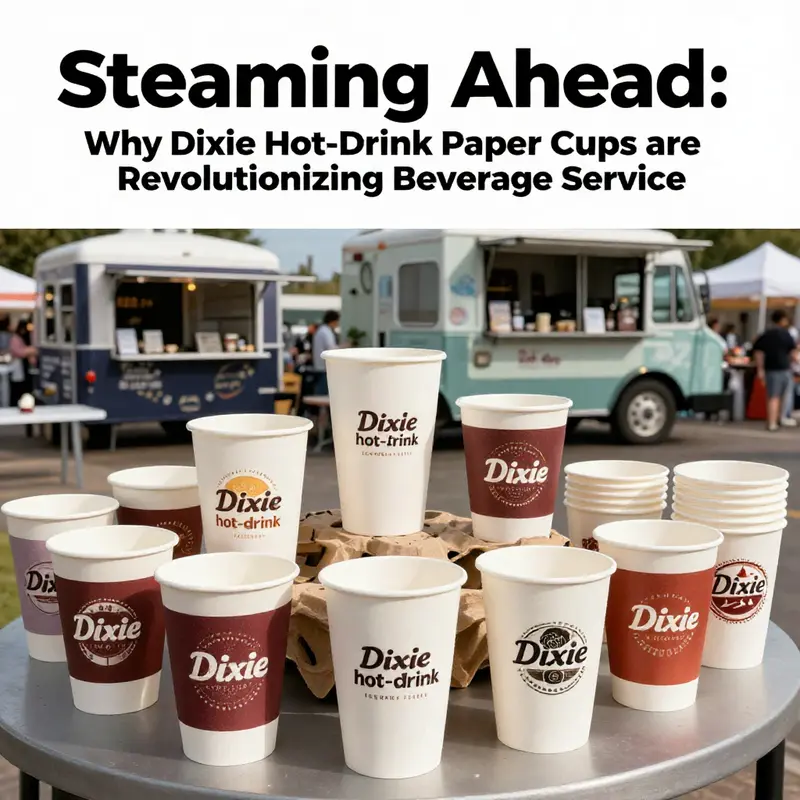
Dixie Hot-Drink Paper Cups are more than just containers; they represent a blend of innovation, convenience, and sustainability in the beverage industry. Whether you run a bubble tea shop, a restaurant, a food truck, or are planning corporate events and catering services, the choice of disposable cups can greatly impact customer experience and operational efficiency. In this exploration, we’ll delve into the advantages of Dixie cups in temperature retention and user experience, their eco-friendly attributes, the economic implications for the disposable tableware market, and how they measure up against competing brands. Each chapter contributes necessary insights, equipping your business with the knowledge to make informed decisions about your beverage service needs.
The Thermal Edge of Disposable Hot-Drink Cups: Temperature Retention and User Experience
In the bustle of modern commerce and everyday life, the humble disposable hot-drink cup acts as the interface between a carefully crafted beverage and an on-the-go consumer. The real value of these cups lies in how well they manage temperature, how safely and comfortably they can be handled, and how efficiently they fit into a busy workflow. A well-designed hot-drink cup balances warmth with practicality. It protects the drink’s dignity by slowing heat loss, yet it guards the user from burns with careful lid design and a thoughtful grip. The best cups do more than insulate; they shape the drinking moment, turning a routine coffee run into a smoother, more predictable experience.
Size matters in this equation. The 12-ounce category remains a popular default for many venues, offering a pragmatic middle ground between a modest daily cup and a larger size that may overwhelm the user or the service workflow. In fast-paced environments like cafes, offices, and events, the 12-ounce cup supports a wide range of beverages without forcing a mid-session refill or requiring a bulky sleeve. From an operations perspective, a standard size helps with inventory planning, reduces wasteful variety, and supports consistent service.
A defining feature of these cups is their insulated paper construction. Insulation is the heavy lifter in heat retention, creating a barrier that slows heat transfer from the beverage to the surrounding air and, crucially, to the user’s hand. This matters most when drinks are consumed during transit. In real-world use, insulated walls mean fewer burned fingers and fewer requests for sleeves or cooler beverages due to rapid cooling. The result is a more comfortable and confident drinking experience, especially for beverages with long flavor evolution as heat slowly diminishes.
Across product lines, insulation remains a recurring theme. Consumers report beverages staying warm longer without the exterior becoming uncomfortably hot. This supports a pleasant early experience and remains important for flavor-sensitive drinks. For operators, reliable heat retention translates into consistency in presentation and service, reinforcing brand perception and encouraging repeat visits. The science lies in material selection, wall thickness, and surface treatments that balance heat retention with a pleasant tactile feel.
Handling comfort is another essential dimension. The insulated walls are not only about warmth; they also keep the cup from becoming an active heat source. A cup that stays comfortable to hold reduces the need for extra sleeves and simplifies the consumer experience. A well-shaped grip, improved surface texture, and a stable wall profile contribute to safer handling during busy shifts. When staff can confidently pick up and place cups, spills decline and service flows become calmer and more efficient. These design choices—insulation paired with a thoughtful grip—make everyday coffee or tea feel easier and more reliable.
Durability completes the triad of temperature control and user comfort. A cup that maintains its structure under transport and handling demonstrates reliability recognized by customers and operators alike. A sturdy cup resists deformation and leakage, especially when stacked or quickly set down. A snug lid further reduces spill potential while enabling easy access for customers. Together, these factors enable service teams to deliver warm beverages confidently, even during peak periods. In sum, a cup that delivers solid insulation, comfortable handling, and dependable lid performance contributes to a smooth on-the-go drinking experience.
From the perspective of cafés, offices, or catering operations, these design priorities affect how quickly drinks are consumed and how long their character remains intact. A hot beverage that stays aromatic and flavorful as it cools invites continued satisfaction and can influence ordering patterns. In a busy workplace, a cup that keeps drinks warm yet easy to handle supports faster transitions between tasks, reducing the risk of unconsumed beverages. The efficiency gains ripple through labor costs and throughput, underscoring the value of reliable cups that do more than merely hold hot liquids. They become a dependable component of a well-orchestrated service system.
There is also an environmental dimension to these discussions. Disposability should be weighed against waste and resource use. Modern insulated cups are often designed for recyclability or compatibility with recycling streams, or at least with materials that can be separated for processing. The balance between single-use convenience and long-term sustainability remains a live conversation in many settings. Operators seek cups sturdy enough to withstand handling and capable of heat retention without excessive material thickness, helping optimize performance and waste. When a cup’s design minimizes the need for sleeves and reduces spill frequency, it also reduces associated waste, contributing to a cleaner, more sustainable service loop.
The material science behind these cups plays a decisive role. The choice of paper stock, barrier coatings, and the method of heat preservation influence performance and end-of-life outcomes. Operators gravitate toward products that offer predictable results under a range of service conditions, whether it’s a quiet morning or a bustling rush. The goal is to deliver a reliable, repeatable experience across many service cycles, translating into customer trust and brand consistency. Ideally, a cup would combine warmth with a comfortable exterior, robust durability, secure lid performance, and a straightforward end-of-life pathway. Achieving this balance requires attention to the entire lifecycle of the cup—from raw material sourcing to manufacturing, transport, usage, and disposal or recycling.
For readers seeking concrete examples of how these ideas translate into product design decisions, official technical specifications often emphasize insulated construction, easy handling, and dependable lid design as core attributes that support temperature retention and user experience. While branding and specific line features may vary, the underlying principles remain applicable across disposable hot-drink cups. The emphasis on warmth retention without sacrificing grip or safety reflects a deliberate design philosophy aimed at enhancing everyday moments of consumption rather than merely providing a container. In practice, this mindset manifests as cups that feel intuitive to use, stay warm long enough to finish a drink, and travel securely through a busy service environment.
External resources and practical references can supplement this understanding. Examples include guides or internal summaries that explore eco-friendly printed-logo take-away cup options, illustrating how customization can align branding with usability, grip, insulation, and lid compatibility while enabling straightforward branding for business identity.
From Fiber to Footprint: How Eco-Friendly Materials Shape the Sustainability of Hot-Drink Paper Cups

The conversation around hot-drink paper cups often starts with temperature, grip, and spill resistance. Yet a deeper layer lies beneath the surface: the materials that come together to form the cup, the paths those materials take after a beverage is enjoyed, and how a simple disposable item fits into broader efforts to reduce waste and conserve resources. In examining the eco-friendly aspects of these cups, we move beyond aesthetics and convenience to consider the lifecycle of every sheet of pulp, every coating, and every adhesive that holds the package together. It is a narrative that weaves together forest stewardship, fiber technology, and the practical realities of consumer use in busy environments where speed and reliability are paramount. When viewed through this lifecycle lens, the cup becomes not only a vessel for warmth but also a statement about how modern packaging can honor both comfort and care for the planet.
At the core of a consciously designed hot-drink cup is the material mix. Many of these cups are produced from renewable resources, with wood pulp sourced from forests that are managed with careful attention to long-term viability. The logic is straightforward: if forests continue to regenerate and be harvested responsibly, the raw material supply can remain stable while reducing the reliance on nonrenewable resources. This approach aligns with broader shifts in packaging toward renewable fibers and away from materials derived solely from nonrenewable feedstocks. The idea is not to abandon performance but to reconfigure it around a more sustainable bio-based foundation. In this sense, the material story of these cups is a practical illustration of how the packaging industry can pursue durable functionality without compromising ecological integrity.
A notable thread in the sustainability tapestry is the option to use 100% recycled fiber in certain cup variants. Recycled fiber offers a tangible pathway to lower the environmental footprint by embedding post-consumer or post-industrial paper into new beverage containers. This strategy reduces virgin timber demand, conserves energy in some stages of the production cycle, and diverts paper from landfills. It is important to recognize, however, that the recycled-fiber route also presents challenges. The fibers have a finite lifespan and can require additional processing to meet the demanding barrier and strength requirements of hot beverages. Adhesives and coatings must be formulated to maintain performance while staying compatible with recycling streams. When executed well, the result is a cup that delivers warmth and usability without escalating the total energy and material inputs beyond what is necessary for safe, sanitary use.
The material choices interact with coating technologies that protect against leaks and heat transfer while supporting end-of-life options. Some variants employ laminations that are compatible with industrial composting systems, using compostable polymers such as PLA for barrier layers. This compostability introduces a potential route to accelerated degradation under controlled conditions, helping to minimize long-term waste when facilities are available to process it. Yet compostability is not a universal permission slip. In many regions, industrial composting infrastructure remains uneven, and home-composting recognition varies widely. The sustainable value of compostable laminations, then, hinges on clear local pathways for composting. Without accessible facilities, the same coating that enables performance can complicate disposal and recycling. This is why manufacturers increasingly pursue dual-path thinking: ensuring robust performance in the cup while designing laminations to be as recyclability-friendly as possible and, where feasible, compatible with composting streams in facilities that can handle them.
The question of recyclability is central to the eco-friendly narrative. Cups are designed to be recyclable in communities with appropriate infrastructure, and the materials are selected with the aim of clean separation in recycling streams. The ability to divert cups from landfills through recycling hinges on simple, consistent disposal instructions and the actual availability of facilities that can process paper with coatings and adhesives. When these conditions exist, recycling can substantially reduce the environmental burden by recovering fibers for new products and reducing the demand for virgin materials. But this is not a universal outcome; it requires a supportive waste-management system and consumer participation. The best packaging designs acknowledge this reality and strive to minimize the hindrances to recycling, such as coatings that complicate fiber recovery or layers that resist separation. In practice, achieving recyclability often represents a balance among barrier performance, printability, consumer recognition, and the logistical realities of local recycling programs.
Beyond the physical materials, a broader sustainability commitment informs product development and corporate responsibility. The chapter’s focus on eco-friendly aspects is not merely about meeting a single standard or passing a certification test. It is about embracing lifecycle thinking: recognizing how choices in pulp sourcing, fiber processing, coatings, and end-of-life management influence resource use, waste generation, and emissions across the product’s journey. This lifecycle perspective encourages a careful assessment of tradeoffs. For example, while virgin-fiber cups can deliver strong barrier properties and predictable performance, recycled-fiber options often require additional processing or specialized facilities to maintain similar strength and heat-resistance characteristics. The optimal path may look different from region to region, which is why the industry increasingly emphasizes adaptable solutions and transparent communications about what is feasible locally. In this way, the sustainability story becomes dynamic rather than static, unfolding in response to evolving infrastructure, consumer behavior, and policy landscapes.
The design of these cups also reflects a practical alignment of usability and environmental considerations. A cup that performs well at hot temperatures must resist deformation, allow a secure grip, and reduce spill risk. A cup that is easy to recycle or compost should not compromise that core utility. This interplay often leads to innovative material stacks and production methods that deliver both comfort and ecological performance. For instance, lighter-weight paper constructions can reduce material use and energy in transport, while barrier layers are engineered to maintain thermal performance without adding excessive mass. Such design choices underscore a central insight: sustainability in single-use packaging is not about making a single sacrifice or choosing one path over another; it is about orchestrating multiple factors so that the overall impact shifts in a favorable direction without sacrificing everyday reliability.
In settings ranging from bustling cafes to spontaneous gatherings, the end user’s behavior shapes the ultimate environmental outcome. Consumers who understand and engage with local recycling and composting options help realize the full potential of eco-friendly materials. Clear guidance, visible labeling, and straightforward disposal instructions can transform a cup from a disposable nuisance into a manageable piece of a larger sustainability system. At the same time, operators—whether independent coffee shops or large office environments—play a critical role in ensuring that waste streams are correctly sorted and routed. Facilities that collect and process paper cups, with or without coatings, enable the life-cycle advantages discussed here. When businesses commit to waste-sorting protocols, they create practical pathways for the material choices described above to translate into tangible environmental benefits.
The broader takeaway is that the sustainability of hot-drink cups rests on an ecosystem of decisions. Material sources, fiber technology, coatings, and end-of-life options must harmonize with local infrastructure and customer practices. The chapter on eco-friendly aspects points to a future where cups are designed with recyclability and compostability in mind from the outset, where renewable and recycled fibers coexist in ways that make sense for different communities, and where the drive for better packaging is anchored in real-world waste-management capabilities as much as in laboratory performance. The resulting cups can keep beverages at their intended temperatures and deliver a reliable grip, while also contributing to a circular economy rather than simply becoming discarded waste.
In practical terms, this means that manufacturers continue to innovate around fiber content and lamination chemistries. It means that brands communicate disposal guidance with clarity, so a consumer can make the right choice in a moment of use. It means that waste-management systems expand, with more facilities capable of reclaiming fibers from used cups and transforming them into new products. And it means business leaders, policymakers, and researchers collaborate to align incentives, standards, and infrastructure so that the advantages of renewable and recycled materials are realized across regions with diverse capabilities. The cup itself becomes a bridge—a tangible bridge between everyday ritual and a more considered, resource-aware approach to packaging.
To illustrate how these ideas translate into real-world choices, consider the broader ecosystem of consumer-packaged goods that use similar sustainable fibers and laminations. The shift toward recycled-content fibers supports a closed-loop mindset, where the waste from one cycle feeds into another product rather than accumulating in landfills. At the same time, where compostable laminations are viable, they offer an additional route to reduce material persistence in the environment, provided that composting infrastructure is accessible. In regions lacking industrial composting, the emphasis naturally tilts toward recyclability and recyclable coatings that facilitate fiber recovery. This conditional adaptability is essential for meaningful progress, ensuring that eco-friendly claims translate into actual environmental benefits across varied contexts. The central message, then, is less about a one-size-fits-all solution and more about a mindset that prioritizes material stewardship, clarity about end-of-life options, and a willingness to adjust operations to meet local realities.
For readers seeking a concrete reference to industry practices and standards surrounding recycled and compostable paper products, further reading on recycled-fiber cups and related packaging technologies can provide additional context and specifics. As a practical example of the environmental pathways discussed, consider the broader family of eco-conscious cups and packaging solutions that emphasize recyclability and industrial composting opportunities. This resource helps readers connect the material choices described here with real-world outcomes and ongoing innovations in sustainable packaging.
As part of the ongoing conversation about how heat-friendly disposables can align with responsible consumption, this chapter invites readers to explore related product arrays that emphasize eco-friendly design through features such as recyclable materials, compostable laminations, and clear disposal guidance. For a hands-on example of one form of green packaging, you can examine a range of options that highlight recyclable fiber content and lid-compatible designs that minimize leakage and waste during transport. This approach to product design demonstrates that comfort, practicality, and environmental stewardship can grow together rather than compete for attention. The result is a more thoughtful, more resilient packaging ecosystem that supports both everyday rituals and longer-term ecological commitments.
To learn more about how recycled-fiber paper cups are shaping industry practices and to see a broader context of sustainable packaging innovations, external resources offer extensive insights into lifecycle analyses, material choices, and end-of-life pathways. For a broader understanding of how recycled content and compostable laminations fit into real-world waste streams, the following external source provides detailed information on this topic: https://www.dixie.com/en-us/products/dixie-ecosmart-100-recycled-fiber-paper-coffee-cups-with-lids. This reference underscores the growing emphasis on renewable and recycled materials in disposable beverage packaging and offers a broader, data-informed perspective on the sustainability narrative surrounding hot-drink cups.
Internal link reference for further reading within this chapter can be found in related product discussions that explore eco-friendly packaging options and how design choices influence end-of-life outcomes. For readers seeking an example of how brand-aligned, eco-conscious cup designs translate into practical solutions, the linked resource uses a descriptive label that aligns with the chapter’s emphasis on environmentally responsible printing and packaging. Specifically, eco-friendly printed-logo paper ice-cream cups with lids offers a concrete look at how design and sustainability intersect in related applications, illustrating how coatings, fiber content, and end-of-life considerations come together in a way that can inform hot-beverage cup design as well.
Taken together, the eco-friendly aspects of hot-drink paper cups reveal a nuanced and pragmatic path toward sustainability. The focus on renewable and recycled fibers, compatible laminations, and end-of-life options reflects a broader industry shift toward materials that can be responsibly sourced and effectively reintegrated into the economy. While the specific regional outcomes may vary, the underlying principles—stewardship of resources, clarity in disposal, and alignment with waste-management capabilities—provide a reliable framework for evaluating and improving disposable cup systems. The dialogue, therefore, remains open and collaborative: producers, consumers, and communities together can advance packaging that keeps beverages warm and footprints lighter, one fiber at a time.
Hot-Drink Cups in the Disposable Tableware Economy: Market Dynamics, Design Innovation, and the Push Toward Sustainable Convenience
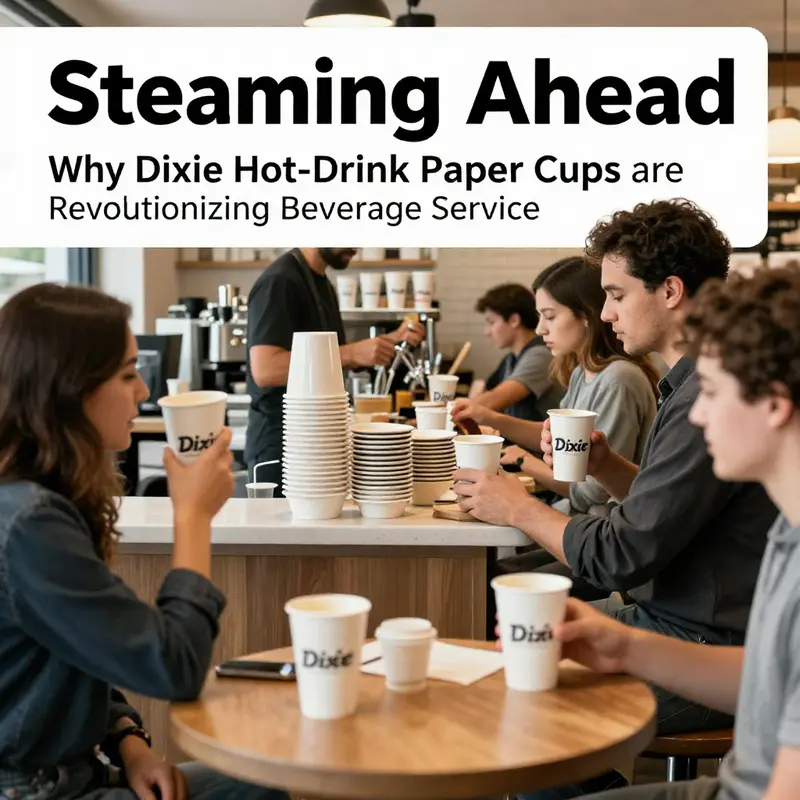
The global appetite for disposable tableware has grown far beyond a simple convenience. In the segment dedicated to cups for hot beverages, demand has been driven not only by the rise of coffee culture but by a complex mix of convenience, hygiene, and evolving consumer expectations for responsible packaging. Recent industry analysis shows that paper disposable cups captured a dominant share of the disposable tableware market in 2025, accounting for 29.12 percent of revenue. That figure signals more than a preference for disposables; it marks paper cups as a central instrument in how modern foodservice operates. In a world pressed by busy schedules and rapid service, these cups stand as the interface between a prepared beverage and a consumer on the go. They function as a small yet pivotal technology—an amalgam of form and function that keeps drinks hot, prevents spills, and offers a comfortable hold through the moment of transition from shop counter to street, car, or office desk. The momentum underlying this market is neither purely trend nor purely commodity. It reflects structural shifts in how people eat and drink on the move, how foodservice blends convenience with safety, and how manufacturers respond to the demand for customization without sacrificing efficiency.
At the heart of the demand equation is the coffee culture that continues to permeate urban life and many suburban rhythms. Take-away and delivery services have expanded the footprint of hot beverages far beyond traditional sit-down settings. Cafes, food trucks, and fast-service chains now rely on a steady supply of single-use cups that can travel intact—from the barista’s hands to a commuter’s path. This has created a durable foundation for growth in the hot-drink cup category. Yet growth is not a passive ascent; it is a product of deliberate design decisions that improve user experience while reducing operational friction for retailers. An essential feature is the cup’s ability to maintain beverage temperature without imposing undue heat on the exterior that could deter grip or pose a burn risk. A class of cups with advanced insulation and a non-slip surface has become a standard in busy establishments. This design ethos—protective insulation paired with tactile confidence—turns a simple vessel into a reliable service tool. It helps staff minimize spill incidents and supports customers in handling a hot drink with one hand while navigating a crowded counter or a busy commute.
Price stability and scalability are the other side of the coin. Bulk quotations for hot-drink cups illustrate a mature and competitive market. In typical bulk arrangements, a 7- to 9-ounce range of hot cups can be sourced at a few hundredths of a dollar per piece, reflecting mature manufacturing capacities and long-standing supply chains. These price points, while modest on a per-unit basis, accumulate into meaningful cost centers for outlets that dispense thousands of beverages daily. The economics are further influenced by the availability of customization: logos, colors, lid configurations, and handle options. Customization adds not just visual appeal but potential value in branding and customer recall. When retailers can align their cup design with their brand while maintaining price efficiency, the appeal becomes twofold: stronger consumer recognition and improved operational compatibility across a network of outlets. The capacity to tailor the cup to specific beverage lines or service settings supports a broader ecosystem in which packaging and service design are interwoven with menu strategy and market positioning.
The manufacturing and supply chain implications of this sustained demand are substantial. Across regions, manufacturers are expanding capacity and optimizing processes to keep pace with rising orders. In some markets, suppliers have reported increased production volumes and export activity as companies seek to diversify their geographic risk and tap into growing demand from burgeoning urban centers. The scaling of operations is not merely about adding machines or shifts; it is about refining supply chain resilience. Producers are investing in materials research, logistics optimization, and supplier diversification to guard against disruptions while maintaining consistent quality and cost control. This multidimensional approach helps stabilize the pricing ecosystem and ensures that retailers can rely on a steady flow of cups, lids, and related accessories even as demand fluctuates with seasons, promotions, or broader economic cycles.
Beyond the basic utility of heat retention and spill prevention, design innovation is playing a decisive role in shaping consumer choice. Customization options now extend to practical features such as handle variants, lid styles, and different cup-wall constructions designed for hot or cold beverages. The capability to integrate handles, secure lids, and adapt to various capacities enables operators to tailor service across formats—from compact takeaway windows to larger office catering programs. Such adaptability matters because it reduces the friction that often accompanies multi-outlet operations. A single cup system can service a range of service contexts, improving stock efficiency and simplifying staff training. In this evolving landscape, suppliers are increasingly offering eco-friendly and printed-logo options that align with sustainability goals and marketing strategies. This convergence of environmental responsibility and branding opportunities helps retailers differentiate themselves while maintaining operational efficiency. For example, cups that carry custom branding but still meet performance benchmarks for heat retention and grip are becoming common in the market. The usability story—how a cup feels, how it grips, and how well it protects the drink’s temperature—becomes part of the brand experience itself. A cup that feels durable and client-friendly can influence repeat purchases, particularly in high-traffic settings where first impressions matter.
The environmental dimension increasingly informs both consumer expectations and policy directions. As the disposable cup footprint grows, so too does scrutiny of life-cycle impacts. The industry is responding with a spectrum of innovations aimed at reducing environmental impact, from recycled content and higher recyclability rates to compostable materials and more efficient end-of-life options. These developments are not merely about compliance; they reflect a broader market demand for packaging that complements a sustainable business model. Brands and retailers are balancing the trade-offs between performance, cost, and environmental responsibility. In this balancing act, the ability to offer recyclable or compostable options without compromising heat retention or user comfort becomes a strategic differentiator. The regulatory environment in many regions is encouraging, and sometimes mandating, improvements in packaging sustainability. In practice, this translates into supplier investments in more responsible fiber blends, barrier coatings that are easier to recycle, and clearer labeling to guide responsible disposal. The result is a packaging landscape where innovation is not just about keeping beverages hot; it is about ensuring that the entire packaging chain can be integrated into sustainable operations across multiple markets.
Against this backdrop, the globalization of supply chains for disposable cups takes on new significance. While demand is strongest in urban centers of developed markets, emerging economies are expanding their manufacturing capabilities, adding to global capacity and offering opportunities for price stabilization. A major supplier in a large and fast-growing regional market has reported enhanced production volumes and export activity as companies seek to capitalize on rising takeaway and delivery trends. This growth is not only about meeting current demand; it is about building resilience for future shocks, whether they arise from shifts in consumer behavior, disruptions in raw-material sourcing, or changes in international trade dynamics. In the end, the economic story of hot-drink paper cups is inseparable from the broader narrative of how disposable packaging integrates into modern consumer routines. It is a story of convenience and performance meeting strategic supply chain management and environmental accountability.
As retailers navigate this landscape, the ability to select and customize a cup that harmonizes with service design becomes a practical advantage. An important channel to explore is the broad ecosystem of suppliers offering eco-friendly options with branding flexibility. For instance, there are eco-conscious options that support take-away coffee without sacrificing the integrity of the beverage experience, and these offer a tangible path for operators seeking to strengthen customer engagement while aligning with sustainability targets. A convenient way to discover and compare such options is to examine suppliers that present their wares with clear environmental and design attributes. Internal customization capabilities, including logo printing and branding themes, can be a meaningful differentiator for a cafe or food-service network that emphasizes its identity across a dispersed footprint. To explore one such path—where branding meets practical design—readers can examine options that advertise printed-logo cups for take-away coffee.
The broader takeaway for this chapter is that hot-drink cups sit at a crossroads of demand, efficiency, and responsibility. Their market performance in 2025 signals more than a simple preference for disposables; it reflects a durable framework in which branding, service quality, and sustainability are interwoven with everyday consumer habits. The design language of these cups—how they insulate, how they feel in the hand, and how easily they can be customized—directly influences the speed and satisfaction of coffee purchases. In a world where a single purchase can involve the quick exchange of money, a beverage, and a packaging choice, the cup is more than a vessel. It is a microcosm of how the disposable tableware industry adapts to evolving customer expectations while contending with environmental considerations and the realities of global logistics. For operators, the implication is clear: invest in cups that balance performance with responsible materials, and prioritize flexible, scalable customization to support both branding and operational needs. For policymakers and advocates, the continued improvement of recyclability and the expansion of end-of-life infrastructure will be essential to ensuring that these ubiquitous items remain compatible with sustainable economic growth. External references provide further context on the range of customization and production options available to buyers seeking to align with market demand without compromising on the quality of the consumer experience.
For readers seeking deeper insight into specific customization options and manufacturing parameters, a detailed resource on handle and cup design is available. This external reference discusses how manufacturers tailor hot-drink cups to various beverage formats and branding requirements, illustrating the practical implications of cup design choices for both retailers and consumers. https://www.made-in-china.com/products-detail/Custom-Handle-Paper-Cup-7oz-8oz-9oz-Hot-Drink-Cup-For-Coffee-Tea_1603498479.html
In sum, the demand for hot-drink cups remains a robust proxy for the health of the broader disposable tableware market. It captures a dynamic interplay of consumer behavior, service innovation, supply-chain resilience, and environmental responsibility. The next layer of analysis will move from macro-market indicators to the operational realities that shape daily decisions in many cafeterias, quick-service restaurants, office lounges, and event settings. The chapter that follows will examine how retailers translate these market signals into practical sourcing strategies, how suppliers differentiate through sustainability credentials and customization, and how the industry negotiates cost pressures while delivering a reliable customer experience. For those looking to anchor their sourcing in a broader ecosystem, an established reference on cup customization and manufacturing specifications offers a useful starting point and demonstrates how design choices travel from concept to consumer hands. External reference: https://www.made-in-china.com/products-detail/Custom-Handle-Paper-Cup-7oz-8oz-9oz-Hot-Drink-Cup-For-Coffee-Tea_1603498479.html
Between Comfort and Conscience: A Close Look at Premium Hot-Drink Cups and Their Competitive Landscape
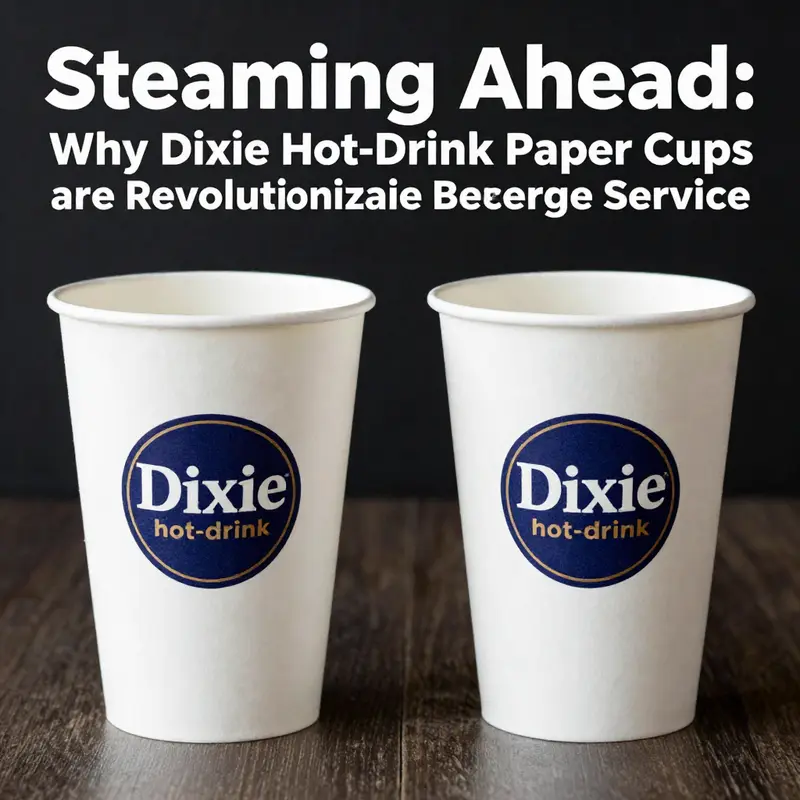
In the realm of hot beverages, the cup is more than a vessel; it is a bridge between warmth and everyday practicality. The right disposable cup does not merely hold a drink; it preserves its temperature, protects hands from heat, and reduces the cognitive load on servers and hosts who must move quickly through busy moments. A prominent size in this ecosystem is the 12-ounce cup, chosen for its balance of capacity and manageability. Those who work in bustling cafes, office break rooms, or event spaces know that a single purchase can ripple outward into cleaner counters, faster service, and happier customers. A typical package configuration, with a substantial count such as 156 cups, supports high-volume service without demanding constant restocking. The story of these cups is not just about material thickness or lid compatibility; it is about a thoughtful orchestration of grip, insulation, spill prevention, and end-of-life considerations. When a cup integrates a coating that enhances handling and shields the user from heat, it changes the way a drink is consumed, carried, and enjoyed in transit from counter to customer.\n\nAt the heart of these premium vessels lies a distinctive coating designed to deliver a tactile experience similar to foam, yet with a different, more sustainable set of consequences. The coating is engineered to provide insulation that can feel noticeable to the touch, coupled with a non-slip surface that remains secure even when hands are damp or when a customer moves quickly through a crowded space. This combination of grip and warmth protection addresses a common consumer pain point: the discomfort and risk associated with holding a very hot beverage. The result is a cup that communicates confidence in its user experience. A hand can grip the cup with assurance, knowing that the warmth is managed without a slippery surprise at the moment of transit from heat source to sip. The design does not sacrifice recyclability or compostability in pursuit of performance. In fact, this coating is positioned as fully recyclable and compostable, aligning with growing consumer demands for responsible packaging solutions. The emphasis on eco-friendliness is not an afterthought but a core aspect of the cup’s value proposition, reflecting a broader shift in packaging where people expect products to perform well and responsibly.\n\nThe practical implications of such a coating extend into the day-to-day rhythms of service. Consider the routine of pouring a hot coffee or tea, adding a lid, presenting the cup to a customer, and then watching as they walk to a table or coworking desk. The grip-coated cup reduces the need to tighten the grip out of fear of slipping. It also supports the hand during the heat transfer that instinctively occurs as a drink is held, moved, and sipped. This is not merely about comfort; it is about safety. When staff can rely on a cup that minimizes slips and accidental burns, the risk profile of a busy cafe shifts downward. For the consumer, the moment of purchase becomes a small, tangible reassurance that the product has been designed with human factors in mind. The coating does more than insulate—it communicates care in the form of a thoughtful interaction, an unspoken assurance that the cup was designed with the end user’s experience in mind.\n\nLending further shape to these advantages is the packaging and the structural design that accompanies the cup. The 12-ounce size, by virtue of its popularity, is frequently accompanied by a compatible lid and a secure fit that keeps beverages stable during transport. In high-volume settings, spillage is not a mere nuisance; it affects workflow, safety, and cleanliness. A reliable lid system paired with a well-sealed cup diminishes the disruptions that would otherwise occur during service or after pickup in a crowded venue. The disposable nature of these products, while supporting convenience and quick turnaround, also raises questions about waste. Yet the modern iteration of these cups seeks to resolve those tensions by emphasizing recyclable and compostable materials. The lifecycle of a single-use cup is no longer a fixed trade-off between convenience and environmental responsibility; it can be a calibrated compromise where performance does not have to come at the cost of sustainability. In practice, this means a cup that is easy to recycle in appropriate facilities and, where composting is available, can break down with a minimal environmental footprint. The adoption of such materials reflects a broader trend toward packaging that supports both efficiency in service and alignment with environmental values.\n\nFrom a competitive standpoint, the landscape features a spectrum of approaches. In the category of standard single-wall paper cups offered by various suppliers, many products emphasize cost efficiency and basic functionality. They often use simpler coatings or rely on a straightforward wax or plastic-based barrier to prevent leakage. The contrast with the grip-enhancing, insulation-forward cup is stark. The premium option distinguishes itself not merely through a coating that offers a foam-like tactile feel but through an integrated narrative of performance and responsibility. It is easier to justify a higher price point when the product demonstrates measurable improvements in user comfort, reduced heat transfer, and enhanced handling, all while maintaining a commitment to recyclability and compostability. In this sense, the premium cup does more than house liquid; it serves as a signal of brand intent—an assurance that a manufacturer is serious about customer experience and environmental stewardship.\n\nAlternatives to conventional single-use cups also shape consumer choice. Reusable insulated mugs and other durable beverage containers rise as attractive options for many who seek to minimize waste. Yet for many busy environments—cafés with lineups, corporate break rooms, or large events—the convenience of a disposable cup remains unmatched. In such contexts, the premium disposable cup must walk a tightrope: it must deliver comfort and safety in use while offering a credible, sustainable end-of-life path. That balance is what differentiates the high-quality option from the broader pack. The resulting value proposition extends beyond insulation or grip; it encompasses brand credibility, manufacturing discipline, and consistent quality control across batches and packaging configurations. When a company with a long-standing presence in the paper-cup market commits to a coating that satisfies both performance and sustainability criteria, it signals a deliberate strategy to occupy a premium segment rather than a race to the bottom on price.\n\nMarket dynamics reinforce this strategy. Analysts and industry observers point to a growing customer base that values packaging innovations tied to environmental responsibility. The market narrative emphasizes that consumers are increasingly selecting products not only on functional excellence but also on the ethics of materials and end-of-life management. This shift is echoed in growth projections for the broader paper cup sector, where continued expansion is anticipated as brands invest in differentiated offerings that can claim both performance gains and sustainability advantages. The emerging consensus is that the future belongs to packaging solutions that can demonstrate tangible benefits in heat management, grip, spill prevention, and recyclability. As competition intensifies, manufacturers are under pressure to translate design features—like a grip-enhancing coating and compostable materials—into measurable customer satisfaction and operational efficiency. The reward for success is not only higher margins but also stronger loyalty among customers who seek reliable, responsible options for their daily caffeine routines.\n\nIn contemplating the broader landscape, it is helpful to connect these design considerations to market research that tracks consumer preferences and packaging trends. Industry analyses highlight the evolving demand for sustainable packaging and the premium attributes that accompany enhanced user experience. Data indicating a steady growth trajectory for paper cups aligns with the case for products that marry performance with environmental responsibility. As coffee culture continues to expand and diversify, the role of packaging as a contributor to the overall drinking experience becomes more pronounced. The cup is no longer a mere container; it is a touchpoint in a chain of experiences—from first touch to final sip—that shapes impressions of both the beverage and the host brand. A cup that feels comfortable to hold, that protects the drink’s temperature, and that aligns with sustainable values, becomes a small but meaningful element in customer satisfaction and repeat business.\n\nFor practitioners seeking practical guidance in selecting cup solutions for high-volume operations, the conversation often circles back to a few core questions: How does the coating perform under repeated use and exposure to heat? Is the material truly recyclable or compostable in the facilities most commonly available to customers? Does the cup remain easy to grip when hands are wet or when the beverage is at peak temperature? And how well do the lids integrate with the cup to prevent spills during transit? Answers to these questions are not mere technicalities; they influence daily throughput, safety, and the overall perception of quality. In that sense, the choice of a grip- and heat-conscious disposable cup is not a marginal decision. It is a strategic one that can affect the flow of service, the cleanliness of workspaces, and the perceived care a brand demonstrates toward its patrons. When the product line in question also foregrounds environmental responsibility, the decision gains an additional layer of meaning: customers can trust that the convenience valued by busy people does not come at the expense of ecological integrity.\n\nAs the chapter sails toward its close, it is worth returning to the broader context of market signals and consumer expectations. The growth story of a premium hot-drink cup is embedded in the willingness of consumers to trade a portion of convenience for enhanced comfort, safety, and sustainability. The coatings and materials that deliver this blend of benefits serve as tangible indicators of a supplier’s commitment to quality control, supply-chain precision, and environmental accountability. In practical terms, cafés and offices that adopt these premium cups often report smoother service, fewer spill-related incidents, and better post-use handling in waste streams. For event planners and large gatherings, the allure lies in the alignment of fast service with responsible disposal options, an alignment that resonates with participants who are increasingly mindful of their environmental footprint.\n\nFor readers who want a closer look at the category’s sustainable options, a practical reference is available that highlights eco-friendly, printed-logo paper cup variants designed for take-away use. This resource provides real-world examples of how brands communicate value through packaging aesthetics while maintaining a focus on environmental considerations. See the page here: eco-friendly printed-logo take-away coffee cups.\n\nIn the larger discourse, the paper-cup market continues to be shaped by shifts in consumer expectations, regulatory landscapes, and the push toward circular packaging models. The trajectory points toward innovations that do not simply add a feature but reframe the entire user experience around heat management, grip, spill prevention, and responsible disposal. The premium cup, with its grip-enhancing coating and environmentally conscious design, embodies a practical culmination of these forces. It is a response to the demand for better performance and better stewardship, a response that recognizes that the everyday act of taking a hot drink is also an opportunity to demonstrate careful attention to how one’s choices ripple through the supply chain and the world beyond the counter. For researchers, designers, and operators alike, this integration of comfort, safety, and sustainability offers a compelling case study in how a simple disposable item can evolve into a thoughtful, differentiated solution in a crowded market.\n\nExternal resource for market context: https://www.grandviewresearch.com/industry-analysis/paper-cup-market
Final thoughts
Dixie hot-drink paper cups stand out as an ideal choice for any beverage business—be it a café, restaurant, or event planning service. Their superior temperature retention, user-centric design, environmentally friendly materials, and economic viability make them a strategic selection. As you expand your beverage offerings, considering the advantages of Dixie cups can significantly enhance customer satisfaction and streamline your operations. By prioritizing quality and sustainability, you’re not only improving service but also fostering a responsible approach to consumption in the beverage industry.