
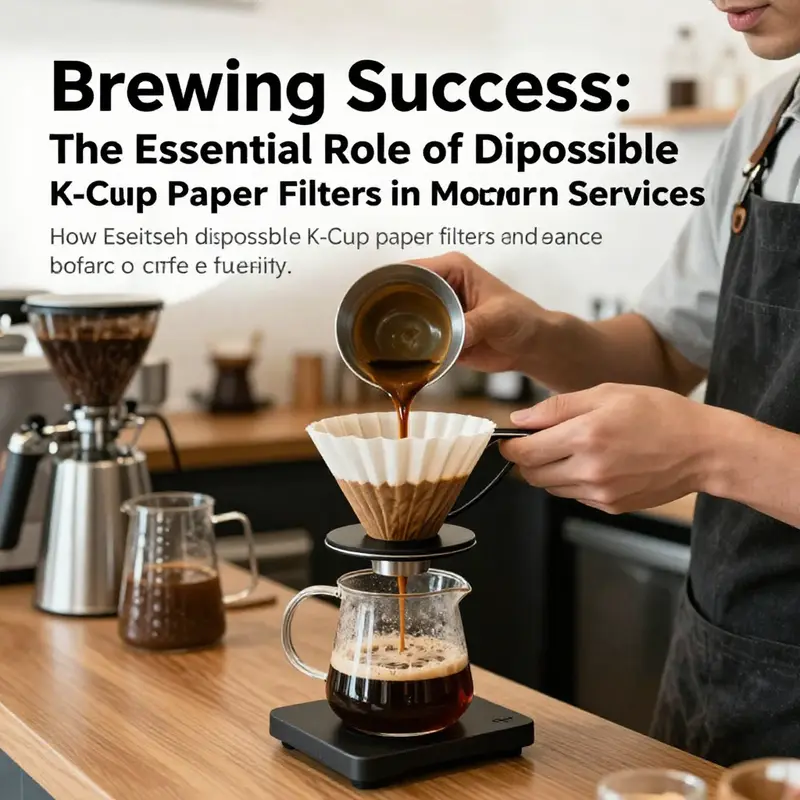
In the competitive arena of beverage service, where quality and convenience are paramount, the integration of disposable K-Cup paper filters can elevate the brewing experience. These filters serve as indispensable tools for bubble tea shops, restaurants, and catering services alike, ensuring a cleaner and richer flavor with every cup. Throughout this article, we’ll delve into the multifaceted role that disposable K-Cup paper filters play, from their environmental considerations to consumer preferences. Each chapter is designed to provide insight into how these vital accessories can significantly streamline operations, promote sustainability, and ultimately contribute to customer satisfaction.
null

null
Brewing with Purpose: The Environmental Footprint of Disposable K-Cup Paper Filters
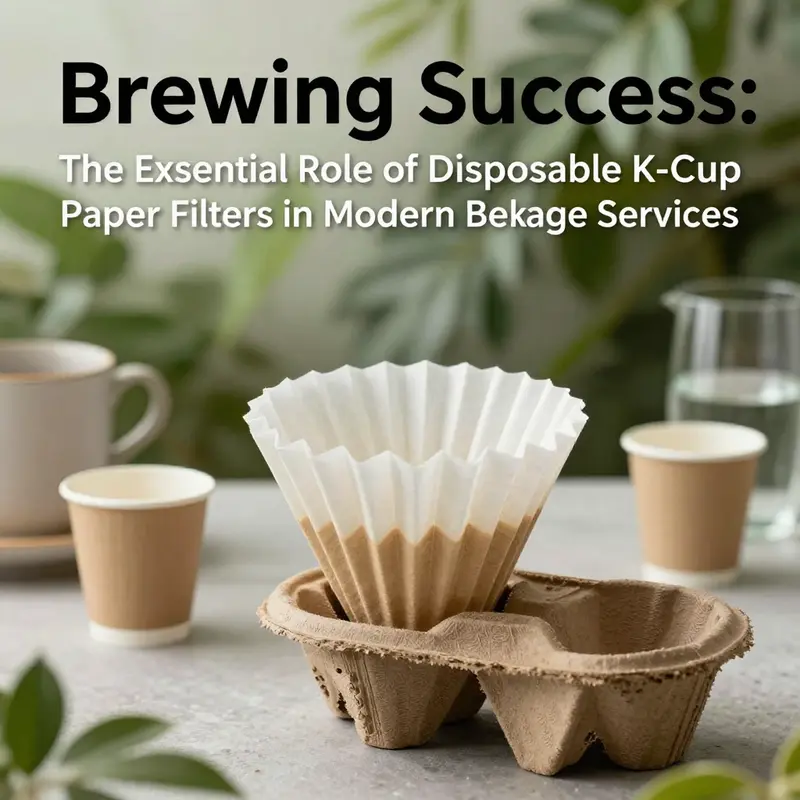
The convenience of single-serve coffee often obscures the environmental tradeoffs behind disposable K-Cup paper filters. These filters offer a tidy cup and quick cleanup, but their lifecycle stretches from forest to landfill or compost pile, depending on local practices.
Biodegradability and compostability are central to their footprint. Most disposable filters are made from 100% paper, sometimes unbleached, designed to break down in composting streams. But the actual outcome depends on whether the used filter reaches a home or industrial compost, the ambient temperature, how the composting system handles contamination such as coffee grounds, and whether there is any non paper lining. When disposal occurs in a proper composting environment, filters can contribute to soil health rather than lingering as waste.
The carbon footprint includes pulping, drying, shaping the filters, packaging, and transport. Transportation matters as filters travel from mills to warehouses and to kitchens around the world. The raw materials come from forests managed for wood pulp, the energy mix powering mills, and the efficiency of the paper making process all contribute to the total carbon tally. In some lifecycle analyses, the carbon footprint of disposable filters can be higher than that of reusable or non disposable alternatives, especially when disposal ends up in landfills or when composting is not practiced. However, if composted correctly, the end of life can mitigate some emissions. The net effect depends on local waste streams and the product’s ability to be composted within them.
End of life and practical impact: A key factor is whether the local composting program accepts compostable filters and whether the consumer follows disposal instructions. Certification marks and clear guidance help ensure proper behavior. Not all compostable filters are designed for home composting; some require industrial facilities. Packaging and liners add to the total environmental footprint and must be considered alongside the filter itself.
Practical implications for consumers: to reduce waste, consider refillable or reusable brewing options, and choose filters with credible certifications and disposal guidance. Rinsing and drying practices can influence composting performance, and avoiding contamination by coffee grounds and plastics is important. When composting is not available, recycling may be possible for pure paper fibers in some systems, but only if the product is accepted in the local program and free from non paper components.
Bottom line: Compostable paper filters can lower environmental impacts when disposal aligns with proper composting infrastructure, but the overall benefit is linked to the entire system including energy sources for manufacturing and the capabilities of local waste management. The goal is to inform choices that balance convenience with stewardship and to recognize that the best outcome arises from a combination of thoughtful product design, clear disposal guidance, and robust local programs.
Between Pods and Pour-Over: A Cohesive Look at Disposable K-Cup Paper Filters and Traditional Coffee Filters
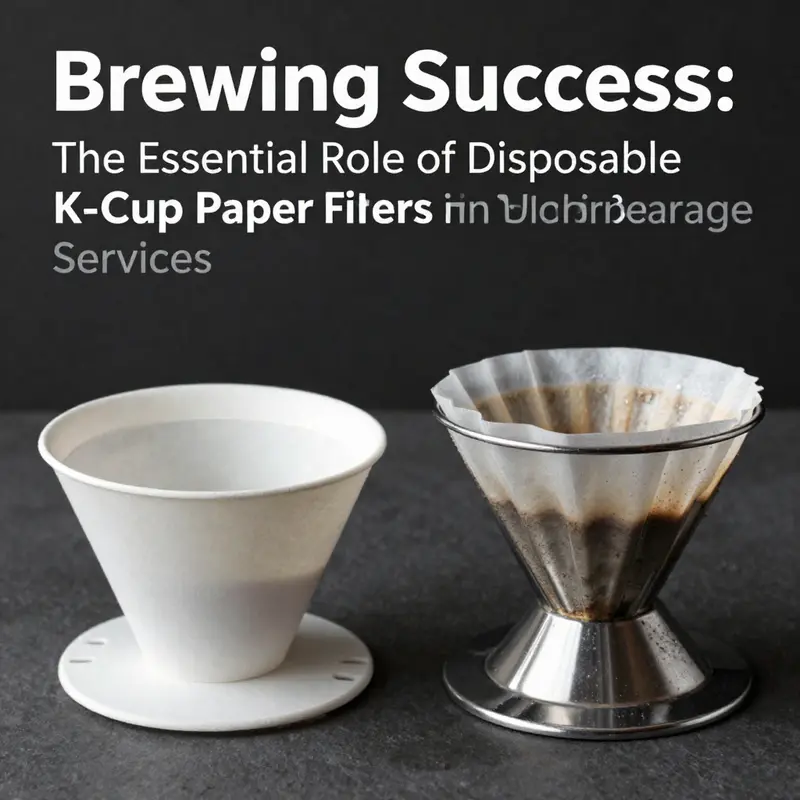
The choice between disposable K-Cup paper filters and traditional coffee filters shapes more than convenience; it shapes the very character of the cup in your hands. When you press a button on a single-serve brewer, the coffee that emerges is the result of a sequence of tightly controlled decisions, and among the most consequential is the filter through which water meets grounds. Disposable K-Cup paper filters are small, pre-formed carriers designed to sit inside a pod or reusable housing. They guide water through a compact bed of grounds under a high, short-pressure brew that aims to deliver a quick, clean cup. Traditional filters, by contrast, come in a broader family—bleached or unbleached paper, metal, or cloth—and they invite a slower, more intimate dialogue between water and coffee. The practical implications of that dialogue—how flavor, aroma, body, and even mouthfeel develop—are exactly what makes this comparison worth doing in depth rather than relying on habit alone.
For many, the clean, bright profile associated with disposable K-Cup filters is a daily ritual. The paper, chosen for its porosity and uniformity, acts like a gatekeeper, allowing a swift passage for water while holding back most fine particulates and oils. The result is a cup that reads as crisp and luminous, with a relatively high perception of acidity and delicate aromatics. In the context of light to medium roasts, this can be a very appealing profile: the coffee rings out with stepwise clarity, each note legible and precise, and the cup is typically free of visible sediment. The experience is consistent from cup to cup, which matters when speed and predictability are valued in a busy morning routine.
Yet that very speed and constraint can limit the depth of taste. Because the brewing contact time in single-serve machines is brief and the water is forced through a narrow channel at high pressure, extraction can lean toward under-extraction. Complex oils, nuanced caffeol and diterpene compounds that contribute body and resonance may be less present than in longer contact brews. The paper itself also imposes a burden: even though it is designed to be inert enough to avoid imparting off-flavors, the material can introduce subtle interactions, especially if the filter is not perfectly sealed or if the grounds are unevenly distributed. In practice, this means a cup that can be bright and clean, but sometimes lean on the lighter side in body and finish. For some drinkers, that brightness is precisely what they crave in the morning; for others, it might feel like a missed opportunity to explore deeper flavor layers.
From a brewing science standpoint, the K-Cup filter’s geometry matters as much as its material. The small,形 pre-formed cup confines the coffee bed to a compact size, encouraging a relatively uniform contact of water with grounds. The machine’s needle puncture is a designed hazard—allowing entry for water and exit for the brewed coffee. Proper fit is essential: any leakage around the filter can create channels that alter flow and result in uneven extraction. The upshot is that the filter acts as a kind of architectural constraint, shaping both the path water takes through the bed and the pace at which the coffee releases its soluble compounds.
Traditional filters offer a very different kind of relationship. Paper filters alone can trap most oils, yielding a clean cup with less mouthfeel and a pronounced clarity of aroma. This can be ideal for many mediums and lighter roasts, where the emphasis is on delicate floral notes, citrus brightness, and precise acidity. When metal or cloth is used, more oils pass through, which can produce a heavier mouthfeel and sometimes a richer aftertaste. Metal filters, in particular, leave cafestol and kahweol—oil compounds that some coffee lovers associate with a fuller body and robust body texture. Cloth filters, meanwhile, can contribute a terroir-like character, subtly softening acidity while letting through more nuanced oils. The trade-off here is sediment. With some traditional filters, especially cloth or fine paper, the cup can contain small particulates that bring texture and roundness but may require a slower cleanup or a slower brew to avoid over-extraction.
That texture difference is more than a sensory footnote; it reflects how each filter interacts with the water and the grounds over time. Traditional methods allow more extended contact and more deliberate control of variables such as grind size, water temperature, and brew time. The result can be a richer, more enveloping cup, with a broader range of flavor notes and a more pronounced body. The flip side is that achieving that result demands more attention and more careful maintenance—filters need to be chosen to match the grind, the roast, and the brewing technique, and the brewer must manage the variables with intention. In contrast, the disposable K-Cup filter is tuned for a simpler workflow: insert it, press a button, and enjoy a cup that reliably tastes clean and consistent. For households that prize speed and consistency, this is an undeniable advantage.
From an environmental perspective, the contrast is stark. Disposable K-Cup paper filters, though made from paper, contribute to waste streams when used in large numbers. Even when marketed as compostable or biodegradable, the ultimate fate of each filter depends on local waste management infrastructure, composting capabilities, and consumer behavior. The broader impact encompasses not only the filter but the pod, the packaging, and the entire lifecycle of the single-serve system. Traditional filters, especially the reusable options paired with non-disposable pods, can substantially reduce waste and minimize the environmental footprint of everyday brewing. The oils and fines that traditional funnels typically trap are part of a broader discussion about sustainability: many coffee lovers embrace the ritual of filtration as a chance to reflect on the resources embedded in their brew and to reduce waste wherever possible. The calculus is not purely ecological; it is deeply practical, too. A user who values minimal cleanup and straightforward disposal may appreciate the convenience of disposable filters, whereas a user who values long-term environmental stewardship may lean toward reusable filtration and bulk purchases of paper or metal alternatives.
Flavor and aroma sit at the heart of any choice about filters. A clean cup emphasizes the brightness of acidity, citrusy or fruity notes, and the more delicate aromatics that emerge from the grounds. The perception of body can be influenced by the presence or absence of oils in the cup; paper filters tend to strip oils more aggressively, delivering a lighter, crisper finish. This can be particularly appealing with crisp light roasts or coffees that showcase aromatics and acidity. In traditional or metal-filtered brews, the oils are less filtered out, and the result is a richer mouthfeel and a fuller resonance of flavor across the palate. The aroma tends to be more enveloping, with a longer finish that invites repeated sips to tease out evolving notes. These characteristics are not absolutes; they depend on roast level, grind size, water temperature, and the specific filter geometry. Yet the general lines remain helpful: if the goal is a pure, bright, and quick cup with minimal sediment, a disposable K-Cup filter can be highly effective. If the aim is depth, body, and a deeper flavor profile across multiple tasting notes, traditional filtration—whether paper, metal, or cloth—offers more potential for nuance through a longer extraction window.
In practical terms, the decision often comes down to routines and preferences. A family with morning rushes and a need for predictable performance might choose disposable K-Cup filters for their simplicity and low cleanup. A home brewer who savors ritual, experiment, and flavor complexity may prefer traditional filtration and the chance to tailor grind, temperature, and brew time to the coffee’s personality. The choice is rarely about one being categorically better than the other; it is about which attributes align with the drinker’s priorities. One person’s brighter cup is another’s underwhelming experience; one person’s satisfying ritual is another’s time sink. The key is to understand how each filter type shapes the sensory and practical outcomes of brewing and to align those outcomes with personal goals.
To keep this discussion anchored in real-world decisions, consider how your own habits map onto the differences described above. If you prize speed, consistency, and minimal cleanup, disposable K-Cup filters deliver. If you want more control over extraction and a wealth of flavor possibilities, traditional filtration offers a broader canvas. The trade-offs extend beyond taste to environmental impact and maintenance. Individuals who brew daily can significantly influence both flavor outcomes and ecological footprints by choosing filters that fit their routines and values. The science behind extraction—the balance of solubility, diffusion, and interaction time—operates behind the scenes in both approaches, and understanding that science can inform wiser choices, whether you are chasing a bright breakfast cup or a rich, lingering evening coffee.
For readers who want to explore related packaging and disposal considerations further, one related product page discusses eco-friendly, single-use materials designed for quick disposal and minimal mess, a reminder that filtration choices often sit within a broader ecosystem of coffee packaging. If you’re curious about the broader context of disposable cups and their environmental footprint, see this resource: Eco-friendly printed-logo paper ice cream cups with lid.
Beyond the practical and sensory implications, the philosophical question remains: what do you want your coffee to do for you? A clean, bright start with high clarity can power a morning. A rich, textured palate can accompany a quiet late afternoon. The filter you choose does not just separate solids from liquid; it frames the very nature of the coffee experience you seek. As long as you stay mindful of how filtration interacts with grind, roast, water, and time, you can cultivate a brewing approach that honors both your taste buds and your values. For those who crave deeper scientific grounding on how extraction interacts with pore size and material, the broader literature offers rich context. For a deeper scientific dive, see an external resource that surveys coffee extraction science and filter performance at a leading research institution: Coffee Extraction Study at UC Davis.
Brewing the Curve: Global Market Trends Shaping Disposable K-Cup Paper Filters
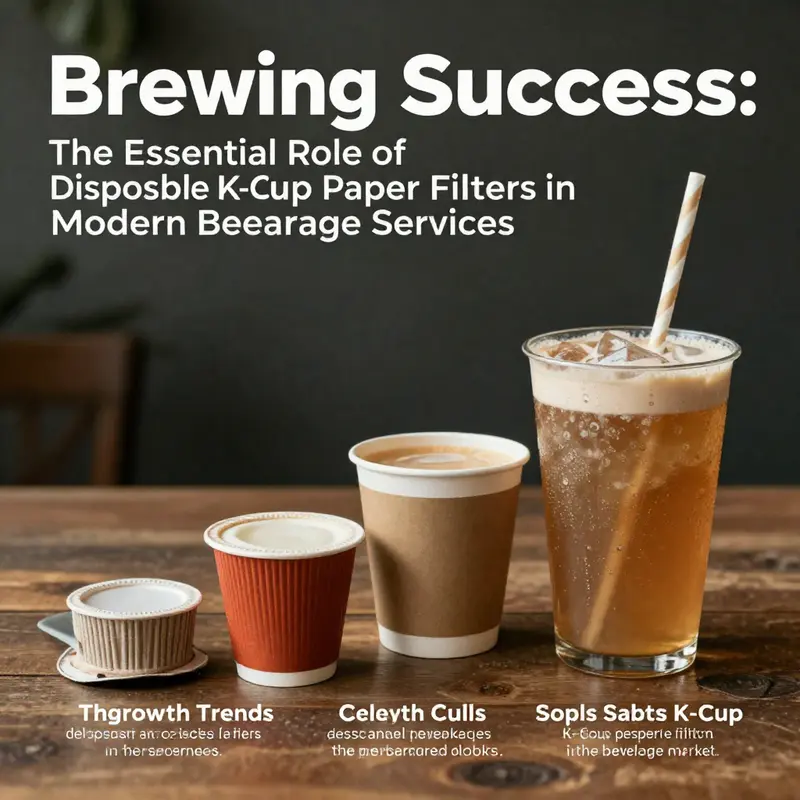
A quiet revolution sits inside every cup brewed with a disposable K-Cup paper filter: a market that moves not with fashion, but with steady, measurable forces. The standardFilter format remains the backbone of the single-serve coffee experience because it delivers reliability, uniform water distribution, and predictable extraction across a wide array of brewers. In practice, this means consumers enjoy clean, sediment-free cups with minimal cleanup, while brands and manufacturers can forecast demand with a confidence that only a mature, standardised format affords. This chapter surveys the currents reshaping that seemingly simple component, tracing how dominant materials, geographic concentration, growth drivers, and sustainability pressures converge to steer the future of disposable K-Cup paper filters.
Dominance and material standardization have become the narrative’s backbone. The typical disposable K-Cup filter is a thin, bleached paper sheet engineered to balance permeability with structural integrity. This balance matters because it governs water flow through the coffee bed, the rate of extraction, and the prevention of channeling that can skew flavor. Even as new materials and designs appear, the standard paper filter continues to offer a low-cost, scalable solution with a predictable performance profile. For many operators, this predictability underwrites both a stable consumer experience and a workable price-to-performance ratio. In a market where small variances in grind size or flow can alter taste, the continued reliance on a proven, paper-based format signals a preference for consistency that resonants with both the home user and the coffee shop ecosystem.
Behind this stability lies a dense tapestry of manufacturing capability, where geography matters as much as chemistry. The most decisive production hubs for K-Cup filter paper are concentrated in China, with regional strengths that shape supply dynamics. Zhejiang and Fujian provinces have built clusters focused on eco-conscious pulping and responsible forestry management. Facilities in these areas regularly align with stringent European Union standards and food-safety regulations, which matters to Western brands seeking to certify sustainability and product integrity. Guangdong stands out for logistics mastery. It maintains seamless connections to world-scale export ports, reducing the friction that can translate into longer lead times or backlogs. Even inland regions, such as Chongqing, are carving out roles in cost-effective manufacturing. They offer mid-tier brands a balance between scale and price, where lead times may be longer but the overall cost structure remains compelling. This geographic mosaic explains why buyers often look first to Chinese suppliers when scaling, while still diversifying sourcing to mitigate risk and preserve continuity of supply.
Market growth in disposable coffee products, with K-Cup formats standing as a central pillar, reflects broader trends in single-use packaging. The global disposable cup market is forecast to grow from a multi-billion-dollar baseline to well over a higher trajectory by 2035, with a modest CAGR that signals steady demand. Although the data often aggregates cups, lids, and related packaging, the filter segment benefits from the same tailwinds: convenience, speed, and brand familiarity. The audiovisual of the market’s expansion is not just about more cups per household; it is about more households adopting single-serve systems and accumulating a consistent experience that minimizes waste and mess. The link between consumer adoption of single-serve coffee and the relative resilience of the paper-filter format becomes apparent when one tracks how often households upgrade to higher-quality, more reliable filtration inside reusable pods. The broader disposable paper cup market—valued in RMB terms with projections into the tens of billions—echoes the structural growth in the filter segment, underscoring how paper-based single-use solutions maintain relevance amid diversification.
Sustainability has emerged as a pivotal driver of innovation, shifting attention from sheer functionality toward environmental responsibility. In the K-Cup filter space, consumers increasingly crave products that reduce waste, enable recycling, or at least simplify end-of-life disposal. This has spurred a concurrent rise in options that either improve compostability or support reuse in the broader brewing system. Reusable filters, stainless steel and BPA-free designs, and pods made from recyclable or compostable materials are moving from niche examples to mainstream considerations as environmental labeling and circular economy narratives gain traction. Within this context, the paper filter remains a core component of a larger conversation about sustainability. Even as filters themselves appear modest, the decisions around fiber sourcing, bleaching processes, and end-of-life options influence brand perceptions and regulatory scrutiny. The result is a push-pull dynamic: manufacturers preserve the reliability and low cost of paper filters while expanding capabilities to track and minimize environmental impact through smarter sourcing and end-of-life strategies. The consumer is becoming a more educated judge of trade-offs—between convenience, taste clarity, and ecological footprint—and brands respond with packaging and filtration choices that better align with evolving values.
The competitive landscape for suppliers mirrors this shift toward reliability and traceability. Buyers are advised to seek partners with verified certifications, such as ISO and CE marks, that certify quality management and safety standards. Given the scale of some orders—ranging from tens of thousands to hundreds of thousands of filters—risk management becomes as essential as price. Sample testing and factory audits emerge as routine steps before large procurement commitments. This careful approach pays dividends in a market where a single batch variation can ripple through weeks of production and thousands of consumer cups. The incentive to conduct due diligence is not merely a defensive measure; it is a strategic practice that anchors brand consistency, reduces returns, and sustains consumer trust in a single-serve coffee routine that has become embedded in daily life.
The supplier ecosystem also shapes procurement strategies as brands navigate lead times, capacity, and cost pressures. The ongoing focus on efficiency and scale means that Guangdong’s logistics ecosystem continues to offer compelling value, while Zhejiang and Fujian’s capabilities around sustainable pulping provide a pathway to meet rising demand without sacrificing environmental commitments. Meanwhile, inland production spaces, with lower labor costs, contribute to a diversified risk profile that helps companies avoid single-point failure—an important consideration as global logistics continue to face disruptions or port congestion. In practice, this translates into procurement playbooks that balance price, lead time, and certifiable quality, with contingency plans for alternate suppliers ready to step in if market conditions tighten.
The consumer narrative that threads through these market dynamics centers on flavor integrity and ease of use. A core benefit of the disposable K-Cup filter is the assurance of clean cups with consistent extraction, even for casual coffee drinkers who may tweak their grind size or brew strength on a whim. The filter acts as a reliable gatekeeper, helping to prevent sediment from muddying the cup and ensuring that the water completely engages with the ground coffee. This is not mere ritual; it is a practical guarantee that keeps the single-serve experience predictable across devices, regardless of the user’s skill level. The value proposition thus extends beyond a single cup to the entire brewing lifecycle: purchase, storage, brew, and cleanup, all streamlined by a simple, standardized filter.
Within this framework, one can observe a subtle but meaningful shift in how brands position themselves in relation to sustainability, reliability, and price. The market rewards efficiency, but it also rewards transparency. Consumers increasingly want to know where the paper fibers originate, what bleaching processes are used, and how waste is managed. Suppliers who can communicate these stories with credible evidence—peer certifications, third-party audits, and traceability data—are more likely to win long-term contracts even when faced with price competition. In turn, brands that invest in consistent filtration performance and open dialogue around sustainability tend to cultivate stronger consumer loyalty, translating to repeat purchases and more stable demand curves.
As the chapter concludes this overview, the practical implications for players across the supply chain become clearer. For manufacturers, continuing to invest in scalable, compliant production—especially in key Chinese hubs—will be essential to meet rising demand while maintaining margins. For buyers, the lesson is to couple diligent supplier qualification with a thoughtful risk-management approach that includes multiple sourcing options and transparent environmental credentials. And for consumers, the trend is toward a more refined and reliable experience, paired with a growing expectation that the products supporting that experience will behave responsibly toward people and planet. In this evolving landscape, a single efficient filter becomes a symbol of a broader system that values consistent taste, dependable performance, and a future committed to smarter, more sustainable packaging.
For readers seeking a concrete example of the broader ecosystem that accompanies these filters, consider the broader family of disposable paper cup offerings that share environmental goals and design philosophy with K-Cup filters. You can explore a representative example of eco-conscious disposable cups with lids here: eco-friendly printed-logo paper ice cream cups with lid. This linked example underscores how brands align product formats—cups and filters—around shared sustainability and usability principles, reinforcing how a single-serve system integrates across components.
External reading can broaden understanding of how regulatory and safety frameworks influence packaging and filtration choices. For a detailed look at how food-contact materials are regulated and how sustainability considerations intersect with product safety, see https://www.fda.gov/food-packaging. This resource offers context on standards, testing, and compliance criteria that shape both filter paper and the broader packaging landscape.
Between Convenience and Craft: How Consumers Experience Disposable K-Cup Paper Filters
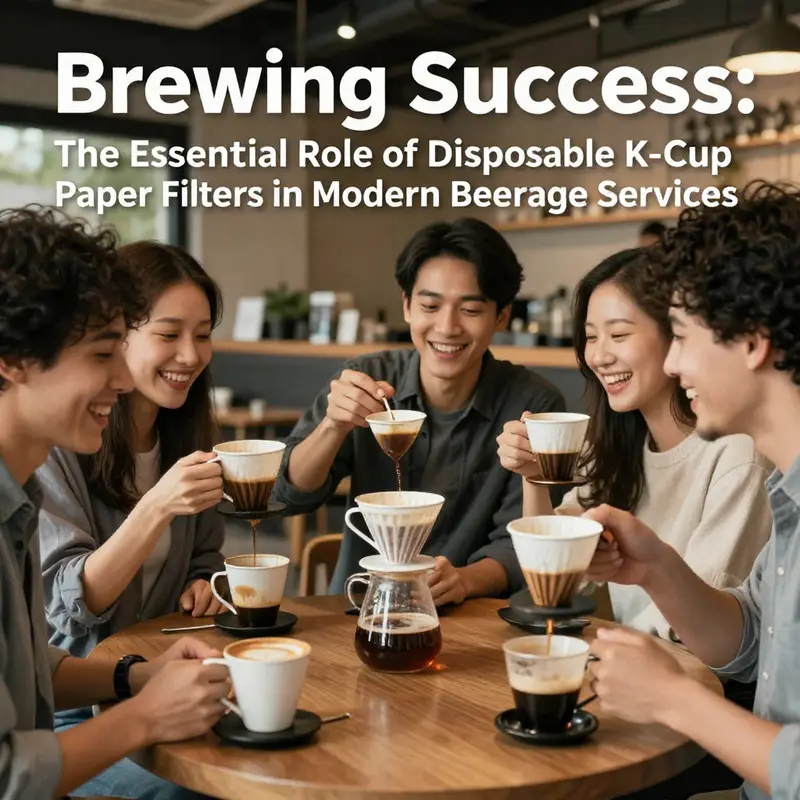
The emergence of disposable paper filters for pod-based single-serve brewers has converged two powerful impulses in home coffee culture: the appetite for simplicity and the longing for a purer, more consistent cup. For many users, these filters promise a cleaner process and a quicker cleanup, turning what could be a messy routine into a streamlined ritual. In practice, the appeal rests on two practical pillars: ease of use and reliable results. When a user pops a filter into a reusable pod and presses brew, the immediate win is obvious—no need to scrub mesh screens or rinse grounds from every nook of the machine. The waste is contained to a single, disposable layer, and the moment the cup is brewed, the filter can be discarded without a second thought. That sense of closure—finally, a truly low-maintenance ritual—often underpins the initial adoption, especially for households that value speed or share a kitchen with others who brew in a pinch. Yet the narrative does not end at convenience; taste and texture enter the room with equal authority, subtly steering which consumers will repurchase and which will look for alternatives in the next cycle of market offerings. In this space, the paper filter acts not merely as a barrier to grounds but as a decisive mediator of flavor, body, and aroma. Food science frames filters as gatekeepers for flavor compounds. They influence how water interacts with coffee solids, shaping the cup’s body, clarity, and acidity. In the context of disposable filters, this dynamic becomes especially consequential: a well-made filter can preserve nuanced notes and deliver a smoother finish, while a lower-quality option may produce a cup that feels flat, harsh, or overly bright without the comforting resonance of oils that some drinkers associate with fuller, more saturated flavor profiles. These sensory outcomes are not incidental; they emerge from the interplay between filtration material, pore size, and the paper’s capacity to trap fine particles while still delivering a consistent extraction. Consumers often report noticing a crisper finish and reduced sediment when filters perform as intended, a benefit that aligns with expectations for a truly single-use approach where mess and maintenance are minimized. It is in this alignment of convenience and flavor that demand continues to grow, inviting consumers to weigh the trade-offs between speed, waste, and taste with each purchase cycle. The more favorable remarks tend to cluster around cases where the filter fits snugly within the pod, resists tearing under pressure, and performs without introducing off-notes. In such instances, the final cup presents as smooth and balanced, with a clean mouthfeel and a gentle brightness that underscores the coffee’s natural profile rather than masking it. In other words, the paper filter’s performance becomes a tangible measure of value for those who prize consistency as much as simplicity. The sensory dimension, however, is not universal. Experiences diverge considerably, especially when the product’s quality varies across lots or retailers. Several consumers report disappointment after switching from a trusted reusable setup to disposable filters, citing issues such as tearing during the brew, imperfect ground containment, or unexpected sediment in the cup. These observations often appear with a whiff of frustration: an impression that the promise of a quick, mess-free experience has been compromised by subpar manufacturing or misalignment with the broader system. The mismatch between expectation and execution can color the entire perception of the product, prompting a rethink about value and reliability. The financial angle compounds this tension. Even when a consumer values the cleanliness and speed, price sensitivity remains a potent force. A broader market reality suggests that a noticeable portion of buyers weigh the per-brew cost against the cumulative time saved on cleaning and maintenance. When price rises occur or when perceived quality dips, some shoppers conclude that the extra pennies per cup are not worth the marginal convenience gained. This sentiment often surfaces alongside environmental considerations. For many, the choice hinges on a balancing act: one must weigh the convenience and hygienic benefits of a disposable option against the waste it generates and the potential impact on a household’s carbon footprint. In this frame, the appeal of compostable or recyclable variants gains traction, even as concerns about real-world composting practices and the need for appropriate waste streams temper the enthusiasm. The discussion extends beyond individual taste and into the norms of households, where choices are shaped by daily routines, cleaning cycles, and the desire to minimize cross-contamination. A frequent faux pas in consumer behavior arises when buyers assume that all disposable filters are equal in tear resistance or sediment control. In truth, the quality of filtration media varies, and with it, so too does the cup’s clarity and mouthfeel. When a filter fails to contain grounds, the resulting sediment can reintroduce the very issue that the single-use approach seeks to avoid. Such experiences reinforce a core insight: the product’s ability to deliver a clean cup—and to survive repeated, practical use across a range of machines—appears as crucial as the promise of hassle-free disposal. The interplay of consumer expectation, filtration science, and manufacturing quality thus shapes a spectrum of experiences. On the one end lies a straightforward narrative of convenience and improved taste, a story told by customers who feel the benefits in every cup they pour. On the other end sits a more complicated tale, where perceived value collapses under quality variability, and where the dream of a pristine, sediment-free brew becomes contingent on tiny differences in supplier lineage, paper strength, and sealing performance. Between these poles lies a market still hungry for simplicity yet increasingly mindful of quality control, price, and environmental impact. The consumer’s decision, then, emerges from a blend of personal taste, daily rhythms, and a growing literacy about how filtration shapes coffee. For many, the willingness to experiment with different brands or pack sizes reflects a broader approach: trial, compare, and refine a ritual until it feels both effortless and satisfying. It is this iterative process that sustains demand for disposable filters—tools crafted to maximize ease while offering credible flavor outcomes. In practice, the most meaningful user experiences often hinge on fit and performance rather than ideology or marketing claims. When the filter sits properly inside the pod, when it resists tearing under pressure, when it reliably traps grounds, the cup’s profile tends to align with the brewer’s intentions. The effect is not merely a matter of taste; it is about preserving the ritual cadence of a morning or an afternoon break: a moment when water meets coffee in a controlled, predictable way, yielding a cup that feels right and a cleanup that feels almost ceremonial in its quickness. For readers exploring the practicalities of disposable filters, a closer look at community feedback and retailer experiences can illuminate the line between promise and performance. The overall pattern points to a market that remains compelling not solely because it offers a single-use path to cleanliness, but because it enables a broader conversation about how we want to experience coffee in our busiest moments. If taste matters, then the filter’s role as a flavor moderator becomes a central consideration, not an afterthought. If convenience matters, the ease of disposal and the absence of tedious maintenance becomes the deciding factor. And if environmental responsibility matters, the availability of compostable options, proper disposal streams, and the alignment with a consumer’s values become part of the buying calculus. In sum, consumer preferences with disposable K-Cup paper filters reflect a nuanced synthesis of practicality and palate. The strongest experiences report a cup that is clean, bright, and clear, with a body that remains inviting without being heavy. They also report reliable performance—filters that stay intact, seal well, and do not introduce off-notes. The less favorable experiences caveat that a compliant, low-cost option may sacrifice some of that reliability, leaving sediment, leaks, or other irritants that remind users why they turned to disposable solutions in the first place. The chapter that follows will further unpack these tensions, offering a layered view of how practitioners and manufacturers respond to consumer feedback, and how choices unfold when cost, environmental impact, and taste converge at the point of brew. For readers seeking practical context beyond theory, the following resource provides real-world perspectives and purchase options that illustrate how these preferences play out in the market. eco-friendly printed-logo paper coffee cups. External resource: https://www.walmart.com/ip/Disposable-Paper-Filters-for-Keurig-K-Cups-100-Pack/734592846
Final thoughts
The integration of disposable K-Cup paper filters within beverage services presents a unique opportunity for enhancing operational efficiency, flavor quality, and environmental responsibility. As we have explored, these filters not only facilitate a cleaner brewing process but also align with consumer preferences for quality and sustainability. For beverage businesses striving to stand out in a competitive market, adopting disposable K-Cup paper filters can be a decisive factor in achieving both customer satisfaction and improved operational practices.