
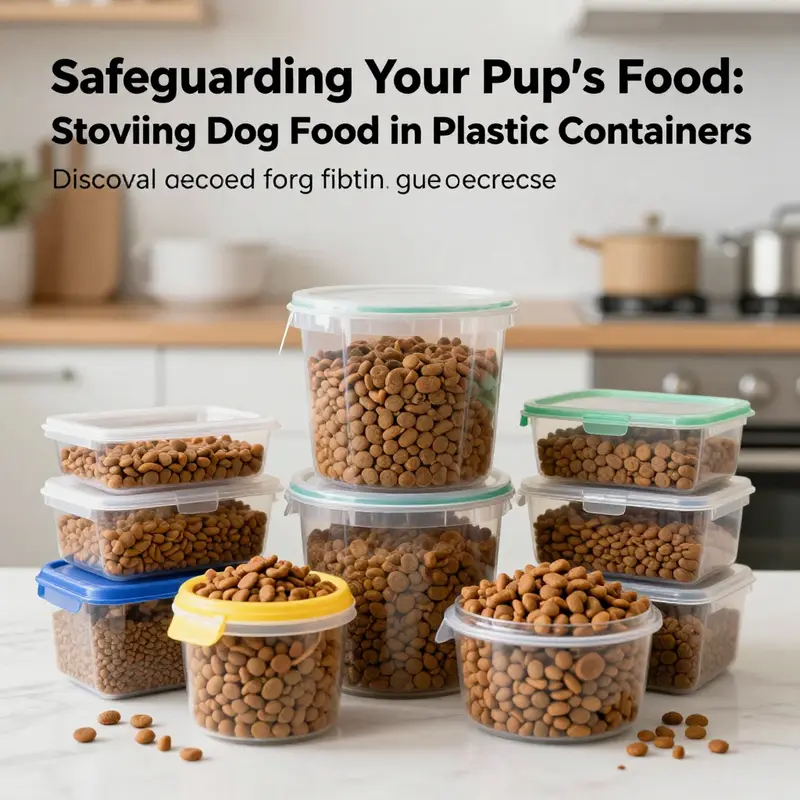
Properly storing dog food is vital for maintaining its quality and safety. For those in the food industry, whether managing a bubble tea shop, catering services, or food trucks, understanding how to handle a variety of ingredients safely is crucial, including pet food. This article will delve into essential considerations like material safety, moisture barriers, hygiene, best practices, and long-term considerations for storing dog food in plastic containers. Each chapter will contribute distinct insights, ensuring your understanding of this topic resonates with your operations.
Plastic Choices That Protect: Material Safety When Storing Your Dog’s Food
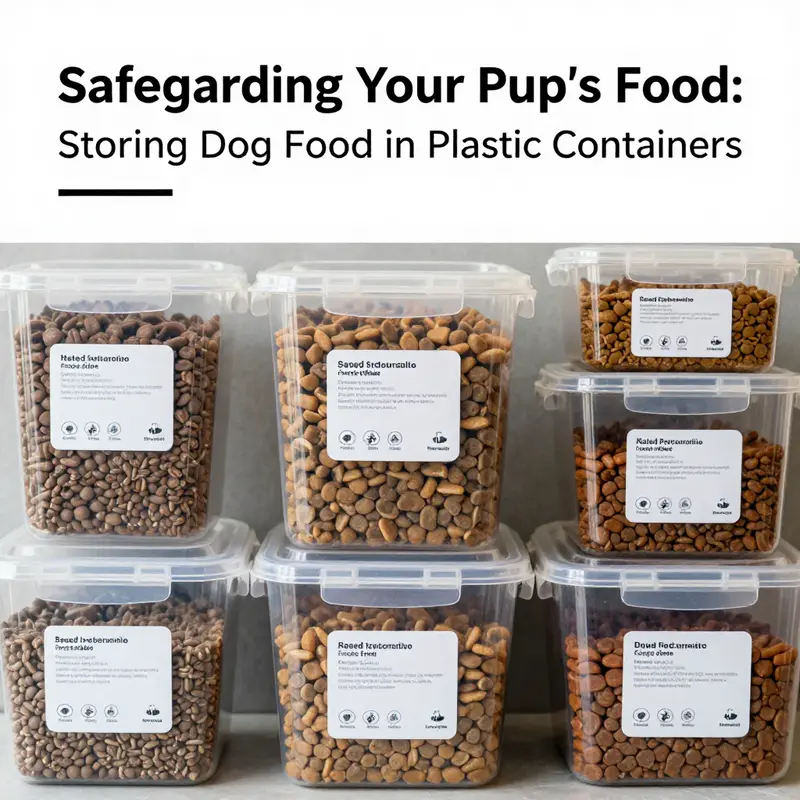
Material matters. When choosing a plastic container for dog food, the composition of that plastic can affect both your pet’s health and the food’s nutritional value. Dog food is rich in fats and oils, and those fats can encourage chemical migration from certain plastics. That makes the choice of plastic more than a matter of durability. It determines whether your dog eats a fresh, nutritious meal or food exposed to degraded oils and unwanted compounds.
Food-grade polypropylene (PP) and high-density polyethylene (HDPE) are the most reliable plastics for storing dry dog food. They are formulated for food contact, resist chemical breakdown, and do not include additives known to leach easily. Both materials are widely used in the food industry because of their chemical stability and resistance to oils. In comparative studies, PP containers significantly slowed fat oxidation compared to standard plastic bags, demonstrating a practical benefit beyond mere safety. Choosing a container made from these materials reduces the risk of chemical transfer and helps keep fats from going rancid.
Not all plastics are safe. PVC and some recycled or unknown-source plastics often contain plasticizers such as phthalates. These compounds increase flexibility but can migrate into fatty foods. Phthalates are associated with hormonal disruption in animals and humans. Low-quality plastics may also degrade under regular use. Cracks, cloudiness, or lingering chemical smells signal breakdown. Over time, oils in dog food can attack weaker plastics, increasing the chance of toxic compounds ending up in the food.
Labels mean something. Look for clear markings that indicate food-safe status, BPA-free claims, or resin identification codes for PP (typically 5) and HDPE (typically 2). A simple label is not perfect proof, but it is an important first filter. Avoid containers without any food-contact designation. Containers that carry a BPA-free claim or a certified food-grade symbol have been designed with those uses in mind. Even then, inspect the container regularly for signs of wear.
Temperature and storage conditions influence safety. Heat speeds chemical migration and accelerates fat oxidation. A container left in direct sunlight, next to a heater, or in a hot garage will degrade more quickly. Keep stored dog food in a cool, dark, and dry place to limit both oxidation and plastic breakdown. If you plan long-term storage, opt for materials with stronger barrier properties than typical plastic. For shorter time frames, food-grade PP or HDPE is a practical, safe choice if used properly.
Cleaning and maintenance matter as much as material. Dog food deposits oils on container walls. If these residues are left behind, they become a breeding ground for bacteria and mold. Thorough washing removes greasy residues and reduces both health risks and the chemical reaction pathways that increase degradation. Always wash with warm, soapy water, rinse thoroughly, and allow the container to dry completely before refilling. Avoid abrasive scrubbing that creates microscopic scratches, which trap oils and promote material breakdown.
A useful compromise is to combine materials. Keeping the food in its original bag and placing that bag inside a rigid food-grade PP or HDPE container gives you two layers of protection. The bag often contains oxygen absorbers or seals designed for the food inside. The outer plastic container adds physical protection from pests and light. This layered approach reduces direct contact between fat-laden food and the rigid container walls, lowering the chance of chemical migration and slowing oxidation.
Practical cues help you spot trouble early. If a container becomes cloudy, sticky, or develops a persistent odor, stop using it for food storage. Even food-grade plastics have a lifespan. Replace containers that show these signs. Avoid containers with hairline cracks or poor-fitting lids. Choose lids with a silicone gasket and a secure locking mechanism when possible. A tight seal reduces air exchange and moisture entry, both of which hasten fat oxidation and spoilage.
Consider alternatives when appropriate. Glass and stainless steel provide superior barriers to oxygen and moisture and will not leach chemicals. Glass lets you see the contents, which helps monitor levels and condition. Stainless steel is durable and easy to clean. Both materials have downsides: glass breaks easily and may be risky in busy homes, while stainless steel hides contents and can be heavier. For many households, food-grade PP or HDPE strikes the best balance between safety, cost, and convenience.
When buying a plastic container, examine build quality. Thick walls resist warping and punctures. Well-designed lids with gaskets and locks reduce air exchange. Containers with smooth interiors are easier to clean, reducing trapped oils. Avoid cheap knockoffs that mimic the look of food-grade plastics without proper certification. A slightly higher upfront cost for a certified container can prevent repeated replacement and reduce health risks.
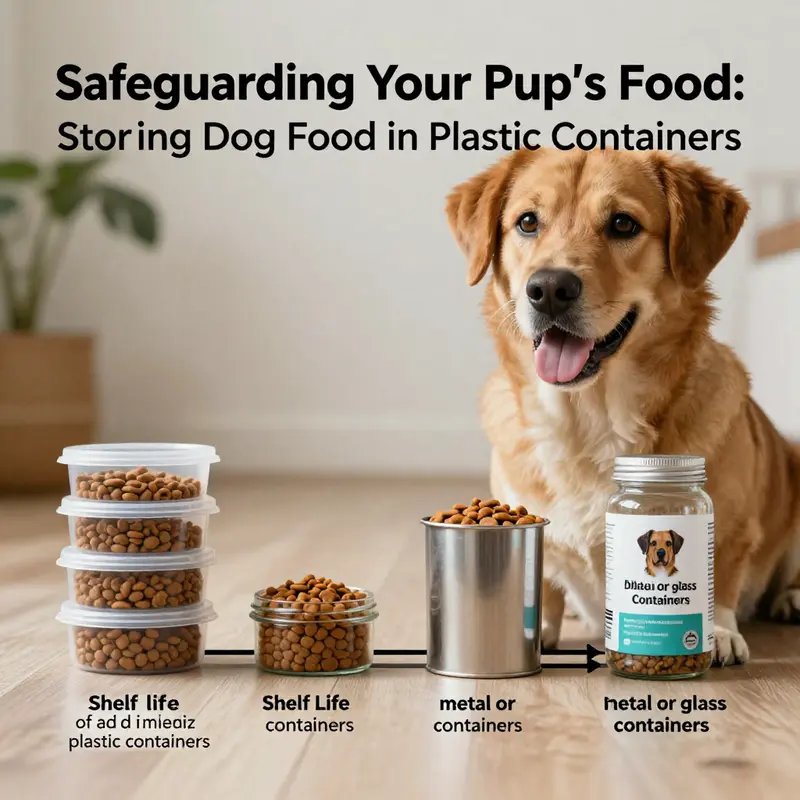
Mind the storage timeline. Plastic containers are suitable for short- to medium-term storage when chosen and used correctly. For long-term preservation beyond a few months, consider metal or glass, or use vacuum-sealed and oxygen-reduced methods inside a secondary barrier. Rotating stock and buying only what your dog will eat within a reasonable period also reduces exposure risks and improves freshness.
Finally, stay informed about regulatory guidance. Agencies that review food-contact materials, and peer-reviewed studies on packaging effects, consistently highlight that PP and HDPE perform well in contact with fatty foods. That is not a guarantee, but it is a strong basis for practical decision-making. If you want a ready-made option designed for pet use, containers built with food-grade PP and secure lids can reduce worry and help maintain nutrition. For example, you can find reusable bowls and storage solutions that pair PP lids with pet-appropriate features like non-slip bases and tight seals. See manufacturer listings for more information on PP-lidded food-grade pet bowls: senang-130 disposable eco-friendly food-grade reusable square salad bowls with PP lids for pet food.
For official perspectives on food-contact materials, consult regulatory resources such as the U.S. Food and Drug Administration’s guidance on packaging and food-contact substances. Their assessments explain how different materials behave and what safety data support their use. https://www.fda.gov/food/packaging-food-contact-substances-fcs
Guarding Freshness: The Oxygen and Moisture Barrier When Storing Dog Food in Plastic Containers
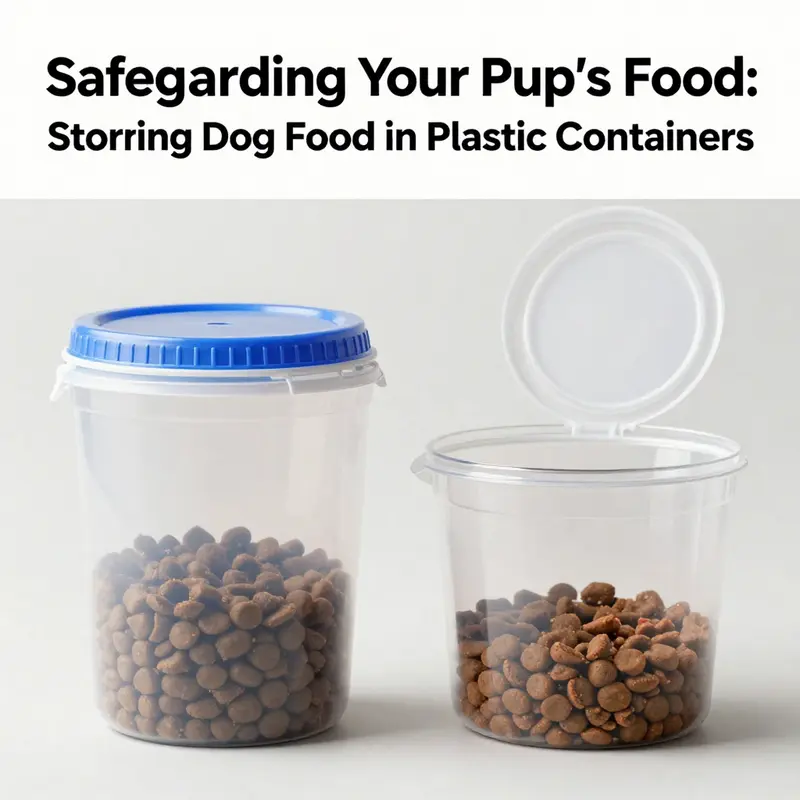
Every scoop of dog food represents more than calories. It carries nutrients, fats, and aromas that keep a dog’s coat glossy, energy steady, and digestion comfortable. Yet those benefits hinge on how well we guard two invisible enemies: oxygen and moisture. In plastic storage, the barrier you rely on to keep air out and moisture out of reach can make the difference between a delicious, nutritious meal and a bowl that spoils before your dog can finish it. When fats oxidize or mold spores take hold, palatability declines, vitamins dwindle, and even scent can deter a dog’s appetite. The story of storage is really a story about managing these two elements over time, balancing practicality with science, and choosing materials and habits that honor the food’s integrity without creating new risks in the process.
Plastic containers vary widely in their performance. The safest options for dog food storage are typically high-quality, food-grade materials such as high-density polyethylene (HDPE) and polypropylene (PP). These plastics resist chemical leaching better than many other plastics and tend to hold up when exposed to the oils and fats present in dog food. Importantly, look for containers labeled BPA-free. While the presence of a BPA-free label does not automatically guarantee perfect performance in every situation, it reduces the risk of chronic exposure and aligns with general best practices for food contact materials. Lower-quality or non-food-grade plastics, by contrast, can degrade under the weight of daily use, heat, and the fatty residue typical of dog food. In some sources, direct contact with subpar plastics has been linked to the transfer of substances that could be harmful to pets. Although these warnings come from various corners of the internet, they underscore a simple truth: material choice matters when the product is meant for daily consumption.
Even with a food-grade HDPE or PP container, oxygen and moisture barrier remains imperfect. Plastics are inherently more permeable to gases than glass or metal. That means small amounts of air and water vapor can migrate through the material over time, especially if the lid is not truly airtight. Oxygen exposure can trigger oxidation of fats, producing rancid odors and a loss of fatty acids important for energy and coat health. Moisture ingress, meanwhile, can promote clumping and the growth of mold or bacteria, particularly in humid environments. A container that seals well, with a tight-fitting lid, a silicone gasket, and a robust locking mechanism, offers the best defense against these threats. If a lid fits loosely or if a seal degrades, the barrier weakens and the stored food’s quality can wane more quickly than expected.
To maximize the protective effect of a plastic container, many experts recommend an integrated approach. First, choose an airtight, opaque container made from HDPE or PET with a secure seal. Opacity minimizes light exposure, which can contribute to oxidative reactions in fats and vitamins. Second, consider using a secondary barrier to cut down on air exchange. The original dog food bag often contains an oxygen absorber or a small layer designed to limit air exposure. Placing that bag inside the plastic container before sealing can provide an additional line of defense against air and moisture. This approach is simple, cost-efficient, and leverages materials you already have on hand. For households seeking a concrete example of a secondary barrier, there are products designed to work with pet-food storage that support this layered approach, including options with lids that snap tightly and a gasket that resists oil and water.
Hygiene plays a crucial role as well. Dog foods are oily and fatty, and any residual grease left in a container can become a magnet for bacteria and mold. After each use, wash the container thoroughly with warm, soapy water, rinse completely, and dry completely before refilling. A dry container is far less inviting to microbial life than a damp one. If you notice a lingering smell, scrub with a mild, pet-safe detergent and rinse again. Avoid harsher cleaners that could leave residues or flavors that dogs might detect. The goal is a clean, dry canvas that doesn’t introduce off-notes into the next batch of food. A freshly cleaned container, even if not used for long stretches, retains its barrier properties far better than one left in a greasy, damp state.
Beyond cleanliness, the storage environment itself plays a decisive role. Keep plastic containers in a cool, dark, and dry place, away from heat sources like stoves, radiators, or direct sunlight. Heat accelerates fat oxidation, speeding up rancidity and diminishing palatability. Direct sunlight can also degrade the container’s plastic, potentially weakening seals and releasing subtle odors into the food. In contrast, a pantry or cabinet that stays consistently cool and out of the light preserves both the material and its contents. The recommended practice is simple, but powerful: control temperature and light as much as possible, and do not rely on plastic as a miracle solution for long-term storage. For larger quantities or longer-term storage, many owners rotate stock and transfer portions into glass or stainless steel containers as the months go by, but this may not always be practical for every household.
Plastic remains a practical option for many households—especially for shorter-term storage or for daily use—yet a clear-eyed view of its limits is essential. When the goal is maximum longevity of freshness, barrier performance alone is rarely enough. The best approach is to combine a high-quality container with careful handling, a strong seal, and mindful storage conditions. If you must rely on plastic for longer storage, opt for HDPE or PET-based containers with an opaque finish and a proven airtight lid, and always pair them with the secondary barrier method. Rotate stock so that older food is used first, and consider transferring portions into glass or stainless steel for extended intervals when feasible. This layered approach — material choice, proper sealing, secondary barriers, hygiene, and controlled storage conditions — offers the most robust defense against rancidity and microbial growth while keeping your dog’s meals safe and appealing.
For those who want to explore this topic through practical examples, consider how a household might implement these principles in daily routines. Begin with a single, well-sealed, opaque HDPE container for the current bag of dog food. Place the partially used bag inside, if practical, to benefit from its internal barrier properties, and close the lid securely. Schedule a monthly check to inspect the seal and the interior for any signs of moisture, odor, or residue. If you notice signs of oxidation or dampness, move the contents to a glass or stainless steel container for long-term storage and replace the plastic container with a fresh unit. These habits build a resilient system that adapts to different climates and seasonal challenges, from humid summers to dry winters.
In the broader landscape of food safety, it’s also helpful to stay informed about the materials we trust with our pets’ nutrition. While plastic can serve as a practical interim storage solution, it is inherently less protective against gases than glass. For households prioritizing longevity and maximum barrier properties, glass containers with airtight seals remain superior. If you’re weighing plastic versus glass, consider your climate, the amount of food you store, and how long it stays before the next refill. The goal is to preserve the food’s nutritional integrity and palatability, without inviting unwanted contaminants or compromising safety. If you’re seeking a concrete, product-specific path that aligns with these ideas, you can explore plastic-based pet-food storage options that emphasize food-grade materials and robust seals, such as containers designed with PP lids and sturdy locking mechanisms. This particular option is a practical bridge between everyday usability and safety when handling pet food: senang-130-disposable-eco-friendly-food-grade-reusable-square-salad-bowls-with-pp-lids-for-pet-food.
Ultimately, the choice to use plastic containers should be guided by a balanced view of trade-offs. Plastic offers lightness, affordability, and convenience, but its barrier properties are not as strong as those of metal or glass. The safest path, if long-term freshness is paramount, is to combine high-quality plastic with thoughtful handling and, when possible, supplement with a more impermeable material for extended storage. The ongoing study of storage materials continues to refine our recommendations, but the core takeaway remains consistent: optimize the barrier, prioritize cleanliness, and control the storage environment. By adhering to these principles, you can protect your dog’s meals from the dual threats of oxygen and moisture, preserving flavor, texture, and nutrition in the face of real-world storage challenges.
External resource: For a deeper overview of how plastics interact with food, consult the FDA’s guidance on food contact materials and plastics. https://www.fda.gov/food/food-contact-materials-industry/fda-guidance-food-contact-materials-plastics
Guarding Freshness: Hygiene, Residue, and Safe Plastic Storage for Your Dog’s Food
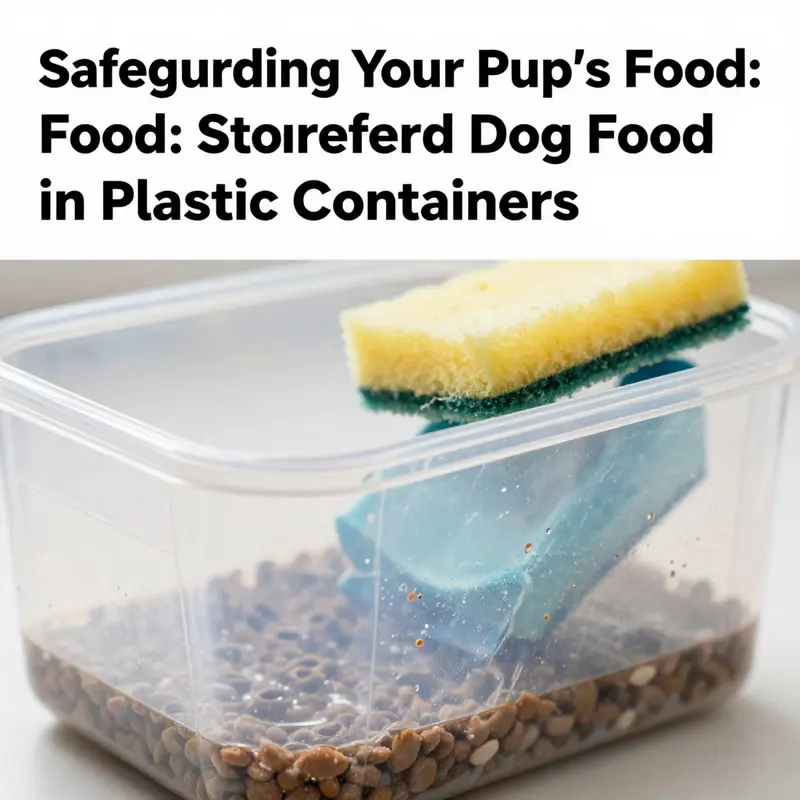
Plastic can be a workable ally for storing dog food, but it is not a one-size-fits-all solution. The surface of a container, the way it seals, and the care you give it after each use all converge to determine whether that plastic keeps food safe and appetizing or becomes a silent source of spoilage. The core of this chapter is simple: hygiene and residue matter as much as the material itself. When we combine careful material choice with disciplined cleaning and sensible storage habits, plastic storage can help preserve freshness without compromising your dog’s health.
Scratches and micro-cracks are the quiet enemies of plastic containers. Each scratch can act like a tiny valley where food particles settle and moisture lurks. Over time, these imperfections accumulate oils from the food, and warm, humid environments can turn those crevices into micro-habitats for bacteria and mold. Even if a container is labeled food-grade, repeated use and washing can wear down its smooth exterior. The result is not just a cosmetic issue; it is a potential pathway for contamination that can affect the next batch of food you pour in. This is why maintaining the integrity of the container’s surface is as important as choosing the right material in the first place.
Cleaning protocols are the practical frontline in this ongoing challenge. After each use, the container should be washed with warm water and mild dish soap, then thoroughly rinsed to remove any soapy film that could trap odors. It is important to avoid abrasive brushes or scouring pads that might scratch the surface and create new havens for grime. Thorough drying is essential; moisture left inside a lid or along the gasket can promote mold growth. If you reuse a container that has stored other items, especially non-food substances, you risk cross-contamination that can upset a dog’s stomach or trigger allergies. A simple rule of thumb is to dedicate a container to pet food alone and clean it completely before refilling, ensuring there are no lingering odors that could alter a dog’s sense of freshness and taste.
Material safety remains central to the decision about plastic. The safest options are high-density polyethylene (HDPE) and polypropylene (PP), particularly those labeled as BPA-free. These plastics typically resist chemical leaching better than cheaper variants, and they fare better when faced with the fats and oils common to dog kibble. However, even these materials are not a guarantee of long-term protection if the container’s seal is weak or if the container is not kept clean and dry. Oxygen and moisture can still seep in through a less-than-tight seal, accelerating fat oxidation and diminishing nutritional quality. A robust, airtight seal is therefore not a luxury but a practical necessity; look for a silicone gasket and a secure locking mechanism that helps maintain an airtight environment, especially during months of use. The science behind storage notes that while plastic can form a barrier, it rarely matches the stringent moisture and oxygen barriers offered by metal or glass. This does not disqualify plastic outright, but it does set clear expectations: plastic is best for short- to medium-term storage when used with a care plan that minimizes exposure to air and moisture.
The idea of a secondary barrier can be surprisingly effective. Placing the original dog food bag inside the plastic container adds an extra layer of defense against air and moisture. The bag’s built-in oxygen absorber can work in concert with the container’s seal to slow the rise of rancidity. This technique provides a practical hedge against the container’s imperfections and can be a helpful compromise for households that rely on plastic due to cost, availability, or convenience. It also underscores a broader principle: treat the storage system as a whole, not just as a single vessel. The goal is to minimize exposure to light, air, and heat, all of which can accelerate spoilage. If you choose to adopt this layered approach, be mindful of how you store the container itself. Keeping it in a cool, dark, dry place away from heat sources such as stoves, radiators, or direct sun helps preserve the fats and vitamins that make up a dog’s daily nutrition.
Hygiene and residue management hinge on the careful selection of containers designed with pet food in mind. Look for containers that are specifically marketed as pet food storage options, with smooth, stain-resistant surfaces and materials that resist grease buildup. BPA-free labeling should be a baseline, not a bonus. The smoother the interior, the easier it is to wipe away oil and odor. It is prudent to avoid containers that have been repurposed from other uses, such as chemical storage or household cleaners, to prevent cross-contamination. When you do refill, ensure the container is completely dry before adding fresh food. Any residual moisture can dampen the food, invite mold, and promote clumping, which hinders proper dispensing and feeding.
Storage conditions play a pivotal role in keeping dog food fresh. A cool, dark, and dry environment slows the chemical processes that degrade fats and vitamins. Temperature fluctuations can be particularly disruptive; frequent cycles between warm room temperature and cooler storage can cause fats to separate and oxidize more rapidly, dulling flavor and diminishing nutritional value. Avoid refrigeration, which can introduce condensation on the outside of a cold container when opened. Condensation fosters moisture inside the container and can create a breeding ground for mold. Instead, keep the container in a pantry, a dedicated cabinet, or a closet corner that stays consistently cool and out of direct sunlight. What matters is consistency: the less the container experiences heat spikes or humidity waves, the longer it preserves quality.
From a hygiene perspective, the daily ritual around your container matters. Establish a routine that includes inspecting the container for cracks or unusual smells, and rotate stock so that older bags are used first. This FIFO approach minimizes the time any single batch spends in storage and reduces the chance that stale flavors or rancid fats will be fed to your dog. It also invites a mindful habit of cleaning and drying as soon as a bag is emptied. If you notice any off odors, unusual colors, or flaky or oily residues on the interior surface or lid, it is prudent to discard the current batch and clean the container more thoroughly before reinserting food. Relying on sensory checks—smell, sight, and texture—helps catch spoilage before it progresses to a health issue.
For those who want a concrete example of best practices without committing to a complete overhaul of storage habits, consider a modest, integrated approach: select a high-quality plastic container with a proven seal, dedicate it to pet food, clean it regularly, dry it thoroughly, and use a secondary barrier when feasible. Complement this with a storage site that remains cool and dry, away from heat and sunlight. In time, this approach reduces the risk of residue buildup and microbial growth, endowing the dog’s meals with more consistent freshness. And while plastic can work well for short-term storage, it is worth acknowledging that metal or glass containers offer superior barriers against oxygen and moisture for longer-term needs. If you must stick with plastic, the combination of a tight seal, regular cleaning, a clean secondary barrier, and a controlled storage environment provides the best possible outcomes for your dog’s diet.
For readers exploring practical options that align with this approach, one relevant pathway is the availability of pet-food storage solutions that feature durable, food-grade plastic with adjustable lids designed to minimize air exposure. Reusable PP-lid pet food bowls illustrate how the right lid design can support a secure seal and easier handling during refilling. This kind of design detail matters, because a good lid is the line between a fresh batch and a stale one.
The takeaway is clear: plastic storage for dog food can be practical, but hygiene and residue control must be integral to the plan. Choose material wisely, insist on a tight seal, maintain meticulous cleaning routines, and store in a cool, dark, dry place. When these elements come together, plastic storage supports a healthy, tasty, and safe diet for your canine companion while keeping spoilage at bay and waste to a minimum. For further reading on broader storage practices beyond plastic, the American Kennel Club offers a comprehensive overview of dog food storage tips that can inform your decisions and routines: https://www.akc.org/expert-advice/health/dog-food-storage-tips/.
null
null
Guarding Freshness and Health: Long-Term Considerations for Storing Dog Food in Plastic Containers
Storing dog food for the long haul demands a careful balance between convenience and science. Plastic containers are ubiquitous because they are lightweight, affordable, and readily labeled as food grade. Yet not all plastics behave the same when they cradle fat-rich dog meals over the months. The long-term question is not simply whether plastic can hold kibble, but whether it can preserve safety, nutrition, and palatability from the first scoop to the last. In this chapter, we explore how material choices, sealing abilities, and hygienic routines converge to determine whether plastic can be a practical ally or a hidden risk in months-long storage. A nuanced view helps you make decisions that align with the welfare of your dog while avoiding unnecessary waste or spoilage.
The type of plastic matters profoundly when the food sits in the container for an extended period. Some common plastics, especially those made from PET or other lower-density polymers, have a notorious tendency to migrate substances into fatty foods, especially when heat, moisture, or fats are involved. The fats in dog food can act as solvents, accelerating the leaching of chemicals from the container walls. Studies and expert discussions have highlighted risks associated with long-term contact between dog food and certain plastics, underscoring the need to choose materials with careful attention to safety. Even when a container is marketed as food-grade, the fatty nature of pet meals invites extra scrutiny because the combination of heat and storage duration can magnify exposure risks. When you consider raw or meat-influenced diets, which are higher in fats, the potential for chemical migration becomes more relevant. This is not to scaremonger, but to acknowledge that fat content and storage time can magnify plastic-related concerns, guiding choices toward safer combinations.
Equally essential is the barrier to oxygen and moisture. Plastic, as a storage medium, often cannot match the robust protection provided by metal or glass. Even containers advertised as airtight may still admit minute amounts of air or humidity over weeks and months. Oxidation of fats is a particular foe, gradually turning fats rancid, diminishing vitamin E and Omega-3 fatty acids, and gently eroding the food’s overall nutritional profile. Light, heat, and humidity compound the problem, so the best practice involves a tight seal with a gasket that slows air exchange and a design that minimizes exposure to light and ambient moisture. A sealed, opaque container can help, but it is still only part of the equation. The presence of residual air inside a plastic vessel means that over time, tiny amounts of oxygen can interact with fats, accelerating spoilage and potentially altering flavor and texture. The lesson is simple: for any storage period longer than a few weeks, plastic should be chosen with a clear plan to mitigate oxygen exposure and environmental fluctuations.
Hygiene cannot be neglected when fat-rich foods are involved. Dog food is often oily and fatty, and any grease left on the container’s interior becomes a magnet for dust, mold, and bacterial growth. Proper cleaning between refills is non-negotiable. A partially cleaned plastic bin can harbor residues that seed spoilage in the next batch, even when a fresh bag is introduced. The practical implication is that you must scrub, rinse, and dry the container completely before refilling. If you skip this step, you are not just contaminating the surface; you risk transferring residues that can affect your dog’s digestion and appetite. Keeping the container spotless also minimizes odor buildup, which can be a marker of contamination and a deterrent for continued acceptance by your pet.
From a long-term perspective, the recommended approach to plastic storage rests on several closely connected practices. First, select the right type of plastic—ideally a high-quality, food-grade HDPE or PP that is explicitly labeled BPA-free. These materials tend to resist chemical leaching better than lower-grade plastics and are less prone to degradation when in contact with pet food’s fats. Second, use a secondary barrier to reinforce protection. Storing the original dog food bag inside the plastic container—especially one with an oxygen absorber—adds a defensive layer against air and moisture. This layered approach reflects a practical acknowledgment that plastic alone is rarely enough to maintain long-term freshness. Third, maintain cleanliness as a cornerstone habit. Wash and dry the container thoroughly before refilling, and ensure that no grease or residue remains on any surface that will contact the next batch. Fourth, store the container in a cool, dark, dry place away from heat sources and direct sunlight. Heat accelerates fat oxidation, and light can catalyze chemical reactions that compromise quality. Fifth, avoid refrigeration for regular dry kibble storage. Condensation can form on cold surfaces when opened, promoting clumping and possible mold growth. The combination of heat, moisture, and extended storage in plastic is not a favorable trio for long-term preservation.
To further minimize risk, many storage guides emphasize a holistic approach: keep the container away from fluctuating temperatures, use opaque materials to limit light exposure, and consider desiccants like silica gel packs to reduce residual humidity inside the container. While a truly airtight seal helps, it is also important to recognize that no plastic container offers the same barrier strength against oxygen and moisture as a vacuum-sealed metal can or a glass jar designed for long-term food storage. If you must rely on plastic, the emphasis should be on choosing heavy-duty, UV-resistant, and FDA-approved options, paired with a strict regimen of hygiene and environmental control. The overarching guidance is clear: plastic can be a feasible option for short to intermediate storage, but for long-term preservation, stronger barriers and stricter routines deliver the best protection for your dog’s nutrition and health.
Against this backdrop, a practical, evidence-informed path emerges. Use a durable, food-grade container that minimizes air exchange and shields the contents from light and heat. Add a secondary protective step by keeping the original bag inside the container to maintain its built-in protective features as long as possible. Maintain impeccable cleanliness, and follow a first-in, first-out approach to ensure you rotate stock before any signs of rancidity or nutrient loss emerge. Acknowledging the limits of plastic does not negate its usefulness; it simply frames its role within a broader strategy that favors metal or glass for long-term storage whenever feasible. In day-to-day terms, a well-sealed HDPE or PP container with an opaque exterior can work well for several weeks to a few months, especially when paired with a stable, cool environment. Beyond that horizon, the advantages of metal or glass are more pronounced, offering superior barriers against air, moisture, and light.
Practically speaking, the psychology of storage also matters. Clear labeling, simple rotation reminders, and a consistent routine around refilling can prevent the careless lapses that quietly undermine safety. If you notice any off-odors, dull textures, or changes in the appearance of the food, it is prudent to discard the affected portion and reassess your storage setup. The goal is not perfection in the abstract but reliability in safeguarding your dog’s daily nourishment over time. Above all, recognize that plastic is a tool with boundaries. When used with prudent material choices, strong seals, and disciplined hygiene, it remains a convenient choice for short and mid-term storage. For longer horizons, it is wise to lean toward metal or glass while keeping plastic as a supplementary option under strict controls.
An additional practical note comes from the broader literature on food packaging and storage. A straightforward, common-sense step is to keep the original packaging intact or inside a durable outer container to preserve its protective features, especially if the original bag contains an oxygen absorber. This approach aligns with a broader philosophy of layering protection rather than relying on a single barrier. For readers who want a compact, hands-on reference to related packaging concepts, a simple comparison of secondary containment options can be useful. See the following page for a discussion of a generic, durable secondary container that can serve as a protective shell around pet food: disposable eco-friendly kraft box.
In closing, long-term storage of dog food in plastic containers is a nuanced practice. It is not inherently dangerous, but it demands careful selection of materials, robust sealing, and disciplined handling. The reality is that plastic can be acceptable for limited horizons when you implement these safeguards. For extended storage, stronger barriers and a shift toward metal or glass remain the most reliable path. The objective is to preserve safety, nutrition, and palatability while maintaining practicality for daily life. By embracing informed material choices, reinforcing barriers with smart secondary containment, and upholding rigorous hygiene, you can keep your dog’s bowl fresh and wholesome over time. External resource for broader context on plastics and food safety is available for deeper reading, recognizing that scientific guidance evolves as new materials and technologies emerge: https://www.fda.gov/food/packaging-labeling-foods/bpa-issues-plastic-packaging
Final thoughts
In conclusion, while plastic containers can serve a purpose in storing dog food, it is crucial to prioritize safety, moisture barriers, hygiene, and best practices to prevent spoilage and promote your pet’s health. By understanding the importance of material safety and adhering to proper storage protocols, you can effectively maintain the quality of dog food. For longer-term storage, consider alternative materials or enhancing your plastic container use. Keeping your dog’s food in top condition not only supports their well-being but also reassures caring pet owners who trust your services.