

In today’s dynamic foodservice landscape, businesses from bubble tea shops to catering services can greatly benefit from disposable food containers with compartments. These innovative packaging solutions not only ensure that diverse food items remain fresh and separate but also enhance the overall dining experience. This article examines the smart design and functionality of these containers, their material composition, the pressing environmental implications, and the latest market trends. By understanding these facets, food businesses can make informed choices that align with their operational needs and consumer expectations.
Separated by Design: The Craft, Function, and Sustainability of Compartmentalized Disposable Food Containers
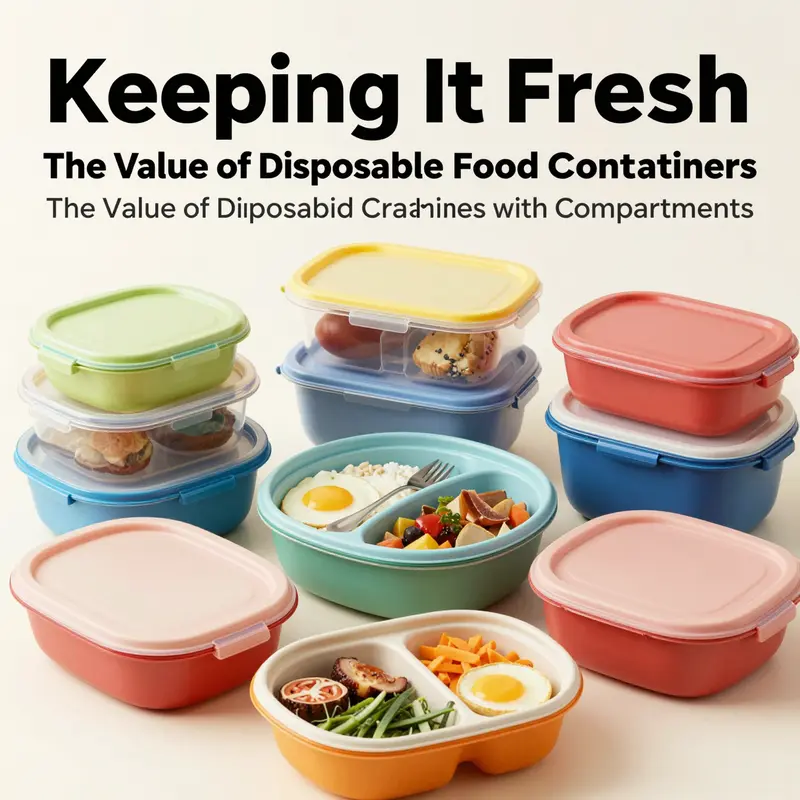
The modern plate is no longer a single canvas but a microcosm of the kitchen, a designed space where different textures, sauces, and temperatures can coexist without colliding. Disposable food containers with compartments embody this idea in a single, portable package. They are not merely boxes for transport; they are carefully engineered systems that choreograph how a meal is perceived from the moment it is packed to the first bite a customer takes. The compartmentalized tray keeps rice from absorbing a dollop of sauce long before it reaches the diner, preserves the crispness of vegetables separated from damp grains, and preserves the integrity of proteins that might otherwise leach moisture into surrounding components. In doing so, these designs elevate both practicality and presentation, turning a takeout bag into a pathway to a satisfying, well-structured meal experience.
At the heart of these designs lies compartmentalization. Most commonly, trays feature two to four distinct sections, sometimes sealed with a lid that closes like a tiny package within a package. This structural idea is simple in concept but nuanced in execution. The internal walls and seals must be robust enough to resist leaks during transit, yet slim enough not to waste valuable space. They must accommodate a range of foods—from saucy bowls to dry, crumbly sides—without compromising their boundaries. This requires a careful balance of geometry, material choice, and closure strategies. A well-sealed lid can prevent leakage of liquids such as dressings, broths, or soups, while internal barriers stop sauces from wicking into starches and greens. In practice, this means that a single container can carry a complete meal with a single discipline: the ability to keep elements apart until the moment of consumption. The result is a more consistent flavor profile and a more controlled texture experience for the consumer, whether they are grabbing a lunch before a meeting or enjoying a hot, freshly prepared dinner from a quick-service restaurant.
The design logic also responds to the realities of logistics. Takeout and delivery services demand packaging that withstands the rigors of transport, including the vibrations of a delivery motorcycle, the jostling of a bag being opened and closed, and the occasional pressure from stacked orders. A multi-compartment tray offers a practical solution to the risk of cross-contamination in transit. But it also addresses the broader concern of waste and efficiency. In many settings, the ability to pack a balanced, complete meal in a single unit reduces the number of individual containers a customer must manage. It simplifies sorting and disposal for households and reduces the complexity of kitchen workflows for caterers and food courts. These factors matter not only to the end consumer but to the restaurant’s bottom line and to city waste streams that must manage discarded packaging.
Material choices for these containers reflect a spectrum of priorities, from heat resilience and moisture barriers to ecological responsibility. Polypropylene (PP) plastic remains a workhorse for many applications due to its durability and relatively high heat resistance, which makes it suitable for meals that arrive hot or require microwaving. PP-based trays can be molded with integrated walls that create stable, leak-resistant divisions, and their compatibility with standard lid systems supports secure transport. Yet, the industry is increasingly exploring eco-friendly alternatives that do not force a compromised trade-off between performance and sustainability. FSC-certified kraft paper and molded pulp, for example, offer rigid support and barrier properties through coatings and lamination while keeping a lower environmental footprint. These materials often rely on surface treatments—like wax or bioplastic coatings—to offer moisture resistance and ensure that the container can withstand oil-rich or sauce-laden foods without intermingling. The question of biodegradability introduces a broader set of considerations. Compostable designs promise a future in which packaging returns to the earth rather than the landfill, but they require appropriate processing facilities. Industrial composting can accelerate the breakdown of certain bioplastics, while home composting may be ineffective for others. Labels, certifications, and disposal instructions become part of the consumer’s decision-making process, guiding how a container should be treated after its use.
The evolving material landscape is also tied to brand storytelling and consumer values. Modern packaging increasingly serves as a canvas for brand identity, with customizable options that let restaurants differentiate themselves through color, texture, and logo in a way that amplifies their image. In a market where packaging competes for attention just as much as the food itself, these compartments are a locus for visual and tactile design cues. Embossing, UV coatings, and color accents can turn the container into a repeatable touchpoint that reinforces a brand’s promise of care, quality, and sustainability. Yet even as design elements emphasize aesthetics, the underlying priority remains practical: a reliable, leak-resistant shell that preserves the integrity of the meal. Materials and finishes must perform under the duress of real-world use, from rough handling to the occasional splatter of sauce, while meeting the expectations of customers who want to see their meals presented neatly, with each component in its place.
Sustainability threads through every aspect of compartmentalized disposable packaging. The market offers an array of choices, from conventional plastics to compostable and biodegradable options. For many buyers, eco-friendly labeling—such as certifications indicating industrial compostability or responsibly sourced materials—helps align packaging decisions with corporate sustainability goals and consumer expectations. The choice of material often signals a broader commitment: a shift toward content that reduces the environmental footprint of meals that are consumed away from home. But the path to sustainability is not linear. Not all designated compostable materials decompose easily in home composting or in municipal facilities that lack the industrial infrastructure to process them. Misconceptions abound, and it falls to manufacturers, retailers, and waste managers to communicate disposal guidance accurately. When properly disposed of in appropriate streams, compostable or biodegradable containers can contribute to reduced landfill mass and lower greenhouse gas emissions over their lifecycle. Certifications like those provided by recognized bodies help consumers and businesses verify claims about compostability and responsible sourcing. In this sense, the design of a compartmentalized container is inseparable from its end-of-life narrative, which must be understood by the user just as thoroughly as the product’s strength, seal integrity, and moisture resistance.
From a systems perspective, the lifecycle of these containers—from raw materials to production lines to end-of-life processing—reflects a broader movement toward responsible packaging. In an era of heightened environmental awareness, designers and manufacturers evaluate not only how well a container performs in use but how it is integrated into a circular economy. This means considering supply chain transparency, the availability of recycled content, and the feasibility of reprocessing mixed-material constructions. It also means thinking about the energy and water footprints associated with different materials and finishing processes. In some cases, a heavier-duty PP tray with a robust lid may outperform a lighter, less durable option in terms of waste avoidance, because it reduces the need for returns or replacements in high-use environments. In others, a high-quality paperboard or molded-pulp solution with moisture barriers may offer better end-of-life outcomes. The strategic choice between these pathways involves trade-offs among strength, cost, consumer expectations, and the realities of waste management infrastructure. This is where partnerships between packaging designers, waste management professionals, and policymakers become crucial, translating sustainability aspirations into practical, scalable solutions.
The role of regulation and guidance cannot be overlooked. Reputable agencies and research bodies provide frameworks that help businesses navigate the complexities of packaging waste, material safety, and environmental impact. Guidance from organizations such as the U.S. Environmental Protection Agency emphasizes sustainable packaging practices and offers recommendations for choosing compostable or recyclable options. This guidance helps buyers differentiate between claims that sound green and actual, verifiable shifts in packaging choices. In parallel, industry researchers and advocates highlight the importance of clear disposal labeling and consumer education. A well-designed compartmentalized container is only as effective as the consumer’s ability to dispose of it properly. When packaging indicates its proper disposal method and the conditions under which it will break down, it becomes a reliable part of a broader waste-reduction strategy rather than a source of confusion for the user.
The practical implications of these designs reach beyond the dining table. In the fast-casual and takeaway sectors, compartmentalized containers support a smoother operational flow. Servers and kitchen staff can prepare meals with the confidence that the different components will stay distinct through transport. This reduces the potential for mispacks, customer complaints, and food safety incidents that can arise from cross-contact or leakage. Moreover, the visual clarity of a neatly partitioned tray can enhance perceived value, aiding in portion control and reducing plate waste. For schools, workplaces, and catering, standardized compartment configurations enable predictable quantities and simplified inventory management. The ability to tailor compartment counts and lid configurations to specific menus and dietary needs further enhances the practicality of these solutions. In this way, the design becomes a language—one that communicates care, efficiency, and a commitment to delivering a consistent, appetizing experience regardless of where the food is consumed.
To illustrate how these ideas manifest in real-world packaging without naming any single brand, consider the concept of a multi-compartment tray that balances tight seals with accessible design. A well-conceived design may employ a flexible inner divider system with adjustable walls that can adapt to different meal configurations. The walls themselves can be treated with moisture barriers or coated with barrier layers to resist oil migration, while the lid system provides a secure closure that prevents spillage during transit. Such design choices reflect an understanding that a container is both a functional tool and a canvas for communication—conveying messages about the quality of the food inside and the values of the brand behind it. The result is not just a container but a reliable partner in a hospitality chain’s food service workflow, a small but essential component that affects taste perception, customer satisfaction, and sustainability outcomes.
If one looks closely at the research and commentary surrounding this topic, it becomes clear that the conversation is as much about how people use packaging as about what packaging can do. A container’s compartments, lid design, material choice, and finish all contribute to a holistic experience. The consumer’s journey—from choosing a meal, to carrying it, to opening it, to enjoying each component in turn—depends on careful attention to the details of design and disposal. In this sense, the compartmentalized container is a micro-hero of modern food service: a product that quietly supports flavor integrity, presentation, and environmental responsibility all at once. It encapsulates a broader shift toward packaging that respects the meal as a whole while acknowledging the realities of urban life, where speed, convenience, and sustainability must coexist.
For readers seeking a deeper technical perspective on the kinds of designs described here, a detailed technical analysis of multi-section disposables is available through a resource that explores 3-dividers configurations, mechanical properties, and application cases. This reference offers a rigorous look at how internal dividers, material choices, and sealing strategies come together to deliver reliable performance in everyday use. senang05-food-grade-500-750-1000ml-take-away-bowl-with-lids-packing-food-single-wall-fast-food-salad-bowls. The discussion also highlights how sustainability certifications and responsible material selections can align packaging with broader environmental goals, while preserving the practicality that customers expect from a ready-to-eat meal.
In closing, the design and functionality of disposable food containers with compartments reveal a discipline that blends engineering with taste, logistics with aesthetics, and convenience with responsibility. They are more than containers; they are enablers of better meal experiences, better brand storytelling, and a more sustainable approach to how we package and consume food on the go. The conversation continues to evolve as new materials, barrier technologies, and disposal infrastructures emerge, offering ongoing opportunities to refine how these indispensable packaging units protect flavor, preserve texture, and reduce waste—one well-placed divider at a time. For those who want to explore the technical side further, a detailed exploration of compartmented disposables can provide a deeper understanding of how such designs translate into real-world performance, safety, and sustainability outcomes.
External reference for further reading on technical aspects and applications: https://www.nathancole.com/disposable-food-containers/3-compartment-technical-analysis.
The Materials That Make Compartments Matter: How Every Layer Shapes Flavor, Safety, and Sustainability
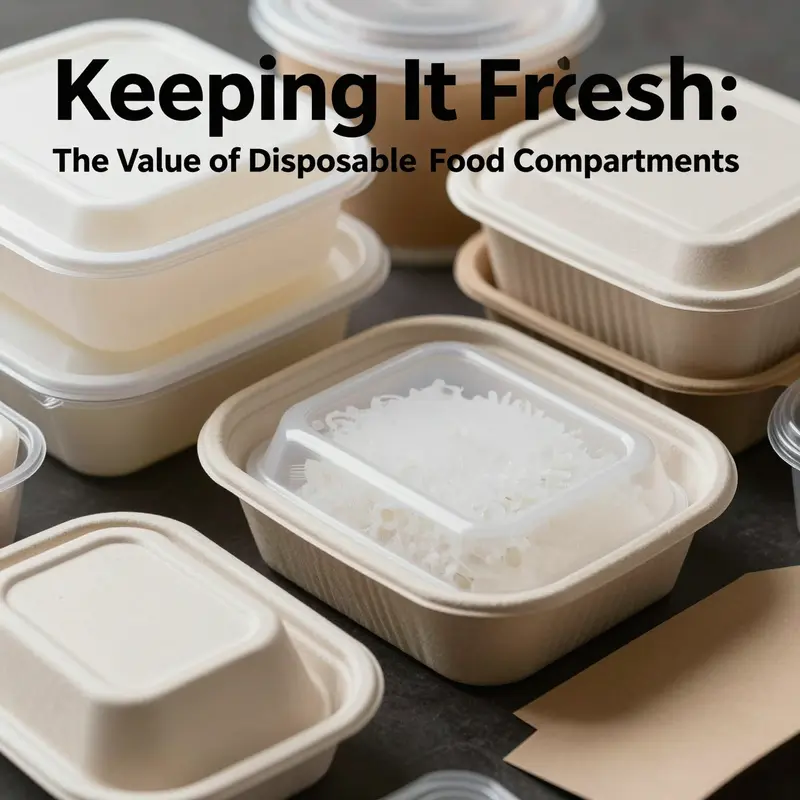
The compartmentalized disposable food container is often taken for granted, as if the separate sections were the whole story. Yet the materials that form each tray, lid, and divider determine more than just how neatly one can arrange a meal. They govern heat tolerance, moisture management, aroma retention, leakage control, and, crucially, the environmental footprint of a single-use package. When we examine disposable containers with compartments, we uncover a layered narrative where choices at the material level ripple through safety, convenience, and responsibility. The modern consumer no longer encounters a single plastic shell; instead, a mosaic of polymers, fibers, and bio-based fibers comes together to meet a spectrum of meals, from steamy noodles and saucy curries to chilled salads and dry pastries. Each material brings a distinct balance of strength, barrier performance, and end-of-life implications, and the best designs weave several materials into a coherent, fit-for-purpose whole.
Polypropylene, commonly labeled PP, stands as a workhorse in microwave-safe packaging. Its heat tolerance, typically stated around 100–120°C, is more than enough for reheating many common meals. The lightweight, durable nature of PP makes it well-suited for both single-use contexts and reusable applications, where the same material might circle through a kitchen and a pantry with repeated cycles. In compartmentalized trays, PP often serves as the base layer because it resists warping under heat and maintains a relatively stable shape when the contents shift between compartments. The ability to hold sauces and moist foods without immediate leakage makes PP a practical choice for multi-compartment designs. Yet, even with PP, designers must consider the adhesive systems and sealing methods that keep the barrier intact when the lid is closed and the container travels from kitchen to consumer’s hands. The interplay between the PP shell and inner barrier layers, such as coatings or foil laminates, becomes a decisive factor in performance, particularly for hot foods or oily contents where fat migration can challenge the seal.
Other plastics, such as polystyrene (PS) and its rigid relatives, have historically populated the sector with lightweight, inexpensive options. PS, including its foam variants, contributes rigidity and a crisp, finger-friendly feel to containers. However, heat resistance is a critical constraint; when temperatures approach or exceed the 100°C mark, PS can deform or become unsafe for direct contact with hot foods. Beyond the heat concern, environmental considerations loom large. PS is not compostable in most conventional streams, and its long decomposition horizon has spurred shifts away from foam and certain rigid PS forms in favor of more sustainable alternatives. For those seeking a balance between rigidity, clarity, and barrier properties, polystyrene variants like BOPS offer enhanced strength and transparency, but they share the same fundamental limitations when exposed to high heat. In the context of compartments, the choice between PS and PP often hinges on the expected temperature of the contents, the desired appearance of the container, and the lifecycle ambitions of the brand or institution using the packaging.
PET, or polyethylene terephthalate, finds its strength in cold or room-temperature applications. It is a common choice for clear, recyclable cold-food containers, as transparency helps present salads, fruits, and desserts in an appealing way. PET’s recyclability is an important consideration; however, concerns about leaching at elevated temperatures generally steer hot foods away from PET. In multi-compartment designs, PET is often used for specific sections that stay cool or are intended for storage rather than heating. The material’s barrier properties against moisture and gases can be advantageous when the goal is to preserve crisp textures or protect delicate ingredients during transit. Yet, the same chemical sensitivity that motivates a cautious approach to heat also informs decisions about the adhesives and closures that connect PET segments to lids or other layers. The result is a container system where PET remains a reliable choice for chilled meals, but hot-warm meal concepts require careful material pairing.
Biaxially Oriented Polystyrene, or BOPS, emerges as a refined variant of traditional PS, with improved rigidity and clarity. The enhanced strength and transparency of BOPS make it attractive for ethically clear, multi-compartment presentations, especially in grab-and-go contexts where consumers expect to see the contents clearly through the lid. As with PS, heat resistance is a central constraint, and the same caution about high-temperature foods applies. The aesthetic advantages of BOPS are not just about looks; clarity can support portion perception and execution in catering and retail settings. Still, even with BOPS, the environmental conversation follows closely behind the performance discussion. The material’s recyclability and end-of-life options must align with local waste streams, composting capabilities, and consumer disposal habits to ensure that the environmental benefits are realized rather than deferred.
Bagasse stands out as a rapidly renewable, plant-based alternative that has become increasingly prominent in the conversation about sustainable packaging. Derived from sugarcane processing, bagasse fibers form sturdy, biodegradable containers capable of handling hot and oily foods. The sheet-like nature of bagasse supports strong, rigid trays with natural grease resistance—an essential factor when compartments separate sauces from solids or oils from grains. Its compostability is a central selling point, particularly when paired with industrial composting streams that can achieve the required conditions for efficient breakdown. For institutions and households prioritizing sustainability, bagasse can reduce landfill burden and lower the carbon footprint of meals that travel in disposable packaging. Yet bagasse is not without constraints: its performance can vary with thickness, moisture exposure, and the specifics of the coating system used to prevent leakage. In some designs, thin, moisture-protective waxes or bioplastics are applied to ensure shelf stability, but these coatings must be compatible with end-of-life objectives and not undermine the compostability claim if that is part of the packaging strategy.
Paper-based solutions, including paper with food-grade coatings, bring another dimension to the materials conversation. Paper can be reinforced with wax or bioplastic coatings, such as PLA, to repel moisture and prevent seepage between compartments. For many dry or cold-food applications, coated paper provides a straightforward, familiar feel with the advantage of potential recyclability in appropriate streams. The caveat is clear: high heat and oily ingredients challenge even well-coated paper, and some coatings complicate compostability or recycling in mixed streams. In practice, the selection of paper-based units often reflects a preference for a compostable or recyclable narrative, balanced against performance requirements and cost. The coatings themselves—whether water-based, waxy, or bioplastic—play a crucial role; they must align with disposal infrastructure and consumer behavior to avoid undermining the intended environmental benefits. The bottom line is that paper-based, coated options can be excellent for certain meals and contexts but require careful design to meet the dual demands of performance and sustainability.
From a safety perspective, guidelines and regulatory standards shape how materials are chosen for disposable containers with compartments. The Food Safety Centre emphasizes selecting containers that comply with regulatory standards relevant to the specific type of food and its temperature. This is more than a compliance checkbox; it is a practical framework to ensure that materials do not transfer harmful substances to food during storage, heating, or transit. In practice, this means understanding the compatibility of coatings, adhesives, and barrier layers with different foods, as well as the temperature profiles the container will encounter. For multi-compartment designs, where sauces mingle with grains or vegetables in ways that tempt spills, the integrity of seals and the resistance of interlayer barriers are as important as the primary material’s heat tolerance. The careful alignment of material choice with regulatory guidance helps prevent issues such as flavor contamination, unwanted chemical migration, or delamination during microwave reheating.
The conversation about materials is inextricably linked to end-of-life considerations. The environmentally conscious consumer increasingly seeks compostable or biodegradable options, and many manufacturers respond with bagasse and coated-paper solutions, alongside plant-based bioplastics like PLA coatings. It is essential to differentiate between industrial compostability and home composting, because not all compostable containers will decompose in a home setting. Industrial facilities can maintain the higher temperatures and microbial activity needed for breakdown, whereas home compost piles may not reach the requisite levels of heat and oxygen. Certifications such as BPI or TÜV OK Compost INDUSTRIAL help signal that a product meets certain standards for compostability, yet certification alone does not guarantee that a given community’s composting infrastructure will process the container effectively. Consumers should verify that their local programs accept the specific materials and coatings used in their containers. This is not only a question of where to place the waste, but how to prepare it for processing. For instance, some coatings and laminates complicate recycling streams, particularly when multiple materials are bonded within a single container. Designers and manufacturers increasingly pursue monomaterial approaches, or carefully engineered multi-material systems that maintain barrier performance while enabling easier separation at end of life.
The market’s breadth mirrors the diverse needs of users, from households planning meals for the week to large-scale caterers and school meal programs. A multi-compartment tray can support a balanced meal by keeping protein separate from carbohydrates and vegetables, while a separate compartment can hold a sauce or dressing without muddling the others. The sizes range from small snack-sized containers to larger, more complex trays designed for full meals. In many cases, the choice of material is informed by the intended use-case scenario: a cold-salad-focused pack may lean toward recyclable PET or coated paper, a hot meal design may favor PP with a robust barrier, and a fully compostable option might favor bagasse or coated paper with industrial composting compatibility. Brand strategies increasingly highlight sustainability, with certifications and transparent labeling to guide consumer decisions. In practice, this means that a given meal packaging system is rarely the product of a single material choice; instead, it is the outcome of an integrated design philosophy that considers performance, safety, cost, and environmental impact across the entire lifecycle.
For readers who want a concrete sense of how these materials translate into actual packaging options, there is a continuum of design decisions that links material properties to real-world outcomes. If a container is intended to be heated in a microwave, almost certainly one of the heat-tolerant plastics will be chosen, with PP being a frequent default. If the goal is to present a clear view of the contents while preserving the integrity of each separate item, a transparent container variant of PET or a coated paper option may be favored, always with an eye toward how the barrier will perform when the lid is sealed and the container is in transit. When sustainability is the guiding principle, bagasse emerges as a compelling option, especially for hot and oily foods, because of its compostability and pulp-like strength. For those who prize a clean, eco-conscious narrative, multi-layered paper-based systems with carefully selected wax or PLA coatings can deliver reliable moisture resistance while keeping an eye on end-of-life outcomes. The discipline in design is to balance barrier performance with recyclability or compostability, always aligned with consumer disposal habits and local waste management capabilities.
Within this broader landscape, one internal example helps illustrate how a specific material choice might be described in practice, without naming products directly. For readers exploring an example of a food-grade take-away bowl with a lid in a single-wall design, see this product category: food-grade take-away bowls with lids (single-wall). This reference points to a practical realization of how materials, thickness, and closure systems come together to deliver a package that meets reheating or cold-storage needs while signaling a commitment to safety and consumer convenience. The takeaway is not merely about what material is used; it is about how that material interacts with other layers, how it behaves under stress, and how it ultimately behaves when discarded. It is about the lifecycle story from manufacturing to disposal, and how each stage contributes to or detracts from a meal’s full experience.
The environmental narrative is not isolated from health and safety. Regulatory guidance, such as that provided by national and regional food-safety authorities, shapes which materials are permitted or discouraged for certain foods and temperatures. The collaboration among material science, packaging engineering, and waste management systems determines whether a given design truly advances the sustainability agenda. Practically, this means that a sustainable choice must be compatible with the consumer’s disposal options, whether it is home composting, municipal composting, or recycling streams that can actually recover and repurpose the packaging materials. It means that a multi-compartment design must not only prevent cross-contamination of flavors and textures but must also maintain compostability or recyclability across its entire architecture. In short, the art and science of these containers lie in harmonizing performance with responsibility, ensuring that the promise of compartmentalization does not come at the expense of public health or planet-wide waste reduction.
As material science continues to evolve, the future of disposable containers with compartments will likely hinge on smarter barrier systems, more robust yet compostable polymers, and improved end-of-life infrastructure. Innovations may include multilayer laminates that can be separated into recyclable streams, bio-based coatings that resist heat and oil without compromising compostability, or novel fiber-based trays that mimic the stiffness of plastic while offering greater biodegradability. For researchers, designers, and policy-makers, the guiding principle remains clear: materials must enable reliable, safe, and convenient meals while aligning with recycling and composting capabilities. For consumers, informed choices will increasingly rely on clear labeling, transparent certification, and accessible disposal options that reflect local waste systems. The evolving story of these containers is thus a dialogue among heat, barrier, discard, and duty—an ongoing negotiation between convenience and responsibility that shapes how we eat on the go, how we manage waste, and how we imagine a more sustainable food system.
External reference: https://www.foodsafety.gov.hk/food-container-guidance
Beyond Convenience: The Hidden Environmental Footprint of Compartmentalized Disposable Food Containers
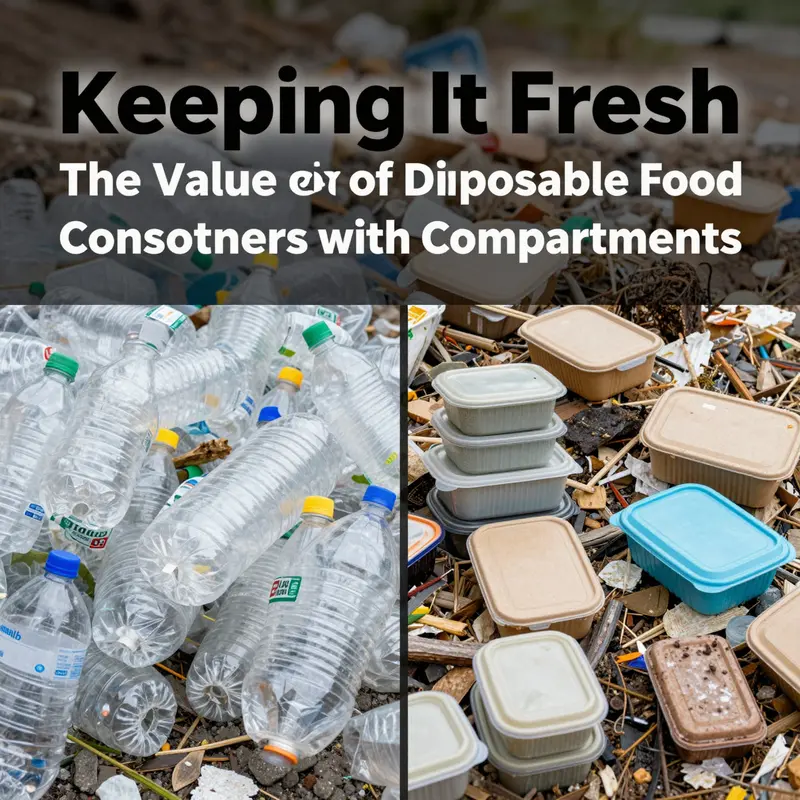
The allure of compartmentalized disposable food containers lies in instant convenience: a single tray that keeps proteins, grains, vegetables, and sauces neatly separated, reducing soggy textures and cross-flavor contamination. Yet as takeout, school meals, and event catering expand, so too does the environmental footprint of these seemingly modest packaging choices. To understand the true cost, we must trace the life cycle from raw material extraction and production to distribution, use, and final disposal, recognizing that every stage shapes the overall burden.
The material story is dominated by plastics such as polypropylene and polystyrene, with some versions relying on expanded foam forms. These polymers originate from fossil fuels and require substantial energy for extraction, refining, and polymerization. Even lightweight designs may bear a sizable footprint because of the energy embedded in manufacturing, the emissions of process-related pollutants, and the losses associated with production scraps and defects. When a single-use tray travels through a complex supply chain, the cumulative energy demand grows quickly, and small design savings may vanish once transportation and end-of-life processing are included in the accounting.
End-of-life fate presents additional challenges. Many trays end up in municipal waste streams or, worse, as litter in streets and waterways. Plastics can persist for centuries in landfills, and fragmentation can generate microplastics that threaten soils and aquatic environments. Some formulations include additives that may migrate into food under heat or mechanical stress and then persist in the environment, raising questions about safety and ecological health. While regulations and standards have reduced some risks, residues and processing aids remain part of the concern, reinforcing the case for safer materials and traceable supply chains.
A broader lifecycle view also highlights energy and emissions tied to manufacturing and distribution. Even if a tray is designed to be lighter, downstream steps—such as packaging, palletizing, refrigerated transport, and end-of-life processing—often dominate the environmental tally. Across many analyses, the total impact of disposables remains substantial, partly because material extraction and disposal dominate the score regardless of small design efficiencies. The policy question thus shifts from “which tray is lightest?” to “how can the system around the tray be redesigned to enable true circularity?”
Chemical safety and consumer health intersect with ecological considerations. Historically, certain plastic formulations raised concerns about substances that may migrate into food, especially when heated. This dimension matters because environmental release and human exposure are linked through the food chain and ecological media. While many regulatory frameworks have tightened restrictions and improved labeling, there is still a continuing push for safer materials, better testing, and supply chains that can demonstrate safety from cradle to composting or recycling or to final disposal, depending on regional infrastructure.
A key comparison emerges when considering reusable, multi-use containers. If a takeout system can achieve high reuse rates with effective cleaning and recovery, the cumulative environmental benefits can surpass those of single-use disposables after a modest number of uses. This does not negate the role of disposables in certain contexts, but it does highlight the importance of aligning packaging choices with use patterns, end-of-life infrastructure, and the capacity of recycling and composting systems to recover materials.
The expansion of compostable and biodegradable options adds another layer. Industrial composting facilities can break down certain materials that are not suitable for home composting, but not all facilities accept every compostable product. Clear labeling, consumer education, and accessible disposal pathways are essential to realizing the potential benefits of compostable designs while preventing contamination of recycling streams. Certifications and credible third-party verification help guide decisions and manage expectations about end-of-life outcomes.
Design for end-of-life matters. Packaging that minimizes non-recyclable components, favors materials with demonstrated compatibility with local recycling or composting streams, and allows for easier separation is more likely to perform well in the real world. Transparent environmental information, standardized testing that mirrors actual disposal conditions, and collaboration among manufacturers, retailers, waste managers, and policymakers can move the system toward choices that balance convenience with responsibility.
In practice, progress depends on regional waste infrastructure, consumer behavior, and clear policy signals. Encouraging designs that enable disassembly, supporting reliable collection and processing networks, and aligning incentives with reuse and recycling can collectively shift the tide toward lower environmental impact. The objective is not to demonize disposables but to foster a packaging ecosystem that is better matched to the waste system and the values of sustainability, safety, and resilience.
For readers seeking concrete guidance, consideration of local end-of-life options, available recycling streams, and the presence of industrial composting facilities can help inform procurement and design decisions. As science, policy, and technology evolve, so too will the opportunities to close the loop on compartmentalized packaging, reducing waste and conserving resources while preserving the practical benefits that make these containers appealing in daily life.
Separating Convenience from Waste: Market Movements and Consumer Preference in Compartmentalized Disposable Food Containers
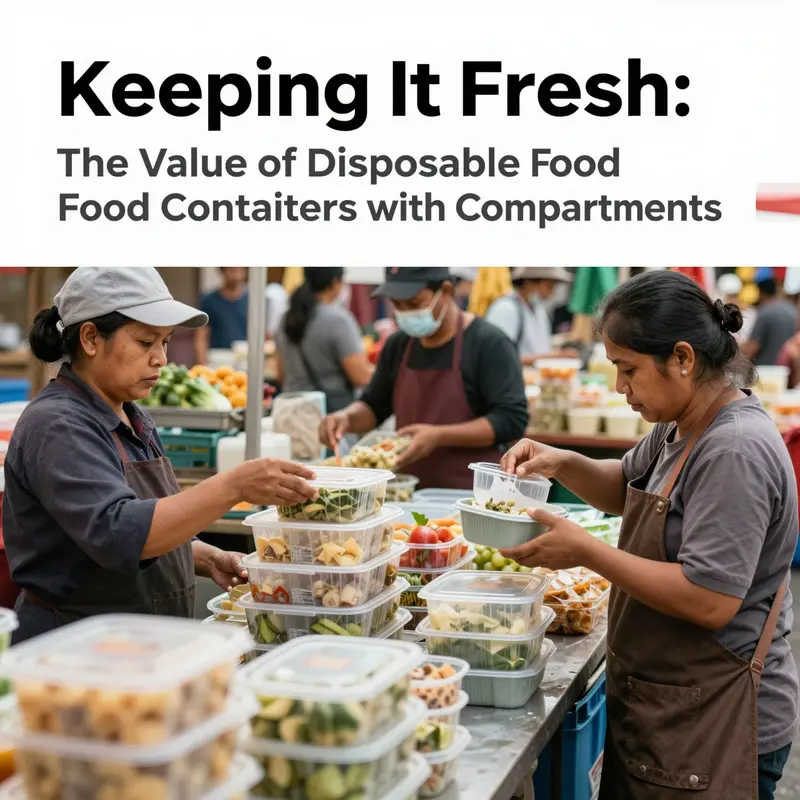
The evolution of disposable food containers with compartments reveals more than a simple shift in packaging aesthetics. It traces a complex arc where practicality, flavor integrity, and fresh delivery converge with pressing sustainability demands. In this context, compartments are not merely dividers; they are design decisions that shape how meals travel from kitchen to consumer, how flavors and textures are experienced, and how waste is managed after the last bite. The market for these containers sits at the intersection of two broad currents: the unyielding demand for convenience that makes single-use packaging indispensable for meals on the go, and an intensifying scrutiny of environmental impact that pushes for smarter materials, smarter disposal, and, increasingly, smarter reuse concepts. The figures underscore the scale and momentum of this evolution. Global data indicate that the broader food container market, which includes compartmentalized options, is poised to grow from about $1,637 billion in 2024 to roughly $2,273 billion by 2032, a robust CAGR of around 4.19%. This trajectory is not a mere statistical curiosity; it translates into more varied sizes, more precise partitioning, and a broader array of materials that claim to balance performance with responsibility. The upward pull comes from several converging forces. Rapid urbanization expands the need for portable meals, while the expansion of e-commerce and food delivery services makes efficient, organized packaging a competitive advantage. Consumers want meals that arrive intact, with distinct components that do not bleed into one another, and that maintain temperature and moisture balance throughout transit. The default expectation in many markets is still the convenience of a one-tray, multi-compartment option that reduces the mess and simplifies portion control. Yet beneath this instinctive preference lies a growing sensitivity to the life cycle of packaging. Many buyers now read beyond the packaging’s first impression, probing for information about materials, end-of-life options, and the legitimacy of eco-friendly claims. In response, brands, manufacturers, and regulators are moving toward packaging that can demonstrate real value at the point of use and after use, not just at the shelf. The dual market dynamics are visible here. Traditional disposable containers remain dominant due to cost, availability, and familiarity. They satisfy the everyday needs of takeout, school meals, and event catering where price and speed shape decision making. But the other lane is gaining speed: sustainable alternatives, especially compostable and biodegradable materials, are driving a redefinition of what “disposable” can mean. In many cases, these alternatives aim to retain the functional advantages of compartments—preventing flavor transfer, guarding textures, and supporting portioned meals—while aligning with environmental goals. The shift is reinforced by material innovations. Conventional options use plastics such as PET or PP, often reinforced with coatings or sealants to resist moisture and grease. Paperboard alternatives, increasingly common in both the single-use and large-format segments, rely on wax or bioplastic coatings to withstand moisture without sacrificing rigidity. On the sustainability side, plant-based plastics sourced from renewable feedstocks, such as PLA, are being employed in combination with bagasse, bamboo fiber, or other natural fibers to build trays that some markets earmark as compostable or biodegradable. Certifications play a crucial role here. Labels and third-party attestations—whether they reference industrial composting standards or verified recyclability—offer a measure of accountability that powerfully informs consumer trust. In many marketplaces, certifications like those from a bioplastics standards body or an industrial composting standard provide a signal of credibility in a crowded field where “green” claims can otherwise feel diffuse. The EPA’s guidance on sustainable packaging and waste reduction is a cornerstone for both consumers and businesses seeking to navigate this landscape. The EPA emphasizes choosing options that minimize environmental impact, prioritizes recycling where feasible, and clarifies the limits of home composting for many industrially compostable products. The nuanced message is clear: the most effective disposal path depends on local infrastructure and proper consumer instructions. This reality has immediate implications for companies that want to maintain a balance between convenience and responsibility. For instance, if a facility does not have industrial composting capabilities, labeling a container as “compostable” may be misleading to the end user and could lead to improper disposal. The consequence is not only a potential waste increase but also a missed opportunity to participate in more sustainable waste streams. The design and material choices for compartmentalized containers are now evaluated through a sustainability lens that also accounts for performance. The compartments themselves must be precise enough to preserve separate foods without leakage or cross-contact, yet light enough to keep transport costs reasonable. They must resist sogginess and oil seepage while offering the rigidity needed for stacking and shipping. When developers add sauces, dressings, or dips, the container must manage moisture without compromising the integrity of adjacent sections. In many cases, this means a layered approach to materials and coatings: a sturdy base plastic or molded fiber, an inner moisture barrier, and a dedicated seal or lid that preserves freshness until opening. The result is a spectrum of options that foreground different tradeoffs. PET and PP remain common for their mechanical strength and clarity, while paper-based options offer a lower-profile environmental appeal, especially when paired with moisture-resistant coatings that still enable a clean separation of compartments. Compostable variants—often built from bamboo fiber or cornstarch-based bioplastics—are gaining traction, particularly in markets where industrial composting infrastructure is well established. Their appeal lies not only in the end-of-life narrative but also in the broader movement toward circular economy models that value recycling, composting, and, in some cases, reuse. Yet the adoption of compostable materials raises practical questions about infrastructure and behavior. Industrial composting facilities require specific temperature, humidity, and residence times to achieve complete breakdown. Home composting, by contrast, rarely provides the conditions needed for these materials to degrade in a reasonable timeframe. Consequently, consumer education and accessible disposal options are essential to realize the environmental benefits promised by compostable packaging. This is where ratings, certifications, and standardized testing matter. Industry players increasingly align with recognized schemes that verify compostability or recyclability to avoid greenwashing and to help users make informed decisions about disposal. The process of obtaining certifications is not trivial; it often involves tests that confirm material behavior under defined composting or recycling conditions and verification that items produced in higher volumes will perform consistently. In practice, this means a packaging ecosystem where manufacturers, suppliers, and waste handlers collaborate to ensure that the claimed end-of-life outcomes are achievable in real-world settings. The consumer is an active participant in this ecosystem. Today’s buyers are more likely to weigh packaging choices against personal values. A growing share of consumers looks for packaging solutions that reflect commitments to sustainability, not merely convenience. But willingness to pay for greener options is nuanced. Price remains a salient factor, particularly in highly competitive sectors like quick-service restaurants and mass-market retail. In the face of tighter margins, brands often balance the premium cost of sustainable materials with other environmental or social benefits—such as reduced material weight, improved recyclability, or clearer end-of-life guidance—that provide value to the consumer beyond the upfront price. This balancing act has spurred innovations in design and business model experimentation. For example, the industry has begun to explore reusable systems that could recast the idea of “disposable” altogether. A pilot program run by the world’s largest fast-food chain—testing a subscription model for reusable coffee cups and meal boxes—illustrates a strategic shift toward circularity. The experiment seeks to measure consumer receptivity, the operational feasibility of collection and cleaning processes, and the overall environmental impact of moving away from single-use toward reuse. The results of such pilots are nuanced. Consumer willingness to participate hinges on convenience, reliability of the return system, and the perceived value of reuse. Early indicators suggest that when the system is simple, clearly communicated, and offers tangible benefits, adoption can be meaningful. The broader implication is that the market for compartmentalized containers is not solely about material substitution; it is also about redefining the packaging value proposition. In this redefinition, the container becomes a component of a broader service model that integrates sourcing, delivery, and end-of-life management. From a business perspective, this reframing has several implications. First, the supply chain must accommodate more diverse materials and production processes, as brands test compostable films, plant-based coatings, and molded fiber variants that can still maintain the demanding tolerances of multi-compartment designs. Second, brands must invest in consumer education to ensure proper disposal and to maximize the environmental benefits claimed by the packaging. Third, the packaging decision cannot be looked at in isolation. It must align with the restaurant or retailer’s broader sustainability and operational goals, including waste audits, supplier codes of conduct, and alignment with regulatory requirements that vary by region. The practical consequence for operators and manufacturers is that packaging choices are increasingly part of a sustainability narrative that supports loyalty and trust in a crowded marketplace. Consumers are not simply buying a meal; they are buying a packaged experience that signals responsibility and care for the environment. As the market evolves, a practical trend is the increased variety of sizes and configurations to accommodate both personal meals and catering needs. Small, snack-sized compartments sit alongside larger, multi-compartment trays designed for more complete meals. This flexibility is essential for schools, workplaces, and event catering that require predictable portioning, reduced waste, and simplified service logistics. For end users, the improved organization of meals translates into a cleaner dining experience and less messy transport. For service providers, it means lower substitution costs, clearer labeling, and the potential to streamline kitchen-to-delivery workflows. In the dialogue between convenience and responsibility, several strategic paths emerge. One is to emphasize design for recyclability, ensuring that paper-based options or certain plastics can directly enter established recycling streams. Another is to optimize the life cycle around industrial composting, with practical guidance on what to compost, how to segregate waste, and which coatings or inks are compatible with composting environments. A third path focuses on reuse, not as a radical replacement of disposables, but as a complementary approach that can augment sustainability in contexts where the economics and infrastructure allow. This triad of strategies—design for recyclability, support for industrial composting where feasible, and selective reuse programs—offers a way to reconcile the competing demands of cost, performance, and environmental stewardship. The narrative around compartmentalized disposables is not merely a market story; it is a case study in how modern consumption patterns are recalibrating material choices, waste management practices, and consumer expectations. The best outcomes will come from a holistic approach that layers product design with clear disposal guidance, credible certification, and transparent communication about end-of-life options. One concrete example of how supply chains are responding to these imperatives is the adoption of eco-friendly kraft-based packaging formats that can preserve the integrity of meals while presenting a more natural, recyclable, or compostable option for consumers. This approach represents a pragmatic bridge between the comfort of familiar compartment systems and the evolving demand for greener packaging. For readers who want to explore a tangible example of this direction, see the eco-friendly kraft box for fast-food packaging linked here. eco-friendly kraft box for fast-food packaging. Such options illustrate how a single change in material choice can ripple through a restaurant’s packaging strategy, potentially easing disposal challenges, clarifying consumer expectations, and supporting broader environmental commitments without sacrificing the core benefits of compartmentalized design. As the chapter closes on these market movements, the thread that ties everything together is the dependence of both convenience and sustainability on robust infrastructure, credible guidance, and consumer participation. The EPA’s role, industry certifications, and the growing willingness of customers to engage with reusable or recyclable systems underscore a future in which compartmentalized disposables remain central to meals away from home, but with a more explicit and verifiable story about what happens after the last bite. This is not a single-issue race; it is a multi-stakeholder journey that requires coordination across manufacturers, waste managers, retailers, and consumers. In that sense, the configurations of compartments become symbols of a broader shift toward packaging that is not merely thrown away but is understood, valued, and integrated into a more thoughtful economic and ecological rhythm. External research and case studies on reusable packaging programs further illuminate the possibilities ahead, highlighting both the promise and the hurdles of turning disposables into stepping stones for a circular economy. For readers seeking a deeper insight into how large-scale experimentation with reuse models unfolds in practice, an external resource offers a detailed lens into the operational and behavioral considerations that accompany these initiatives: World’s Largest Fast-Food Chain Tests Reusable Coffee Cup & Meal Box Subscription Service. https://www.foodserviceinsider.com/articles/2026/01/worlds-largest-fast-food-chain-tests-reusable-coffee-cup-meal-box-subscription-service
Final thoughts
Understanding the critical role of disposable food containers with compartments is essential for foodservice providers who aim to enhance customer satisfaction while maintaining operational efficiency. The strategic design, choice of materials, awareness of environmental implications, and alignment with consumer preferences contribute significantly to a food business’s success. Embracing these packaging solutions can cater to the diverse needs of clients and elevate the overall service experience.