

In the bustling food service industry of Malaysia, especially among bubble tea shops, restaurants, food trucks, and catering services, the demand for quality can never be understated. The choice of disposable food containers is critical, not only for presentation but also for maintaining safety standards and ensuring customer satisfaction. With the growing trend towards eco-friendliness, many establishments are now looking into disposable food containers wholesale Malaysia that align with both their operational needs and environmental responsibilities. Whether it’s biodegradable options or containers designed for durability and safety, the right choices help businesses not only serve delicious meals but also contribute positively to the planet. Investing in quality disposable containers also means ensuring compliance with health regulations, making it an essential consideration for food service providers aiming to thrive in a competitive market.
Benefits of Using Disposable Food Containers for Food Service Businesses
In the dynamic world of food service, disposable food containers are becoming increasingly essential for businesses aiming to streamline their operations. Here are several benefits that highlight why these containers are a wise choice for bubble tea shops, restaurants, food trucks, catering services, and event planners.
Convenience and Efficiency
Disposable food containers provide unmatched convenience. They enable a swift turn around for serving food, especially in busy environments. According to a recent report, the disposable food containers market is projected to reach USD 51.91 billion in 2026, driven by the demand for convenience and ready-to-eat meals (Market Research Future). This indicates a growing trend where quick service is paramount. By using disposable containers, businesses can reduce wait times, improve order accuracy, and allow for seamless takeaway options.
Hygiene and Safety
One of the primary advantages of disposable food containers is their contribution to food safety and hygiene. They minimize the risk of cross-contamination, which is crucial in maintaining food quality and safety. As highlighted in an article by Supply Smiths, using disposable options lessens the labor associated with cleaning and sanitizing reusable containers, thus enhancing overall sanitary practices.
Cost-Effectiveness
Businesses benefit from the cost-effectiveness associated with disposable food containers. Although the initial investment in quality containers may appear higher, the reductions in water, detergent, and labor costs for washing and reusing dishes can quickly balance the equation. Furthermore, the global disposable food containers market is expected to grow at a CAGR of 4.23% from now until 2035, reflecting a robust trajectory towards affordable packaging solutions (Towards Packaging).
Customer Satisfaction
Lastly, customer satisfaction is enhanced through the use of eye-catching, eco-friendly disposable containers. They not only preserve the taste and presentation of food but also cater to an ever-growing consumer preference for sustainable choices. Eco-friendly disposable containers are increasingly seen as a responsible and modern alternative, appealing to environmentally-conscious customers.
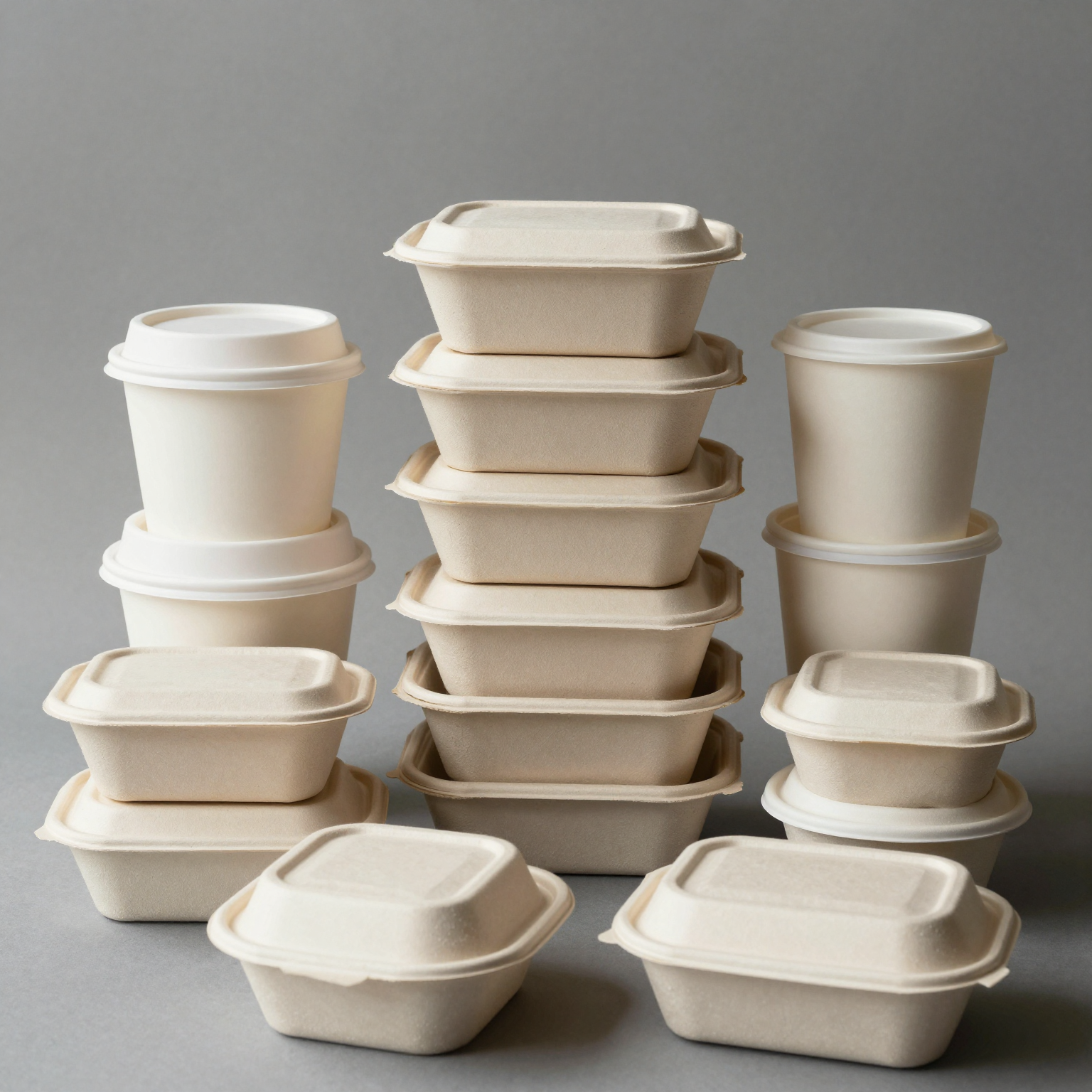
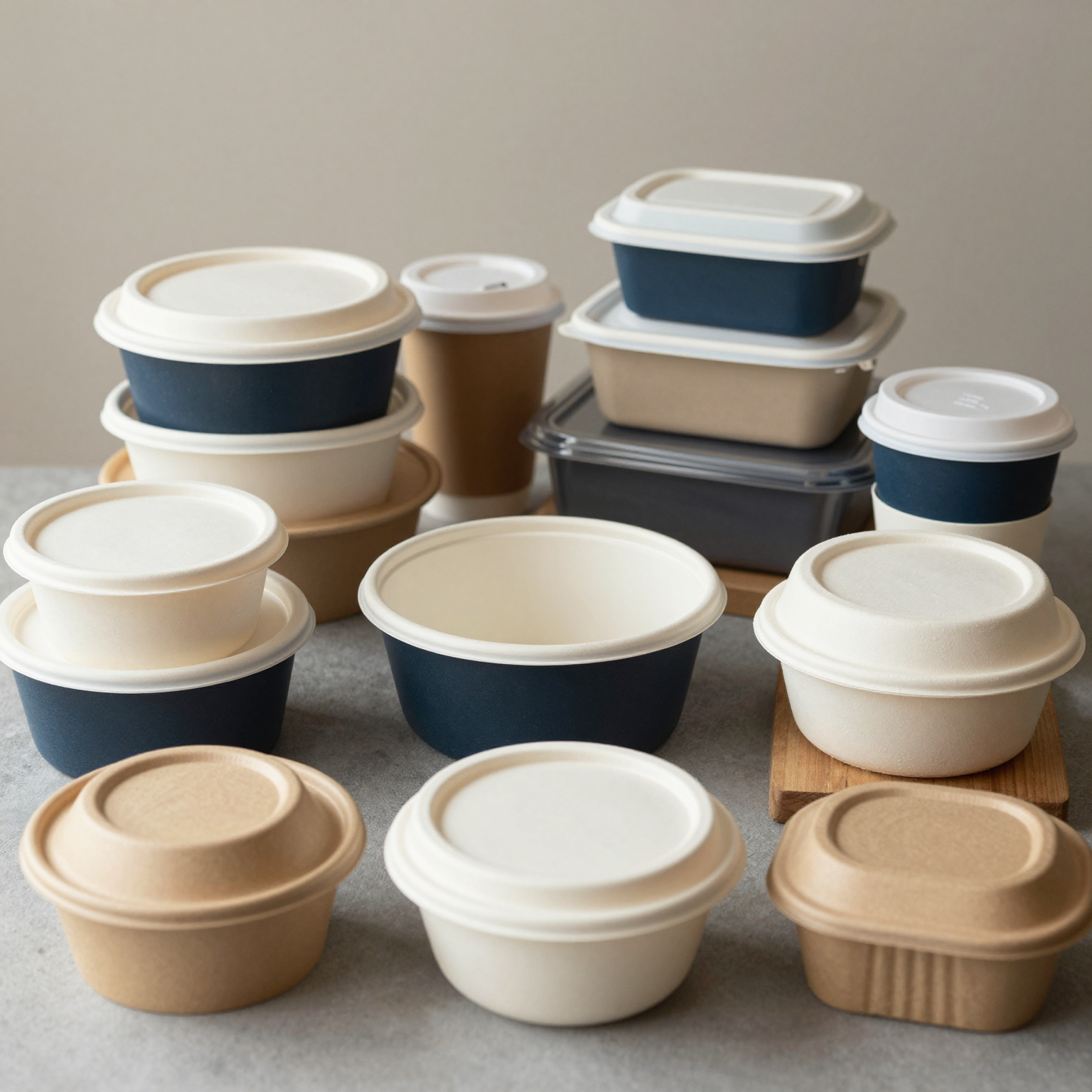
An array of eco-friendly disposable food containers suitable for various food service businesses.
In conclusion, the benefits of using disposable food containers-convenience, hygiene, cost-effectiveness, and customer satisfaction-underscore their importance in the food service industry. With these advantages, businesses can thrive in a competitive market while meeting the demands of their customers efficiently and sustainably.
Comparison of Disposable Food Containers
When selecting disposable food containers for your business needs, it’s essential to understand the various options available. Here’s a concise comparison of different types of disposable food containers, focusing on materials, sizes, temperature resistance, and their respective pros and cons.
| Material | Sizes Available | Temperature Resistance | Pros | Cons |
|---|---|---|---|---|
| Plastic | Small, Medium, Large | Up to 120°C | Durable, inexpensive, water-resistant | Environmental concerns, limited recyclability |
| Bioplastics | Varies (similar to plastic) | Up to 100°C | Eco-friendly, compostable under commercial conditions | Can be more costly, may not have the same strength as plastic |
| Paper | Small, Medium, Large | Up to 90°C | Biodegradable, customizable designs | Less durable with liquid, may not hold for hot foods |
This table will help guide you in making informed purchasing decisions for your bubble tea shop, restaurant, food truck, or catering service.
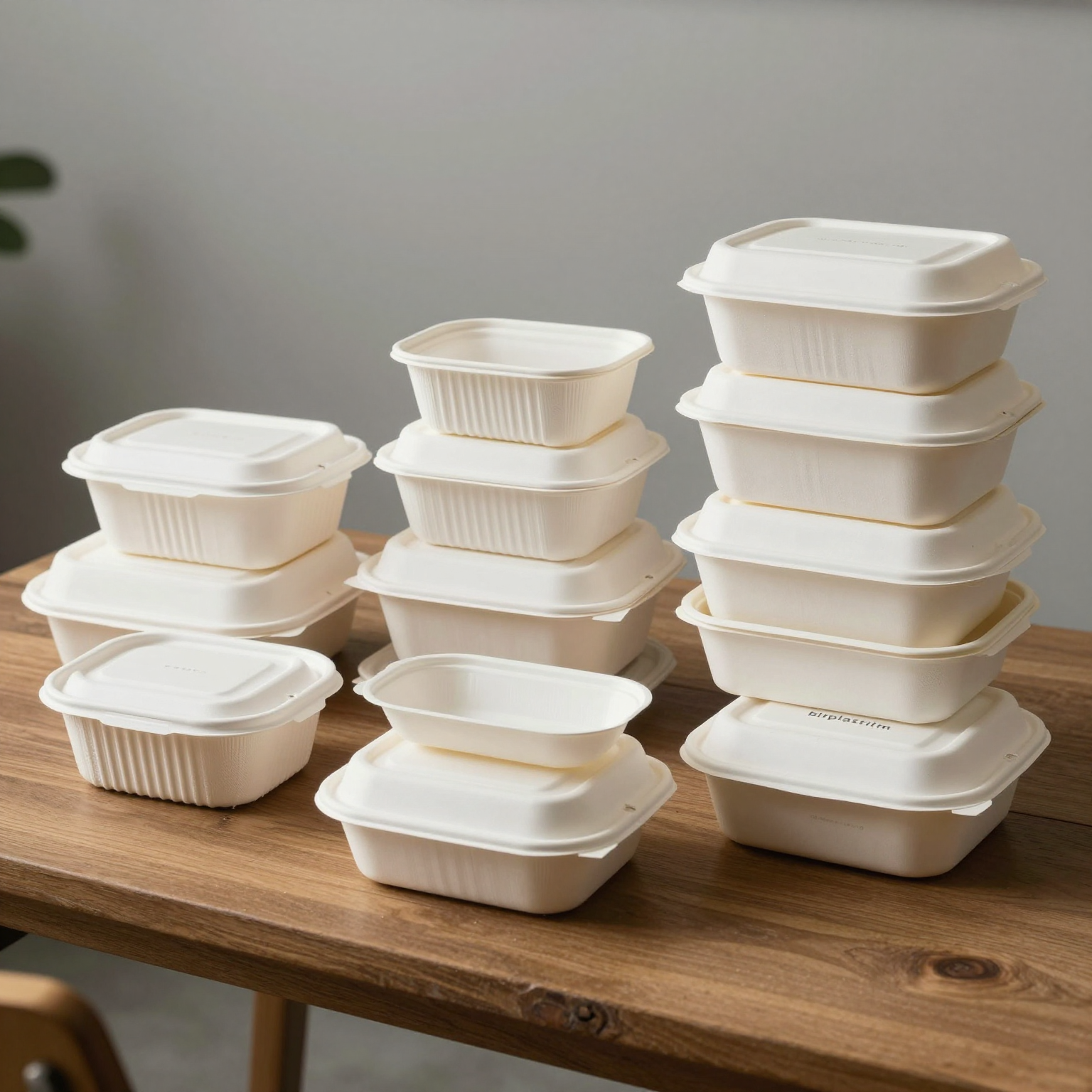
For more insights on selecting suitable food containers, you can learn more about customized octagonal paper bowls or check out the business benefits of sugarcane cups.
Customer Testimonials
Our disposable food containers have left a good impression on our clients in the food service sector. Here’s what some of them have to say:
“The quality of the disposable paper cups was outstanding! Our customers appreciated the eco-friendly aspect, and we saw an increase in customer satisfaction right away!”
- Ali, Owner of Bubblelicious Tea
“We were pleasantly surprised by the effectiveness of the biodegradable containers. They held up well during events and made cleaning up much easier. Definitely our go-to for future needs!”
- Rina, Catering Manager at Flavor Fiesta
For more on how disposable food containers can enhance your service, learn more about the benefits of sugarcane cups.
If you’re looking for reliable solutions for your food serving needs, our containers have got you covered!
Eco-Friendly Practices in the Production and Disposal of Disposable Food Containers
In an era increasingly defined by sustainability, eco-friendly disposable tableware stands out for its commitment to reducing environmental impact. Here at Cofe Cup, we have meticulously designed our disposable food containers not only to serve convenience but also to align with eco-conscious practices from the inception of production to their eventual disposal.
Environmentally-Friendly Materials
Our disposable containers are crafted from a range of biodegradable materials including:
- Sugarcane Pulp (Bagasse): This by-product of sugar production is fully compostable, breaking down in as little as 60-90 days under proper conditions.
- Bamboo: A rapidly renewable resource, bamboo containers decompose naturally within 90-120 days, ensuring minimal environmental disruption.
- Cornstarch (PLA): While PLA requires specific composting facilities, it provides an excellent alternative to traditional plastics, breaking down in 90 to 180 days.
- Wheat Straw and Palm Leaves: Both of these materials also decompose quickly, returning nutrients to the soil after use.
These materials not only reduce our reliance on fossil fuels but also support a circular economy by utilizing agricultural by-products that would otherwise go to waste.
Sustainable Production Practices
The manufacturing of our eco-friendly disposable tableware involves processes that consume significantly less energy compared to plastic production. Additionally, we prioritize the use of water-based dyes and steer clear of synthetic chemicals, further reducing our carbon footprint. The following sustainable practices are key:
- Utilizing renewable energy sources in production facilities.
- Minimizing waste by integrating lean manufacturing techniques.
- Conducting carbon footprint assessments to continually reduce emissions.
Certifications and Standards
Cofe Cup’s containers meet stringent certifications ensuring they adhere to eco-friendly guidelines. Some notable certifications include:
- BRC (British Retail Consortium): Ensuring high safety and quality standards.
- FSC (Forest Stewardship Council): Verifying that sourced materials are sustainable and responsibly managed.
- Compost Certifications: Indicating compliance with international standards for compostable products.
You can delve deeper into the importance of these certifications by checking out our detailed guide on eco-friendly certifications.
Responsible Disposal Practices
For our products to fulfill their eco-friendly promise, proper disposal is crucial. Here are best practices for disposing of our containers:
- Industrial composting is recommended for PLA and sugarcane products to ensure effective breakdown.
- Home composting may work for certain materials like bamboo and palm leaves, provided local conditions are favorable.
- Avoid mixing compostable items with regular waste, as this can hinder the composting process and release harmful pollutants.
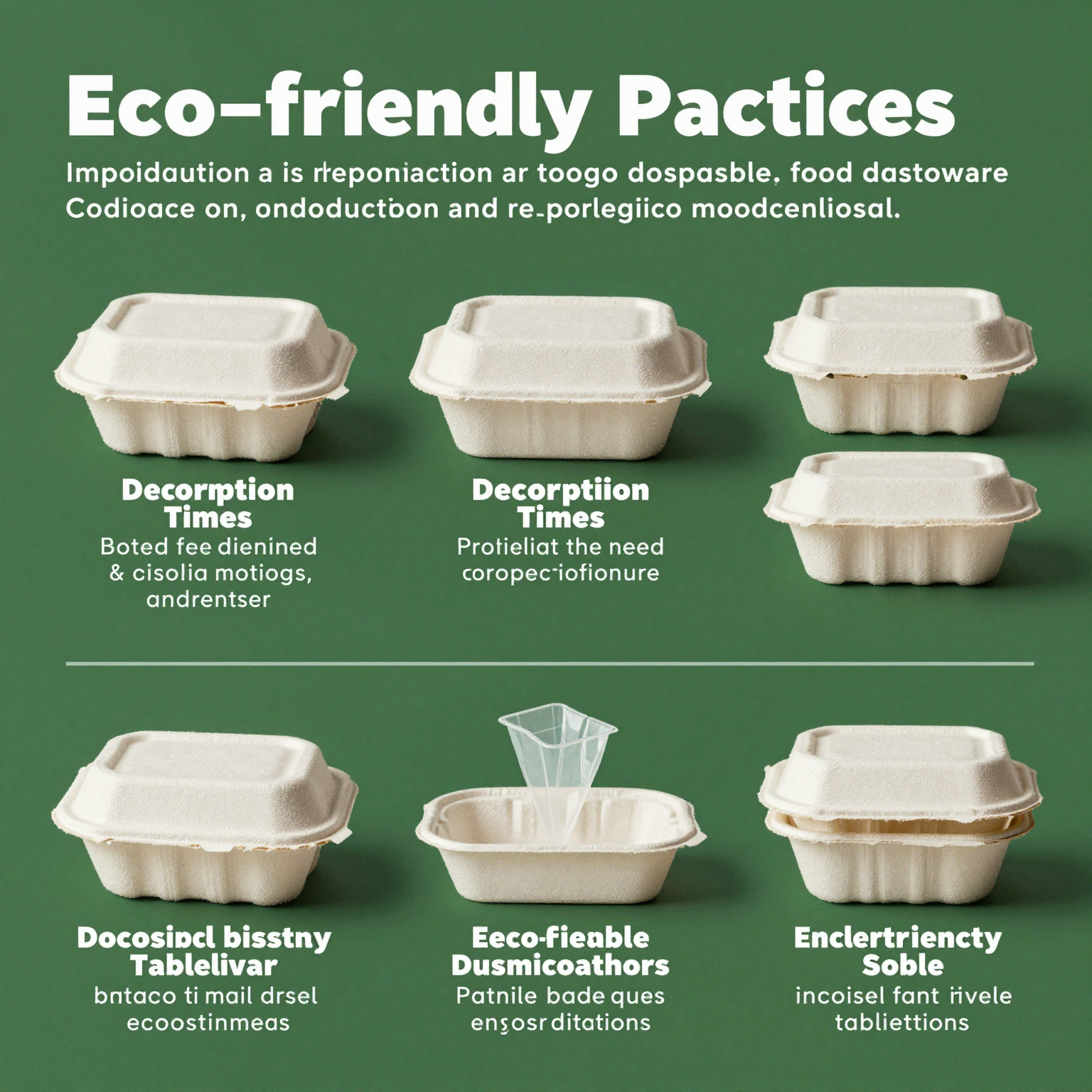
Visual Guide
For a succinct overview of these practices, check out our infographic below designed to visually represent our commitment to sustainability in the production and disposal of disposable food containers.
Conclusion
Choosing eco-friendly disposable tableware is a step towards a more sustainable future. Whether you’re running a bubble tea shop, a food truck, or planning an event, considering the environmental impact of your packaging can significantly contribute to a healthier planet. Together, let’s make eco-conscious choices with every meal served!
To learn about the business benefits of sugarcane cups, visit our blog on sugarcane cup benefits.
Current Market Trends in the Disposable Food Container Industry in Malaysia
The disposable food container industry in Malaysia is experiencing significant growth, particularly in the food service sector, driven by the popularity of online food delivery services. As consumer preferences shift towards convenience and takeaway options, the demand for quality disposable food containers has surged. Here’s a closer look at the current market trends and statistics that highlight this growth.
The Rise of Online Food Delivery Services
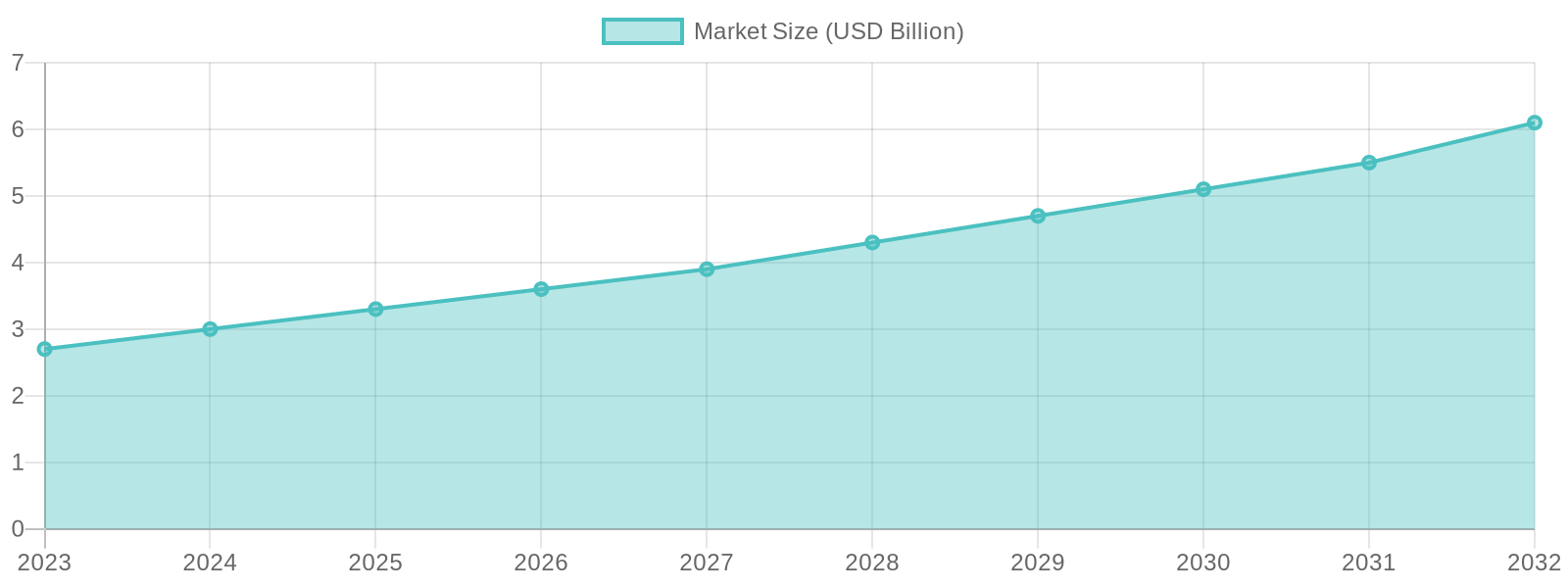
As of 2023, the online food delivery market in Malaysia was valued at approximately USD 2.7 billion and is projected to grow to USD 6.1 billion by 2032. This reflects a strong CAGR of 9.5%, highlighting an increasing preference for takeout and delivery among consumers. The graph below illustrates this growth trajectory:
Demand for Disposable Food Containers
The disposable food container market, particularly for food services, is expected to thrive alongside the online delivery trend. The market for disposable cups is the largest segment within food service disposables in Malaysia, estimated to achieve a compound annual growth rate (CAGR) of 17.24% from 2025 to 2032. This highlights an urgent need for quality disposable options that meet consumer and regulatory standards.
Consumer Preferences and Sustainability
Consumers are becoming increasingly aware of sustainability. There is a rising demand for eco-friendly disposable food containers, which has led to innovative advancements in packaging solutions. Materials like sugarcane and recycled paper are gaining traction as environmentally conscious options.
Conclusion
These trends indicate a robust market for disposable food containers in Malaysia, particularly for businesses involved in food service like restaurants, food trucks, and catering services. With the projected growth in online food order volumes, investing in quality, sustainable disposable options is more important than ever for maintaining a competitive edge. For more insights on innovative packaging solutions tailored to your needs, check out our sugarcane cup benefits.
Frequently Asked Questions about Disposable Food Containers
1. Are disposable food containers safe?
Absolutely! Many disposable food containers are made with materials that meet safety standards set by organizations like the FDA. It’s essential to choose containers that are labeled as food grade to ensure they are safe for food contact and won’t leach harmful chemicals. For more detailed information on safety standards, check out this resource on safety standards for food containers.
2. Can I customize my disposable food containers?
Yes, customization options are widely available for disposable food containers! Businesses can opt for personalized branding, different sizes, and various materials to suit their needs. Customizing your containers can enhance your brand visibility and customer experience. For insights on what to consider when customizing, visit this article on customizing food packaging.
3. What materials are commonly used for disposable food containers?
Disposable food containers can be made from various materials, including polypropylene (PP), PET, and sugarcane pulp. Each material has its benefits, from being microwave-safe to eco-friendly options that are compostable. For a comprehensive breakdown of materials, check out this complete guide.
4. How do I place an order?
Ordering your disposable food containers is easy! You can visit our website and navigate to the product categories that interest you. Once you find the containers you like, simply follow the prompts to place your order. If you have any specific requirements or need assistance, don’t hesitate to reach out to our customer service team!
5. Can I use these containers in the microwave?
Many disposable food containers are designed to withstand microwave temperatures; however, not all are suitable. Be sure to check the product specifications for microwave safety.
Feel free to reach out if you have more questions or need further assistance!
Cost Comparison of Disposable Food Containers in Malaysia
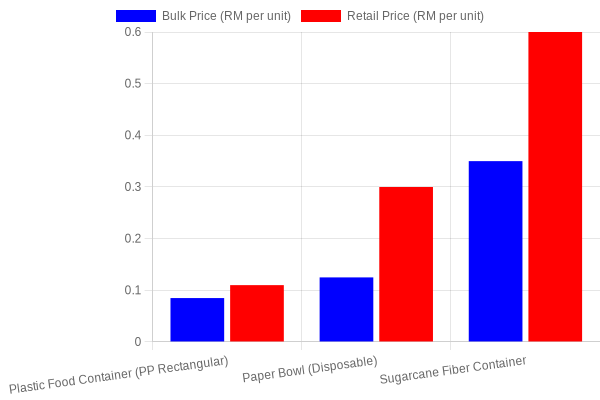
Understanding the cost differences between bulk and retail pricing for disposable food containers is crucial for businesses looking to manage their expenses efficiently. Below is a chart illustrating the cost comparison for various types of disposable food containers commonly used in the F&B industry.
Key Insights from the Chart:
- Plastic Food Containers (PP Rectangular):
- Bulk Price: RM0.085 (per set)
- Retail Price: RM0.11 (per set)
- Paper Bowls (Disposable):
- Bulk Price: RM0.125 (per piece)
- Retail Price: RM0.30 (per piece)
- Sugarcane Fiber Containers:
- Bulk Price: RM0.35 (per piece)
- Retail Price: RM0.60 (per piece)
Businesses, particularly those in the bubble tea and food catering industries, can save significantly by opting for wholesale purchases. This can lead to reduced per-unit costs and may help in streamlining overall procurement strategies.
➡️ Recommendation: Explore more about the benefits of purchasing disposable food containers wholesale.
For further insights on managing expenses in the food service industry, consider reading about hidden costs in food packaging.
Choosing the right disposable food containers is not just about packaging; it’s about ensuring your business’s success. For bubble tea shops, restaurants, food trucks, and catering services, the right containers can enhance customer experience, maintain food quality, and ensure compliance with health regulations. When you opt for disposable food containers wholesale in Malaysia, you don’t just get convenience – you secure the reliability that will keep your operations running smoothly.
At Cofe Cup, we pride ourselves on offering high-quality, eco-friendly disposable food containers tailored to your specific needs. Our commitment to exceptional customer service means that we are here to help you every step of the way, ensuring you make an informed choice that supports sustainable practices. Ready to transform your food packaging experience?
Contact us today for a tailored quote and discover how our solutions can elevate your business!