

In an era where sustainability is no longer just a choice but a necessity, eco-friendly dog food packaging presents a golden opportunity for businesses across the food industry-including bubble tea shops, restaurants, and food trucks. As consumers increasingly demand environmentally responsible products, using biodegradable and recyclable packaging can significantly enhance brand reputation and customer loyalty. This shift not only minimizes environmental impact but also aligns with corporate values that resonate with today’s conscientious consumers. For instance, food trucks can leverage eco-friendly packaging to attract a diverse clientele, while catering services can impress corporate procurement teams by showcasing their commitment to sustainability. By adopting these green practices, businesses not only contribute to a healthier planet but can also tap into a growing market of eco-conscious consumers. Discover the benefits of sugarcane cups for your business and learn how tailored packaging can elevate your brand.
The Benefits of Eco-Friendly Dog Food Packaging
As the world becomes more environmentally conscious, the importance of packaging is increasingly recognized across various industries, including pet food. Here are some compelling benefits of shifting to eco-friendly packaging for dog food:
Environmental Benefits
- Reduction of Plastic Waste: Eco-friendly dog food packaging is typically biodegradable or recyclable, significantly reducing the amount of plastic waste that ends up in landfills and oceans. This helps mitigate pollution and protects natural habitats. According to FinePack, sustainable packaging options contribute to a healthier planet by supporting recycling initiatives and reducing our carbon footprint. Learn more about sustainable practices.
- Conservation of Resources: Many eco-friendly materials are produced from renewable resources. Switching to these alternatives can lessen the dependence on fossil fuels used in traditional plastic production.
Commercial Benefits
- Cost-effectiveness: Investing in sustainable packaging can lower operational costs in the long run. According to Business.com, eco-friendly packaging not only reduces waste management fees but can also offer savings through bulk purchasing of sustainable materials. This repositioning presents businesses with the opportunity to cut costs while enhancing their environmental stance. Discover more on the economic advantages.
- Enhanced Brand Reputation: Brands that adopt eco-friendly packaging can significantly improve their market position. Customers today, especially younger generations, lean towards brands that prioritize sustainability and ethical practices. This shift not only reinforces customer loyalty but also draws in eco-conscious consumers who prefer brands that align with their values, thus expanding market reach.
Sustainability and Customer Trust
Ultimately, incorporating eco-friendly packaging in dog food products cultivates a sustainable business model that resonates with today’s consumers. This commitment can foster stronger relationships with customers, positioning brands as pioneers in responsible business practices. By aligning with eco-friendly values, companies can enhance their overall brand reputation and customer trust.
Eco-Friendly Materials for Dog Food Packaging
With increasing awareness about the environment, opting for eco-friendly packaging is a significant step in reducing our carbon footprint. Here is a list of sustainable materials that can be utilized for dog food packaging:
- Biodegradable Plastics: Made from natural materials, these plastics decompose naturally and do not contribute to pollution like traditional plastics.
- Recycled Paper: This is an excellent alternative as it reduces the demand for virgin pulp. Products like recyclable cardboard or paper bags used for packaging are easily recyclable.
- Plant-Based Plastics: Materials like PLA (polylactic acid) are derived from renewable resources such as corn and sugarcane, offering a more sustainable option than fossil-fuel-based plastics.
- Compostable Bags: Made from materials that break down into compost in a commercial composting facility, these bags leave no harmful residues behind.
- Glass Alternatives: Glass containers are 100% recyclable and can be reused multiple times, making them a great eco-friendly packaging option for premium pet food products.
- Mushroom Packaging: This innovative material is made from agricultural waste and mycelium, providing a biodegradable option that can be composted at home.
- Kraft Paper: Often used for food packaging, it is biodegradable and recyclable, making it a sustainable choice.
For businesses dedicated to sustainability, these options not only minimize waste but also appeal to environmentally-conscious consumers. Learn more about sustainable practices in pet food packaging and consider embracing these materials today! Also, check out our customized octagonal paper bowls for innovative serving solutions.
Comparing Eco-Friendly Packaging Options
When it comes to eco-friendly packaging, there are several options available that cater to different needs while also being kind to the environment. Below is a table that compares some common eco-friendly packaging materials based on criteria such as cost, durability, and environmental impact.
| Material Type | Cost (per unit) | Durability | Environmental Impact |
|---|---|---|---|
| Bamboo | Moderate ($0.50-$1) | High | Biodegradable |
| Sugarcane | Moderate ($0.30-$0.80) | Medium to High | Compostable |
| Recycled Paper | Low ($0.10-$0.50) | Medium | Recyclable |
| Bioplastics | Moderate ($0.40-$1.20) | High | Reduced fossil fuel use |
| Cornstarch | Higher ($0.50-$1.50) | Medium | Biodegradable |
Benefits of Eco-Friendly Packaging
Choosing eco-friendly packaging not only aids in minimizing your carbon footprint but can also improve your brand image. As consumers increasingly prefer sustainable options, adopting these materials may provide long-term benefits for businesses. Learn more about sustainable packaging options and the importance of making environmentally conscious choices in food service.
For businesses like bubble tea shops, restaurants, and food trucks, investing in eco-friendly packaging can lead to a stronger connection with eco-conscious consumers.
Regulatory Standards for Eco-Friendly Packaging
In the food industry, particularly for restaurants, catering services, and beverage chains, adherence to regulatory standards for eco-friendly packaging is vital. Various safety and environmental regulations govern how food is packaged to ensure safety for consumers while also promoting sustainability.
Key Compliance Requirements
-
Food Contact Materials: Restaurants must comply with safety regulations concerning food contact materials that ensure packaging does not leach harmful substances into food. Compliance is typically mandated by local food safety authorities, such as the Singapore Food Agency.
-
Sustainable Packaging Laws: Many jurisdictions have enacted laws aimed at reducing plastic waste. For instance, significant legislative amendments in places like Singapore require the use of sustainable packaging and the implementation of a mandatory waste reporting system for businesses (National Environment Agency).
-
Labeling Requirements: Restaurants must also comply with labeling laws. Labels need to clearly outline the recyclability of packaging materials and any composting instructions, ensuring transparency for consumers.
These compliance requirements not only help businesses avoid penalties but also enhance brand image through commitment to sustainability. As eco-friendly packaging becomes increasingly important, staying abreast of local regulations is essential for success in the industry.
Best Practices for Sourcing Eco-Friendly Dog Food Packaging
Sourcing eco-friendly dog food packaging involves a careful approach to ensure sustainability and trustworthiness. Here are some best practices:
-
Material Selection: Favor biodegradable materials, recyclable plastics, and paper-based options. Assess their environmental impact, ensuring they are derived from renewable resources. For instance, biodegradable materials have shown increasing sustainability scores over the years.
-
Supplier Trustworthiness: Choose suppliers who demonstrate commitment to sustainable practices. Check for certifications like FSC (Forest Stewardship Council) or Cradle-to-Cradle, indicating adherence to environmental standards.
-
Sustainability Certifications: Ensure that packaging is certified as eco-friendly. This includes verifying that suppliers employ eco-conscious practices in production.
-
Will they Reduce Plastic Waste?: Evaluate the company’s ability to minimize plastic usage without compromising quality and functionality.
-
User Preferences: Understand consumer trends favoring eco-friendly packaging. For insights, check out sustainable pet food packaging options and tips for transitioning to more sustainable packaging.
Sustainability Scores from 2021 to 2025
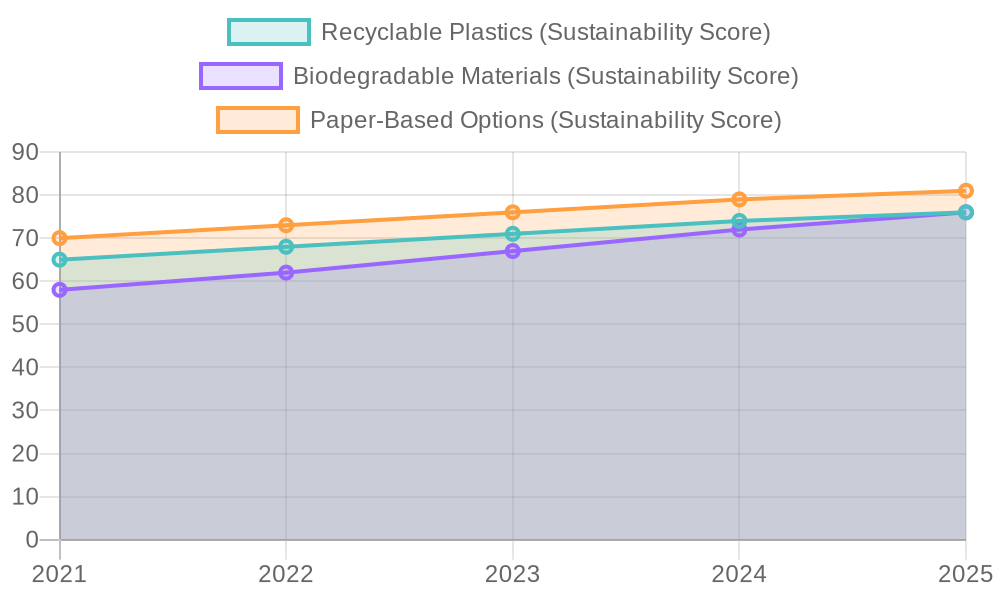
This chart outlines the trends in sustainability scores of key packaging materials from 2021 to 2025.
Consumer Preferences for Eco-Friendly Packaging
In recent years, there has been a noticeable shift in consumer attitudes toward packaging, especially in the food and beverage industry. As climate change and environmental concerns become more pressing, consumers are looking for sustainable and eco-friendly packaging solutions. According to a report by McKinsey & Company, 61% of global consumers express a preference for brands that use sustainable packaging. This statistic highlights a significant opportunity for businesses like bubble tea shops and restaurants to align their packaging strategies with consumer expectations.
Moreover, consumers are willing to pay a premium-ranging from 10% to 20%-for products packaged sustainably, indicating a strong commitment to eco-friendly practices. However, it’s essential to note that about 39% of consumers may still hesitate to pay extra for these options, primarily due to affordability concerns.
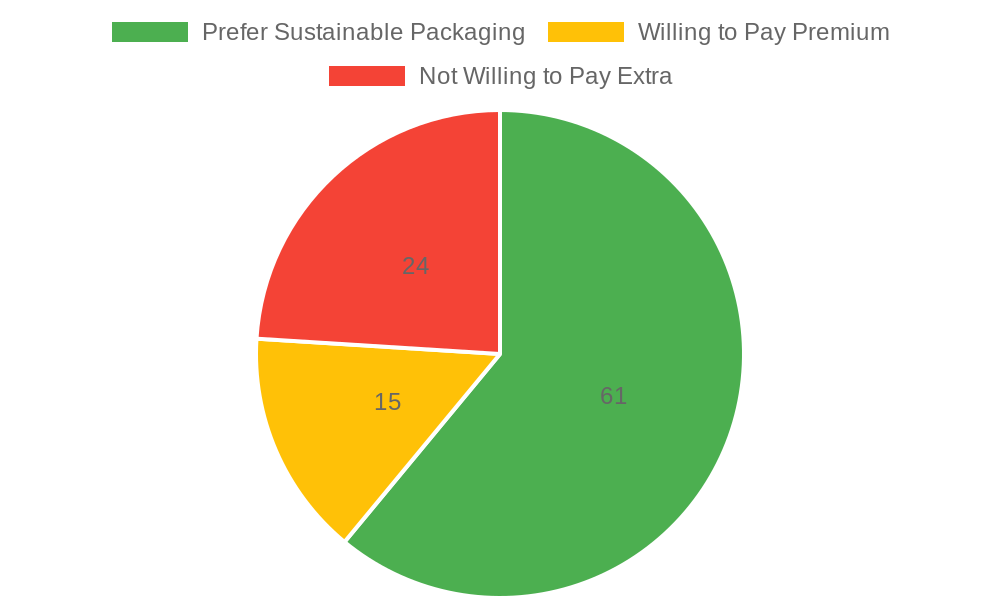
This pie chart summarizes the current trends in consumer preferences regarding eco-friendly packaging. Embracing these insights not only caters to consumer demands but also enhances brand reputation and aligns with broader sustainability goals. To dive deeper, you can explore how sugarcane cups can reduce your carbon footprint and improve your business model by visiting our article on sugarcane cup benefits.
The Shift Towards Eco-Friendly Dog Food Packaging
As the global focus on sustainability intensifies, the shift towards eco-friendly packaging is no longer just a trend but a necessity. The food industry, including businesses such as bubble tea shops, restaurants, and catering services, is increasingly challenged to adopt more sustainable practices. Environmental concerns, such as plastic pollution and climate change, drive this transformation.
Food packaging plays a critical role in preserving food quality and safety, but traditional packaging options often contribute significantly to environmental degradation. Companies are now exploring biodegradable, compostable, and recyclable materials to minimize their ecological footprint.
“Sustainable packaging not only addresses the environmental impact of our products but also resonates with conscious consumers looking for brands that align with their values.” – Caroline James, Atlantic Packaging.
By adopting eco-friendly dog food packaging, businesses can enhance their brand image while also attracting a growing demographic of environmentally-conscious consumers. Investing in sustainable packaging not only fulfills corporate social responsibility but also positions businesses as leaders in a rapidly evolving market.
For more insights on sustainable packaging solutions, learn more about sugarcane cup benefits and how it can positively impact your business.
In conclusion, the transition to eco-friendly dog food packaging is not merely a trend but a significant step towards sustainability. By adopting environmentally friendly packaging solutions, businesses can align themselves with a growing consumer demand for responsible practices that contribute to environmental conservation. Companies stand to gain not just from enhanced brand loyalty but also from reduced waste and compliance with future regulations. This transition showcases to customers that you value their preferences and the planet’s health.
For bubble tea shops, restaurants, food trucks, and other businesses in the food sector, partnering with companies like Cofe-Cup can facilitate this shift to sustainability. Learn more about the benefits of sustainable packaging and start your journey towards eco-friendly practices today. Together, we can make a positive impact, one package at a time.
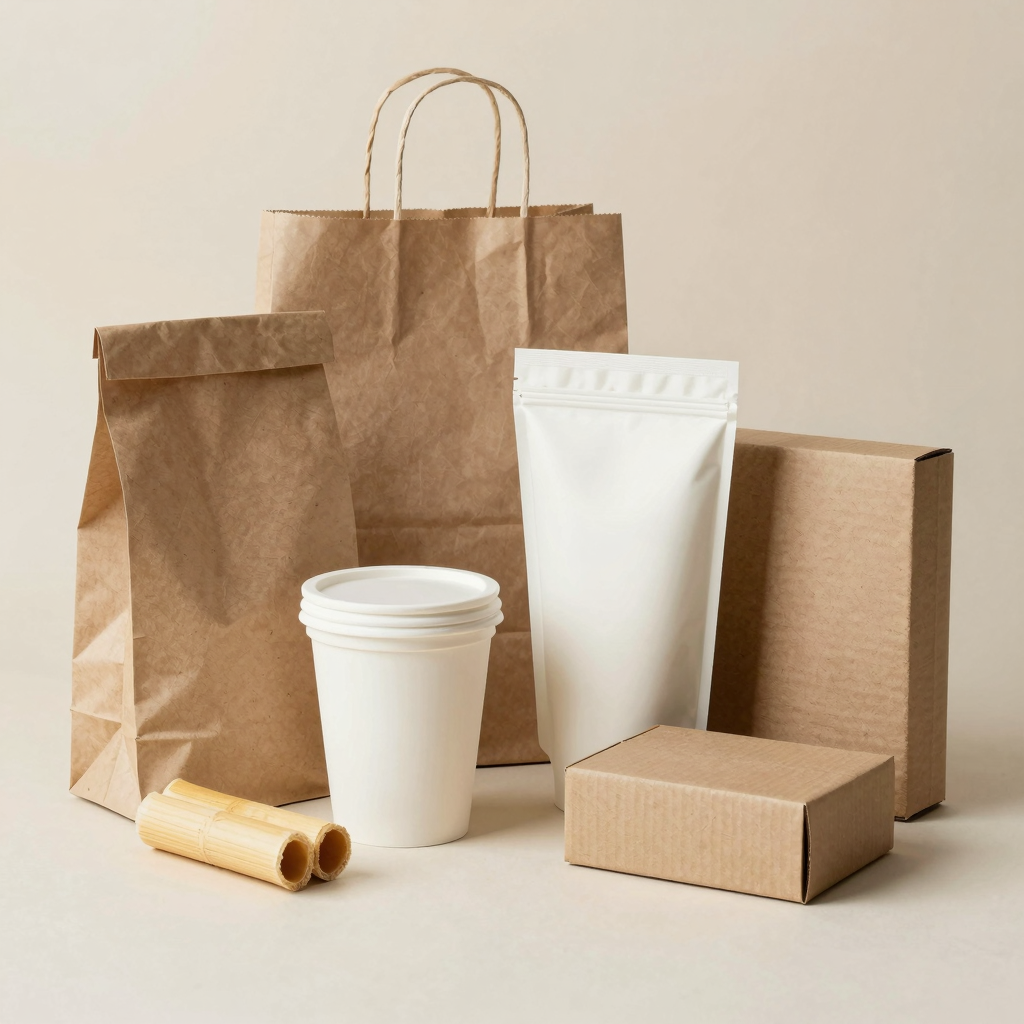
The image above illustrates various eco-friendly materials suitable for packaging, enhancing your understanding of sustainable options for your business. By choosing eco-friendly materials, you contribute to a healthier planet and attract environmentally conscious customers.