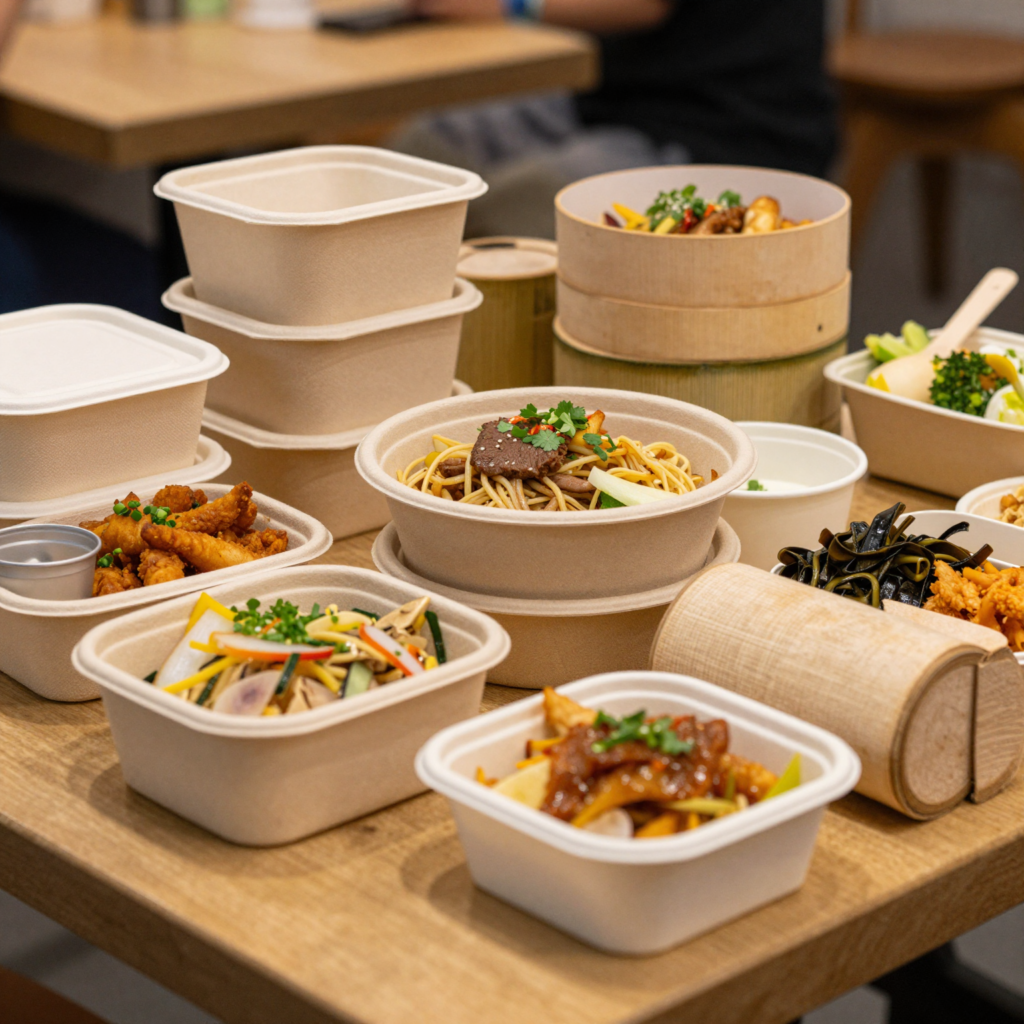
Introduction to Non-Plastic Food Containers
In today’s bustling food service industry, the impact of our choices extends far beyond taste and presentation. Traditional plastic food containers, once deemed convenient for restaurants, bubble tea shops, and event planners, have become synonymous with environmental challenges. With an estimated 300 million tons of plastic produced globally each year, much of this ends up polluting our oceans and affecting wildlife. Not only do plastics harm marine ecosystems, threatening over 1,500 species, but their production contributes significantly to greenhouse gas emissions, exacerbating climate change (US EPA). As awareness grows, the demand for sustainable alternatives is accelerating, leading to the rise of non-plastic food containers made from materials like sugarcane, bamboo, and compostable paper.
Switching to non-plastic options is not just a trend; it’s a commitment to protecting our planet. Consumers are increasingly gravitating towards businesses that prioritize eco-friendliness. For bubble tea shops and restaurants aiming to enhance their brand image, utilizing non-plastic food containers can be beneficial. They not only reflect a commitment to sustainability but also appease environmentally conscious customers seeking greener choices. By investing in eco-friendly packaging, food service providers can take a pivotal step towards a more sustainable future, ensuring their operations contribute positively to the environment while still delighting their patrons.
Embracing Non-Plastic Food Containers: Key Benefits
Switching to non-plastic food containers offers a plethora of advantages tailored to the needs of businesses in the food service industry. Here are some compelling reasons to make the transition:
-
Environmental Responsibility: Non-plastic containers, often made from biodegradable materials, help reduce plastic waste that contributes to extensive environmental damage. In fact, plastics can take up to 500 years to decompose, making eco-friendly options an essential choice for modern businesses. Learn more about the environmental impact of food packaging.
-
Cost Savings: While non-plastic containers may have a higher upfront cost, they often lead to long-term savings through reduced waste disposal fees and increased consumer loyalty due to positive brand image. Restaurants can leverage these savings while appealing to eco-conscious customers.
-
Safety and Health: Many non-plastic food containers are resistant to chemicals and do not leach harmful substances into food. This is particularly important for food safety in establishments serving beverages and meals.
-
Brand Image and Customer Attraction: Today’s consumers prefer businesses that reflect their values, including sustainability. By choosing non-plastic options, restaurants and food service companies can attract environmentally aware customers and enhance their brand’s reputation.
-
Versatility and Functionality: Many non-plastic containers are designed with efficiency in mind, offering solutions that are microwave safe, stackable, and resistant to moisture, making them suitable for various food types and preparation methods. Explore customized options for your business needs.
By opting for non-plastic food containers, businesses not only contribute to a healthier planet but also align with the growing demand for sustainable practices in the food service sector.
Material Comparisons: Paper, Bamboo, and Compostable Plastics in Food Containers
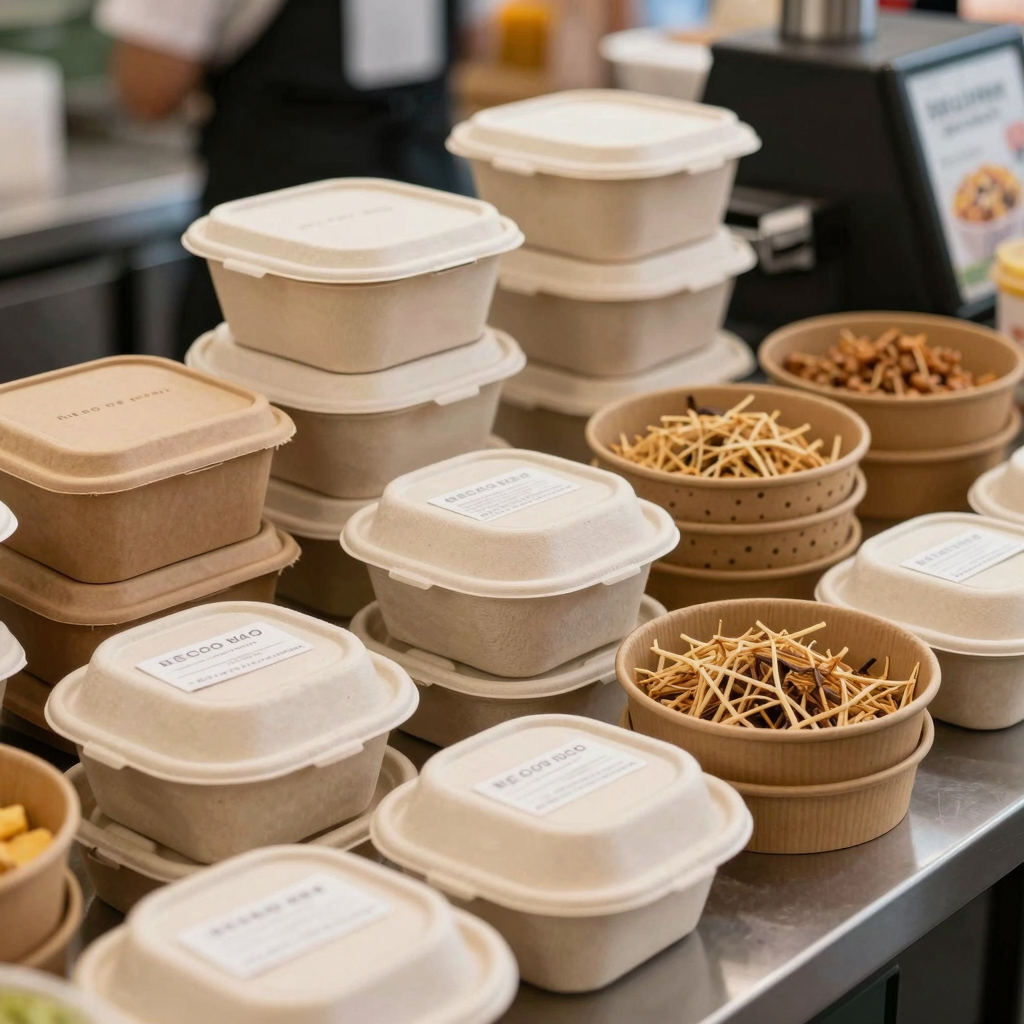
In today’s environmentally conscious market, businesses are increasingly prioritizing sustainable food packaging options. Three prominent materials emerging as alternatives to traditional plastic are paper, bamboo, and compostable plastics. Each brings unique benefits, especially in the food service industry, which includes bubble tea shops, catering services, and restaurants.
Paper
Paper containers, particularly those made from recycled fibers, are increasingly favored due to their biodegradability and recyclability. Unlike plastic, which can take centuries to decompose, paper breaks down more quickly, minimizing its environmental impact. Additionally, paper products often support local economies when sourced from sustainable forestry practices. Businesses can also customize printed options to enhance branding, making them visually appealing while contributing to eco-friendliness. To explore more about customized paper options, check out the benefits of customized octagonal paper bowls and learn about our environmentally friendly practices.
Bamboo
Bamboo is another innovative material increasingly utilized for food packaging. Known for its rapid growth and renewability, bamboo has gained recognition as an excellent alternative to plastic. Not only does bamboo require minimal resources to cultivate, but it also maintains strength and durability suitable for food containers. Products made from bamboo can withstand high temperatures and are entirely compostable at the end of their life cycle, returning to the Earth without leaving harmful residues. Bamboo’s effectiveness is especially beneficial for food service businesses that aim to align their operations with sustainability values. Furthermore, the aesthetic and tactile qualities of bamboo packaging can enhance customer experiences, appealing to eco-conscious consumers.
Compostable Plastics
Compostable plastics are designed to break down into natural elements in a compost environment, thereby reducing landfill waste. While these materials serve as a midway solution between conventional plastics and renewable sources, their production often involves specific conditions to ensure successful decomposition. Businesses can benefit from offering compostable food containers as part of their zero-waste initiatives, positioning themselves as leaders in sustainability within the food industry. Implementing compostable options can also resonate well with customers seeking to reduce their carbon footprint, enhancing brand loyalty.
Ultimately, the choice between paper, bamboo, and compostable plastic depends on several factors, including budget, branding, and the desired environmental impact. By opting for one of these sustainable materials, businesses can not only meet regulatory demands but also align with consumer expectations for responsible practices on their journey towards sustainability.
Comparison of Non-Plastic Food Container Suppliers
| Supplier Name | Material Type | Cost (per unit) | Delivery Time |
|---|---|---|---|
| Green Paper Products | Compostable paper | $0.25 | 5-7 days |
| Packing Green | Biodegradable materials | $0.30 | 3-5 days |
| Green Lab | Plant-based materials | $0.28 | 4-6 days |
| Cospaks | Various compostables | $0.22 | 7-10 days |
| lvdays.com | Mixed materials | $0.27 | 5-8 days |
Overview of Each Supplier:
- Green Paper Products: Specializes in compostable takeout containers. They offer customizable options and sustainable practices.
- Packing Green: Based in Singapore, they offer a variety of biodegradable packaging and are also available for sample requests.
- Green Lab: Focus on takeaway box solutions that are 100% compostable and biodegradable, emphasizing sustainable approaches.
- Cospaks: Offers various types of compostable packaging options. They have a strong focus on environmental impact.
- lvdays.com: A comprehensive supplier of environmentally friendly containers, focusing on versatility and support for eco-friendly business models.
For additional insights into compostable food containers and their benefits, consider checking out our resources on sugarcane cup benefits and disposable paper buckets technology.
This table provides a snapshot of supplier options available for food businesses transitioning to non-plastic solutions, showcasing the versatility in materials and price points to help meet sustainability goals.
Case Study: Transitioning to Non-Plastic Food Containers
Background
In recent years, businesses across the food service industry have taken strides towards reducing their environmental impact. One notable case is Essence Foods, a mid-sized catering company specializing in events and corporate catering. Faced with increasing plastic regulations and consumer demand for sustainability, Essence Foods decided to transition to non-plastic food containers, opting for biodegradable and compostable materials instead.
Implementation
Essence Foods started by replacing its traditional plastic containers with bagasse bowls and PLA (polylactic acid) containers sourced from sustainable suppliers. This shift was a significant step, not only in compliance with local regulations but also in aligning with the evolving expectations of eco-conscious consumers.
Benefits Experienced
- Environmental Impact: The transition greatly reduced plastic waste. Essence Foods reported a reduction of over 75% in plastic use within the first year, making a notable contribution to local waste reduction initiatives.
- Operational Efficiency: Non-plastic containers, such as those made from bagasse, are also more convenient for hot food items. Essence Foods noted that these materials insulated food better than their plastic counterparts, leading to fewer complaints about food temperature during events.
- Enhanced Brand Image: By taking this initiative, Essence Foods strengthened its market position as a leader in sustainable catering practices. This move attracted a new segment of clientele who prioritized eco-friendliness. In just six months post-transition, the company saw a 30% boost in inquiries, directly linked to their eco-friendly approach.
- Cost Savings: Initial supplier changes came with some costs; however, the company reported that bulk buying of sustainable containers led to extensive savings. They found that while the cost of non-plastic materials was slightly higher, reduced waste disposal fees and increased customer loyalty more than compensated for the difference.
Conclusion
The journey of Essence Foods illustrates the tangible benefits of shifting to non-plastic food containers. Beyond fulfilling regulatory demands, the initiative resulted in cost savings, operational efficiencies, and a stronger brand reputation. As food businesses continue to face pressure regarding environmental responsibility, transitioning to sustainable packaging will not only enhance operational practices but can revolutionize brand loyalty and attract a broader customer base.
For more insights into the benefits of eco-friendly packaging, you can learn about compostable food containers or check out the top benefits of biodegradable options.
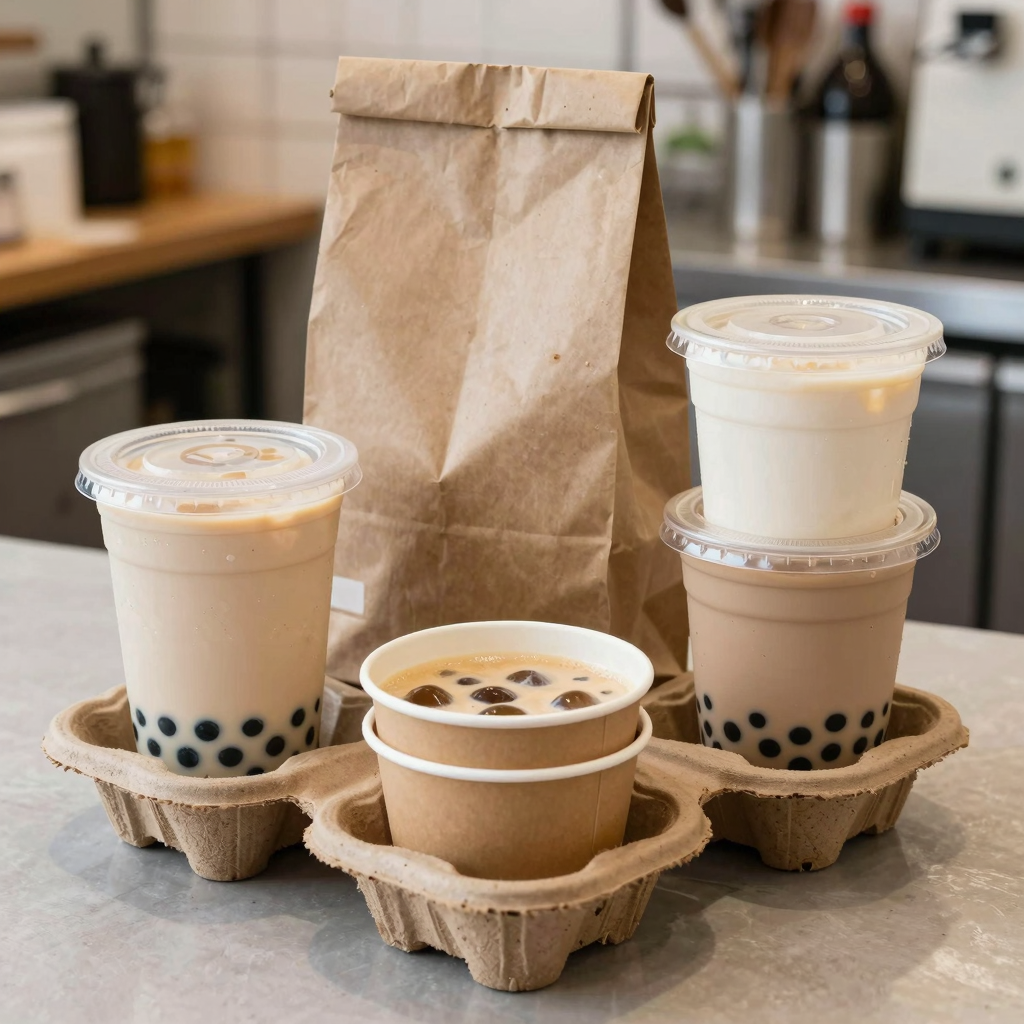
This visual showcases a selection of beautiful non-plastic food containers, enhancing the appeal of businesses adopting sustainable packaging solutions.
Insights from Industry Experts
“Packaging can be theater, it can create a story.” – Steve Jobs
This quote highlights the transformative power of packaging, particularly as businesses shift towards more sustainable options. Engaging packaging not only serves its functional purpose but also tells a cohesive story that resonates with consumers, especially in a market increasingly focused on environmental consciousness.
For more insights on sustainable packaging trends, check out McKinsey’s analysis on overcoming barriers in sustainable packaging.
Necessary Certifications
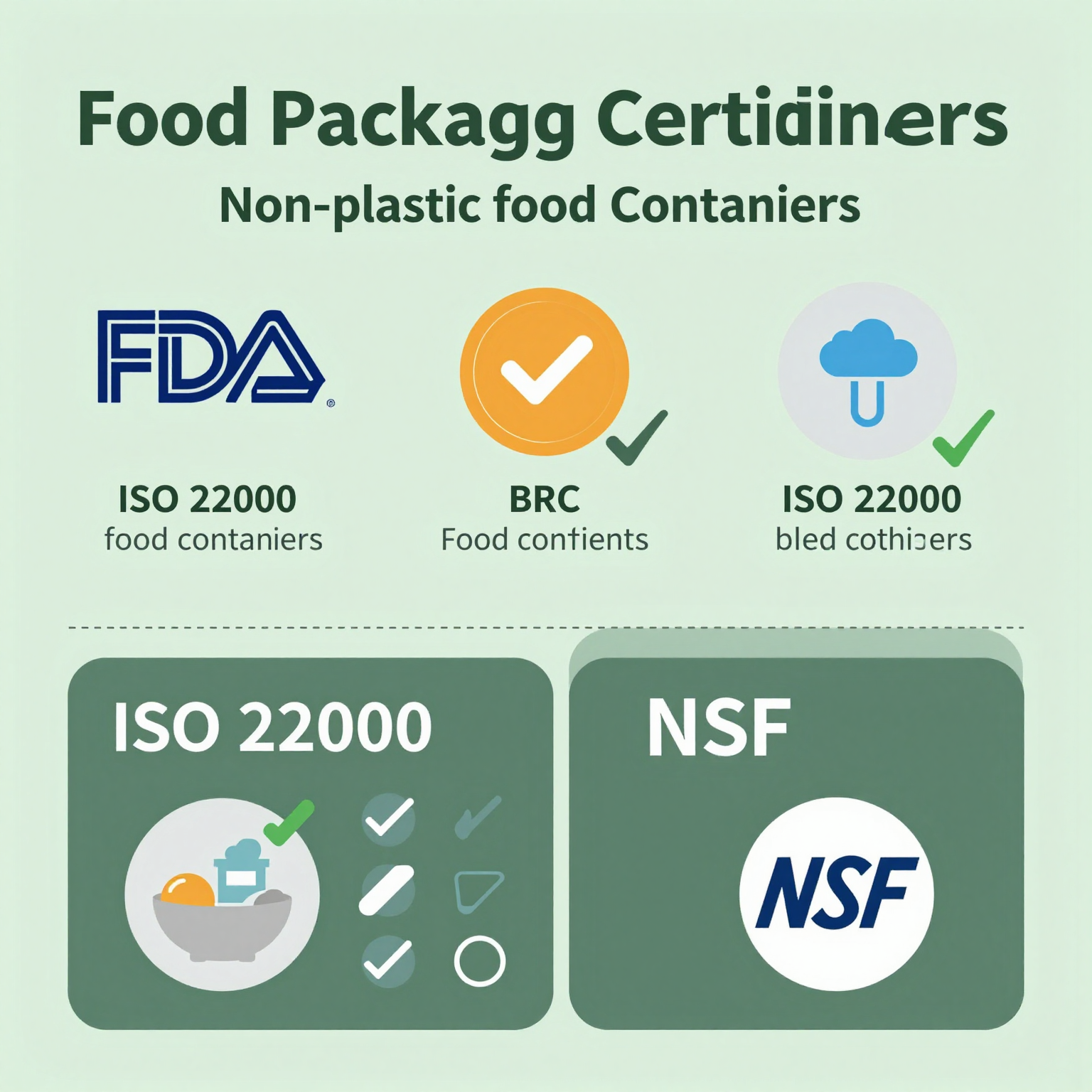
To ensure safety and compliance in the manufacturing of non-plastic food containers, several key certifications are essential. These certifications not only guarantee the safety of the materials but also provide validation to food service businesses. Here are the most important certifications:
| Certification | Purpose in Ensuring Safety and Compliance for Food Services |
|---|---|
| FDA (U.S. Food and Drug Administration) | Ensures that materials used in food packaging are safe for contact with food and comply with Good Manufacturing Practices (GMPs). |
| BRC (British Retail Consortium) Global Standard for Packaging | Sets rigorous standards for quality, safety, and operational management in packaging manufacturing, especially for products for retail supply chains. |
| ISO 22000:2018 | A globally recognized standard for food safety management systems, ensuring systematic identification and control of food safety hazards. |
| NSF International (NSF/ANSI 51 & NSF/ANSI 16) | Certifies that packaging materials are safe for food contact, meeting strict public health and sanitation standards. |
These certifications help manufacturers build trust with food service providers and ensure their products meet necessary safety regulations. For further insights into food packaging certifications, you can learn more here.
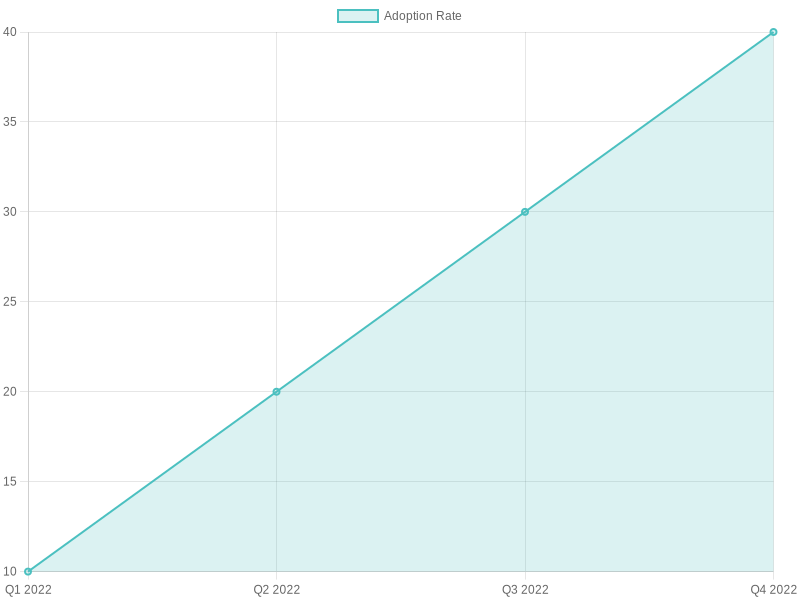
User Adoption Rates of Non-Plastic Food Containers
Increasing adoption of non-plastic food containers is a positive trend across various sectors in the food and beverage industry. This shift is largely driven by growing consumer awareness and demand for sustainable practices. Below is a chart illustrating the adoption rates over time for different business types, showcasing how environments such as restaurants, food trucks, and beverage chains are starting to embrace eco-friendly alternatives to traditional plastic containers.
Source: Cofe Cup
Despite challenges, the progress is encouraging as businesses recognize the long-term benefits of adopting non-plastic packaging solutions. For more insights on sustainable food packaging and its benefits, feel free to read about the business benefits of sugarcane cups and check out our custom octagonal paper bowls.
Conclusion and Call to Action
As we’ve explored throughout this article, the shift towards non-plastic food containers is not just a trend; it’s a necessity for a sustainable future. Businesses in the food service industry, including bubble tea shops, restaurants, food trucks, and catering services, are increasingly recognizing the benefits of switching to eco-friendly packaging solutions. Not only do these options reduce environmental impact, but they also align with consumer preferences. According to recent surveys, around 68% of consumers prefer 100% recycled packaging, while 65% opt for biodegradable alternatives. This data highlights the growing demand for sustainable packaging options and the clear opportunity it presents for businesses looking to lead in this space.
At Cofe-Cup, we are committed to providing high-quality non-plastic food containers designed to meet your specific needs. Our solutions include biodegradable cups, sugarcane bowls, and paper containers that not only uphold food safety but also enhance your brand’s commitment to sustainability.
Don’t wait for the change to happen; be a proactive participant in promoting a greener future. Choose our packaging solutions today, and let’s work together towards a sustainable tomorrow while ensuring that your customers receive their favorite meals and beverages in safe, eco-friendly containers. For more information on our various products and how they can benefit your business, explore our blog on the benefits of sugarcane cups or check out our collection of customized packaging options.
Make the switch today-because every small change contributes to a larger impact!