

In the vibrant world of the food and beverage industry, the importance of using food-safe plastic containers cannot be overstated. These containers ensure safety and hygiene, making them essential for bubble tea shops, restaurants, and catering services alike. With increasing concerns about food safety and quality, it’s crucial for businesses to select containers that meet stringent health regulations while also appealing to their customers. Whether dishing out a delightful bubble tea creation or storing ingredients for mouth-watering meals, food-safe plastic containers offer the perfect balance between convenience and compliance. They are designed to withstand various temperatures and are often reusable, making them eco-friendly choices for your business needs. For more insights on innovative packaging solutions, be sure to check out our guide on sugarcane cup benefits. Understand why choosing high-quality containers is essential for your success in the competitive culinary market.
Common Types of Food-Safe Plastic Materials
Choosing the right type of plastic for your food containers is essential for ensuring safety and quality. Here’s an ordered list of common food-safe plastic materials:
- Polyethylene Terephthalate (PET) – Widely used for bottles and containers, PET is lightweight and recyclable, making it a popular choice for beverages and food items.
- High-Density Polyethylene (HDPE) – Known for its strength and durability, HDPE is often used in milk jugs and grocery bags; it’s safe for direct food contact and is recyclable.
- Low-Density Polyethylene (LDPE) – Flexible and durable, LDPE is used in squeeze bottles and food wraps. It is also considered safe for food use.
- Polypropylene (PP) – This plastic is commonly used for yogurt containers and microwaveable products because of its high melting point and food safety properties.
- Polystyrene (PS) – Often found in disposable cutlery and containers, though it’s less commonly recommended for hot foods due to its lower heat resistance.
Each of these materials meets food safety regulations and is suitable for various applications in restaurants and food service environments. For more insights on the materials used for food packaging, check out our article on the importance of food-safe plastics.

Regulatory Standards for Food-Safe Plastics
In the realm of food safety, regulatory standards play a crucial role in ensuring that plastic materials used in food packaging are safe for public consumption. The FDA (Food and Drug Administration) is the primary authority governing these regulations in the United States. Here, we highlight key aspects of these guidelines and their implications for food service businesses such as bubble tea shops, beverage chains, and restaurants.
FDA Guidelines and Safety Standards
The FDA regulates not only food ingredients but also the substances that come into contact with food, including packaging materials. According to FDA guidelines, all food-contact substances must be safe for consumer health and meet specific safety standards set forth by the agency.
- Food Contact Substances (FCS): The FDA classifies materials intended to come into contact with food under FCS regulations. These materials include various plastics, which must undergo rigorous testing to confirm their safety. More on this can be found in the FDA’s Packaging & Food Contact Substances section.
- Compliance and Approval: Businesses need to ensure that their packaging materials comply with FDA standards, which include assessments of migration (the movement of substances from plastic to food) and overall safety in reproductive and developmental toxicity.
- Notification and Review Process: Any new food-contact substance must be notified to the FDA before it is marketed, ensuring a thorough review of its safety.
Implications for Food Safety
Adhering to these regulatory standards is essential for any food service operation. Failure to comply can lead to health risks and potential legal ramifications. For businesses looking to enhance their food safety measures, staying informed about recent updates from the FDA and other regulatory bodies is vital. For deeper insights into proper materials usage, explore the FDA’s comprehensive resources.
The investment in compliant food-safe plastics not only protects consumers but also bolsters a business’s reputation in the increasingly health-conscious market. By navigating the regulatory landscape effectively, food service providers can ensure their products are not only delicious but also safe for all.
| Plastic Type | Safety Level | Common Uses | Temperature Tolerance |
|---|---|---|---|
| PET | Generally safe | Bottles, food containers | Up to 70 °C (158 °F) |
| HDPE | Generally safe | Grocery bags, milk jugs, containers | Up to 120 °C (248 °F) |
| PP | Generally safe | Food containers, utensils | Up to 150 °C (302 °F) |
This table provides an overview of the safety levels, common uses, and temperature tolerances of different plastic types. It’s important for bubble tea shops, restaurants, and food-related businesses to understand which plastics are appropriate for food contact. For instance, PET is commonly used for beverage bottles but has a lower temperature tolerance compared to HDPE and PP. Meanwhile, PP stands out for its high heat resistance, making it ideal for hot food containers. Understanding these differences can help you select the right materials for food safety and quality.
User Reviews of Food-Safe Plastic Containers
When it comes to food-safe plastic containers, user feedback from food trucks, bubble tea shops, and restaurants largely emphasizes satisfaction with both quality and practicality. Many operators find these containers essential for their operation, citing that they help in maintaining food safety and enhancing food presentation.
Positive Feedback
- Durability and Reliability: Users often highlight the durability of these containers, which withstand transportation stresses. For example, Green Dispo Pack points out that adaptability in serving hot items is a significant factor for food trucks, leading to increased customer satisfaction.
- Aesthetic Appeal: Many bubble tea shops find that attractive food containers enhance their product’s appearance, which is crucial for social media marketing. According to a review from Eco Cup Bowl, the right selection of plastic containers boosts visual appeal, contributing to better customer experiences.
- Safe and Eco-friendly Options: Operators often prefer containers labelled as BPA-free, which are marketed as safer for food contact. This is echoed by guidance from the Singapore Food Agency, which reviews best practices for consumer safety.
Common Practices
- Usage in Events: Catering services appreciate lightweight plastic containers that maintain food freshness and are easy to transport, as gleaned from trends observed in various food businesses.
- Sustainability Trends: Many customers are leaning toward biodegradable options. This aligns with recent discussions around eco-friendly practices highlighted in articles about effective food packaging solutions.
In conclusion, food-safe plastic containers are regarded as a vital component by food trucks, bubble tea shops, and restaurants for ensuring both food safety and customer satisfaction, reinforcing their critical role in the food service industry.

Benefits of Using Food-Safe Containers
In the fast-paced world of food service, using food-safe plastic containers offers numerous advantages that are essential for maintaining quality and ensuring customer satisfaction. Here are some key benefits:
-
Safety: Food-safe plastic containers are designed to prevent contamination. They comply with safety standards, making them suitable for holding various food items without posing risks to health. Maintaining food hygiene is a priority in any food service business, and these containers play a crucial role in achieving that.
-
Durability: These containers are constructed to withstand various conditions, from extreme temperatures to rough handling. They are less likely to break or warp compared to glass or other materials, ensuring they can be used repeatedly without compromising safety.
-
Convenience: Lightweight and often stackable, food-safe containers make storage, serving, and transportation much easier. Their design enhances operational efficiency in bustling environments like restaurants and food trucks.
-
Customer Perception: Using high-quality plastic containers can positively impact a customer’s dining experience. They convey professionalism and attention to food safety, fostering a trustworthy brand image. Happy customers are likely to return and recommend your business to others.
By leveraging the benefits of food-safe plastic containers, businesses can not only ensure compliance with health regulations but also enhance the overall customer experience in the food service industry. For more insights into sustainable options, learn about the benefits of sugarcane containers.
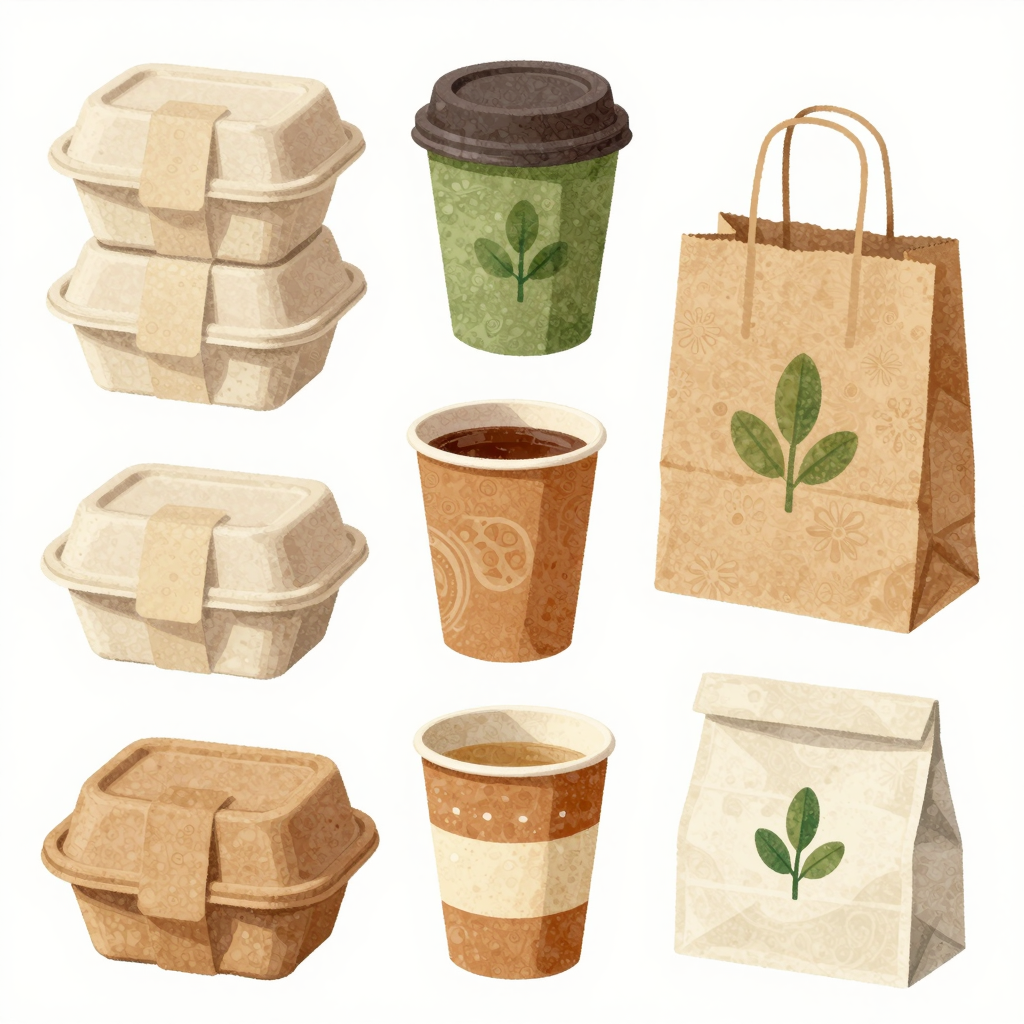
In conclusion, using food-safe plastic containers is crucial for maintaining the safety, quality, and integrity of your food products. By selecting appropriate food-grade plastics, businesses can ensure hygienic storage and transportation while minimizing contamination risks. As outlined, the importance of sourcing from reliable suppliers cannot be overstated. Choosing suppliers who adhere to strict safety standards, provide transparent product information, and understand the unique needs of your industry is essential for success. Therefore, we encourage you to reach out to us at Cofe Cup, where our experts can assist you with tailored quotes for your specific requirements. Investing in quality food-safe containers ensures your business thrives while keeping customer safety at the forefront. Don’t hesitate-contact us now to elevate your food packaging solutions!
The Significance of Food Safety in Plastic Containers
“Plastic food packaging is considered safe when used as intended, but it is vital to be cautious about how it’s used, especially in terms of heat and contact with acidic foods.”
- Expert from Singapore Food Agency.
Learn more about safe use of plastic food packaging.
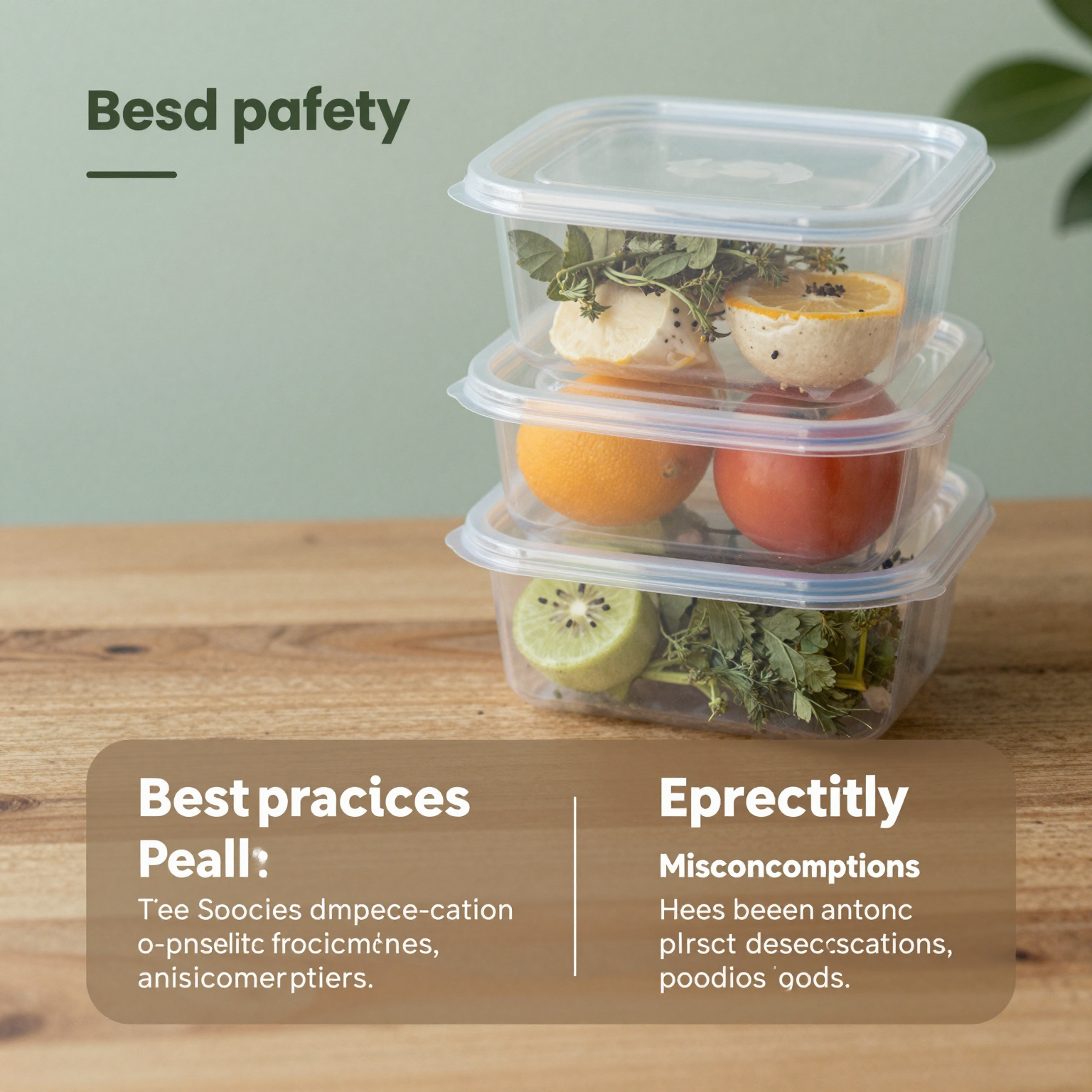
Understanding the nuances of food safety within the realm of plastic containers is crucial for businesses in the food industry. As highlighted by experts, the way plastic packaging is utilized can significantly influence its safety. Awareness and education around proper usage can help mitigate risks associated with food safety.
For more insights into suitable materials and food safety best practices, check out our blog on sugarcane cups business benefits.