

Introduction to Baby Food Safety in Plastic Containers
Ensuring the safety of baby food is a paramount concern for businesses operating in the food service industry, particularly as parents become increasingly aware of what they are feeding their little ones. With a variety of options available, including commercially packaged meals often stored in plastic containers, it’s crucial for food service providers-from bustling restaurants to niche bubble tea shops-to understand the implications of plastic use in this context. The relevance of food safety in baby food cannot be overstated as it directly affects consumer trust and health.
The use of plastic containers can present potential risks if they leach harmful chemicals into the food, leading many to question whether they are suitable for storing baby food. This topic resonates not only with parents but also with event planners, food truck operators, and corporate procurement teams who must consider both safety standards and the perception of their brand when selecting materials for their food products. Understanding and implementing best practices for using plastic containers can enhance food safety and ensure that your business remains compliant with health regulations. By prioritizing baby food safety in your operations, you place the well-being of children first, which can significantly improve your company’s reputation in the competitive food service landscape. For further insights on sustainable materials, feel free to check our blog on sugarcane cup benefits and customized octagonal paper bowls.
Eco-Friendly Alternatives to Plastic Containers for Baby Food
-
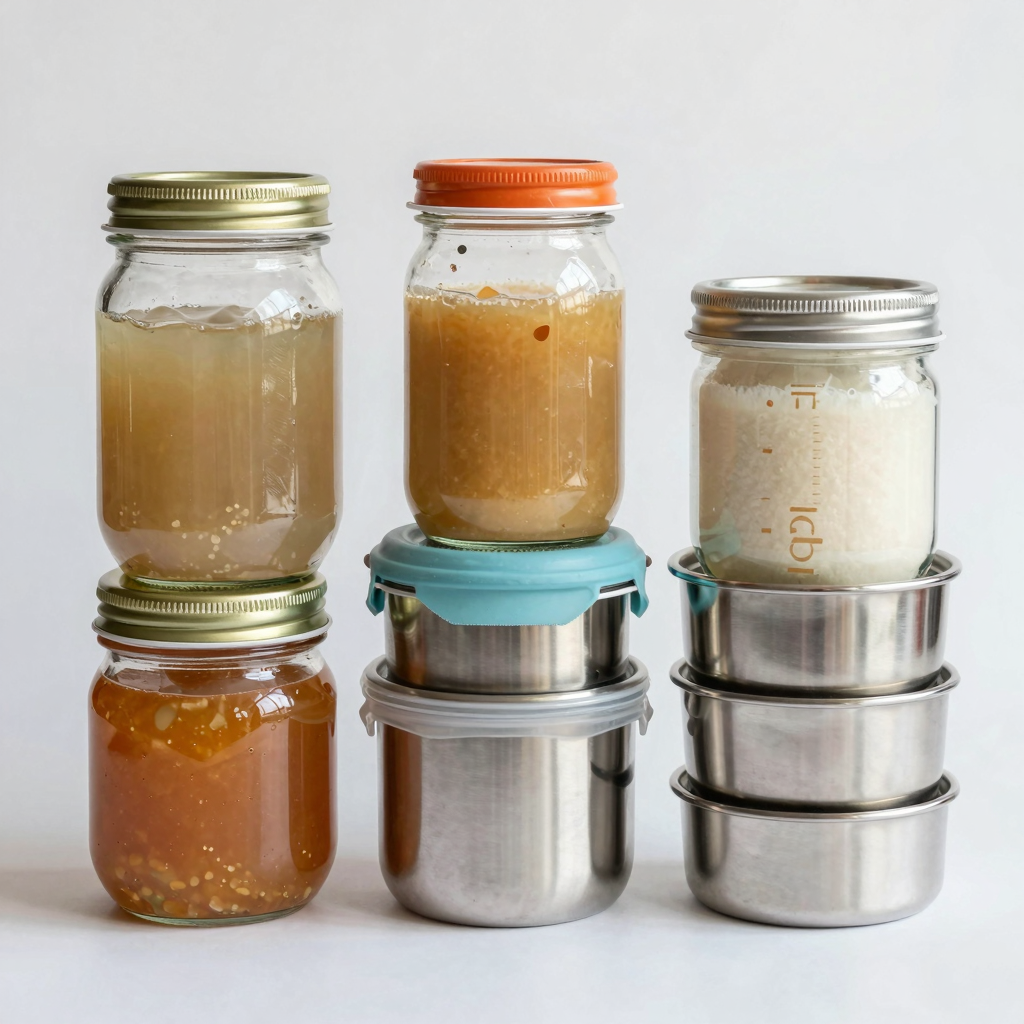
Glass Containers: Glass is non-toxic, reusable, and recyclable. It doesn’t leach harmful chemicals, making it safe for storing baby food. They’re also easy to clean and can last for years.
-
Stainless Steel Containers: These are durable and resistant to corrosion, making them a long-lasting option. Stainless steel is also lightweight, making it suitable for on-the-go feeding.
-
Silicone Containers: Flexible and reusable, silicone containers are BPA-free, heat-resistant, and perfect for storing baby food. They are also microwave and dishwasher safe.
-
Biodegradable Materials: Options made from plant-based materials, such as cornstarch or sugarcane, are compostable and reduce waste. They offer a sustainable solution for disposable needs.
-
Bamboo Containers: Bamboo is a renewable resource that is both sturdy and biodegradable. Bamboo containers are eco-friendly and add a natural touch to baby food storage.
These alternatives not only help to reduce plastic waste but also promote a healthier lifestyle for both your baby and the environment. If you’re interested in learning more about sustainable packaging options, read more about sugarcane cup benefits or explore customized octagonal paper bowls.
In conclusion, the safety of baby food should be a top priority for both parents and businesses alike. When selecting packaging for baby food, it is critical to choose materials that are free from harmful chemicals, safe for infants, and capable of preserving food quality. As industry leaders in food packaging solutions, we have the responsibility to ensure that we provide products that align with safety standards and consumer expectations. With the increasing awareness about the implications of plastic use and the potential risks associated with it, businesses must adopt reliable alternatives that not only cater to the health and safety of little ones but also reflect a commitment to sustainability.
At Cofe Cup, we are proud to offer a range of solutions, including eco-friendly sugarcane bowls and custom paper packaging, designed specifically for the safe storage of baby food. We urge all stakeholders in the food industry to prioritize safe packaging choices that protect our youngest consumers. Reach out to us today to explore our comprehensive range of safe and sustainable packaging options and ensure your offerings meet the highest safety standards for baby food. Together, we can create a safer future for our children and their meals.