
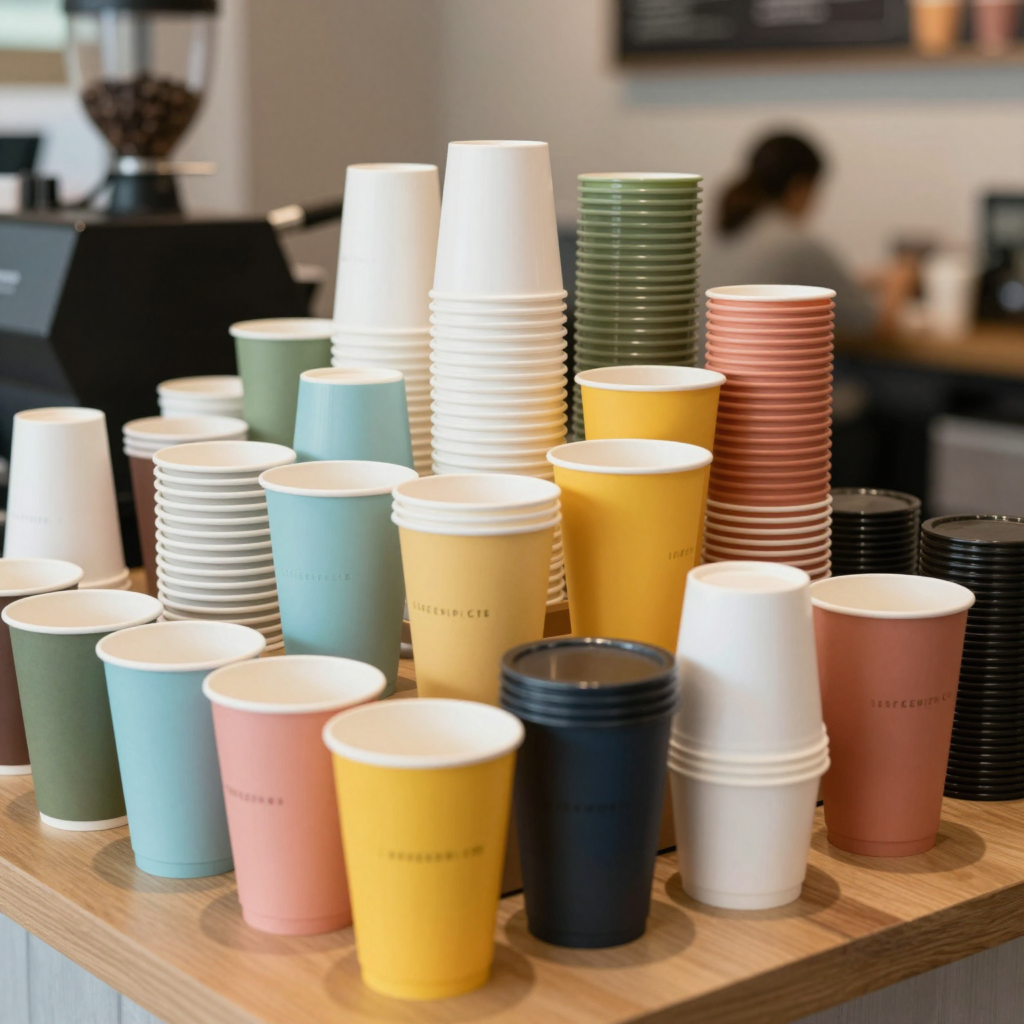
In the vibrant and fast-paced world of the beverage industry, the importance of plastic disposable cups cannot be overstated. These versatile containers serve as vital components for a range of businesses, from bustling bubble tea shops to expansive catering services. Not only do they offer convenience, but they also provide a cost-effective solution for serving drinks on-the-go, aligning perfectly with modern consumer demands for convenience and sustainability. When considering the plastic disposable cups price, one must evaluate various factors including volume needs, quality, and branding opportunities. Understanding these price considerations is crucial for businesses aiming to optimize their disposable tableware investments while ensuring an excellent customer experience. With the right choices, companies can leverage plastic disposable cups as a powerful asset in their operational toolkit, enhancing service delivery and contributing to increased customer satisfaction.
As of 2023, the pricing of plastic disposable cups is influenced by several key factors, including demand fluctuations, eco-friendly initiatives, and shifts in industry practices. Below are the primary trends shaping the market:
- Rising Demand
- The demand for plastic disposable cups remains robust, particularly in the foodservice and beverage sectors. As restaurants, cafes, and catering services adapt to changing consumer preferences for convenience, the need for disposable cups grows. This increased consumption places upward pressure on pricing.
- Eco-Friendly Practices
- With a growing focus on sustainability, many businesses are moving towards more eco-friendly packaging solutions. This shift, while beneficial for the environment, has led to increased production costs. Manufacturers are investing in research and development to create biodegradable and compostable options, which can be more expensive to produce than traditional plastic. Consequently, these costs may be passed on to consumers, affecting plastic disposable cups price.
- Regulatory Changes
- Governments worldwide are implementing stricter regulations on plastic usage, driving companies to adapt their product offerings. For instance, bans on single-use plastics in certain regions can lead to a temporary spike in prices as manufacturers scramble to comply and shift their product lines toward sustainable alternatives.
- Supply Chain Dynamics
- The COVID-19 pandemic exposed vulnerabilities within supply chains, influencing the availability of raw materials required for producing plastic cups. Disruptions in distribution and increased shipping costs have contributed to ongoing price fluctuations in the market.
- Technological Advances
- Innovations in manufacturing processes are helping to reduce production costs of disposable cups. New materials and improved efficiency can lead to lower prices in the long term. However, initial investment in new technology can raise costs temporarily as companies transition.
Overall, businesses in sectors such as bubble tea shops, restaurants, and food trucks need to stay informed about these trends to navigate pricing effectively. Learn more about eco-friendly packaging to understand its impact on your operations.
In conclusion, while the market for plastic disposable cups remains strong, the factors driving price shifts are multifaceted. Companies must carefully consider these trends as they develop strategies for procurement and pricing.
| Type of Cup | Supplier Name | Price per 100 units | Eco-Friendly (Yes/No) |
|---|---|---|---|
| Standard Plastic Cup | Supplier A | $10-$15 | No |
| Standard Plastic Cup | Supplier B | $12-$18 | No |
| Eco-Friendly Cup | Supplier C | $20-$25 | Yes |
| Eco-Friendly Cup | Supplier D | $22-$30 | Yes |
Factors Affecting Pricing of Plastic Disposable Cups
When it comes to purchasing plastic disposable cups, especially for businesses like bubble tea shops, restaurants, and caterers, several key factors come into play that influence pricing. Here’s a friendly breakdown of these factors:
1. Material Quality
The quality of the materials used in manufacturing disposable cups significantly affects their price. Cups made from high-quality plastics, such as polypropylene, are often more durable and can withstand a range of temperatures. In contrast, cheaper alternatives may use less resilient materials that can affect performance, particularly for hot beverages. Higher quality usually means better taste preservation and a more enjoyable drinking experience, which is why businesses often lean towards quality despite higher initial costs.
2. Bulk Purchasing Discounts
For businesses that regularly use disposable cups, buying in bulk can yield substantial savings. Manufacturers typically offer discounts for large orders, which can dramatically reduce the unit cost. This is particularly beneficial for food trucks and catering services, where daily volume can be quite high. Taking advantage of these bulk purchasing options not only lowers costs but also ensures a steady supply of cups, saving time and effort in frequent reordering.
3. Market Competition
The level of competition in the market can greatly influence pricing. In areas with many suppliers, prices may be more competitive, driving costs down. Conversely, if only a few suppliers dominate the market, they can maintain higher prices. Additionally, seasonal demand, like during summer months when cold drinks are popular, can lead to price fluctuations. Keeping an eye on market trends and competitor pricing can assist businesses in securing the best deals and staying within budget.
Conclusion
Understanding these factors can help businesses make informed decisions about their purchases of plastic disposable cups. By considering material quality, taking advantage of bulk discounts, and monitoring market competition, businesses can effectively manage their costs while ensuring they provide quality products to their customers. If you’re looking for further insights on sustainable beverage packaging options, you might find our article on sugarcane cup benefits helpful.

An illustration depicting various settings where plastic disposable cups are commonly used, including vibrant scenes of parties, cafes, food trucks, and outdoor events. The visual focuses on colorful representations of diverse people enjoying drinks from plastic disposable cups.
“As a beverage chain owner, I’ve learned that the quality of our disposable cups can make or break a customer’s experience. We switched to high-quality cups from Cofe-Cup, and the difference is remarkable! Not only do the cups provide a better grip and prevent leaks, but they also reflect our commitment to quality. Our customers notice this, and we’ve seen an increase in repeat business. Choosing quality disposable cups is not just about functionality; it’s about enhancing our brand image too!”
- Sarah L., Owner of Bubbles & Brews
“In our food truck operations, we deal with large volumes of drinks every day. We were using cheap disposable cups, and it created so many issues! They would often collapse or leak, which frustrated both our staff and customers. Once we upgraded to the premium cups from Cofe-Cup, it changed our service level entirely. Now, we can focus on what we do best – serving great food and drinks without worrying about the packaging. Quality cups are essential for any food and beverage business!”
- Mike T., Owner of Urban Eats Food Truck
These testimonials emphasize the importance of selecting quality disposable cups to improve operational efficiency and overall customer satisfaction for businesses in the beverage and food service industry.
In an age where environmental sustainability is becoming increasingly vital, the use of eco-friendly alternatives to traditional disposable cups is gaining momentum. As bubble tea shops, beverage chains, and restaurants look for ways to reduce their ecological footprint, environmentally-friendly options are not just a trend but a necessity.
Why Go Eco-Friendly?
Choosing eco-friendly disposable cups aligns your business with the growing consumer demand for sustainable practices. These options, such as sugarcane cups, corn starch cups, and recycled paper cups, offer a way to cater to customers who are increasingly concerned about the impact of waste on our planet. Moreover, utilizing sustainable products can enhance your brand image and foster customer loyalty.
-
Environmental Impact: Eco-friendly cups decompose much faster than those made of plastic, significantly reducing landfill waste. For example, sugarcane cups, made from the leftover pulp of sugarcane after juice extraction, are biodegradable and can break down in just a few months under the right composting conditions.
-
Cost Considerations: Though the initial investment in eco-friendly cups may seem higher compared to traditional plastic options, the long-term benefits can offset these costs. Many businesses report decreased waste disposal costs and enhanced customer satisfaction when switching to sustainable products. Plus, more consumers are willing to pay a slight premium for products that are environmentally friendly.
Integrating Eco-Friendly Practices in Business
Adopting sustainable practices, including the use of eco-friendly disposable cups, fits seamlessly into modern business operations. Here are a few considerations for making the switch:
-
Supplier Options: Partner with suppliers that offer a range of eco-friendly cup options. Websites like Cofe-Cup can provide insights into various biodegradable cups available on the market.
-
Branding Opportunities: Use your commitment to sustainability as a marketing tool. Custom branding on eco-friendly cups can draw in customers who appreciate businesses that care about the environment.
-
Customer Engagement: Engage customers in sustainability initiatives. Educational campaigns about why eco-friendly choices matter can not only help inform but also encourage customer participation.
In summary, integrating eco-friendly alternatives in your disposable cup strategy is not merely beneficial but essential. It reflects an understanding of modern consumer values and positions your business as a leader in community sustainability efforts.
If you’re interested in learning more about the benefits of using sugarcane cups specifically, check out this resource.
The prices of plastic disposable cups can fluctuate due to various factors including:
- Material Costs: Changes in the prices of raw materials, such as petroleum, can significantly affect the production costs of plastic cups.
- Supply Chain Issues: Disruptions in supply chains, whether due to global events or local shortages, can lead to price increases.
- Demand Fluctuations: Seasonal demand or trends in food and beverage consumption can cause spikes in pricing, especially around events or holidays.
- Regulatory Changes: New regulations regarding plastic use can impact availability and cost.
- Branding and Quality Variations: Higher-end, branded cups may cost more than standard options, reflecting differences in quality and consumer perception.
Understanding these factors can help businesses make informed decisions about their purchasing strategies.
Tips for Cost-Saving on Disposable Cups
-
Buy in Bulk: Purchasing disposable cups in bulk can significantly reduce the per-unit cost. Consider joining a cooperative with other businesses to leverage better pricing.
-
Opt for Generic Brands: There are many manufacturers that produce high-quality cups at lower prices than brand-name items. Switching to a trusted generic brand can lead to substantial savings.
-
Negotiate with Suppliers: Don’t hesitate to negotiate prices or ask for bulk discounts from your suppliers. Building a good relationship can also lead to better deals over time.
-
Use Eco-Friendly Options: While initially more expensive, eco-friendly cups (like those made from sugarcane or recycled materials) can often lead to cost savings in waste disposal and can enhance your brand image, attracting more customers.
-
Consider Multi-Use Alternatives: For events or specific promotions, think about using reusable cups that can be collected and cleaned. This will cut down ongoing disposable cup costs.
-
Encourage Customer Participation: Offer discounts for customers who bring their own cups or containers. This not only reduces costs but also promotes sustainability.
-
Minimize Sizes and Special Features: Evaluate the sizes of cups you are currently using. Sometimes downsizing or eliminating fancy features can reduce costs without impacting customer satisfaction.
-
Evaluate Seasonal Needs: During peak seasons, assess whether you need to stock up on disposable cups. Ordering based on historical demand can help avoid over-purchasing.
Implementing these tips can help streamline your cost structure while maintaining the quality and service that your customers expect. For additional insights on sustainable options, you can learn more about sugarcane cups benefits, which may also align with your cost-saving initiatives.
Conclusion
In the competitive landscape of the beverage industry, understanding the pricing dynamics of plastic disposable cups is crucial for making informed purchasing decisions. With the ongoing focus on sustainability and consumer preferences, businesses like bubble tea shops, restaurants, and event planners are increasingly seeking reliable suppliers who offer not just affordability, but also quality and innovative packaging solutions.
Key takeaways from our exploration include:
- Cost Variability: Pricing for plastic disposable cups can vary significantly based on factors such as material, design, and order volume.
- Quality Matters: Choosing higher-quality cups can enhance customer satisfaction and brand image, thereby justifying a potentially higher upfront cost.
- Custom Options: Customization is a growing trend, allowing brands to enhance their visibility and differentiate their offerings in a crowded market.
At Cofe Cup, we understand the unique needs of your business and are here to provide tailored solutions that align with your operational goals. Our extensive range of products ensures that you will find the perfect disposable cup that meets both your budget and quality standards.
Ready to take the next step?
Don’t hesitate to contact us today for personalized insights and solutions that will benefit your business sustainably. Let’s work together to create exceptional experiences for your customers while keeping costs manageable.