
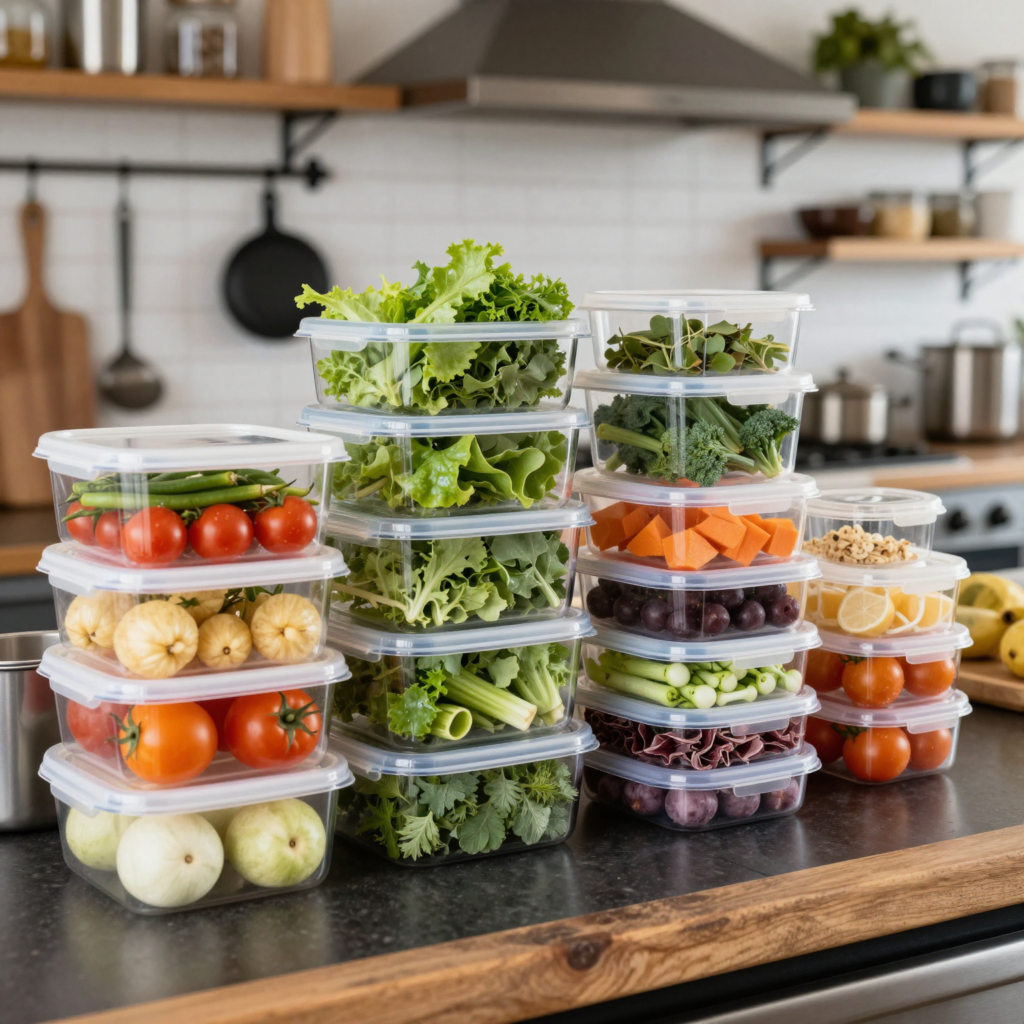
The Importance of Food-Grade Containers in Australia’s Food and Beverage Industry
In the vibrant landscape of Australia’s food and beverage industry, the choice of food-grade containers plays a pivotal role in ensuring safety, quality, and convenience. For bubble tea shops, restaurants, food trucks, and event planners, selecting the right containers goes beyond aesthetics; it’s about safeguarding the health of customers while maintaining the integrity of their products. Whether it’s a trendy bubble tea shop aiming to capture the essence of its unique flavors, or a bustling food truck that needs durable takeaway options, the right containers can elevate the customer experience.
Safety is paramount in the food industry. By utilizing food-grade containers, businesses can avoid contamination and ensure that their meals and beverages remain fresh and safe for consumption. This is crucial not only for compliance with local regulations but also for building trust with customers. Additionally, high-quality containers help maintain the temperature and hygiene of food and beverages, further enhancing customer satisfaction.
Bulk purchasing from a reputable supplier not only streamlines operations but also offers significant cost savings. It enables bubble tea shops and catering services to focus on what they do best while knowing that they have reliable packaging solutions at hand. This approach ensures that they can deliver quality meals and drinks while reducing waste and maximizing efficiency.
Every business in the food sector-be it a restaurant needing customized containers, or an event planner looking for sustainable options-must prioritize the selection of appropriate food-grade containers that align with their specific needs. Investing in the right packaging means investing in the future of the business, as it directly influences customer satisfaction and brand reputation.
To learn more about food-grade containers and their benefits, discover our insights on sugarcane cup benefits or explore customized octagonal paper bowls that can enhance your offerings.
Types of Food-Grade Containers
When it comes to selecting food-grade containers, there are various types that cater to different needs in the food industry. Here’s a closer look at some popular options:
1. Bubble Tea Cups
Materials: Typically made from food-grade polypropylene (PP) or PET plastic, ensuring safety for hot or cold beverages.
Benefits: These cups are highly durable and resistant to leaking, perfect for serving bubble tea or iced beverages. They often come with sealing lids to minimize spills.
Applications: Widely used in bubble tea shops and cafes, these cups are ideal for on-the-go drinks and can be customized with brand logos. Learn more about custom bubble tea cups here.
2. Takeout Containers
Materials: Made from materials like paperboard, kraft, or biodegradable plastics.
Benefits: They are lightweight, easy to stack, and offer various sizes for portion control. Many come with compartments, making them practical for multi-item meals.
Applications: Essential for restaurants and food trucks offering takeout, these containers support eco-friendliness when using biodegradable options. For customizable designs, check out our range of paper containers. Explore more about our paper bowl options.
3. Food Truck Packaging
Materials: This category can include a range of options such as aluminum foil containers, paper containers, and eco-friendly bagasse packaging.
Benefits: Food truck packaging is designed for heat retention, durability, and safety. These materials can often keep food hot longer while being lightweight for easy transport.
Applications: Ideal for food trucks serving meals on-the-go, these containers often suit a variety of food types, from hot dishes to salads and desserts.
4. Plastic Food Containers
Materials: Common materials include high-density polyethylene (HDPE) and low-density polyethylene (LDPE).
Benefits: Food-grade plastics are resistant to moisture and chemicals, ensuring food safety. They can be designed for both hot and cold food items.
Applications: Often used in food processing and catering businesses for bulk food storage, ideal for meal prep services.
5. Glass Containers
Materials: Made from tempered glass which is non-toxic and easy to clean.
Benefits: Glass containers are excellent for long-term storage and do not react with food. They are microwave and dishwasher safe.
Applications: Used in restaurants and meal prep scenarios to store sauces, cooked meals, and leftovers. They are also popular among eco-conscious consumers.
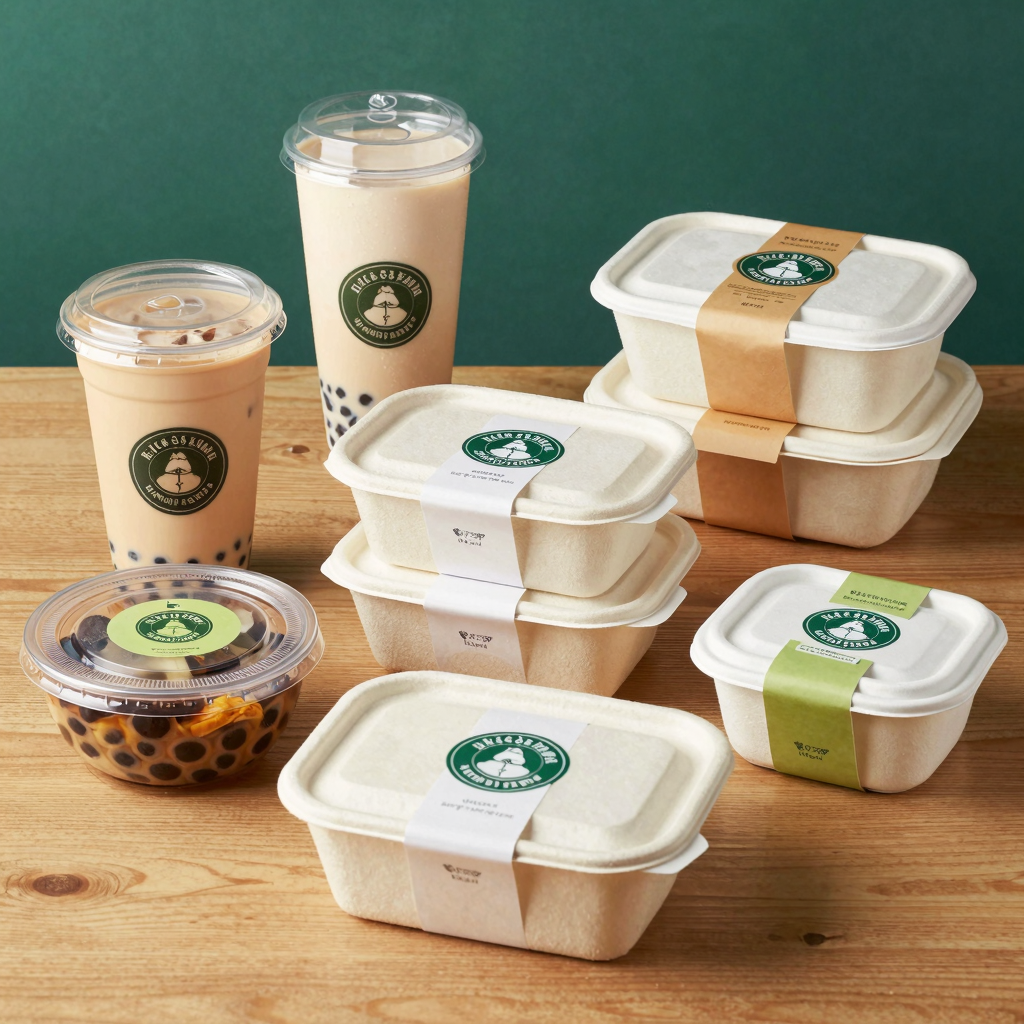
Whether you’re operating a bubble tea shop, a bustling eatery, or managing a food truck, choosing the right food-grade container is essential for food safety and presentation. Understanding the materials and benefits can help streamline purchasing decisions and enhance customer experience.
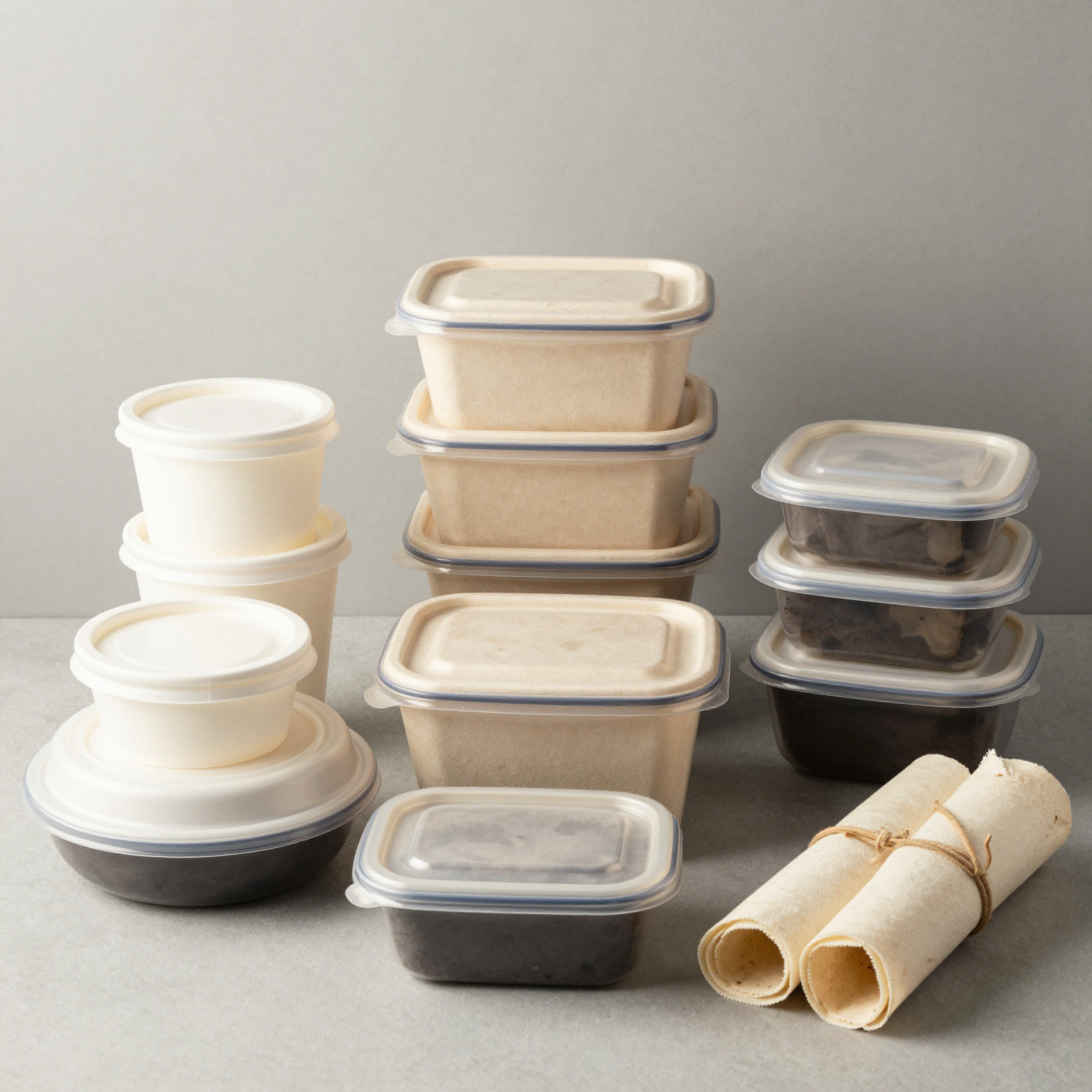
Comparison Table of Food-Grade Container Materials
Here’s a detailed comparison of various materials used in food-grade containers, specifically tailored for businesses like bubble tea shops, restaurants, food trucks, and more.
| Material | Safety | Cost | Environmental Impact | Usability |
|---|---|---|---|---|
| Plastic | Generally safe if food-grade | Low to moderate | Concerns over microplastics; recyclable but rates are low | Good for a variety of foods, safe for cold/hot use depending on type (e.g., PP, PET) |
| Paper | Safe if treated properly | Low to moderate | Biodegradable, recyclable, but requires proper disposal methods | Best for dry foods; limited moisture resistance unless coated |
| Biodegradable | Varies; should be certified | Moderate to high | Requires industrial composting for effective degradation | Suitable for single-use items; not durable for long-term use |
| Metal | Very safe; inert | Moderate to high | Energy-intensive to produce, but recyclable | Excellent for canned foods and long shelf-life items |
| Glass | Extremely safe; non-reactive | High | Recyclable; long life-cycle, but heavy and breakable | Best for preserving flavor and integrity; good for both hot and cold foods |
Each material has its strengths and weaknesses, and selecting the right container depends on specific needs such as the type of food, budget considerations, and environmental goals. For a more in-depth analysis of these materials, check out this comprehensive article and this FDA guide on food contact materials.
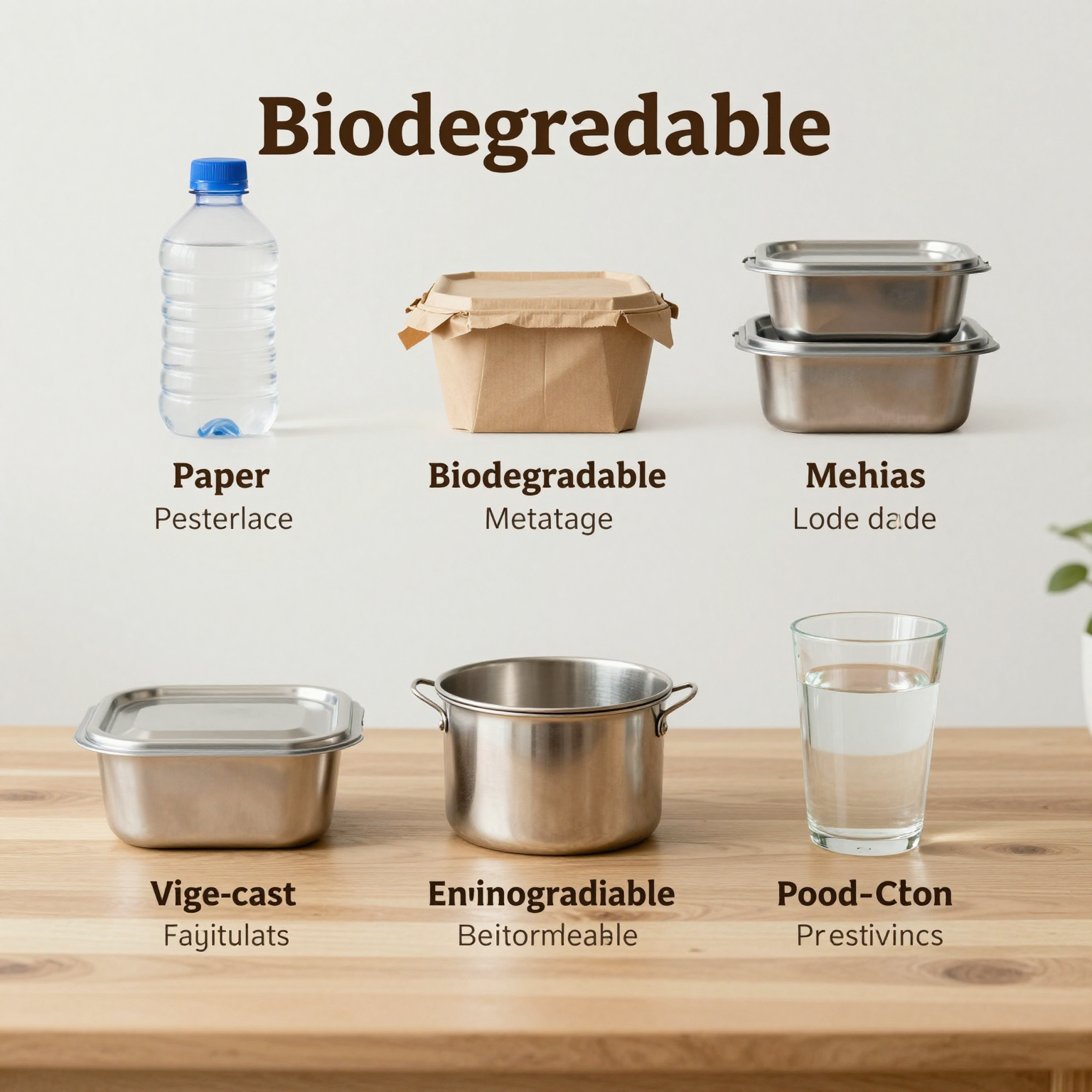
This graphic highlights key attributes of various food-grade containers, offering a visual aid to help in your decision-making process.
Benefits of Using Food-Grade Containers
When it comes to ensuring the quality and safety of food products, using high-quality food-grade containers is essential. These containers are designed not just for utility but also for compliance with various safety standards, thereby catering to businesses that prioritize customer satisfaction and operational efficiency.
1. Safety
Food-grade containers are crafted from materials that are certified safe for direct food contact. This significant attribute minimizes the risk of harmful chemical leaching, ensuring that food remains uncontaminated during storage and transportation. Containers made from materials like BPA-free plastics and non-toxic coatings are essential in preventing foodborne illnesses, enhancing consumer trust and brand reliability. Learn more about food safety regulations here.
2. Durability
High-quality food-grade containers are robust and designed for repeated use, ensuring they withstand temperature fluctuations and rigorous handling. This durability extends the shelf life of products and significantly reduces waste. Businesses can save money in the long run due to decreased breakage and spoilage, creating a more sustainable operation.Explore various durable container options here.
3. Customer Appeal
A professional-looking, clean, and aesthetically pleasing container can enhance a brand’s image. Consumers are more likely to trust products that look fresh and well-packaged. Transparent or attractive designs can improve perceived quality and freshness, thus increasing purchase intentions. This factor is particularly vital in competitive markets such as bubble tea shops, restaurants, and catering services, where presentation is key.
4. Compliance with Health Regulations
Utilizing food-grade containers helps ensure that businesses comply with stringent health regulations set by authorities such as the FDA in the United States or the EFSA in the European Union. Compliant containers mitigate the risk of legal issues and enhance operational credibility within the food service and retail sectors. This compliance is not merely about adhering to regulations-it’s about fostering a safe environment for consumers while protecting business interests.
In summary, investing in high-quality food-grade containers supports not only safety and efficacy in food storage but also contributes positively to brand image and customer loyalty. Businesses, from food trucks to catering teams, can greatly benefit from understanding and implementing these practical advantages.
Food Safety Regulations in Australia: Insights for Procurement Teams and Event Planners
Food safety regulations in Australia play a vital role in maintaining the integrity and safety of food packaging materials. Recent updates highlight important changes that procurement teams, event planners, and businesses in the food sector-including bubble tea shops, restaurants, and catering services-should be aware of.
Key Regulations Affecting Food Packaging
-
Prohibition of Harmful Substances: As of November 2023, the Australian government has enforced strict rules against the use of toxic chemicals such as bisphenol A (BPA) in packaging designed for infant food products, ensuring child safety. Read more about this regulation.
-
Chemical Migration Limits: In September 2023, new standards have been implemented that specify limits on the transfer of certain chemicals (e.g., plasticizers and heavy metals) from packaging into food. These rules are crucial for ensuring that food remains uncontaminated during storage and transportation. Learn about the packaging standards.
-
Promoting Sustainability: Along with safety, there is an increased emphasis on sustainable practices. Regulations now mandate clearer labeling for recyclable and compostable packaging materials, encouraging businesses to adopt eco-friendly solutions.
These updates ensure that procurement teams and event planners remain compliant with the highest standards, providing peace of mind while sourcing food-grade containers and packaging materials.
“Using food-grade containers from Cofe Cup has transformed my business! The quality is top-notch, ensuring my products remain fresh and safe. Plus, their customer service is outstanding, always responsive and helpful. I can rely on them for timely deliveries. Highly recommend for anyone in the food industry!”
Eco-Friendly Packaging Options in the Food Industry
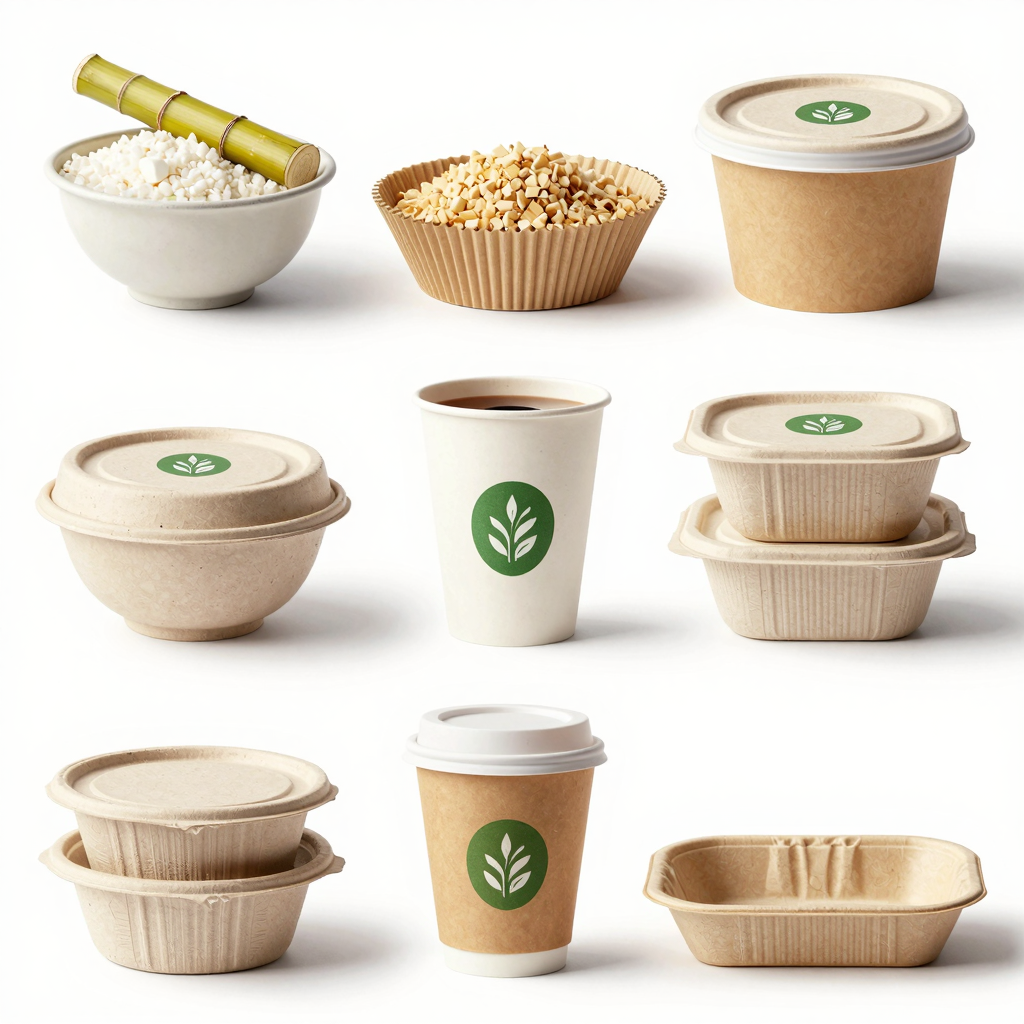
In recent years, the food industry has witnessed a significant transformation towards eco-friendly packaging options. As consumers grow more environmentally conscious, businesses are responding by adopting sustainable materials and practices. Statistics from NielsenIQ indicate that 73% of global consumers are willing to change their consumption habits to minimize their environmental impact. This trend has prompted many food brands to innovate their packaging solutions.
The rising popularity of eco-friendly packaging is not only fueled by consumer demand but also by regulatory pressures. For instance, major brands like McDonald’s have launched programs utilizing biodegradable materials like bagasse and PLA, reflecting a strong commitment to sustainability. Furthermore, the global sustainable food packaging market reached $29.5 billion in 2023 and is expected to exceed $41 billion by 2030, reinforcing the notion that eco-friendly packaging is becoming a norm rather than an exception.
At Cofe Cup, we understand this shift and are proud to offer a variety of eco-friendly products that align perfectly with these industry trends. Our lineup includes:
- Sugarcane Cups – Made from renewable resources and fully compostable, these cups offer a sustainable alternative to traditional plastic.
- Paper Bowls – Available in customized shapes and sizes, our paper bowls are designed for various applications, ensuring functionality without compromising the environment.
- Bagasse Containers – Ideal for hot meals, these containers provide heat resistance while being biodegradable.
As more businesses seek to enhance their green credentials, utilizing eco-friendly packaging not only supports sustainability but also resonates with environmentally conscious consumers. It’s a great opportunity for exponential brand loyalty and differentiation in an increasingly competitive market. With ongoing innovations and a shift towards zero-waste designs, the future of packaging in the food industry is indeed promising and green.
Market Trends in Food Packaging
The food packaging industry is rapidly evolving, driven by several key trends:
Growing Demand for Sustainability
- The shift toward sustainability in packaging is becoming increasingly important, particularly among younger consumers.
- By 2023, it was noted that 85% of consumers make brand choices based on environmental considerations.
Increased Focus on Functionality
- Consumers prioritize core functionalities such as food preservation and resealability over mere aesthetics.
- Freshness packaging (like modified atmosphere packaging) is essential for extending shelf life, responding to rising health consciousness.
Market Size and Growth
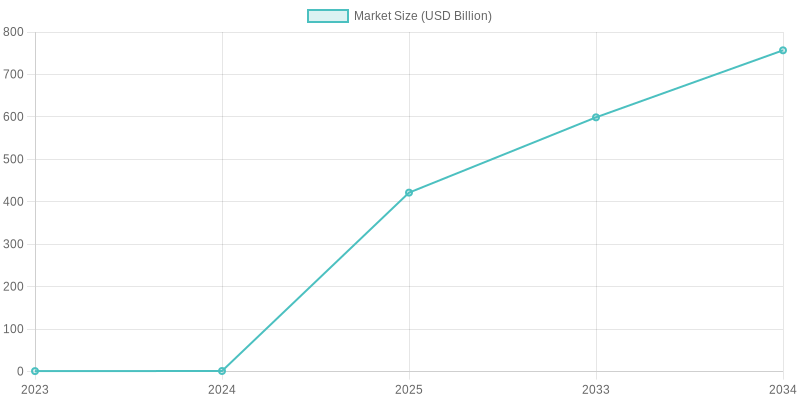
The global food packaging market from 2023 to 2034 is projected to grow significantly:
| Year | Market Size (USD Billion) |
|---|---|
| 2023 | 156.57 |
| 2024 | 166.61 |
| 2025 | 421.60 |
| 2033 | 598.98 |
| 2034 | 756.84 |
This increase is supported by trends toward personalization and innovative packaging designs, essential for customer engagement and social exposure.
For a deeper insight into specific types of packaging, consider exploring our articles on sugarcane cups benefits and customized octagonal paper bowls.
Conclusion
In conclusion, selecting reliable food-grade containers is crucial for ensuring the safety and quality of your food products. As we’ve explored, these containers are designed specifically to meet safety standards, preventing contamination and preserving the integrity of your food items. From preventing harmful chemical migration to ensuring compliance with national safety regulations, the importance of using food-grade materials cannot be overstated. This is particularly significant for businesses like bubble tea shops, restaurants, and food trucks where customer health and satisfaction rely heavily on the quality of the packaging used.
Food-grade containers protect your food from potential hazards while also extending shelf life, thus improving overall consumer trust. When you choose the right supplier, you gain a partner that prioritizes the safety of your products and the satisfaction of your customers.
For those looking to invest in wholesale food-grade containers in Australia, we invite you to explore our offerings at Cofe Cup. Our range includes various types of containers that are not only compliant with safety regulations but also tailored to your specific business needs. Whether you need customized octagonal paper bowls, sustainable sugarcane cups, or other food-grade packaging solutions, we are here to help you make the best choice.
Contact us today for a tailored quote that fits your requirements. Let Cofe Cup be your trusted supplier for all your food-grade container needs!