

Introduction: The Importance of Sterilizing Plastic Food Containers
In the food industry, ensuring food safety and adhering to stringent hygiene standards are paramount. Whether you manage a bustling bubble tea shop, a cozy restaurant, or a catering service, one crucial aspect often overlooked is the need to sterilize plastic food containers. Proper sterilization practices not only help in preventing contamination but also play a significant role in maintaining the overall quality of food served to customers.
Plastic containers are widely used for serving meals and beverages. However, if not properly sanitized, they can harbor bacteria and other harmful microorganisms, posing health risks to consumers. It is essential to stay informed about the safe handling and sterilization of these containers to protect customers and uphold the reputation of your business.
Moreover, as disposable tableware rises in popularity due to its convenience, ensuring that these items meet hygiene standards becomes ever more critical. In our guide, we will explore effective methods to sterilize plastic food containers and discuss the importance of complying with food safety regulations to create a safe dining experience for all.
By understanding the importance of these practices, food industry professionals can not only protect public health but also enhance customer satisfaction and loyalty, making sterilization a crucial component of your business’s success.
The Importance of Sterilization of Plastic Food Containers
When it comes to maintaining health and safety in your food-based business, sterilizing your plastic containers is more crucial than many may realize. These containers are often a direct line between food and pathogens, and not properly sterilized containers can pose significant health risks to customers and staff alike.
Health Risks of Unsterilized Containers
Unsterilized plastic food containers can harbor harmful bacteria and pathogens such as E. coli, Salmonella, and Listeria monocytogenes. These pathogens can lead to foodborne illnesses, resulting in symptoms like abdominal pain, severe diarrhea, and even more serious complications like kidney failure in extreme cases. According to a PubMed Central article, pathogenic contamination can occur particularly in environments where food is frequently stored at improper temperatures or where hygiene is neglected.
Furthermore, chemical risks are also prevalent-substances like Bisphenol A (BPA) can leach into food from plastic containers, especially when they are heated or scratched. BPA exposure has been linked to a variety of health issues, including reproductive disorders and increased risks of certain cancers, as discussed in various health studies.
Potential Chemical Hazards
Not just biological contaminants, plastic containers can release synthetic chemicals when heated.
These include phthalates and other plasticizers, which can disrupt hormonal balance and have been associated with various health problems. Regular sterilization helps minimize these risks significantly.
Ensuring Safe Food Options
For businesses in the food industry such as bubble tea shops, food trucks, or catering services, it becomes paramount to ensure your food containers are not just visually clean, but also free from harmful pathogens and chemicals. Implementing a stringent sterilization process not only protects your customers but enhances your brand’s reputation as a health-conscious service provider.
Adhering to proper sterilization practices cultivates an atmosphere of safety and trust, allowing your customers to truly enjoy what they love without fear of health risks. So next time you’re cleaning your containers, remember: sterilization isn’t just a step-it’s a commitment to your customers’ health and safety!
Common Methods for Sterilizing Plastic Food Containers
-
Boiling Water
Boiling water is an inexpensive and effective method for sterilizing heat-resistant plastic containers. Simply submerge the containers in boiling water for about 10-20 minutes. This kills most bacteria and microorganisms. However, ensure that the plastic is durable enough to withstand high temperatures. -
Microwave Cleaning
You can use the microwave to effectively sanitize certain plastics. Place a cup of water in the microwave alongside the container and heat on high for several minutes. The steam created can kill bacteria, but not all containers are microwave-safe-check for the recycling code. -
Vinegar Solution
A solution of vinegar and water (1:1) can disinfect plastic containers. Soak them for 1-2 hours to kill microbes and remove odors. Vinegar is natural and safe for food contact. Learn more about vinegar’s benefits here. -
Bleach Solution
Mix one tablespoon of bleach with a gallon of water, soak the containers for about 2 minutes, and rinse thoroughly. This method is potent against pathogens, but not suitable for all plastics. -
Steam Sterilization
Steam cleaners can be used to sanitize plastic containers effectively. The steam penetrates surfaces, killing germs without harsh chemicals. It’s a reliable method for sterilizing plastic items that can withstand heat.
Sterilizing plastic food containers is essential for food safety and hygiene, particularly in establishments such as bubble tea shops, restaurants, food trucks, and catering services. Proper sterilization minimizes the risk of contamination and ensures that food products remain safe for consumption. Below are key best practices for effectively sterilizing plastic food containers used in the food industry.
1. Choose the Right Materials
Opt for plastic containers made from food-grade materials approved for direct contact with food, such as Polypropylene (PP), High-Density Polyethylene (HDPE), and Polyethylene Terephthalate (PET). These materials have high thermal and chemical resistance, making them suitable for various sterilization methods (FDA Guidelines).
2. Effective Cleaning Procedures
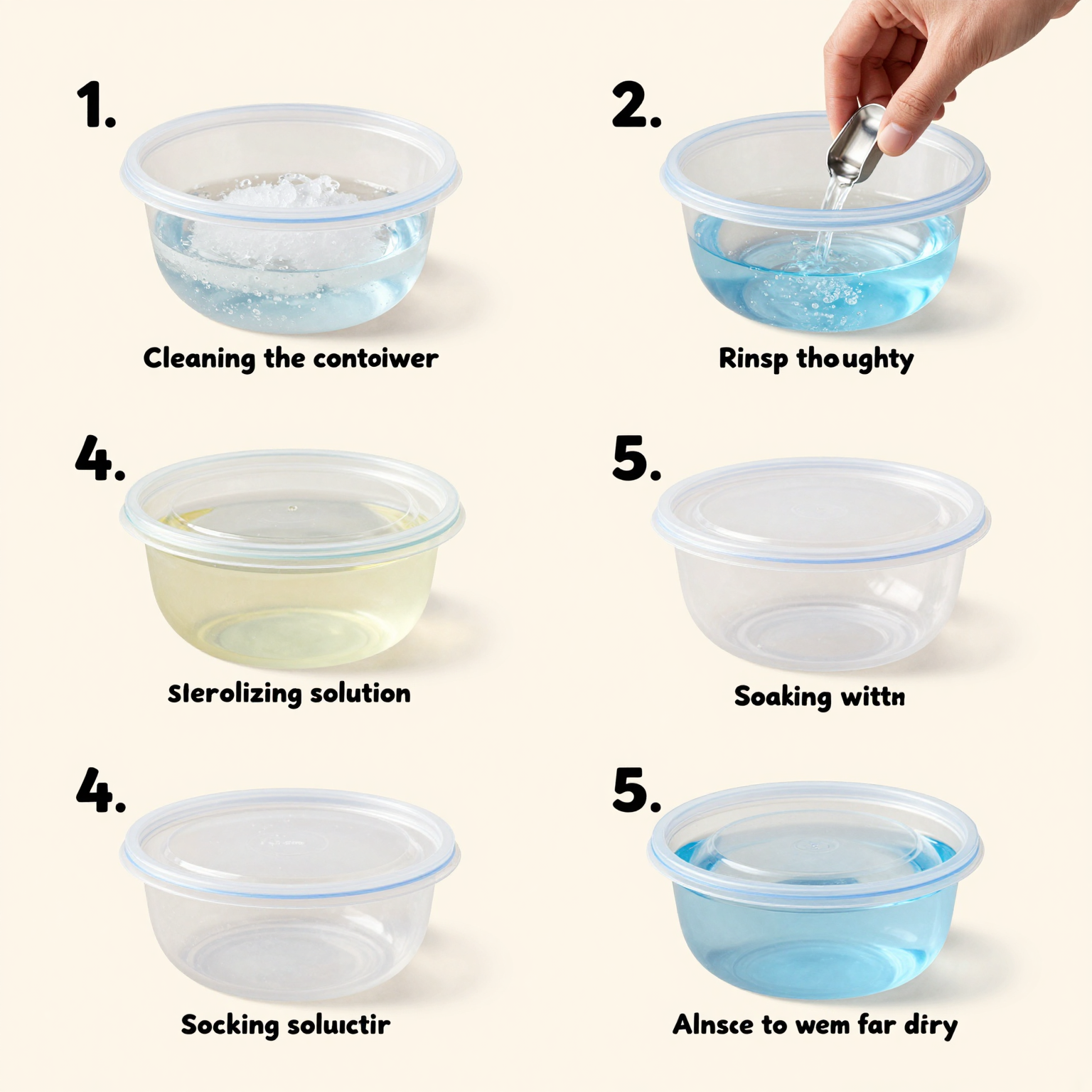
Before sterilization, it is crucial to clean the containers thoroughly. Implement a multi-step cleaning process:
- Initial rinse to remove visible debris.
- Hand wash with warm water and a mild detergent to eliminate organic residues.
- Rinse thoroughly to ensure no detergent is left on the surfaces.
3. Sterilization Methods
Choosing an appropriate sterilization method is vital. Various techniques can be employed:
- Steam Sterilization: Subject containers to steam at 121°C for 15-30 minutes. This method is effective but requires that the plastic is rated to withstand such temperatures (TERRA Food-Tech).
- Hot Water Immersion: Soak containers in water heated to at least 80°C for several minutes. This method is simple and effective.
- Chemical Sanitizers: Use solutions such as chlorine or peracetic acid, following the manufacturer’s instructions to avoid damaging the plastic. Ensure thorough rinsing post-treatment to prevent residue left behind.
4. Drying and Safe Storage
After sterilization, allow containers to air dry completely in a clean environment to minimize the risk of recontamination. Proper storage is crucial; containers should be kept in a dry, cool area, away from direct sunlight to prevent degradation of materials (USDA Guidelines).
5. Regular Inspection
Conduct periodic inspections of sterilized containers for signs of wear, such as cracks or discoloration. Damaged containers can harbor bacteria and pose health risks. If any defects are detected, the container should be discarded.
Conclusion
Incorporating these best practices in sterilizing plastic food containers can greatly enhance food safety and hygiene within your business. By using appropriate materials, following effective cleaning and sterilization methods, and maintaining proper storage practices, you can ensure that your food products remain safe for consumers. For further insights into food service products, consider exploring the benefits of sugarcane cups and customized paper containers.
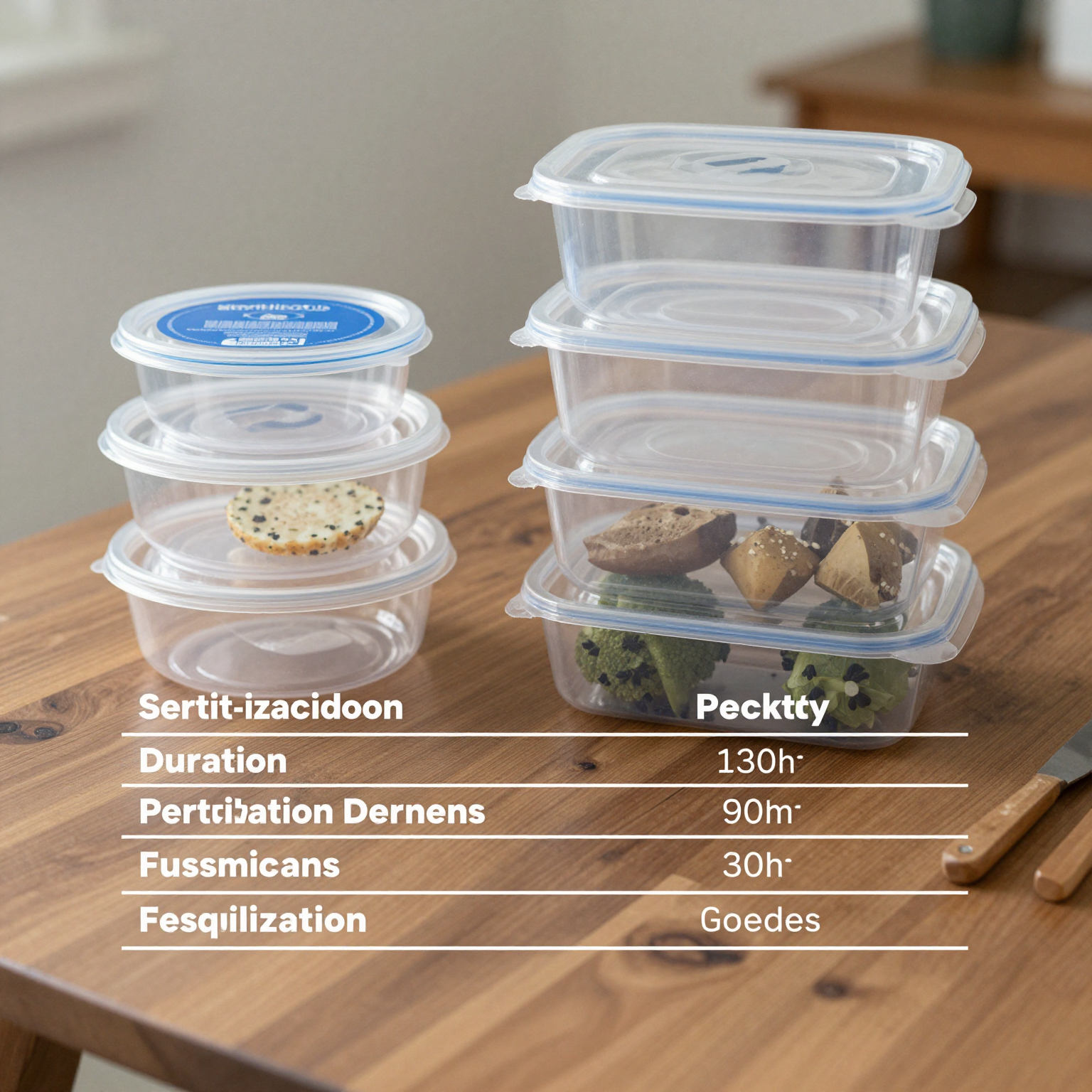
The Impact of Sterilization on the Longevity of Plastic Food Containers
Proper sterilization plays a vital role in maintaining the longevity and usability of plastic food containers, especially in high-demand environments like restaurants and catering services. Ensuring that these containers are properly sanitized not only preserves food safety but also assures their continued use over time. Here are several insights on how effective sterilization can influence container lifespan:
Effects of Sterilization Processes
-
Damage from High Temperatures: Procedures such as steam autoclaving and high-temperature cleaning may lead to significant physical and chemical changes in plastics, including surface oxidation, discoloration, and embrittlement. These factors can compromise the structural integrity of the containers, making them more susceptible to cracks and breaks over time
-
Sterilization Method Matters: The type of plastic used significantly impacts how well a container can withstand sterilization methods. For example, polypropylene (PP) and high-density polyethylene (HDPE) are generally more robust and better suited for repeated sterilization compared to other types like polystyrene (PS) which can degrade quickly under these processes.
-
Repeated Exposure Risks: Continuous exposure to sterilization processes can worsen the damage inflicted on plastic containers. The results may include a notable decrease in mechanical strength, as highlighted in a study that found gamma-ray irradiation could accelerate the degradation of polystyrene containers by an acceleration factor of 3.8 to 6.2.
Best Practices for Maintaining Container Integrity
- Use appropriate temperatures: To prolong the lifespan of containers, it’s best to utilize recommended sterilization temperatures and times, avoiding extreme conditions.
- Choose durable materials: Opting for high-quality, sterilization-friendly plastics can mitigate long-term damage.
By understanding the impact of sterilization and prioritizing best practices, food service professionals can extend the usability and lifespan of their plastic food containers, ensuring both safety and performance remain optimal. For more insights on choosing containers, check out this guide on selecting suitable food packaging materials.
“Implementing good hygiene practices is fundamental to food safety and ensuring public health. Poor hygiene can lead to foodborne illnesses and legal repercussions. Every food service establishment must prioritize cleanliness in its operations to build trust with customers and protect their health.”
- Ms. Melva Chen, Food Safety Officer, Hong Kong Food Safety Center
To learn more about food safety practices, feel free to explore our blog on customized sugarcane cup branding.
Conclusion: Ensuring Food Safety Through Sterilization
In conclusion, the sterilization of plastic food containers is not just a regulatory requirement but an essential practice for food safety in the restaurant and catering industries. As highlighted, studies have shown that improper sanitation can lead to significant health risks, including the spread of harmful bacteria like Salmonella, E. coli, and Listeria. Effective sterilization protocols not only eliminate these pathogens but also enhance food quality by preventing spoilage and extending the shelf life of stored products. Moreover, businesses that prioritize sterilization see improvements in operational efficiency and customer satisfaction, fostering greater trust and loyalty among patrons.
For bubble tea shops, restaurants, and catering services, maintaining high hygiene standards is imperative. Utilizing verified sanitization methods can protect both customers and brands, ensuring compliance with health regulations while boosting customer confidence. It’s time to elevate your food safety practices by investing in reliable, disposable sterile tableware.
Choose Cofe Cup’s disposable tableware solutions that guarantee cleanliness and safety, all while enhancing your service quality. Don’t compromise on hygiene-secure your food service with our eco-friendly and cost-effective products!
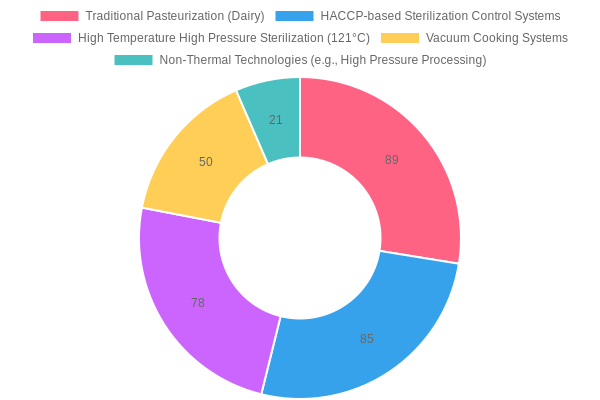
Adoption Rates of Sterilization Practices in 2023
| Sterilization Practice | Adoption Rate (%) |
|---|---|
| Traditional Pasteurization (Dairy) | 89 |
| HACCP-based Sterilization Control Systems | 85 |
| High Temperature High Pressure Sterilization (121°C) | 78 |
| Vacuum Cooking Systems | 50 |
| Non-Thermal Technologies (e.g., High Pressure Processing) | 21 |
This chart illustrates the adoption rates of various sterilization practices among food businesses, highlighting the effectiveness of methods like Traditional Pasteurization and HACCP-based systems that have gained significant traction in the industry.