
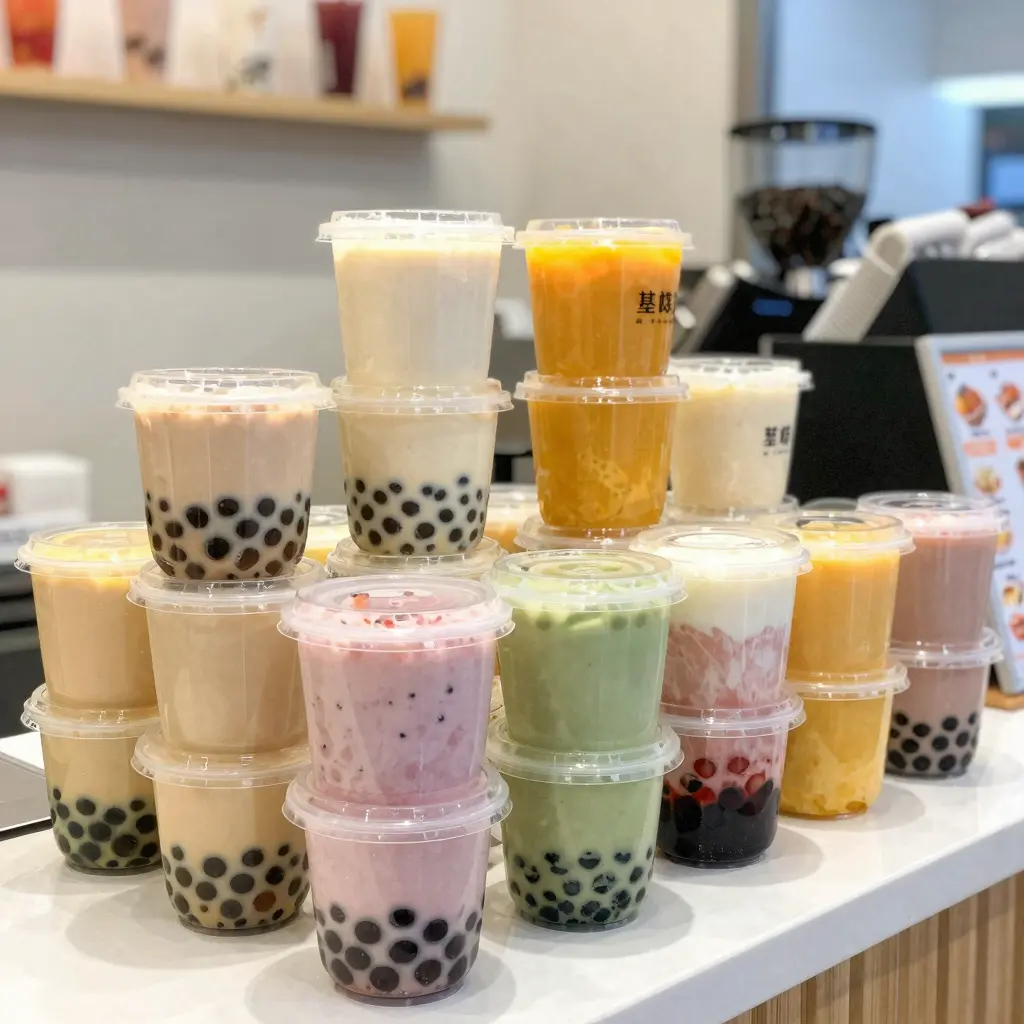
In the vibrant world of bubble tea shops, restaurants, and catering services, efficiency and presentation are key. Enter the plastic box container for food – the unsung hero of culinary convenience. These versatile containers not only make life easier for food service providers but also contribute to the safety and freshness of their delectable offerings. With a variety of sizes and designs, they effortlessly accommodate everything from bubbly tapioca pearls to rich, savory dishes, ensuring that food stays intact and appealing. Moreover, the use of plastic box containers aligns with eco-friendly practices, as many are designed for reuse and recycling, allowing businesses to reduce their environmental footprint while maintaining high standards of quality. In this article, we will explore the myriad benefits of adopting plastic box containers, transforming the way food is stored, served, and enjoyed while also considering your impact on our planet. Whether you are an event planner organizing a large gathering or a food truck operator aiming for quick service, embracing these containers can elevate your operations and delight your customers. Discover how you can make the most of your packaging solutions by exploring our range of packaging options and sustainable practices today!
Key Benefits of Using Plastic Box Containers for Food
Plastic box containers have become essential in the food industry, providing numerous advantages that cater to the needs of businesses such as bubble tea shops, restaurants, and catering services. Here are five key benefits of using these versatile food storage solutions:
-
Durability: Plastic containers are designed to withstand impacts and temperature changes, making them ideal for transportation and storage without the risk of breakage. Their long-lasting nature helps businesses save money over time.
-
Food Safety: Many plastic containers are made from food-grade materials such as polypropylene (PP), which can safely store food at various temperatures and maintain freshness by preventing oxidation and moisture loss. This is vital in adhering to food safety standards.
-
Ease of Transport: Lightweight yet sturdy, plastic containers are easy to transport, which is crucial for food trucks and catering services. Their stackable design maximizes space in vehicles, making logistics more manageable.
-
Eco-Friendliness: Many manufacturers are now producing recyclable plastic containers and offering them as part of sustainable packaging solutions. This shift encourages businesses to reduce their carbon footprint and appeal to environmentally conscious consumers. Learn more about disposable packaging options available.
-
Versatile Food Storage Solutions: Plastic boxes come in various shapes and sizes, suitable for storing everything from snacks to full meals. They also feature airtight seals, ensuring that foods remain protected and fresh for extended periods.
By utilizing plastic box containers, businesses not only enhance food storage and safety but also contribute to operational efficiency and sustainability.
“I’ve been using these BPA-free plastic food storage containers for months, and they are incredible! They’re microwave-safe, leak-proof with secure lids, and they’ve managed to maintain their integrity despite daily use. Plus, they save so much space in my fridge with their stackable design!”
- Satisfied Customer, UK
This testimonial echoes the sentiments of many users, emphasizing the durability and safety of these containers. They are perfect for professionals in the food industry, ensuring your offerings are both well-presented and securely stored. If you’re interested in durable plastic containers for your food service needs, check out our range!

This image showcases a variety of plastic box containers designed for food, highlighting their versatility and design options. Perfect for bubble tea shops, restaurants, food trucks, and catering services.
Importance of Food Safety Standards for Plastic Box Containers
Food safety is a paramount concern across the culinary industry, particularly for businesses that rely on plastic box containers for food packaging. The plastic box container for food must adhere to stringent safety standards to protect consumers and ensure the integrity of the products they provide. Regulatory bodies worldwide have established comprehensive protocols to regulate the materials and processes used in food packaging.
Key Regulations and Certifications
-
FDA Standards: In the United States, the FDA enforces strict standards on plastic packaging to prevent harmful chemical migration into food. This includes an extensive list of Food Contact Substances (FCS) that have been deemed safe following rigorous testing for various migration conditions (e.g., heat, acidity) (source). Compliance with Good Manufacturing Practices (GMPs) is also mandatory.
-
EU Regulations: The European Union maintains a robust regulatory framework that includes Regulation (EC) No 1935/2004, which ensures that plastic materials do not transfer harmful substances to food. These regulations also require third-party testing for chemical migration and adherence to specific migration limits (source).
-
ISO Certifications: Compliance with ISO 22000 provides a systematic approach to managing food safety across the entire supply chain, including packaging. This global standard ensures that organizations address food safety hazards effectively (source).
These regulations are vital to preventing food contamination, ensuring product quality, and ultimately protecting consumer health.
Essential Features Ensuring Food Safety
- Material Compliance: Plastic box containers must be made from materials that meet the specified safety thresholds and do not leach hazardous substances into food products. This often includes ensuring total and specific migration testing with food simulants.
- Traceability and Documentation: Manufacturers are required to maintain thorough documentation and traceability of materials used in production. This helps in case of recalls or investigations of food safety issues.
- Hygiene and Storage Practices: Proper hygiene practices during production and transportation are crucial. This includes ensuring that plastic containers are designed to be cleaned easily and that they maintain their integrity under various environmental conditions.
According to recent statistics, approximately 10% of foodborne illnesses are linked to improper packaging practices (source). By adhering to established food safety standards, businesses can significantly reduce risks and enhance consumer confidence in their products.
In conclusion, investing in reliable and certified plastic box containers for food not only complies with legal regulations but also emphasizes a commitment to food safety that is essential for any food-based business. For more information on various packaging options, consider exploring our range of packaging products.
This section on food safety standards presents an overview of the importance of regulations and features that ensure the safety of packaged food in plastic containers.
Word Count: 528
Trends in Disposable Tableware: Focus on Plastic Containers
As we navigate through 2023, the market for disposable tableware is witnessing significant transformations, particularly in the sector of plastic containers used in food service. The surge in demand is driven by the increasing trend of food delivery services, fast-casual dining, and an amplified consumer focus on sustainability and quality.
Market Growth
- The global disposable tableware market is projected to grow steadily, with estimates suggesting it will reach approximately $114.9 billion by 2032, up from $58 billion in 2022, expanding at a CAGR of 5.9% from 2023 to 2032.
- In China alone, the disposable tableware market surpassed 1 trillion RMB in 2023, showing robust growth fueled by the booming food delivery industry. The rapid expansion is evident with over 5.5 billion users engaging with online food services, increasing the demand for disposable solutions.
Consumer Preferences
- Sustainability Shift: Nearly 60% of consumers in a recent survey indicated a willingness to pay more for products made from biodegradable or recyclable materials. The preference is shifting away from traditional plastics, such as polystyrene and conventional polyethylene, toward eco-friendly options made from materials like PLA (polylactic acid) and CPLA (crystalized PLA).
- Quality Matters: Consumers are increasingly discerning, seeking high-quality, visually appealing products. This is especially true for beverage chains, restaurants, and caterers. Products must not only safeguard food but also reflect an establishment’s commitment to environmental responsibility. For instance, demand for high-quality bamboo and biodegradable paper products has surged, signifying a shift towards premium disposable items.
Key Trends in the Industry
- Innovative Materials: With growing health concerns regarding plastic migration into food, there is a considerable push towards developing biodegradable materials that promise safety and sustainability. Companies are investing in R&D for alternative materials such as bagasse (sugarcane pulp) and various plant-based solutions.
- Design Enhancements: The evolution of design in disposable tableware aims to enhance functionality while meeting aesthetic desires. Features like microwave safety, grease resistance, and the ability to stack neatly are becoming more popular.
- Regulatory Influences: Government regulations banning single-use plastics in many parts of the world are accelerating this shift in consumer preference and leading the market towards sustainable practices.
The trends indicate a pressing need for high-quality, sustainable disposable tableware solutions. As businesses adapt to consumer demands, the focus on enhancing product safety, quality, and environmental impact will likely shape the future of the industry. For businesses in food service, offering a variety of disposable tableware products not only meets immediate demands but also aligns with broader sustainability goals.
For more options in sustainable disposable tableware, check out our range of disposable tableware and paper packaging products.
Comparison of Plastic Box Container Suppliers
When it comes to selecting the best plastic box containers for food, it’s essential to understand the options available in the market. Here, we provide a comprehensive comparison of several suppliers, including their product features, price ranges, pros and cons, and customer reviews. This information will help you choose the most fitting solution for your bubble tea shop, restaurant, or catering service.
| Supplier Name | Product Features | Price Range | Pros | Cons | Customer Reviews |
|---|---|---|---|---|---|
| Ningbo Synkemi Imp. & Exp. Co., Ltd. | BPA-Free, Microwave-Safe, Customizable Sizes | $1.00 – $2.50 (Min 3000 pcs) | Meets global safety standards, Custom Production | High MOQ might be restrictive | Stable quality, reliable packaging |
| Guangzhou Jianxin Plastic Products Co., Ltd. | Food-grade PP, Compartmentalized Options | From $0.095 (Min 50,000 pcs) | Low price, High production capacity | Single-use, Limited eco-friendliness | Affordable, but lid seal could vary |
| Guangzhou Huaheng Plastic Products Co., Ltd. | PET material, FDA and CE certified | From $0.10 (Min 50,000 pcs) | Very affordable, Quick turnover | Non-reusable, Not heat resistant | High cost-performance ratio, but some durability concerns |
| Jiangmen Ruixing Stainless Steel Products Co., Ltd. | Stainless Steel, Rust Resistant | $7.00 – $8.00 (Min 600 sets) | Eco-friendly, Good insulation | Heavy, Not microwave-safe | Positive feedback for durability and feel, but transport costs can be high |
This comparison showcases the diversity of suppliers for plastic box containers available for food. Each option has its unique advantages and trade-offs, allowing you to select based on quantity needs and specific features important to your business.

For further options and more details, you can check our complete range of packaging and printing products.
Eco-Friendly Practices in Food Packaging
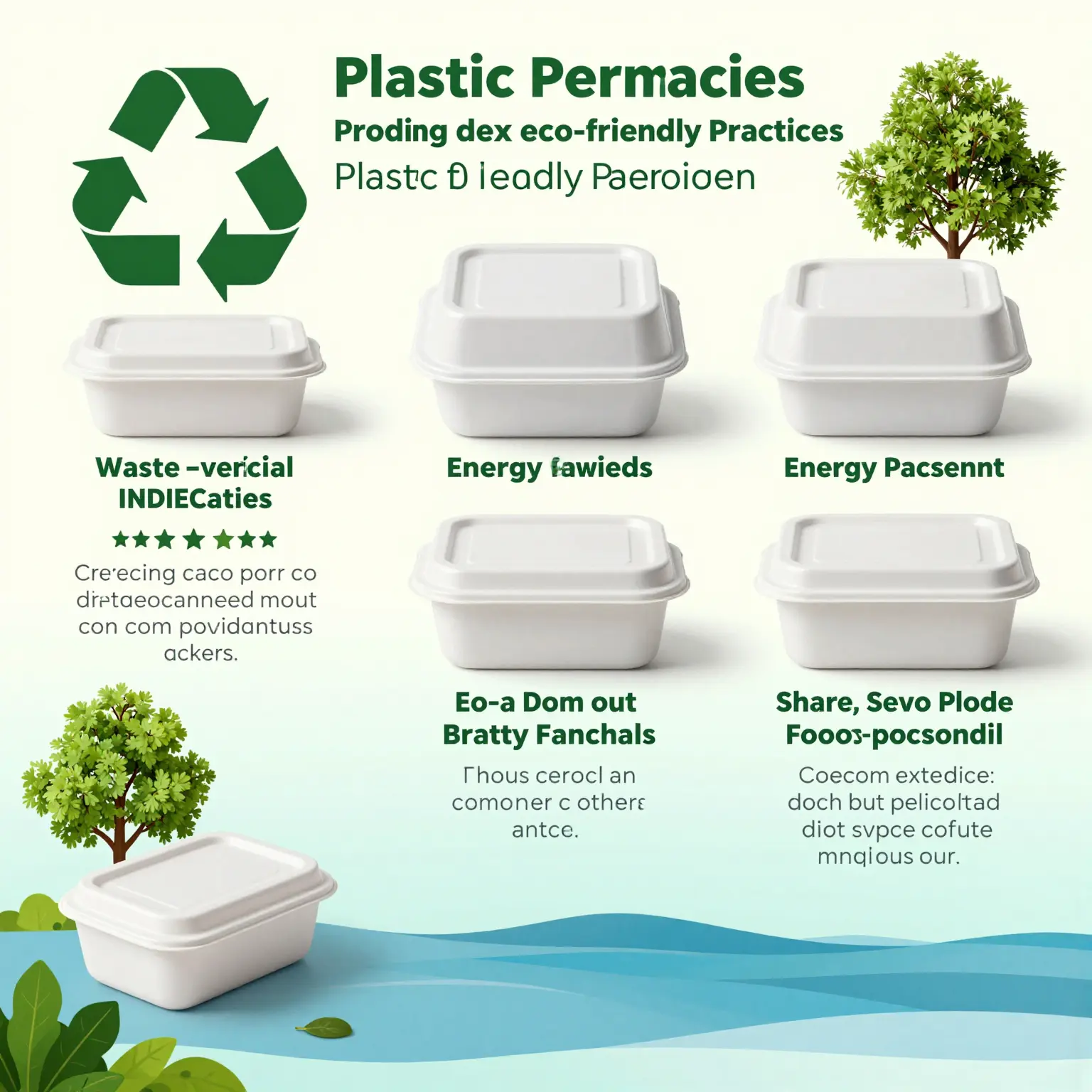
In the foodservice industry, embracing eco-friendly practices for plastic box containers can make a significant impact on reducing environmental waste. Here’s a simple infographic that highlights the several ways these practices can benefit both businesses and the planet.
Click to view a larger image
Benefits of Eco-Friendly Practices:
- Waste Reduction: Using biodegradable or recyclable materials reduces landfill contributions.
- Energy Savings: Eco-friendly production methods consume less energy, contributing to lower carbon footprints.
- Sustainability Promotion: Supporting sustainable practices helps brand reputation among environmentally-conscious consumers.
By opting for eco-conscious packaging options, businesses can not only enhance their customer appeal but also play a vital role in protecting the environment. To explore various eco-friendly packaging products, check out our packaging printing options and paper packaging.
In conclusion, the importance of choosing high-quality disposable tableware cannot be overstated, especially for businesses in the food industry. Our plastic box containers for food offer unparalleled benefits, including durability, convenience, and eco-friendly options that cater to your clientele’s needs. With Cofe-Cup, you can expect only the best products that uphold our commitment to quality and exceptional customer service. Whether you operate a bubble tea shop, restaurant, or catering service, investing in our disposable tableware solutions will enhance your operations and impress your customers. Don’t compromise on quality when it comes to your food presentation and packaging! Visit our full range of products, including disposable tableware and disposable lunch boxes, and discover how we can help elevate your business today! Choose Cofe-Cup-where excellence meets convenience!
FAQ Section for Plastic Box Containers for Food
1. Are plastic food containers safe for storing food?
Yes, many plastic food containers are safe for storing food, especially those made from polypropylene (PP, code 5) and high-density polyethylene (HDPE, code 2). These materials are known for their stability, low chemical leaching risk, and durability. Always check for the recycling code on the bottom of the container and avoid using damaged or old containers. For specific safety guidelines, you can read more here.
2. How can I tell if a plastic container is eco-friendly?
Eco-friendly plastic containers are usually made from recycled materials and are designed to be reused. Look for certifications that ensure they’re made from BPA-free and food-grade materials. Choosing brands with take-back programs can also enhance the sustainability factor. For an extensive guide on eco-friendly plastic storage, check this article on safety and eco-friendliness.
3. Can I microwave plastic food containers?
Not all plastic food containers are microwave-safe. Always check for a label indicating “microwave-safe” before using them in the microwave. Avoid using older containers that may degrade and release harmful chemicals when heated. To learn more about common mistakes when using plastic food containers, visit this FDA guide.
4. What should I consider when reusing plastic containers?
When reusing plastic containers, ensure they are clean and free from scratches or wear. Containers designated with recycling codes 2, 4, and 5 are safer for repeated use. Avoid reusing containers that once held non-food items or have visible wear, as these can leach chemicals. For a complete reuse guide, refer to this Healthline article.
5. How can I dispose of plastic containers responsibly?
To dispose of plastic containers responsibly, check your local recycling program’s guidelines. Many single-use plastics are not recyclable, while reusable plastics like PP and HDPE can often be recycled if clean and not contaminated. Consider supporting organizations that facilitate proper waste management and recycling programs to minimize environmental impact. For insights on sustainable disposal practices, read more here: National Geographic article on sustainability.