
Introduction
In today’s bustling beverage market, disposable cups are more than just convenient containers for your favorite drinks; they play a crucial role in the identity of many beverage brands. Whether you’re sipping on an exquisite bubble tea or a refreshing iced coffee from your local café, it’s important to understand the types of plastics commonly used for these ubiquitous cups. The most popular materials include Polypropylene (PP), which is favored for its durability and resistance to heat; and Polystyrene (PS), often associated with its lightweight yet formidable nature. This understanding is particularly relevant for bubble tea shops, beverage chains, and restaurants that rely heavily on disposable drinkware to serve their customers efficiently and stylishly.
With sustainability becoming an increasingly important factor in consumer choices, knowing what plastics are used can also guide your decisions in creating a more eco-friendly business model. For event planners and corporate procurement teams, selecting the right type of disposable cup contributes to the overall experience of events and gatherings. As we dive deeper into this topic, we will explore the specifics of each plastic type and their roles in the world of disposable cups. Join us as we sip our way through the essential details of disposable cup materials and discover how they can elevate your beverage service, whether you run a cozy beverage shop or a large-scale catering service. Don’t forget to check out our disposable drinkware options for your establishment!
Types of Plastics Used for Disposable Cups
In the beverage industry, the choice of materials for disposable cups plays a crucial role in both functionality and environmental impact. The three most commonly used types of plastics for disposable cups are Polyethylene Terephthalate (PET), Polypropylene (PP), and Polystyrene (PS). Each type has its own unique properties, advantages, and disadvantages.
Polyethylene Terephthalate (PET)
Pros:
- Clarity & Strength: PET is known for its exceptional clarity, making it aesthetically pleasing for beverages like juices and carbonated drinks.
- Recyclability: It is one of the most widely recycled plastics (designated as recycling symbol #1), helping to reduce environmental waste.
- Chemical Stability: PET is resistant to various acids and alkalis, ensuring that beverages maintain their flavor and integrity.
- Safe for Temperate Beverages: Though not suitable for hot beverages, PET is ideal for cold drinks and maintains freshness longer.
Cons:
- Temperature Limitations: PET cannot withstand high temperatures (usually over 70°C), making it unsuitable for hot drinks.
- Environmental Concerns: Despite its recyclability, the production of PET still has a carbon footprint, and improper disposal can contribute to pollution.
For those looking for eco-friendly options, consider exploring the packaging solutions that incorporate recycled PET.
Polypropylene (PP)
Pros:
- Thermal Resistance: PP boasts high melting temperatures (up to 130°C), making it suitable for both hot and cold beverages, which is vital for coffee chains and hot drink vendors.
- Durability: It is robust and can withstand mechanical stresses such as stacking and transportation, reducing breakage and waste.
- Recyclable: Like PET, PP is also recyclable (recycling symbol #5), supporting sustainability efforts.
Cons:
- Cost: Generally, PP is more expensive than PS, potentially driving up costs for businesses.
- Limited Transparency: It is not as clear as PET, which can affect consumer appeal visually.
Given its strength and versatility, PP remains a popular choice for restaurants and beverage outlets, making it essential for suppliers in the disposable drinkware market.
Polystyrene (PS)
Pros:
- Low Cost: PS is one of the cheapest materials available, making it economically advantageous for large-scale production.
- Insulation Properties: It offers excellent thermal insulation for cold beverages, preserving their temperature when served.
- Ease of Molding: PS can easily be molded into various shapes, making it a popular choice for many disposable products.
Cons:
- Environmental Impact: PS is not biodegradable and poses significant recycling challenges, leading to environmental hazards.
- Not Suitable for Hot Beverages: It cannot be used for hot liquids above 70°C, as it can warp and leach harmful chemicals.
- Microplastic Concerns: Studies have indicated that PS can release microplastics into beverages, leading to health and safety issues.
Due to these concerns, many businesses are shifting away from PS. For sustainable alternatives, consider offerings in paper cups.
Conclusion
As the beverage industry continues to evolve, understanding these plastic types-PET, PP, and PS-and their respective pros and cons is crucial for making informed decisions that align with product safety, environmental sustainability, and consumer preferences. With growing regulations and public awareness regarding plastic waste, businesses should consider transitioning to more sustainable packaging solutions that uphold quality while minimizing environmental impact.
Comparison of Different Types of Plastics Used in Disposable Cups
When it comes to disposable cups, different types of plastics serve unique purposes. Here’s a comprehensive comparison of some common plastics:
| Plastic Type | Properties | Safety Standards | Environmental Impact | Typical Use Cases |
|---|---|---|---|---|
| PET | Lightweight, strong, and shatter-resistant. | Recyclable (#1) | Easily recyclable; low environmental impact. | Beverage bottles, food containers. |
| HDPE | Durable, flexible, resistant to impact. | Recyclable (#2) | Highly recyclable; less prone to environmental degradation. | Milk jugs, detergent bottles, cups. |
| PVC | Rigid and durable but difficult to recycle. | Recyclable (#3, but rarely recycled) | High environmental impact; can release harmful chemicals when burned. | Pipes, clear food packaging. |
| LDPE | Flexible, lightweight, and less brittle. | Recyclable (#4, often not collected) | Lower recycling rates; can persist in the environment. | Grocery bags, bread bags, cups. |
| PP | Strong, heat resistant, and lightweight. | Recyclable (#5) | Good recycling potential; moderate impact. | Disposable utensils, containers. |
| PS | Brittle and insulating. | Recyclable (#6, but recycling is limited) | Significant environmental concerns; not biodegradable. | Disposable cutlery, food containers. |
Summary
Knowing the properties and environmental impacts of these plastics can help you make informed decisions about the types of disposable cups that are best for your business. For more options and detailed specifications, check out our packaging and printing categories and explore our disposable drinkware range.
Safety Standards for Disposable Cups
Disposable cups play an essential role in the food and beverage industry, particularly in bubble tea shops and other businesses serving beverages on-the-go. To ensure consumer safety, these cups must adhere to stringent safety standards that govern food contact materials. Understanding these standards is vital not only for compliance but also for protecting customers and enhancing the reputation of your business.
Key Safety Standards
-
General Safety Requirements: According to the National Standards for Food Contact Materials (GB 4806.1-2023), all materials in contact with foods must meet basic safety requirements. This includes controlling the migration of harmful substances from the cup materials to the food or drink.
-
Material Regulations: Specific standards outline which materials can be used in the production of disposable cups. For instance, cups made from food-grade plastic must not leach toxic substances when heated or when in contact with acidic or alkaline liquids.
-
Performance Specifications: Disposable cups must also meet performance specifications such as leak resistance, durability, and temperature tolerance. For example, some standards require that cups can withstand temperatures exceeding 90°C to safely hold hot beverages without deformation or leaking. This is particularly important for shops that serve bubble tea, which can be served warm or hot.
-
Additives and Inks: Standards like GB 9685-2016 specify the types and amounts of additives that can be used in the production of food contact materials. These additives must not compromise safety and should prevent the migration of harmful substances into food.
Impact on Businesses
The relevance of these safety standards extends beyond legal compliance; they play a critical role in safeguarding consumer health. Any breaches can result in poisoning or long-term health issues, not to mention detrimental effects on a business’s reputation. For bubble tea shops, which often utilize ingredients like fruit syrups and dairy, the risk of chemical migration from substandard cups can be significant.
Moreover, with increasing consumer awareness regarding food safety, businesses that adhere to these standards can market themselves as responsible and safe choices, hence attracting more customers. In a competitive market, being a forerunner in safety practices can differentiate a bubble tea shop from others.
Conclusion
In conclusion, the safety standards that disposable cups must meet are crucial for maintaining food safety and public health. Businesses in the food and beverage sector, especially bubble tea shops, should invest in quality materials that fulfill these standards. By doing so, they ensure a safer experience for their customers while enhancing their brand’s credibility. For those looking for compliant options, consider exploring our range of disposable drinkware that meets stringent safety requirements.
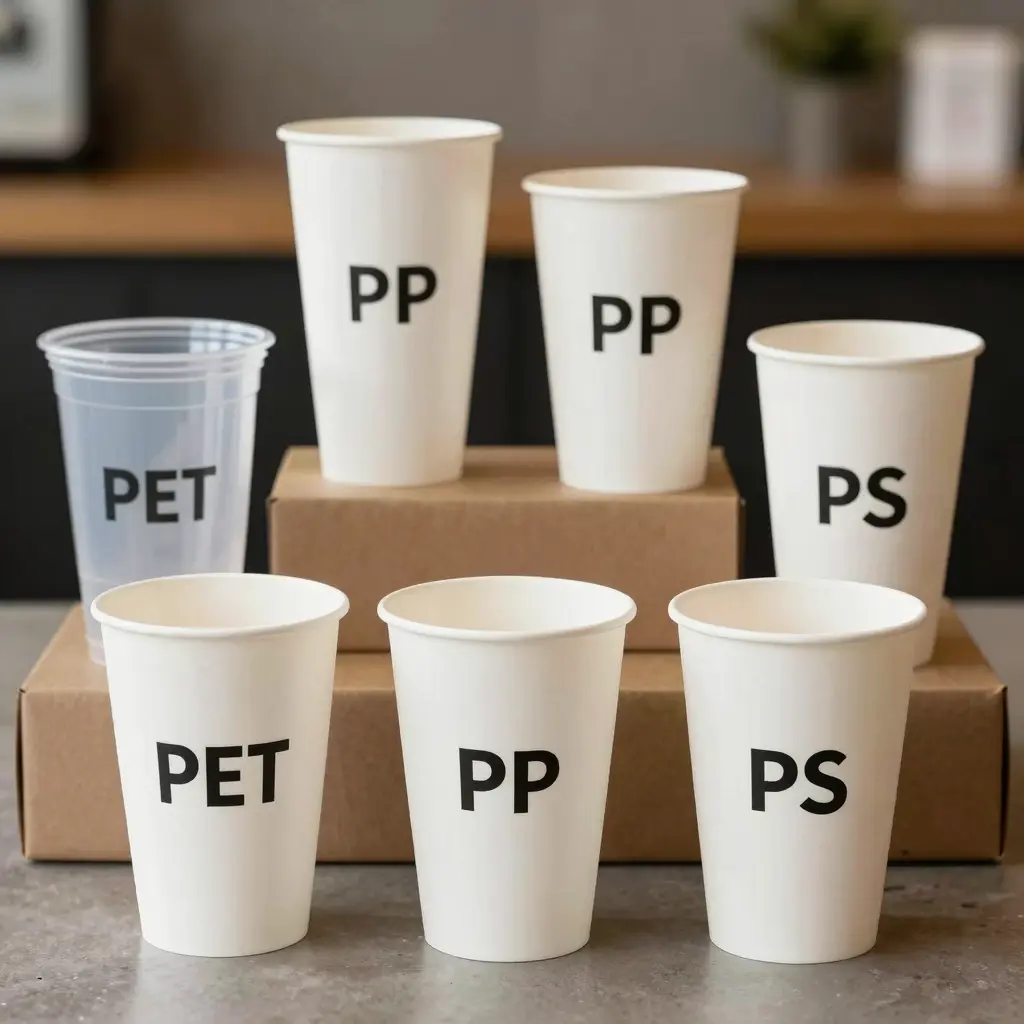
The demand for eco-friendly disposable cups is surging, driven by growing environmental awareness among consumers and advancing regulations targeting plastic waste. In 2023, the global market for disposable cups was valued at approximately $152.1 billion, with predictions showing it could double by 2032, reflecting a compound annual growth rate (CAGR) of 8.71%. This shift is particularly noticeable in the beverage industry, where businesses are prompted to transition to sustainable solutions that align with consumer preferences for hygiene, convenience, and sustainability.
Sustainable Materials: PLA and Recycled Content
One of the standout materials in the eco-friendly cup movement is Polylactic Acid (PLA). This biodegradable material, derived from renewable resources such as corn starch, boasts several advantages:
- Biodegradability: PLA cups can decompose in industrial composting conditions within 3 to 6 months, turning back into carbon dioxide and water, thus supporting sustainability.
- Strong Mechanical Properties: PLA cups offer high tensile strength (51-80 MPa), low water absorption, and excellent resistance to warping, making them suitable for various beverages.
- Lower Carbon Footprint: The production of PLA contributes less to greenhouse gas emissions compared to traditional petroleum-based plastics.
Despite its benefits, businesses should also be wary of potential challenges:
- Heat Sensitivity: PLA has lower heat resistance than plastic, which limits its use for hot beverages unless properly coated or treated.
- Cost: PLA products may come at a premium compared to traditional plastics, which can be a consideration for high-volume operations.
Many companies are also opting for disposable cups made with recycled content, tapping into the circular economy. Utilizing recycled materials lessens the demand for virgin resources and helps divert waste from landfills.
Why Choose Eco-Friendly Options?
Investing in eco-friendly disposable cups not only meets compliance with regulations like the European Union’s Single-Use Plastics Directive but also enhances brand reputation. Companies embracing sustainability can resonate with customers, especially among younger demographics who prioritize environmental responsibility.
Here are a few key benefits:
- Consumer Preference: According to recent surveys, over 30% of consumers are willing to pay a premium for biodegradable packaging, indicating a strong market for eco-friendly alternatives.
- Compliance: With stringent regulations banning single-use plastics across various regions, shifting to sustainable products is not just ethical but also a proactive compliance measure.
Conclusion
In conclusion, the rise in demand for eco-friendly disposable cups underscores a critical shift in consumer behavior that businesses must adapt to. Materials like PLA and recycled content present exciting opportunities for innovation. Retailers, event planners, and food service providers should consider partnering with suppliers who prioritize sustainability, offering products that align with this environmentally conscious trend. To explore eco-friendly products, you can view our selection of paper cups and disposable drinkware.
References
- Allied Market Research (2023). Disposable Cups Market Trends. Link to Source.
- 3D Printing Material (2025). PLA Properties Overview. Link to Source.
- Wholesale High Quality (2026). 100% Biodegradable Compostable PLA Plastic Cup. Link to Source.
This article provides insights into eco-friendly disposable cup choices that emphasize the importance of sustainable business practices while appealing to environmentally-conscious consumers.
Customer Testimonials on the Importance of Choosing the Right Plastic Cups
“Using branded plastic cups at our events has truly elevated our brand visibility. Over 75% of our guests continue to use them regularly, making each cup a mobile advertisement for us!”
- Event Coordinator at a Corporate Gala
“We switched to frosted plastic cups for our outdoor weddings, and the feedback has been overwhelming. They not only look elegant but also improve the guest experience due to their grip and aesthetic. A perfect choice for our high-touch events!”
- Wedding Planner
“Our shift towards eco-friendly plastic cups resonated positively with our customers. We’ve seen a boost in brand loyalty and trust among our clientele, which has been a game changer for our business.”
- Owner of a Local Café
Choosing the right plastic cups is essential for creating an unforgettable brand experience, especially in settings like events and food service.
Conclusion and Call to Action
In conclusion, understanding the types of plastics used in disposable cups is crucial for businesses in the beverage industry. Cups made from materials such as Polypropylene (PP), Polystyrene (PS), Low-Density Polyethylene (LDPE), and Polyethylene Terephthalate (PET) each have unique properties that make them suitable for various uses-from hot beverages to cold drinks.
- Polypropylene (PP) is celebrated for its high heat resistance, making it ideal for coffee shops and establishments serving hot drinks.
- Polystyrene (PS), with its lightweight nature and excellent insulation properties, is often employed for traditional foam cups, although environmental concerns are associated with its use.
- Low-Density Polyethylene (LDPE) is notable for its flexibility and moisture resistance, often seen in cold drink cups.
- Polyethylene Terephthalate (PET) is a popular choice for carbonated soft drinks due to its clarity and strength.
Each of these materials brings its benefits, but it’s equally important to consider the environmental impacts associated with disposable products. Learn more about sustainable packaging options to help your business make environmentally conscious choices.
For beverage shops, food trucks, and event planners, effective disposable drinkware solutions are imperative for operational success. By selecting high-quality, reliable disposable tableware, you can ensure not only the aesthetic appeal of your offerings but also their functionality and safety. This is where Cofe Cup’s extensive product range comes into play.
We encourage businesses to make informed choices about the tableware they use. Opting for our durable, versatile, and eco-friendly packaging solutions can enhance your brand’s reputation while contributing positively to the environment. Join us in making a difference-choose Cofe Cup for all your disposable drinkware and packaging needs!
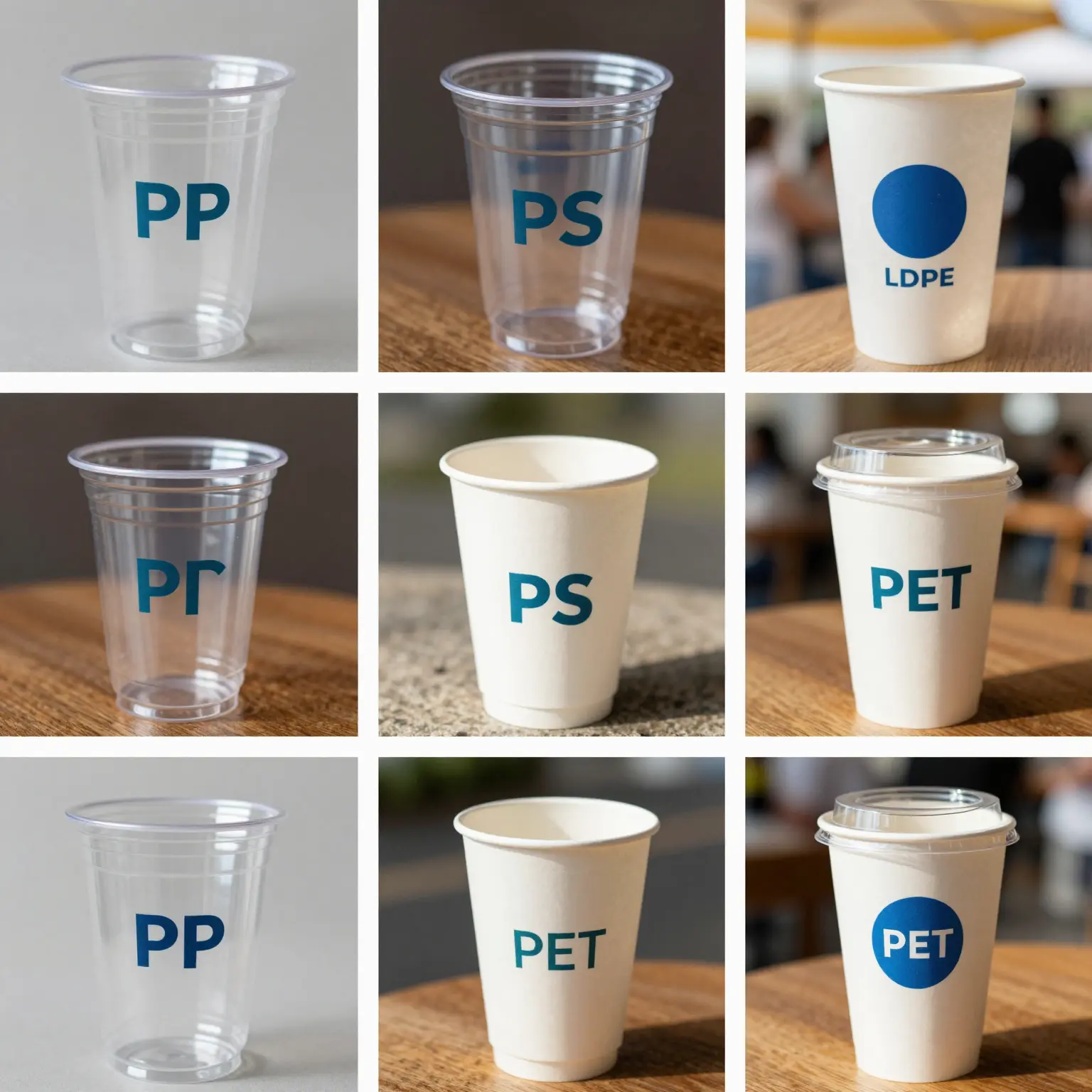
Frequently Asked Questions about Disposable Cups
In this section, we address some common queries regarding disposable cups, particularly about the types of plastics used, their safety, environmental impact, and cost-efficiency.
1. What types of plastics are used for disposable cups?
Disposable cups are typically made from several types of plastics, each with its unique characteristics:
- Polyethylene (PE): Often used for cold beverages, it is resistant to impact and moisture but is not heat stable.
- Polypropylene (PP): This plastic can withstand higher temperatures, making it suitable for hot drinks. It’s recyclable but requires proper facilities.
- Polystyrene (PS): While it is commonly used due to its low cost, this plastic poses significant environmental issues as it is not biodegradable.
- Polyethylene Terephthalate (PET): Commonly used for cold beverages due to its high clarity and pressure resistance, but not suitable for hot drinks.
Choosing eco-friendly options, such as bio-based Polylactic Acid (PLA), is becoming increasingly important for sustainability. As Plastic Manufacturing Insights suggests, these materials offer better environmental outcomes.
2. Are disposable cups safe for food and beverages?
Most disposable cups are considered safe for short-term use with food and beverages under normal conditions. However, concerns have been raised about chemicals such as BPA and phthalates, which can leach into hot liquids. It is essential to check that the cups are labeled safe for food use. For more information on the safety of plastics, refer to the article on National Geographic.
3. How eco-friendly are disposable cups compared to reusable ones?
Disposable cups are generally less eco-friendly than reusable cups. A comprehensive analysis by the EPA indicates that reusable cups must be used multiple times to outweigh the environmental costs of single-use cups. Moreover, the disposal of plastic cups significantly contributes to landfill waste and ocean pollution, highlighting the growing push for reusables in our industry.
4. What is the cost difference between disposable and reusable cups?
While disposable cups are cheaper upfront, their costs can accumulate quickly if used daily. For instance, ordering disposable cups every day may exceed $100 a year for an average consumer. In contrast, a high-quality reusable cup typically costs between $10 and $25, paying for itself within two to three months. Many cafes offer discounts for customers who bring their own cups, which further incentivizes their use (The Guardian).
5. Can disposable cups be recycled?
Recycling practices for plastic cups vary significantly by region, and many cups are not recycled effectively due to contamination and complex materials. Less than 1% of disposable plastic cups are recycled globally, which raises serious sustainability concerns. An insightful piece from the World Economic Forum explores these challenges in detail.
As businesses in the food and beverage industry, understanding the implications of using various types of disposable cups can help in making informed choices for your business and the environment. Embracing reusable alternatives and eco-friendly practices is a step towards a more sustainable future.

Check out our range of paper packaging solutions to find sustainable options for your disposable cups.