
Introduction
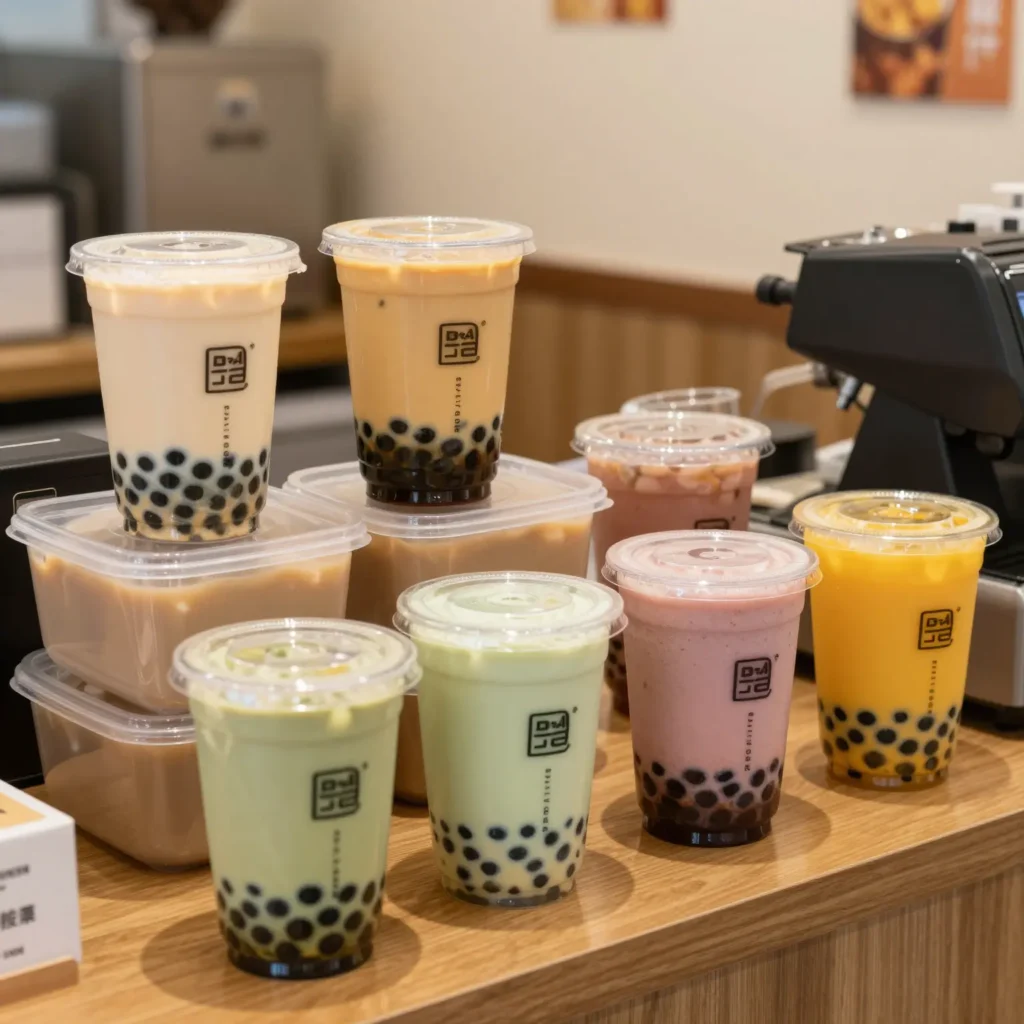
In the vibrant world of bubble tea shops and restaurants, the importance of safety and quality in food packaging cannot be overstated. BPA plastic food containers stand out as a reliable choice for culinary professionals aiming to serve delicious and visually compelling dishes while ensuring that their customers are protected from harmful chemicals. As bubble tea gains popularity, along with other quick-serve foods, the need for durable, hygienic, and efficient packaging solutions becomes critical in enhancing customer experience. Whether you’re running a bustling food truck or a chic café, choosing the right type of food container plays a significant role in maintaining the integrity of your offerings. At Cofe Cup, we provide a wide selection of packaging materials that prioritize safety and contribute to the overall presentation of your food and drinks. As consumers grow increasingly health-conscious, opting for BPA-free options not only reassures your patrons but also reinforces your commitment to quality in every sip and bite.
Benefits of Using BPA Plastic Food Containers in Food Businesses
When it comes to food storage solutions for your business, BPA plastic food containers offer numerous advantages. Here are some of the key benefits:
1. Safety First
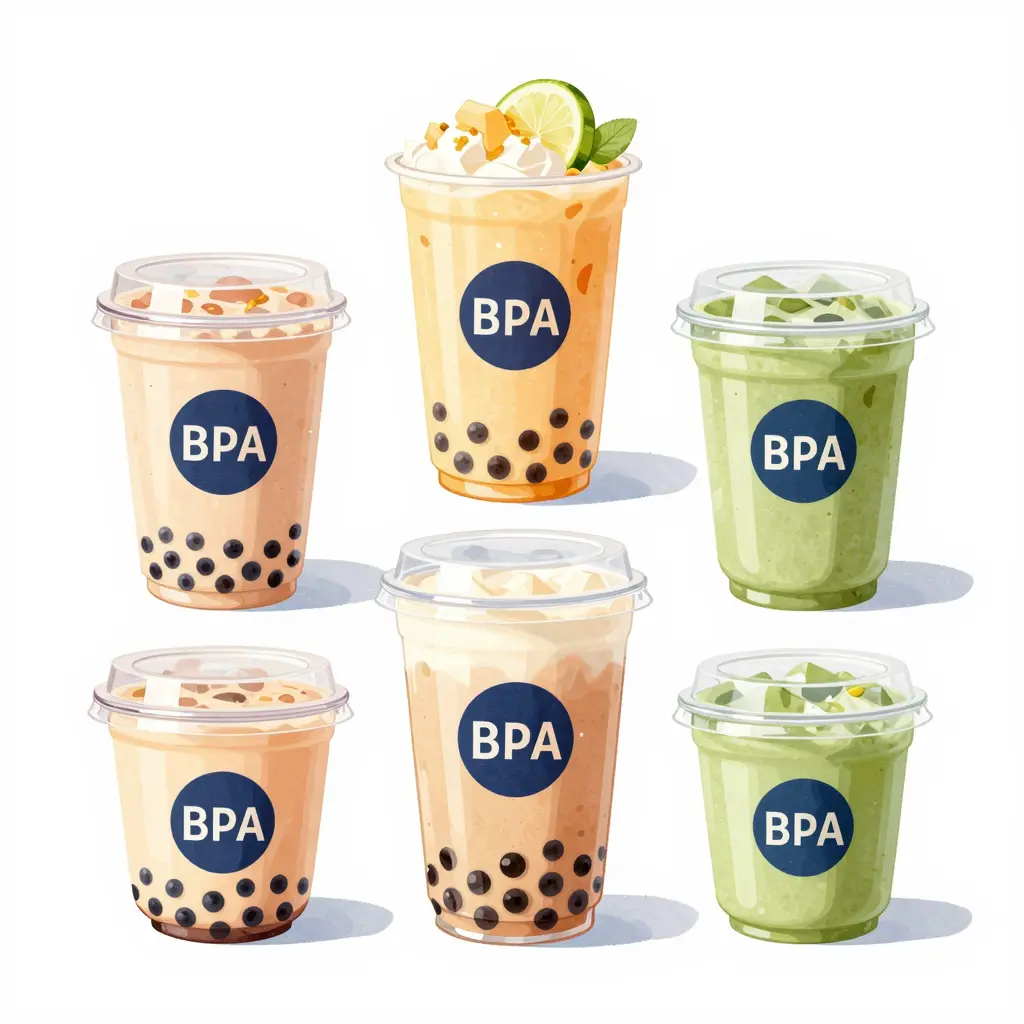
BPA (Bisphenol A) is a chemical that has raised health concerns due to its potential to leach into food and beverages. BPA-free plastic containers are a safer option, ensuring that your food remains uncontaminated. Choosing containers that are confirmed BPA-free mitigates risk and enhances consumer trust in your food products. For more about packaging safety, you can learn about our packaging categories.
2. Exceptional Durability
BPA plastic containers are known for their robustness. They can withstand wear and tear in busy environments like restaurants or food trucks. This durability translates into long-term use, reducing the need for frequent replacements, hence cutting costs.
3. Lightweight and Convenient
These containers are incredibly lightweight, making them easy to transport and stack. Their convenience is a big plus for food businesses, ensuring that storage and distribution are hassle-free, particularly in fast-paced settings.
4. Eco-Friendliness
While not all plastic is eco-friendly, many BPA plastic containers are designed to be recyclable. This shift towards sustainability is important for businesses wanting to minimize their environmental footprint. Utilizing recyclable materials shows your commitment to eco-friendliness, which today’s consumers increasingly value.
5. Versatility in Usage
BPA plastic food containers come in various shapes, sizes, and designs, making them suitable for different food items-everything from liquids to dry goods. This versatility can help in organizing and presenting food items attractively, essential for food businesses that aim to entice customers.
By leveraging these benefits, food businesses can make informed decisions about their packaging solutions. For more packaging options, consider exploring our range of disposable tableware to complement your BPA plastic containers.
Safety Standards of BPA Plastic Containers
BPA plastic food containers are designed to adhere to stringent safety standards established by regulatory bodies across the globe, ensuring that they do not compromise food integrity. One of the key aspects of these standards is the European Union’s ban on Bisphenol A in food packaging intended for infants and children, which has been in effect since September 2018. This regulation emphasizes the safety of materials used in food containers, particularly for vulnerable populations. Moreover, BPA is being phased out in various food contact applications, as detailed in the comprehensive guidance issued to industry stakeholders, emphasizing compliance and ongoing monitoring of materials. These measures protect food from chemical leaching while maintaining optimal freshness, flavor, and nutritional value. Therefore, when choosing BPA plastic containers for your food service needs, you can trust that they are manufactured under strict compliance measures that prioritize customer health, making them a reliable option for bubble tea shops, restaurants, and catering services alike. For quality packaging solutions, browse our range to find products that meet these high safety standards.
“BPA can leach into food and beverages, posing potential health risks. Awareness of food safety, especially in the use of BPA plastic containers, is crucial for consumer protection.”
- Mayo Clinic, What is BPA? Should I be worried about it?
The conversation surrounding BPA (Bisphenol A) in food containers is significant for restaurants, food trucks, and beverage chains looking to understand the impact of their packaging choices on customer health. As emphasized by the Mayo Clinic, understanding how BPA can leach into food is crucial to maintaining food safety and protecting consumer well-being.
For safe practices, consider transitioning to BPA-free packaging options to ensure your customers’ safety and enhance your brand’s reputation.
Comparing BPA Plastic Food Containers with Alternatives
Food safety is essential in food service, especially in environments like bubble tea shops, restaurants, and food trucks. This table summarizes the key characteristics of BPA plastic food containers in comparison to glass and stainless steel alternatives, emphasizing durability, cost, and safety.
| Material | Durability | Cost (average) | Safety |
|---|---|---|---|
| BPA Plastic | Moderate (5-10 years) | Low – $5 – $20 | Potential health risks (BPA leaching) |
| Glass | High (10+ years) | Moderate – $15 – $40 | Generally safe, non-toxic |
| Stainless Steel | Very High (20+ years) | High – $20 – $50 | Safe, durable, corrosion-resistant |
Sources for Further Reference
Visual Representation of Cost

Understanding these differences can help you make informed decisions about your food packaging choices, ensuring the safety of your products and the satisfaction of your customers. For more packaging options, you can explore Cofe Cup’s packaging solutions.
The Eco-Friendliness of BPA Plastic Containers
BPA plastic food containers are often part of an innovative strategy for eco-friendliness when properly managed. While Bisphenol A (BPA) has faced scrutiny due to potential health risks, understanding their recyclability and responsible disposal options can help enhance their sustainability profile.
Recyclability of BPA Containers
Many BPA plastic containers can indeed be recycled. However, it’s essential to identify the recycling code on the bottom of the container. Most BPA plastics belong to the #3 or #7 category, which may not be accepted by all curbside recycling programs. Here are some tips for ensuring these containers are recycled effectively:
- Check Local Guidelines: Each city or region has different recycling rules. Always check local guidelines to see if BPA plastics are accepted.
- Rinsing Before Recycling: To avoid contamination with food residues, rinse out containers before placing them in the recycling bin.
- Consider Drop-off Centers: If curbside recycling options are limited, look for local drop-off centers that accept these specific plastics.
Responsible Disposal Options
When recycling isn’t an option, responsible disposal is crucial. Here are steps to consider:
- Repurpose Containers: Give new life to your containers by using them for storage or organization at home, reducing the need for new products.
- Participate in Hazardous Waste Programs: Some areas have programs specifically designed to handle BPA products safely, thus preventing them from ending up in landfills.
Conclusion
Incorporating BPA plastic containers into an eco-friendly strategy is possible with attention to their recyclability and responsible disposal. By enhancing consumer awareness, companies can promote sustainable practices that not only benefit their bottom line but also contribute positively to the environment. Explore more about sustainable packaging solutions at Gourmet Packaging or delve into eco-friendly alternatives here.
User Adoption of BPA Plastic Containers in the Food Industry
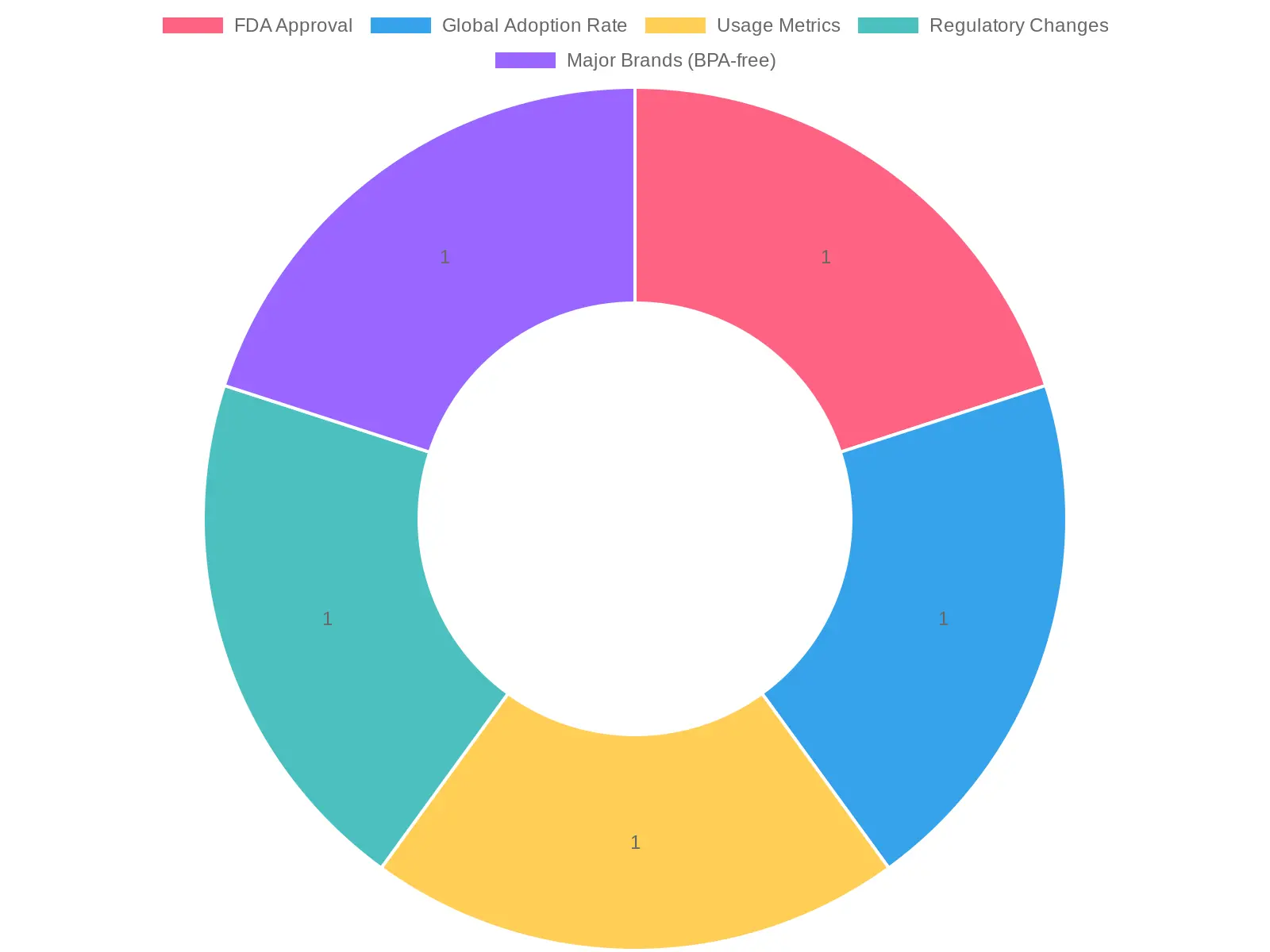
User adoption of BPA (Bisphenol A) plastic containers remains a significant topic within the food industry, primarily due to ongoing discussions surrounding health and safety. Here are some key findings from recent data:
-
FDA Approval and Ongoing Debate: The FDA has deemed BPA safe in low doses for specific applications, which is crucial because it indicates why many manufacturers continue to use BPA in food packaging. However, there is still considerable debate regarding potential long-term health effects, which has led to scrutiny and calls for further research (FDA BPA Safety Information).
-
Global Adoption Rates: Approximately 50% of food container manufacturers globally still utilize BPA products in their offerings. This highlights the prevalent adoption across different regions and sectors of the food industry despite the push for alternatives.
-
Transition to BPA-Free Alternatives: Many brands, including major ones like Tupperware and Rubbermaid, are transitioning to BPA-free options, reflecting consumer preferences moving toward safer alternatives.
-
Regulatory Changes: Several countries have enacted bans on BPA use in food containers targeted at infants and young children due to health concerns. In Europe, the conversation continues regarding regulatory frameworks around BPA, emphasizing a potential shift in adoption patterns (European Commission on BPA Regulation).
-
Usage Metrics: While BPA remains prevalent, a noticeable trend is evident with brands and businesses increasingly adopting BPA-free containers to meet regulatory standards and customer demand for safer food packaging.
For more information about various packaging options, including BPA-free containers, you can explore our packaging solutions.
Additional Insights
The adoption of BPA continues to dwindle as consumer awareness increases, and the food industry adapts towards more sustainable and health-conscious options. Keeping up with regulations and consumer preferences is essential for businesses in the food industry.
Ideal Uses of BPA Food Containers
BPA plastic food containers are an excellent choice across various food service contexts, proving to be both versatile and effective in meeting the demands of today’s fast-paced culinary environments. Here are some key areas where they truly shine:
Food Trucks
In the bustling environment of food trucks, efficiency and durability are paramount. BPA food containers are designed to withstand the rigors of busy streets while ensuring food safety. They are:
- Robust: Resistant to cracking and breaking, these containers can endure transportation without compromising the quality of the food inside.
- Lightweight: Easy to carry and stack, allowing food truck operators to maximize their space.
- Seal Tight: Many BPA containers come with secure lids that minimize spillage, making them ideal for serving customers on the go.
Catering Services
Catering requires food storage solutions that are both practical and aesthetically pleasing. BPA food containers excel in this area as they:
- Present Well: BPA containers can be stylishly designed to enhance the presentation of catered food, appealing directly to event planners and clients alike.
- Keep Food Fresh: Their airtight seals help maintain freshness during transport to events, crucial for perishable items.
- Easy to Clean: After an event, these containers can be easily washed and reused, providing a sustainable option for caterers.
Restaurants
In a restaurant setting, efficiency and food safety are top priorities. BPA food containers are beneficial as they:
- Stackable: They optimize space in storage rooms, making them ideal for restaurants with limited storage.
- Durable for Daily Use: Designed to handle a range of temperatures, from freezers to microwaves, they provide versatility for various kitchen applications.
- Affordable: Given the bulk requirements of restaurants, BPA containers offer an economical choice without sacrificing quality.
For businesses in the food industry looking to enhance their packaging solutions, exploring BPA plastic food containers can be highly advantageous. To see how these containers align with your business needs, check out our packaging options today!
Trends in BPA Container Sales
The food service industry has seen significant shifts regarding BPA (Bisphenol A) plastic containers in recent years. Growing health concerns have led to a marked decline in the use of BPA containers, while the demand for BPA-free alternatives continues to rise. The following chart illustrates these trends, particularly reflecting changes from 2021 to 2023.

Key Insights
- Declining BPA Usage: With increasing awareness about the health risks associated with BPA, many businesses are moving towards BPA-free options.
- Rising Demand for Alternative Materials: The trend is influenced not just by health concerns but also by changes in consumer preferences towards more sustainable packaging solutions.
For more on sustainable packaging choices, check out our selections here.
In conclusion, BPA plastic food containers play a pivotal role in ensuring food safety and quality service across various food industries. These containers help in maintaining the freshness and hygiene of food items, which is crucial for businesses like bubble tea shops, restaurants, and food trucks that prioritize customer satisfaction. BPA, or bisphenol A, is known for its durability and resistance to high temperatures, making it an ideal choice for food storage. By using BPA plastic containers, businesses can also reduce the risk of contamination and foodborne illnesses, safeguarding their reputation and customer health. It’s essential for those in food service and catering to choose high-quality BPA plastic containers that comply with food safety regulations. For options that meet these high standards, you can explore our packaging printing solutions or check our plastic packaging choices. Ultimately, making informed decisions about food containers will help ensure that businesses thrive while providing safe and enjoyable dining experiences for their customers.