
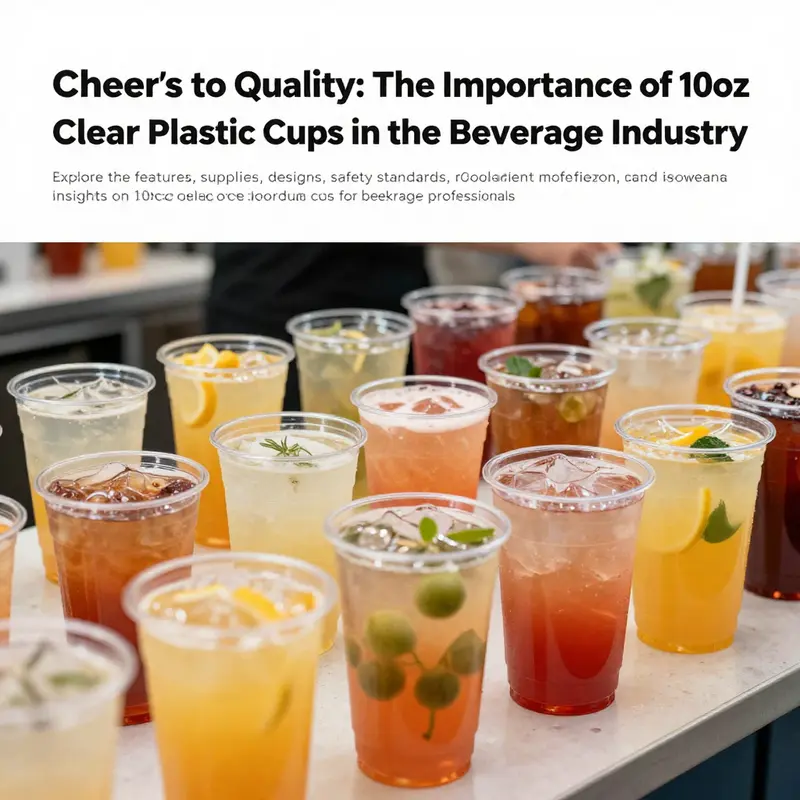
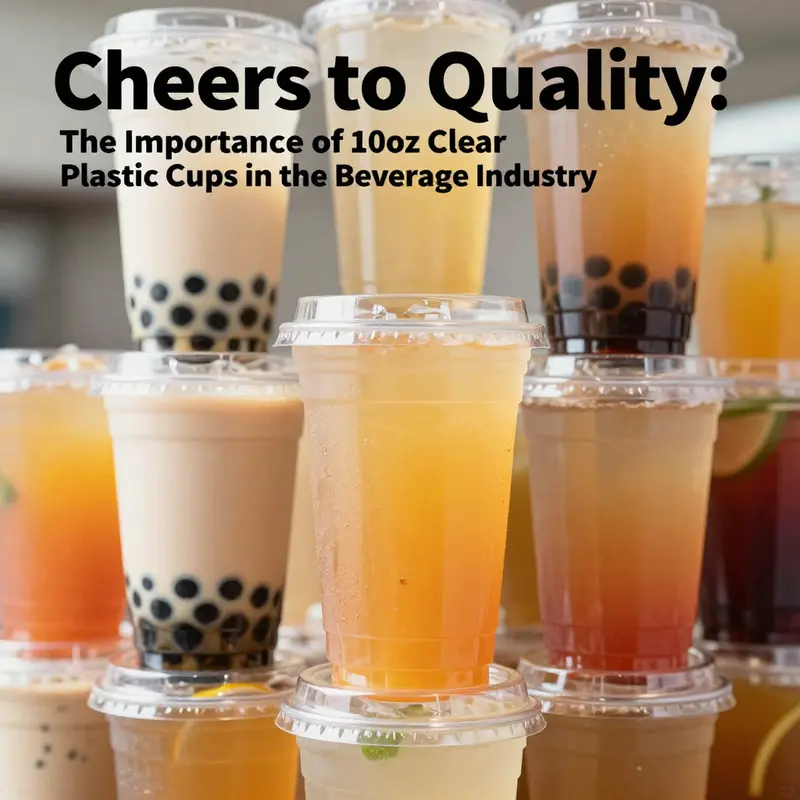
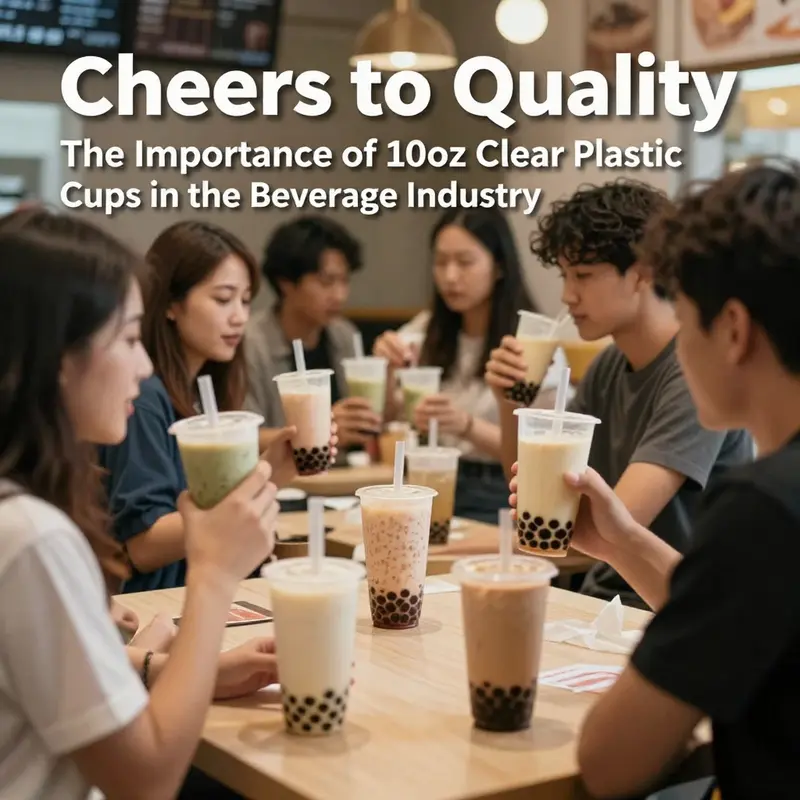
When it comes to serving beverages, presentation and functionality are paramount. 10oz clear plastic cups have become a staple for bubble tea shops, beverage chains, restaurants, food trucks, catering services, event planners, and corporate procurement teams. These versatile cups not only enhance the visual appeal of your drinks but also ensure safety and convenience. With a variety of designs and customization options available, understanding the core features of these cups can significantly impact your service quality. Throughout this article, we will delve into the essential characteristics of 10oz clear plastic cups, introduce leading suppliers, explore design variations, discuss safety and environmental considerations, and provide usage recommendations informed by consumer insights.
null
null
From Clarity to Ceremony: Navigating 10oz Clear Plastic Cups, Suppliers, and Market Platforms

The 10-ounce clear plastic cup sits at a quiet crossroads in the world of beverage service. It is a vessel whose presence often goes unnoticed—until the moment a guest lifts it and reads the color of a fruit punch, a tea, or a chilled coffee through its flawless, transparent wall. In professional settings, the choice of cup is more than a matter of capacity; it is a decision that touches product safety, user experience, aesthetics, and the efficiency of a supply chain. This chapter traces the terrain where demand for these cups converges with a landscape of suppliers and platforms, revealing how buyers navigate quality, customization, and sustainability without losing sight of practical constraints such as lead times, minimum orders, and total cost of ownership. The aim is not to name every vendor but to illuminate the features that differentiate good options from great ones, and to show how platforms—whether bulk B2B marketplaces or consumer-focused retailers—shape what is possible in today’s disposable-tableware market.
At the core of the 10-ounce category, materials define what a cup can do. PET, the workhorse behind many clear cups, offers reliable clarity and strength, standing up to cold beverages and frequent handling in busy service environments. Its durability helps reduce spill incidents, a critical factor when cups fly off trays or rest in a crowded booth. Yet another material, polystyrene (PS), can deliver a sharper translucence and a crisper edge which some brands prefer for upscale event settings or photo moments where look matters as much as function. An important thread running through choice of material is safety and compliance. Regulatory frameworks governing food contact materials set expectations about what can migrate into drinks and how packaging behaves under storage or in contact with different beverages. In many markets, this is codified through standards like EU Regulation No 1935/2004, which governs composition, testing, and labeling for materials intended to come into contact with food. Cartons and cups may carry claims of compliance, but savvy buyers probe supplier documentation, request pre-production samples, and insist on final inspections before shipment. The conversation about materials cannot ignore environmental considerations. The market increasingly offers cups made from polylactic acid (PLA) or other bio-based polymers designed to be compostable under industrial conditions. The caveat remains that compostability is context-dependent: PLA cups may require industrial composting facilities to fully break down and may not perform as hoped if disposed of in home compost or routed into standard municipal waste streams. These tradeoffs shape procurement decisions as much as any price tag.
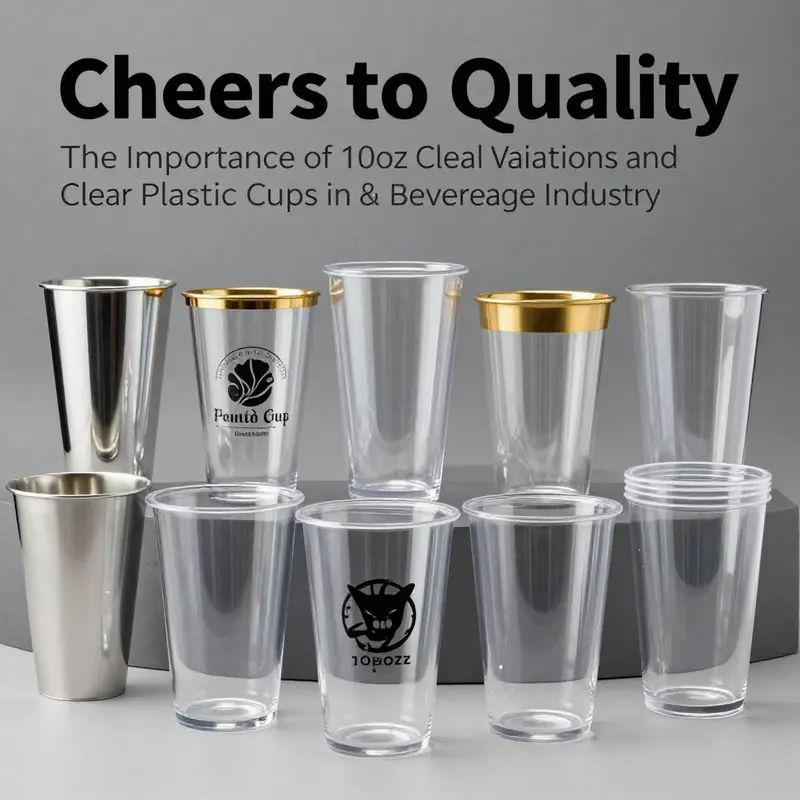
Beyond raw materials, the design language of a 10-ounce clear cup communicates intent. The basic form remains utilitarian—tall, slender, and easy to stack—but the market has expanded to include designs that elevate a moment without sacrificing practicality. For formal occasions, the rim of the cup can be dressed with silver or gold-tone accents, lending a touch of ceremony that mirrors the mood of weddings, galas, or milestone celebrations. Such embellishments must be balanced against durability and cost; metallic rims can introduce additional manufacturing steps or require specialized equipment, yet they remind guests that disposable doesn’t have to feel disposable in its impact. More broadly, customization options—from logo printing to subtle color accents along the cup wall—provide a pathway for brands or event planners to reinforce identity at the table or the bar. In a crowded market, these small design cues become differentiators that influence guest perception and the overall experience of a beverage service.
The procurement journey for 10-ounce clear cups typically unfolds across two major channels: wholesale/B2B platforms that aggregate a wide range of products from multiple manufacturers, and consumer-oriented retail channels that offer readily available, brand-positioned options. The wholesale route presents buyers with a spectrum of choices in materials, shapes, and finishing options, often accompanied by details on minimum order quantities, lead times, and bulk pricing. For buyers managing events, hospitality programs, or large catering operations, wholesale platforms are attractive because they consolidate several needs under one umbrella: cups, lids, sleeves, and sometimes even complementary disposable tableware. The emphasis here is on scalability, traceability, and the ability to source consistently across geographies. In parallel, consumer-focused platforms provide quick access to ready-made packs that suit smaller scales or last-minute needs. They are valuable when a project is time-sensitive or when a user seeks a turnkey solution without negotiating bulk terms. The juxtaposition of these channels highlights a central truth of modern disposable ware: the best choice is often a balance between reliability, customization, and speed, dictated by the context of use.
Sourcing considerations extend well beyond the product itself. Foremost is supplier reliability. Buyers look for evidence of rigorous quality control, such as pre-production samples, in-line inspections, and post-production checks. A transparent supply chain helps ensure that every batch meets defined tolerances for clarity, thickness, and rim integrity. Certification and compliance documents carry weight in procurement decisions, especially when cups serve in settings with strict safety expectations. In addition, the supply landscape has responsive options for green or environmentally conscious buyers. Eco-friendly cups, including PLA-based variants, are part of a broader strategy to reduce plastic waste, but buyers should be mindful of certification standards, end-of-life scenarios, and compatibility with existing waste-management systems. The global reach of today’s platforms supports this shift by offering a mix of standard PET cups and more sustainable alternatives, allowing buyers to tailor choices to both audience expectations and regulatory environments.
A practical aspect of navigating this market is understanding how platforms differ in service and speed. Bulk marketplaces are designed for speed and scalability; they help buyers compare multiple suppliers side by side, review certifications, and negotiate terms. They also enable access to a broader ecosystem of related products, from lids to straws to color-mpecific sleeves, making it easier to synchronize packaging and service. In contrast, direct retail channels—whether through a major retailer’s online catalog or a brand’s own storefront—often emphasize consistent packaging, branded aesthetics, and simple, predictable shopping experiences. The coexistence of these channels compels buyers to think strategically about inventory planning, seasonal demand, and contingencies for supply disruption. In practice, a well-planned procurement approach may involve a primary wholesale source for baseline needs, complemented by a retail fallback for emergencies or event-driven surges.
For those seeking a consolidated view of options and to understand the breadth of what is possible with 10-ounce clear cups, a convenient entry point is the plastic cups category on a general supplier site. This catalog typically showcases variations in material, rim treatment, and customization, enabling buyers to assess compatibility with their product lineup and event profiles. plastic cups serves as a practical anchor for envisioning how form, function, and formality intersect in real-world use. In addition to material choice and aesthetic treatment, buyers can gauge packaging configurations, shipping readiness, and overall value through the lens of lead times and MOQs. The ultimate goal is to align the right combination of clarity, hold-up, and presentation with the specific beverage context and guest expectations. The result is a cohesive experience where the cup, though disposable, contributes to a moment rather than simply containing a liquid.
As the market continues to evolve, the conversation about 10-ounce clear cups remains a conversation about balance. Clarity must harmonize with durability; customization must coexist with cost control; sustainability must be achievable within existing waste-management frameworks. The platforms that connect buyers with suppliers—whether through global wholesale marketplaces or direct-to-consumer channels—mirror these tensions and, at their best, provide a path to consistent quality and creative possibility. The next steps for buyers involve clarifying the intended beverage profile, anticipated service tempo, and the environmental priorities of their program. With these guardrails in place, the 10-ounce clear cup becomes more than a convenience; it becomes a well-considered component of brand experience, guest comfort, and responsible operational practice. External considerations aside, the core value remains straightforward: a useful, elegant, and dependable vessel that helps beverages shine without stealing focus from the moment they are poured, sipped, and enjoyed.
External resource: https://www.walmart.com/ip/Munfix-100-Silver-Plastic-Cups-10-Oz-Clear-Tumblers-Silver-Rimmed-Disposable-Wedding-Party-Cups/494693236
null
null
10oz Clear Plastic Cups: Safety Standards and Environmental Considerations
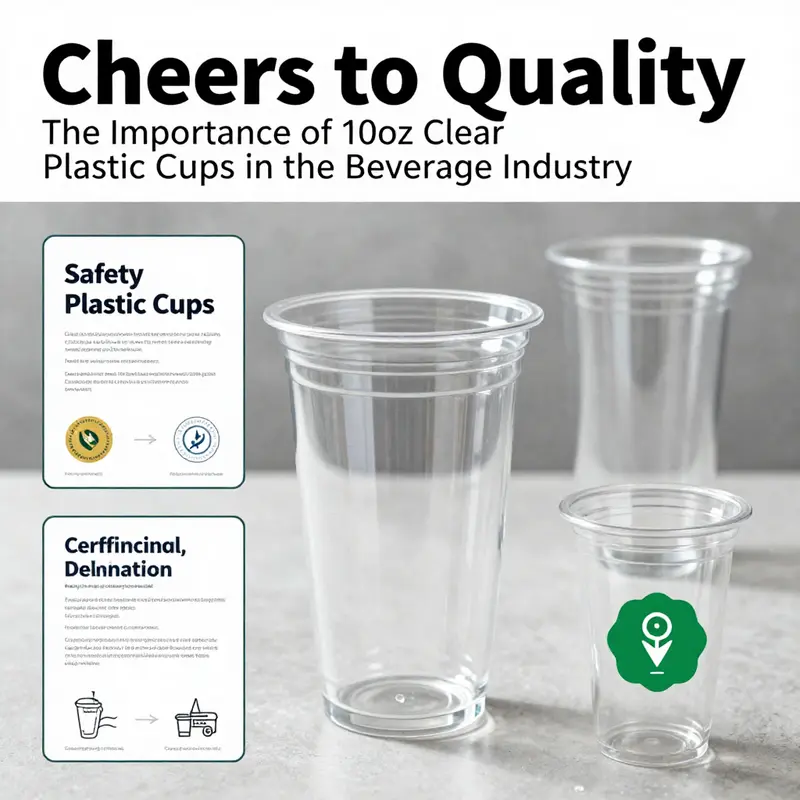
The humble 10-ounce clear plastic cup sits at the crossroads of everyday practicality and broader questions about safety, sustainability, and the future of disposables. In many commercial and consumer settings, this cup is chosen not only for its crisp transparency and sturdy feel but also for the predictable performance it delivers when filled with cold beverages, juices, or tea. Behind that simplicity lies a pair of material stories—PET and PLA—that shape how the cup behaves, what it can safely hold, and what happens to it after use. PET, a familiar workhorse in disposable drinkware, provides high clarity, reliable strength, and a broad compatibility with beverages. PLA, derived from plant-based sources, promises a different set of environmental attributes. Each material carries its own safety profile and its own path to end-of-life, and understanding these trajectories helps bridge the gap between momentary convenience and long-term responsibility.
From a safety standpoint, reputable suppliers and responsible manufacturers emphasize conformity to international standards designed to ensure that containers intended for food contact do not introduce unwanted substances into the liquids they hold. A central reference point for many in the industry is compliance with European food-contact regulations that specify which substances may migrate from packaging materials into food or drink. In practice, this translates into a focus on processes and formulations that avoid substances like BPA and phthalates, as well as traceability that confirms material compositions and production controls. In markets where Extended Producer Responsibility (EPR) programs operate, cups and their packaging must also reflect responsibilities beyond the point of sale, with attention to recyclable or recoverable designs, and clear guidance on how products should be handled at end of life. Such certifications and frameworks provide a map for buyers who seek to minimize risk while maintaining practicality for events, cafeterias, and retail environments. When a cup is labeled as meeting these standards, it signals more than compliance; it signals a shared commitment to the safety of beverages that people drink daily and the communities that will manage that packaging after use.
Environmental considerations enter the conversation in a layered way. Conventional PET cups enjoy robust recycling pathways in many regions, yet the reality on the ground is uneven. Even when a cup is marked as recyclable, the actual outcome depends on local collection systems, contamination rates, and consumer behavior. In places where curbside recycling systems are underdeveloped or where the separation of plastics is inefficient, recyclable design alone does not guarantee that a cup will re-enter the material loop. This reality has driven interest in plant-based alternatives such as PLA cups, which are marketed as compostable under certified industrial conditions. ASTM D6400 and related standards ascertain that PLA-derived cups can break down within industrial composting facilities, given the right heat, moisture, and microbial environment. The caveat, however, is essential: industrial composting is not universal. In many regions, access to industrial composting facilities is limited, and home composting is not feasible for these materials. As a result, PLA cups may persist far longer than anticipated in natural settings if disposal streams do not provide the appropriate infrastructure.
The environmental calculus, then, is not a simple binary choice between “good” and “bad.” It requires an honest appraisal of end-of-life options, local waste-management capabilities, and the specific goals of an event or business. For a venue with routine industrial composting access and a strong commitment to waste diversion, PLA cups can perform as a meaningful alternative to traditional PET cups. For most traditional recycling programs, however, the story of PLA is more nuanced: some facilities accept PLA but only under agreed-upon conditions, and not all curbside streams will recognize or differentiate PLA from conventional plastics. In contrast, PET cups, while highly recyclable, must contend with contamination and the fact that many streams are optimized for bottle plastic rather than cup containers. The bottom line is that a truly sustainable choice depends on clarity about disposal options, local capabilities, and a genuine willingness to design for end-of-life as part of the product’s initial specification.
From a design perspective, the beauty of the 10-ounce clear cup lies in its versatility. The same form can be distilled into elegant partyware with metallic rims for weddings and receptions, or kept minimal for day-to-day service in cafes and event spaces. This flexibility is important because it means the same basic product can be aligned with different safety and environmental goals through finishes, labeling, and material selection. The choice to prioritize safety and sustainability, however, should not be left to aesthetics alone. It should be explicit in product specifications, supplier attestations, and the logistics plan for cleaning, reuse where feasible, and responsible disposal. A thoughtful buyer will consider certifications, traceability, and the end-of-life story as part of the purchasing decision rather than as an afterthought.
For readers navigating procurement decisions, it can be enlightening to view the supply landscape as an ecosystem rather than a catalog. On one end are large-scale wholesale platforms that offer broad product assortments, enabling buyers to compare different materials, finishes, and certifications under one roof. On the other end are producers crafting specialized variants that emphasize premium finishes, clarity, or compostable compositions. A practical approach is to start with a clear definition of the intended use: will the cups sit in a busy self-serve area, or will they be used in a formal event with strict waste-management expectations? Will the beverages be hot enough to test certain plastic limitations, or will they remain cold and thus place fewer thermal demands on the material? By answering these questions, purchasers can align the material choice with the right environmental strategy and safety assurances.
If readers wish to explore more about the broader category of disposable drinkware and how it intersects with packaging standards, consider the category page for disposable drinkware, which provides a consolidated view of various material options, finishes, and compliance considerations. This resource helps connect the dots between safety, sustainability, and practical use in a way that mirrors real-world decision-making for venues, retailers, and households alike. disposable drinkware category.
In addition to safety and environmental considerations, it is worth noting that the practical realities of end-of-life are heavily influenced by local waste streams. In some communities, a cup can be collected, sorted, and sent back into a new product cycle, while in others, it may end up in a landfill due to insufficient separation or low recycling rates. The most effective strategy for improving outcomes is therefore twofold: first, select cups whose material and labeling clearly communicate safe use and end-of-life instructions; second, invest in user education and on-site waste management that directs consumers toward the correct disposal stream. When these elements come together, the promise of a 10-ounce clear cup—clarity in appearance and reliability in performance—can be realized with reduced environmental impact and reinforced safety for every beverage served.
External resources offer deeper technical insight into compostability standards and material certifications that can guide procurement. For those seeking a comprehensive look at industrial composting credentials and material sourcing, World Centric provides detailed information on PLA-based cups and their ASTM-compliant pathways. This resource complements your decisions by clarifying how compostability standards translate into real-world practice in facilities designed to process plant-based plastics. https://www.worldcentric.com/products/pla-clear-cold-cups-10-oz
null
null
Final thoughts
10oz clear plastic cups represent the intersection of style, safety, and practicality for beverage service providers. Whether you are a bubble tea shop looking to enhance your drink presentation or an event planner searching for versatile serving options, these cups meet the demands of various sectors in the food and beverage industry. By understanding their features, exploring supplier options, and considering design variations, you can make informed decisions that elevate your service. Remember to also assess safety standards and environmental impacts, ensuring that your choices align with contemporary expectations. With the right insights, you can leverage 10oz clear plastic cups to create memorable experiences for your customers.