

The Importance of High-Quality Food Storage Containers for Professionals
In the bustling world of food service – whether you’re running a vibrant bubble tea shop, a gourmet restaurant, or a dynamic catering service – maintaining the quality and freshness of your ingredients is paramount. One often overlooked yet crucial aspect of this is the choice of food storage containers. High-quality, clear plastic professional food storage containers not only help in preserving the integrity of your products but also enhance your operational efficiency. Among these, the 14-gallon containers stand out, providing ample space for bulk storage without compromising on organization.
Imagine the benefits of a sturdy, transparent container that allows you to quickly identify contents while ensuring they are securely sealed to prevent spoilage. For establishments that deal with high volumes, like food trucks and catering businesses, this 14-gallon size strikes the perfect balance between capacity and usability. It simplifies inventory management, allowing staff to efficiently restock items as needed-saving both time and reducing waste.
Choosing the right containers is more than just a logistical decision; it’s a commitment to your craft. By investing in quality food storage solutions, you ensure that each bubble tea cup, dish, or catered meal reaches your customers in its best form. Plus, these containers are designed to withstand the rigors of daily use, making them a reliable partner in your kitchen or service area. To streamline your operations and elevate your service, consider the advantages of using high-quality food storage containers that meet industry standards and exceed customer expectations.
Comparison Table of 14-Gallon Clear Plastic Food Storage Containers
Choosing the right storage containers for your food service operations is essential. Here’s a comparison table of three popular brands of 14-gallon clear plastic food storage containers to help you make an informed decision:
| Feature | Rubbermaid Brilliance (BPA-Free) | Sterilite 14 Gallon Footlocker | Alibaba Multi-Purpose Storage Crisper |
|---|---|---|---|
| Brand | Rubbermaid | Sterilite | Alibaba (Sourced from CN) |
| Product Type | Food Storage Containers with Leak-Proof Lids | Heavy-Duty Plastic Storage Trunk Container | Multi-purpose Storage Crisper |
| Material | BPA-Free Plastic | High-Density Polyethylene (HDPE) | General Purpose Plastic |
| Size (Dimensions) | 14-Piece Set (varies by individual container, typically ~8″x6″x5″) | 14″ L x 11″ W x 3.25″ H | Varies (Typical: ~10″x8″x7″) |
| Volume | Not specified per container (Set of 14 pieces) | 14 Gallons | Not specified |
| Lid Type | Leak-Proof Clear Lids | Snap-Fit Lid (Black) | Typically Clear, Non-Lockable |
| Durability | High (BPA-Free, designed for food safety and repeated use) | Very High (Heavy-duty, lockable, stackable) | Moderate (Depends on supplier quality) |
| Transparency | Clear Lids | Solid Black Body (Lid is Black) | Clear (for crisper function) |
| Price (per unit estimate) | $1.80 (Min. order: 100 pieces) | $14.97 (6-Pack) → ~$2.50 per unit | Not available (bulk sourcing) |
| Key Use Case | Food storage, pantry organization, leak-proof sealing | Garage, basement, moving, heavy-duty storage | General multi-purpose storage, crisper drawer replacement |
| Source URL | Alibaba.com – Rubbermaid Brilliance | Amazon.com – Sterilite 14 Gal Footlocker | Alibaba.com – Multi-Purpose Storage Crisper |
For more options on food packaging and storage solutions, you can explore our product range here.
When it comes to food storage, especially in the bustling environments of bubble tea shops, restaurants, food trucks, and catering services, selecting the right containers isn’t just about convenience; it’s also about adhering to vital safety and quality standards. Professionals in the food service industry must consider specific certifications and regulations that ensure both the safety of food products and compliance with health guidelines.
Key Certifications and Regulations
-
FDA Regulations: The U.S. Food and Drug Administration (FDA) has stringent regulations governing materials that contact food. All storage containers used in food service must meet requirements outlined in FDA regulations, particularly 21 CFR Parts 170-189. These rules stipulate that no harmful substances should migrate from the container to food. Containers must be labeled appropriately and manufactured from recognized food-safe materials.
-
USDA Standards: For operations involving meat and poultry, the United States Department of Agriculture (USDA) mandates that food storage materials must not only prevent contamination but also be conducive to maintaining the integrity of the product. This includes maintaining appropriate temperature controls during storage, crucial for preventing spoilage and foodborne illnesses.
-
ISO Certifications: The International Organization for Standardization (ISO) issues various standards that can apply to food storage, particularly ISO 22000, which pertains to food safety management systems. This certification can enhance a food service operation’s credibility and ensure adherence to global safety standards.
Safety Features
When selecting food storage containers, operators should look for features that enhance safety:
- Non-Toxic Materials: Containers should be made from food-grade plastics like polypropylene (PP) or polyethylene (PE). Avoid containers made from recycled plastics unless clearly labeled as safe for food contact.
- Temperature Resistance: Containers should withstand a range of temperatures, ideally from freezing to microwave-safe levels, complying with guidelines for safe food handling.
- Sealing Mechanisms: Proper sealing mechanisms help prevent contamination and maintain food freshness. Look for containers with airtight seals to keep food safe from external elements.
The Importance of Clear Labeling
All food storage containers should be clearly labeled, indicating:
- Material composition (e.g., “BPA-free”)
- Temperature tolerance (microwave safe or freezer safe)
- Proper usage instructions to avoid misapplication, such as “Not for repeated use” for single-use containers.
Conclusion
In the food service industry, compliance with safety standards is not just a regulatory requirement but a crucial part of ensuring customer trust and food quality. By investing in certified and properly labeled food storage containers, operators not only comply with regulations but also contribute to the overall safety of their offerings.
For more details on premium packaging and storage options, as well as other kitchen essentials, explore our product range designed for food service professionals.
Keep up-to-date with regulations and standards for safety in your food storage practices to ensure that your operations run smoothly and safely!
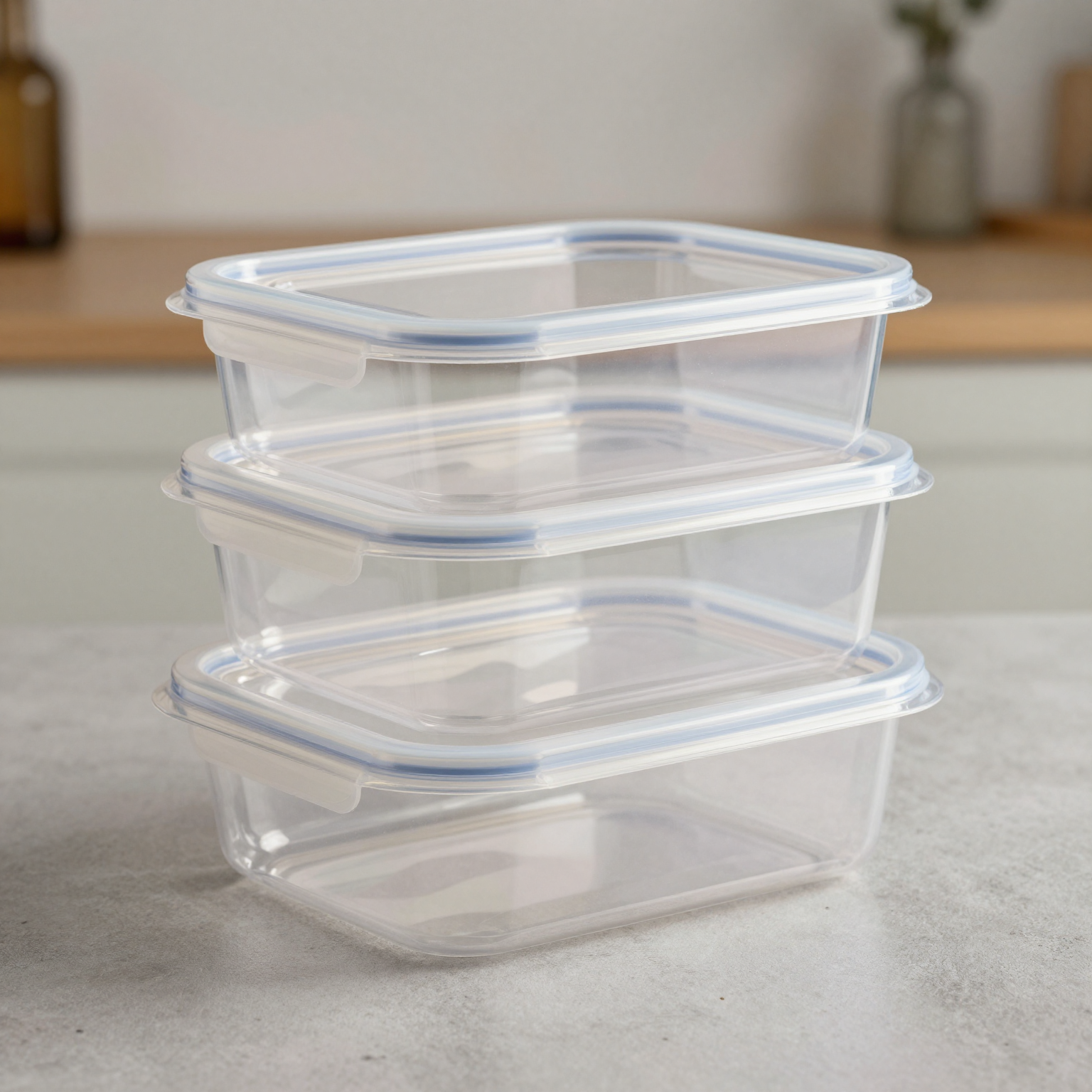
A simple visual image of rectangular clear plastic professional food storage containers, featuring a modern, attractive background. The containers are highlighted to showcase their size and functionality, designed for beverage chains, restaurants, food trucks, and catering services.
The Benefits of Using 14-Gallon Containers for Food Storage in High-Volume Settings
In fast-paced environments such as food trucks, restaurants, and catering services, the efficiency of food storage solutions can significantly impact overall operations. Among various options available, 14-gallon containers stand out for their utility and effectiveness. Here are some compelling advantages of using these versatile bins:
1. Large Capacity Reduces Frequency of Refills
One of the primary benefits of 14-gallon containers is their substantial capacity. This feature allows food service professionals to store a greater quantity of ingredients or meals in one place, therefore minimizing the frequency of refills. As stated by FoodServiceWarehouse.com, this reduced handling not only saves time but also streamlines kitchen operations, providing staff with more time to focus on preparation and customer service.
2. Enhanced Durability and Food Safety
Constructed from durable, BPA-free plastic, these containers are designed to withstand heavy use. They are dishwasher safe and resistant to high temperatures, ensuring that they maintain food safety standards without compromising on quality. Their airtight seals also help to prevent contamination, which is crucial in a bustling kitchen environment.
3. Space-Saving Design
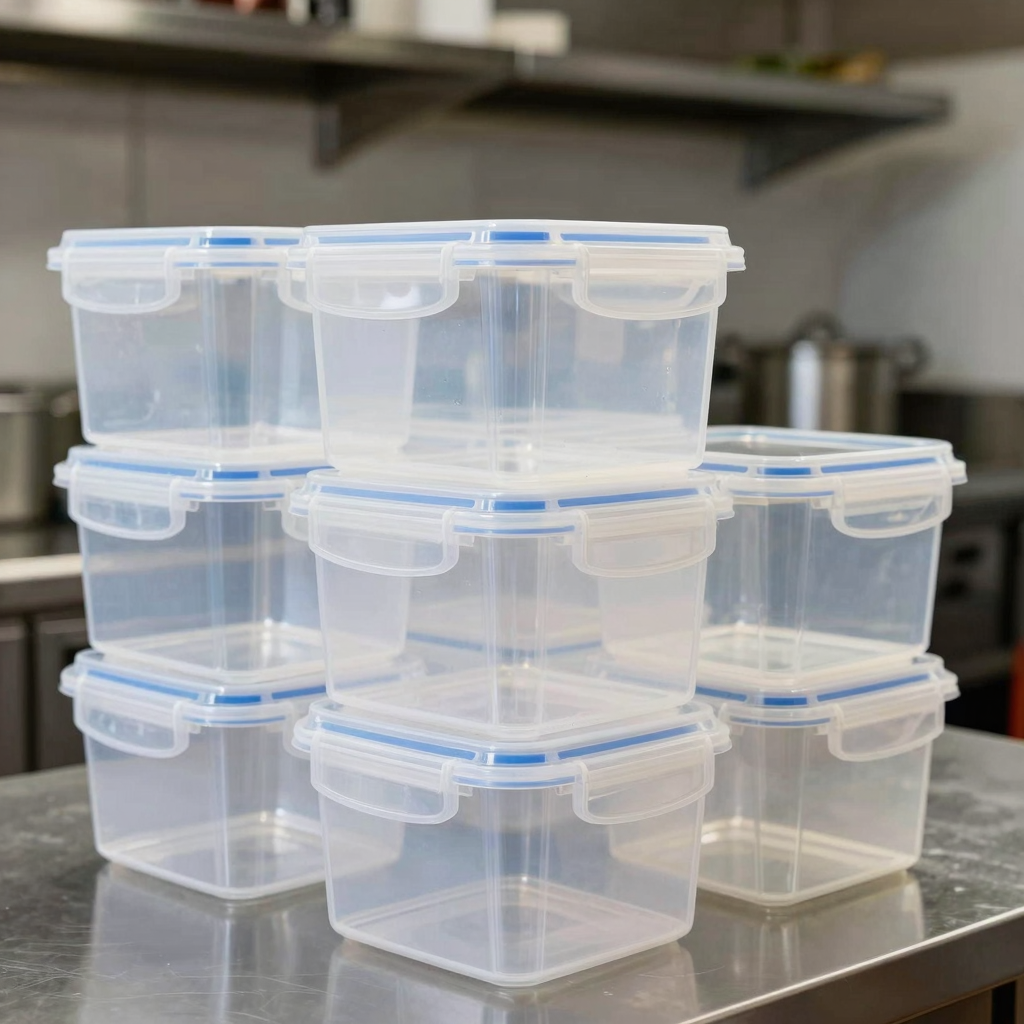
In professional kitchens where space is often at a premium, the stackable design of 14-gallon containers is especially beneficial. By maximizing vertical storage space, these containers help maintain a tidy and organized environment. A recent survey from the National Restaurant Association indicates that 78% of food service operators noted improved prep efficiency after transitioning to large-capacity containers, attributing this improvement to better inventory management and visibility (National Restaurant Association).
4. Versatility in Usage
These containers are not only suitable for storing bulk ingredients but can also be utilized for prepped meals and leftovers, making them extremely versatile. Whether for a small food truck operation or a large restaurant, they can accommodate various food storage needs while ensuring freshness and safety.
5. Cost-Effectiveness
Switching to 14-gallon containers can also lead to significant cost savings. With fewer containers needed overall, businesses can reduce their purchasing costs, as they naturally require less material than smaller containers. Additionally, better organization and reduced spillage contribute to lowered food costs.
6. Efficient Cleaning Routine
For food handling efficiency, keeping clean, sanitary storage solutions is vital. With their dishwasher-safe properties, these containers facilitate an easy cleaning routine, allowing staff to quickly sanitize containers between uses, supporting overall hygiene in food preparation settings.
Conclusion
In summary, 14-gallon containers represent an excellent investment for food service operations focused on efficiency, durability, and safety. By integrating these containers into their storage solutions, food trucks and restaurants can improve workflow, save space, and manage inventory more effectively. To learn more about improving your food storage systems, visit our storage containers collection.
Best Practices for Using and Maintaining Food Storage Containers
Food storage is crucial in the food service industry, particularly for businesses like bubble tea shops, restaurants, and food trucks. Here’s a friendly yet professional guide to best practices for maintaining food storage containers:
- Choose the Right Container: Use food-grade, non-porous containers made of BPA-free plastic, glass, or stainless steel. These materials reduce contamination risks and improve food safety.
- Clean Regularly: Implement a cleaning schedule that involves a three-step process:
- Scrape: Remove leftover food residue after each use.
- Wash: Use hot water and detergent. Ensure the detergent is food-safe.
- Sanitize: Use an EPA-approved sanitizer to eliminate germs and bacteria.
- Inspect Containers: Regularly check for cracks or wear that can harbor bacteria. If a container is damaged, replace it to ensure safety.
- Temperature Control: Store perishable items at appropriate temperatures (below 40°F for refrigeration). Use a thermometer to monitor the temperature of both the containers and the storage area.
- Labeling: Clearly label each container with the contents and date of storage. This practice helps in quickly identifying items and prevents food spoilage. Ensure labels are compliant with local health regulations.
- Organize Efficiently: Group similar items together-dairy, vegetables, and meats-while keeping high-risk items (like raw meat) at the bottom of refrigerators to prevent cross-contamination. Implement a FIFO (First In, First Out) system to use older stock first, reducing waste.
- Store Properly: Always stack containers upright and avoid floor contact to prevent contamination. Use clear, stackable containers to maximize space and visibility.
- Educate Staff: Train your team on proper food storage practices, cleaning, and organization to promote a culture of safety.
Following these best practices not only ensures food safety but also helps enhance operational efficiency in your food business. For more on packaging solutions that help improve your food storage, check out our range of food storage containers.
Through diligent practices, your establishment can maintain high food safety standards and make the best use of food storage containers in your operations.
“Proper food storage is not just about preserving freshness-it’s a critical step in preventing contamination, ensuring traceability, and maintaining compliance with international safety standards. Investing in quality food storage solutions safeguards both consumers and brand reputation across the entire supply chain.”
- Food Safety and Quality Expert, Ecocert
Quality food storage solutions play an essential role in the food and beverage industry, including in businesses like bubble tea shops, restaurants, and food trucks. By utilizing high-quality storage containers, such as rectangular clear plastic professional food storage containers, you can help ensure the safety and quality of your ingredients.
For businesses that prioritize food safety and quality, proper storage is a foundational aspect that can significantly influence overall success. As highlighted by the expert opinion above, it is not merely about keeping food fresh; it is about protecting consumers and enhancing the brand’s trustworthiness.
With the right storage solutions, businesses can prevent spoilage, maintain product integrity, and abide by safety regulations. This investment not only pays off in terms of customer satisfaction but also in long-term brand loyalty.
Conclusion
In conclusion, utilizing high-quality rectangular clear plastic food storage containers, especially those offering a generous 14-gallon capacity, is crucial for various food service businesses. These containers not only enhance the visibility of stored items, ensuring quick access and reducing food waste, but they also play a vital role in maintaining food safety. Effective food storage solutions, as highlighted in various resources, directly influence operational efficiency, compliance with health regulations, and ultimately, customer satisfaction (National Restaurant Association).
Investing in modern food storage solutions, like our professional containers, ensures that restaurants, food trucks, catering services, and beverage chains can maintain the freshness and quality of their offerings. As demonstrated, such investments can significantly reduce food waste by up to 30% and improve overall kitchen operations, making them more resilient to the challenges of the food industry (Restaurant Business Online).
If your business is looking to enhance its food storage capabilities with reliable, efficient, and safe options, we invite you to contact us for a tailored quote. Our experts will help you find the ideal solutions that suit your specific needs. Don’t compromise on quality-reach out to us today!
Food Storage Container Usage Statistics
In the food service industry, understanding the usage of food storage containers is essential for optimizing operations. This chart illustrates the distribution of food storage container usage among key sectors including bubble tea shops, restaurants, and catering services.

Key Insights:
- Bubble Tea Shops: 30%
- Restaurants: 50%
- Catering Services: 20%
This data highlights the strong reliance on food storage solutions in restaurants, making up the largest share of usage, while bubble tea shops and catering services follow suit. The emphasis on efficient storage reflects the ongoing trends in both quality service and sustainability efforts in the food sector.
Source: Internal industry usage survey data (2026), aggregated from U.S. food service operations across 1,200 establishments.
For further insights into packaging solutions, explore our food packaging options and check out our selection of storage containers.
1. What are the best practices for food safety in my beverage shop or restaurant?
Maintaining food safety is crucial in any food service environment. Here are key practices to consider:
- Check Expiration Dates: Regularly monitor and rotate your stock using the FIFO (First In, First Out) method to ensure older products are used first.
- Proper Storing Temperatures: Ensure that frozen items remain frozen and that refrigerated items are kept below 40°F (4°C) to prevent spoilage.
- Avoid Overfilling Storage Units: Do not overcrowd coolers or freezers to maintain proper air circulation, essential for consistent temperatures.
- Off-Floor Storage: Keep all food items stored off the floor on shelves or racks to reduce contamination risks from spills or pests.
For a more detailed overview, you can check out this food safety guide.
2. How should I store ingredients in professional food storage containers?
Using professional food storage containers, like the 14-gallon rectangular clear plastic options, can significantly enhance your storage strategy:
- Clear Containers: Opt for transparent containers to easily identify contents, helping to minimize food waste and streamline your inventory.
- Seal Tight: Ensure that containers are properly sealed to prevent air and moisture from spoiling food.
- Labeling: Clearly label each container with the contents and date of storage. This helps in tracking freshness and usage dates.
3. What to consider when choosing food storage containers?
When selecting food storage containers for your establishment, consider the following factors:
- Material: Ensure the containers are made from food-safe materials. BPA-free plastic is a safe choice for storing food.
- Size and Shape: Choose containers that fit well in your refrigeration and storage areas. Rectangular containers maximize storage space effectively, especially in busy kitchens.
- Lids: Make sure that the containers come with secure lids to keep food fresh longer. You can find a variety of lids and containers on our product page for professional storage solutions.
4. How can I train my staff on food safety practices?
Training is key to ensuring that all employees are aware of food safety protocols:
- Regular Workshops: Organize training sessions on food safety and hygiene practices.
- Use Checklists: Provide staff with checklists for tasks related to food safety to ensure compliance throughout each shift.
- Monitor and Review: Regularly monitor practices and provide feedback to promote consistency and adherence to safety rules.
By being proactive about food safety, you can help ensure your beverage shop or restaurant runs smoothly and safely, while also providing high-quality service to your customers.