
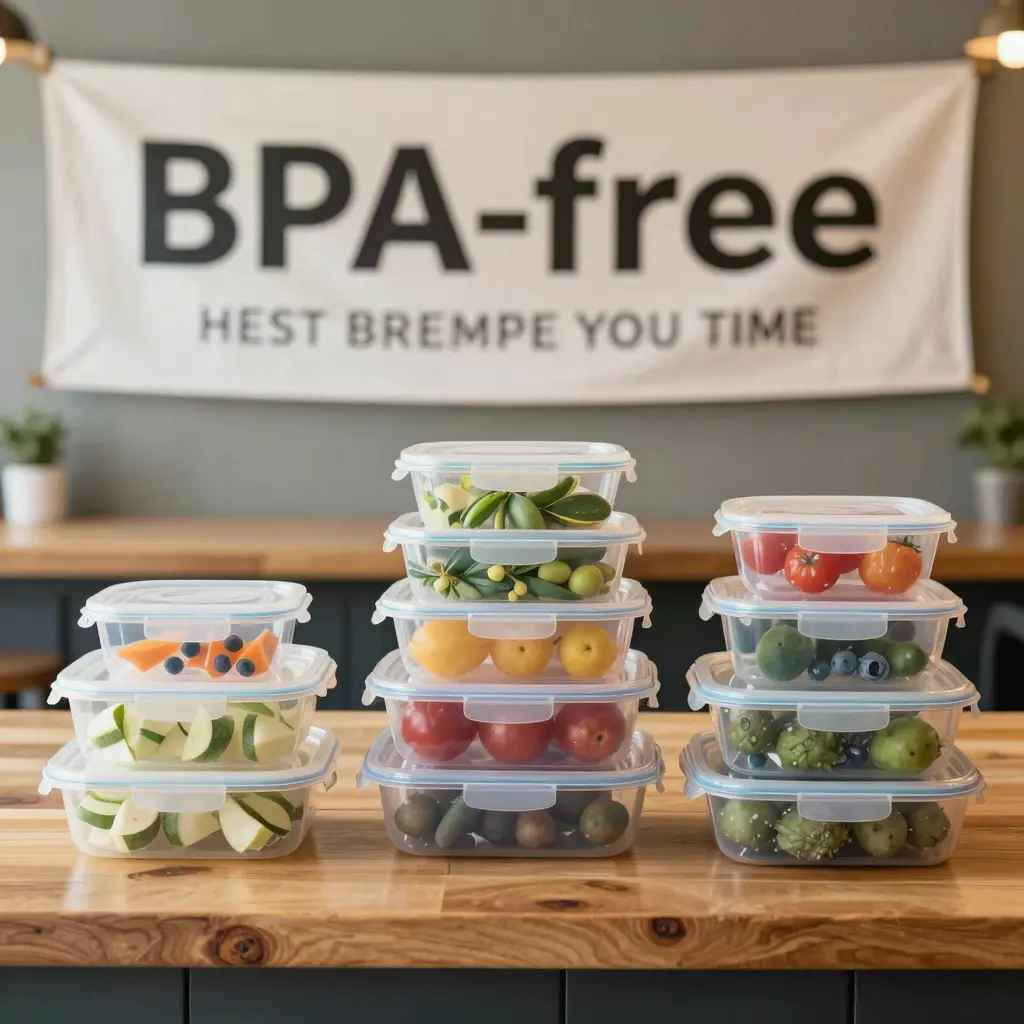
Understanding BPA-Free Plastic Food Containers
In today’s rapidly evolving food industry, concerns regarding food safety and the materials used in food packaging are at an all-time high. One common ingredient that has raised eyebrows is bisphenol A, or BPA, found in some types of plastic food containers. For bubble tea shops, restaurants, food trucks, catering services, and event planners, ensuring the safety of food packaging is not just a regulatory requirement; it’s fundamental to maintaining customer trust. Many businesses are turning to BPA-free options as a solution, but the question remains – are these alternatives truly safe? In this article, we will explore the implications of BPA in food containers, the benefits of switching to BPA-free products, and how this choice can impact your business positively, ensuring that you serve not just great food but also peace of mind. Explore our range of packaging options and discover the benefits of using safer materials today!
Keywords for SEO Optimization
Here is a list of relevant keywords targeted at bubble tea shops and restaurants that are related to BPA-free, plastic food containers, safety, and food packaging:
- BPA-free plastic containers
- Safe food storage solutions
- Plastic packaging for beverages
- Eco-friendly food containers
- Food safety standards for packaging
- BPA-free food packaging
- Reusable plastic food containers
- Food container durability
- Safe packaging for bubble tea
- Disposable food containers
- Leak-proof plastic packaging
- Sustainable food service supplies
- Custom packaging for restaurants
- Catering food packaging options
- Biodegradable food containers
These keywords can help improve visibility and attract the right audience to your products. To explore more packaging options, check out our range of packaging materials and disposable tableware.
BPA Safety Regulations in Food Packaging
Bisphenol A (BPA) has been a topic of concern in the food and beverage industry, particularly regarding its usage in food packaging. Understanding the latest safety regulations is essential for businesses involved in food production and service, such as bubble tea shops, restaurants, and catering services.
Overview of Current Regulations
Across various regions, regulations surrounding BPA are becoming stricter due to the potential health risks associated with its use. Here’s a summary of the key regulations:
| Region | Regulation Details | Year | Source |
|---|---|---|---|
| EU | Ban on BPA in food-contact materials, including plastics and coatings. | 2024+ | Petainer |
| BPA prohibited in baby bottles with enforcement starting March 2011. | 2011 | Environmental Working Group | |
| USA | Over 30 states have introduced legislation to restrict or ban BPA in food packaging, with ongoing updates. | Ongoing | BCPP |
| China | BPA limitations enforced until January 2028, with compliance testing required for food packaging materials. | 2028 | V-Trust Lab |
Implications of BPA Regulations
- Health Concerns: BPA has been linked to various health issues, prompting numerous countries to reevaluate its use in food packaging materials. The FDA has stated that BPA is safe at current exposure levels; however, consumer preferences are increasingly shifting towards BPA-free products.
- Market Trends: With increasing regulations, markets are seeing a rise in the demand for BPA-free alternatives. Businesses are encouraged to adopt BPA-free packaging solutions to align with consumer preferences and regulatory trends.
For food businesses, including disposable tableware and plastic packaging, staying informed about these evolving regulations is crucial. This awareness not only facilitates compliance but also enhances customer trust and brand value.
Conclusion
Navigating the landscape of BPA safety regulations is vital for food-related businesses to ensure compliance and maintain consumer confidence. As regulations evolve, opting for BPA-free packaging solutions will not only adhere to legal requirements but will also cater to a growing consumer base that prioritizes health and safety in their purchasing decisions.
Health Concerns Related to BPA
Bisphenol A (BPA) is a synthetic compound used primarily in the production of plastics and resins, which frequently end up in food packaging. Concerns surrounding BPA stem from its potential to disrupt endocrine function, which may lead to various health issues. According to multiple studies, exposure to BPA has been linked to serious health risks including infertility, obesity, heart disease, type 2 diabetes, and cancer (Healthline).
One of the primary concerns relates to how BPA can mimic estrogen in the body, leading to hormonal imbalances. This is particularly worrying during critical developmental stages, such as pregnancy and childhood, where exposure can have lasting effects (Frontiers in Nutrition). The cumulative impact of low-dose BPA exposure has prompted many health advocates to recommend that consumers seek out BPA-free options when selecting food packaging materials.
Restaurants, food trucks, and catering services are especially vigilant regarding the use of BPA-free containers. Not only does opting for these alternatives safeguard the health of customers, but it also enhances the establishment’s commitment to food safety and public health. Many consumers today are becoming more discerning about the chemical composition of the products they use, making BPA-free offerings more attractive (learn more about packaging options).
In conclusion, the potential health risks associated with BPA necessitate serious consideration, especially in food service environments. By choosing BPA-free packaging, businesses can provide a safer dining experience while also positioning themselves as health-conscious leaders in the industry.
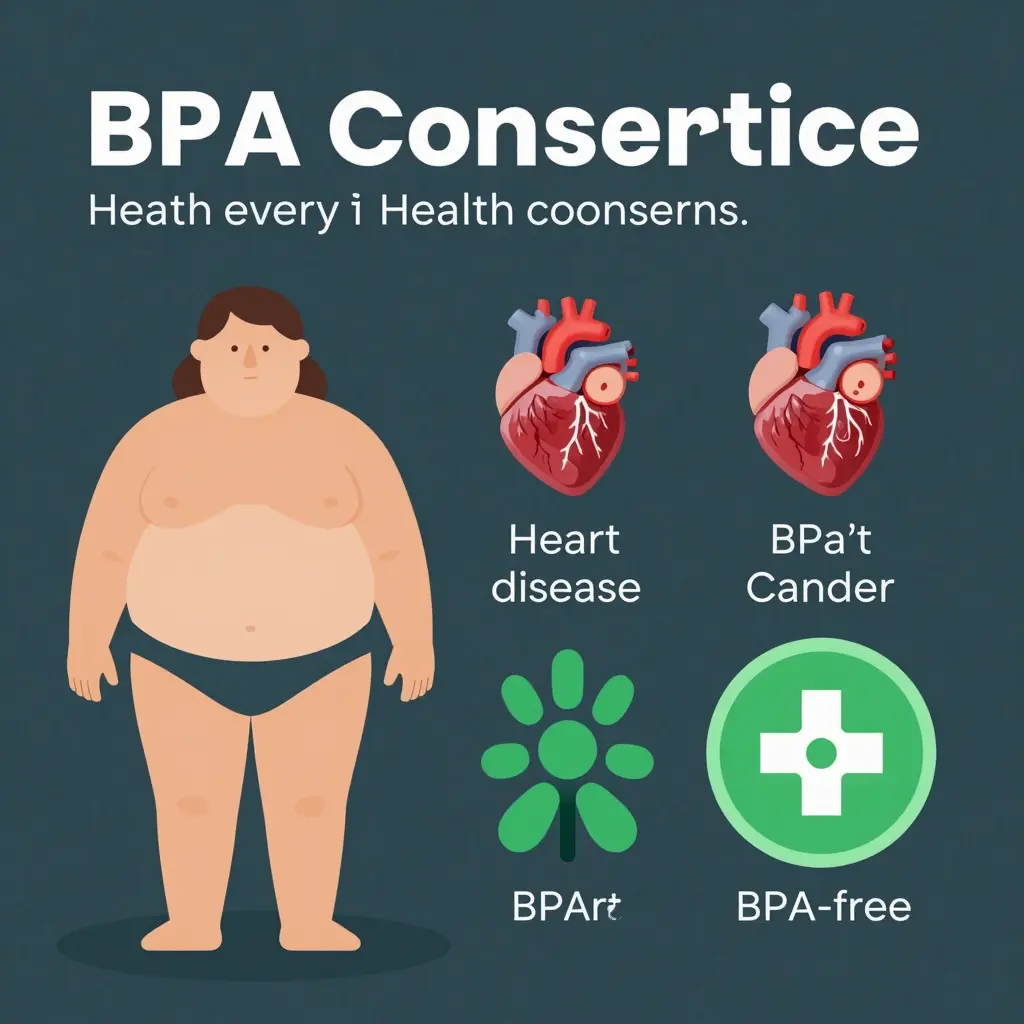

| Feature | BPA-Free Containers | Traditional Plastic Containers |
|---|---|---|
| Safety | Safe for food storage; do not leach harmful chemicals | May leach BPA and other harmful chemicals |
| Cost | Generally higher due to advanced manufacturing | Usually cheaper, widely available |
| Eco-Friendliness | Often made from recyclable materials | May not be recyclable; contributes to plastic waste |
Benefits of BPA-Free Containers
BPA-free containers offer significant health advantages, particularly for businesses focused on food safety. They eliminate the risks associated with BPA, ensuring a safer storage option for foods and beverages. Many BPA-free options are made from polyethylene or polypropylene which are considered safer for food storage.
On the cost front, while BPA-free containers may incur a higher initial investment, their durability and safety may lead to cost savings in the long run, particularly for restaurants and beverage chains looking to maintain food quality. Additionally, an eco-friendlier approach can resonate well with today’s environmentally-conscious consumers, thereby enhancing brand image.
For further insights into environmentally sustainable packaging solutions, learn more about packaging materials.
This table provides a concise reference for businesses in the food and beverage industry to consider when selecting storage options.
Eco-Friendly Practices in Manufacturing BPA-Free Containers
In today’s environmentally conscious market, the push for sustainable manufacturing is more robust than ever, especially in industries dealing with food packaging. BPA-free containers, often seen as safer alternatives to traditional plastics, implement various eco-friendly practices during their production stages that benefit not only the environment but also businesses in the food sector.
Sustainable Material Selection
Manufacturers of BPA-free containers are increasingly opting for sustainable materials, such as glass, stainless steel, and plant-based plastics. These materials not only ensure the safety of food products but also significantly mitigate environmental impact. For instance, the use of plant-based plastics can help reduce reliance on petroleum, a non-renewable resource, and contribute to a decrease in pollution associated with fossil fuel extraction and processing.
Energy Efficiency and Resource Conservation
The production processes for BPA-free containers are evolving to become more energy-efficient. Employing renewable energy sources, like solar or wind, helps minimize the carbon footprint associated with manufacturing. According to recent estimates, adopting eco-friendly methods could result in a 30% reduction in the overall carbon footprint of container production.
Additionally, resource conservation tactics, such as water recycling during manufacturing, help preserve vital natural resources.
Waste Reduction Initiatives
One of the most compelling aspects of eco-friendly container manufacturing is waste reduction. Many firms adopt practices that lead to 40% lower waste production as a result of better material management and recycling protocols. This reduction not only improves sustainability ratings but also lowers disposal costs for companies-creating a win-win situation for both the business and the planet.
Improved Sustainability Ratings
Implementing eco-friendly practices results in improved sustainability ratings, fostering brand loyalty among consumers who prioritize environmental responsibility. As businesses align with consumer preferences for sustainable products, companies might gain a 25% enhancement in their sustainability rating, translating into a competitive edge in the marketplace.
Conclusion
By integrating these eco-friendly practices into the manufacturing processes of BPA-free containers, businesses in the food sector can significantly boost their reputation and appeal to conscientious consumers. Embracing a sustainable approach is not just beneficial for the environment; it can also drive profits and customer satisfaction as consumers seek out brands that support and invest in the sustainability movement.
For more information on sustainable packaging options for food service, check out our range of eco-friendly packaging options and disposable tableware.

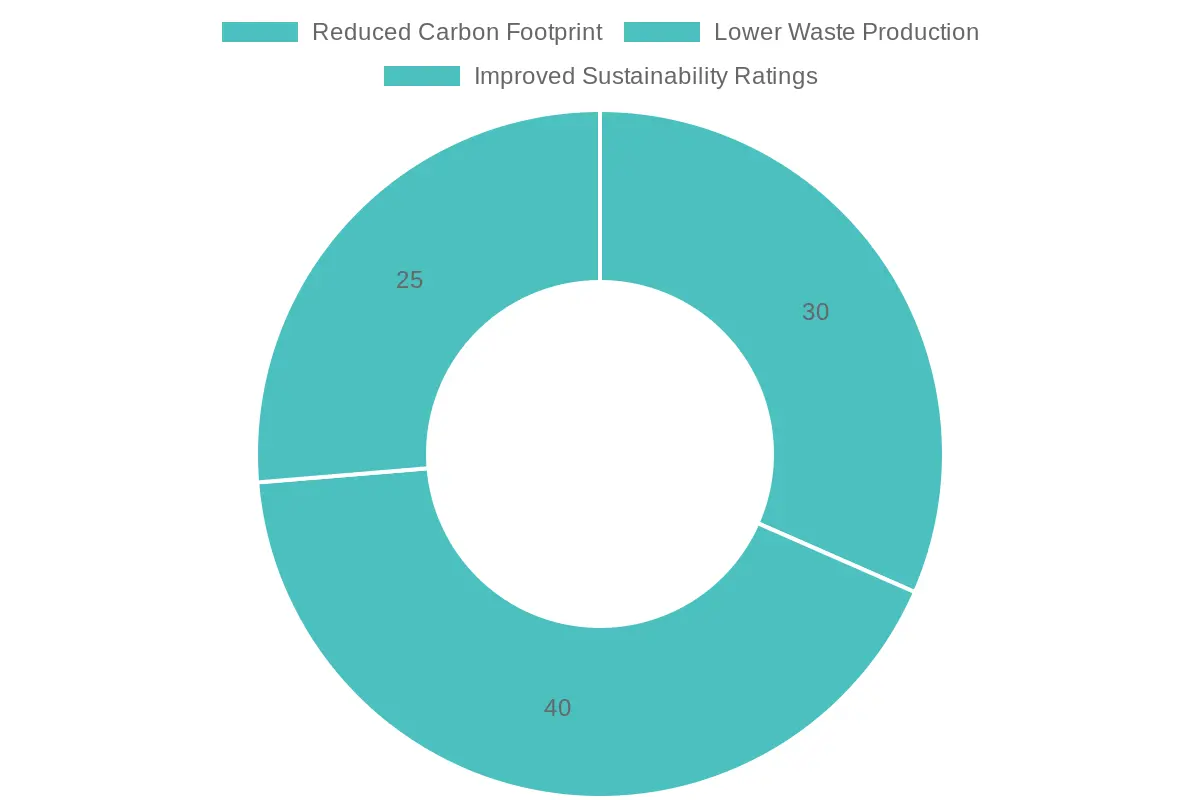
Estimated improvements in eco-friendly practices for manufacturing BPA-free containers.
View the chart to see how these practices enhance sustainability categories.
Based on a collection of user reviews and testimonials from restaurant and food service professionals regarding BPA-free food containers, several key insights emerge. These reflect a growing consumer confidence in these products, particularly focused on health and safety considerations.
Health and Safety Focus
-
Concerns About BPA: Many professionals express awareness of the potential risks of Bisphenol A (BPA), a chemical often found in polycarbonate plastics and epoxy resins. The Mayo Clinic emphasizes that BPA exposure may pose health risks, prompting restaurant owners to seek safer alternatives. Given this concern, BPA-free containers are viewed as a necessary shift in food safety protocols (learn more).
-
Quality and Durability: Reviews of products like the Nicole Fantini BPA-free deli storage containers highlight their premium quality and durability. Chefs appreciate their practical design, suitable for both hot and cold storage, which contributes to a versatile kitchen environment. Many testimonials underline that these containers withstand the rigors of food service operations, including microwave and dishwasher usage (Wayfair review).
Positive Consumer Feedback
-
Aesthetic Appeal: BPA-free containers are praised not only for their safety features but also for their modern look and practical functionality. This is vital for food establishments aiming to present an appealing service to customers while maintaining health standards.
-
Environmental Implications: An increasing number of restaurant professionals are becoming environmentally conscious, linking the use of BPA-free containers to a broader commitment to sustainability. Choosing BPA-free options reduces plastic waste and aligns with eco-friendly business values (source: Dove Press).
-
User Experiences: Many restaurant and catering teams have reported smoother operations due to the reliability of BPA-free products. Testimonials indicate that these containers facilitate better food storage processes, minimizing the risk of contamination or leaching of harmful substances into food products.
Conclusion
In conclusion, confidence in BPA-free food containers among restaurant professionals reflects a comprehensive awareness of health risks associated with BPA, alongside a preference for high-quality, durable products that cater to their operational needs. As the culinary industry increasingly prioritizes health, safety, and environmental considerations, BPA-free containers are becoming an essential component of food service practices essential for building and maintaining consumer trust.
For businesses seeking to explore BPA-free options and enhance their food safety standards, it may be worthwhile to check out the wide variety of quality packaging solutions available here.
The information presented aligns well with the interests of bubble tea shops, restaurants, food trucks, and catering services, affirming the importance of safe, high-quality food storage solutions.
Increase in Demand for BPA-Free Products
The trend towards BPA-free products has been significant in recent years, with a marked increase in demand among food businesses. This shift can be attributed to rising consumer awareness regarding the health risks associated with Bisphenol A (BPA), leading to a greater emphasis on safer packaging solutions.
Market Valuation Over the Years
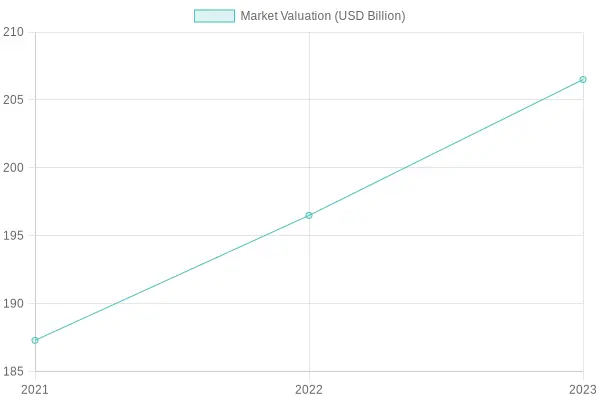
The following chart illustrates the increase in market valuation for BPA-free products from 2021 to 2023:
| Year | Market Valuation (USD Billion) |
|---|---|
| 2021 | 187.3 |
| 2022 | 196.5 |
| 2023 | 206.5 |
Sources:
This growth trend showcases a compound annual growth rate (CAGR) of 5% from 2022 to 2031, indicating a stable and increasing inclination of consumers towards BPA-free products. For businesses in the food sector, this presents an opportunity not only to meet consumer expectations but also to align with evolving health standards.
By transitioning to BPA-free packaging options, restaurant owners, food trucks, and catering services can demonstrate their commitment to customer safety and health. Explore our range of packaging solutions to find BPA-free options suitable for your business needs.
In conclusion, choosing BPA-free containers is not just a trend; it’s a step towards ensuring a safer environment for both your customers and your business. These containers alleviate concerns about harmful chemical leaching, providing peace of mind when storing and serving food and beverages. Beyond health benefits, using BPA-free packaging can enhance your brand’s reputation, fostering trust with your clientele who are increasingly aware of food safety and sustainable practices. At Cofe-Cup, we are committed to providing high-quality, BPA-free packaging solutions that not only meet safety standards but also elevate your service quality. We encourage all bubble tea shops, restaurants, food trucks, and event planners to consider the extensive range of our BPA-free packaging options. Make the healthier choice for your business and your customers; reach out today to explore how our solutions can fit your needs!