

In a world where sustainability is no longer just a buzzword but a critical necessity, compostable cup noodles are emerging as a game-changer for food businesses, especially bubble tea shops and restaurants. These eco-friendly options not only help reduce waste but also align with the growing consumer demand for environmentally conscious practices. Imagine serving delicious noodles in compostable cups that decompose naturally, contributing to a healthier planet instead of cluttering landfills.
Leveraging compostable packaging can significantly enhance a business’s reputation, enabling owners to attract a customer base that values ethical consumption. In today’s market, where consumers are increasingly scrutinizing the environmental impact of their choices, adopting such green practices is not just beneficial-it’s essential. Not only do compostable materials reduce the carbon footprint, but they can also lead to cost savings in waste management solutions and promote a positive brand image.
As businesses navigate the path to sustainability, discovering benefits like sugarcane cup advantages or exploring custom octagonal paper bowls can empower them to lead in their industries.
Benefits of Using Compostable Cup Noodles
Compostable cup noodles present numerous advantages for both businesses and consumers. Here’s a list of some of the key benefits:
-
Environmental Impact: Compostable packaging significantly reduces landfill waste by breaking down naturally and returning nutrients to the soil. Unlike traditional plastic, which can take hundreds of years to decompose, compostable cups contribute to a healthier planet by reducing greenhouse gas emissions and resource depletion. This aligns with eco-conscious customer preferences, enhancing brand image and loyalty. (learn more here)
-
Customer Appeal: With a growing number of consumers seeking sustainable options, offering compostable cup noodles makes businesses more attractive. It demonstrates a commitment to environmental responsibility, which can be a decisive factor for customers when choosing where to shop.
-
Compliance with Health Standards: Many compostable products meet health regulations, ensuring that you provide safe and hygienic food options. This compliance helps businesses maintain a trustworthy reputation among their clientele. (learn more about health benefits)
-
Cost Efficiency: Although the initial investment might be higher, compostable packaging can lead to long-term savings by reducing waste disposal costs and enhancing brand loyalty.
The Eco-Friendly Aspects of Compostable Materials
In the ever-evolving world of foodservice, making environmentally conscious choices is crucial, especially concerning packaging materials. Compostable materials, such as those used for cup noodles and other food products, present a robust alternative to conventional plastics. Unlike traditional plastics, which can take centuries to decompose in landfills, compostable materials break down into organic matter, enriching the soil and supporting a healthy ecosystem.
Key Differences from Conventional Plastic
- Decomposition Rate: Compostable materials are designed to degrade within a specific time frame, often less than 90 days in an industrial composting environment, achieving up to 98% mass loss. In contrast, conventional plastics can remain intact for hundreds of years, contributing to persistent pollution.
- Toxicity: When burned, traditional plastics release harmful emissions due to their fossil fuel-based composition. In contrast, compostable materials primarily release biogenic CO₂, which is less harmful to the environment.
- Circular Economy Support: By utilizing compostable materials, businesses actively engage in a circular economy, where products are designed to return to the earth. This reduces waste and encourages the recycling of nutrients.
Environmental Benefits
- Waste Reduction: The increased use of compostable materials significantly contributes to waste reduction efforts within the foodservice industry. For instance, compostable alternatives can remedy the issue of single-use plastics, which accounted for the diversion of 205 million plastics from landfills in 2023 alone (source).
- Enhanced Brand Image: Incorporating eco-friendly materials not only reduces your environmental footprint but also elevates your brand’s image. Customers, especially younger consumers, prefer to patronize businesses committed to sustainability.
In conclusion, investing in compostable materials is not just a trend; it’s a necessity for any foodservice operation aiming to meet modern environmental standards and attract eco-conscious consumers.
Learn more about the benefits of compostable packaging and how it can enhance your sustainability efforts.
Explore customized sugarcane cups for your business to establish a greener operational model!
Comparison Table of Compostable Cup Noodle Vendors
When looking for suppliers of compostable cup noodles, it’s essential to consider several factors such as price, materials used, certifications, and delivery options. Below is a comparative table of some leading vendors in the market:
| Supplier | Product Type | Capacity | Material | Certifications | Price (USD) | Minimum Order Quantity (MOQ) | Delivery Options | Source |
|---|---|---|---|---|---|---|---|---|
| Far East | Compostable Eco-Friendly Biodegradable Plastic Noodle Bowl | 32 oz / 950 ml | PLA, compostable plastic | BPI, OK Compost | $5.00 per 50,000 pcs | 50,000-99,999 pieces | Standard | Source |
| Unnamed Supplier | Compostable Disposable Biodegradable Instant Noodle Cup | 750ml-1300ml | PLA, bagasse, bamboo | BPI, OK Compost | $0.025-$0.021 per unit | 999+ units | Standard | Source |
| Unnamed Supplier | Compostable Customized Logo Takeout Containers with Lids | 750ml-1300ml | Kraft paper (recycled), compostable | FDA-compliant, OK Compost | $0.025 per unit | 50,000+ units | Standard | Source |
Note: The above table is compiled from current product listings on Alibaba.com. All materials listed (PLA, bagasse, bamboo, kraft paper) are recognized as compostable. Certifications indicate industrial compostability. Pricing reflects bulk rates for large orders. For more information about other sustainable options, check out BioPak’s home compostable cups.
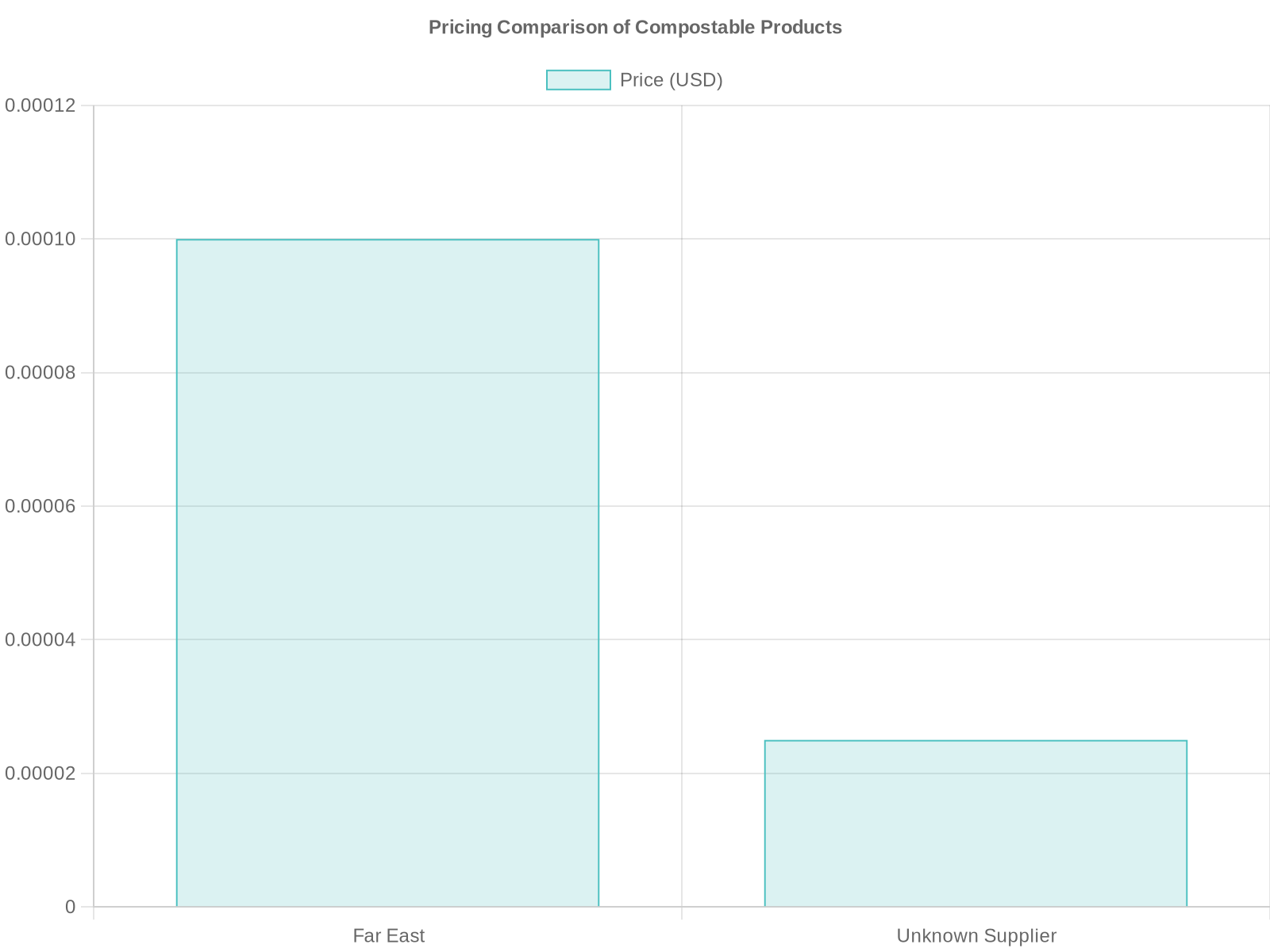
This comparative analysis should aid businesses such as bubble tea shops, restaurants, and food trucks in making informed decisions regarding their supply of compostable noodle cups.
User Reviews on Compostable Cup Noodles
Compostable cup noodles are gaining popularity among consumers looking for sustainable food options. A recent examination of user reviews across several brands highlights key feedback points regarding taste, packaging, and overall satisfaction.
Key Highlights:
- Taste and Flavor: Customers often commend the wide variety of flavors available. Brands like RARA score particularly high, with ratings averaging around 4.5 out of 5 for taste. Consumers appreciate the richness of flavors and the quality of the ingredients used.
- Sustainability: One of the compelling reasons for choosing compostable noodles is the environmental impact. Reviews emphasize the importance of compostable packaging, with brands like WAI-WAI and Supermarket Own-Brand receiving praise for their eco-friendly initiatives. The sustainability ratings range from 4.0 to 4.9 out of 5, showcasing a strong consumer preference for environmentally responsible products.
- Overall Satisfaction: Overall, satisfaction ratings for these brands hover around 4.4 to 4.7 out of 5, indicating that customers are generally pleased with their purchases. Feedback on packaging convenience and product quality enhances consumer loyalty.
Comparative Ratings Table
| Brand | Taste Rating (Out of 5) | Packaging Sustainability Rating (Out of 5) | Overall Satisfaction Rating (Out of 5) |
|---|---|---|---|
| WAI-WAI | 4.3 | 4.8 | 4.6 |
| RARA | 4.5 | 4.7 | 4.7 |
| Nissin Cup Noodles (Japan) | 4.1 | 4.0 | 4.2 |
| Soba (UK) | 4.0 | 4.5 | 4.3 |
| Supermarket Own-Brand (UK) | 3.8 | 4.9 | 4.4 |
Overall, the consumer response to compostable cup noodles suggests a favorable outlook, especially for those brands committed to remaining sustainable. These insights can significantly aid businesses looking to expand their sustainable offerings or event planners aiming for eco-conscious catering solutions.
Regulatory Compliance for Compostable Products
In today’s environmentally conscious market, selecting compostable food service products is a decisive step for businesses looking to reduce their ecological footprint. However, it is essential to ensure that these products meet relevant safety and compliance standards.
Safety and Compliance Standards
Compostable products must adhere to specific standards that guarantee their biodegradability in controlled environments:
- ASTM D6400: This standard certifies that products will biodegrade in commercial composting facilities. It is vital for businesses to look for products labeled with this certification to ensure they meet the necessary composting criteria.
- EN 13432: Widely recognized in Europe, this standard outlines the requirements for packaging to be considered compostable. Products meeting this requirement can be composted safely without causing harm to the environment.
Certifications to Look For
When sourcing compostable products, potential customers should seek out key certifications to ensure quality and compliance:
-
BPI Certification: Provided by the Biodegradable Products Institute, this certification indicates that a product meets either ASTM D6400 or D6868 standards. Products that are BPI certified are proven to decompose efficiently in managed compost facilities. To learn more about BPI certification, you can visit BPI – Certified Compostable.
-
TÜV Austria: This certification is recognized globally, ensuring that products not only meet European standards but also adhere to strict environmental practices. It is a reliable mark for businesses looking for compostable products with robust international recognition.
-
OK Compost: This certification caters to industrial composting, indicating that products are fully compostable within a designated time and environmental conditions.
Prioritizing compostable products that meet these standards will not only enhance your brand’s commitment to sustainability but also mitigate risks associated with non-compliance. For a deeper understanding of these benefits, check out this guide on compostable certifications.
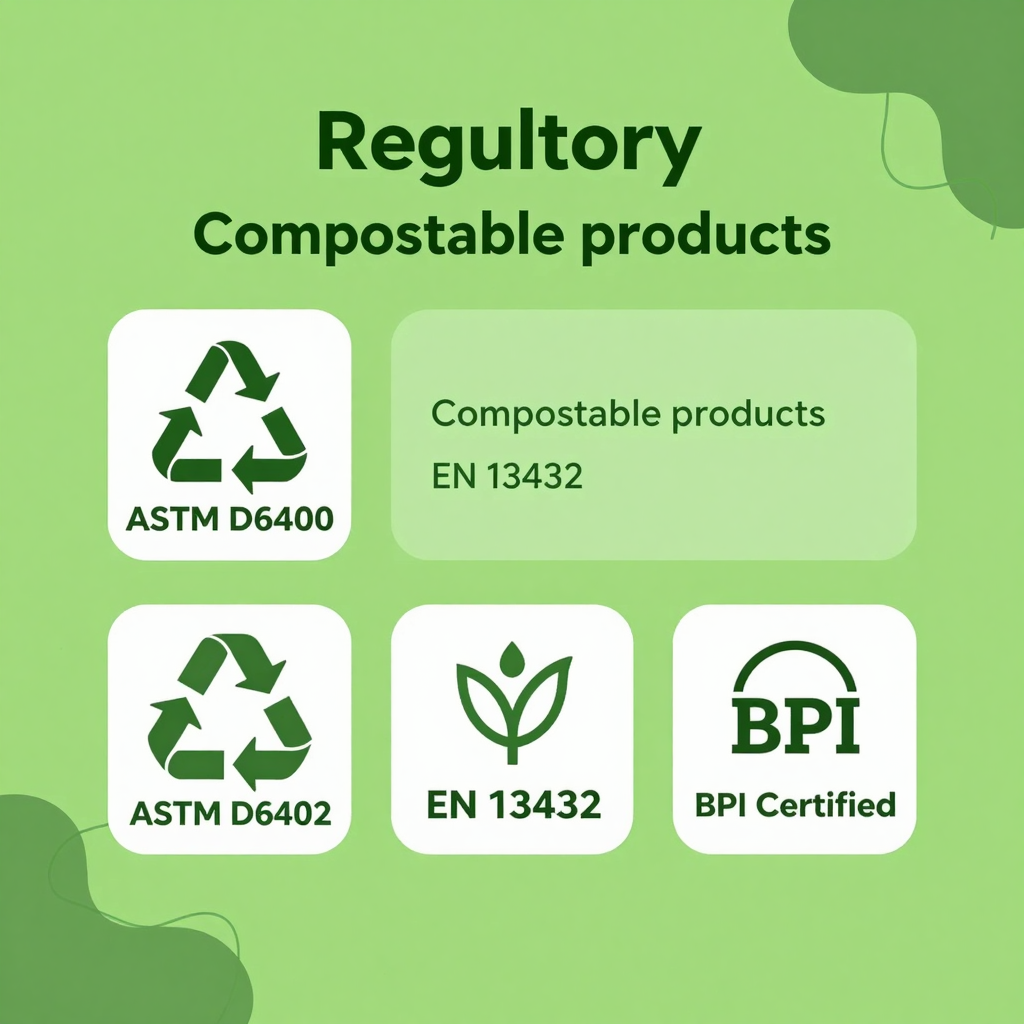
By choosing certified products, businesses can confidently serve their customers while contributing toward a greener planet.
Trends in Compostable Product Adoption
The adoption of compostable products in the food service industry has been on a significant rise over recent years. This trend is largely driven by consumer demand for sustainable packaging solutions and increased environmental awareness amongst businesses.
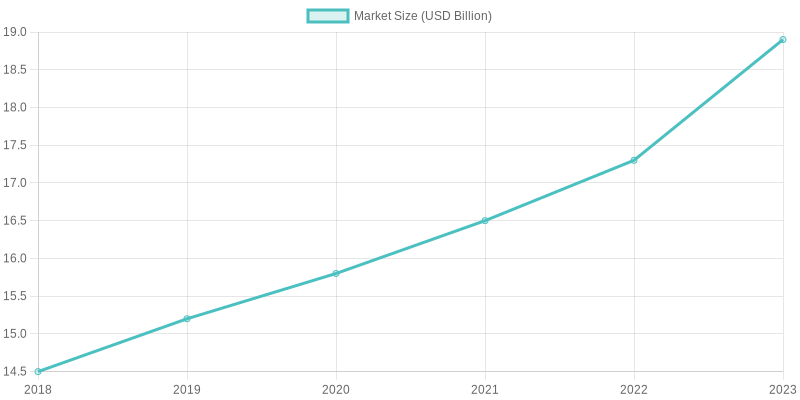
To illustrate this growth, here is a line chart depicting the market size of compostable products from 2018 to 2023:
| Year | Market Size (USD Billion) |
|---|---|
| 2018 | 14.5 |
| 2019 | 15.2 |
| 2020 | 15.8 |
| 2021 | 16.5 |
| 2022 | 17.3 |
| 2023 | 18.9 |
Source: Global Compostable Food Service Packaging Market Analysis (2026)
As indicated, the market size is forecasted to reach approximately $18.9 billion in 2023, highlighting the increasing relevance of compostable products to suppliers in the food service sector and reaffirming the ongoing transition from single-use plastics to eco-friendly alternatives. If you are involved in procurement or are operating a food service business, adopting compostable products can not only meet customer demands but also contribute positively towards a more sustainable future. For more insights into the benefits of using sustainable materials, check out our article on sugarcane cup benefits.
The Shift Towards Sustainable Packaging Solutions
As the food service industry increasingly acknowledges the importance of sustainability, experts emphasize the need for eco-friendly practices. For instance, the expert opinion from a recent article highlights, “The development of sustainable packaging in the food industry is essential to meet the growing demand for more environmentally friendly practices and to contribute to material circularity and solid waste reduction”. This shift aligns with consumer preferences, as more patrons are looking for businesses that prioritize responsible packaging options.
According to Sustainable Packaging Solutions for Restaurants, adopting compostable materials, like the paper cups used for cup noodles, not only meets eco-friendly goals but also enhances brand image.
Looking forward, it’s clear that sustainability will remain at the forefront of food service operations, making it an invaluable strategy for success.
Conclusion and Call to Action
The conversation around eco-friendly packaging has never been more critical, especially for businesses in food service like bubble tea shops, restaurants, and catering services. As demand for sustainable solutions rises, switching to compostable cup noodles offers a significant advantage. These eco-friendly alternatives not only reduce environmental impact but also align with consumer expectations for sustainability.
Recent data highlights that the global market for compostable beverage cups is projected to grow from $1.45 billion in 2023 to $2.18 billion in 2025, demonstrating a staggering 22.6% CAGR. This growth underscores the increasing emphasis on reducing plastic waste and adopting greener materials in packaging.
Moreover, compostable cup noodles provide multiple benefits including:
- Biodegradability: These cups break down naturally, helping reduce landfill contributions.
- Safety: Compostable materials minimize harmful substances like PFAS, ensuring safer food contact.
- Regulatory Compliance: More businesses are adopting compostable options to meet evolving regulatory standards around waste and sustainability.
As consumers demand environmentally responsible choices, now is the perfect time to make the switch. Your business can thrive while demonstrating commitment to sustainability. Don’t miss out on being part of this vital movement.
Ready to explore tailored solutions for your business? Contact our team today to discuss how you can integrate compostable cup noodles into your offerings! Let’s work together to make a positive impact on the environment and your bottom line!