
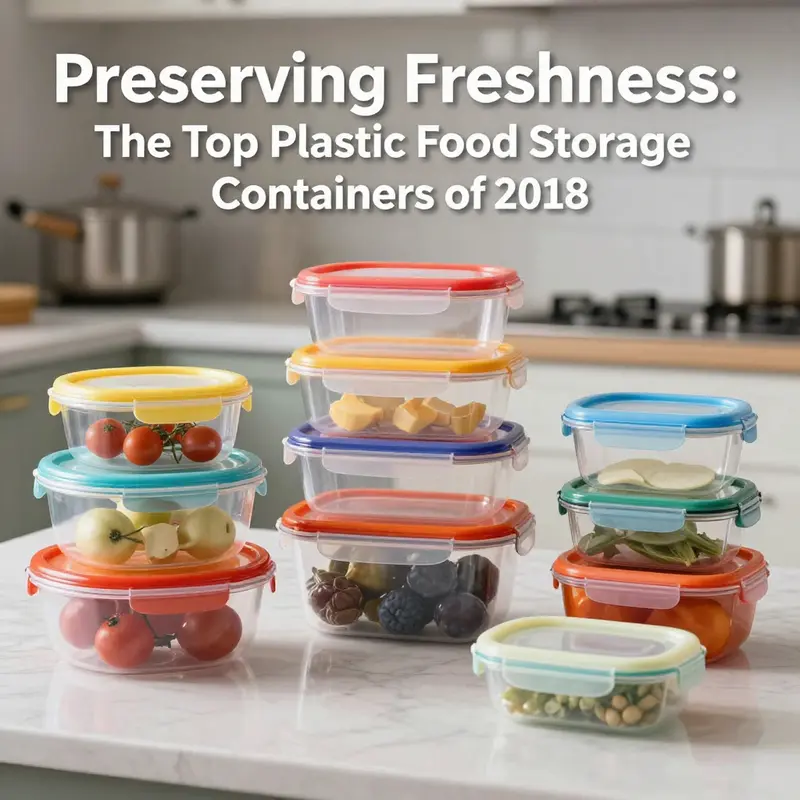
In the bustling world of food service, effective storage solutions are crucial for maintaining freshness and functionality. As many businesses, from bubble tea shops to catering services, navigate the demands of food preservation, it is essential to choose reliable plastic food storage containers. In this exploration, we’ll delve into the best plastic food storage containers that were highlighted in 2018, offering insight into their prominent features, user feedback, and top-performing brands. Each chapter is crafted to provide a comprehensive overview, equipping businesses with the knowledge needed to make informed decisions for their storage needs.
2018’s Plastic Food Storage Containers: Practical Design, Everyday Reliability, and the Quiet Evolution of Home Organization
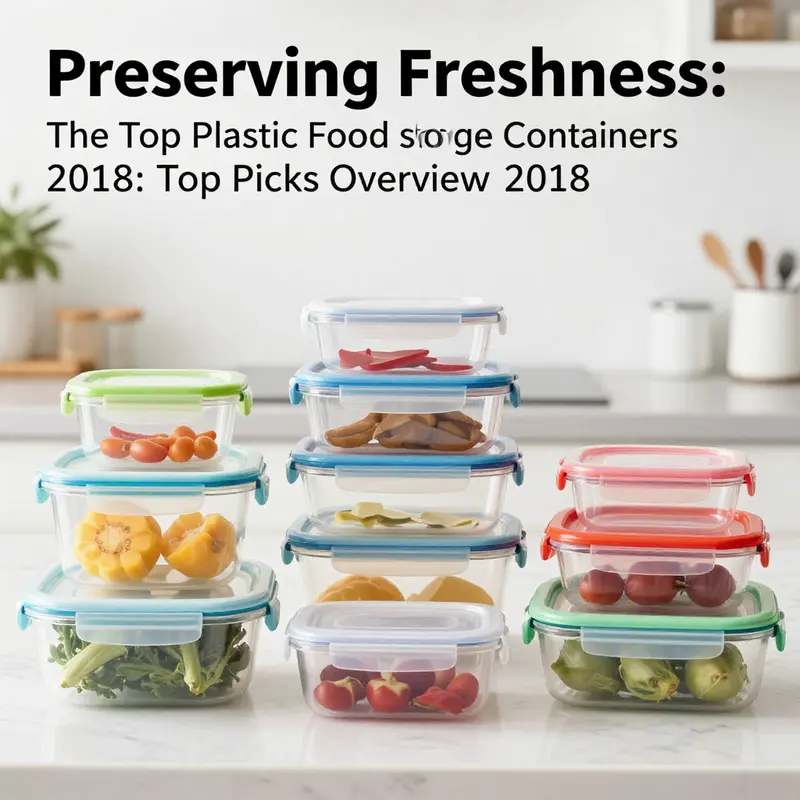
In 2018, households faced a familiar dilemma: how to store everyday meals and pantry staples in containers that were safe, durable, and easy to live with. The best plastic food storage solutions from that year were not just about keeping food fresh; they were about simplifying daily routines, reducing waste, and offering reliable performance across a spectrum of tasks—from packing a lunch to freezing leftovers. The market favored sets and ranges that could travel with a person, nested away in a cabinet, and staged for quick access. The most celebrated options tended to share a few core attributes: a seal that stays airtight under various conditions, materials deemed safe for contact with food, and the capacity to go from freezer to microwave to dishwasher with minimal fuss. In the 2018 roundups, a standout choice was an eight-piece set crafted for lunch-ready portability. It featured square shapes for efficient stacking, a lightweight build that resisted shattering when bumped, and a secure latch that locked in freshness while containing even liquids without leaks. The family flavors were clear: portability, safety, and space-saving design were the pillars.
That eight-piece collection offered eight square containers in sizes spanning 3 ounces up to 47 ounces. The set promised BPA-free construction, compatibility with microwave, freezer, and dishwasher use, and lids with a tight, airtight seal that kept moisture in or out as needed. The lids typically accepted a secure latch system that clicked into place, a feature prized by working parents and students who needed confidence that the lunch would stay intact and the liquid not escape. The design also honored space-conscious kitchens by nesting—smaller containers fitting neatly inside larger ones when not in use—and by using clear or lightly tinted bodies to allow quick recognition of what’s inside without removing lids. The practical payoff was straightforward: you could assemble a lunch kit with minimal bulk, reheat whole meals without transferring them, and wash everything in a single cycle back at home. A set like this mapped closely to what many households wanted in a busy era when meal-prep was becoming a calm, habitual part of daily life rather than a weekend chore.
Beyond the eight-piece lunch-set, the 2018 landscape for plastic storage included several other top-rated avenues, each with its own emphasis. One system earned high marks for its airtight seal and rugged durability, consistently described as reliable through years of microwaving and freezing. It spoke to users who needed containers that could be pressed into service for thick sauces as well as dry goods, with a lid that remained stubborn against slippage and leaks. Another approach came from a respected Japanese import celebrated for its function and capacity. Readers appreciated the generous sizes and the way the product line balanced form and function, offering containers that felt sturdy in hand and straightforward to operate. A third path belonged to a classic line known for dry-goods preservation—containers designed to shield cereal, pasta, and other pantry staples from moisture, while providing long-term visibility and a simple, unintrusive aesthetic. Finally, there were value-forward options whose appeal lay in everyday usefulness: modestly priced, easy to use, and quick to clean, they became go-to choices for families looking to stretch a grocery budget.
Taken together, these categories reveal a market that was learning to balance multiple priorities at once. The best storage solutions of that era did more than seal; they framed routines. They supported kids’ lunches with confident portability; they made leftovers feel approachable by enabling safe reheating; they helped organize cupboards by leaning into nesting and uniform shapes; and they offered peace of mind about safety, a concern that mattered as plastics science evolved. The conversation around BPA-free materials had moved from a niche concern to a baseline expectation. Consumers wanted clarity on what touched their food, how warm temperatures affected the container, and how easily dishes could be cleaned without residues that lingered in hinges or seals. In practical terms, this meant markets favored containers with straightforward lid mechanisms, minimal seams where grime could gather, and products that could withstand repeated cycles between freezer, microwave, and dishwasher. The implied trade-offs—between lighter, cheaper plastics and heavier, more premium designs—began to settle into a pattern: you could choose lightness and portability for lunch and travel, or you could prioritize maximum durability and long-range performance for pantry storage and bulk items. The 2018 top picks thus read as a compact map of how families used plastic containers in real life, not as a parade of flashy gadgetry.
Beyond the eight-piece set, the 2018 landscape saw a focus on seal integrity, durability, and the balance between simplicity and capacity. A seal-focused option, celebrated for its ruggedness, appealed to households that relied on a dependable closure to protect liquids during transport and in the fridge. A Japanese import stood out for its generous capacity and the calm, efficient way its system managed both large and small containers. A pantry-oriented line offered straightforward protection against moisture, making it easier to keep dry goods fresh over weeks. Meanwhile, value-oriented designs provided reliable everyday use without forcing families to stretch the budget. In short, the 2018 ecosystem rewarded versatility, reliability, and a thoughtful approach to how containers fit into daily life. The empathy behind these design choices—knowing how people actually cook, prep, and eat—remains evident in subsequent product strategies and in consumer expectations that continue to shape modern offerings.
Care and longevity play an essential role in assessing any storage system. To maximize usefulness over years, users learned to inspect lids for cracks or warping, replace worn gaskets, avoid metal parts in microwaves, and ensure all components were fully dry before stacking. Clear sides helped track residues, and if a container listed a temperature tolerance, it paid to heed it; heating beyond the limit could warp the lid or fatigue the seal. Proper cleaning mattered too: avoid abrasive scrubbing that could wear the gasket, and consider hand-washing the gasket area when needed. When not in use, storing lids separately—especially the seals—promotes air circulation and reduces odors and mold risk. The nesting feature works best when lids are detached, allowing rims to dry completely and letting the pieces slide together neatly when you need to reassemble. These practical habits echo the 2018 mindset: a well-made container is less about a single perfect moment and more about a dependable system you can rely on through weeks of meals, lunches, and bulk prep.
Looking back helps explain why today’s containers still emphasize appliance compatibility, easy cleaning, and compact storage. The 2018 archetype—an integrated system built around a reliable seal, safety assurances, and flexible sizing—remains a touchstone for evaluating new products and for imagining how a kitchen toolkit can adapt to changing dietary habits, travel, and family schedules. The eight-piece lunch set suggested an ideal balance between portable convenience and containment; other top-rated lines extended that balance into different contexts, from pantry storage to bulk storage. The result was a catalog that, even as new materials and recycled-content designs emerged, still reads as a coherent approach to everyday food storage: protect freshness, simplify meals, and keep a shelf of containers accessible and easy to manage.
To explore more of the category in today’s market while keeping the thread of 2018’s logic, you can browse the Storage Containers category, which gathers a wide range of designs that build on that same promise of safety, simplicity, and space efficiency. For quick reference, see this category here: Storage Containers category.
Finally, safety and sourcing considerations are not merely fashionable concerns; they are practical anchors that helped the 2018 conversation stay grounded. The push toward BPA-free materials rose from legitimate questions about chemical migration under heating and long-term food storage. Consumers learned to scrutinize lids for durability, to question the longevity of lids, and to consider whether certain plastics performed better for liquids or solids. The lesson is consistent: a well-made container is not a one-off purchase but a small system that supports daily habits, reduces waste, and endures through countless meals and leftovers. Even as new materials become available and production costs shift, the frame of reference from 2018 remains a useful lens: safety first, performance with ease, and modularity that grows with the household’s needs.
With that lens in mind, the landscape looks less like a static lineup and more like a toolkit that families use to arrange their kitchens and their days. The eight-piece lunch set suggested an ideal balance between portable convenience and containment; other top-rated lines extended that balance into different contexts, from pantry storage to bulk bulk. The result was a catalogue that, even when filtered through changes in materials science and consumer expectations, still reads as a coherent approach to everyday food storage: protect freshness, simplify meals, and keep a shelf of containers accessible and easy to manage. It is this continuity that makes the 2018 recommendations relevant to readers today, offering a reference point for evaluating new products and for imagining how a well-built, well-used system can reduce friction in daily life.
External resource: https://www.fda.gov/food-packaging
Lessons from 2018: The Design Principles Behind the Best Plastic Food Storage Containers

In 2018, consumer tests and retailer roundups converged on a simple truth: the best plastic food storage containers were not the flashiest options, but those that offered reliability, predictability, and safety, day after day. The top picks of that year were judged less by novelty and more by a practical calculus: can I open, seal, and clean this without a second thought? Can I trust it to carry liquids without a spill, to survive in the freezer, and to survive a dishwasher cycle without clouding or cracking? These questions shaped a design language that still echoes in today’s kitchen storage debates: airtight lids, durable walls, and a form that respects how real families use food. The core idea was straightforward yet powerful: form follows function, and function in this arena is measured by how well a container prevents leaks, preserves freshness, and adapts to everyday routines.
Across the evaluations, the most praised options emphasized a secure seal that truly locks in moisture and odors. It is not enough for a lid to click into place; it must deliver a continuous, leak-proof embrace around the contents, even when carried in a tote, jostled on a bus, or tucked into a crowded backpack. The emphasis on shatter resistance also mattered. A container that survives a careless drop saves meals from becoming a messy, wasted problem and reduces the anxiety that comes with transporting soup or sauce to work or school. Lightweight materials with surprising durability became a hallmark of the 2018 selections, because families wanted gear that kept up with busy mornings and weekend batch-cooking sessions alike. Nesting capability—where the containers stack neatly within each other when not in use—was another critical virtue, because it translates into real storage savings in cabinets and pantry shelves that are already crowded with gadgets, gadgets that rarely get constant attention.
Safety was not a peripheral consideration but the backbone of trust. The year’s highlighted options consistently featured materials free from common concerns about chemicals migrating into food. BPA-free was a baseline expectation, and the conversations around heat reliability extended beyond mere microwave-compatibility. A container that is declared microwave-safe with a vented lid, that can move from freezer to microwave to dishwasher, offered a practical, all-in-one solution for busy households. This quality was celebrated not merely for convenience but for reducing the chances of heat-induced warping, staining, or odor retention. Clear, tamper-evident labeling helped families identify what was stored inside at a glance, supporting quick lunch packing and reducing the risk of mixing leftovers with fresh preparations.
The spectrum of sizes in 2018 reflected how people actually used plastic storage every day. Small, 3-ounce units found a niche for dressings, sauces, and portable snacks, while larger, nearly half-gallon capacities catered to bulk prep, soups, and family-sized portions. The most valued sets offered a range that spanned both ends of this scale, allowing a single purchase to cover multiple meal patterns without forcing households to mix and match incompatible lids or shapes. The shapes themselves mattered as well. Rectangular and square forms maximize space on a shelf or in a lunch bag, reducing wasted room and enabling more food to be carried in an organized, predictable way. The design language favored clarity of view as well; transparent walls let caregivers and eaters identify contents quickly, which speeds up morning routines and minimizes the chance of forgotten leftovers.
Equally important was the emphasis on practicality and value. The top-tier options balanced price with dependable performance, offering a straightforward design that could handle daily use without requiring specialized cleaning routines or expensive replacements. For many households, this meant choosing containers with lids that aligned perfectly every time, with latches that stayed secure after repeated use, and walls that resisted cracking and staining. A simple, robust mechanism—one that snaps into place and remains secure under normal handling—became a proxy for long-term satisfaction. In kitchens where kids help with lunches, ease of use mattered even more. Containers that were easy to open for little hands, yet secure enough to prevent inadvertent spills, were particularly prized in 2018 roundups.
Care and maintenance also played a central role in assessing longevity. Dishwasher-safe designs that could withstand repeated cycles without losing clarity or seal integrity earned the most enthusiasm. Freezer suitability helped reduce food waste by enabling batch cooking and evenings of meal-prep that align with hectic schedules. The ability to tolerate a quick reheat without degrading was a practical advantage that appealed to families who rotate leftovers into weekday lunches. It was common for the most trusted sets to perform reliably across all three environments—freezer, microwave, and dishwasher—without requiring special handling, separate basins, or prolonged soaking.
Beyond the tangible mechanics, the cultural backdrop of 2018 favored modular, adaptable systems. Consumers grew more conscious of how storage solutions carried the stories of food from market to mouth. Sets that felt generic or disposable did not win favor; those that offered a clear, lasting fit within the rhythm of daily life stood out. The recurring theme was less about a single amazing feature and more about a cohesive ecosystem: stackable pieces with compatible lids, a visible mind-set about organization, and a sense that a single investment could simplify future meal planning, reduce waste, and improve overall cleanliness and ease of use. This holistic perspective echoed through households where lunch packing, fresh-prepped dinners, and kid-friendly snacks all converged in the same system.
For readers who want to explore related storage options beyond the specific historical highlights, a practical starting point is the broader storage containers category. It provides a current, evolving view of shapes, capacities, and seal technologies that echo the principles identified in 2018. storage containers category
As memory of those debates suggests, the legacy of 2018 lies in its insistence on combined performance: airtightness paired with durability, safety paired with convenience, and design that respects the everyday choreography of kitchen life. The best plastic storage solutions from that era did not promise perfection, but they did offer a dependable promise: that food could be organized, transported, and stored with minimal friction and maximal confidence. They anticipated the practical realities of busy households, and they recognized that the smallest design choices—how a lid aligns, how a base nests, how a container dries after washing—often determine whether a purchase becomes a staple in daily routines or a forgotten afterthought.
Looking forward, the conversation about plastic storage in the late 2010s set the stage for ongoing refinements in materials science and ergonomics. It highlighted the need for safer plastics that endure routine heating and cleaning, while also hinting at a future where modular systems could be tailored to individual lifestyles without sacrificing the universal benefits of leak protection and clarity. Even as newer designs emerged, the core criteria from the 2018 discourse—leak-proof seals, safe materials, multi-size versatility, and low-maintenance care—continued to influence how families evaluate new options. The lessons from that year thus remain relevant: prioritize robust performance over mere novelty, seek configurations that fit both cupboard real estate and daily rituals, and choose systems that make the act of storing food as reliable and straightforward as possible.
For readers curious about broader kitchen-storage contexts, consider exploring dedicated sections that address how these containers fit into meal-prep workflows, pantry zoning, and kids’ lunch habits. A well-chosen, versatile set can translate into less waste, quicker mornings, and a calmer, more organized kitchen environment. In short, the 2018 consensus did more than name favored containers; it articulated a practical philosophy about how we live with food at home: keep it safe, keep it accessible, and keep it simple enough to stay in use for years.
External reference for context and evolving standards: https://www.fda.gov/food/packaging-labeling-food-contact-substances/food-contact-substances-fcs
Best Plastic Food Storage Containers 2018: Reading the Customer Pulse on Seals, Sizes, and Everyday Use
The year 2018 marked a turning point in how households approached food storage. Consumers prioritized practicality as much as safety, and the conversations around plastic storage shifted from simple containment to a broader philosophy of daily reliability. In kitchens across the country, families wrestled with containers that could endure the rhythms of busy mornings, school lunches, and weekend meal prep. The most resonant insights from that period weren’t about flashy features but about how a container behaves when it is needed most: can it be carried easily, does it resist leaks when tipped, and is it safe to open and close without a second thought? Those questions echoed through user reviews and expert roundups, and they helped shape a category that, in practice, rewarded consistency as much as innovation. The best plastic storage solutions of 2018 tended to share several core traits: lightweight yet sturdy construction, flexible sizing, airtight latches, and a design that invites stacking and nesting to save precious cabinet space. In a climate of growing awareness about chemical safety, buyers also looked for clear indications that the materials were free from substances of concern, or at least that the product carried credible certifications and explicit safety statements. It’s easy to forget how much these tiny daily rituals matter until the lunchbox with its secure seal becomes a reliable ally during a week of back-to-back commitments. The most trusted options in 2018 were often those that could be reused across meals, errands, and even liquids, which meant a premium on leak-proof performance. If a set could hold a variety of foods, from sauces to sandwich fillings, without fear of seepage and without warping in the microwave or freezer, it earned a quiet but durable reputation among families, students, and professionals alike. This is where the nuanced distinction between a good container and a great one emerged. A fundamental advantage was the presence of a secure latch that created an airtight seal. In practical terms, that meant confidence when storing liquids for a commute or a lunch that might travel in a bag with other items, reducing the risk of spills and stains on clothing or notes. At the same time, the seal had to be easy to operate with one hand, because the reality of daily life rarely offers a perfectly calm moment to wrestle with a stubborn lid. A well-designed latch also had to perform under repeated use: it should resist becoming loose after hundreds of cycles, which is a common pain point for families that rely on durable, repeatable performance rather than novelty. The clean, snap-together feeling of a lid clicking into place became, for many, a signal of predictability. If customers could count on that moment—the lid locking in place with a satisfying, definite sound—the rest of the user experience often followed. The best sets then extended this reliability into form and function. They offered a range of sizes that could be paired for portion control, batch cooking, or family lunches, with small containers suitable for dressings or snacks and larger ones capable of holding leftovers or bulk staples. The range—from compact 3-ounce portions to nearly half-gallon capacities—gave users versatility without clutter. And they accomplished this while maintaining a footprint that fit neatly in freezers, microwaves, and dishwashers. Such compatibility mattered more as households began to multitask storage and reheating, sometimes across different appliances, from dorm-friendly microwaves to family kitchens with a dishwasher that had to tolerate a stack of containers on busy days. A critical aspect that emerged in 2018 was the balance between value and durability. Consumers admired sets that offered good value without sacrificing essential features. A straightforward, robust design could outlast fancier options that promised more but delivered less in real-world use. The everyday tasks—packing a lunch, transporting a salad, or storing cut fruit—took center stage. When a container performed well in those scenarios, it earned a quiet endorsement from households that reviewed products after months of use. The weight of the evidence suggested that, in this era, customer insight favored practical design over novelty. A strong community of users spoke with one voice about the importance of nesting capability. Nested storage saves cabinet space and makes it easier to grab a set when time is tight. The most appreciated configurations offered a tight, compact nesting arrangement so that the eight-piece kit, or its equivalents, could be stowed away with little effort. This feature is not glamorous in isolation, but it translates to real-world benefits: less clutter, easier meal prep, and quicker cleanup. It’s easy to tell a story about the strength of a latch, or the neatness of a nested stack, yet the narrative of 2018’s top plastic food containers was forged in everyday chores and the simple, repeatable actions that keep kitchens functioning smoothly. Another signal from the period was the search for material safety aligned with practical use. BPA-free labels became a shorthand for consumer trust, especially as more households baked in heat, stored foods in the freezer, or relied on these containers to transport liquids. The assurance that a product could safely move from freezer to microwave to dishwasher, without degrading or releasing unwanted flavors or odors, resonated deeply with users who favored straightforward maintenance routines over specialized care. The mix of safety and convenience ultimately nourished a broader acceptance that plastic, when responsibly designed and properly labeled, could still be a practical backbone of home storage. In evaluating the 2018 landscape, it’s clear that the most influential contenders were those that combined a lightweight build with a robust seal and a clear lifecycle for reuse. The best options complemented each other: one set might serve as the lunchbox workhorse, while another, with bigger volumes and sturdier lids, would handle bulk storage and batch cooking. The ethic of the era was not merely about finding containers that performed well in isolation but about constructing a modular system for the kitchen that could grow with a family’s changing routines. As with most durable consumer goods, the conversation in 2018 also touched on maintenance. The dishwasher-safe claim, while convenient, carried a caveat: plastic that could withstand repeated high-temperature cycles without fading, warping, or losing its luster gained a reputation for longevity. Microwave compatibility was a useful feature, but only if the containers retained shape and did not impart off-flavors. Freezer safety mattered too, especially for households planning ahead for weeks or who regularly batch-cook. The essential insight from customer reviews and expert roundups was that the best plastic containers managed to marry these performance metrics with a design that felt intuitive. The latch mechanism, the airtight seal, the absence of aromatic plastic tastes after reheating, and the ease with which lids could be opened and closed all contributed to a sense of reliability. In the end, the 2018 conversation was less about chasing the latest gimmicks and more about reinforcing the core attributes that support daily life: dependable seals, practical sizes, and durable construction that could be trusted to perform season after season. For readers who want to explore how these principles translate into today’s market, the broader category of storage containers remains a useful hub. You can browse a wide range of options and configurations in the storage containers category, which offers current designs built on the same foundational ideas that guided shoppers in 2018. See for yourself how the emphasis on airtight seals, ease of use, and versatile sizing persists across modern lines: storage containers.
External research resources from this era can provide additional perspective on how consumer expectations evolved. For a broader, ongoing assessment of materials safety, durability, and long-term performance, reputable consumer review resources offer detailed testing and aggregated results that complement the historical snapshot discussed here. External resource: https://www.consumerreports.org
Locking in Freshness: A 2018 Snapshot of Plastic Storage
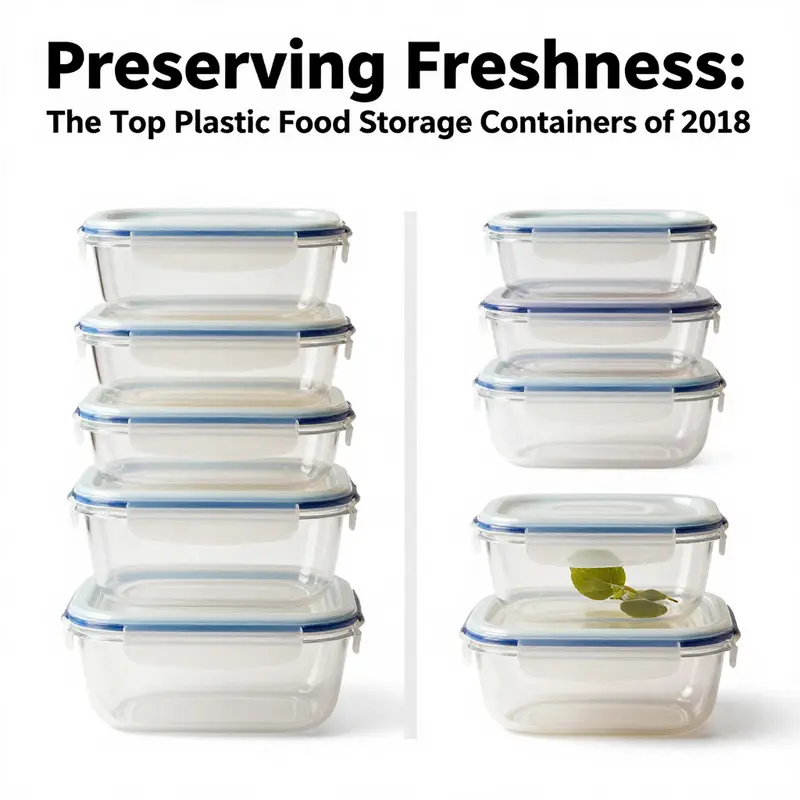
2018 marked a quiet shift in how households approached food storage. It wasn’t just about more containers; it was about pursuing reliability, ease, and value in everyday routines. The era rewarded seals that stayed airtight, materials that could survive freezer, microwave, and dishwasher cycles, and designs that stacked neatly for storage. In this moment, practical durability mattered more than novelty, turning ordinary lunch boxes into dependable kitchen partners.
Top containers of that year combined several essential traits: a dependable seal, safe materials, dishwasher- and microwave-ready usability, and a form that nests when not in use. They were designed to travel well, survive busy days, and clean up with minimal effort, reflecting a lifestyle where organization reduces stress and waste.
As the catalog of options grew, buyers considered how different needs—families packing for the week, students commuting with meals, or professionals on the go—could be met by sets that included multiple sizes and secure lids. The enduring lesson from 2018 is simple: when storage tools excel at core tasks, they become everyday allies that simplify meals, protect freshness, and keep kitchens organized.
2018’s Best Plastic Food Storage Containers: Seals, Sizes, and the Lunch-Packing Revolution
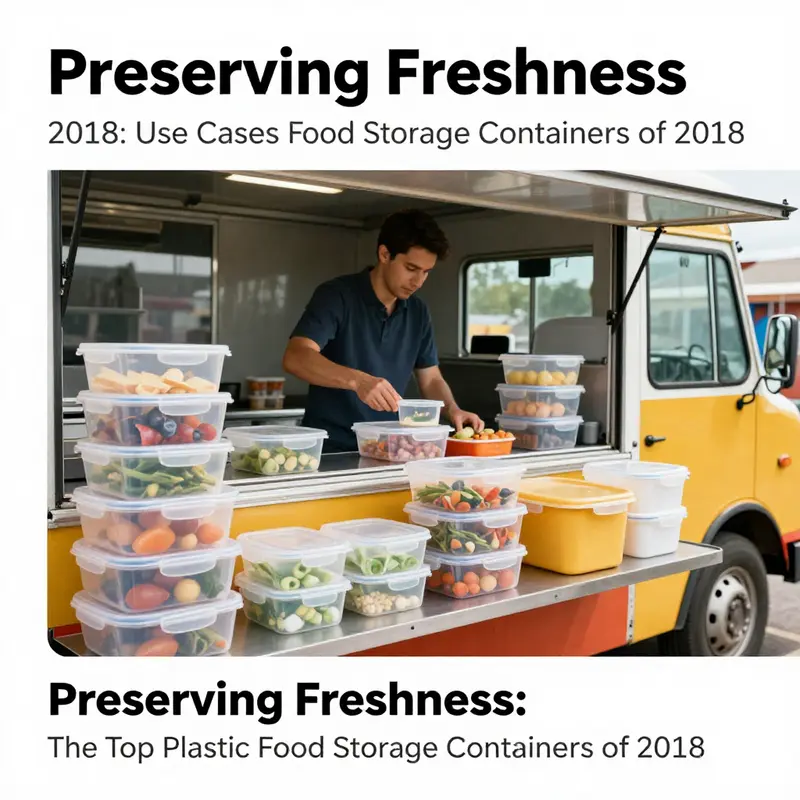
In 2018, the home kitchen often revolved around a simple question: how can plastic containers hold both a handful of almonds and a bowl of soup without leaking during transit or storage? The most talked-about options tended to share a core set of traits. They were lightweight enough for daily use, sturdy enough to survive a tumble in a bag, and equipped with lids that snapped into an airtight, leak-proof embrace. A standout eight-piece collection demonstrated this balance beautifully: a set composed of square, space-efficient shapes designed to nest neatly when not in use. The sizes spanned a practical range—from tiny portions for dressings or snacks to large containers suitable for leftovers or batch-prepped meals. Crucially, these containers were BPA-free, addressing a central consumer concern of the era. They were marketed as microwave-safe, freezer-safe, and dishwasher-safe, a triad of conveniences that aligned with how people cooked, stored, and warmed meals through the week. The seal was the centerpiece. A secure latch pressed against a gasket, creating a tight barrier that kept moisture out and odors in, making the containers a reliable partner for both solids and liquids. And when the time came to reclaim cabinet space, the nesting design allowed users to stack and store efficiently, avoiding the clutter that often accompanies a growing collection of mismatched lids and bases. The overall effect was practical confidence: a set that could keep a soup intact on the way to the office, or hold yogurt and berries without a spill in the briefcase, while still fitting into a tidy kitchen routine at home.
Beyond this standout eight-piece option, the 2018 landscape included a range of top-rated plastic solutions that resonated with different households. Reviews consistently highlighted the value of a dependable seal—one that could endure daily use, occasional drops, and the rigors of microwave reheating without compromising food quality. Durability was another recurring theme; containers needed to stand up to frequent opening and closing, to resist cracks when frozen, and to maintain their structural integrity after repeated dishwasher cycles. A large customer base served as a proxy for trust, with many shoppers citing satisfaction not just with the initial performance but with long-term reliability. While the single best choice varied from family to family, what united the favorable opinions was a simple, reliable system: clear bodies that made contents visible at a glance, and lids that clicked or latched firmly into place, signaling a precise, consistent seal.
In parallel, reviewers noted a few standout directions within the broader market. One line emphasized the seal and durability, delivering confidence for microwaving and freezing alike. The popularity of such designs often grew from broad user adoption—homes, offices, and schools that relied on predictable performance to keep lunches and snacks from turning into messy, wasted food. An import category from another region drew attention for their emphasis on quality and size, offering containers designed for longer-term storage or bulk quantities. These were not just large-volume options; they represented a philosophy of robust construction meant to withstand frequent handling and coercive temperature swings. Classic lines devoted to dry goods also earned praise for moisture control and long-term freshness, while another segment prioritized value and ease of use—ideal for families who wanted straightforward storage for everyday tasks like fruit, nuts, or kid-friendly snacks.
The practical implications of these features show up in the way people planned their meals. A typical week involved planning and portioning: a batch of soups and stews for freezing, containers for reheating at work, and smaller vessels forday-to-day snacks. The most reliable systems supported a spectrum of use cases—from a single-person routine to a household that swaps between variations of leftovers and fresh-prepared lunches. The interplay of sizes mattered here; the smaller jars made it easy to portion meals for one, while the larger sizes accommodated family meals or batch cooking. A well designed lid offered more than containment; it offered peace of mind. You could toss a container into a tote or backpack without fearing leaks, knowing that the lid would stay closed even through a bus ride or a windy commute. The transparency of the plastic also mattered. Clear walls enabled quick visual checks, reducing the time spent opening multiple containers to identify contents. In a fast-paced kitchen, that small clarity translates into real time saved, less food waste, and simpler organization.
Care and maintenance were threads that ran through every practical decision in 2018. Materials were scrutinized for safety and longevity. BPA-free was not merely a tag; it represented ongoing consumer demand for materials believed to be safer for repeated contact with food and heat. Yet the conversation also acknowledged the nuances of what “microwave-safe” could mean after repeated reheating cycles. Some containers tolerated heat well, while others required lid removal or venting to prevent pressure buildup. Freezer use carried its own caveats: not all plastics behaved the same when temperatures plunged and then rose again. A sturdy build, reinforced walls, and resilient gaskets helped reduce cracking and maintain a seal after freezer-to-microwave transitions. Finally, dishwasher safety was a practical asset, but diligent users learned that disassembling lids for a thorough clean around gaskets extended the life of the seal and prevented odor transfer. These maintenance habits reinforced a simple truth: the best containers aren’t just about the moment of purchase; they’re about the ongoing care that preserves performance through years of use.
Viewed together, the 2018 recommendations sketch a coherent philosophy of food storage rooted in three practical aims: protect freshness, simplify daily routines, and maximize cabinet and tote space. The emphasis on airtight seals addresses both flavor preservation and leak prevention, a combination particularly valuable for meals that travel or sit in shared spaces like office refrigerators. The focus on sizes that span tiny portions to larger portions mirrors the realities of meal prepping and leftovers. The emphasis on durability ensures that containers hold up under real-world conditions—being knocked around in bags, stacked in crowded shelves, or subjected to the occasional dishwasher marathon. And the nesting capability speaks to a broader desire for organization without compromise to usability. Across households, these design principles helped translate a set of features into a reliable system—a system capable of supporting weekday lunches, weekend batch cooking, and pantry management alike. Even as materials and aesthetics evolve, the core logic remains intact: build for safety, build for practical use, and build with a future in mind so that today’s lunch box can become tomorrow’s pantry workhorse.
For readers who want to explore related storage options beyond the specifics of any single era, consider the broader catalog of storage containers on our site. It provides a way to compare sizes, materials, and use-cases side by side, helping you map your needs to a cohesive system rather than chasing a gadget’s promise. storage containers
External resources can deepen your understanding of safety and material choices. For a foundational overview of plastics in contact with food and guidance on safer use, see the following external resource: https://www.fda.gov/food/packaging-labeling-food-contact-substances/facts-about-plastics
Final thoughts
Selecting the right plastic food storage containers can significantly enhance operational efficiency in any food service environment. The insights and reviews from 2018 present a variety of reliable options tailored for different needs and preferences. Whether you operate a bubble tea shop, a bustling restaurant, or manage a catering service, investing in quality storage solutions is essential for maintaining the freshness and safety of your food offerings. Each of the highlighted products not only proves effective in storage but also enhances the overall customer experience by ensuring that meals remain delicious and safe.