
Introduction
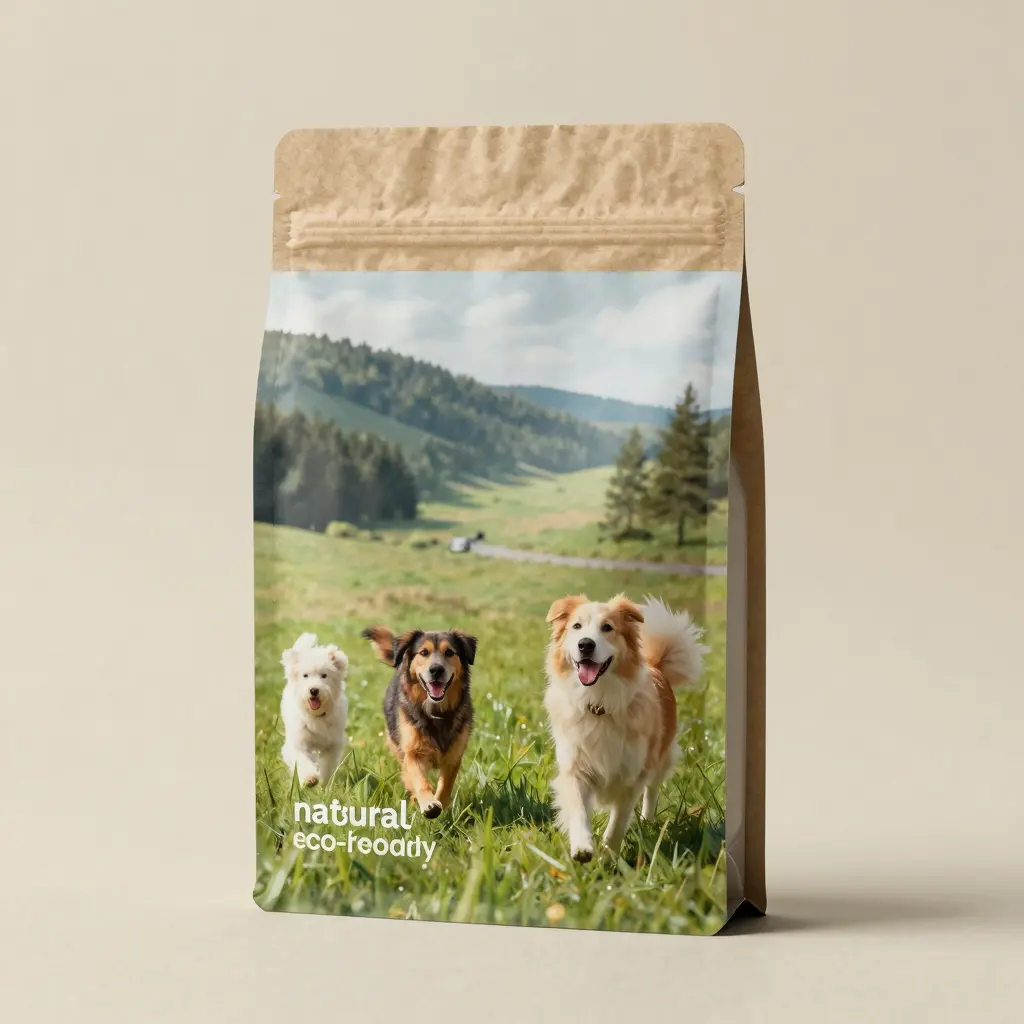
In recent years, there has been a significant shift towards sustainable practices across various industries, and the dog food sector is no exception. As pet owners become increasingly conscious about the environmental impact of their purchases, the demand for biodegradable and eco-friendly packaging is on the rise. This shift not only promises to minimize waste in landfills but also resonates with the values of consumers who prioritize sustainability in their purchasing decisions. For bubble tea shops, restaurants, food trucks, catering services, event planners, and corporate procurement teams, adapting to these changing preferences is essential. In this article, we will explore the myriad benefits of switching to eco-friendly packaging solutions, not just for the sake of the planet, but also for enhancing brand reputation and customer loyalty. By making the switch, businesses can align themselves with a growing market of eco-conscious consumers-championing a greener future, one meal at a time. Learn more about our eco-friendly packaging options and how they can benefit your brand.
Benefits of Biodegradable Packaging for Dog Food
Using biodegradable packaging for dog food offers numerous advantages that can enhance sustainability and market appeal. Here are some key benefits:
- Environmental Sustainability: Biodegradable packaging breaks down naturally, reducing landfill waste and minimizing pollution. This is crucial for businesses aiming for eco-friendly practices and a lower carbon footprint.
- Safety for Pets: Made from food-grade materials, biodegradable packaging is safe for direct contact with pet food, ensuring no harmful chemicals leach into the products.
- Market Appeal: Brands that incorporate biodegradable packaging attract environmentally conscious consumers. Research shows that a significant percentage of pet owners are willing to pay a premium for eco-friendly products.
- Regulatory Compliance: Many regions are introducing stricter regulations against single-use plastics, making biodegradable options a compliant and forward-thinking choice for businesses.
- Enhanced Brand Image: Adopting sustainable practices helps improve brand loyalty and reputation among consumers who prioritize sustainability in their purchasing decisions.
Businesses can further explore eco-friendly options here and here.
Comparison of Biodegradable Packaging Materials
When it comes to sustainable packaging, there are various biodegradable materials to consider, each with its own advantages and disadvantages. Here’s a comparison of some common biodegradable packaging materials, focusing on their costs, durability, and environmental impact.
| Material | Pros | Cons | Cost | Durability | Environmental Impact |
|---|---|---|---|---|---|
| Plant-Based Plastics | – Made from renewable resources – Breaks down in industrial composting – Lower carbon footprint |
– Requires industrial composting; not suitable for home compost – Can contaminate recycling streams |
Medium to High | Moderate | Low – reduces fossil fuel use when properly composted |
| Paper & Cardboard | – Highly recyclable and biodegradable – Made from renewable sources |
– Less durable when wet – Coatings may hinder recyclability |
Low to Medium | Low to Moderate | Very Low – supports circular economy |
| Compostable Materials | – Naturally breaks down into non-toxic substances – Excellent cushioning properties |
– Limited availability – Requires industrial composting |
Medium | Varies by material | Very Low – diverts waste and zero microplastics emitted |
Sources: Sustainable Packaging Insights
Visual Representation of Biodegradable Packaging Materials

This chart succinctly illustrates the comparison between the three materials in terms of cost, durability, and environmental impact. Understanding these factors can help businesses choose the right biodegradable packaging options for their products, aligning with eco-friendly practices.
Regulatory Standards for Eco-Friendly Packaging in the Food Industry
As the demand for sustainable solutions rises, regulatory standards for biodegradable packaging in the food industry have become increasingly vital. Different regions have established key regulations that biodegradable food packaging must adhere to, ensuring safety and compliance for businesses.
European Union Regulations
The EU mandates that all biodegradable packaging materials meet the standards set forth in Regulation (EU) No 1935/2004 for materials intended for food contact. They also adhere to EN 13432, which outlines the requirements for packaging materials to be labeled as compostable. These regulations ensure that materials are safe for food contact, require thorough migration testing, and prohibit hazardous substances. Proper labeling indicating compostability claims is also crucial, providing transparency to consumers and regulators. For more details, check out the EU’s comprehensive guidelines.
U.S. FDA Guidance
In the United States, the FDA regulates biodegradable packaging under Title 21 of the Code of Federal Regulations (CFR). Although there is no specific ‘biodegradable’ designation, these materials must comply with safety standards for food contact. Claims regarding compostability need to align with ASTM standards, which stipulate that packaging should disintegrate and biodegrade effectively in composting conditions. For further insights, explore the FDA’s guidance.
Global Compliance and Certification
Globally recognized standards such as ISO 14855 also play a role in defining biodegradability in various environmental conditions. Manufacturers must obtain appropriate certifications to validate compliance with these international standards, thereby enhancing the credibility of their eco-friendly practices and reinforcing consumer trust in their products.
Case Studies of Successful Eco-Friendly Packaging Implementations
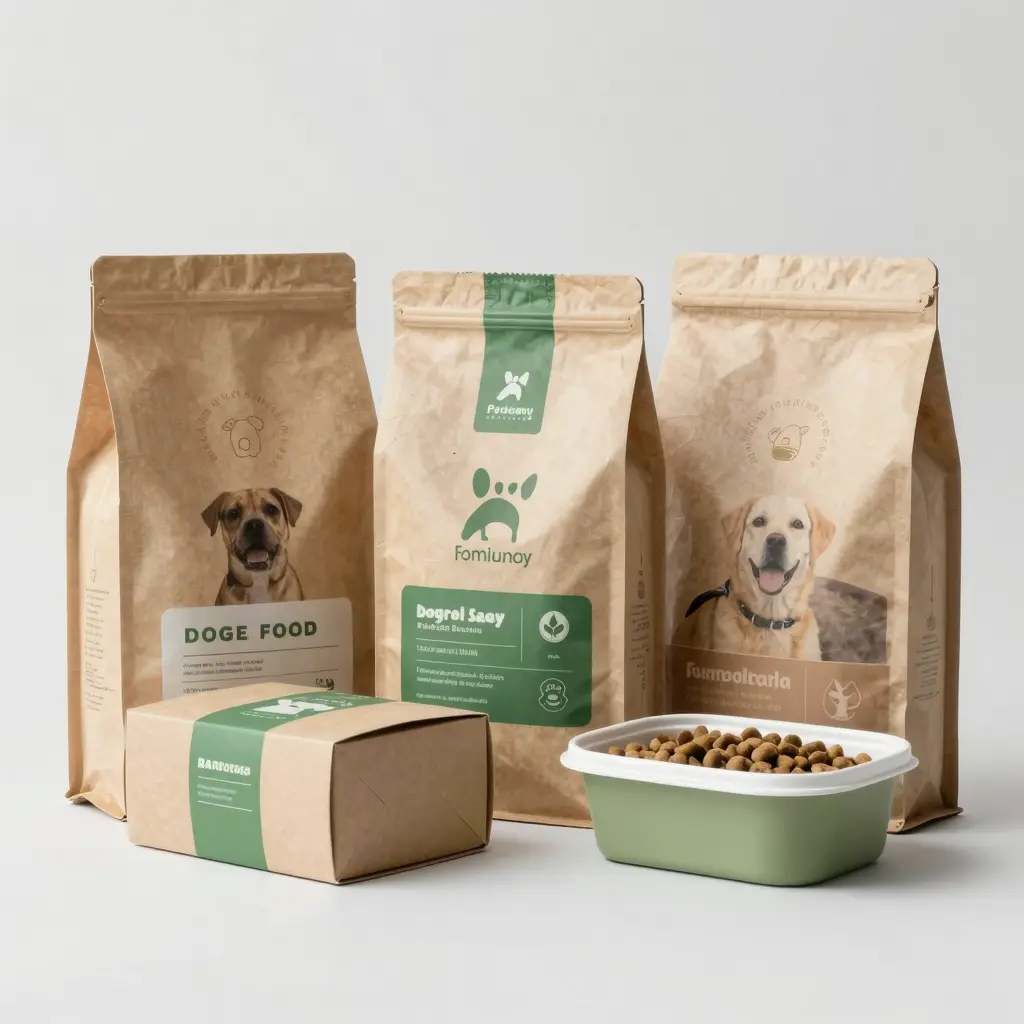
As the food industry continues to embrace sustainability, many businesses are successfully transitioning to biodegradable packaging. Here are two prominent case studies illustrating this trend:
1. E Brand’s Collaboration with Naturepoly
E Brand, a notable player in the food sector, partnered with Naturepoly to replace traditional plastics with plant-based compostable materials. This shift significantly reduced their carbon footprint while enhancing product attractiveness to environmentally-conscious consumers. The comprehensive lifecycle assessment conducted highlighted improvements across the production process, with materials that not only performed well but also appealed to a growing demographic of eco-aware customers. The collaborative efforts not only led to a healthier planet but also improved E Brand’s market positioning and brand loyalty.
Key Outcomes:
- Significant reduction in carbon emissions.
- Enhanced brand image and customer loyalty.
- Demonstrated consumer acceptance of biodegradable packaging.
2. High-End Seafood Supplier’s Innovative Solutions
A high-end seafood supplier adopted biodegradable packaging solutions made from polylactic acid (PLA) and corn starch composites. This innovation allowed them to maintain freshness and extend the shelf life of their products while significantly cutting down on plastic waste. Furthermore, their insulated packaging-even with biodegradable gel packs-ensured a 98% survival rate for live fish during transportation, while adhering to industrial composting standards.
Key Outcomes:
- Enhanced food preservation and safety.
- Improved customer satisfaction ratings.
- Strong commitment to environmental responsibility.
These case studies showcase how transitioning to biodegradable packaging can lead to reduced environmental impact, enhanced product integrity, and strengthened customer relationships. For more information about eco-friendly packaging options, check out our selection of biodegradable food packaging products.
By embracing these innovative practices, companies can not only thrive in today’s market but also contribute to a more sustainable future for the food industry.
Customer Feedback Trends on Eco-Friendly Packaging
In recent years, customer feedback has increasingly highlighted the significance of eco-friendly packaging, particularly within the dog food market. A recent report revealed that over 70% of dog food consumers now consider eco-friendly packaging a crucial factor when choosing a brand. This trend is especially pronounced among younger consumers aged 18 to 40, with nearly two-thirds willing to pay a premium for products in sustainable packaging.
Consumers are drawn to brands that utilize biodegradable materials, signaling a shift towards environmentally responsible shopping. Feedback frequently indicates that such packaging not only reflects a commitment to animal welfare but also to the broader health of our planet, enhancing brand trust and loyalty.
Furthermore, statistics from the Grand View Research suggest that companies aligning with eco-conscious values have seen improved customer satisfaction and repeat purchase rates. As the demand for sustainable solutions continues to rise, businesses in the dog food sector must adapt to these preferences, merging product quality with environmental responsibility to foster consumer trust and drive sales.

This chart illustrates consumer preferences for different types of packaging materials in the food industry. Notably, while over 70% of consumers express a preference for biodegradable options, only 22.7% actively prioritize biodegradability when making purchasing decisions. Price and familiarity with materials play crucial roles in these choices.
| Packaging Material | Consumer Preference (%) | Key Factors Influencing Choice |
|---|---|---|
| Biodegradable Packaging | 22.7% | Environmental impact, sustainability awareness |
| Glass | 18.3% | Perceived safety, reusability, product freshness |
| Paper/Cardboard | 15.6% | Recyclability, familiarity, cost-effectiveness |
| Plastic (PET/HDPE) | 14.9% | Low cost, lightweight, widespread availability |
| Metal Cans | 12.4% | Durability, shelf life, brand trust |
| Flexible Pouches | 9.1% | Convenience, portability, ease of use |
| Other (e.g., bamboo, etc.) | 7.0% | Niche appeal, novelty, eco-conscious branding |
The importance of biodegradable packaging is increasingly recognized in the food industry, especially among establishments like bubble tea shops, restaurants, and food trucks that value sustainability. For more on eco-friendly packaging solutions, check out our packaging options or explore our range of paper-based products.
“The development of sustainable packaging is essential to meet growing environmental demands.” – Researchers Paula Fernanda Janetti Bócoli, Vitor Emanuel de Souza Gomes, Amanda Alves Domingos Maia, and Luís Marangoni Júnior, in their review on eco-friendly food packaging published in Foods.
This quote encapsulates the urgent need for innovative materials that can reduce our reliance on plastics and promote a greener future for the food industry.
As we navigate the growing concerns over environmental sustainability, switching to biodegradable packaging has never been more vital for businesses in the food industry. By opting for eco-friendly alternatives, such as our reliable disposable tableware and packaging solutions, you can significantly reduce your environmental footprint while enhancing your brand’s image. Not only does adopting biodegradable materials align with consumer preferences for sustainable practices, but it can also lead to lower waste disposal costs and compliance with stringent regulations. Companies that embrace these changes have reported up to a 30% increase in customer satisfaction, validating the choice to prioritize the planet. Join the movement towards sustainable packaging by exploring our disposable tableware and packaging solutions today, and take the first step towards a greener future for your business.