
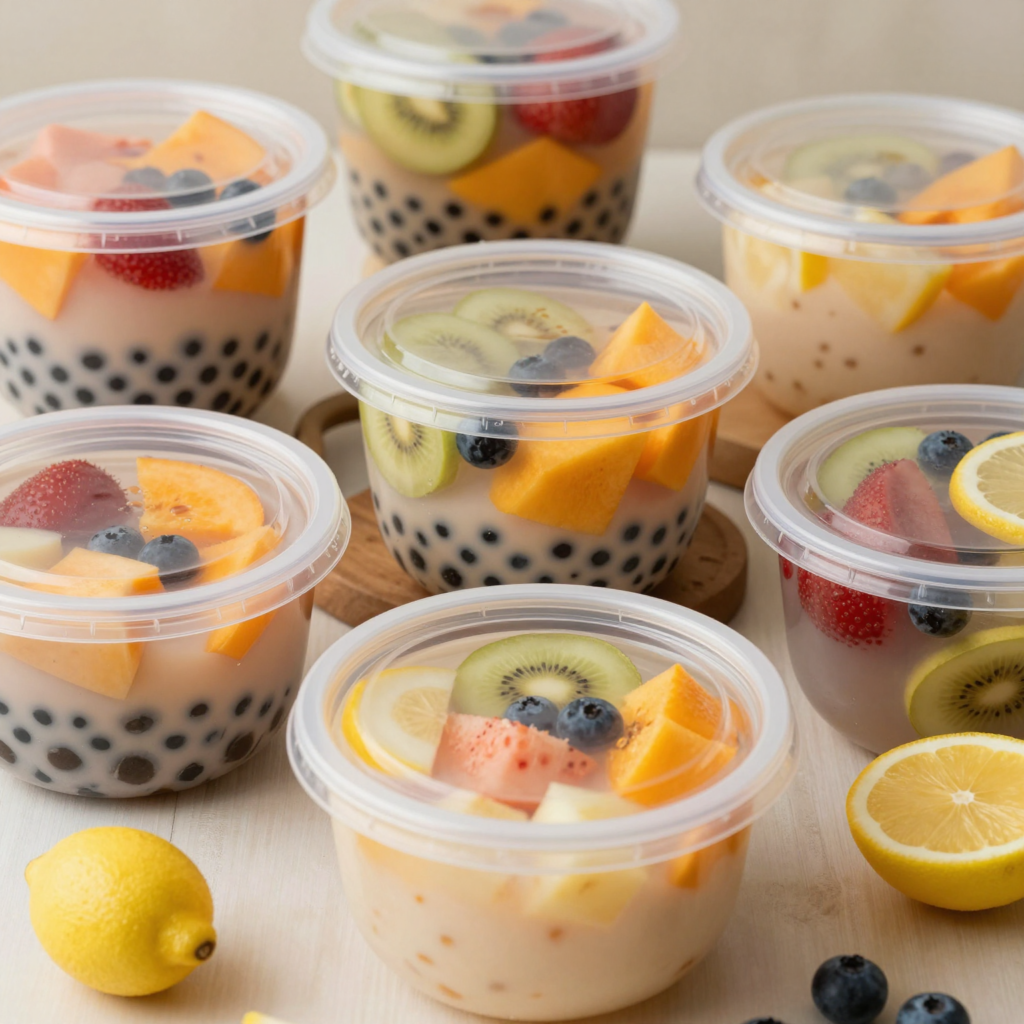
In the fast-paced world of food and beverage service, quality and health standards are paramount, especially for bubble tea shops and catering services that pride themselves on serving delicious and safe products. This has led to an increasing demand for BPA-free disposable food containers, which are not only essential for maintaining the integrity of food but also aligning with growing consumer preferences for healthier choices. BPA, or bisphenol A, is a chemical often found in plastics that has been linked to various health concerns. By choosing BPA-free containers, food businesses can ensure that their offerings are safe from these harmful substances, thereby enhancing their brand reputation and consumer trust.
Moreover, the shift towards environmentally friendly packaging solutions echoes the rising awareness among consumers about sustainability. BPA-free containers made from renewable materials appeal to health-conscious customers who are increasingly choosing products that reflect their values. Whether you’re a bubble tea shop looking to create a delightful presentation for your drinks or a catering service aiming to provide a seamless dining experience, investing in BPA-free disposable food containers can set your business apart. For more insights on sustainable options, check out our guide on sugarcane cup benefits and how you can elevate your business’s environmental responsibility.
Benefits of Using BPA-Free Disposable Food Containers
Using BPA-free disposable food containers offers numerous advantages, especially for businesses in the food service industry such as bubble tea shops, restaurants, food trucks, and catering services. Here’s a bullet-point list highlighting the key benefits:
- Health Safety: BPA (Bisphenol A) is a chemical linked to various health issues, including hormonal disruptions. Using BPA-free containers eliminates the risk of bisphenol exposure, ensuring safer food storage and serving practices.
- Regulatory Compliance: Many countries have increased regulations surrounding the use of BPA in food contact materials. By choosing BPA-free containers, businesses ensure compliance with these regulations, meeting customer safety expectations and avoiding potential legal issues. Learn more about safety regulations.
- Environmentally Friendly: Many BPA-free disposable food containers are made from recyclable or compostable materials, helping businesses reduce their environmental footprint and appeal to eco-conscious consumers.
- Enhanced Customer Satisfaction: Modern consumers are increasingly health-conscious and prefer products that align with healthy living practices. Offering BPA-free options can enhance customer satisfaction and loyalty, as consumers feel good about their choices.
- Improved Food Integrity: BPA-free containers reduce the risk of chemical leaching into food, especially when in contact with heat or acidic substances. This ensures better food quality and taste, which is crucial for repeat business.
- Brand Image Enhancement: Committing to BPA-free packaging can positively influence a brand’s image. It signifies a dedication to safety, health, and environmental responsibility, which can attract new customers seeking reputable brands.
- Versatility: BPA-free containers are available in various materials like polypropylene (PP) and high-density polyethylene (HDPE), offering different functionalities suitable for a range of food applications, from hot meals to cold beverages.
Comparison Table of BPA-Free Disposable Food Containers
Here’s a comparison of various BPA-free disposable food container options available in the market:
| Material | Size Options | Typical Applications |
|---|---|---|
| Polypropylene (PP) | 8 oz, 12 oz, 16 oz | Catering, reheating, meal prep |
| Polyethylene Terephthalate (PET) | 4 oz, 12 oz | Cold storage, takeout, salad containers |
| Modified Food-Grade Polypropylene (MFPP) | 8 oz, 12 oz (3-compartment) | Meal delivery services, commercial kitchens |
| Sugarcane (Bagasse) | 12 oz, 16 oz | Eco-friendly catering, outdoor events, desserts |
| Polystyrene (PS) | 10 oz, 20 oz | Food trucks, school cafeterias, snacks |
Insights
- Material: Polypropylene (PP) is popular for its microwave safety and durability, making it suitable for both hot and cold items. PET is ideal for cold items but shouldn’t be heated. Sugarcane containers are biodegradable, appealing to eco-conscious businesses.
- Sizes: The sizes range from 4 oz ideal for small snacks to larger 16 oz containers for main dishes, catering to various business needs.
You can learn more about sugarcane cup benefits and explore the sustainable options available for your catering services.
Regulatory Standards for Food Safety
When it comes to food safety, regulations concerning Bisphenol A (BPA) are of paramount importance. BPA is a chemical used in the production of certain plastics and resins found in many food containers. As consumer awareness grows regarding the potential health risks associated with BPA, notably its implications for children’s health, the FDA (U.S. Food and Drug Administration) has introduced significant regulations aimed at limiting its use.
In December 2023, the FDA banned BPA in infant formula packaging, highlighting its commitment to safeguarding vulnerable populations. This ruling prohibits any manufacturer from using BPA in materials that directly contact infant formulas, including plastic containers and liners. Although the FDA affirms that BPA is safe at the levels previously utilized in food contact materials, this cautious step demonstrates the shifting landscape toward consumer safety and transparency. Learn more about FDA regulations.
Furthermore, the FDA updated its guidelines on BPA, reaffirming its safety but encouraging exploration of alternatives. In September 2023, it reiterated the need for industry players to seek safer substitutes for BPA given the ongoing research into its health impacts, especially at low exposure levels. The BPA-free label now frequently appears on food containers, reflecting consumer preferences for products perceived as safer.
For businesses in the food sector, adhering to BPA-free standards is not only a matter of compliance but also a vital factor in maintaining consumer trust. A significant portion of consumers now actively seeks out BPA-free products when choosing food packaging. Businesses that fail to incorporate BPA-free materials risk losing out on customer confidence and market share.
Ultimately, as consumers prioritize safety in food packaging, the shift to BPA-free products represents both a regulatory requirement and a brand differentiator. Companies should remain vigilant about compliance and explore sustainable, healthy options that align with consumer preferences while adhering to new safety regulations. Check out the benefits of BPA-free products.
Consumer Preferences on Food Container Materials
Consumer preferences for food container materials are shifting significantly towards sustainable options, particularly those free from harmful chemicals like Bisphenol A (BPA). Recent trends reveal a robust consumer demand for BPA-free containers, driven by growing awareness of health and environmental concerns.
Current Trends in Consumer Preferences
-
BPA-Free Materials: Consumers are increasingly seeking BPA-free products as awareness grows about the potential health risks associated with BPA exposure from plastics. A report by BASF highlights a marked preference for materials such as polypropylene (PP) and food-grade stainless steel. Additionally, transparent labeling and certifications play crucial roles in consumer decision-making.
-
Sustainability Matters: A Tetra Pak study revealed that 60% of consumers prioritize recyclable and sustainable packaging. Materials such as plant-based plastics (e.g., PLA and PHA) are gaining traction, especially in light of proposed regulatory changes, including a ban on BPA in food contact materials by several governments worldwide, including the UK.
-
Impact on Food Businesses: These trends impact the operational strategies of bubble tea shops and restaurants. For instance, many food establishments are substituting traditional plastics with biodegradable alternatives such as sugarcane and cornstarch-based packaging. This transition has not only helped reduce plastic waste but also enhanced brand loyalty among environmentally conscious consumers. According to a report by McKinsey, over 60% of consumers now consider packaging sustainability when choosing brands.
Implications for Bubble Tea Shops and Restaurants
- Brand Identity: Adopting BPA-free and eco-friendly materials can significantly bolster a business’s market image. Shops that offer sustainable packaging options are more likely to attract younger customers who value corporate social responsibility.
- Cost Considerations: While the initial investment in sustainable packaging may be higher, it can lead to long-term savings through reduced waste management costs and a stronger corporate image. Reports indicate that switching from single-use plastics can save businesses substantial amounts in disposal fees and lead to an improved customer experience.
In conclusion, as consumer preferences continue to evolve toward safer and more sustainable food container options, bubble tea shops and restaurants must adapt their packaging strategies. Establishments that align with these trends not only enhance their appeal but also secure a competitive edge in a rapidly changing market.
For more about sustainability in food packaging, check out the benefits of sugarcane cups or the advantages of adopting compostable materials.
Testimonials from Successful BPA-Free Container Users
1. Corporate Catering Success: A Fortune 500 Experience
One Fortune 500 company recently shared their positive experience after transitioning to BPA-free containers for their corporate catering service. According to their wellness program manager, “The switch improved employee satisfaction scores by 35%, as staff feel safer knowing their meals aren’t exposed to harmful chemicals.” This feedback emphasizes not only the personal benefits for employees but also highlights how BPA-free materials comply with food safety regulations by reducing the risk of endocrine disruptors migrating into food, particularly under heat or prolonged storage. You can read more about these benefits in a detailed report on how BPA-free containers are transforming corporate catering.
2. Hospital Cafeteria Network’s Transformation
A prominent hospital cafeteria network reported significant improvements in customer trust and compliance with food safety regulations after adopting BPA-free containers. An executive noted, “Since adopting BPA-free, non-toxic packaging, we’ve seen a 40% reduction in consumer complaints related to container safety.” The transition not only enhanced the safety of the meals provided but also reassured patients and staff about the quality of their food. This case is featured in an insightful article on BPA-free food storage containers.
BPA-free containers are proving essential for businesses looking to prioritize health and safety while also building customer loyalty and trust in their services.

BPA-Free Container Market Growth
The market for BPA-free containers has seen substantial growth over the past five years, driven by increasing consumer demand for healthier and environmentally-friendly packaging solutions. Here’s a look at the market value and growth trends:
| Year | BPA-Free Container Market Value (USD Billion) | CAGR Growth Rate | Notes |
|---|---|---|---|
| 2021 | $18.0 | – | Plastic BPA-free products market value |
| 2024 | $12.0 | – | Overall BPA-free container market value |
| 2025 | $16.0 | 9.2% | Projected growth; includes cans and plastic containers |
| 2031 | $30.0 | 9.2% | Forecast for plastic BPA-free products market |
Sources:
- Cognitive Market Research – Global BPA-Free Cans Market, 2025 Projection
- Global BPA-Free Water Container Market Forecast 2025-2032
- BPA Free Plastic Market Report 2021-2031
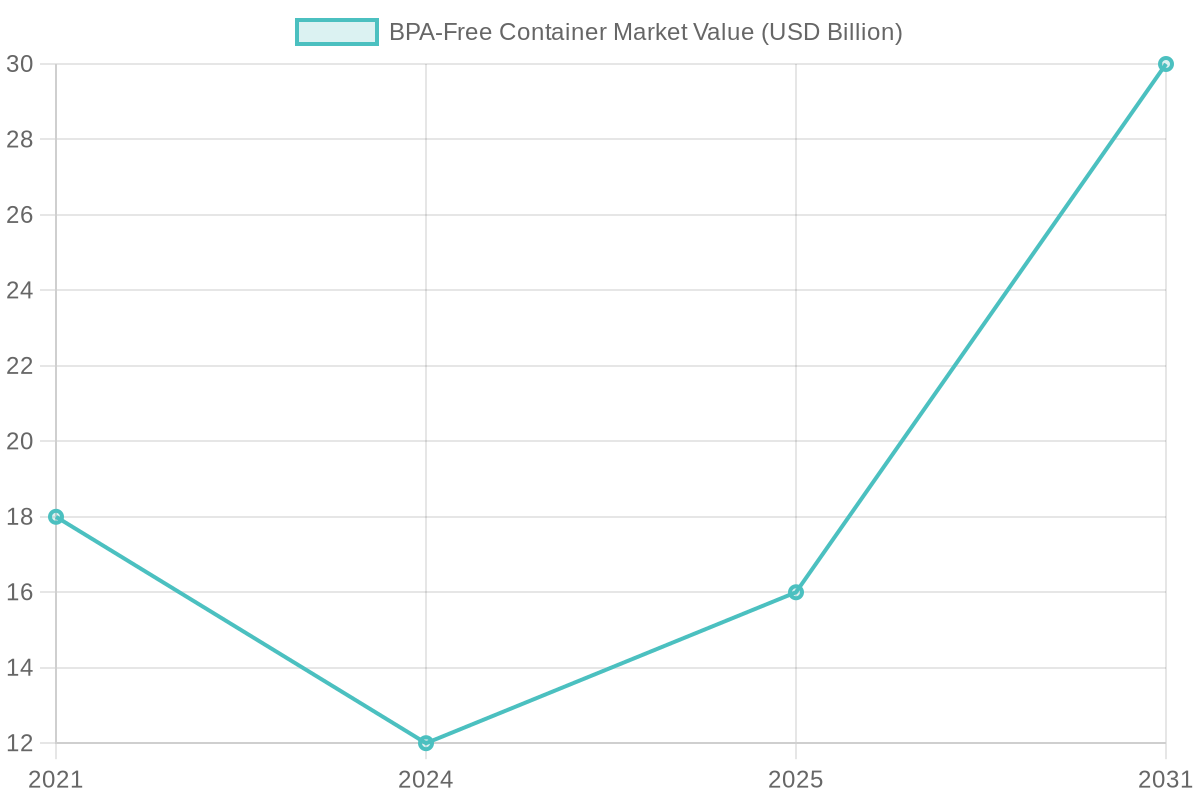
This chart illustrates the significant rise in market value, showing not just a substantial increase, but also indicating key trends that food businesses should be aware of, particularly as sustainability becomes a crucial focus for consumers and businesses alike.
In conclusion, choosing BPA-free disposable food containers is important for several reasons, particularly for bubble tea shops, restaurants, food trucks, and catering services. Firstly, BPA, a chemical found in many plastics, has been linked to serious health risks, including hormonal disruptions and higher rates of diseases like obesity and diabetes. By opting for BPA-free containers, businesses can significantly reduce these health risks for both their customers and staff, making a responsible choice for public health. Secondly, these containers contribute positively to environmental sustainability; BPA can leach into the environment, harming aquatic life and ecosystems. Transitioning to BPA-free alternatives helps mitigate this risk, supporting initiatives for a healthier planet. Finally, adopting BPA-free products can enhance a brand’s marketability. Many consumers are now actively looking for sustainable and safe options, often favoring businesses that prioritize health and environmental concerns. Therefore, we encourage readers to consider BPA-free disposable food containers for their food service needs. Not only will this choice promote safety and environmental responsibility, but it will also potentially boost customer loyalty and business reputation. For more information on how to choose the right sustainable packaging solutions, check out our articles on customized octagonal paper bowls and sugarcane cup benefits.
Ready to Elevate Your Food Service?
Choose our BPA-free disposable tableware and packaging solutions today! Our products are crafted from high-quality materials, ensuring safety and reliability for your customers. Whether you are a bubble tea shop, restaurant, food truck, or event planner, our range of solutions is designed to meet your unique needs and elevate your brand experience.
By partnering with us, you gain more than just exceptional products – you gain a dedicated ally committed to your success. Our tailored solutions, like customized octagonal paper bowls, ensure you have exactly what you need while maintaining eco-friendliness.
Experience the benefits of premium quality, reliable supplies, and consistent customer satisfaction. Make the smart choice for your business and delight your customers with sustainable packaging! Contact us today to start your partnership and take your service to the next level!