
Introduction
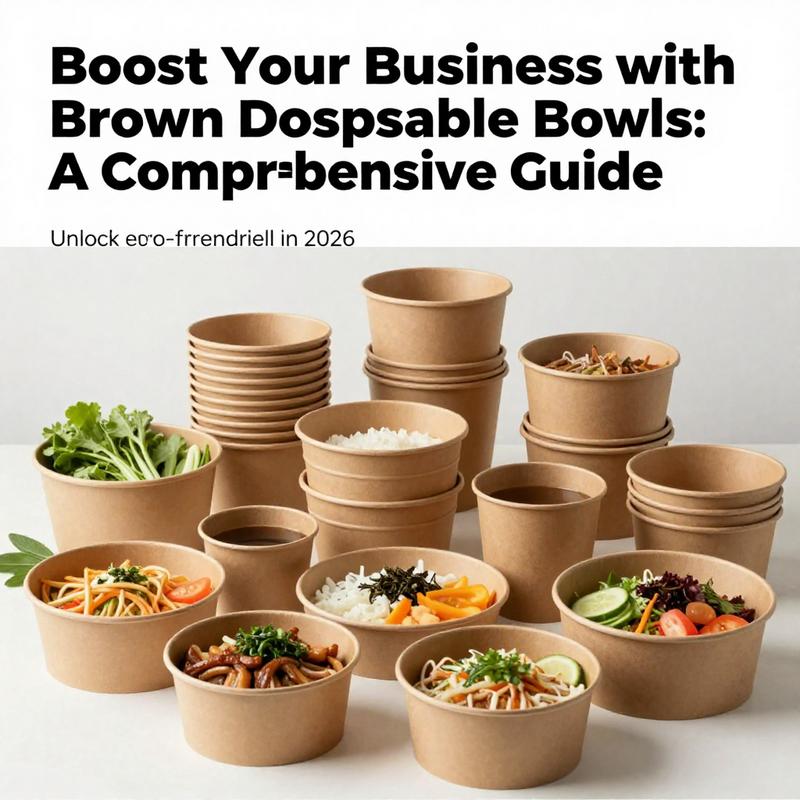
The demand for brown disposable bowls is witnessing a surge as businesses increasingly adopt sustainable practices in response to consumer preferences and regulatory pressures. Brown disposable bowls, particularly those made from eco-friendly materials, have emerged as popular alternatives to plastic. Businesses in the food industry, catering services, and events are transitioning to these biodegradable options, emphasizing eco-consciousness and meeting regulatory compliances. Each chapter of this guide will delve into various aspects of this booming market, including the rising demand, sourcing strategies, pricing models, applications in the food sector, and the importance of eco-friendly certifications. By understanding these facets, business owners can make informed decisions to capitalize on this expanding market.
Tables of Contents
Chapter 1: Unpacking the Surge: Regulatory and Consumer Influences on the Brown Disposable Bowl Market
- Navigating the Green Tide: How Regulations Propel Demand for Brown Disposable Bowls
- Market Demand for Brown Disposable Bowls Wholesale: Understanding Economic Influences and Pricing Mechanics
- Rising Innovations in Eco-Friendly Packaging: The Future of Brown Disposable Bowls
Chapter 2: Innovative Strategies in the Production of Sustainable Brown Disposable Bowls
- Advanced Manufacturing Techniques Transforming Brown Disposable Bowls Wholesale
- Economic Influences Shaping the Wholesale Market for Brown Disposable Bowls
- Navigating the Environmental Landscape: Sustainability in Brown Disposable Bowls Manufacturing
Chapter 3: Crafting Cost-Effective Strategies in Wholesale Brown Disposable Bowls: Material Insights
- Harnessing Raw Material Dynamics for Strategic Pricing of Brown Disposable Bowls
- Leveraging Economies of Scale: Strategies for Competitive Pricing of Brown Disposable Bowls
- How Sustainability Drives Pricing Structures in Brown Disposable Bowls Wholesale
Chapter 4: Enhancing Sustainability Through the Use of Brown Disposable Bowls in the Food Sector
- The Environmental Benefits of Brown Disposable Bowls: A Sustainable Choice for Food Services
- Market Dynamics and Economic Benefits of Brown Disposable Bowls in the Food Industry
- Consumer Preferences Driving the Shift Towards Eco-Friendly Brown Disposable Bowls
Chapter 5: Navigating the Landscape of Eco-Certifications for Brown Disposable Bowls
- Crucial Eco-Certifications for Sourcing Sustainable Brown Disposable Bowls
- Balancing Costs and Competitive Opportunities in Sustainable Brown Disposable Bowl Manufacturing
- Geopolitical Influences and Compliance Challenges in the Eco-Friendly Bowl Market
Chapter 1: Unpacking the Surge: Regulatory and Consumer Influences on the Brown Disposable Bowl Market
1. Navigating the Green Tide: How Regulations Propel Demand for Brown Disposable Bowls
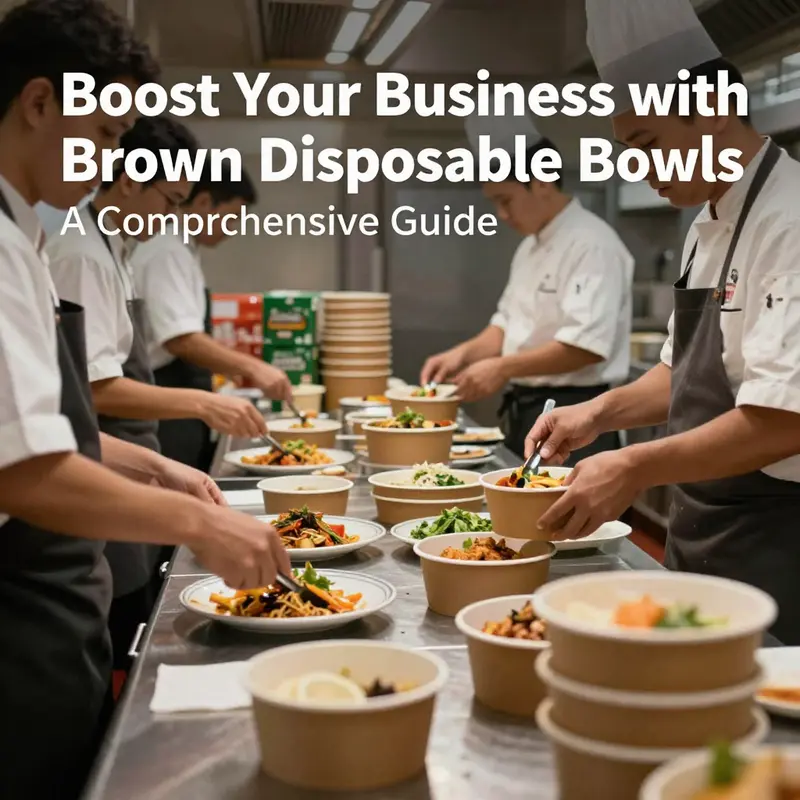
The demand for brown disposable bowls is increasingly shaped by a complex interplay of regulatory frameworks and shifting consumer attitudes toward sustainability. As environmental awareness takes center stage across the globe, businesses are compelled to transition from traditional plastic packaging to more eco-friendly options, creating a fertile ground for the growth of brown disposable bowls made from biodegradable materials like kraft paper, sugarcane bagasse, and bamboo fiber.
Regulatory Pressures Fueling Market Demand
In regions such as North America and Europe, stringent environmental policies are making it imperative for companies to seek alternatives to conventional plastic products. Various legislative moves, such as bans on single-use plastics and tax incentives for sustainable packaging, are encouraging businesses to adopt sustainable practices. This regulatory environment is a critical driver of demand for brown disposable bowls, which align with such eco-friendly initiatives. As various governments push for greener solutions, businesses are increasingly turning to disposable bowls that environmentally savvy consumers expect, thus reinforcing sustainability as a competitive differentiator.
Empowering Manufacturing Hubs
At the heart of this green market shift is China’s Anhui Province, a major hub for the production of these eco-friendly bowls. Hosting more than 60% of the nation’s leading manufacturers, this region benefits from advanced pulp molding technologies and robust supply chain integration. Manufacturers in Anhui employ renewable, sustainable raw materials to create compostable products that fulfill both regulatory requirements and market demand. The vertically integrated nature of these facilities—from raw material sourcing to the final packaging—ensures high-quality output and cost efficiency, making them vital players for businesses aiming to source these products wholesomely and reliably.
Agility in Supply Models
The evolution of manufacturing capabilities has also led to the expansion of product offerings. Suppliers are enhancing their portfolios with flexible manufacturing options that allow brands to explore sustainability initiatives without hefty upfront investments. This adaptability is key for businesses navigating a swiftly changing market landscape influenced by environmental regulations.
Evaluating Suppliers for Sustainable Partnerships
For buyers in the market looking for sustainable partnerships, a comprehensive evaluation framework is essential. Key aspects include compliance certifications, production capacities, and the consistency of product quality. Suppliers boasting certifications such as FDA approval and BPI compostability standards can better assure their alignment with regulatory mandates. Additionally, assessing the production capacity enables buyers to gauge a supplier’s ability to meet fluctuating demands. Establishing long-term partnerships with reliable suppliers not only helps companies comply with regulations but also enhances their overall brand reputation in the burgeoning eco-conscious market.
As the marketplace for brown disposable bowls continues to expand, buyers must remain vigilant in their sourcing strategies. Adapting to regulations while meeting consumer expectations for sustainability is not just a trend; it’s quickly becoming table stakes in garnering market share and promoting a brand’s commitment to environmental stewardship. To explore specific products that align with these principles, buyers can view numerous options available on various wholesale platforms, showcasing their potential for driving eco-friendly alternatives forward. Explore customizable solutions here.
2. Market Demand for Brown Disposable Bowls Wholesale: Understanding Economic Influences and Pricing Mechanics
The burgeoning market for brown disposable bowls is a vivid illustration of how economic dynamics, coupled with shifting consumer preferences and sustainability trends, shape demand patterns. The drive towards hygienic, convenient packaging solutions has transformed the food and beverage sector, where brown disposable bowls increasingly replace traditional plastic options. This evolution is not solely fueled by aesthetics; it is a reflection of consumers’ growing commitment to environmentally responsible practices.
A paramount driver of demand is the heightened consumer preference for eco-friendly products. As awareness surrounding environmental issues grows, businesses across food service sectors—including fast-casual dining, event catering, and takeout services—are shifting towards disposable packaging that is biodegradable and compostable. Brown disposable bowls, largely made from materials such as kraft paper, bamboo fiber, and sugarcane bagasse, position themselves perfectly at the intersection of convenience and sustainability, making them a top choice among consumers who prioritize their health and the planet. This increasing alignment with eco-conscious values has consequently ramped up demand.
Economic factors intricately interweave with demand dynamics, severely influencing pricing frameworks in the wholesale market. Specifically, production costs stemming from material sourcing and supply chain efficiencies are critical in determining the final pricing of disposable bowls. In regions like Anhui Province in China—home to over 60% of the nation’s top manufacturers—manufacturing processes are well-optimized. Many manufacturers adopt vertically integrated operations that streamline the entire process, from raw material procurement through to final packaging. This effectively allows for reduced production costs and rapid turnaround times. For instance, factories such as Hefei Craft Tableware Co., Ltd., with sprawling facilities exceeding 30,000 m², enable sellers to provide consistent quality at competitive prices, particularly for large orders.
As of now, the pricing for wholesale brown disposable bowls is quite variable, often hinging upon order volume, size, and customization options. For basic brown kraft paper bowls, unit prices can range from $0.03 to $0.10 for smaller MOQs, such as 20,000 units, while larger quantities—like 1 million pieces—can drop prices to $0.045 to $0.055 per unit. This pricing structure highlights the significant cost benefits obtained through economies of scale.
In addition, the current regulatory environment is another critical factor influencing market demand. As governments increasingly advocate for biodegradable materials to combat plastic waste, the demand for brown disposable bowls is projected to grow robustly. Enhanced consumer awareness regarding plastic pollution prompts suppliers to bolster product certifications, ensuring compliance with international food safety standards. This compliance not only widens their appeal but also affirms their commitment to sustainable practices.
Overall, the favorable intersection of cost efficiency, consumer preferences for sustainability, and adaptive regulatory practices positions the wholesale brown disposable bowl market as a ripe opportunity for businesses gearing up for the shift towards eco-friendliness. For seamless procurement, businesses can further explore options available on various platforms, including specialized sites dedicated to eco-friendly packaging solutions. One notable example is found here: Wholesale Disposable High Capacity Kraft Bowls.
3. Rising Innovations in Eco-Friendly Packaging: The Future of Brown Disposable Bowls
The landscape of brown disposable bowls, particularly in the wholesale market, is undergoing a profound transformation driven by significant innovations in sustainable materials and a burgeoning demand for eco-friendly packaging solutions. As global consciousness around environmental sustainability expands, consumers and businesses alike are increasingly gravitating toward biodegradable and compostable alternatives to traditional plastic products, a trend that is particularly evident in North America and Europe. Regulatory frameworks across these regions are also contributing to this shift, as stricter environmental regulations compel manufacturers to seek greener options.
Innovations in sustainable packaging materials have set a new standard in the industry. Suppliers, especially from China’s Hefei region, are leading the charge with the production of high-quality brown disposable bowls made from renewable resources such as sugarcane bagasse, bamboo fibers, and molded fiber. These not only provide a robust and reliable means of serving food but also decompose naturally under the right conditions, meeting the increasing consumer demand for environmentally responsible products.
As manufacturers invest in advanced pulp molding technology, they are enhancing the structural integrity and aesthetic appeal of these bowls, allowing for their application across a broad range of food services—from hot soups and salads to desserts and takeout meals. The addition of eco-compliant features, such as PLA-lined paper and recycled paperboard, further positions these products as environmentally friendly choices for businesses seeking to reinforce their sustainability messaging in a competitive market. This balance of functionality and eco-responsibility is crucial; businesses can offer aesthetically pleasing serving options without compromising on food safety or environmental commitments.
Sourcing these innovative bowls in bulk presents unique opportunities for wholesalers and retailers. For example, sourcing basic kraft paper bowls can start as low as $0.03 per piece with larger orders driving costs down to about $0.053 each for bulk purchases, providing cost efficiency and scalability for high-volume buyers. Prospective buyers looking for reliable wholesale partners are encouraged to evaluate key factors beyond just unit costs. Compliance certifications, which ensure adherence to international safety and sustainability standards, production capacities, and flexibility in minimum order quantities (MOQs) add invaluable context in supplier negotiations.
With rapid turnaround times typical of around 15 to 25 days, suppliers are not just meeting current demands; they are anticipating future market trends. Furthermore, many are adapting to user preferences by offering customization options that can include logo printing or various sizes and shapes like square, round, and compartmentalized designs. This level of adaptability ensures that businesses can easily align their choices with consumer expectations for both quality and environmental responsibility. As the market for brown disposable bowls continues to evolve, businesses looking to engage with green packaging solutions can take decisive steps towards sustainability by partnering with innovative suppliers, which aligns seamlessly with evolving consumer priorities and global sustainability goals.
For those seeking eco-friendly serving solutions, exploring the offerings of innovative manufacturers is a necessary step. The increasing availability of high-quality, sustainable products means that businesses can confidently present environmentally responsible packaging options without sacrificing service quality or aesthetic appeal. Manufacturers like those in Hefei, Anhui, indicate that the industry has not only embraced sustainable practices but has also pioneered new standards for what consumers expect in disposable packaging.
Learn more about customized eco-friendly packaging solutions here.
Chapter 2: Innovative Strategies in the Production of Sustainable Brown Disposable Bowls

1. Advanced Manufacturing Techniques Transforming Brown Disposable Bowls Wholesale
The rise in environmental consciousness has driven manufacturers of brown disposable bowls to embrace advanced techniques that prioritize sustainability, efficiency, and product performance. At the forefront of this transformation is the transition to biodegradable materials that not only meet consumer demands but also align with stringent global environmental regulations. The industry has seen a significant increase in the use of sustainable materials such as bagasse, a byproduct of sugarcane processing, and bamboo pulp, both of which offer eco-friendly alternatives to traditional plastic-based products. These materials are not only compostable but also provide the necessary durability for various food applications, making them highly appealing to businesses aiming for green credentials.
A significant innovation in manufacturing has been the introduction of high-efficiency pulp molding machines that utilize precision vacuum forming and multi-stage drying technologies. These advancements allow manufacturers to significantly reduce production time while minimizing water consumption. The result is a uniformity in thickness and structural integrity across large batches, crucial for meeting the demands of wholesale buyers who require consistency and reliability in their products.
Moreover, the implementation of automated quality control systems has transformed how defects in production are monitored and addressed. With these systems, manufacturers can track important parameters such as moisture content and density in real time, ensuring that each batch of bowls meets rigorous standards for heat resistance and strength. This proactive approach to quality assurance not only lowers production defects but also boosts customer satisfaction by reinforcing the reliability of the products.
Another breakthrough lies in the development of natural binders and surface treatments derived from plant-based sources like cornstarch and cellulose. These innovations enhance the grease and liquid resistance of the bowls while still ensuring biodegradability. Unlike traditional wax or plastic linings, these coatings maintain their performance without compromising the eco-friendly values that consumers increasingly seek. As the market continues to favor environmentally responsible options, such features become essential selling points for suppliers.
The integration of cutting-edge technologies such as digital twin technology and AI-driven process optimization has further propelled the efficiency of manufacturing operations. By simulating production lines and predicting maintenance requirements, manufacturers can optimize energy consumption, effectively lowering carbon footprints and operational costs. This focus on efficiency not only appeals to environmentally conscious consumers but also provides economic benefits to manufacturers looking to gain a competitive edge in the wholesale market.
For buyers interested in high-quality, sustainable products, partnering with manufacturers that harness these innovative techniques is invaluable. The benefits of these advancements resonate well with global standards such as FDA and LFGB, attracting businesses that prioritize quality and sustainability in their operations. With such transformative developments shaping the industry, the future of brown disposable bowls wholesale looks brighter and greener than ever, offering businesses exceptional opportunities that align with their sustainability goals.
For an extensive selection of well-manufactured brown disposable bowls, consider exploring platforms such as Cofe Cup, which showcases a variety of options tailored to meet diverse packaging needs.
2. Economic Influences Shaping the Wholesale Market for Brown Disposable Bowls
The landscape of sourcing brown disposable bowls wholesale is intricately tied to a myriad of economic factors that influence production, pricing, and supply chain dynamics. As sustainability gains traction in consumer preferences, the economic dimensions of sourcing are becoming increasingly complex, particularly for manufacturers and wholesalers aiming to meet the growing demand for eco-friendly products.
One of the pivotal economic drivers in this market is the cost of raw materials. The sustainable inputs used to produce biodegradable bowls—such as bagasse (sugarcane fiber), bamboo pulp, and molded fiber—are subject to significant price fluctuations. As the demand for these materials surges, primarily in markets like North America and Europe, competition increases, leading to higher raw material costs that wholesalers must contend with. This volatility in input prices has a direct effect on the wholesale pricing of brown disposable bowls, making it a crucial consideration for buyers looking to manage their budget.
In addition to raw material costs, production expenses in key manufacturing hubs, particularly China, play a substantial role in determining wholesale prices. The country has long been recognized as the world’s leading manufacturer of disposable tableware. However, recent trends indicate rising labor costs, increased energy expenses, and the introduction of stricter environmental regulations. These factors contribute to the overall increase in production costs, which manufacturers ultimately pass onto wholesalers in the form of higher prices.
Furthermore, trade policies significantly shape sourcing strategies and associated costs. For instance, changing trade dynamics between nations, particularly the U.S. and China, as well as the potential for new import tariffs, could alter the economic viability of sourcing from traditional suppliers. This environment prompts buyers to consider alternative sourcing strategies, although they might encounter higher costs when exploring options outside of China.
Logistical considerations also heavily impact the costs associated with sourcing. Transportation expenses, heavily influenced by fuel prices and global shipping conditions, can create unexpected challenges for buyers. Variabilities such as port congestion or container shortages may inflate landed costs, complicating the procurement process and impeding long-term planning. Thus, strategic sourcing must account for potential logistical disruptions to mitigate the risk of unpredictable expenses.
The rising emphasis on ethical production practices further complicates the economic landscape. Wholesalers and suppliers are increasingly held accountable for their labor practices and environmental impacts. Meeting these enhanced compliance standards enhances production costs, which can result in higher wholesale prices. Businesses focused on sustainability must balance these ethical considerations with their cost structures, ensuring they maintain a competitive edge while committing to socially responsible practices.
To navigate this complex economic environment effectively, buyers are increasingly adopting strategic sourcing approaches. Rather than solely pursuing the lowest prices, many are prioritizing supplier reliability, adherence to product certifications (FDA, LFGB), and production capacity, particularly from established manufacturers in regions like Anhui Province, China. By aligning cost-efficiency with sustainability objectives, businesses can effectively position themselves to meet consumer demand while maintaining financial integrity.
As this competitive landscape evolves, understanding the economic influences on sourcing brown disposable bowls wholesale will be crucial for businesses seeking to capitalize on this market. For additional insights on sourcing strategies, refer to the B2B resource: Customized Kraft Paper Boxes for Food Packaging.
3. Navigating the Environmental Landscape: Sustainability in Brown Disposable Bowls Manufacturing
The surge in popularity of brown disposable bowls coincides with a growing awareness of sustainability and environmental responsibility among consumers and businesses alike. As an alternative to traditional plasticware, these bowls predominantly made from eco-friendly materials like kraft paper, bamboo fiber, and sugarcane bagasse, represent a significant shift towards greener practices within the food service industry. However, the journey towards sustainability encompasses several critical considerations that manufacturers and suppliers need to address.
A foundational element of sustainable manufacturing lies in the source of raw materials. Brown disposable bowls crafted from paper or cardboard can be environmentally friendly if they are produced using wood from responsibly managed forests. Certifications from organizations like the Forest Stewardship Council (FSC) signify that these materials are obtained with a minimal impact on biodiversity and ecosystem health. Conversely, non-certified sources can inadvertently contribute to deforestation and habitat destruction, highlighting the necessity for businesses to prioritize eco-conscious suppliers.
In addition to sourcing, the production process’s impact cannot be overlooked. The manufacturing of brown disposable bowls requires substantial energy and water, and it often generates greenhouse gases. Hence, manufacturers are increasingly adopting cleaner technologies and renewable energy sources in their operations. These innovations aim not only to reduce energy consumption but also to mitigate the carbon footprint associated with bowl production.
Another pivotal issue is the coatings used in these bowls, often necessary for liquid retention. Many brown disposable bowls are lined with polyethylene or other synthetic materials to enhance their durability. While these coatings effectively prevent leaking, they present significant recycling challenges, leading many bowls to be landfilled or incinerated. In response, the industry is witnessing notable advancements towards biodegradable alternatives, such as coatings made from cornstarch or polylactic acid (PLA). These materials can decompose under industrial composting conditions, albeit requiring adequate waste management systems that are not universally available.
Transportation and distribution further compound the environmental footprint of brown disposable bowls. Optimized logistics and local sourcing of materials can drastically reduce carbon emissions associated with extensive shipping routes. Emphasizing proximity between suppliers and customers not only enhances efficiency but also aligns with the sustainability goals pressing today’s supply chains.
Consumer expectations are evolving alongside these industry practices. There is an increasing demand for transparency and sustainability throughout supply chains, pushing manufacturers and suppliers to adopt eco-friendly methods at every production stage—from raw material extraction to the eventual disposal of products. This change cultivates a culture of accountability that benefits the environment while catering to a market that increasingly prioritizes green initiatives.
As we continue to address sustainability in the disposable tableware sector, the path forward is crystal clear: a commitment to responsible sourcing, cleaner production processes, and a thorough overhaul of waste management practices is paramount. For this reason, businesses looking to thrive in this space must engage with suppliers who prioritize environmental considerations while recognizing the intricate balance they play in the lifecycle of brown disposable bowls, ensuring they not only meet market demands but also contribute positively to the planet’s future.
For a deeper understanding of environmentally sustainable practices in disposable tableware, explore further insights in this peer-reviewed review: Sustainable Perspectives of Disposable Tableware.
Chapter 3: Crafting Cost-Effective Strategies in Wholesale Brown Disposable Bowls: Material Insights
1. Harnessing Raw Material Dynamics for Strategic Pricing of Brown Disposable Bowls
Understanding the interplay of raw materials in the context of brown disposable bowls is essential for developing robust pricing strategies in the wholesale market. The choice of materials, predominantly comprising paperboard, bamboo pulp, and sugarcane fibers, has significant implications for both production costs and end-user pricing. For manufacturers in regions like China, particularly near coastal industrial centers such as Jiangsu and Fujian, the proximity to abundant natural resources facilitates lower logistics costs and enhances production efficiency. This geographical advantage allows these suppliers to significantly reduce overall manufacturing expenses, ultimately reflecting in competitive pricing structures that appeal to bulk buyers.
The growing demand for environmentally conscious products has propelled the popularity of brown disposable bowls made from sustainable materials. A notable shift towards compostable options such as bamboo and sugarcane has captured the attention of consumers, especially in North America and Europe where stringent environmental standards are gaining traction. However, this transition comes with increased material costs, necessitating careful adjustments in pricing strategies. Clear communication of sustainability credentials can validate these higher prices, making them justifiable to consumers who prioritize eco-friendly options in their purchasing decisions.
Compliance with regulatory standards further influences pricing strategies. Manufacturers must ensure their products conform to various health and safety regulations. For instance, proving adherence to certifications such as TÜV Home Compost or BPI is crucial for gaining the trust of discerning customers. These certifications often come at a higher cost, compelling suppliers to adjust prices accordingly. Buyers are encouraged to seek third-party test reports to ensure that their products meet necessary safety criteria, particularly in the realm of biodegradable packaging materials.
The relationship between suppliers and buyers is paramount in navigating these complexities. By cultivating strong supplier relationships, wholesale buyers can negotiate better pricing terms based on mutual understanding and insights into material trends. Understanding the global market landscape equips buyers to make informed decisions that optimize their pricing strategies, ensuring they remain competitive while meeting sustainability objectives.
Furthermore, vertically integrated manufacturing capabilities found in specific regions of China, such as Guangdong, Shandong, and Hebei, further streamline production processes. This integration leads to optimized cost structures—managing everything from sourcing raw materials to production and export logistics. By reducing lead times and excess costs, these suppliers position themselves favorably in the market, enabling them to offer attractive pricing for large orders.
In conclusion, the intricate dynamics of material costs, compliance factors, and supplier relationships are instrumental in shaping effective pricing strategies for brown disposable bowls in the wholesale market. By aligning pricing with sustainability objectives and leveraging geographical advantages, suppliers can not only cater to increasing consumer demands but can also ensure that their pricing remains competitive. For businesses navigating this space, fostering strong supplier connections and staying cognizant of material trends will be invaluable in shaping a successful wholesale strategy.
Learn more about various customizable options for sustainable packaging at Cofe-Cup.
2. Leveraging Economies of Scale: Strategies for Competitive Pricing of Brown Disposable Bowls
In the competitive landscape of brown disposable bowls wholesale, understanding and applying the principles of economies of scale is essential for manufacturers aiming to optimize pricing strategies. As production volumes increase, the per-unit cost of these eco-friendly bowls notably decreases. This principle stems from the ability of manufacturers to distribute fixed costs, including overhead and machinery expenses, across a greater number of units produced. Consequently, suppliers can offer lower prices to bulk buyers without compromising on their profit margins.
Take, for instance, the market for brown kraft paper bowls. When suppliers offer a minimum order quantity (MOQ) of 30,000 to 49,999 pieces, they can drop the per-unit price significantly—often to around $0.045 each. Such pricing reflects not only cost reduction due to higher production levels but also the competitive advantages gained from maintaining consistent quality and adhering to international food safety regulations. This becomes especially relevant as buyers seek reliable, affordable yet sustainable options for their catering and food service needs.
The efficiency derived from large-scale production further enhances these cost advantages. Bulk manufacturing allows companies to negotiate better rates for raw materials, leading to significant savings on procurement. Lower logistics costs also come into play, with shipping expenses being more manageable when spread across larger shipments. Overall, the advantages of economies of scale are well documented, illustrating their critical role in driving competitiveness within the retail and manufacturing spheres.
A comprehensive study conducted in 2025 corroborates that businesses that effectively leverage economies of scale are not merely reducing operational costs. They also bolster their capacity to undercut competitors, redirect savings towards enhancing product quality, and innovate, thereby solidifying their market position. For buyers engaged in purchasing brown disposable bowls—be it for takeout containers, salad servings, or event catering—the implications are clear. Not only do they gain access to cost-effective options that uphold sustainable practices, but they also reinforce their commitment to eco-friendly solutions.
This synergy between sustainability and cost efficiency becomes more critical as consumer preferences continue to trend towards environmentally responsible products. Businesses that procure customized, eco-friendly kraft paper bowls often find that decreased per-unit costs make it feasible to prioritize sustainability without straining their budgets. This is particularly pertinent for companies that require specific designs or sizes, as customization can now be obtained at scales that were previously unavailable in the market.
Ultimately, the dynamics of economies of scale not only present pricing strategies but also empower wholesalers to meet increasing demand for sustainable packaging solutions. As the market continues to evolve, platforms like Made-in-China.com will likely thrive by connecting buyers with verified suppliers who can fulfill large orders at competitive rates. The focus on bulk ordering aligns seamlessly with the broader trend towards integrating sustainable practices within the food service industry, enhancing the appeal and viability of brown disposable bowls as the go-to choice for eco-conscious consumers and businesses alike. For a deeper understanding of sustainability in product offerings, explore additional options available here.
3. How Sustainability Drives Pricing Structures in Brown Disposable Bowls Wholesale
The evolving landscape of consumer expectations and environmental responsibility has positioned sustainability as a pivotal factor in shaping pricing strategies for brown disposable bowls in the wholesale market. As the demand for eco-friendly alternatives escalates, particularly with options made from kraft paper and other biodegradable materials, manufacturers are faced with the dual challenge of maintaining profitability while adhering to sustainable practices. One of the primary influences on pricing stems from tightening environmental regulations across the globe. These regulations compel manufacturers to shift towards more sustainable production methods, thereby often increasing operational costs. Compliance not only entails investment in cleaner technologies and sourcing eco-friendly materials but can also involve significant administrative investments. Yet, these costs are becoming integrated into pricing models as manufacturers recognize that sustainability is no longer an optional extra but a business imperative that can offer a competitive advantage. As consumer awareness and demand for sustainable products continue to rise, businesses are recognizing the importance of positioning their offerings accordingly. The shift in consumer buying behavior reveals a willingness to pay a premium for products that resonate with eco-conscious values. As a result, companies that incorporate sustainability into their brand identity find themselves able to justify higher price points for their products, appealing to a consumer base that prioritizes ecological responsibility. Moreover, the implementation of sustainable practices—such as using recycled materials, reducing water usage, and minimizing carbon emissions—although initially leading to increased costs, can also enhance operational efficiency in the long run. Buyers seeking these eco-friendly brown disposable bowls often view them through a lens of value not merely rooted in price but in the long-term savings reflected in advancing sustainability goals. For instance, when purchasing in bulk, pricing can become more favorable, providing an opportunity for greater cost-effectiveness alongside reduced environmental impact. Another significant aspect influencing price points is the transparent communication of sustainability credentials. Suppliers that showcase certifications—such as those confirming a product’s biodegradability or compliance with international standards—can strengthen trust and justify premium pricing. This transparency resonates particularly with eco-conscious buyers, fostering loyalty that translates into repeat business and sustained brand reputation. Lastly, the emergence of digital marketplaces has streamlined accessibility to eco-friendly products, allowing businesses to easily compare prices while considering sustainability performance. This competitive landscape pushes manufacturers to strike a delicate balance between pricing strategies and sustainable practices, ultimately driving innovation and efficiency. As sustainability becomes the cornerstone of purchasing decisions, manufacturers must align their pricing strategies to reflect these imperatives. By doing so, they not only contribute to a greener future but also position themselves advantageously within a rapidly evolving market. Ultimately, the convergence of sustainability and pricing in the wholesale market for brown disposable bowls serves as a crucial case study in the broader discourse surrounding responsible consumption and environmental stewardship.
Chapter 4: Enhancing Sustainability Through the Use of Brown Disposable Bowls in the Food Sector
1. The Environmental Benefits of Brown Disposable Bowls: A Sustainable Choice for Food Services
The adoption of brown disposable bowls in the food industry represents a decisive shift towards sustainable practices, aligning perfectly with the needs of environmentally conscious consumers. Crafted from renewable materials such as kraft paper, these bowls offer a principled alternative to traditional plastic vessels, contributing significantly to the reduction of environmental impact.
One of the most notable attributes of brown disposable bowls is their biodegradability. Unlike plastic, which can linger in the environment for hundreds of years, these bowls decompose naturally under industrial composting conditions. This decomposition minimizes the long-term accumulation of waste in landfills and oceans, underscoring a collective responsibility towards environmental stewardship. As such, their use significantly lessens the burden on waste management systems while promoting a cleaner planet.
Moreover, the production impact of brown kraft paper-based bowls is considerably lower in terms of energy consumption and greenhouse gas emissions when compared to petroleum-based plastics. The manufacturing process for these biodegradable bowls utilizes less energy and generates fewer harmful emissions, thereby fostering a lower carbon footprint across the food packaging sector. This reduced environmental toll not only benefits businesses aiming to portray a greener image but also aligns with national and global initiatives aimed at combating climate change.
The strategic sourcing of wholesale brown disposable bowls allows food businesses to meet the rising market demand for sustainable solutions. As consumers increasingly favor eco-friendly products, businesses can bolster their corporate environmental responsibilities while also appealing to a broader customer base. By investing in sustainable packaging, food businesses not only adhere to regulatory pressures but also tap into a demographic that is willing to support brands prioritizing sustainability. This strategy aids in driving the circular economy by reducing reliance on non-renewable resources.
From an economic perspective, sourcing these bowls in bulk presents viable financial benefits. Suppliers offer competitive pricing, with wholesale rates as low as $0.015 per piece for orders exceeding 5,000 units. This economic feasibility encourages large-scale adoption without straining budgets, facilitating more entities in the food industry to transition towards responsible packaging alternatives. The reduced unit cost further incentivizes businesses to incorporate these sustainable solutions into their operations.
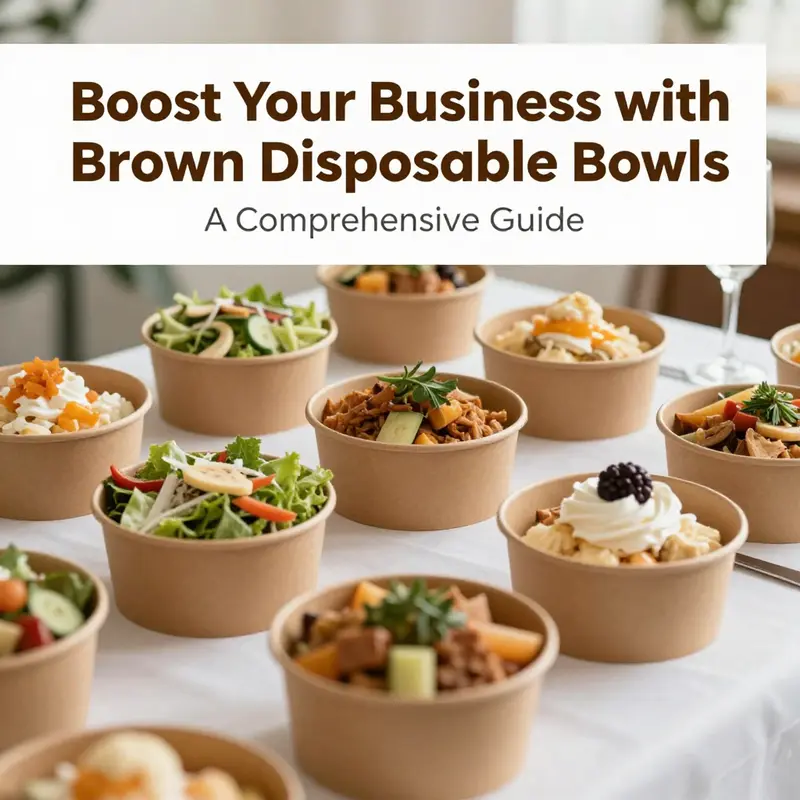
In terms of functional versatility, brown disposable bowls are adaptable to a range of food items, from salads and noodles to snacks and sushi. This adaptability is a boon for various food service environments, including restaurants, cafés, and catering services. By integrating these biodegradable bowls into their offerings, businesses can effectively convey their commitment to sustainability while enhancing the consumer dining experience through aesthetically pleasing and responsible food presentation.
In summary, the strategic shift towards brown disposable bowls not only promises substantial environmental benefits but also contributes positively to operational efficiency, consumer satisfaction, and brand loyalty in the evolving landscape of the food industry. For those exploring eco-friendly options for food packaging, further details about the environmental aspects of brown disposable bowls can be found at Wholesale Eco-Friendly Brown Kraft Paper Bowls.
2. Market Dynamics and Economic Benefits of Brown Disposable Bowls in the Food Industry
The market dynamics surrounding brown disposable bowls in the wholesale sector underscore a compelling intersection of economic benefits and emerging consumer preferences for sustainable solutions. As environmental concerns take center stage in consumer behavior, the food industry is increasingly shifting towards eco-friendly packaging options. The rise of brown disposable bowls made from materials such as kraft paper, bamboo fiber, and sugarcane bagasse epitomizes this trend, attracting attention for their biodegradable and compostable properties.
Regulatory pressures in various global markets, notably in the European Union and parts of North America, are further driving this shift. Stricter regulations that restrict single-use plastics create favorable conditions for the adoption of compostable alternatives, allowing brown disposable bowls to fill a vital niche. Notably, this evolving landscape encourages food service providers, ranging from restaurants to food trucks, to pivot towards more sustainable practices that resonate with environmentally conscious consumers.
The economic advantages of sourcing brown disposable bowls wholesale are significant. Purchasing in bulk allows food service operators to leverage economies of scale, achieving cost savings that enhance their competitive edge. The wholesale prices for these bowls demonstrate this potential, with basic brown kraft paper bowls costing as low as $0.03 to $0.10 per piece for minimum order quantities. As order volumes increase, unit costs can drop to as low as $0.053 for substantial orders, providing a highly attractive option for large-scale buyers.
Beyond affordability, these bowls bring operational efficiencies. Their lightweight design allows for easy storage and transportation, while the elimination of post-service cleaning tasks translates to reduced labor costs and streamlined kitchen operations. For many businesses, these factors represent vital improvements in efficiency that positively impact the bottom line. The simplicity of use, combined with the commitment to sustainability, often positions the use of brown disposable bowls as an attractive choice for food service operators seeking innovative ways to enhance operational workflows.
Brand enhancement represents another critical economic factor. The customizable printing options available for these bowls allow businesses to incorporate logos and marketing messages seamlessly, effectively transforming a disposable item into a promotional tool. This capability enhances brand visibility while reinforcing associations with sustainability and eco-friendliness. Also, by ensuring that bowls comply with food safety standards and certifications, businesses mitigate associated risks, safeguarding their reputation and legal standing.
Ultimately, implementing brown disposable bowls can yield substantial waste management savings. As compostable options, these bowls divert waste from landfills and can be processed through industrial composting facilities, significantly reducing disposal fees and aligning with broader waste reduction goals.
In summary, the wholesale market for brown disposable bowls aligns perfectly with the dual requirements of economic viability and environmental responsibility, reflecting a resilient pathway for growth in the food service industry. Operators are not only meeting regulatory requirements but also tapping into a wellspring of consumer loyalty that prioritizes sustainability. Embracing this packaging innovation paves the way for longevity and success in an evolving marketplace characterized by eco-consciousness. For more insights on eco-friendly packaging options, check out customized solutions that cater to different food service needs.
3. Consumer Preferences Driving the Shift Towards Eco-Friendly Brown Disposable Bowls
The increasing demand for brown disposable bowls in the wholesale food industry is a direct reflection of shifting consumer preferences, predominantly leaning toward sustainability and eco-friendliness. Today’s consumers are not merely focused on the convenience of disposable tableware; they are making decisions influenced by environmental consciousness and sustainability practices. This transformative mindset is fueling the market growth of biodegradable options such as kraft paper, bamboo fiber, and sugarcane bagasse bowls.
At the core of this trend is a definitive push for sustainability. A significant portion of the consumer base has started prioritizing products that minimize environmental impact, showcasing a preference for materials that are renewable, biodegradable, and compostable. As awareness grows regarding issues like plastic pollution and climate change, consumers actively seek out packaging solutions that align with their values. In the food service sector, providers—from fast-casual restaurants to large catering operations—are responding to this call by sourcing brown disposable bowls that reflect their commitment to sustainability, thus allowing them to not only meet but exceed customer expectations.
Another influential factor driving this trend is the aesthetic appeal of brown disposable bowls. These products exude a natural, earthy appearance that resonates with contemporary food presentation styles. The visual association of these bowls with authenticity and minimal processing often enhances the perceived quality of the food they hold, making them a favored choice for restaurants aiming to create a memorable dining experience. This perception is especially potent in the realm of locally sourced and organic cuisine, where presentation plays a critical role in consumer satisfaction.
Regulatory changes further catalyze the consumer-driven demand for sustainable packaging. Numerous cities and jurisdictions worldwide are implementing strict regulations against single-use plastics, encouraging businesses to pivot towards eco-friendly alternatives. In this evolving landscape, companies limited to traditional materials face significant pressures to adapt. Compliance with these regulations not only helps businesses avoid penalties but also resonates with customers who appreciate proactive environmental stewardship. By offering alternatives like brown disposable bowls, businesses demonstrate their dedication to responsible practices while meeting the legal thresholds imposed upon their operations.
Innovations in the supply chain also play a vital role in shaping these consumer trends. Leading manufacturing hubs, such as Hefei in Anhui Province, China, have perfected the art of producing high-quality brown disposable bowls compliant with international compostability standards. The adoption of advanced pulp molding technologies enables manufacturers to maintain product integrity without compromising on sustainability. This synergy between consumer preferences for quality and convenient eco-friendly packaging ensures that suppliers can meet the high expectations set forth by their clientele.
As the food industry navigates this transformative phase, businesses that align with these rising consumer trends are likely to thrive. Supplier partnerships become increasingly important as food service providers seek quality, compliant, and innovative packaging solutions that genuinely reflect their sustainability goals. To explore options for sourcing high-quality environmentally friendly products, you can visit resources devoted to sustainable food packaging solutions.
Chapter 5: Navigating the Landscape of Eco-Certifications for Brown Disposable Bowls
1. Crucial Eco-Certifications for Sourcing Sustainable Brown Disposable Bowls
When venturing into the wholesale market for brown disposable bowls, particularly those made from sustainable materials, understanding the relevant eco-friendly certifications is paramount. Not only do these certifications ensure compliance with safety and environmental regulations, but they also enhance a business’s credibility in an increasingly conscious market.
First and foremost, Food Safety Certifications such as FDA and LFGB are essential indicators of the safe handling of materials used in disposable bowls. These certifications assure buyers that the kraft paper and any additional coatings—like polyethylene—are safe for direct food contact. Suppliers such as Hebei Wentong International Trading Co., Ltd. often emphasize their adherence to these standards, confirming that their products are free from harmful substances that could leach into food, especially in high-temperature scenarios.
Next in importance are Compostability Certifications, which provide assurance regarding the end-of-life sustainability of these products. Certifications like TÜV OK Compost HOME and BPI Certified denote that the bowls will break down safely in either industrial or home composting conditions. This aspect is crucial for eco-conscious businesses that wish to assure their clientele of the environmental friendliness of their tableware. Many products in the market are labeled as biodegradable; however, only those with recognized certifications guarantee that they will decompose without leaving toxic residues. This distinction is significant since unverified claims can mislead consumers and lead businesses to support inadequate practices.
Further elevating the eco-credibility of brown disposable bowls are Forestry Stewardship Certifications such as FSC® or PEFC™. These certifications signify that the raw materials are sustainably sourced from responsibly managed forests. Utilizing bowls made from FSC-certified kraft paper, for instance, demonstrates a commitment to ethical sourcing, which enhances brand value for companies aiming to project a strong environmental ethos. Customers increasingly prefer brands that can showcase their sustainability efforts, making these certifications particularly advantageous for competitive differentiation in the market.
In addition, adherence to Hygienic and Food-Safe Standards ensures that the manufacturing process minimizes contamination risk, which is particularly critical for suppliers servicing large-scale buyers like restaurants or catering services. Highlighting these compliance standards, suppliers like Bioleader Paper Bowls reassures clients that they are investing in not just an eco-friendly product, but also one that meets high hygiene standards vital for food service.
In summary, when sourcing brown disposable bowls, seeking suppliers that provide verifiable documentation of major certifications—ranging from food safety to compostability—should be a priority. Always verify these certifications through the respective issuing organization’s official records. This diligence is essential to ensure you’re investing in products that are genuinely sustainable, safe, and market-responsive, not merely riding the wave of eco-marketing.
For more insights into recognized eco-friendly standards, consider visiting the Forest Stewardship Council’s official website. As you explore options like customizable kraft paper salad bowls from reliable suppliers, ensure you prioritize these certifications to align with your sustainability goals.
2. Balancing Costs and Competitive Opportunities in Sustainable Brown Disposable Bowl Manufacturing
The economic landscape surrounding the wholesale procurement of brown disposable bowls, particularly those made compliant with eco-friendly standards, presents a complex matrix of costs, benefits, and strategic advantages. The initial investment required to transition to sustainable materials—such as kraft paper, bamboo, or sugarcane bagasse—can be significant. This includes not only the cost of sourcing these materials but also the potential expenses associated with meeting certification requirements necessary to substantiate claims of biodegradability and compostability. These compliance measures often necessitate both financial and operational overhauls within manufacturing processes, elevating production costs especially for wholesalers entering the eco-friendly market.
However, the narrative does not solely pivot on challenges. As consumer awareness and demand for sustainable products intensify, there is a notable offset of those initial costs. Reports indicate rising consumer preferences for packaging solutions that promote environmental responsibility, creating a substantial market segment willing to pay a premium for eco-friendly products. This shift is bolstered further by ongoing global regulatory frameworks that push for stricter environmental standards in all consumer goods, including disposable tableware. For instance, the European Union’s Packaging and Packaging Waste Regulation seeks to enforce substantial recycled content in industrial packaging, hinting that similar regulations may soon permeate the disposable products segment—potentially impacting suppliers who remain unaligned with sustainable practices.
What enhances the economic viability of eco-friendly brown disposable bowls even more is the competitive edge they afford manufacturers. Companies that invest early in compliant processes enjoy pioneering advantages in markets increasingly influenced by sustainability as a key purchasing criterion. This proactive stance not only secures customer loyalty but enriches brand reputation, connecting businesses to a network of eco-conscious retailers and government contracts eager to promote green alternatives. Consequently, compliance with eco-friendly standards translates not just into ethical production but also into tangible market opportunities.
Nevertheless, smaller wholesalers may face hurdles in scaling operations to meet both the compliance demands and consumer expectations. Limited capital resources, coupled with complex supply chain challenges, can inhibit their ability to innovate and adapt sustainably. Yet, against this backdrop, consumer behavior studies reflect an evolving landscape where buyers exhibit high awareness of environmentally friendly products, albeit tempered by practical considerations such as cost and accessibility. This nuance accentuates the imperative for businesses to offset increased production costs with effective pricing strategies and product scalability.
In conclusion, the economic implications surrounding the compliance with eco-friendly standards create a dual-edged sword for manufacturers of brown disposable bowls. Strategic engagements—from pricing tactics to innovative material sourcing aligned with emerging global regulations—are essential in navigating the sustainability metrics of today’s market. As consumers continue to prioritize eco-friendly options and regulations tighten, the future of this sector hinges on the ability to harmonize sustainable practices with economic feasibility. For organizations seeking high-quality, biodegradable solutions tailored to a conscientious consumer base, suppliers accessible on platforms like Made-in-China.com may provide an avenue to fulfill these needs efficiently.
3. Geopolitical Influences and Compliance Challenges in the Eco-Friendly Bowl Market
The dynamics of the geopolitical landscape significantly impact the compliance and certification requirements surrounding brown disposable bowls, particularly in the wholesale market. As the global emphasis on sustainability intensifies, manufacturers and suppliers of eco-friendly bowls face a dual challenge: ensuring compliance with evolving environmental regulations and adapting to the shifting tides of international relations.
In recent years, geopolitical tensions have surfaced in various forms, including trade disputes, tariffs, and legislative changes aimed at curbing single-use plastics. Such factors are pivotal, as they directly influence the availability and cost of raw materials essential for producing biodegradable options such as kraft paper and bamboo fiber. For instance, increased tariffs on imported goods from certain countries can drive up production costs in regions reliant on these materials, thereby compromising the overall economic viability of sustainable packaging solutions. This scenario poses a challenge for wholesalers who strive to offer competitive pricing while adhering to the growing consumer demand for environmentally friendly products.
As countries react to climate change impacts and embrace sustainability commitments, stricter regulations are emerging. For example, many nations have begun imposing rigorous certification requirements, necessitating compliance with standards such as ASTM D6400 and EN 13432. These standards help ensure that biodegradable and compostable products meet specific ecological benchmarks. However, such regulatory frameworks can impede market access for suppliers who are unable to meet these heightened compliance requirements. Consequently, wholesalers must stay abreast of each country’s environmental policies to effectively navigate this complex landscape.
Geopolitical shifts can also lead to fluctuations in energy prices and transportation costs, exacerbating the challenges faced by manufacturers. For instance, the ongoing instability in certain regions may inadvertently affect logistics, complicating the supply chain for eco-friendly bowl production. Moreover, research suggests that macroeconomic factors and geopolitical risks, such as those highlighted by recent studies on global market volatility, can significantly affect the clean energy and green technology sectors, drawing a parallel to the sustainable consumer goods market.
For wholesalers specializing in eco-friendly disposable bowls, understanding these geopolitical dynamics is crucial for maintaining compliance and competitiveness. Embracing a proactive approach—such as establishing diversified supplier networks and investing in sustainable sourcing practices—can mitigate the impact of such external pressures.
Furthermore, partnerships with verified suppliers who prioritize eco-friendly manufacturing practices can enhance operational efficiency and strengthen compliance pathways. With platforms like Made-in-China.com providing access to reliable suppliers, businesses can explore options for sourcing high-quality, compliant products in bulk while managing associated risks. Navigating the intricate geopolitical landscape not only empowers wholesalers to remain compliant but also positions them advantageously in a market that increasingly prioritizes sustainability.
For more insights on sourcing eco-friendly products and the associated challenges in compliance, check out resources on sustainable packaging practices.
Final thoughts
The wholesale market for brown disposable bowls presents a plethora of opportunities for business owners looking to align with sustainability trends while meeting customer demands. By understanding market demand, optimizing sourcing and pricing strategies, tapping into varied applications, and ensuring certifications for eco-friendliness, businesses can enhance their operations significantly. Ultimately, selecting brown disposable bowls not only propels businesses forward but also helps in making a positive environmental impact, making it a wise choice for the future.
Choose our reliable disposable tableware and packaging solutions for your business. We offer quality products that meet safety standards, with fast delivery and flexible options. Partner with us today to elevate your service – contact our team now for a tailored quote!
About us
We specialize in manufacturing and supplying disposable tableware, packaging paper, and boxes. With years of experience, we prioritize safety, durability, and eco-friendly practices. Our goal is to provide businesses with trusted, cost-effective solutions backed by responsive customer support.