
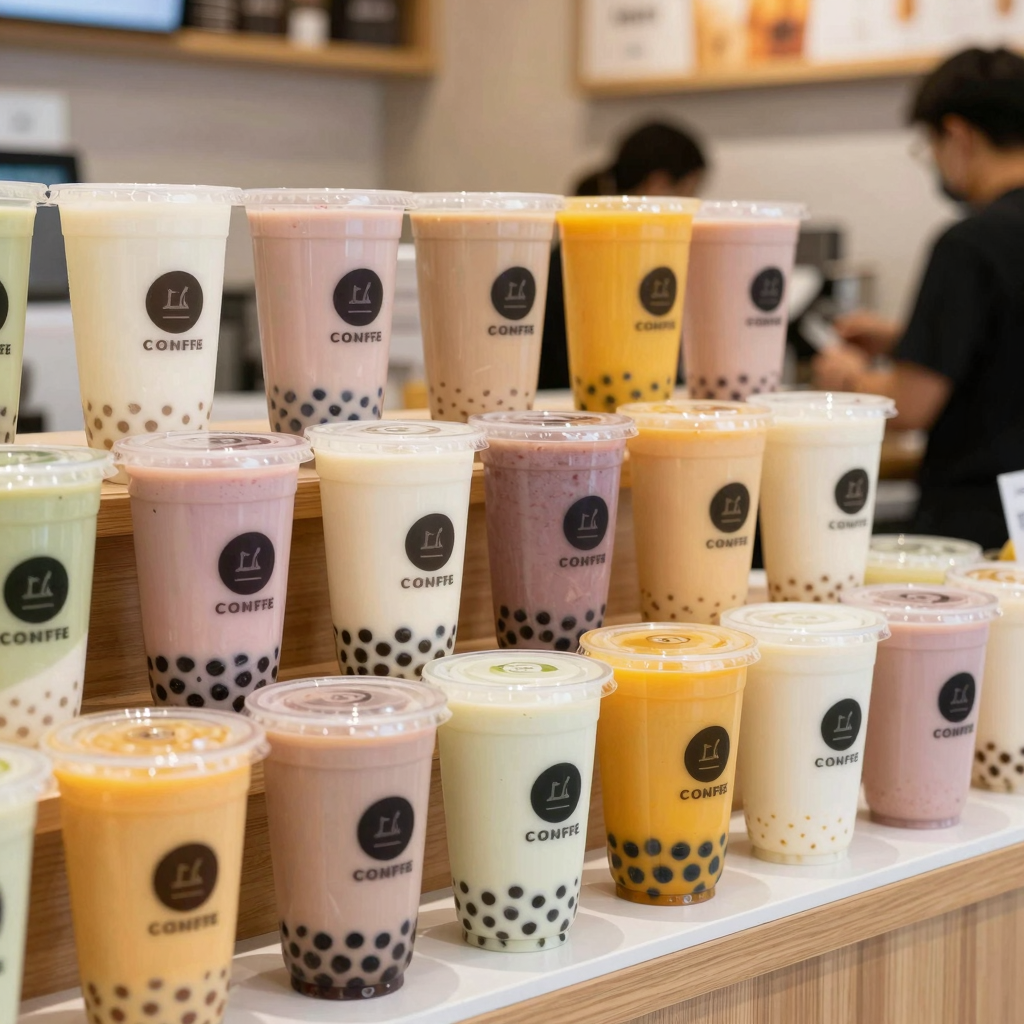
In the bustling food service industry, the role of effective packaging cannot be overstated, especially for bubble tea shops, restaurants, food trucks, and event planners. Imagine a busy bubble tea shop on a Saturday afternoon, bustling with customers eager for their favorite drinks. The right food container plastics ensure that these beverages arrive at their destination fresh, secure, and appealing. Whether it’s the durability of a clamshell for that gourmet burger, or a sleek cup that showcases a colorful boba beverage, packaging shapes the customer experience and plays a critical role in service efficiency. Engaging food containers not only preserve taste and temperature but also enhance brand visibility and customer satisfaction. As we delve into the significance of food container plastics, we’ll explore their benefits and how they cater uniquely to the needs of various food service professionals. Learn more about the benefits of sugarcane cups for your business and how customized options can amplify your brand’s presence.
Benefits of Using High-Quality Food Container Plastics
-
Durability
High-quality plastics are designed to withstand various conditions, including the pressure of stacking, temperature variances, and the weight of the contents, ensuring the container does not break or deform easily. -
Food Safety
Many high-quality food container plastics are made from FDA-approved materials, which ensures that they are safe to use for storing food and beverages. They do not leach harmful chemicals, safeguarding consumer health. -
Eco-Friendliness
Some high-quality plastics are recyclable or made from recycled materials, contributing to sustainability efforts. They can also be designed for compostability, minimizing environmental impact. -
Cost-Effectiveness
Although high-quality plastics may have a higher upfront cost, their durability often leads to lower costs over time due to reduced waste, fewer replacements, and less product loss. -
Hygienic Properties
These containers are often designed to be easy to clean and sanitize, which is crucial in maintaining overall food safety and hygiene standards. This is particularly beneficial for businesses that require high cleanliness standards. -
Versatility
High-quality food container plastics can serve various purposes, from hot to cold food storage, and can be used for takeaway or delivery services, making them adaptable for different business models. -
Branding Opportunities
Customizable options are often available, allowing businesses to print logos and branding on containers. This not only enhances brand image but also boosts customer recall.
For businesses in the food service sector, using high-quality food container plastics can lead to operational efficiency and heightened customer satisfaction. If you’re considering the benefits of sustainable options, check out sugarcane cup benefits for insights on eco-friendly alternatives.
Comparison of Plastic Food Container Types
| Container Type | Material Type (e.g., PET, PP) | Size Range | Best Uses |
|---|---|---|---|
| Standard Food Containers | PET (Polyethylene Terephthalate) | 8 oz – 64 oz | Salads, sandwiches, soups |
| Freezer Containers | PP (Polypropylene) | 16 oz – 32 oz | Freezing liquids, sauces |
| Microwave Safe Containers | PS (Polystyrene) | 12 oz – 48 oz | Reheating meals, takeaway |
| Deli Containers | PP (Polypropylene) | 8 oz – 32 oz | Deli salads, pre-mixed dishes |
| Compostable Containers | PLA (Polylactic Acid) | 10 oz – 32 oz | Eco-friendly solutions, salads |
Attributes Explained
- PET (Polyethylene Terephthalate): Lightweight, transparent, and good for cold food items.
- PP (Polypropylene): More heat resistant, can be sterilized. Suitable for freezing and hot food.
- PS (Polystyrene): Common for takeaway meals. However, not suitable for high heat.
- PLA (Polylactic Acid): Biodegradable option made from renewable resources, often used for salads and take-out.
Best Practices
- Choose the right container type based on the food being served and the intended storage methods.
- Consider eco-friendly options, especially for businesses aiming for sustainability.
For more information on eco-friendly alternatives, you can learn more about the benefits of sugarcane cups which can also serve as a great option for food service containers.
Current Market Trends in Food Packaging: A Focus on Sustainability
Overview
In recent years, the food packaging sector has seen a significant shift driven largely by consumer preferences for sustainable and eco-friendly materials. This transition is especially pronounced in the food service industry, where businesses are increasingly held accountable for their packaging choices by eco-conscious consumers.
Key Trends
- Rise of Biodegradable Plastics:
- A growing number of food service companies are transitioning from traditional plastics to biodegradable options. Materials such as PLA (polylactic acid) are becoming popular alternatives that can help reduce plastic waste.
- Recyclability of Packaging:
- There is an increasing demand for packaging that is not only made from recyclable materials but is also designed for easy recycling. This includes clear labeling and easier-to-separate components for consumers.
- Innovative Sustainable Materials:
- Emerging materials such as sugarcane, bamboo, and recycled paper are being used to create packaging solutions. Learn more about sugarcane cup benefits.
- Consumer Awareness and Demand:
- Today’s consumers are more informed and vocal about sustainability. They often prefer brands that make a conscious effort to reduce their environmental footprint. Food service businesses are responding by highlighting their sustainable practices in marketing.
- Regulatory Changes:
- Many regions are implementing stricter regulations on single-use plastics, prompting food service companies to adapt quickly. Compliance with these regulations is vital for continued market access.
- Custom Packaging Solutions:
- Businesses are seeking customized packaging that reflects their brand image while also being eco-friendly. This has led to an increase in suppliers offering tailored solutions that meet specific sustainability needs.
Conclusion
The trend towards sustainable packaging in food service is not merely a fleeting movement; it is indicative of a broader societal shift towards environmental responsibility. As more businesses embrace sustainable practices, those that take proactive steps to innovate and adapt to consumer demands will likely sustain a competitive advantage in this evolving market.
For more insights on how sustainable practices can impact your business, consider reading about the business benefits of sugarcane cups.
Regulatory Standards for Food Containers
When it comes to food containers, especially in the food service industry, complying with regulatory standards is paramount to ensure food safety and public health. Here are some key points to consider:
1. FDA Regulations (USA)
In the United States, the Food and Drug Administration (FDA) regulates food contact substances under the Food, Drug, and Cosmetic Act. This includes:
- Food Contact Notification (FCN): Manufacturers must notify the FDA about any new food contact substances and demonstrate that they are safe for their intended use.
- Good Manufacturing Practices (GMP): Establishes the conditions under which food contact materials must be prepared, packed, and stored to ensure safety.
2. EU Regulations
In the European Union, Regulation (EC) No 1935/2004 governs materials intended to come into contact with food. Key points include:
- Safety Assessment: Any material used must undergo a safety assessment to demonstrate that substances migrate into food at levels that do not pose a risk to health.
- Labeling Requirements: Food contact materials must be appropriately labeled, indicating that they are for food contact use.
3. International Guidelines
Organizations like the Codex Alimentarius set international standards for food safety, which include guidelines for food contact materials. Compliance with these guidelines is essential for businesses looking to distribute their products internationally.
4. Certifications
Obtaining relevant certifications can enhance a business’s credibility:
- ISO Certifications: Certain ISO standards focus on quality management and environmental responsibility, which can apply to food packaging.
- BRC/IOP Certification: This certification is relevant for packaging manufacturers and demonstrates compliance with safety, quality, and operational criteria.
Conclusion
Complying with these regulations not only safeguards public health but also enhances the reputation of businesses in the food service industry. Considerations for safety, material integrity, and consumer confidence are essential when selecting food containers for your operations. For more on sustainable options, check out our article on sugarcane cups and their benefits.
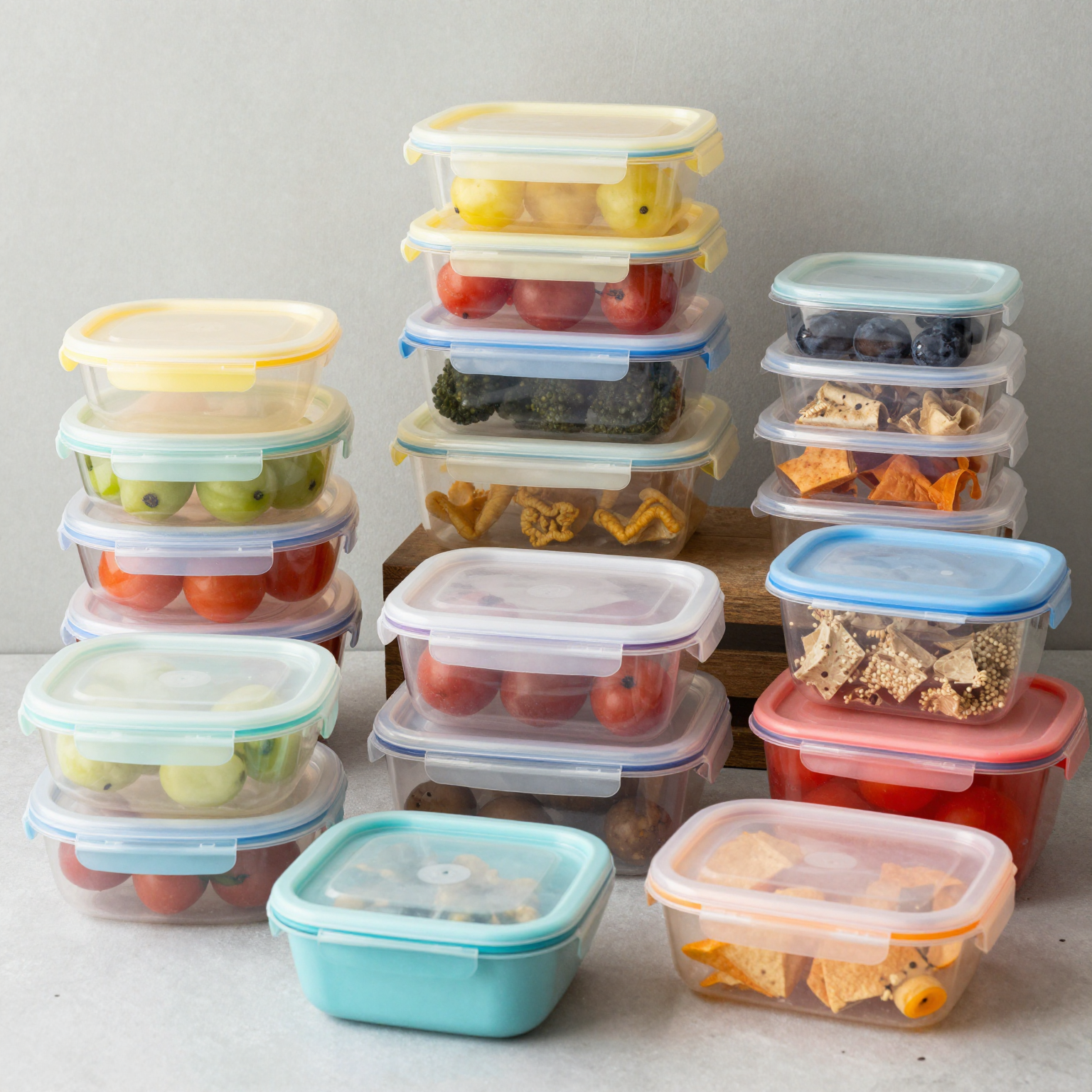
Food Container Usage in the Food Service Industry
In recent years, the usage of food containers has increasingly been influenced by consumer preferences, regulatory changes, and sustainability trends. Here are some key points:
-
Rise of Eco-Friendly Containers: There has been a significant shift towards eco-friendly food containers, particularly those made from biodegradable materials such as sugarcane, bamboo, and recycled paper. Restaurants are opting for these alternatives not only to cater to environmentally conscious consumers but also to comply with regulations banning single-use plastics.
-
Growth of Takeout and Delivery: With the increase in food delivery services, especially post-pandemic, food container use has escalated, leading to innovation in packaging designs that maintain food quality and temperature while being convenient for consumers.
-
Customization and Branding: Food service businesses are increasingly opting for customized containers to enhance brand visibility. Unique designs that reflect the brand’s ethos and values can attract more customers and promote loyalty.
-
Health and Safety Regulations: The COVID-19 pandemic has heightened the focus on safe packaging to prevent contamination. This has led to innovations in tamper-proof and microwave-safe food containers.
-
Statistics Highlighting the Trends: While specific numbers for 2023 were not accessible, previous reports have indicated that the demand for food packaging materials is expected to grow substantially, influenced by trends toward convenience and sustainability.
For operators in the food service sector like bubble tea shops, beverage chains, and food trucks, selecting the right containers is crucial to meeting customer expectations while adhering to health regulations and sustainability goals. Learn more about sugarcane cup benefits and explore customized packaging options that can enhance your brand.
In conclusion, while specific recent statistics weren’t located, the trends indicate an increasing reliance on innovative and sustainable food containers as the industry evolves.
Food container choices are crucial in the food service industry as they play a pivotal role in maintaining food quality, ensuring safety, enhancing customer experience, and promoting sustainability. Selecting the right containers helps preserve the freshness and integrity of the food, while also adhering to health standards to keep customers safe. Furthermore, effective packaging can elevate the dining experience and reflect a commitment to environmentally friendly practices.
Conclusion: Embracing Partnership for Success
Partnering with a reliable company for disposable tableware and packaging solutions is crucial for food service businesses looking to thrive in a competitive marketplace. Throughout this article, we’ve discussed the versatility and practicality of big plastic food containers, which are essential for Bubble Tea Shops, restaurants, food trucks, and catering services. These containers not only enhance your presentation but also ensure the safety and freshness of your food offerings.
By collaborating with us at Cofe Cup, you gain access to a wide range of high-quality disposable products that cater to your specific needs. Our commitment to sustainability and innovation means you can feel confident in your choice of packaging. Partnering with us not only streamlines your operations but also aligns with your brand’s values, creating a positive impact on your customers.
Selecting the right packaging solutions can enhance customer satisfaction and increase your business’s efficiency. We encourage you to reach out to us for tailored quotes that suit your unique requirements. Whether you need customized options or standard products, we’re here to assist you every step of the way.
In conclusion, the benefits of partnering with a dependable provider of disposable tableware are evident – from improved product presentation and safety to enhanced operational efficiency. We invite you to take the next step and explore how we can help you elevate your business. Contact us today to discuss your packaging needs and receive customized quotes specifically designed for your operation.
FAQ Section: Food Container Plastics
1. What are the environmental impacts of food container plastics?
While plastics are convenient for food storage and transportation, they can have significant environmental effects. Most plastic containers contribute to landfill waste, taking hundreds of years to decompose. However, choosing recyclable or biodegradable options can help mitigate these impacts. Investing in eco-friendly materials like sugarcane or other bioplastics can be a sustainable alternative. Learn more about sugarcane cups and their business benefits.
2. Are plastic food containers safe for use in food storage?
Yes, as long as they are made from food-grade materials, plastic food containers are generally considered safe. Look for containers marked with recycling codes #1 (PET) or #2 (HDPE) as they are typically safe for food contact. Avoid using containers with BPA, as this chemical has been linked to health risks.
3. What customization options are available for plastic food containers?
Customization options for food containers range from size and shape to branding and color. Many manufacturers offer services that allow businesses to print their logos or colors on containers, helping to enhance brand identity. Whether you need customizable sugarcane bowls or plastic sushi boxes, there’s a solution to fit your needs. Explore customized bagasse sushi boxes.
4. How can I reduce plastic waste in my business?
Reducing plastic waste can be achieved by switching to compostable or recyclable materials, implementing a waste separation system, and encouraging customers to bring their containers. Choosing suppliers that focus on sustainability, like those offering sugarcane or paper products, can also significantly lower your environmental footprint.
5. What are the benefits of using biodegradable food containers?
Biodegradable containers, such as those made from sugarcane, decompose much faster than traditional plastics, reducing landfill waste and keeping the environment clean. They also align with consumer preferences for sustainable practices, which can enhance your brand image.
Conclusion
Understanding the implications and options of food container plastics not only supports business efficiency but also promotes environmental responsibility. Keep exploring innovative and sustainable solutions to cater to your customers’ evolving preferences.