
Introduction
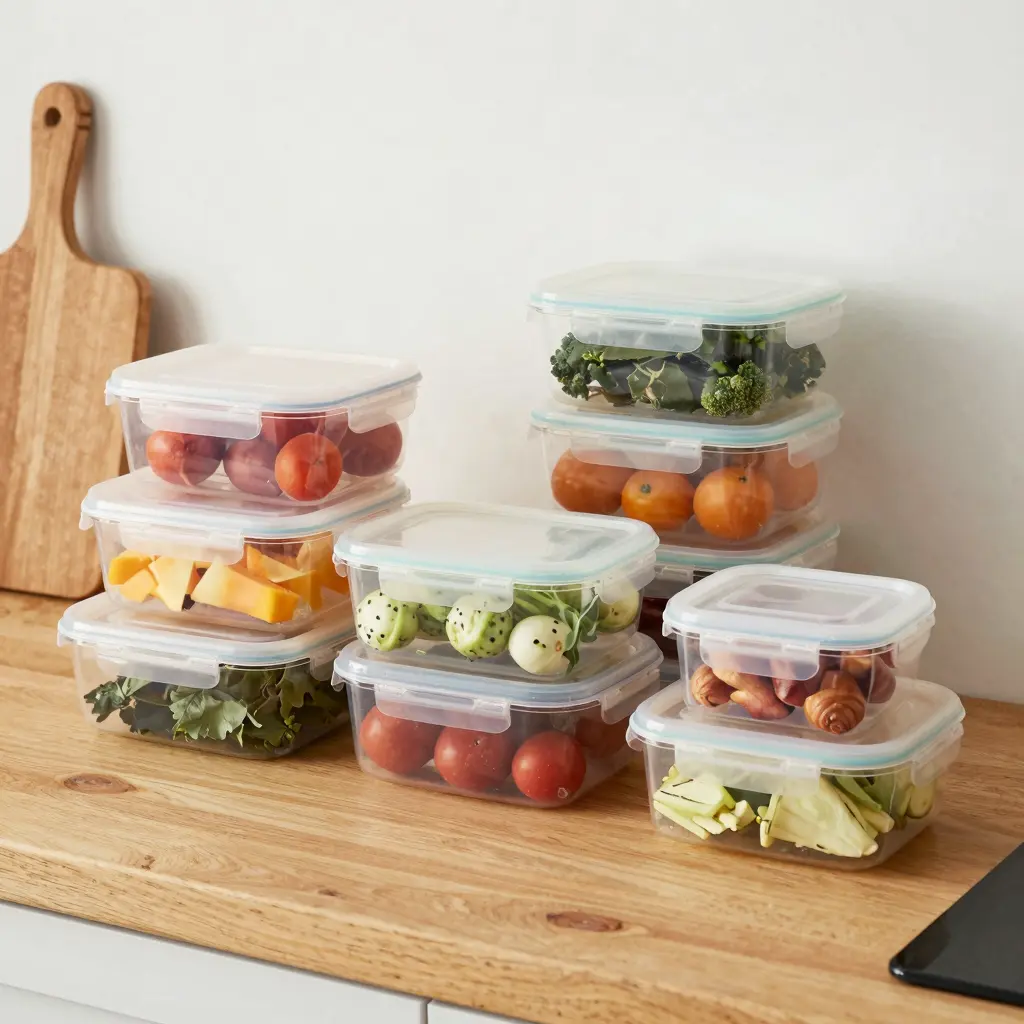
In the vibrant world of food service, where efficiency meets creativity, kitchen professionals often find themselves balancing the practical needs of preparation with the health and safety of their customers. A common question that arises is: can I heat food in plastic containers? While the convenience of plastic packaging is undeniable, it’s crucial to understand the safety concerns associated with heating plastic. Melting, leaching chemicals, and altering food quality are valid worries that food service professionals must consider. However, with the advancement in disposable packaging technology, reliable options are readily available that assure safety without sacrificing convenience. Using trusted disposable containers not only maximizes efficiency in a bustling kitchen but also enhances the dining experience. Not only do they provide peace of mind regarding food safety, but they also support a sustainable operation. By choosing high-quality disposable packaging, you can focus on what you do best: delighting your customers with delicious food and drinks. Explore our selection of reliable packaging options to find the perfect fit for your needs.
Key Safety Concerns of Heating Food in Plastic Containers
When it comes to heating food in plastic containers, there are several safety concerns to consider:
- Leaching of Chemicals: When heated, some plastics can release harmful chemicals into the food, potentially affecting health.
- Melting Points: Different plastics have varying melting points; using containers that can’t withstand high heat can lead to deformation or melting of the container.
- Heat Stability: Not all plastic containers are designed for hot food; some may warp or break under high temperatures, causing spills or contamination.
- Bacterial Growth: Certain plastics can harbor bacteria if not properly cleaned or if they sustain damage from heat.
- Incompatibility with Specific Foods: Foods high in fat or sugar can react negatively with certain plastics when heated, increasing the risk of leaching.
For the best options in safe food storage and packaging, consider exploring our selection of disposable dinnerware and disposable lunch boxes.
Types of Plastic Containers for Food Service
When it comes to food service, the choice of plastic containers is vital for maintaining food safety and quality. Different types of plastics have varying properties that affect their heat resistance and suitability for reheating food.
Common Types of Plastic Containers
- Polypropylene (PP)
- Heat Resistance: Can withstand temperatures up to 135°C (275°F).
- Safety for Heating Food: Excellent for heating applications; safe for microwave use.
- BPA-Free: Most PP containers are BPA-free, making them a safer option for food contact.
- Applications: Used for hot food storage and takeout containers.
- Polyethylene (PE)
- Heat Resistance: Low-density polyethylene (LDPE) can withstand temperatures up to 85°C (185°F).
- Safety for Heating Food: Generally safe for reheating but not ideal for high heat.
- BPA-Free: Naturally BPA-free, often used for food-safe applications.
- Applications: Commonly used for cold food storage and flexible food packaging.
- Polyethylene Terephthalate (PET)
- Heat Resistance: Best suited for temperatures up to 60°C (140°F).
- Safety for Heating Food: Not recommended for reheating, particularly in microwaves.
- BPA-Free: Typically BPA-free; ensure you check labels.
- Applications: Widely used for beverage containers and cold food packaging.
- High-Density Polyethylene (HDPE)
- Heat Resistance: Can generally handle temperatures up to 120°C (248°F).
- Safety for Heating Food: Can be used in hot water applications but not in a microwave.
- BPA-Free: Usually BPA-free and considered food-safe.
- Applications: Commonly used for milk containers and some food storage containers.
BPA-Free Options
BPA (bisphenol A) is a chemical often found in some plastic containers that can leach into food. Many manufacturers now offer BPA-free containers, particularly in food service, to ensure safety. Selecting BPA-free options, particularly those made from PP and LDPE, is recommended when heating food.
Conclusion
For safety and effectiveness, choosing the right type of plastic container is crucial, especially when it comes to heating food. Polypropylene is often the preferred choice for heat resistance and safety, but understanding the properties of the various plastics helps in making informed decisions. Explore more packaging options here and discover our range of plastic products suitable for all your food service needs.
In recent years, the adoption of plastic containers in the food service industry has risen substantially, driven primarily by consumer demand for convenience, safety, and sustainability. Here’s a deeper look at this trend’s popularity and implications for various sectors, including bubble tea shops, restaurants, food trucks, and catering services.
Growing Market Demand
The market for thin wall plastic containers, which are often used in food service for heating food, is experiencing significant growth. These containers account for approximately 50% of the total revenue in the food and beverage packaging sector, thanks to their lightweight, durable characteristics that cater to consumer preferences. Learn more about packaging trends here.
Moreover, the global packaged food market has reached a staggering USD 2.44 trillion in 2023, indicating a marked increase in the demand for convenient storage solutions, including plastic containers. Consumers are increasingly favoring these products for meal prep and take-out scenarios, validating their essential role in modern food service operations.
Versatility and Safety
Plastic containers are praised for their versatility and safety when it comes to food storage. According to multiple sources, their adoption is on the rise as they meet consumer expectations for quick service and easy handling. However, concerns linger regarding the safety of microwaving food in these containers. Recent studies highlight potential health risks associated with heating food in plastic, including the leaching of harmful chemicals. Still, many establishments are adopting these containers as they navigate the fine line between convenience and health safety. Explore safe options for food containers here.
Trends Towards Sustainability
As environmental concerns heighten, the industry is seeing a shift toward sustainable packaging solutions. Major corporations like Nestlé and local food providers are exploring alternatives to traditional plastic, responding to both regulatory pressures and consumer demand for eco-friendly packaging options. This shift significantly influences consumer choices, especially in the food service sector, where convenience must align with sustainable practices.
Summary of Key Statistics
The integration of plastic containers in food service reflects broader trends in consumer behavior. Although traditional plastics still dominate due to functionality and cost, there is a growing inclination towards sustainable alternatives without compromising convenience. Here are notable statistics emphasizing this point:
- Approximately 50% of the plastic market revenue derives from food services.
- The rise in eco-friendly packaging options is indicative of a broader consumer trend towards sustainability in the food industry.
With these insights, businesses in the food service space can better cater to evolving consumer preferences while addressing safety and sustainability. As the demand for plastic containers continues to rise, adapting to these changes will be crucial for success in this competitive market.
In conclusion, while plastic containers provide immediate benefits in terms of convenience and cost, navigating the associated health concerns and sustainability issues will define their future acceptance in the food service sector. For businesses seeking to stay ahead, considering both consumer safety and environmental impact will be essential. To explore eco-friendly packaging options, check out our sustainable packaging solutions.
Frequently Asked Questions about Heating Food in Plastic Containers
1. Can I heat food in any plastic container?
No, not all plastic containers are safe for heating food. You should always look for plastic containers that are labeled as microwave-safe. This label indicates that the container can withstand the heat without releasing harmful chemicals into your food.
2. What happens when plastic is heated?
When plastic is heated, particularly in microwaves, it can release harmful chemicals like BPA (Bisphenol A) and phthalates. These chemicals may leach into your food, especially if the container is not specifically designed for that purpose. Research shows that heating food in certain plastics can release carcinogens and disrupt hormonal functions. Learn more about packaging options that can minimize these risks!
3. What are the health risks associated with heating plastic containers?
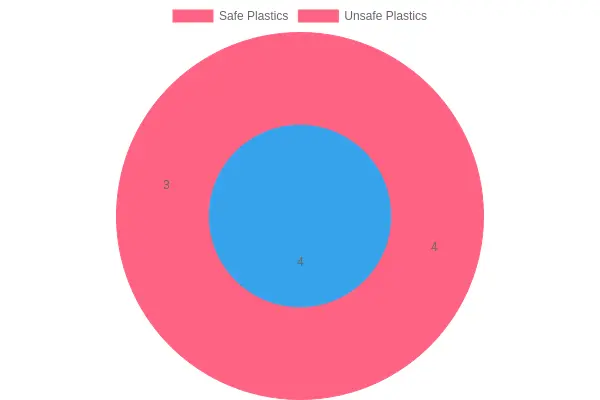
Heating food in plastic containers has been linked with various health risks. These risks include hormone disruption and increased chances of developing certain types of cancer. Experts recommend avoiding plastics marked with recycling codes 3 (polyvinyl chloride) and 6 (polystyrene), as these are more likely to leach harmful substances.
4. How can I safely heat food?
To safely heat food, consider using glass or stainless steel containers. These materials are not only microwave-safe but also help prevent chemical contamination. If you must use plastic, and it is labeled microwave-safe, ensure that you do the following:
- Avoid using it in high-heat conditions for extended periods.
- Do not use containers that are scratched or damaged, as they are more likely to leach chemicals.
- Always cover your food with a microwave-safe lid to prevent splatter, which can damage plastic containers.
5. Should I be concerned about microplastics?
Yes, there are growing concerns regarding microplastics. Heating food in plastic containers can lead to the release of microplastics into your food. Organizations like Greenpeace have highlighted the dangers and encouraged consumers to minimize their use of plastic for food heating. Explore more safe packaging options to protect your health!
Conclusion
In summary, while the convenience of plastic containers is undeniable, it is essential to be cautious when heating food in them. Stick to microwave-safe options and consider using alternatives like glass or stainless steel to maintain your health and ensure safe food practices. By being informed, you can make the best choices for your cooking and storage needs.
Comparison of Different Plastic Types Used in Food Containers
When it comes to heating food in plastic containers, understanding the properties of various plastics is crucial. Below is a table that compares several types of plastics commonly used in food containers:
| Plastic Type | Heat Resistance | Safety Rating | Common Uses |
|---|---|---|---|
| Polypropylene (PP) | High | Food-safe | Containers for hot foods, takeout packaging |
| Polyethylene (PE) | Medium | Food-safe | General food packaging, plastic bags |
| Polyvinyl Chloride (PVC) | Low | Non-food-safe | Food wraps and some takeout containers (less common) |
| Polystyrene (PS) | Low | Non-food-safe | Disposable cups and foam food containers |
| Polycarbonate (PC) | High | Food-safe | Reusable containers, microwave-safe products |
| Tritan™ | High | Food-safe | Clear food containers, water bottles |
| Aluminum Foil | High | Food-safe | Cooking, baking, and food storage |
| Glass | High | Food-safe | Reusable food storage, meal prep containers |
For more about sustainable packaging options, check out our packaging solutions.
By grasping these comparisons, businesses in the food and beverage industry can make informed decisions about their container choices!
Additionally, visualizing plastic safety ratings is important. Here’s a chart showing the proportion of food-safe versus non-food-safe plastics:
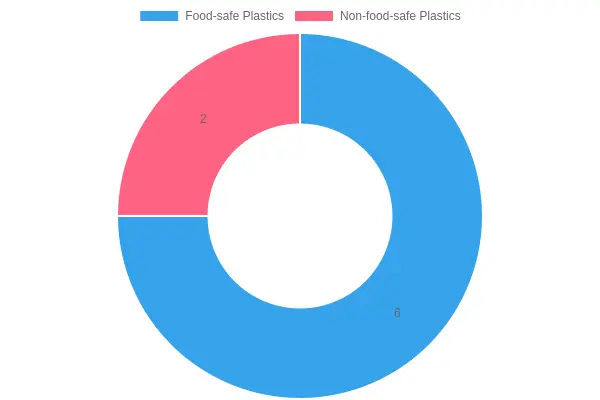
This comparison allows businesses to evaluate which materials to use based on their specific needs and the safety of their food products.
Can I Heat Up Food in a Plastic Container?
Heating food in plastic containers has become a common practice in many food service industries, including restaurants and catering services. However, there are significant health implications that must be considered.
The Dangers of Heating Plastic
While plastic containers are convenient, experts caution against the risks involved. According to the Daily Record, “Never microwave food in plastic containers as experts reveal the potential health risks. Chemical leaching can occur when plastic is heated, risking contamination of your food.”
Why You Should Think Twice
Here are some key reasons why you should reconsider heating food in plastic:
- Chemical Leaching: When plastic is heated, it can release harmful chemicals, which may leach into food. This is particularly true for certain types of plastic.
- Microplastics: Experts warn that microwaving plastic can cause microplastics to be released into your meal, posing additional health risks.
“Heating food in plastic containers can cause the plastic to maintain its chemical structure while exposed to microwaves, leading to potential health risks.” – Food Safety Expert
Safer Alternatives
Consider switching to more reliable materials like glass or ceramic for heating food. These materials are generally considered safer and do not pose the same risks as plastic.
For healthier food packaging options and alternatives, explore our packaging products to ensure your food remains safe for consumption.
By being mindful of the materials you use for heating, you not only enhance food safety but also promote a healthier eating environment for your customers and clients.
As the world becomes increasingly aware of environmental issues, businesses in the food service industry, including bubble tea shops, restaurants, food trucks, and catering services, are looking to adopt eco-friendly practices. One significant aspect of sustainability is the management of disposable plastic containers. Here are some eco-friendly alternatives and practices to consider:
Understanding the Impact of Plastic Waste
Statistics show that approximately three-fourths of all plastic produced ends up as waste, severely impacting the environment. The food service sector is a notable contributor to this issue, primarily due to the extensive use of single-use plastic items for take-out and catering services. Businesses that ignore these practices risk not only their reputation but may also face increased regulations and costs associated with waste management.
Alternatives to Disposable Plastic Containers
-
Biodegradable Containers: These containers are made from materials like cornstarch or sugarcane, allowing them to decompose more naturally in landfills. Products like eco-friendly take-out containers are a step in the right direction.
-
Recycled Paper Products: Utilizing recycled paper containers and boxes can significantly reduce plastic usage. They are suitable for various food types and are generally more accepted in recycling systems than plastic.
-
Reusable Containers: Encouraging customers to bring their own containers or offering a discount for those who do can go a long way in reducing waste. Many catering businesses are considering offering incentives for using reusable items.
-
Glass and Metal Options: Glass containers are perfectly reusable and recyclable. Metal tins, particularly for catering, can keep food fresh while reducing reliance on single-use plastics.
-
Innovative Materials: Companies like iKrafts are introducing sustainable plates made from biocompostable materials, providing options that do not compromise on functionality or style.
Implementing Sustainable Practices
-
Responsible Sourcing: Food providers should focus on locally sourced ingredients and eco-friendly packaging, as this minimizes transportation emissions and supports local economies.
-
Waste Management Plans: Develop and promote waste reduction initiatives, including composting and recycling programs, to engage employees and customers alike.
-
Educating Customers: Utilize marketing strategies to inform customers about your eco-friendly practices and the importance of reducing plastic waste. This not only builds brand loyalty but also fosters a community committed to sustainability.
By adopting these eco-friendly practices and exploring alternatives to disposable plastic containers, catering services and food providers can lead the charge toward a more sustainable future. It’s not just about improving operational efficiency; it’s about making a collective effort to protect our environment for future generations.
For those interested in exploring eco-friendly packaging options, check out Cup Bowl Pack’s selection of biodegradable and sustainable containers.
Conclusion
Heating food in plastic containers can be a convenient solution for many foodservice professionals, but it’s essential to approach it with caution. Research indicates that certain plastics, particularly those marked with recycling codes 3, 6, and 7, can leach harmful chemicals into food when heated. On the other hand, polypropylene (number 5) is generally recognized as a safer option for heating as it poses fewer risks of chemical migration. Therefore, understanding the type of plastic you’re using is crucial in maintaining food safety.
Moreover, as the market for disposable tableware and packaging solutions evolves, there is a notable shift towards eco-friendly and sustainable materials. The disposable tableware sector is projected to grow significantly, with increasing consumer demand for environmentally responsible products. Innovations such as biodegradable tableware, edible packaging, and other sustainable alternatives are becoming vital for businesses aiming to meet modern consumer expectations while ensuring health compliance.
In conclusion, while it might be tempting to heat food in plastic containers for convenience, it is imperative to follow safety guidelines and be mindful of the materials chosen for heating. As a business owner, you should prioritize not only the safety of your food but also the sustainability of your packaging solutions.
For reliable disposable tableware and packaging solutions that align with these critical needs, explore our extensive range of eco-friendly options at CupBowlPack. Whether it’s biodegradable containers or sustainable dinnerware, we have everything you need to ensure your foodservice operations are both safe and environmentally responsible.