
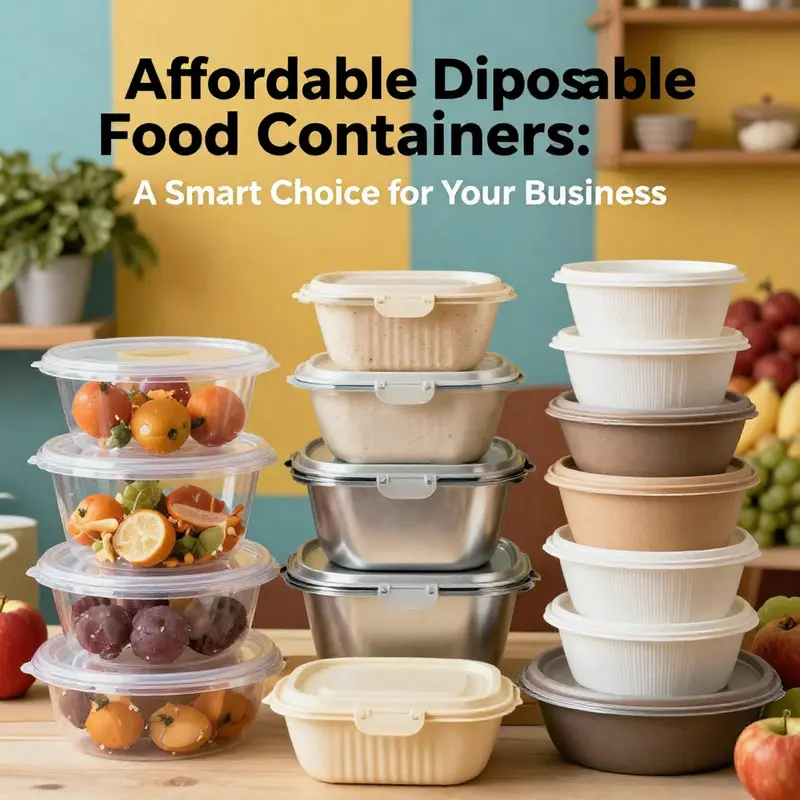
In a competitive market, the packaging of food and beverages plays a crucial role in enhancing customer experience and ensuring operational efficiency. For businesses such as bubble tea shops, restaurants, food trucks, and catering services, the choice of disposable food containers can significantly impact both cost management and customer satisfaction. This guide explores three popular types of disposable food containers available in bulk at affordable prices: plastic containers that maximize cost-efficiency, aluminum foil containers prized for their versatility and performance, and biodegradable options catering to the growing demand for sustainability. Each chapter will analyze these container types to help you make informed decisions that benefit your business while meeting consumer needs.
Bulk Plastic and Beyond: Crafting Cost-Effective Disposable Containers for High-Volume Food Service
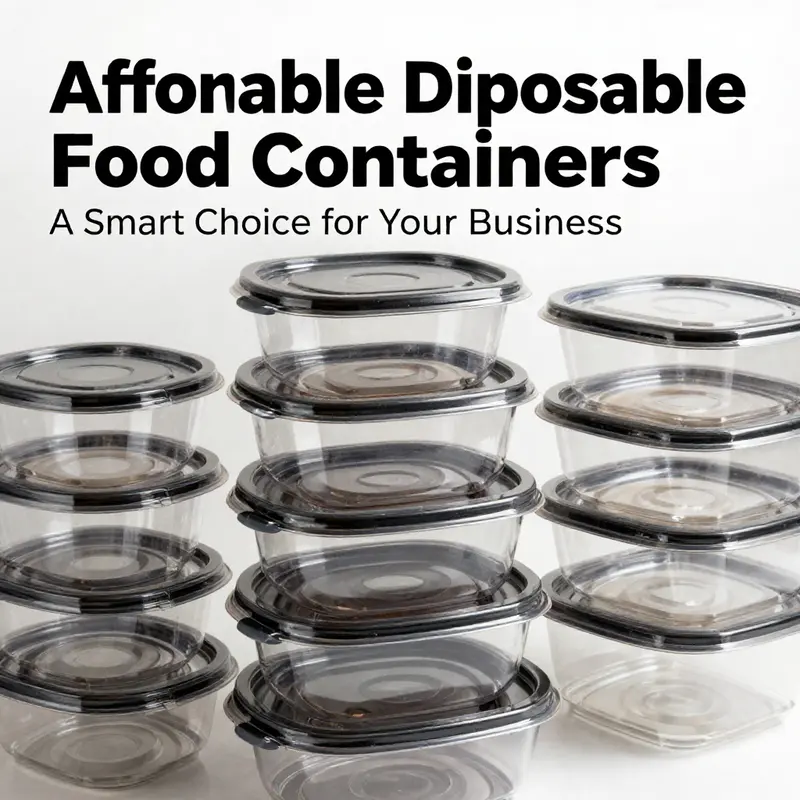
When a kitchen scales up to meet volume, the packaging that surrounds every meal becomes a strategic lever, not merely a storefront detail. In the realm of bulk procurement for restaurants, caterers, and meal-prep operations, the aim is to secure containers that are cheap enough to amortize across thousands of servings, sturdy enough to withstand a full day’s workflow, and versatile enough to handle a spectrum of foods from delicate salads to hot entrées. The equation, at its core, is a balancing act among material performance, unit cost, and downstream considerations like safety, recycling, and branding. Plastic containers, particularly those made from PP and PET, have long stood at the center of this equation because they offer a combination of light weight, durability, and usable life that suits high-velocity service. In bulk, these containers don’t just carry food; they carry profit margins. They stack compactly, reducing warehouse space, and they often align with the cold-chain requirements of many delis and take-out menus. Their transparency—especially PET with clear lids—enables quick content recognition, a feature that matters during packed-service shifts and peak hours when speed matters more than visual cues alone. For cold dishes, sauces, and dry-to-moist mixtures, these plastics present a practical, cost-effective solution that keeps the product visible and accessible. The microwave-safe properties of PP further extend practical utility, letting kitchens reheat or maintain temperature in a controlled manner for short windows. The interplay of cost, weight, and performance thus anchors many bulk purchasing decisions. Yet the conversation cannot stop there, because the same properties that enable affordability also invite scrutiny. The same thin plastics that save a kitchen money may raise questions about oven safety, heat-induced warping, and, more broadly, environmental impact if end-of-life handling is weak or absent. In hot-storage climates or during transport in high-heat vehicles, the migration of substances and the potential degradation of plastics can become practical concerns. A real-world reminder from consumer literature highlights the caution required when plastic is used for high-heat storage in elevated temperatures. In hot climates, long-term storage of heat-exposed contents in plastic can raise concerns about material stability, and for beverages like wine or spirits, the risk of permeation and leaching is a particular caveat when temperatures soar. While these cautions emphasize limits, they do not erase the fundamental utility of plastic in bulk. The right sourcing approach—prioritizing food-grade plastics with clear performance certifications—lets operators optimize both safety and cost. For a bulk buyer, the most relevant criteria are straightforward: containers should be colorless, odorless, and free from unnecessary additives; they should carry recognized food-contact certifications; and they should be compatible with a range of temperatures typical in distribution and service cycles. In practice, this means selecting PP or PET plastics that are explicitly labeled for food contact, with a preference for items that carry stability against oils and moisture while remaining robust enough to survive stacking and transit. When a buyer negotiates for bulk, the conversation naturally expands beyond the base material to include design and branding considerations, MOQs, and supplier transparency. Suppliers that can provide real-time pricing, flexible MOQs, and transparent logistics are especially valuable. The volumes involved mean even small variations in unit cost can compound into meaningful overall savings, and a sourcing strategy that emphasizes long-term supplier reliability can prevent costly interruptions. While plastics have dominated bulk packaging for years, it would be shortsighted to overlook the evolving landscape of packaging materials and end-of-life considerations. The debate has widened to include aluminum foil containers and biodegradable options that promise different strengths. Aluminum foil containers—robust, oven-safe, and highly conductive—offer advantages in hot-food delivery or baking scenarios where uniform heating and browning are desirable. They can support premium meal services that require reheating or cooking in the container itself, reducing the need for multiple handling steps and minimizing the risk of leakage during transport. The ability to go from oven to delivery vehicle without repackaging translates into procedural efficiency that matters at scale. Although aluminum containers typically command a higher unit price than plastics, their durability and heat management can yield a lower total cost of ownership for certain menus and service models. In bulk, the space efficiency of aluminum—owing to its stackability and rigidity—also translates into logistics and storage advantages, enabling operators to maximize cold storage and loading efficiency. The trade-off comes in the form of environmental considerations and the potential need for post-use recycling streams that are robust enough to capture the value of aluminum in a circular economy. This introduces a broader strategic question that firms increasingly weigh as part of their sustainability commitments: how to balance immediate cost savings with lifecycle considerations that influence brand perception and regulatory compliance. The third major branch in the bulk packaging conversation is the growing category of biodegradable and eco-friendly containers. These options, which include products made from bagasse, bamboo fiber, molded pulp, and other renewable materials, are increasingly finding a foothold in bulk purchasing strategies. They align with consumer expectations around environmental responsibility and can differentiate a brand in competitive markets. Yet, their higher unit costs and different performance profiles require careful budgeting and testing. For instance, compostable materials often perform well for single-use applications or events with clear end-of-life pathways, but they may require specific disposal streams to realize the environmental benefits. They can also exhibit different heat resistance, structural rigidity, and moisture-handling capabilities compared with conventional plastics, which means procurement teams should validate performance for key menu items, particularly those with sauces, fats, or dense ingredients. The evolving market for these materials is not only a matter of product quality but of supply reliability and price stability. As bulk buyers look to the horizon, the procurement approach benefits from a hybrid strategy. A practical path integrates plastic containers for the bulk of single-use, everyday applications while reserving recyclable or compostable options for occasions with explicit sustainability goals or brand positioning that emphasizes green practices. This hybrid approach acknowledges that the most economical choice at scale remains plastic in many scenarios, but it also recognizes the reputational and regulatory advantages of clearly defined sustainable use-cases. The architectural thinking behind such a strategy includes smarter packaging design, standardized sizing across product lines, and branding opportunities that do not compromise the integrity of the food or the consumer experience. For instance, a brand that wants to convey eco-consciousness can incorporate biodegradable options into limited menus or event-specific offerings, while maintaining a core line of cost-effective plastic containers for day-to-day operations. The practical implications of this approach are numerous: it simplifies procurement by reducing MOQs across multiple material streams, supports uniform handling in kitchens and during transport, and enables a coherent, scalable packaging ecosystem. The materials themselves—PP and PET in plastics, aluminum for hotter applications, and biobased options for sustainability-focused events—provide a palette from which buyers can assemble a tailored solution that fits both budget and mission. It is not just about choosing one material but about orchestrating a mixed portfolio that addresses daily throughput, peak demand, and long-term strategic goals. In this orchestration, quality certifications and safety standards are non-negotiable. Buyers should demand evidence that containers are suitable for their intended use, including food-contact approvals and migration tests where applicable. For many operators, this translates into verifying that the chosen plastics are labeled with recognized codes and that the packaging complies with relevant food-safety regulations. Transparency from suppliers on composition, additives, and any potential risk under specific storage or heating conditions contributes to a robust risk management framework. As the volume of purchases increases, so does the importance of supplier reliability, which encompasses not only price and MOQs but also lead times, production capacity, and the ability to respond quickly to demand fluctuations. In bulk, the margin for error in timing is slim; delayed shipments can disrupt menus, compromise service windows, and erode customer satisfaction. Therefore, buyers often seek suppliers with predictable production cycles, clear communication channels, and logistics networks capable of supporting global or regional distribution. The procurement strategy should also incorporate labeling and branding. Modern takeout systems frequently demand containers that can carry logos, product names, and instructions without compromising the integrity of the packaging or the food inside. For some operators, this creates an opportunity to align packaging aesthetics with brand narratives through customization, color, and printed branding on the containers themselves. When the business model benefits from such customization, it is crucial to balance branding ambitions with cost implications and MOQs, ensuring that the added value to the consumer sense justifies the investment. In this sense, bulk buying becomes a narrative as much as a calculation. A well-considered approach looks beyond the initial price per unit and considers the total cost of ownership across product life cycle: storage, handling, transport, waste management, and customer perception. The scale of the market supports a wide array of choices, and demand is shaped by evolving consumer expectations and regulatory pressures. Market projections show plastic containers maintaining leadership in bulk packaging due to their unmatched cost-efficiency in high-volume production, with demand expected to grow from around 242 billion dollars in 2026 to more than 420 billion dollars by 2035, a testament to the enduring value of plastics for disposable packaging in many sectors. This trajectory, highlighted by industry analyses, reflects continued emphasis on efficiency, distribution capability, and the ability to standardize packaging across diverse food offerings. At the same time, the conversation about sustainability continues to push improvements and innovations in material science and recycling infrastructure. The industry is moving toward recyclable or biodegradable materials without sacrificing the performance that bulk buyers require. In practical terms, the sourcing strategy for bulk packaging should incorporate a phased evaluation plan. Begin with a baseline assessment of current menu items, peak service patterns, and typical portions, then align container selections with food properties and service styles. Next, pilot multiple material categories with a limited set of SKUs to observe performance in real-world conditions: heat exposure, liquid containment, leak resistance, and consumer handling. The lessons learned from these pilots should inform a long-term procurement framework that can adapt to price fluctuations, changes in regulatory landscapes, and shifts in consumer preferences. A robust framework will also include provisions for end-of-life handling. While plastics remain the default in bulk due to cost efficiency, the growing emphasis on recyclability and compostability means buyers should map their packaging to available recycling streams and local composting capabilities. If a region offers strong policy support for waste reduction or a more mature recycling infrastructure, the economic calculus shifts toward higher adoption of specialized trays, lids, and liners suitable for the end-of-life infrastructure. Conversely, in markets where waste handling remains a challenge, the emphasis may shift toward reusable solutions for the most persistent hot and cold food applications or toward more easily separable recycling streams. The global momentum toward sustainable packaging is not merely a trend; it is a structural shift that intersects with cost, compliance, and customer expectations. Buyers who monitor regulatory developments and consumer attitudes will be better positioned to optimize their packaging mix over time. In practice, this means building a sourcing playbook that captures the core cost drivers, quality signals, and sustainability trade-offs. For many operations, the playbook begins with the simplest rule: choose food-grade plastics for everyday service when the goal is cost efficiency and reliability, while reserving eco-friendly options for campaigns that aim to communicate a concrete sustainability message. The exact mix will differ by market, cuisine, and delivery channel, but the principle remains consistent: bulk purchasing is as much about coordinated logistics and supplier reliability as it is about raw material cost. When a chain or a large catering outfit adopts this mindset, it gains the ability to scale operations without sacrificing clarity of purpose or control over outcomes. Operators who adopt a measured, data-driven approach can test different container configurations, track performance metrics, and refine their packaging portfolio to balance speed, safety, and sustainability. In the end, the goal is not simply to buy cheap containers; it is to buy containers that enable consistent, high-quality food experiences at scale, while also supporting a responsible approach to waste and resource use. To illustrate a concrete pathway for eco-conscious procurement, the following example highlights a sustainable packaging option that can dovetail with bulk strategies when appropriate: Kraft paper takeout packaging that uses a recyclable or compostable liner and a simple, reusable aesthetic. This approach can align with the broader push toward biodegradable and compostable options without compromising the efficiency gains that bulk plastic packaging provides for everyday operations. For readers exploring such eco-friendly packaging options, consider the Kraft paper soup cup with lid as a practical reference point for integrating sustainability with cost-conscious bulk procurement. Kraft paper soup cup with lid. In practice, a blended portfolio allows a business to meet daily needs while reserving a path toward greener end-of-life management when the opportunity arises. This integration of sustainability and efficiency mirrors a broader industry trend toward packaging ecosystems rather than isolated product choices. As the story of disposable containers continues to unfold, the emphasis remains on resilient, adaptable, and measurable strategies that enable large-scale food service to deliver reliable experiences at a fair cost. For further reading on the broader sustainability discourse and material comparisons that influence bulk decisions, a comprehensive external resource offers detailed insights into how glass and other materials compare with plastic in terms of long-term environmental impact. External resource: https://www.housedigest.com/benefits-of-glass-food-containers-over-plastic/ .
Bulk Aluminum Foil Containers: Precision, Durability, and Versatility for Large-Scale Foodservice
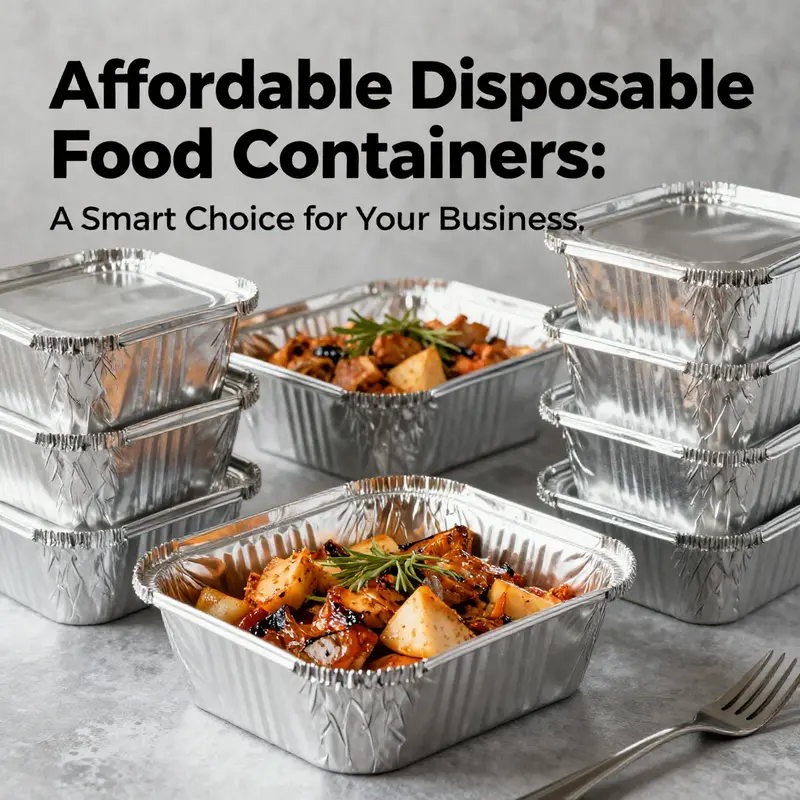
The case for aluminum foil containers in bulk starts with a simple equation: when volume matters, performance must travel with it. For restaurants, caterers, bakeries, and event planners, bulk procurement is less about a one-off purchase and more about a reliable, scalable system. Aluminum foil containers deliver a unique blend of lightweight strength, heat tolerance, and recyclability that makes them a staple in modern menus, from ready-to-serve meals to bakery items and hot-delivery innovations. When sourced in bulk, these containers become a strategic asset, not merely a packaging line item. They enable operators to standardize portions, protect food integrity during transit, and maintain quality across hundreds or thousands of servings with fewer supplier interruptions. The result is a packaging solution that aligns with operational efficiency and the expectations of today’s time-pressed consumers, who anticipate hot, fresh meals arriving on schedule with minimal waste and fuss.
The versatility of aluminum foil containers in bulk flows from their diverse design language. Standard containers remain the backbone for everyday takeout and shelf-life-oriented display items. They can be compact, stackable, and easy to align on a loading dock or in a kitchen prep area. Yet bulk buyers quickly learn that the real power lies beyond the basics. Segmented or divided containers, for example, provide a practical solution to keep components from mixing. A single meal can present a main course, a side, and a sauce in one stable tray, which simplifies portion control and improves presentation. In many premium takeout concepts, the ability to present multiple textures and flavors without sacrificing visual appeal becomes a differentiator that supports higher price points and stronger brand coherence.
Square and rectangular trays optimize space efficiency during both storage and transport. In a catered event or a high-volume delivery route, the uniform geometry minimizes wasted air space, reduces product shifting, and helps preserve moisture and temperature through the journey. The visual alignment of these trays on a loading pallet or in a front-of-house display enhances perceived value, an often overlooked but practical benefit of consistent packaging geometry. For operations that push the envelope on menu variety, bulk suppliers also offer specialized formats such as heat-seal variants, which create airtight exteriors that lock in freshness for soups, stews, or liquid-rich dishes. These options are engineered to resist leaks during transit, even when containers are stacked in bulk or stacked in transport crates.
Another strength of bulk aluminum packaging is the breadth of application across temperatures and environments. Aluminum’s heat conductivity makes it an excellent vessel for ovens and warming stations, ensuring even reheating without scorching edges. In bakeries and catering kitchens, oven-safe designs translate into a more streamlined workflow: bake, cool, repackage for delivery, then reheat upon arrival. At the same time, many aluminum containers are designed to withstand freezing temperatures, which broadens their utility to include cold-chain ready meals or pre-portioned frozen offerings. The same material can also be suitable for microwave reheating, though this depends on the specific lid material and any coatings used on the interior. Operators must be mindful of microwave guidelines, as certain lid assemblies and sealant materials may not be microwave-compatible. This nuance highlights the importance of clear product labeling and supplier guidance when placing large bulk orders.
Durability remains at the core of the bulk value proposition. The physical resilience of these containers reduces denting and deformation during mass handling, palletization, and long-distance shipping. Reinforced variants can withstand higher stacking pressures, which translates into lower breakage rates and lower returns or spoilage in transit. In a sector where every minute of downtime costs money, the ability to move large quantities quickly and reliably matters just as much as the containers’ basic ability to hold temperature or maintain moisture. Reusability is limited in practice due to the disposable labeling and cost considerations, but the durability and recyclability profile of aluminum makes it an attractive end-of-life option. Recyclers can reclaim the metal efficiently, closing the loop in a circular economy and reducing the environmental footprint of bulk packaging programs when compared with some single-use plastics.
From a sustainability perspective, aluminum’s 100% recyclability is a major strategic advantage for bulk buyers. Recycling aluminum requires substantially less energy than producing primary material, which translates into meaningful energy savings across the life cycle. For operators who aim to communicate responsible packaging to customers and align with corporate sustainability goals, the recyclability story can be a differentiator. Bulk procurement strategies often factor in the availability of recycling streams, local processing capacity, and the compatibility of containers with municipal or third-party recycling programs. Suppliers frequently offer products designed specifically for post-consumer recycling, with coatings or finishes chosen to minimize contamination during the recycling process. The broader environmental context matters here: while aluminum production does demand energy, the closed loop of recycling can significantly offset the footprint when volume and recycling access are favorable.
Cost efficiency in bulk purchasing comes from several converging factors. First, aluminum containers yield lower unit costs when ordered in large MOQs and with stable supplier relationships. Second, the lightweight yet sturdy nature of these trays reduces shipping and warehousing costs, particularly for flat-packed, stackable designs that maximize pallet density. Third, consistency in packaging aids in automating downstream processes, from line packing to automated labeling and dispatch. When a business operates on a foodservice clock—where dozens or hundreds of orders flow through the system each day—predictable packaging performance lowers the risk of last-minute substitutions, order delays, or customer complaints about leakage or compromised presentation. The combination of heat tolerance, seal integrity, and consistent geometry supports a smoother end-to-end supply chain, which can translate into measurable operational savings over time.
Choosing the right bulk aluminum container for a given operation hinges on several practical considerations. Food service managers must balance performance with cost, while ensuring that the chosen formats fit the menu architecture. For instance, standard containers are ideal for everyday meals and quick-service takeout, where speed and volume govern the workflow. Segmented designs are better suited to balanced meals and schools, hospitals, or event catering that require precise portion control and versatility in the same package. Square and rectangular trays are beneficial for premium takeout and fine-dining-inspired delivery concepts, where the presentation of the meal matters as much as the flavor. In each case, the lids, coatings, and any interior coatings must be compatible with the food types and reheating methods used by the operation. This is where supplier documentation, certifications, and clear labeling become essential, not only for safety but for brand consistency and customer trust.
From a safety and compliance standpoint, food-grade standards are non-negotiable in bulk procurement. Reputable suppliers outline material specifications, coatings, and processing steps to guarantee food compatibility. Certifications such as FDA-compliant coatings or other third-party validations provide assurance that the packaging will not impart unwanted flavors, textures, or contaminants to the food. In high-volume environments, buyers often request material safety data sheets (MSDS) and performance data sheets to evaluate heat resistance, seal integrity, and surface finish. Such diligence minimizes risk during storage, transport, and service and supports a sustainable procurement program that maintains quality across seasons and market conditions.
The production standards that underpin aluminum foil containers in bulk are global in scope. Manufacturers across Asia, Europe, and North America contribute to a broad ecosystem of options, each bringing different strengths in design, coatings, and process control. Importantly, bulk buyers should demand consistency in dimensional tolerances and dent resistance, particularly for long shipments where containers may be stacked under pressure. Good manufacturing practice (GMP) and other quality-control regimes help ensure that the containers perform as intended under real-world conditions. Parallel to this, the market continues to innovate with sustainable finishes, barrier coatings that reduce moisture migration, and sealable designs that extend freshness in liquid-containing dishes. The net effect is a spectrum of choices that can be aligned with budget, performance, and sustainability goals without sacrificing reliability.
Counterpoint to the convenience of aluminum is the need to manage end-of-life waste responsibly. Even with high recyclability, the waste stream must be addressed with proper separation and collection. Bulk operations can influence this by choosing packaging formats that are clearly marked for recycling and by partnering with facilities that can efficiently process aluminum in consumer or industrial streams. When planners design a bulk program, they should evaluate local recycling infrastructure, potential contamination from labels or coatings, and the cost-benefit equation of recycling versus disposal. In many markets, aluminum foil containers are a practical compromise that delivers strong performance at scale while still supporting recycling initiatives in a way that other materials struggle to match. The decision to use aluminum in bulk is thus a statement about operational resilience and environmental accountability—two pillars that modern foodservice organizations increasingly align themselves with.
To make sense of the choices in bulk, buyers often consult supplier ecosystems that standardize terms like minimum order quantities, packaging configurations, and shipping terms. Platforms and wholesale channels can provide visibility into real-time pricing, inventory, and lead times, helping teams forecast procurement costs and build redundancy into their supply chain. The ability to source consistent, compatible containers across multiple locations helps preserve brand homogeneity. It also reduces the cognitive load on kitchen staff who must handle a variety of packaging formats and specs. The result is a more predictable workflow where cooks and packing teams can focus on menu execution rather than packaging logistics. In practice, this translates into fewer last-minute substitutions, lower waste, and steadier service during peak periods when demand spikes.
As with any bulk packaging decision, the choice to commit to aluminum foil containers should be guided by a clear assessment of use cases. A bakery launching a recurring cupcake program might favor specialized trays designed for portion control and display appeal. A catering company planning for multi-course dinners and hot-serve buffets will lean into heat-seal, leak-resistant configurations that can travel across venues without compromising quality. A quick-service restaurant network seeking speed and uniformity may prize standard containers with easy-to-stack geometry and dependable reheating compatibility. Across these scenarios, the common thread is that aluminum containers in bulk can deliver scale without sacrificing the integrity of the food. That balance between performance and practicality is what makes bulk aluminum packaging not just an option, but a strategic framework for growth.
Internal link to a broader packaging option can be a helpful resource for operators evaluating alternatives alongside aluminum. For readers exploring eco-friendly and versatile options in the same family, a practical example can be found at this product page: kraft-paper-octagonal-bowl with lid. The page showcases how a different material family—kraft paper with a waterproof coating—can deliver comparable convenience with a distinct sustainability profile. Browsing such alternatives helps teams design a layered packaging strategy that can adapt to customer preferences, regulatory constraints, and evolving environmental expectations without compromising the bottom line.
For those who want an external reference for the broader market dynamics, the landscape of bulk aluminum container suppliers on global marketplaces provides a comprehensive view of capacity, standards, and price ranges. A leading industry resource highlights durable, efficient, and versatile options, reinforcing why aluminum continues to dominate bulk packaging for takeout, catering, and retail-ready products. This external resource offers a broader sense of scale, supplier capabilities, and the reliability that large-volume buyers seek when building long-term packaging programs.
In sum, aluminum foil containers in bulk present a compelling combination of practical performance and strategic value. They support fast-moving foodservice environments, enable consistent portioning and presentation, and align with sustainability goals through recyclability. The breadth of designs—from standard to segmented to heat-seal variants—gives operators flexibility to tailor packaging to each menu concept, without compromising efficiency or safety. When paired with disciplined supplier selection, clear labeling, and an understanding of local recycling opportunities, bulk aluminum packaging becomes more than a packaging choice; it becomes a core pillar of operational excellence in the modern foodservice ecosystem. The result is a packaging solution that not only holds up under the pressures of large-scale service but also reinforces a brand narrative built on reliability, quality, and responsible stewardship of resources.
External Resource:
https://www.alibaba.com/showroom/aluminum-foil-containers.html
Bulk Biodegradable Food Containers: Affordable, Eco-Conscious Choices for Scalable Takeout
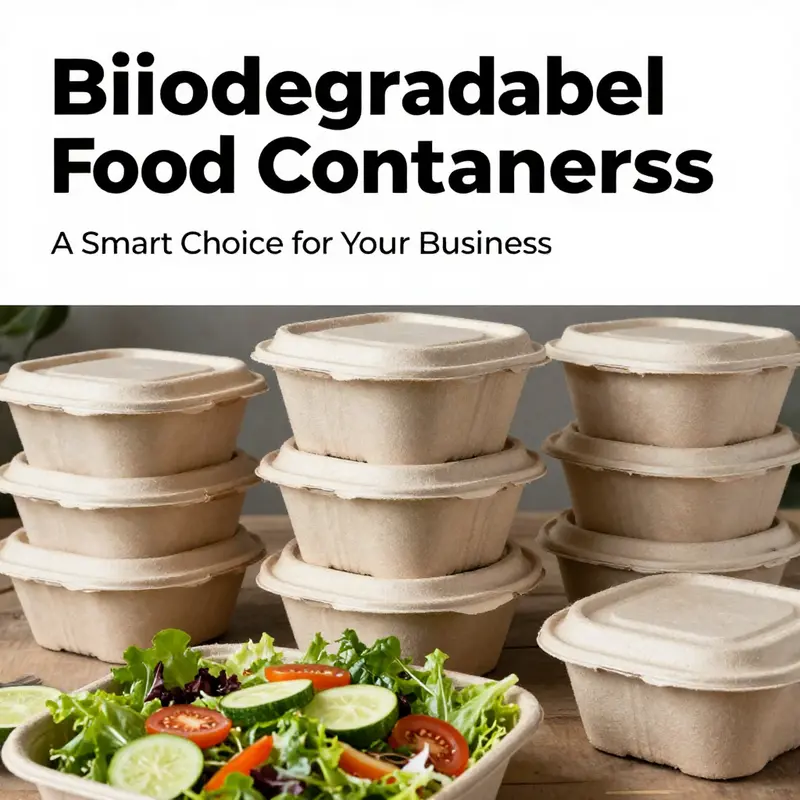
The move toward biodegradable food containers in bulk is less a fashion trend than a strategic shift in how operation-driven businesses manage waste, cost, and customer perception. For kitchens that churn out hundreds or thousands of meals daily, the packaging decision is a link in a larger chain that runs from procurement to waste diversion. In bulk, biodegradable options bring a compelling blend of responsible sourcing and practical utility. They offer a way to maintain menu flexibility, appeal to sustainability-minded customers, and align with evolving regulations without sacrificing reliability or throughput. The central challenge remains balancing price with performance, not sacrificing one for the other. Biodegradable options, when chosen with care, can deliver durable, functional packaging that holds up through the takeout journey—from the moment a hot tray leaves the pass-through station to the moment the last bite is enjoyed at home or at an event.
Materials that form the backbone of bulk biodegradable containers come from carefully managed renewable resources. Cornstarch–based plastics, sugarcane bagasse, bamboo, and molded pulp each bring distinct strengths to the table. Cornstarch–based options often offer decent moisture resistance and light weight, which contribute to cost savings in bulk orders. Bagasse—the fibrous byproduct of sugarcane processing—stands out for heat tolerance and sturdiness, particularly in hot-food applications. Molded pulp, crafted from recycled paper and agricultural fibers, emphasizes rigidity and insulation, performing well in both cold and warm scenarios. Bamboo-derived products emphasize natural compostability with a clean, minimal aesthetic. The common thread across these materials is their potential to break down in industrial composting streams or specialized composting facilities, reducing landfill burden when end-of-life disposal is managed correctly.
The quality of these solutions, however, hinges on proper certification and clarity around end-of-life expectations. Instead of marketing claims that are difficult to verify, reputable biodegradable containers in bulk should emphasize clear compostability or biodegradability standards and appropriate disposal pathways. In practice, this means selecting packaging that has been tested for mechanical durability, heat resistance, moisture management, and sealing integrity. Takeout patrons expect containers to resist oil seepage, to stay closed during transit, and to tolerate the occasional heat spike without warping. At the same time, restaurants, caterers, and event planners increasingly demand that packaging can withstand dishwashing or reuse in a limited sense where allowed by local regulations. Achieving this balance requires a careful combination of material selection, design features, and robust supplier support.
The design language of bulk biodegradable containers is as important as the material itself. A useful takeaway is the emphasis on versatility: dual-capacity options, secure hinged lids, and accessories that improve usability. Dual-capacity formats, for example, let kitchens reuse the same base container for different portion sizes, reducing overall SKUs and streamlining storage. Hinged lids provide a reliable seal that minimizes leakage and maintains temperature during multi-stop deliveries. Accessories—such as compatible trays or fitted sleeves—enhance stability and ease of transport, especially for multi-item meals or catering platters. In bulk procurement, such features translate into fewer breakages, less mess, and more predictable handling across a fleet of drivers and riders. This translates into real cost savings when you consider the cost of replacements and the efficiency gained at packing lines.
From a sustainability standpoint, the appeal lies not only in the material but in the systemic benefits that bulk ordering can unlock. Industrial-scale production has the potential to bring unit costs down, especially for components with predictable demand like containers in 35-ounce and 70-ounce formats. When demand is stable, manufacturers can optimize fiber sourcing, reduce waste in the supply chain, and invest in more efficient processes that further reduce environmental impact. For businesses that host regular takeout, meal-prep services, or event catering, this kind of optimization matters. It is the difference between a packaging solution that merely meets regulatory requirements and one that actively supports a broader green strategy. Consumers increasingly recognize and reward brands that demonstrate credible commitment to sustainability, and bulk biodegradable packaging can be a meaningful signal in a crowded marketplace.
Cost considerations are central to any bulk decision. Biodegradable options often carry a premium relative to traditional plastics. However, the price delta has been shrinking as production scales up and as demand for sustainable packaging becomes more mainstream. In bulk channels, the economics are further influenced by MOQs, customization options, and the potential for branding or labeling at the point of sale. The ability to negotiate with suppliers to align on minimums, lead times, and color or finish options can unlock economies of scale that bring per-unit costs down. It’s important for buyers to model total cost of ownership rather than unit price alone. This means factoring in waste disposal or recycling credits, reduced risk of regulatory penalties, and the potential for improved consumer loyalty—benefits that can materially offset higher upfront packaging costs over time.
Sourcing strategies for bulk biodegradable containers should consider the end-to-end lifecycle, including how containers perform under high-volume use and how waste is processed after customers discard them. In many markets, industrial composting facilities are the most reliable end-of-life option for bagasse and molded pulp products, whereas cornstarch-based plastics may require specific composting streams or advanced recycling processes to realize their environmental advantage. Designers and procurement teams should coordinate with waste-management partners to confirm which materials are accepted by local facilities and to what extent they can count on those facilities to process the chosen packaging. When facilities are not readily available, it becomes critical to communicate clearly to customers how to dispose of containers properly and to offer alternatives where appropriate.
The consumer and regulatory landscape also shapes the economics and feasibility of bulk biodegradable packaging. As more jurisdictions introduce packaging-sustainability mandates or incentives for compostable solutions, the long-term financial calculus shifts in favor of greener choices. Brands can gain a competitive edge by aligning with a growing consumer demand for transparent, verifiable compostability and by avoiding claims that cannot be substantiated in practice. Certifications and third-party testing—while sometimes seen as administrative hurdles—provide credible evidence that a given container will behave as claimed in real-world conditions. They help prevent a backlash against green-washed packaging and protect a business from reputational risk that can accompany overpromising on end-of-life outcomes.
To illustrate practical procurement realities, buyers often lean on wholesale platforms to source bulk biodegradable containers. These marketplaces connect buyers with verified manufacturers offering transparent pricing, real-time inventory, and flexible MOQs. The ability to browse a broad catalog of materials—ranging from bagasse and molded pulp to cornstarch-based options—enables procurement teams to match product performance with the specific demands of their menu and service model. It’s common to see a spectrum of formats from compact 35-ounce containers designed for salads or side dishes to larger 70-ounce carriers suited for curry, stews, or substantial entrees. Each format carries its own thermal and sealing requirements, and bulk buyers must assess compatibility with their kitchen workflow, stacking systems, and drivers’ handling practices. In practice, this means checking heat resistance, lid integrity, and whether the container remains reusable or strictly disposable within the intended end-use scenario.
Verification of supplier reliability is equally essential in bulk purchasing. Buyers should look for clear documentation on material composition, end-of-life pathways, and any regional disposal guidelines. Product safety in commercial settings requires attention to grease resistance, oil migration, and resistance to temperatures typically encountered during hot-holding or transport. While the ideal biodegradable option would perform identically to conventional plastics in terms of convenience, its environmental benefits depend on the waste stream’s ability to process it responsibly. Therefore, a practical approach balances performance with realistic disposal options in target markets. This approach is reinforced by the growing emphasis on circular economy principles, where packaging materials circulate within systems designed to minimize waste and maximize reuse or recycling opportunities.
The supplier landscape for bulk biodegradable containers is broad, but not all vendors offer the same value. When evaluating options, buyers should compare more than the bottom-line price. Consider lead times, packaging configurations, and whether the supplier supports branding or customization to help reinforce a brand’s green messaging. For many operators, bulk procurement also means coordinating across multiple locations. In that context, a single, reliable packaging solution that can be standardized across menus and services reduces complexity and cost. It also facilitates more straightforward training for staff and drivers, ensuring consistent handling practices that preserve container integrity from kitchen to customer. A key takeaway for procurement teams is to prefer suppliers who can provide samples, performance data, and a clear, straightforward path to scale—especially for high-volume periods such as promotions or seasonal menus.
Operationally, sustainability and cost controls converge when sustainability becomes part of the kitchen’s standard operating procedures rather than a standalone initiative. Bulk biodegradable containers support this alignment by enabling predictable packaging choices across the business. They help reduce the waste associated with overproduction, mis-forecasted demand, and damaged shipments. They also empower brands to communicate a credible environmental narrative to guests who care about a company’s footprint. In event catering or weddings, these containers can be used to deliver high-quality meals that still align with green event goals, reinforcing a brand’s commitment to sustainable practices without compromising guest experience. The practical upshot is that bulk biodegradable packaging becomes a facilitator of efficiency, rather than a barrier to scale or a constrained mission only suitable for boutique operations.
An illustrative path to bulk sourcing can be seen in the way buyers explore design and material combinations that suit hot-food applications. For hot meals, bagasse and certain molded pulp options exhibit robust heat tolerance and are well-matched with secure, spill-resistant lids. Multi-compartment layouts can accommodate sides, sauces, or desserts while reducing the number of separate containers needed per order. The visual appeal of natural textures and the perception of earth-friendly materials can also support premium presentation for special events, while still delivering the practical performance required by fast-paced takeout environments. In this regard, the choice between materials—bagasse, molded pulp, bamboo, or cornstarch—becomes a matter of aligning with application-specific needs, disposal infrastructure, and the business’s sustainability storytelling.
For teams seeking to test the waters, a practical step is to compare designs and performance side-by-side across several scenarios—cold salads, hot soups, and multi-item meals delivered to remote or high-velocity locations. This approach helps quantify differences in moisture resistance, spill prevention, and retention of heat or cold. It also clarifies how each material behaves under the strain of repeated use in bulk orders, where containers might be stacked, shuffled, and transported across a network of outlets. The outcome is a more resilient procurement strategy that can adapt to changing volumes, seasonal demands, and evolving consumer expectations. Where possible, engaging with suppliers that can provide clear, third-party verification of compostability or biodegradability helps ensure that the packaging choices stand up to scrutiny, both in the kitchen and in the waste stream.
The conversation around bulk biodegradable packaging is not merely about raw materials; it is about the supply chain architecture that makes sustainability practical at scale. This includes packaging design that minimizes material use without compromising strength, localization of sourcing to reduce transportation emissions, and the agility to shift between materials as regulatory or market conditions change. The end result is a packaging system that supports a sustainable menu strategy while maintaining the speed, reliability, and cost controls essential to high-volume operations. In a market where green packaging is increasingly a customer expectation, the ability to deliver on promises of sustainability—without sacrificing performance—becomes a core competitive differentiator rather than a niche advantage.
For those ready to explore concrete options in bulk, consider the broader sourcing ecosystem that connects buyers with manufacturers capable of supporting scalable green packaging. A practical example is online marketplaces that aggregate a wide array of biodegradable options, enabling a side-by-side comparison of material choices, capacities, and environmental claims. It is advisable to look for suppliers who can provide transparent material breakdowns, production certifications, and dependable delivery schedules. The combination of product performance data, credible environmental claims, and reliable logistics creates a robust platform for scaling sustainable takeout packaging across multiple locations. The result is not only a greener footprint but also a more resilient operation, able to weather supply fluctuations and evolving consumer preferences with confidence.
As the industry continues to mature, the trajectory points toward greater integration of compostability with real-world waste-stream compatibility. This means more reliable separation of packaging from regular recyclables, clearer labeling for end users, and more targeted investments in facilities that can process these materials efficiently. The vision is a circular flow where packaging materials are designed to be returned, processed, and reintegrated into new products with minimal environmental impact. Bulk procurement, when coupled with clear disposal pathways and credible certifications, can help institutions and enterprises lead this transition without incurring unnecessary risk or compromising service quality. In practice, this translates to a packaging strategy that respects both the operational realities of high-volume food service and the environmental responsibilities that communities increasingly expect.
A practical note for teams evaluating suppliers is to use trial runs and phased rollouts rather than wholesale shifts. Starting with a few high-volume outlets or event days allows teams to monitor performance, collect feedback from staff, and measure the impact on waste streams. That data becomes the compass for broader adoption, helping leadership justify investment and furnish the case for continued supplier partnerships. When teams operate with clear benchmarks—leakage rates, heat tolerance, end-of-life handling, and customer satisfaction—bulk biodegradable packaging becomes a natural extension of quality and service.
In closing, the shift to biodegradable containers in bulk is not merely about replacing plastic with a greener option. It is about embracing a design philosophy and supply-chain discipline that empower efficiency, credibility, and scalability. The most successful strategies blend material understanding with thoughtful design, verify environmental claims with credible testing, and align with waste-management realities in target markets. By doing so, bulk procurement becomes a powerful tool for sustainable practice that can coexist with tight budgets, brisk service, and a more environmentally responsible brand narrative. When these elements align, the packaging system contributes to a more resilient business model—one that can grow, adapt, and remain faithful to green commitments in the face of evolving customer expectations and regulatory landscapes.
For further illustration of bulk biodegradable options and to explore a practical example of materials and designs in this space, you can look at one of the available product ranges that demonstrates how bagasse-based solutions are implemented in bulk packaging contexts. Bagasse sugarcane biodegradable lunch box. This kind of reference helps translate theory into actionable procurement steps, highlighting how design features support stability, heat management, and ease of use across a wide range of menu formats.
For a broader lens on wholesale availability and price dynamics, many buyers consult global marketplaces that list disposable food containers in bulk. These platforms provide real-time pricing, broad material options, and transparent MOQs, helping teams benchmark costs and lead times as they plan for peak seasons. External research and market data reinforce that the cost curve for biodegradable packaging continues to improve with scale, signaling a sustained opportunity for operators to align financial prudence with environmental responsibility. In short, bulk biodegradable packaging offers more than a green sheen; it provides a practical path to cost-conscious sustainability that scales with the business.
External reference for broader wholesale perspectives: https://www.alibaba.com/showroom/disposable-food-containers.html
Final thoughts
Choosing the right disposable food containers in bulk is essential for the success of your food and beverage business. Whether you prioritize affordability with plastic containers, performance with aluminum options, or sustainability with biodegradable materials, each choice has its unique advantages catering to diverse consumer preferences. By selecting the right packaging, you not only enhance customer satisfaction but also ensure operational efficiency. Make informed decisions today to elevate your service and stay ahead in the competitive marketplace.