
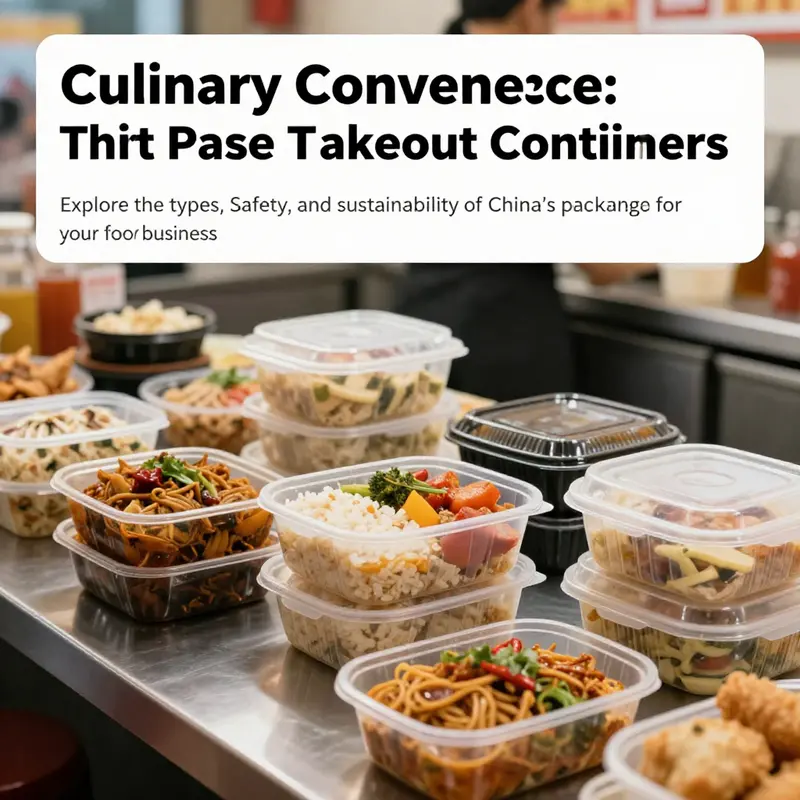
In the vibrant culinary landscape where food is not just about taste but also about convenience, plastic takeout containers have become a staple in the realm of Chinese cuisine. These containers offer a practical solution for restaurantes, food trucks, and catering services, enabling them to serve fresh meals efficiently while catering to the on-the-go lifestyle of modern consumers. Understanding the different types and materials used in these containers, along with the health and safety implications they carry, is essential for food industry professionals. Furthermore, as sustainability takes center stage, recognizing the environmental impact and exploring eco-friendly alternatives is crucial. Each of these chapters delves into a specific aspect of Chinese food plastic takeout containers, providing valuable insights for bubble tea shops, beverage chains, and corporate procurement teams, thereby allowing them to make informed decisions in their businesses.
Molded for Convenience: The Materials That Shape Chinese Takeout Containers
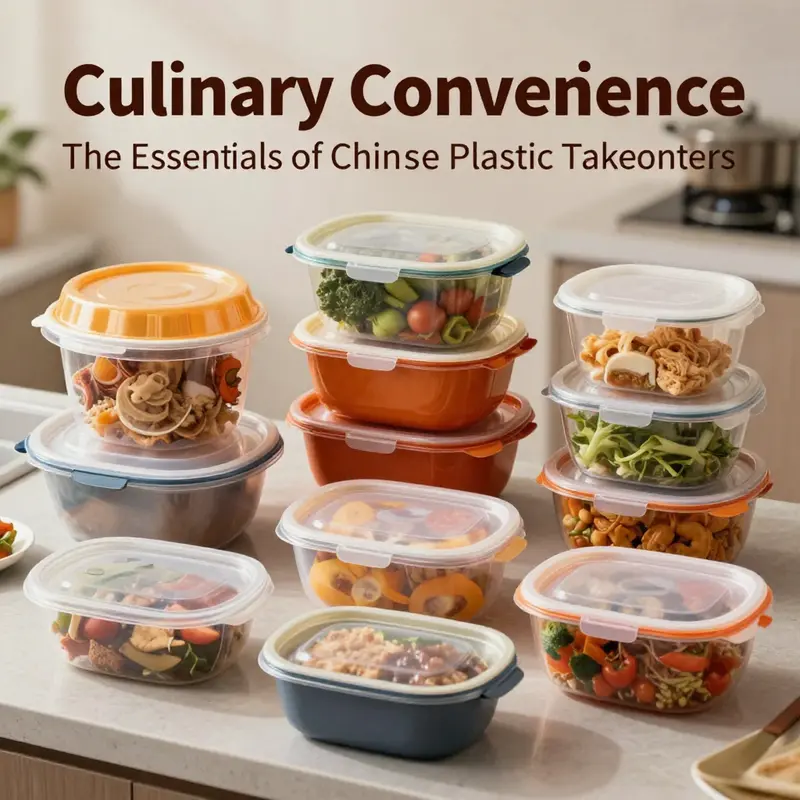
Takeout packaging for Chinese cuisine is a material story as much as a convenience story. Plastics such as polypropylene (PP), polystyrene (PS), and polyethylene terephthalate (PET) dominate, each bringing different heat tolerance, barrier properties, and safety considerations. PP is prized for heat resistance and reusability potential but still designed for single use in most contexts; PS offers lightness and low cost but raises concerns about styrene migration when hot foods are involved; PET provides clarity and toughness for cold or dry items but is less suitable for reheating. Biodegradable and fiber-based options, like bagasse and compostable blends, are expanding the palette but require appropriate disposal infrastructure. The packaging design—lids, seals, clamshells, and cylindrical containers—interacts with food type, travel distance, and reheating plans to determine leakage, heat retention, and user experience. Health and safety considerations guide choices about what materials are acceptable for hot foods, how containers are labeled, and how end-of-life disposal is communicated to customers. In practice, brands balance performance, cost, and environmental impact, often offering a portfolio of containers tailored to the dish, thus enabling a practical journey from kitchen to doorstep to table. As sustainability pressures rise, the industry explores recyclable, compostable, and renewable-material options while acknowledging that recycling and composting infrastructure varies by region. The practical takeaway for cooks, delivery teams, and diners is to understand the material behind the container, choose appropriate containers for each dish, and support responsible disposal through clear guidance and accessible recycling or composting options.
Guardians at the Takeout Window: Health, Safety, and Microplastic Realities in Chinese Food Plastic Containers
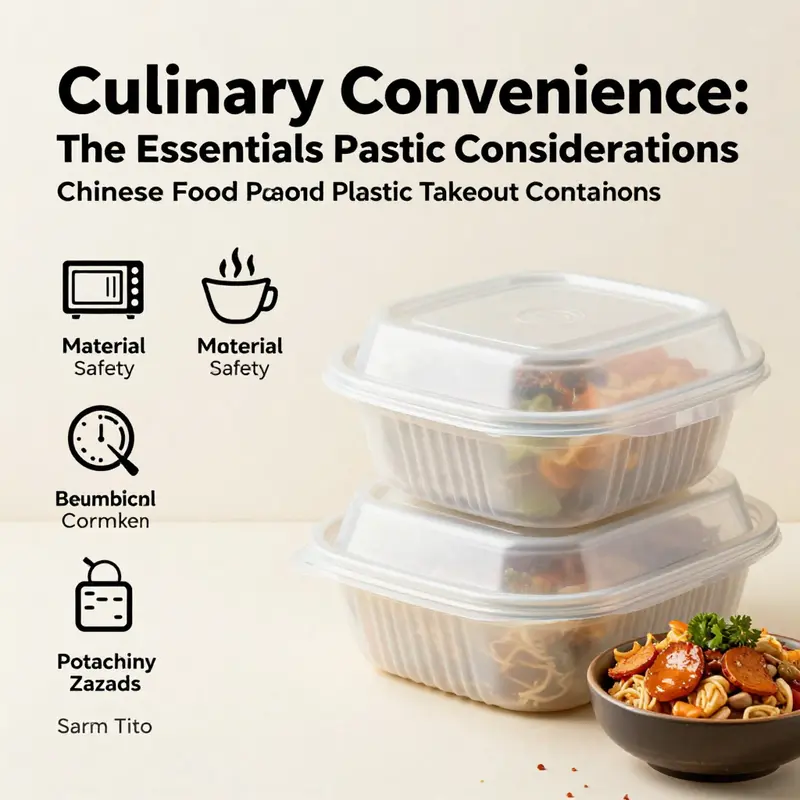
The takeout experience has become a familiar ritual for many, a rapid exchange of flavors and convenience that travels from kitchen to doorstep in a matter of minutes. Chinese-style dishes, eaten in homes and offices alike, have helped cement plastic takeout containers as an everyday, almost invisible, part of modern food culture. These containers—made from durable plastics such as polypropylene, polystyrene, or PET—are engineered for heat tolerance, leak resistance, and the ability to be molded into shapes that support efficient branding and stackable efficiency. Among these materials, polypropylene stands out for its heat resistance and microwave-friendly properties, which makes reheating a meal in the container technically feasible for many consumers. The practical advantages—lightweight, robust, and cost-effective in mass production—have driven their dominance in the takeout sector. Yet alongside convenience there exists a constellation of health and safety questions that ripple through kitchens, delivery hubs, retail shelves, and dining tables. The very features that make these containers so valuable—rigidity, translucence, and rapid production cycles—also raise concerns about what travels with the food and what may be left behind in the body after consumption. The conversation, then, moves beyond aesthetics and throughput to the longer arc of how packaging materials interact with foods, how heat alters those interactions, and what human health might endure in the face of ongoing exposure.
Microplastics have emerged as a central point of concern in this dialogue. When food is heated or comes into contact with acidic substances, tiny plastic fragments can detach from the container wall and migrate into the contents. This leaching is not merely a theoretical risk; it has been observed under conditions that mimic real-world use, where hot soups, oily sauces, or citrus-tinged marinades sit in a plastic vessel for several minutes or longer. The microplastics produced in such scenarios are not just inert specks; they can traverse biological barriers, accumulate in tissues, and potentially trigger inflammatory responses or cellular stress. The health implications of chronic exposure to microplastics are the subject of ongoing scientific inquiry, yet multiple lines of evidence suggest a continuum of risk rather than a single fixed threshold. The particles themselves can carry additives from the plastic matrix, including substances designed to improve performance, such as plasticizers, UV stabilizers, and surfactants. While many of these additives are within regulatory safety envelopes, heat, abrasion, and long contact times can alter their release dynamics, introducing a dual pathway of exposure: physical ingestion of particles and chemical exposure from leached additives. In the context of widely consumed, culturally significant meals—where a portion of the population relies on takeout containers as a regular or even daily option—the cumulative nature of these exposures becomes a public health concern worth closer scrutiny and informed decision-making.
Within this landscape, broader health risks linked to plastic packaging warrant careful attention. The repeat exposure to certain additives in plastics has been associated, in experimental and epidemiological settings, with inflammatory processes and hormonal disruption. Endocrine disruptors can interfere with the finely tuned hormonal signaling pathways that regulate metabolism, reproduction, and immune function. The health narrative is not about a single culprit but about a spectrum of substances that can migrate from packaging into food under typical use. In many cases the risks are intensified by factors present in familiar dining scenarios: high-fat or high-acid foods, prolonged contact with the container, and the simultaneous use of the microwave or oven for reheating. The practical implication for consumers is not merely about avoiding a particular chemical; it is about recognizing how the packaging matrix, the type of food, and the method of heating can collectively shape the exposure profile. The conversation must also acknowledge individual variability. Some people may experience more pronounced responses due to existing health conditions, genetic predispositions, or the cumulative effects of multiple exposures over time. While this does not imply a simple causative link between a single meal and a health outcome, it does underscore a prudent approach: minimize unnecessary exposure where feasible, especially for vulnerable groups such as pregnant individuals, young children, and people with preexisting endocrine or metabolic disorders.
Regulatory oversight in this space seeks to balance safety with practicality. Agencies around the world establish standards aimed at limiting harmful migration from packaging into food, with particular attention to high-temperature scenarios and contact with fatty or acidic foods. In practice, however, conditions in real life can surpass the protective assumptions of standardized tests. Temperature fluctuations, extended storage, and varied food matrices can push plastic containers toward edge cases outside the scope of controlled experiments. The reality for many consumers is a patchwork of assurances: containers marketed as microwave-safe or designed for single-use are widely used, yet their performance under everyday conditions may fall short of what is implied on the packaging or by the producer’s claims. This gap between laboratory safety and kitchen reality invites ongoing vigilance and a culture of informed choice. Consumers are encouraged to stay informed about the materials in their possession, to read labels when decisions involve reheating or storing meals, and to recognize that safety is not a fixed attribute but a function of material chemistry, usage patterns, and exposure duration.
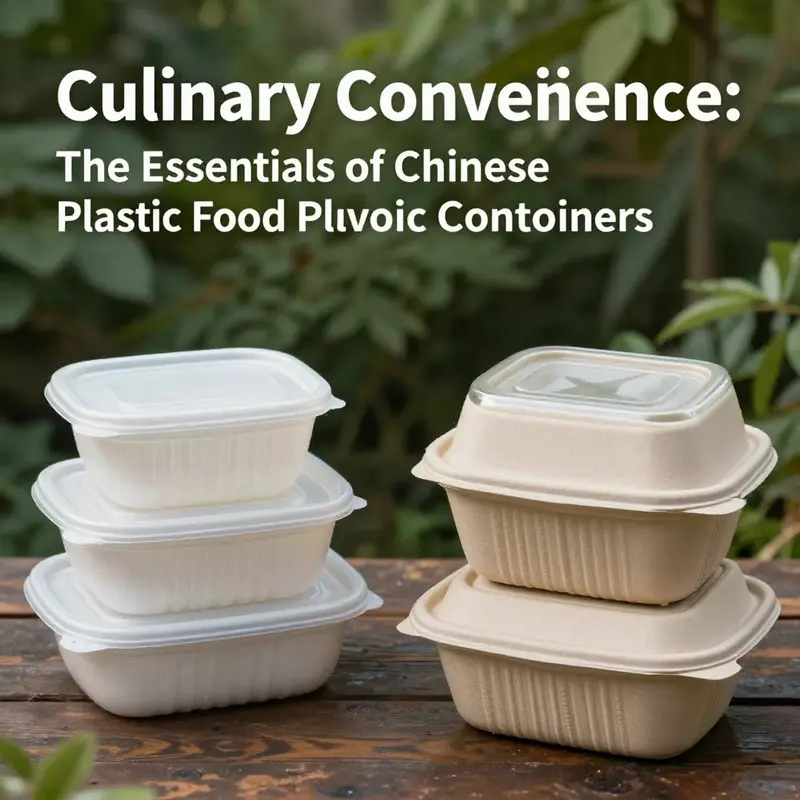
From a practical standpoint, minimizing risk becomes a matter of adapting habits as much as possible without sacrificing the benefits of convenience. The most immediate and accessible strategy is to shift away from plastic containers when feasible, opting for safer packaging options that reduce the likelihood of leaching and microplastic exposure. Paper-based packaging and compostable bioplastics present appealing alternatives in this regard, offering lower risks of chemical migration in many typical use scenarios. Yet even these options carry their own considerations. Paper packaging may be less leak-resistant or less sturdy in hot, saucy dishes, and compostable bioplastics can demand specific disposal conditions to achieve the intended environmental outcomes. The broader takeaway is not a simplistic replacement but a thoughtful evaluation of each meal’s composition, the handling it will undergo, and the consumer’s tolerance for risk. For instance, a light, non-saucy dish might travel securely in a simple paper liner, while a heavier, oil-laden sauce could require a more robust system to prevent leakage and reduce contact with the contents. In that sense, the health and safety conversation intersects with the design and logistics of modern takeout systems, urging designers, suppliers, and restaurateurs to consider the full cycle—from kitchen preparation to consumer storage and reheating.
The decision to reuse containers adds another layer to the safety calculus. While some plastics are framed as reusable, repeated heating and washing can alter their structure, increasing the likelihood of microplastic release and reducing the barrier to chemical migration. Polypropylene-based containers are often cited as relatively more stable than others, yet no material is immune to degradation under sustained heat or abrasive cleaning. The bottom line is nuanced: limited reuse with careful cleaning may be acceptable for some plastics, but strict guidelines should govern reuse, particularly for foods that are acidic, salty, or fatty, and for households with high-temperature reheating practices. The public health message remains clear—minimize heat exposure, avoid using damaged containers, and consider alternatives when in doubt. If a container shows signs of wear, such as cracking, warping, or a chalky residue, it is prudent to transition to a fresh container rather than risk greater exposure.
The environmental dimension of health and safety cannot be overlooked. The sheer volume of plastic takeout packaging used and discarded contributes to pollution and microplastic contamination in ecosystems. While the health focus here centers on ingestion and internal exposure, the environmental fate of these materials circles back to human health through food chains and water sources. The interconnection between personal health and planetary health becomes more evident when considering the life cycle of packaging: from resin production, to manufacturing, to consumer use, to disposal, and ultimately to the broader environment in which we live.
For readers seeking a deeper scientific lens on these questions, a peer-reviewed resource from the National Center for Biotechnology Information offers a critical synthesis of the safety considerations surrounding plastic food containers. It provides a grounded overview of how microplastics and hazardous chemicals may migrate into foods under typical conditions, and it situates these findings within a broader discussion of public health. External readers may find the discussion helpful as they weigh personal choices against the evidence base and evolving regulatory standards: https://www.ncbi.nlm.nih.gov/pmc/articles/PMC10423567/
In contemplating healthier dining habits, one practical path forward is to reimagine the packaging environment. Restaurateurs and suppliers can design for safety by selecting materials with lower risk profiles for common takeout scenarios and by offering alternatives that meet both safety and sustainability goals. This requires a collaborative effort across the supply chain, from material scientists to kitchen staff to policymakers, to ensure that the products used for takeout not only preserve flavor and temperature but also align with robust health safeguards. The consumer has a pivotal role, too. By choosing safer packaging when possible, avoiding heating in disposable containers, and supporting options that encourage reuse or recycling, individuals contribute to a broader culture of caution and care around everyday food packaging. In the end, the goal is a safer equilibrium—one that preserves the benefits of quick, flavorful meals while reducing exposure to substances that may alter health trajectories over time. The path toward that equilibrium is incremental, grounded in better material choices, smarter usage, and transparent communication about the limits and capabilities of what these containers can safely endure.
As the dining landscape evolves, the questions surrounding plastic takeout containers will likely intensify. Scientific research will continue to refine our understanding of microplastics, chemical leaching, and the long-term implications for human health. In the meantime, readers can adopt a pragmatic approach that respects both science and daily life: favor safer packaging where possible, use containers within their intended lifespan, and employ reheating methods that minimize exposure. The intersection of culture, technology, and health is not a static frontier but a dynamic terrain shaped by consumer choices, industry innovation, and continuing inquiry. The guidance remains practical and actionable: be mindful of heat and acids, prefer alternatives when circumstances allow, and stay informed as evidence evolves. The chapter does not pretend to offer a final verdict, but it does emphasize a proactive stance that can reduce risk while preserving the conveniences that make takeout meals so accessible and enjoyable.
For those who want to explore a concrete, reusable option within the realm of takeout packaging, consider alternatives that combine safety with practicality. Some solutions use kraft paper and other compostable materials designed to handle typical takeout conditions with fewer concerns about chemical migration. These options can be paired with reusable containers made of glass or stainless steel to create a tiered approach: use safer disposables for one-off meals and rely on durable containers for repeated use when appropriate. The aim is not to demonize plastic outright but to encourage smarter choices that reflect a growing understanding of health and safety in everyday packaging. Engaging with this topic means recognizing the uncertainties that still surround microplastics and leachable chemicals, while embracing strategies that reduce potential risk through informed choices and sensible substitutions. In the end, the question is not only what we eat, but how we transport and store it—so we can savor flavor without compromising long-term well-being.
For readers seeking a tangible, design-oriented option that aligns with safety goals while supporting sustainable practices, a move toward safer, paper-based or kraft packaging can be facilitated by exploring available takeout packaging designs that emphasize barrier properties, grease resistance, and durability. In practice, this may involve boxes or bowls that are engineered to minimize leakage for saucy dishes and that can be disposed of in a way that supports recycling or composting. The choice of packaging becomes part of the recipe for safer meals, reinforcing a preventive approach rather than a reactive one after exposure has occurred. The takeaway is simple: packaging choices matter just as much as cooking methods when it comes to health outcomes. Small shifts in the materials used, the design of the container, and the guidance given to consumers can collectively reduce risk and keep takeout meals both delicious and safer for daily consumption.
Internal resource for readers who want to see a specific packaging option in practice is a product page that highlights kraft-paper octagonal boxes with lids, representing a concrete alternative to plastic. This example illustrates how paper-based packaging can be deployed in a takeout system while maintaining shape, stackability, and ease of use. See: kraft-paper-octagonal-box-with-lid. This real-world option demonstrates how packaging design can respond to safety concerns without sacrificing the functional benefits that customers expect.
As the dialogue around health and safety continues to unfold, the evolving science will keep refining the boundary between permissible exposure and prudent avoidance. The current consensus supports cautious use, especially in high-temperature or high-acid contexts, and encourages the adoption of safer, more sustainable alternatives where possible. The takeout ecosystem—framed by consumer habits, business models, and regulatory guidance—stands at a turning point. The choices made by diners and operators alike will shape how comfortably we can enjoy a beloved cuisine while preserving health, the environment, and the integrity of the food we share. The goal remains clear: preserve the flavors that define the cuisine and do so in a way that respects long-term health, personal safety, and ecological stewardship. It is in this balance that future innovations in packaging will be measured, not only by how well they perform in the kitchen, but by how confidently they align with the evolving values of health-conscious, environmentally aware diners.
null
null
Final thoughts
Navigating the world of Chinese food plastic takeout containers requires a comprehensive understanding of their types, safety standards, and environmental repercussions. Restaurants, food trucks, and corporate procurement teams not only need to ensure that their packaging is functional and appealing but also consider health implications and sustainability challenges inherent in their choices. By being informed about the variations in materials and their respective properties, food businesses can not only enhance their service excellence but also mitigate health risks for their consumers while contributing positively to environmental stewardship. As sustainability evolves, exploring innovative packaging solutions will be key to meeting consumer expectations and regulatory demands in the food service industry.