
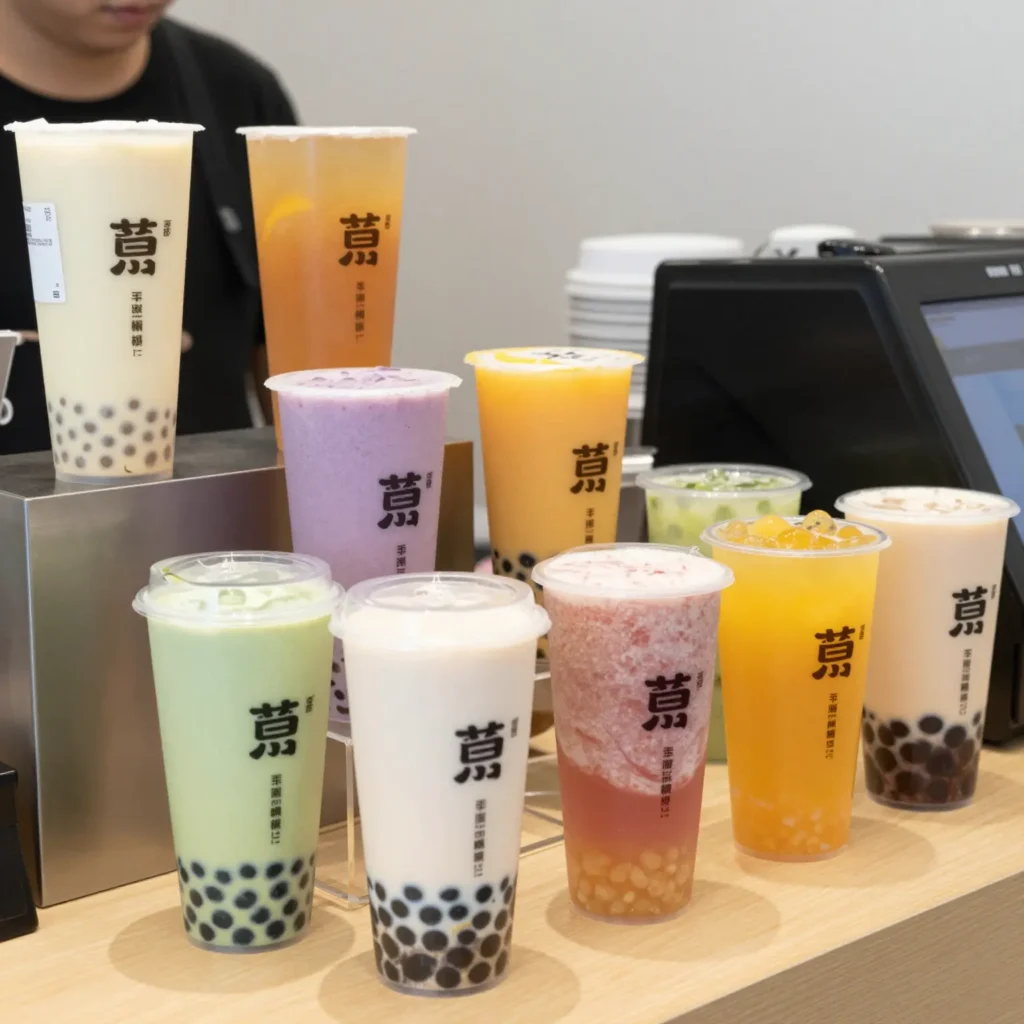
Imagine walking into your favorite bubble tea shop, eyes glistening at the colorful drinks lined up like treasures on display. You make your choice, and the vibrant concoction is poured into a brand-new plastic cup. Sounds simple, right? But what if, in your excitement, you overlook an essential step: cleaning that cup before sipping? Unbeknownst to you, the cup may not be as pristine as it appears. This commonly overlooked moment poses a significant risk, not just to individual health but also to the reputation of bubble tea shops, catering services, and beverage chains everywhere. Maintaining high hygiene standards is paramount in the food and beverage industry. Small lapses, such as neglecting to clean new plastic cups, can lead to unwanted consequences. In this guide, we will delve deeper into the importance of maintaining cleanliness in your drinkware and how it can affect your business. For reliable packaging solutions, check our disposable drinkware options and plastic cups.
The Hidden Health Risks of Using New, Unclean Plastic Cups
When you think about plastic cups, convenience often comes to mind. However, the health risks associated with using new, unclean plastic cups are significant, particularly in the food service industry. Understanding these risks can help beverage chains, restaurants, food trucks, and event planners prioritize the safety of their customers and employees.
Microbiological Safety Concerns
New plastic cups may seem sterile when you first remove them from their packaging, but research shows they can harbor harmful microorganisms. The origin of these contaminants can be varied, including dust from manufacturing facilities, transport issues, or contact with unclean surfaces. A study highlighted by PubMed shows that single-use plastic beverage cups can release microplastics, making them not just a convenience but a potential health hazard. Read more about microplastic risks here.
Moreover, washing these cups with warm soapy water not only cleans them but also helps eliminate harmful substances. According to an expert Q&A on JustAnswer, neglecting to wash new plastic cups can lead to unwanted particles in beverages, altering taste and, more importantly, health safety.
Specific Health Risks
- Bacterial Contamination: Plastic surfaces can accumulate microbial life, particularly if they have been exposed to air and unclean environments during shipping and storage. High-risk bacteria, such as E. coli and Salmonella, can thrive on these surfaces.
- Chemical Leaching: Over time, the chemicals in plastic can leach into beverages, particularly if the cups are exposed to heat or sunlight. These chemicals can potentially disrupt hormone systems and lead to long-term health effects.
- Microplastics Exposure: Multiple studies indicate that using plastic cups can lead to significant microplastic consumption. Research suggests that this exposure may negatively affect human gut microbiota and overall health, emphasizing the need for thorough cleaning before use.
Best Practices for Food Service Providers
For bubble tea shops, beverage chains, and restaurants, it’s essential to establish protocols for cleaning new plastic cups. Here are some best practices:
- Always wash plastic cups before use, even if they are new.
- Store cups in a clean and sanitary environment to minimize contamination.
- Train staff on microbiological risks and the importance of cleanliness in food service.
By taking these simple steps, businesses can help ensure a safer drinking experience for customers and mitigate potential health risks associated with using new, unclean plastic cups. For quality disposable drinkware that prioritizes safety, consider our range of disposable drinkware.
The Importance of Clean Plastic Cups
In a bustling environment like bubble tea shops, restaurants, and catering services, the cleanliness of drinkware is paramount. Recently, a concerning trend has emerged where people overlook the necessity of washing new plastic cups before use. It’s easy to dismiss this step, but the reality is that these cups can carry dust, residue, and other contaminants from manufacturing and packaging.
Using unclean cups can lead to health risks and spoil the flavors of your beverages. Understanding the significance of cleanliness can significantly enhance customer satisfaction and safety. Take a moment to ensure that your cups are clean before filling them with delicious drinks, reinforcing your commitment to quality and hygiene.
For top-quality disposable cups and further essentials for your business, check out our selection of Disposable Drinkware and Packaging Options.
When it comes to food safety, especially in bubble tea shops and similar food services, regulations regarding clean drinking vessels are of utmost importance. Let’s dive into some essential points that every beverage business should keep in mind.
Key Regulations and Guidelines
- FDA Regulations: The Food and Drug Administration (FDA) plays a crucial role in overseeing food safety regulations pertaining to drinking vessels. Their guidelines ensure that all packaging materials, including cups and containers, are safe and do not leach harmful substances into beverages. Compliance with FDA standards is essential for any business serving drinks.
-
Material Safety: Disposable cups, whether made of plastic or paper, must adhere to specific material safety requirements. They should be made from materials approved by the FDA to prevent chemical contamination. Look for disposable drinkware that meets the necessary safety standards to protect your customers’ health.
-
Sanitation Practices: Even new cups can harbor contaminants if they aren’t handled properly. Bubble tea shops and other food services should implement strict sanitation procedures. This includes:
- Ensuring that all staff members are trained in hygiene and food safety practices.
- Regularly cleaning and sanitizing surfaces and equipment where drinks are prepared.
- Storage Conditions: Store drinking vessels in clean, dry environments away from any possible contaminants. Ensure that there’s proper protection against dust, pests, and other contaminants.
Importance of Clean Drinking Vessels
Using clean and compliant drinking vessels is crucial for public health and customer satisfaction. While it might seem harmless to drink from an unclean cup, it can lead to various health issues, including foodborne illnesses. Additionally, customers expect a certain level of hygiene, particularly in establishments that promote fresh and high-quality beverages like bubble tea.
Final Thoughts
In conclusion, adhering to food safety regulations concerning drinking vessels is not just about compliance; it’s about ensuring the well-being of your customers. Bubble tea shops and food services should stay informed about FDA guidelines and best practices for sanitation and safety. For further supplies, consider checking our range of disposable drinkware to meet your business’s needs.
Ultimately, a commitment to food safety can enhance your brand reputation and foster a loyal customer base.
Cleanliness in food service is paramount. A clean environment not only enhances the aesthetic appeal but also plays a crucial role in ensuring food safety and preventing foodborne illnesses. According to the CDC, improper handling of food and lack of sanitation can lead to significant health risks.
One expert summarizes the importance eloquently:
“Maintaining a clean working environment in food service is not just about compliance; it’s about protecting the health of the customers and the reputation of the business.” – Unattributed Expert
This statement reflects a widely accepted principle in the industry. Using clean cups is a critical aspect of food safety that must not be overlooked. Cleanliness is a representation of quality, and germs can easily transfer through unwashed cups, which can lead to foodborne illnesses or unsatisfactory customer experiences.
In addition to maintaining health standards, a clean environment fosters customer trust. When customers see that dining areas and serving vessels like cups are clean, they are more likely to feel safe and valued. Businesses should prioritize cleanliness by adhering to best practices in sanitation and regularly inspecting their facilities.
For more insights into the impact of cleanliness on your food service operation, consider this guideline from WHO that details the significance of proper sanitation procedures.
Best Practices for Handling and Cleaning New Disposable Cups
When running a beverage establishment, ensuring cleanliness and hygiene is paramount, especially when dealing with new disposable cups. Here’s a friendly guide on the best practices to adopt:
-
Inspect Before Use: Always check the cups for any damage or defects. Even new cups can arrive with chips or cracks that could compromise safety.
-
Wash Before Use: It might seem unnecessary, but rinsing new disposable cups with warm, soapy water helps to remove any residues from the manufacturing process or dirt particles that could have settled during transport. This quick wash significantly reduces the risk of health hazards.
-
Store Safely: Ensure that cups are stored in a clean, dry place. Avoid areas where dust or contaminants can settle on the cups. Proper storage will maintain their cleanliness until they are ready for use.
-
Use Proper Dispensing Techniques: When serving drinks, use a clean utensil or employ a hygienic method to dispense the cups. This minimizes direct hand contact with the cup rim, which is critical for hygiene.
-
Educate Staff: Training your employees on the importance of handling disposable cups with care is vital. Share best practices regularly to reinforce proper procedures.
-
Stay Informed on Regulations: Keeping updated with local health regulations ensures compliance and helps avoid any potential health risks associated with food service. This could also include guidelines from local food safety authorities, emphasizing the necessity of cleanliness in beverage service operations.
For more packaging solutions, check out our selection of disposable drinkware that ensures both quality and safety for your customers. Additionally, explore our paper cups collection for sustainable options in your beverage shop.
Adhering to these best practices will ensure that your establishment maintains the highest level of hygiene while presenting quality services to your customers.
Comparing Cup Cleaning Methods
When you’re in the bubble tea or beverage industry, ensuring your disposable plastic cups are clean before filling them is crucial for both hygiene and customer satisfaction. Here’s a comparison of various methods for cleaning or rinsing new disposable plastic cups, evaluating their effectiveness, time, and practicality:
| Cleaning Method | Effectiveness | Time Required | Practicality |
|---|---|---|---|
| Rinsing with Water | Good | Quick (1-3 min) | Very practical; requires only water |
| Using Soap and Water | Very Good | Moderate (3-5 min) | Average; requires soap and more water |
| Wiping with a Sanitizing Wipe | Excellent | Quick (1-2 min) | Very practical; ready-to-use, convenient |
| Soaking in Detergent Solution | Excellent | Longer (5-10 min) | Requires preparation; less practical |
| Steam Cleaning | Very Good | Longer (5-8 min) | Requires equipment; impractical for individual use |
In summary, methods like rinsing with water or using sanitizing wipes are quick and practical for most food service settings. The use of soap and soaking solutions excel in thoroughness but require more time and resources.
For those looking for high-quality disposable cups, check out our range at disposable drinkware and plastic packaging.
Eco-Friendly Options for Disposable Cups
As the food service industry increasingly embraces environmentally friendly practices, alternative disposable cups are gaining popularity. Traditional plastic cups can take hundreds of years to decompose, contributing to growing waste issues. In contrast, eco-friendly alternatives are designed to minimize environmental impact while promoting health and safety. Here are some sustainable options:
- Biodegradable Cups: Made from materials such as PLA (polylactic acid)-derived from corn starch-or bagasse (sugarcane pulp), these cups break down naturally, reducing landfill waste.
- Recycled Paper Cups: Utilizing post-consumer recycled materials helps decrease the demand for new resources and lowers pollution.
- Compostable Cups: These cups are made from organic materials and can decompose in composting facilities, returning nutrients to the earth.
Switching to eco-friendly disposable cups not only supports sustainability but also meets the rising consumer demand for green practices, aligning with health and safety standards. Many customers are keen to support brands that reflect their values on environmental responsibility.
For businesses seeking suitable options, explore our paper cup collection for a range of eco-friendly choices. By adopting these alternatives, your establishment can contribute positively to the planet while ensuring safe and hygienic service to your customers.
In conclusion, the importance of maintaining hygiene in your food service operations cannot be overstated. An incident as simple as not cleaning a new plastic cup before use can lead to health risks, customer dissatisfaction, and tarnished reputations. As we’ve explored, utilizing reliable disposable tableware not only enhances your food safety standards but also improves customer experience, allowing your business to flourish.
Choosing high-quality disposable solutions ensures that your beverages are served in clean, safe, and stylish containers, elevating the dining experience for your customers. At Cup Bowl Pack, we offer a wide range of disposable tableware options to meet your every need, from cups and plates to cutlery. Don’t compromise on safety and quality-make the switch today and trust your serving solutions to us! Visit our shop and browse our collection to find the perfect products for your establishment!
Customer Preferences on Cup Types
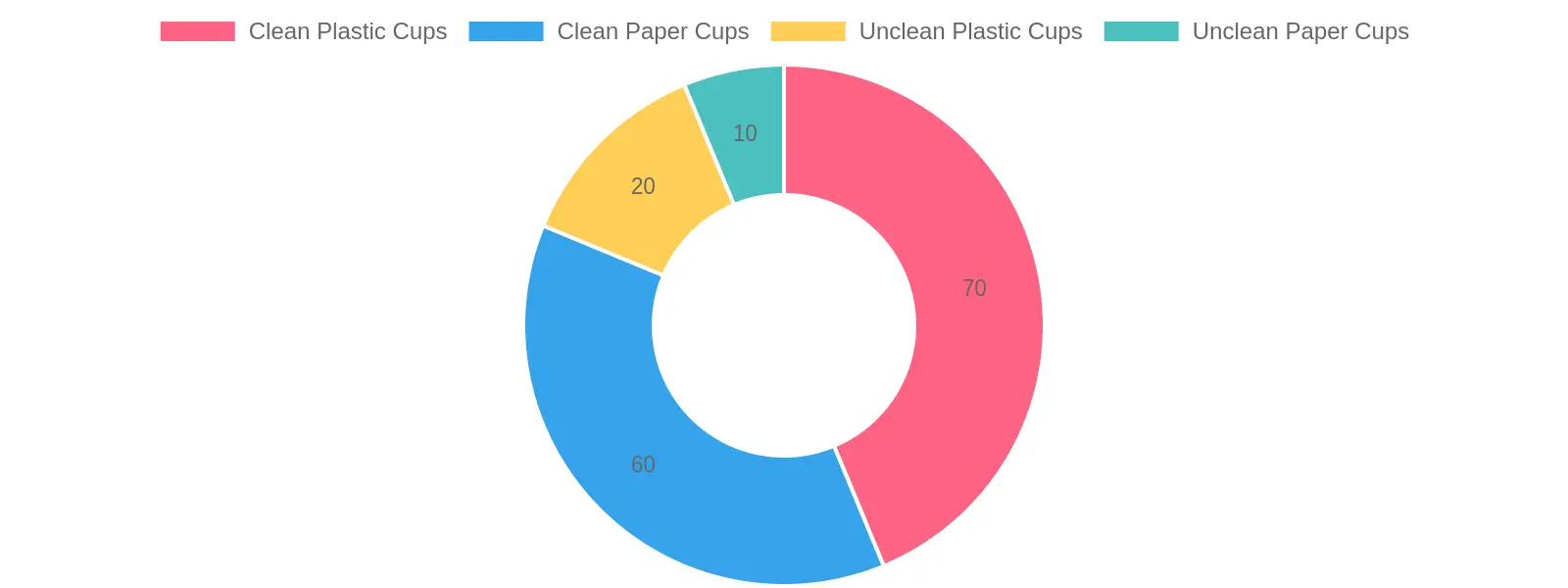
Understanding customer preferences is crucial for beverage shops. The following chart illustrates a hypothetical survey on how customers feel about cleanliness concerning cup types.
Survey Insights:
- Clean Plastic Cups: Preferred by 70% of respondents, highlighting the importance of cleanliness.
- Clean Paper Cups: Favored by 60%, showing that material type matters to customers.
- Unclean Plastic Cups: Only 20% are indifferent, emphasizing the need for hygiene.
- Unclean Paper Cups: A mere 10% reflect tolerance for less clean options.
For more insights on cup options, check out our paper cups to suit your customers’ preferences.