
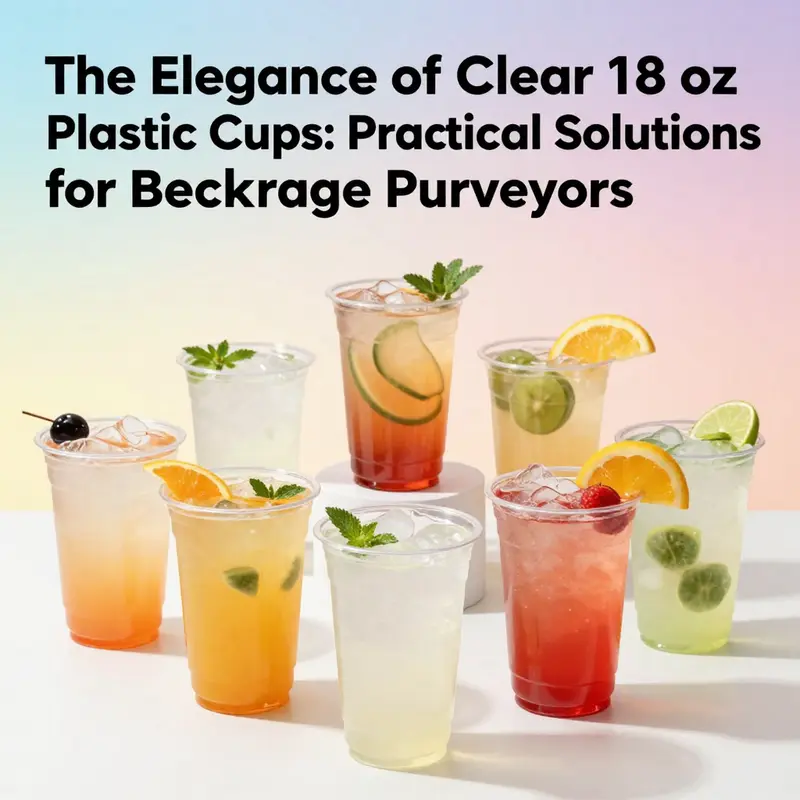
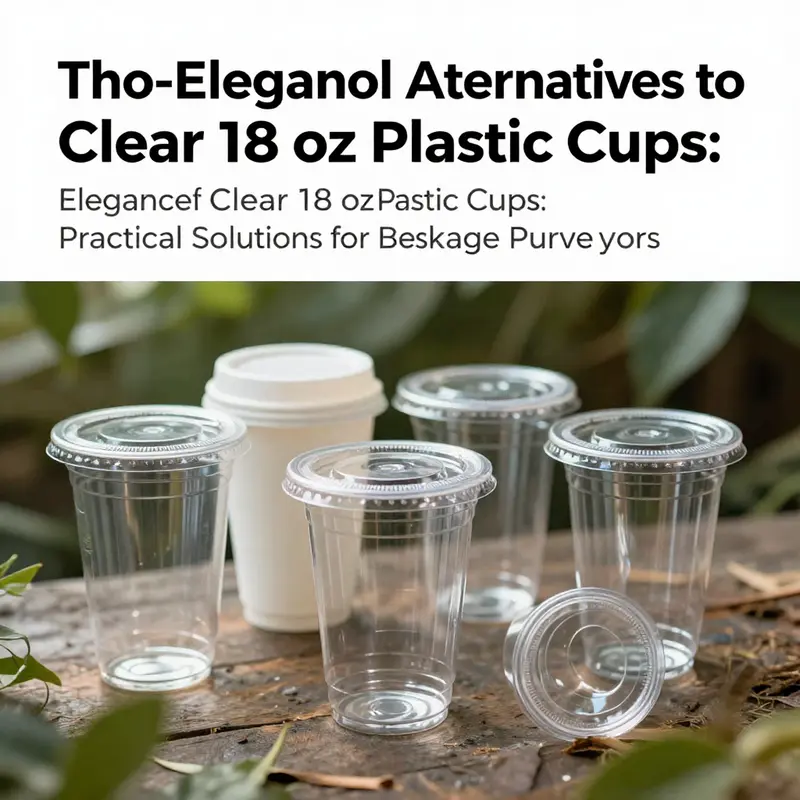
Clear 18 oz plastic cups are a staple for beverage service connoisseurs, seamlessly blending functionality with style. These cups not only showcase the vibrant colors of drinks but also cater to a variety of events, from upscale weddings to casual food truck gatherings. As we delve into their versatility, material choices, durability, and eco-friendly options, it will become evident why these cups are favored by bubble tea shops, restaurants, and event planners alike.
Crystal Clarity at the Table: The Versatile Role of 18 oz Clear Plastic Cups in Modern Event Planning
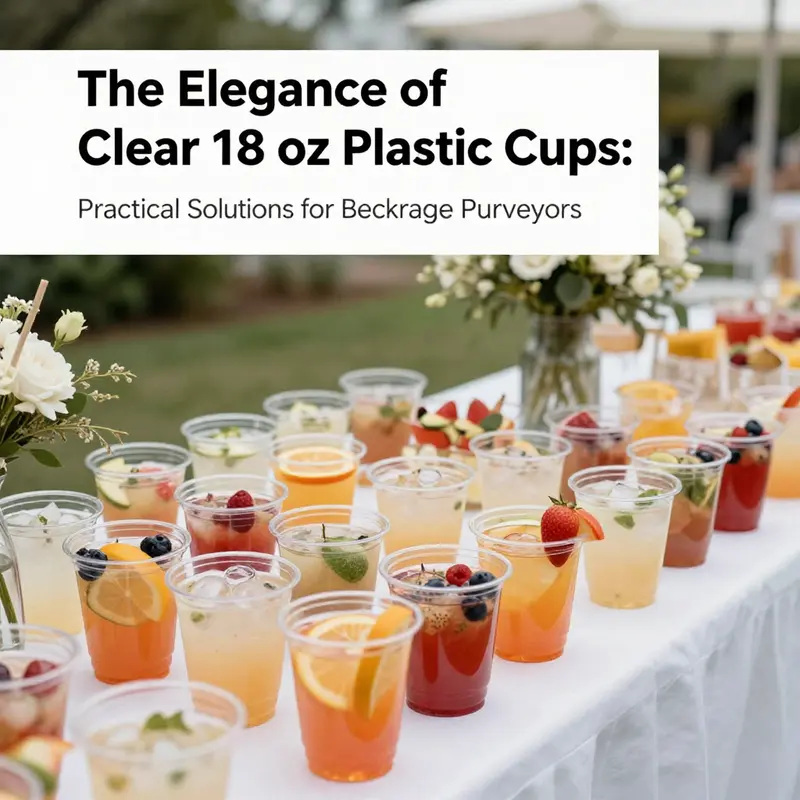
Clear 18 oz plastic cups carry more than a simple function; they embody a design choice that quietly elevates the entire dining or drinking experience at events of all kinds. Their appeal rests on a combination of visual clarity, practical utility, and reliability that event planners have learned to count on. When guests approach a beverage station, the first impression often comes from the glass-like transparency of the cups, which allows the color, texture, and even the carbonation of a drink to speak for itself. This is not merely about aesthetics. The visibility of the beverage inside the cup helps guests quickly identify what’s being offered, which in turn speeds service and reduces confusion during a busy reception or a long buffet line. In settings ranging from weddings and corporate functions to festivals and family celebrations, the apparent simplicity of a clear 18 oz cup belies a careful alignment of form and function that planners leveraged long before the trend toward more elaborate glassware became standard in every venue.
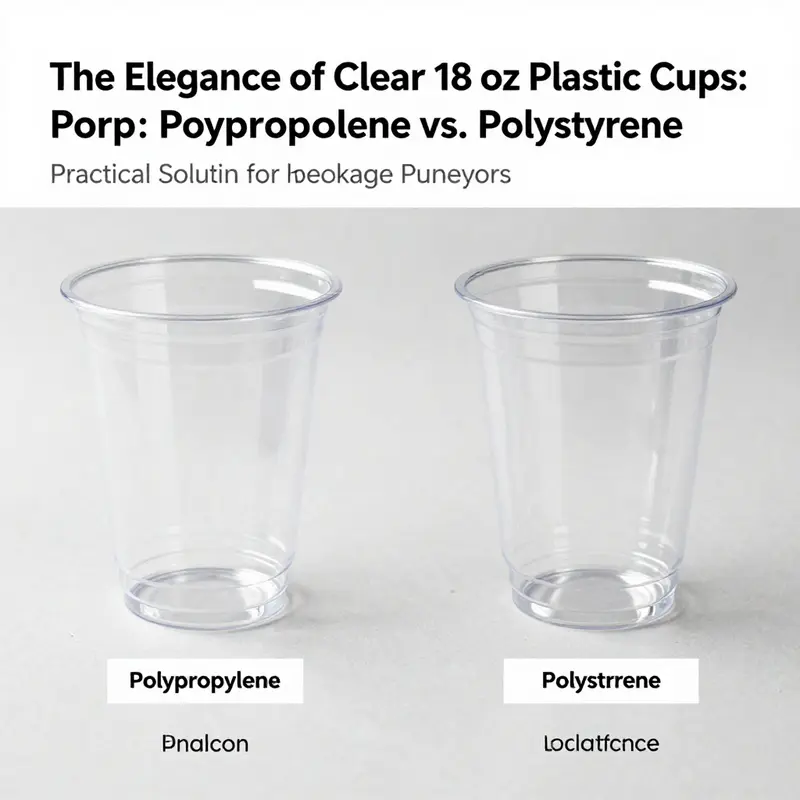
The material science behind these cups usually points to polypropylene (PP) or polystyrene (PS). Each material brings its own balance of clarity, rigidity, and chemical compatibility with beverages. PP offers lightweight durability and a higher resistance to liquids and impact, which translates into fewer broken cups during bustling moments and easier stacking in storage. PS, known for its exceptional clarity, enhances the “glass-like” experience when held up to the light or mingled with ambient color from the drink station. The difference may seem subtle, but in a room where lighting, decor, and tableware mingle to create mood, the choice between PP and PS can influence perceived quality. The outcome is a cup that makes the beverage appear more inviting, and in a social setting, that visual appeal often translates into better guest satisfaction.
The brilliance of the 18 oz size also deserves attention. It’s large enough to accommodate generous pours and beverages that benefit from a little room—think sangrias, juice blends, or cocktails with a splash of garnish—without feeling unwieldy in guests’ hands. The 18 oz capacity aligns with how many hosts plan hydration and flavor variety in casual gatherings, while still fitting neatly into the standard banquet or buffet flow. Clear cups of this size become a versatile canvas: they can hold water, soda, iced tea, lemonade, or a lighter wine or spirit-based beverage, and they can even be used for edible treats when served with the right accessories, such as a dessert sauce swirled at the bottom or a layered parfait-style presentation. In this sense, the cups feel almost like a stage set for the drinks themselves, enabling the color, aroma, and texture to do much of the speaking for the event’s overall theme.
Durability and safety are crucial in event planning, and clear 18 oz cups deliver on both fronts in practical, everyday terms. Their shatterproof character reduces the risk of injury and mess during crowded cocktail hours, outdoor tastings, or venues where guests move between spaces. This reliability is not simply about preventing breakage; it’s about enabling a smoother guest experience. When servers and bartenders are juggling plates, mixers, and ice, having a cup you can trust reduces workflow interruptions. For organizers, that translates into more consistent service times, fewer interruptions, and a calmer, more controlled environment. The cups’ sturdiness also supports efficient cleanup after large gatherings. They’re designed for quick disposal and simple post-event disposal, which is a major advantage for caterers and venues facing tight turnaround windows.
Yet, within the broad appeal of clear 18 oz cups lies a practical caveat that hosts must observe. Like many disposable plastics, these cups are typically not intended for hot liquids. The risk of warping, deformation, or potential substance migration during high-heat scenarios means they are better suited to cold or room-temperature beverages. This guidance matters in ice-breaker events, summer receptions, or outdoor festivals where hot drinks might be offered briefly or during a late-night coffee service; planners may wish to reserve specialty cups for those purposes or confirm heat-tolerance specifications with their supplier. In a well-managed event, this clarity about limits becomes a comfort because it reduces the chance of a beverage-related mishap and helps maintain the integrity of the serving stations.
From a sustainability perspective, the story of 18 oz clear cups is increasingly nuanced. The industry has begun to offer options that blend performance with environmental responsibility. Some manufacturers now incorporate recycled content into clear cups, including materials with recycled polypropylene or RPET content. A notable development is the integration of around 20 percent recycled content in certain formulations, which reduces the demand for virgin resin without compromising the clear appearance or the functional integrity of the cup. For planners who want to balance elegance with eco-conscious choices, these options represent meaningful progress. It’s worth noting that the sustainability equation extends beyond recycled content. Some brands explore biodegradable or compostable variants derived from plant-based materials like PLA. While these alternatives can be appealing for events with strong green credentials, they may come with tradeoffs in terms of flexibility, heat resistance, and overall performance, especially under heavy use or repeated washing in reusable-program setups. The decision to select clear cups with recycled content versus biodegradable alternatives often hinges on the venue’s waste infrastructure, partner guidelines, and the event’s overall sustainability narrative.
Stock management and packaging practicalities are another layer of the equation. Clear 18 oz cups are typically sold in convenient pack sizes that align with event scale and staffing rhythms. Pack sizes around 24 or 25 cups per unit simplify inventory planning for mid-to-large events and help ensure that stations stay replenished without overstocking. For caterers and venues that operate at speed, predictable packaging translates into fewer trips to the storage area, less time spent counting stock, and more time focusing on guest experience. The ease of disposal at the end of an event also smooths the transition from service to breakdown, which in turn supports a faster, more organized cleanup process.
For event planners who want the full spectrum of beverage-serving options, the landscape offers both continuity and variety. The classic clear 18 oz cup remains a dependable baseline—an instrument that works across themes and settings. It pairs harmoniously with a wide array of tableware, linens, and centerpieces, providing a neutral, elegant backdrop that lets beverages take center stage rather than the vessel. Its transparent character highlights color and garnish tips, which is particularly valuable at weddings or corporate functions where color-coded drink stations convey mood or signaling. A guest can discern a citrus-hued punch from a blueberry-tinted mocktail at a glance, which can subtly streamline service flow and reduce the cognitive load on both guests and staff.
The versatility of these cups also invites experimentation with presentation. They can serve as a canvas for layered drinks, where a copper-toned or emerald liquid peeks through a crystal-clear container, inviting curiosity and conversation. The cups’ simple geometry—no ornate rims or unconventional shapes—facilitates uniform stacking, which helps with storage efficiency and reduces the risk of miscounting inventory during a hectic setup. In the planning phase, this predictability matters. It means the procurement team can forecast needs with confidence, reducing the likelihood of last-minute substitutions that could disrupt the event’s visual continuity or budget.
The practical magic of the 18 oz clear cup extends to accessibility and inclusivity as well. The generous capacity allows for generous pours, which reduces the need for refills as frequently as smaller cups might require. That translates into fewer service interruptions and a more fluid guest experience, particularly in large gatherings where lines can move slowly. For attendees who rely on assistance at the bar or beverage station, clear cups provide a straightforward, easy-to-identify vessel that’s simple to grip and use. The unobstructed view of the drink inside also reinforces trust; guests can see the level of liquid, the ice, and any garnish at a glance, which contributes to a perception of honesty and transparency in the service style.
As with any disposable solution, responsible sourcing and lifecycle considerations matter. The modern event ecosystem increasingly recognizes the value of recycled-content options that maintain clarity and durability. At the same time, there is a growing curiosity about compostable or biodegradable alternatives, especially for outdoor festivals or events with on-site composting capabilities. Planners can balance these considerations by selecting cup options that align with the venue’s waste stream and post-event cleanup plan. They can also weigh the tradeoffs between cost, durability, and environmental impact when choosing between traditional clear cups and greener alternatives. In practice, this means asking suppliers for detailed material declarations, checking compatibility with the event’s cleaning protocols, and confirming compliance with any venue or local regulations around plastics use and waste.
For readers exploring adjacent packaging choices, a relevant internal resource highlights how disposable cups interact with broader take-away packaging ecosystems. The linked guide on eco-friendly disposable cups and related designs offers additional context about customization, branding opportunities, and the shifting landscape of single-use and reusable options. You can explore this resource here: senang-disposable-double-wall-craft-paper-cups-multi-size-6-24-oz-custom-logo-for-coffee-tequila. While these cups differ in material and use case from clear plastic cups, they illustrate how event professionals weigh aesthetics, function, and sustainability when building a cohesive service environment. The point is not to replace one with the other, but to recognize the spectrum of disposable and semi-disposable options available to match the event’s design language and logistical constraints.
In the end, the decision to use clear 18 oz cups is a choice that blends practical confidence with visual clarity. They are not merely vessels; they are components of a carefully choreographed event system. They help beverage programs stay legible, efficient, and elegant, even as the pace of a celebration or conference quickens. The ability to see the drink inside, combined with reliable performance and manageable packaging, makes these cups a resilient cornerstone of modern event planning. They support both the practical realities of service and the aspirational aspects of design, where guests judge ambiance not just by what is served, but by how smoothly it circulates through the room. And when the event ends, the straightforward cleanup and disposal simplify the post-event phase, allowing organizers to transition from celebration to close-out with clarity and calm.
External resources and broader context continue to evolve as materials science and sustainability conversations advance. Planners who want to keep pace with these developments can consult industry updates and retailer guidance to ensure their choices reflect current best practices and the evolving expectations of guests. For more on how disposable tableware choices line up with real-world product variants and supermarket availability, see the external reference at Walmart detailing 18 oz clear disposable cups. This resource provides practical examples of packaging formats and stock-keeping patterns that can inform procurement strategy and on-site logistics: https://www.walmart.com/ip/Solo-Disposable-Plastic-Cups-Clear-18oz-24-count/103672443.
null
null
Crystal Clarity and Durable Confidence: A Practical Look at 18 oz Clear Plastic Cup Safety
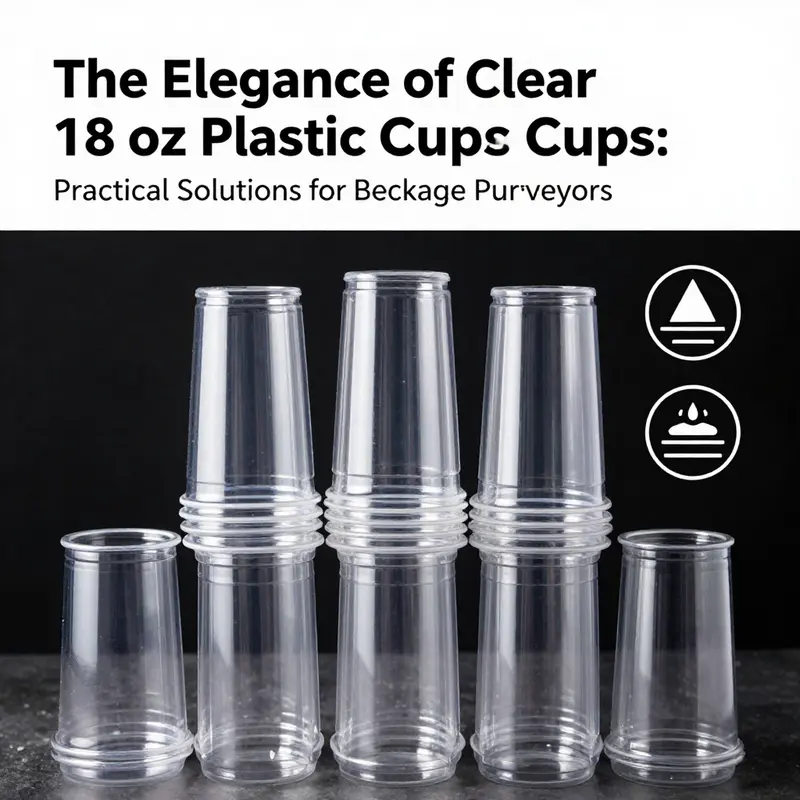
Clear 18 oz plastic cups sit at the intersection of practicality and presentation. Their transparent silhouette lets the beverage color shine, a quiet but powerful advantage in service settings. Behind that glassy surface lies a balance of materials, safety, and lifecycle thinking. When planning an event, hosts choose not only a vessel but an experience. The discussion here examines what makes these cups reliable by looking at the material, safety standards, and reuse considerations. The two most common materials are polycarbonate (PC) and polyethylene terephthalate (PET), each offering different strengths. PC cups deliver high impact resistance and durability, suited for outdoor venues and high-traffic service where breakage is a concern. However, heat tolerance is limited and older BPA concerns have pushed many manufacturers toward BPA-free formulations. For hot drinks, use cups rated for hot liquids, or choose a different material.\n\nPET cups are typically lighter, clear, and ideal for single-use or light-duty use. They resist breaking and provide good visibility for colorful drinks, making them popular for casual events. But they don’t match PC in repeated stress resistance, so if reuse or rough handling is anticipated, PC may be preferable. In safety terms, PET cups are widely accepted for cold drinks and food contact, while PC safety discussions focus on BPA status and heat-related considerations. Always check labeling and certifications for food safety.\n\nCleaning and reuse are practical considerations: harsh dishwashing and repeated cycles can degrade surface clarity and introduce micro-scratches that harbor residues if not cleaned properly. PET cups are generally intended for single use, while PC cups can be cleaned and reused in appropriate settings with proper inspection and sanitation protocols. Environmental considerations also come into play: PET’s single-use tendency can generate more waste, while PC offers reusability but requires robust cleaning and careful handling to avoid heat-related safety concerns.\n\nPractical guidelines for planners: choose well-labeled BPA-free options when possible, match the cup to the beverage and service context, plan for cleaning or disposal, and balance cost with durability and safety. For hot beverages, pick a cup designed for hot liquids or consider a material with proven heat resistance. Finally, remember that the broader ecosystem is evolving, with many brands offering recycled or plant-based variants that may trade some performance traits for sustainability.\n\nFor further reading, a broader resource on cup materials and safety can provide technical details and current standards, complementing the everyday considerations discussed here.\n
null
null
Final thoughts
Clear 18 oz plastic cups stand out for their multifunctional capabilities and aesthetic appeal. Catering to the specific needs of various beverage services—from bubble tea shops to event planners—these cups provide both practicality and elegance. As we consider durability, safety, and even eco-friendly choices, it is clear these versatile cups meet a diverse array of customer preferences and environmental considerations, making them a top choice for your next event.