

For bubble tea shops, catering services, and event planners, the right servingware is crucial. Clear hard plastic 4 oz punch cups stand out for their versatility, making them an essential choice for various occasions. As we delve into the importance, versatility, sustainability, cost-effectiveness, and trends surrounding these cups, you’ll see how they can enhance your service offerings—from festivities to corporate events. Let’s explore their numerous benefits and how they can positively impact your business.
Seeing the Sip: How Clear Hard Plastic 4 oz Punch Cups Elevate Event Experiences
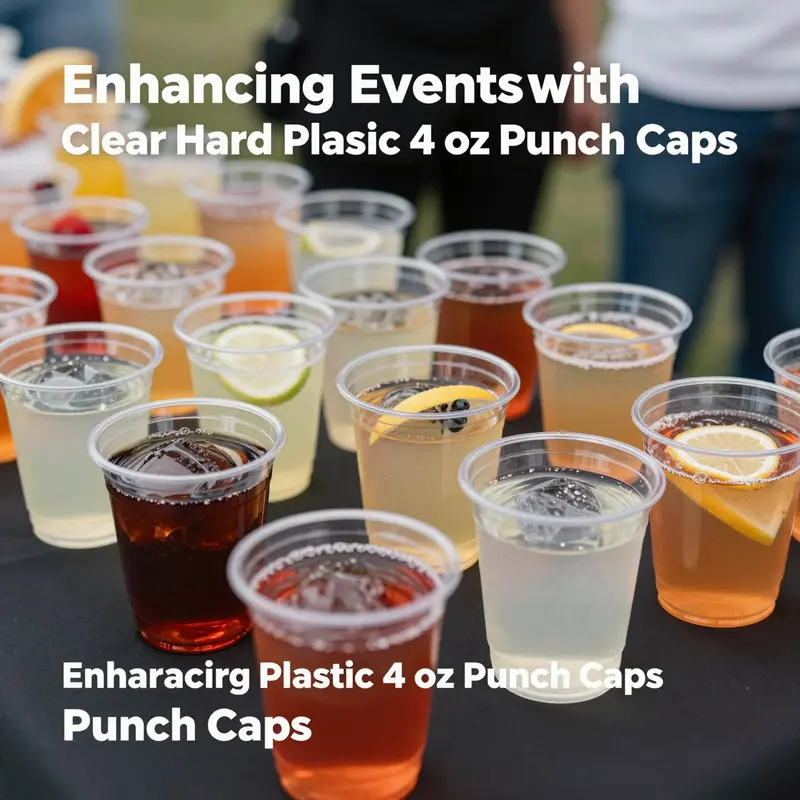
In the mosaic of an event, there are elements that guests notice and others they simply experience. The small 4 oz clear hard plastic cup sits in the first category, quietly shaping moments without demanding attention. Its significance emerges not from novelty, but from a quiet alchemy of visibility, practicality, and ease. A beverage captured in a transparent shell invites color, clarity, and texture to do the talking. Guests notice the hue of a punch, the shimmer of a sparkling mocktail, or the depth of a dark mixer as it threads through a well-curated display at a buffet. In that moment, the cup becomes more than a vessel; it becomes a stage light that reveals the drink as it is, enticing guests to sample, compare, and savor. The 4 oz size is deliberate—small enough to encourage tasting, large enough to feel substantial. It creates a rhythm at the table, where guests move from one station to the next, sampling a spectrum of flavors without commitment. The experience, in essence, pivots on the clarity of the cup, which frames the drink with honesty and precision, allowing color, aroma, and sparkle to carry the narrative of the beverage itself.
The practical design of clear hard plastic in a modest 4 oz form is a quiet triumph of balance. The material is typically chosen for its rigidity and clarity, often a form of PET or PP that resists bending under weight or pressure. This rigidity matters in busy settings where cups are passed along a line, stacked for transport, or perched on risers at a self-serve station. The visibility is more than aesthetic; it is functional. When the cup is transparent, guests can instinctively identify their drink by its color and transparency, a small but meaningful cue that speeds service and reduces misreads in crowded rooms. The simplicity of the design—straight sides that taper slightly toward a stable base—offers a confident grip, reducing slips and spills when hands are full of food or other beverages. In outdoor environments, where wind or uneven surfaces can threaten a gathering, this sturdiness matters just as much as presentation. A rigid cup resists the wobbles that unsettle a party, and the base provides a steadier foothold on a windy patio or a sunlit lawn. The result is a service that feels calm and controlled, even amid the noise and movement of a bustling event.
Aesthetics often rides hand in hand with efficiency. The clear cup showcases the drink’s appearance in a way that opaque or patterned disposables cannot. Guests can judge the drink by its color, clarity, and even the presence of fruit slices or herb sprigs that might be used as garnish. The glass-like optical quality of the plastic enhances this visual reading, and the overall impression remains elegant without demanding expensive glassware or fragile porcelain. This is particularly important when the event aims for a polished table setting that remains accessible and practical. A table of clear cups, aligned with a clean, minimalist palette, communicates organization and hospitality. It signals to guests that the host has considered the guest experience from the first glance at the drink station to the final sip. The cups thus function on multiple levels: they are both practical workhorses and subtle aesthetic contributors, quietly elevating the perceived quality of the beverage program.
Logistics play a starring role in why these cups are so widely adopted for events of all sizes. They are lightweight and packable, enabling efficient storage, shipping, and restocking. In large gatherings, the ability to stock up in bulk reduces the risk of shortages and minimizes restocking interruptions during peak service times. The disposability eliminates the labor associated with washing, drying, and returning glassware, which translates into tangible savings in time, space, and personnel. This is especially valuable for outdoor events, where on-site dishwashing is impractical and the chance of breakage is ever-present. The combination of portability and ease of cleanup helps organizers redirect attention to guest experience, programming, and flow rather than inventory maintenance. The price point, while contingent on material quality and packaging scale, is typically favorable for large orders, enabling venues, caterers, and planners to deliver consistency at scale.
Beyond practicality, environmental considerations have become embedded in this category of cups. Manufacturers increasingly offer variations that address sustainability concerns without sacrificing performance. Some cups are designed to be recyclable, using clear PET or polypropylene that can re-enter recycling streams after use. Others incorporate post-consumer recycled content, providing an avenue to reduce virgin material demand while maintaining crisp clarity. For events that aim to minimize waste or align with green policies, these options present a meaningful choice: keep the positive attributes of disposability—convenience, speed, and cleanliness—while reducing environmental impact. In planning an event, hosts often weigh the trade-offs between single-use convenience and the evolving responsibilities toward responsible consumption and waste management. The conversation around clear hard plastic cups, in this sense, intersects with broader questions about material science, circular economy practices, and the evolving expectations guests bring to modern gatherings.
Another layer of value lies in the cups’ role within a broader table and venue narrative. A cohesive look across serving ware—clear cups, neutral-toned napkins, and a restrained color palette—can unify a space without overpowering it. The clear cups act as a neutral stage for the drink, allowing garnishes, color from fruit, or layered ingredients to become the focal point. This subtle synergy is important for hosts who wish to convey hospitality and care through the entire beverage experience. In buffet lines or drink stations, the uniformity of 4 oz clear cups helps create predictable sightlines that guests quickly grasp. A well-organized display reduces hesitation, which in turn accelerates service and sustains energy on the floor. The guest journey becomes smoother as individuals glide from one drink option to another, each cup providing a consistent sensory cue while preserving the excitement of discovery as new drinks come into view.
In the realm of packaging and event support, the interplay between clear visibility and disposable practicality has produced thoughtful designs that extend beyond the cup itself. The concept of pairing transparent containers with easy-to-handle materials has inspired innovations in how drinks are presented, portioned, and served. To explore a related approach that blends clear materials with practical packaging, consider this example of clear plastic and related packaging solutions: disposable-biodegradable-kraft-paper-matt-lamination-clear-plastic-combo-pastry-dessert-tiramisu-cake-food-container-packaging. This reference points to a broader trend in which visibility and disposability cooperate with sustainability considerations to support efficient, visually coherent event experiences.
For readers seeking external context on the material and market for clear plastic punch cups, a comprehensive resource in the global supplier landscape provides data and product specifications that reinforce the practical and visual points discussed here. External resource: https://www.alibaba.com/product-detail/Clear-Plastic-Punch-Cups-Durable-PET-Plastic_1600537288897.html?src=1&spm=a2700.100194.0.0.4c2b3f5aLpJHnZ&albCatId=200000152
Versatility of Clear Hard Plastic 4 oz Punch Cups for Drinks and Snacks
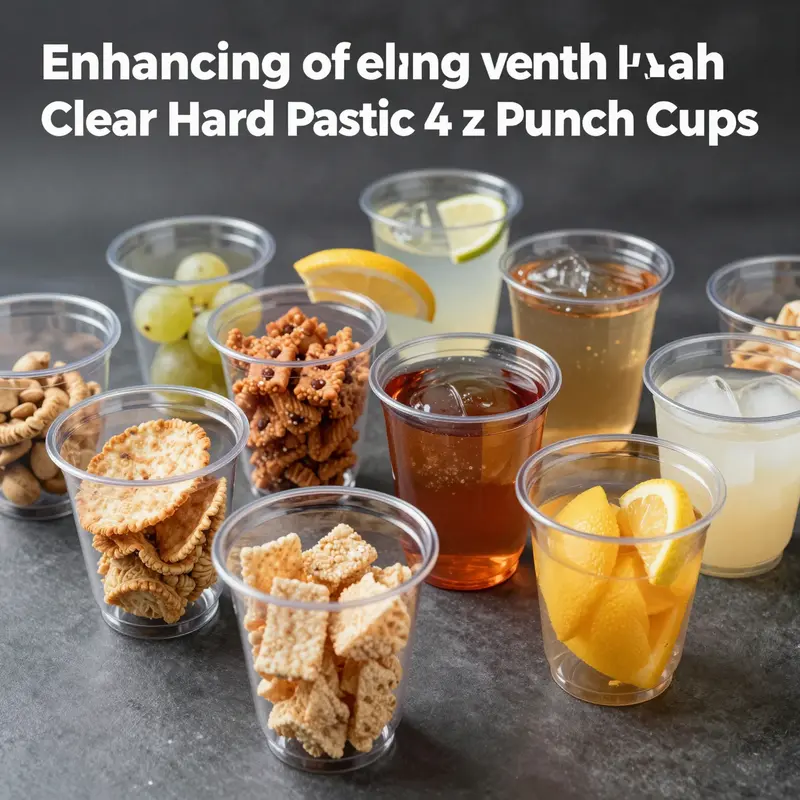
Every well-run event hinges on the small choices that disappear into the background and let the moment shine. Clear hard plastic 4 oz punch cups rise to that challenge. They are light enough to pass hand to hand, sturdy enough to endure a crowded buffet line, and clear enough to let the drink—or the snack—breathe in living color. In a space brimming with color, lighting, and aromas, these cups behave like a blank canvas. They preserve the integrity of the beverage while offering a practical, disposable footprint that helps planners keep the flow moving smoothly. The beauty of their design lies not in the notoriety of a fancy glass but in reliability: a clean, crisp silhouette that can go from a formal cocktail hour to a casual backyard party without clashing with the mood. They are a quiet workhorse in the toolkit of event presentation, where the goal is seamless service and simple cleanup rather than spotlight-stealing grandeur.
Material and construction carry a quiet confidence. The cups are crafted from a rigid, transparent plastic that resists bending when they carry a steady pour or a handful of ice. The clarity is more than aesthetic; it enhances the perception of freshness by letting drinks glow in their natural hues. The BPA-free formulation addresses safety concerns that accompany other disposable options, offering peace of mind during long events or intimate gatherings alike. When the evening shifts toward dessert service or a late-night tasting station, the freezer-safe property becomes an advantage: guests can sample frozen treats or chill ingredients on-site without compromising the cup’s integrity. This combination of sturdiness and clarity creates a practical stage for a wide range of beverages and bites, from a sunlit lemonade at a summer barbecue to a polished iced tea for a formal reception.
On the beverage front, the presentation matters as much as the pour. A proper cocktail might catch the eye not only with aroma and balance but with the way its color plays against the transparent walls. The ice, the citrus twist, the hue of the mix—all become part of the visual narrative when served in a four-ounce clear cup. For non-alcoholic fare, a vibrant fruit-infused water or a bright, sparkling lemonade looks inviting as guests move through stations or gather in clusters for conversations. The small size invites guests to explore multiple options without overindulgence, and the transparent walls help guests assess the drink’s clarity and texture at a glance. In tasting or sampling settings, these cups excel because they encourage curiosity and a steady pace, allowing a lineup of options to be enjoyed without overwhelming the palate.
Portion control is another salient advantage. Four ounces provides a repeatable, predictable measure that simplifies planning, especially when coordinating dozens or hundreds of servings. This consistency reduces waste and supports dietary considerations, making it easier to align menu planning with guest needs. The cups also serve as snack containers that adapt to many situations. A dollop of salsa with tortilla chips, a petite scoop of guacamole with a crisp chip, or a small side of olive tapenade can be arranged in a tidy, grab-and-go format. Buffets benefit from this approach; cups help minimize cross-contamination and keep the table neat, reducing the need for heavy plates or forks while maintaining a social, sharable atmosphere. The same logic extends to warm-weather events outdoors, where quick-access portions curb the risk of spills and crowding around a single serving station.
Desserts and sauces find a natural home in the same form. Jello shots, mousse, or layered puddings trace delicate layers of color within the clean, transparent walls, turning a simple dessert into a small, celebratory moment. Tiny parfaits or fruit compotes can be presented as a flight of choices, inviting guests to sample several flavor profiles in quick succession. For sauces, condiments, or dips—think tangy salsa, smooth guacamole, or a creamy yogurt dip—the cups offer instant, hygienic access. Guests can cultivate their own tastes without rummaging through communal bowls, which elevates both speed and perceived safety at larger gatherings.
The versatility of these cups extends beyond the actual food or drink to the ease of logistics. They are compatible with indoor venues and open-air venues alike, able to withstand a range of temperatures that might challenge more fragile wares. Their rigid structure reduces the risk of spill during heavy foot traffic, and their disposable nature reduces the burden on staff during teardown. This practicality is particularly valuable in events that juggle multiple serving stations, where quick replenishment and swift cleanup can determine overall guest satisfaction. Even when the plan shifts—perhaps a late addition of a dessert buffet or an impromptu tasting bar—the cups adapt without requiring a wholesale reconfiguration of serviceware. In that sense, they function as a flexible backbone for a host who values adaptability as much as presentation.
Beyond the immediate function, the cups carry a design logic that enhances the event experience. Their clear walls create minimal visual noise, allowing brand colors, garnishes, or menu signage to take center stage in a cohesive aesthetic. When paired with a straightforward color-coding system or simple labeling, the cups help guests identify their selections quickly, reducing lines and confusion. This subtle clarity is often what elevates a gathering from good to memorable: a sense that every detail, however small, has been considered and coordinated without fanfare. While everything else on the table might be themed, the clear cups themselves remain a dependable, neutral stage upon which color, flavor, and personality can perform without distraction.
In thinking through the broader implications for event planning and everyday use, these cups embody a philosophy of efficiency without compromise. They support quick service, uphold hygiene standards through individual portioning, and enable creative presentation without demanding costly or fragile pieces. They offer a way to manage servings with precision while also inviting guests to explore flavors in a relaxed, convivial tempo. For professionals orchestrating weddings, corporate events, or community gatherings, the cups become less about the vessel and more about what the vessel enables: fluid movement, joyful sampling, and a clean, coordinated table that invites guests to linger and talk rather than wait in line. In quieter terms, they are a reminder that the best hospitality often rests in the quiet reliability of everyday tools that do their job well, every time.
For readers who want to explore the technical side of clear plastic cups and understand how material choices influence tasting experiences, a comprehensive guide to technical specifications, grades, and application techniques offers useful context. It delves into considerations that affect clarity, rigidity, and safety in disposable cups, helping planners select options that align with their event goals. https://www.benjaminross.com/blog/understanding-clear-plastic-cups-for-tasting/
Clear Plastics, Quiet Footprints: Reconsidering the Sustainability of 4 oz Punch Cups
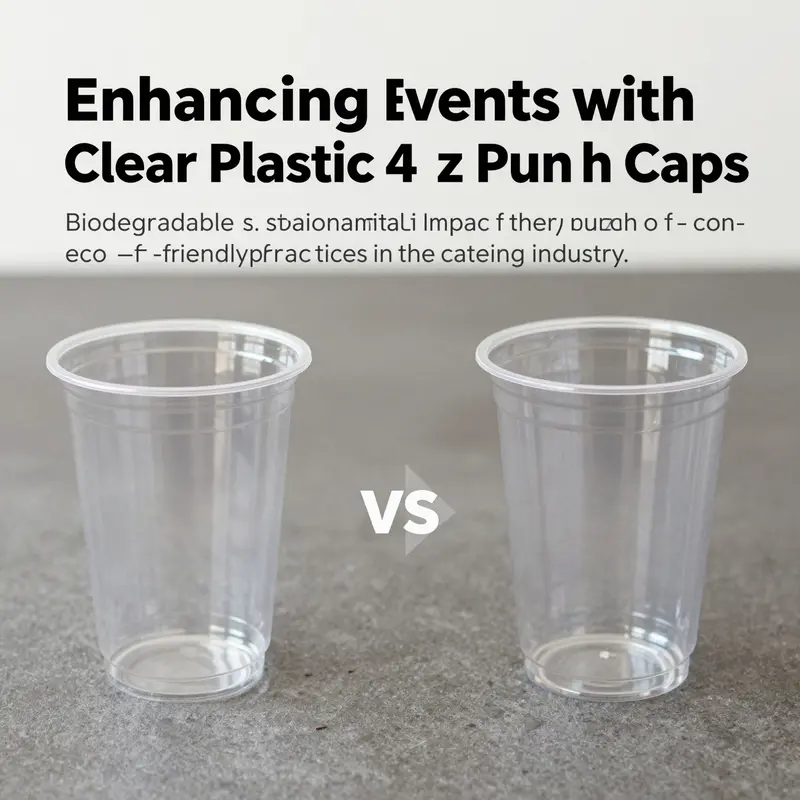
Clear hard plastic 4 oz punch cups power many gatherings with a simple promise: a neat, hygienic, disposable vessel for small servings that keep beverages cold, colorful, and easy to transport. Yet underneath that promise lies a more complex story about materials, waste, and the invisible costs of convenience. Most of these cups are made from common plastics such as polypropylene or polystyrene. They are chosen for their clarity, rigidity, and low cost, but those benefits come with a trade-off: persistence. PP and PS do not biodegrade in natural environments, and they resist breakdown over years in a landfill. The very clarity that makes a punch cup appealing also signals a longer life for the material in the wrong setting. When a cup is used once and discarded, its fate is often determined by recycling streams that, in practice, struggle with contamination from leftover drinks and food, as well as limited infrastructure in many regions. The result is a substantial portion of these seemingly small items ending up in landfills or as litter, rather than re-entering a productive loop.
The environmental footprint of clear plastic punch cups extends beyond the act of disposal. The journey from raw petroleum to finished cup involves resource extraction, polymerization, and a manufacturing process that consumes energy and emits greenhouse gases. We tend to think of the impact in terms of the end point—trash—but the lifecycle touches every stage: the energy mix powering factories, the freight that moves fragile, breakable products across long distances, and the packaging that protects these cups during transit. The lightweight nature of a 4 oz cup helps reduce weight, but it also means that a large number are needed to serve the same volume at a big event, multiplying the total footprint even when individual items seem small. In this way, the scale of usage matters as much as the material choice.
The practical reality at events and venues is that these cups are designed for speed and convenience. They are often marketed as single-use and are frequently used without lids, which simplifies handling in crowded spaces but compounds waste management challenges after the event ends. Even when recycling programs exist, contamination from beverage residues can make a batch unrecyclable. In many municipalities, PS and PP are accepted only under specific conditions, and not all facilities have the capacity to separate the streams needed for true circularity. The gap between ideal recycling guidelines and on-the-ground realities means that, in practice, many cups do not complete a closed loop. The environmental narrative then becomes not just about the material’s chemistry, but about the system that processes it—how efficiently it collects, cleans, and reinserts materials back into production, and how it communicates the story of waste to consumers and organizers.
This is where the dialogue about sustainability tends to pivot. A sustainable choice is not merely a matter of picking a cup made from a newer polymer; it is about aligning product design with end-of-life realities. Bioplastics, such as biodegradable or compostable variants, promise a different fate but bring their own caveats. Many compostable options depend on industrial facilities that can maintain high heat and controlled conditions to break down the material. In the absence of those facilities, compostable cups can behave like conventional plastics, lingering longer than anticipated in the waste stream. Paper cups with inner linings offer a different footprint profile but often rely on coatings that complicate compostability and recycling. The cost premium for these alternatives is real, and the return on investment depends on local waste infrastructure, consumer behavior, and the willingness of organizers to invest upfront for a potentially cleaner lifecycle.
For many businesses and event organizers, the clearest path toward responsible stewardship lies in rethinking how cups fit into a broader strategy. Rather than focusing solely on whether a cup is clear or plastic, practitioners can evaluate materials against three practical criteria: end-of-life options, total lifecycle emissions, and the practicality of reuse in their context. Certified compostable cups, where industrial composting is accessible, offer a viable option for some venues, provided there is an effective system for collection and processing after use. Reusable cup programs, including deposit schemes or on-site washing, present another compelling route for high-volume events or venues with dedicated facilities. While the upfront costs and operational demands are higher, the long-term waste savings and potential brand benefits can be meaningful payoffs when organizers are able to demonstrate a commitment to sustainability.
In the meantime, there are meaningful steps that can be taken even within the constraints of traditional disposable cups. At the design level, manufacturers can pursue material formulations that maximize recyclability and minimize contamination risk. Clear labeling about recycling or composting options helps consumers make informed decisions after the event, reducing the likelihood of discarded cups ending up where they cannot be processed. At the planning level, venues can invest in better waste sorting infrastructure and staff training to improve recovery rates. Even simple measures, such as providing clearly marked recycling and composting stations and educating attendees about end-of-life options, can shift the outcome of a single night’s consumption from waste to a resource stream.
The conversation around sustainability also benefits from considering the broader array of cup options available in the market. Eco-conscious suppliers and designers are increasingly exploring packaging ecosystems that blend functionality with circularity. For example, there is growing interest in paper-based alternatives with compostable linings, or in reusable systems where cups are designed to withstand multiple uses and be returned for cleaning. These options tend to carry higher upfront costs, but when viewed through the lens of lifecycle analysis, they can offer more favorable long-term outcomes, especially for organizations that regularly host large events. The best choice is not the same for every situation; it depends on the local waste landscape, the organization’s willingness to invest, and the event’s duration and scale. What remains consistent is the need to move beyond a narrow view of utility toward a more holistic understanding of how a cup’s life story intersects with broader environmental goals.
In pursuing more sustainable practices, it helps to anchor decisions in credible information and practical alternatives. The chapter on sustainable cup options and industry standards offers a fuller map of the landscape, including standards, materials, and processing realities that inform better choices. It is not a call to abandon all convenience items, but a reminder that meaningful improvements come from integrating product design with waste management systems, consumer education, and operational discipline. For venues that want to navigate this terrain, the path forward is gradual and adaptive. It invites experimentation—pilot programs with reusable cups, partnerships with composting facilities, or careful selection of compostable products where appropriate—followed by measurement and refinement.
As a practical takeaway, organizers should treat the choice of a 4 oz clear plastic cup not as a standalone decision but as part of a larger system for resource use and waste management. Clear communication with guests, transparent labeling of end-of-life options, and collaboration with waste processors can transform a disposable item into a component of a more responsible event footprint. When paired with thoughtful design and policy—such as choosing reusable solutions where feasible and selecting certified compostable or highly recyclable options where not—the seemingly small decision to use a particular cup can contribute to a broader shift toward sustainability in foodservice and events. This approach respects the convenience that users expect while acknowledging the responsibility that comes with distributing products at scale.
For readers seeking a deeper technical comparison of cups, materials, and industrial standards, a comprehensive guide to 4 oz liquid cups offers a detailed reference. It outlines the properties, supportive processing information, and practical implications of various cup types, helping stakeholders align choices with real-world capabilities and goals. customized-disposable-single-wall-paper-ice-cream-cups-with-lid-eco-friendly-food-grade provides a concrete example of how eco-friendly design considerations intersect with daily service needs. While not a perfect substitute for every situation, exploring such options can spark productive conversations about how to reduce waste without sacrificing service quality.
Ultimately, the sustainability story of clear hard plastic 4 oz punch cups is not a single sentence, but a changing narrative that depends on materials science, waste infrastructure, and human choices. It asks venues to look beyond the moment of purchase and toward the afterlife of each cup. It invites manufacturers to innovate with end-of-life in mind. And it invites consumers to participate in a process that values both clarity and responsibility, so that the cups we pass among guests today can become the resources we reuse tomorrow. For those who want to explore the broader landscape of packaging options and how they fit into a responsible event strategy, the journey begins with questions about end-of-life options, scales of operation, and whether a given solution truly reduces the net environmental burden when evaluated over its entire lifecycle. In this sense, the quiet footprint of a 4 oz cup becomes a mirror reflecting the larger choices we make about consumption, waste, and stewardship.
External reference for further study: https://www.alibaba.com/product-detail/Comprehensive-Guide-to-4-Oz-Liquid-Cups_1600539827497.html
Economy in a Small Cup: The Cost-Effectiveness of Clear Hard Plastic 4 oz Punch Cups
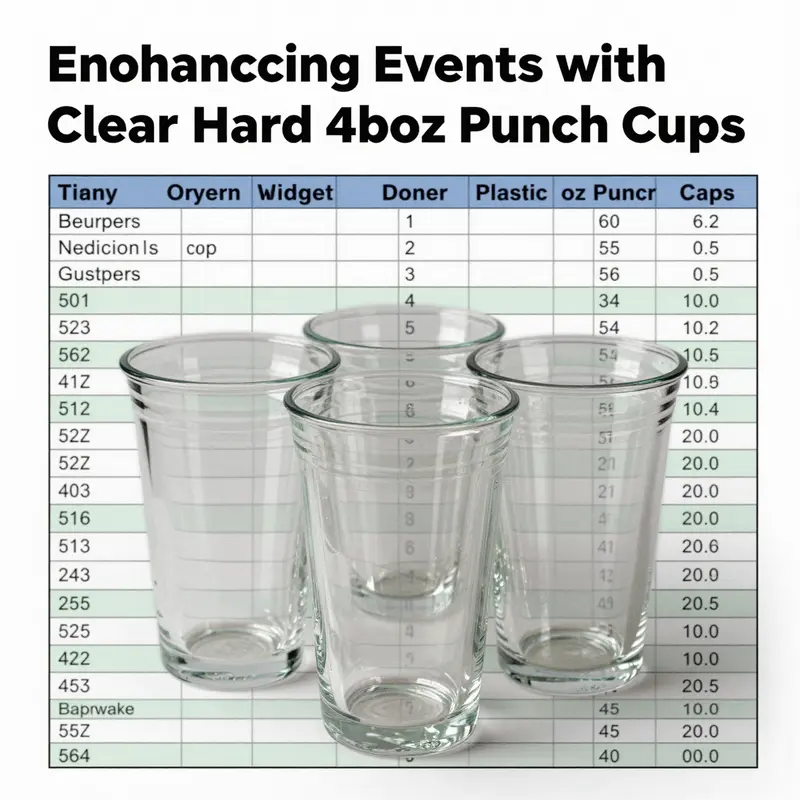
In the bustle of a wedding reception, a corporate conference, or a college fair, the value of a single serving cup goes beyond its appearance. The clear hard plastic 4 oz punch cup is more than a simple container; it is a modular piece of the service chain that shapes how events scale, how quickly guests are served, and how safely beverages move from tray to table. Its clarity turns what could be a plain drink into an inviting presentation, especially when the serving size is small and the flow of guests is rapid. The cup’s role, though modest in size, becomes pivotal when thousands of servings must be managed with precision and minimal friction. This is the kind of ingredient that often goes unseen in event planning, yet it helps turn a good experience into a consistently reliable one.
The heart of its appeal lies in cost, especially when viewed at scale. In bulk, the per-unit price can fall well below a dollar, with reports of as low as $0.77 per cup when purchased in large quantities. That figure matters because it directly affects the bottom line of beverage service, whether you’re stocking a campus cafe, a festival kitchen, or a corporate catering operation. When thousands of cups are needed, that per-unit delta compounds into real dollars saved—dollars that can be redirected toward higher-quality ingredients, more staff on peak nights, or better event experience elements like enhanced presentation or enhanced self-serve stations. It is this arithmetic, done quietly in the background, that makes the 4 oz cup not merely a utensil but a strategic asset in cost management.
Beyond the unit price, the economics of these cups are amplified by their light weight and compact footprint. Shipping costs per case, pallet loads, and storage space all shrink when compared with glass or ceramic equivalents. A pallet of 4 oz plastic cups can be stacked efficiently, taking up far less room than the same volume of heavier ware. This translates to lower warehousing costs and less risk of damage in transit. The savings extend to handling during service as well; lighter loads reduce the strain on workers who must move dozens, even hundreds, of boxes from truck to booth. Add the one-time-use advantage: no washing, no sanitizing cycles, no rack space consumed after service ends. The administrative overhead of cleaning and drying disappears, replaced with a straightforward discard and recycle when local facilities permit. In a world where margin pressure is constant, every ounce of operational simplification translates into measurable, repeatable savings.
Design and performance matter, too. The 4 oz size is ideal for sampling, espresso shots, or small beverages, and the clear plastic showcases color and clarity, letting the drink look appealing without extra adornment. That visual punch matters in crowded service zones where presentation can influence perceived value. Although designed for single use, these cups are engineered to hold liquids without leaking, provided they are not overfilled and are handled with care. That reliability reduces waste from spills and from mis-poured drinks, a frequent source of loss at large events. Their rigidity and stacking efficiency support smooth grab-and-go operations, quiet choreography behind a crowded counter, and predictable loading into transport bins. This predictability—of appearance, performance, and supply—produces a kind of financial calm for operators who must forecast demand and keep lines moving.
In comparing this option to alternatives, glass and ceramic vessels carry not only higher upfront cost but higher risk of breakage and greater demands for washing and handling infrastructure. The energy and water usage associated with cleaning and sterilization add to operating costs that may not be immediately visible on the price tag. At scale, those hidden costs can dwarf the apparent savings of lower unit prices. For event planners and operators, the decision is not simply price per cup; it is the broader cost of service speed, breakage risk, storage, and sustainability considerations. In practice, the cost calculus includes labor hours spent stocking, wrapping, and re-stocking, which, when multiplied by the number of service points and shifts, becomes a substantial line item. The clear, hard plastic 4 oz cup thus acts as a stabilizing factor in the delicate balance between price and service quality.
One practical caveat concerns waste, and here the conversation becomes twofold. The environmental footprint of disposable plastics is a factor for venues with aggressive green policies or for organizations aiming to minimize landfill contributions. Yet the convenience of disposables in high-volume settings cannot be dismissed, and it must be weighed against the operational realities of service speed and guest satisfaction. The balance often falls on using the right product for the right moment: mass-catering events may favor a lower-cost, high-availability option for beverages served in quick-service zones, while premium gatherings might seek alternatives that emphasize reusability or compostable materials. In any case, the 4 oz clear cup remains a staple on planning calendars because it offers predictable results: stable price points, dependable performance, and reliable supply chains across seasons and locations.
For buyers, the procurement strategy matters as much as the product itself. Bulk purchasing requires attention to supplier reliability, packaging integrity, and lead times. The scenario described in the research notes shows that bulk orders can begin at under a dollar per unit when ordered in sufficient quantities, which means lead times and minimum order quantities become the deciding factors. A well-structured supply chain, with early forecasting and a clear usage plan, reduces the risk of stockouts during peak seasons and of overstock after the rush subsides. In practice, planners map consumption by week, compare it to supplier run rates, and align container loads to shipping windows to minimize warehousing costs and avoid expired stock. The result is a disciplined, data-informed approach to procurement that keeps events from stalling because of a single scuffed or delayed delivery.
For those who want to explore related disposable options that might pair with a branding strategy or a different material profile, consider a family of products focused on take-away and branding versatility. senang-disposable-double-wall-craft-paper-cups-multi-size-6-24-oz-custom-logo-for-coffee-tequila This link serves as a reference point for understanding how disposable formats can be aligned with event aesthetics, even as the economy around plastics remains a central driver of quick-service beverage service in many contexts. The broader point is not to replace one material with another in every setting, but to recognize that the economics of disposables stem from a careful orchestration of price, supply, and service flow.
External reference: For current pricing and bulk purchasing options on plastic cups, industry buyers often consult global suppliers and showrooms that aggregate bulk offers. One widely cited resource aggregates a range of plastic cocktail cup options at scale, providing transparent unit costs and shipping configurations that help buyers plan budgets and timelines. This external source illustrates how the economics of disposables are not merely a price tag but a function of supply chain design and market dynamics. https://www.alibaba.com/showroom/plastic-cocktail-cups.html
Crystal Clarity in Celebration Design: The Enduring Rise of 4 oz Clear Hard Plastic Punch Cups
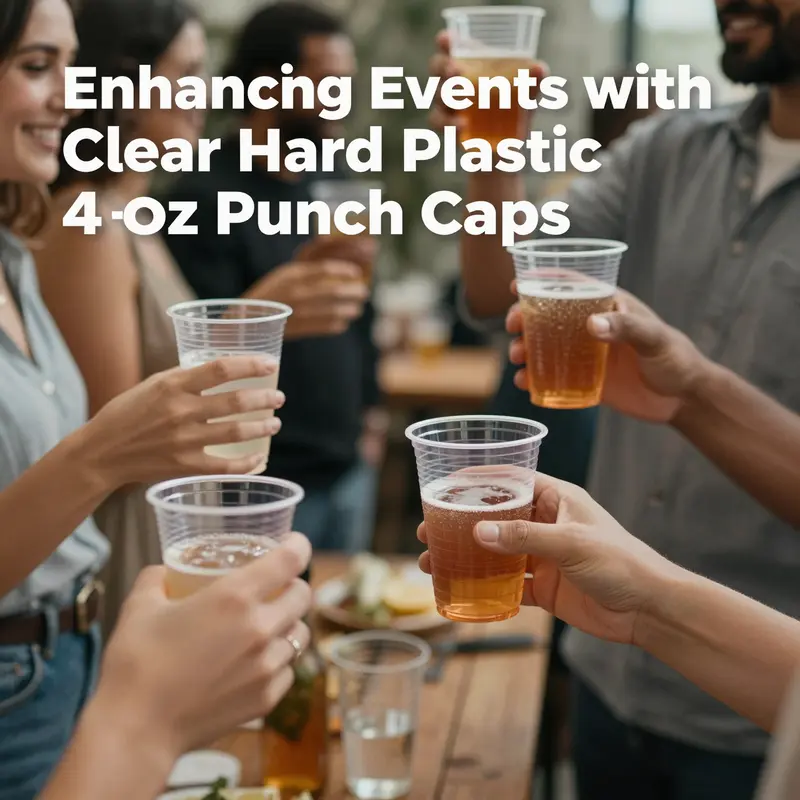
Crystal clarity has quietly redesigned the ritual of gathering. In the realm of party and event planning, the humble 4 oz clear hard plastic punch cup has become more than a disposable vessel; it is a canvas for color, texture, and the choreography of service. When guests approach a station, the first impression comes from the sight of the drink, its hue intensified by the transparent walls that reveal every shade and swirl. The 4 oz size, modest and measured, invites sampling rather than saturation, a feature that matters as planners curate menus of bites and beverages with multiple flavors and themes. In social gatherings as diverse as weddings, birthdays, corporate celebrations, and casual get-togethers, these cups provide a practical equilibrium between elegance and pragmatism. Their form is deliberately unobtrusive, letting the drink itself take center stage while the setting—table linens, florals, lighting, and signage—speaks with its own quiet authority. The cups’ translucence makes a cohesive visual language with punch bowls, tiered beverage stations, and color-coordinated serveware, enabling a cohesive, well-lit table-scape that photographs well and creates memory without competing for attention. The 4 oz dimension is a precise tool in portioning, allowing guests to sample a spectrum of flavors without the heaviness of larger servings. This moderation is not about restraint alone; it is a design choice that aligns with the pace of conversation, the rhythm of toasts, and the practical realities of service at scale. In the hands of a capable caterer or planner, the cup becomes a pragmatic partner in storytelling, guiding guests through a curated tasting journey without overwhelming them with quantity. Aesthetics and practicality converge here: the cups’ clean lines and clear material present a blank yet elegant stage for themed beverages, from citrus-forward punches to jewel-toned mocktails, each hue framed by the glass as if a stage light had been cast on the glass itself. The result is a visual discipline that supports branding, color psychology, and the overall mood of the event without demanding attention through ornate detailing. This balance is especially evident in ceremonies and receptions where mobility matters; servers can circulate efficiently with stacks of cups, avoiding heavy glassware while preserving a sense of ceremony. The ability to pre-fill drinks or stage self-serve stations becomes more than convenience; it becomes a strategic element in crowd management, reducing bottlenecks and ensuring that guests experience steady, controlled portions rather than a chaotic flood of beverages. Beyond the aesthetic, the cups deliver a clear practical value. They are light, stackable, and easy to transport, packing efficiently into bulk shipments and storage bins without occupying vast shelf space. For event teams charged with budgets and timelines, bulk purchases translate into predictable costs, a critical factor when planning large-scale gatherings where every dollar and minute matters. The portability of 4 oz clear cups dovetails with the logistics of large venues, outdoor festivals, and multi-station layouts, where staff can rotate through service points with minimal downtime. In this sense, the cups become part of an efficient system rather than a mere accessory. As sustainability conversations become inseparable from event design, the industry has responded with materials that balance performance and responsibility. Recyclable polymers such as PET and PP have moved to the forefront of disposable tableware, addressing concerns about waste while maintaining the clarity and sturdiness that planners expect. This evolution reflects a broad shift toward eco-conscious manufacturing, where the promise of recyclability is paired with practical attributes such as snap-fit lids, stackability, and compatibility with a wide range of beverages and textures. It also echoes a growing consumer demand for products that align with values of stewardship and resourcefulness, which, in turn, shapes supplier choices and event procurement strategies. At the same time, cost efficiency remains a central driver. The 4 oz clear cup is commonly offered in bulk packs, creating economies of scale that are difficult to achieve with alternative serving options. The packaging often emphasizes stackable geometry, enabling a logistics workflow that reduces both space and handling time. For planners, this means faster setup and teardown, fewer breakages during transport, and a cleaner, more predictable inventory at the end of an event. The financial calculus extends beyond unit price. By curbing waste through measured portions, planners can minimize spoilage and leftover beverages, which not only reduces costs but also aligns with sustainability goals that many venues and sponsors now require. Customization sits at the intersection of utility and branding. Suppliers frequently offer customization options that allow cups to echo a theme through color-matched rims, printed monograms, or subtle branding marks along the cup’s upper region. This capacity for personalization keeps the centerpiece of branding intact while preserving a clean, professional aesthetic that suits formal affairs and corporate functions alike. The ability to imprint a logo or event motif on disposable cups elevates what is otherwise a simple vessel into a tangible memento and a portable brand touchpoint. The practical and aesthetic virtues of these cups extend well beyond beverages. Hosts increasingly repurpose them for a range of small indulgences and favors, from bite-sized desserts to candy stations and sample-sized treats. The transparent shell makes it easier for guests to identify contents at a glance, encouraging engagement with the display and creative presentation at dessert bars or tasting stations. In a well-designed reception, even the smallest details—the way a dessert portion is plated, the way color is dispersed across a table, the rhythm of guest movement between stations—are amplified by the understated clarity of the cup. The dialogue between form and function is continuous here: the same cup that holds a color-drenched punch can cradle a delicate gelatin bite or a single almond brittle, preserving the sense of delicacy while maintaining the practical benefits that event professionals depend on. For those who plan experiences rather than merely host them, the choice of serving ware signals intent. The clear 4 oz cup communicates efficiency, elegance, and respect for guests’ senses. It is a tool that supports storytelling by letting color, texture, and aroma take the lead, while its own presence remains quietly confident and calibrated to the event’s tempo. As planners think about the next season, the trend toward sustainable materials, smarter storage, and more dynamic ways to incorporate branding will likely accelerate. The cup, with its timeless clarity, sits at the heart of these shifts, a dependable companion that adapts to evolving palettes, venues, and guest expectations without demanding the spotlight. If readers want a related reference to explore comparable options in the disposable cup family, consider this linked option: 8oz disposable cup for beverages. For those curious about the broader landscape of disposable cup materials and standards, external guidance provides deeper context about composition and industry benefits, which can inform decisions about which path to pursue for a given event. External resource: https://www.partycity.com/blog/understanding-clear-cups-lids-composition-standards-and-industrial-benefits
Final thoughts
Clear hard plastic 4 oz punch cups offer unmatched benefits for bubble tea shops, restaurants, and catering services. Their importance spans versatility, sustainability, cost savings, and contemporary trends in event planning. By integrating these cups into your servingware selection, not only can you enhance your service delivery but also provide an exceptional experience for your customers. Making these cups a staple in your business model can ultimately streamline operations and satisfy demand for stylish, functional tableware.