
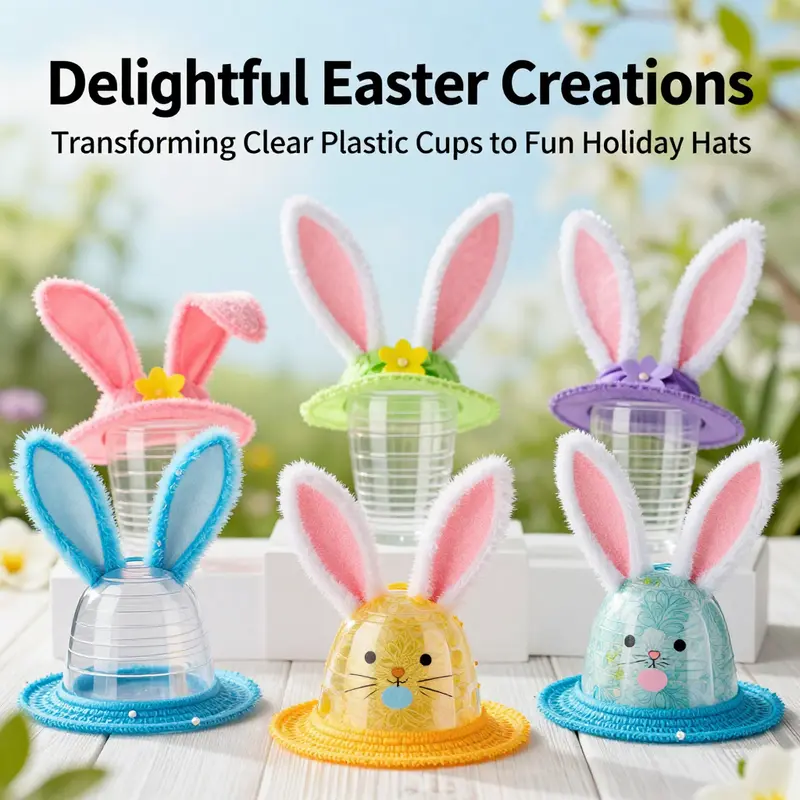
Easter is a time for creativity, joy, and celebration, and what better way to engage with this spirit than by turning ordinary clear plastic cups into festive hats? This innovative craft project not only fosters creativity among children and adults alike but also serves as an excellent marketing opportunity for businesses within the beverage, catering, and event planning sectors. In this article, we will explore a step-by-step guide on crafting Easter hats from clear plastic cups, the materials needed, creative decorating techniques, community engagement opportunities, and the overall fun these hats can bring to seasonal celebrations. Each chapter will provide insight into how businesses can leverage this creative craft, making it more than just a simple project, but an avenue for engaging customers and adding an exciting twist to holiday festivities.
Clear Cups, Bright Hats: An Enchanting Upcycled Easter Hat Craft
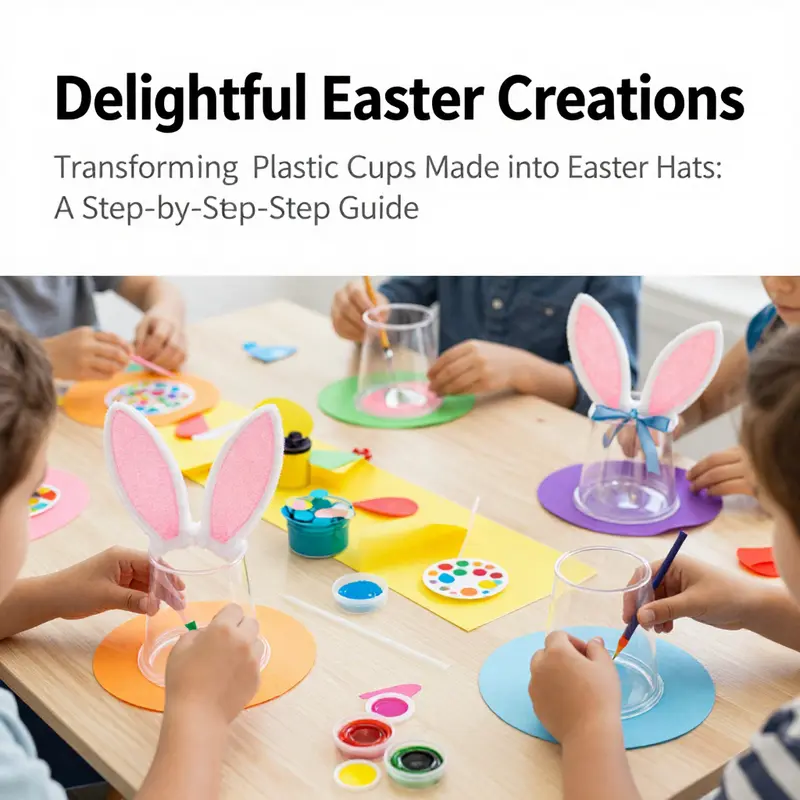
In the soft hush before a spring parade, a table becomes a studio and a clear plastic cup becomes more than a recycled scatter of waste. The magic lies in seeing potential where others only see a lost item. A 12-ounce clear cup, flat and translucent, holds a quiet promise: if you reshape it, decorate it, and bind it with care, it can crown a child with color and cheer. The transparency of the cup is not a limitation but a feature, inviting light to pass through and interact with the decorations you choose. Pastel paints catching on the plastic, ribbons catching the morning sun, and a little glue drying into a stable, wearable sculpture that is the essence of turning simple materials into a festive Easter hat. The project is not merely about making something to wear; it is about teaching a patient, playful approach to upcycling, about turning what would be thrown away into a small, personal work of art that can be worn with pride during spring festivities.
The process unfolds like a quiet, hands-on meditation rather than a hurried craft. First come the materials, gathered with thoughtful intention: clear plastic cups, scissors or a craft knife for careful cutting, a bottle of non-toxic glue, and a palette of pastel paints or markers. Then there are the embellishments—ribbons, faux flowers, paper cutouts shaped like bunnies or eggs, and a set of stickers that resist the heat of a sunny afternoon. For young makers, safety is a steady companion. Scissors should be kid-friendly or trimmed by an adult, and paints should be non-toxic, letting little hands explore color without worry. Even the idea of attaching a ribbon can become a small lesson in measurement and balance, as the band needs to be snug enough to stay on the head yet comfortable enough to wear for a parade of songs and cheers.
What follows is less a rigid recipe and more a story you tell with your hands. The base of the hat often begins with a larger cup that can form a shallow dome. The sides of the cup invite a gentle expansion as you coax the cylinder into a crown-like shape. Depending on the look you want, you might cut a secondary cup to become a brim or to add a second tier to the crown. The beauty of working with clear plastic is that you can see the light through your design, so you might choose to keep the base transparent and decorate the exterior with soft color rather than painting the entire surface. If a brim feels too ambitious for a first attempt, you can begin with a simple dome that sits atop a band of glued or taped fabric or ribbon—an easy way to secure the hat while preserving the cup’s clean, geometric charm.
Decoration is where imagination takes the lead. Pastel hues mark the season: pale pinks, baby blues, mint greens, and sunny yellows. On the exterior, a painterly flourish can appear as a wash of color, a pattern of small dots, or delicate bands around the crown. You may choose to sketch tiny eggs or tiny bunny silhouettes with a fine marker, or to apply tiny stickers with a playful texture. Some makers prefer to wrap the base with ribbon, adding a bow at the back or along the edge of a brim if one is formed. An additional layer of whimsy comes from attaching small fabric flowers or paper cutouts that mimic spring blossoms. If the mood demands a more architectural look, you can crease the top edge of the cup slightly to give a more defined crown, then glue a second, smaller cup inverted on top to suggest a multi-tiered hat with an airy silhouette.
As the hat begins to take shape, the challenge shifts from form to fit. The goal is not just to create something ornamental but to craft a piece that a child will wear with comfort. A simple solution is to thread a length of ribbon through small holes punched near the back of the hat or to tie a soft fabric strap underneath the chin. The strap should be adjustable enough to accommodate different head sizes and to prevent the hat from slipping at the slightest breeze during a parade. When you test the fit, consider the moments of movement: will the hat stay put when a child tilts their head to greet a friend or to peek at a puddle of spring rain? The practical detail of secure wear becomes a whisper of engineering, a reminder that craft is as much about function as it is about beauty.
The material’s transparency invites a playful conversation about light and color. A child can hold the hat up to the sun and watch a rainbow of reflections wander across the room. A mentor can encourage a bold, collaborative finishing—two or three children working together to create a coordinated set of hats, each one unique yet harmonized by a shared palette. This kind of shared making aligns beautifully with the social mood of Easter celebrations, where community, collaboration, and kindness feel especially timely. The act of transforming a common item into a decorative headpiece becomes a gentle metaphor for upcycling as a practice that respects resources and turns attention toward creativity rather than consumption.
The design can be as minimal or as lush as time allows. Some makers enjoy letting the cup itself be the star, painting or decorating it from rim to base with delicate pastel stripes that echo ribbons. Others lean into layering, using construction paper or fabric to add a soft, tactile surface that softens the hard plastic edge. A few even experiment with texture by gluing tiny fabric pom-poms, felt cutouts, or faux leaves to suggest a spring canopy perched above the crown. If you’re feeling particularly ambitious, you can fashion a pair of bunny ears or a floral spray from lightweight cardboard or foil, attaching them to the crown with a dab of strong glue. The ears can be kept upright with a gentle bend in the cup’s structure or reinforced with a thin strip of cardboard inside the hat, a small engineering tweak that makes them sturdier while preserving the hat’s light, whimsical quality.
Beyond the aesthetics, there is a quiet lesson in redesigning the everyday. The clear plastic cup, a symbol of disposable culture, becomes a teaching tool for material awareness. Children learn that something artificial and initially intended to be used briefly can enjoy a longer life with care, imagination, and a little collaboration. The act of upcycling—of reimagining a single, ordinary object into something that brings joy—often ignites questions about where things come from and where they go next. It invites families to talk about waste, recycling, and the joy of making something with hands rather than simply purchasing something new. In this sense, the Easter hat crafted from a clear cup becomes more than a festive accessory; it becomes a small, practical example of sustainable creativity.
To bridge ideas from elsewhere while keeping the present craft grounded, consider how other DIY projects approach hat-making with recyclable or repurposed materials. Techniques like cutting and weaving from paper cups, or constructing hats from empty bottles, illuminate a broad family of upcycling crafts that share a core principle: start with what you have, shape it with care, and dress it with color and texture until it feels special. This mindset translates nicely into Easter festivities, which thrive on symbols of renewal and imagination. If you wish to explore variations or see related steps visualized, you can consult example guides that demonstrate similar approaches using everyday containers. For a broader, illustrated reference, beginning with a paper-based cup Easter hat guide can be inspiring as you adapt the ideas to clear plastic cups. The concept remains the same: shape the form, add color, and finish with small, meaningful details that honor the season.
If you pause to consider the choices you make while shaping and decorating, you begin to see craft as a conversation with the material. The cup speaks in light and shadow; the paint speaks in color; the ribbon speaks in motion. A well-made hat invites a child to move, to smile, to share a moment with friends and family. It is not merely a prop; it is a memory in the making, a tiny sculpture that sits proudly on a head while the wearer collects Easter eggs and stories. In the end, the process is a reminder that the simplest items can bloom into something wonderful when approached with curiosity, patience, and a touch of whimsy.
For readers who want a concrete reference that grounds this approach in a broader practice of affordable, approachable craft, a related resource offers a detailed, step-by-step exploration of a similar concept using paper cups. It provides a gentle template that can be adapted to clear plastic cups while preserving the spirit of easy, family-friendly making. See the linked guide for inspiration and a clearer visualization of the ideas described here: disposable-biodegradable-kraft-paper-matt-lamination-clear-plastic-combo-pastry-dessert-tiramisu-cake-food-container-packaging.
As the season progresses and the hats find their places in windowsills, classrooms, and parade routes, the practical beauty of this project stands out. It demonstrates how a child’s creativity can flourish when supported by a few simple materials, a safe workspace, and time to experiment. The result is not a single fantastical accessory but a small ritual: a family gathering around a table, a cup transformed with color and care, a moment of shared laughter as a child places the hat atop their head and steps into the spring air. That is the heart of the Easter craft, a reminder that renewal begins with the willingness to reimagine ordinary things as extraordinary. And when the sun climbs higher and the last ribbon settles into place, the hats remain as tangible evidence of a day spent discovering, decorating, and delighting in the quiet, joyful work of making together.
External resource for further exploration: Paper Cup Easter Hat Craft
Clear-Cup Easter Hats: Essential Materials and Safe, Playful Design
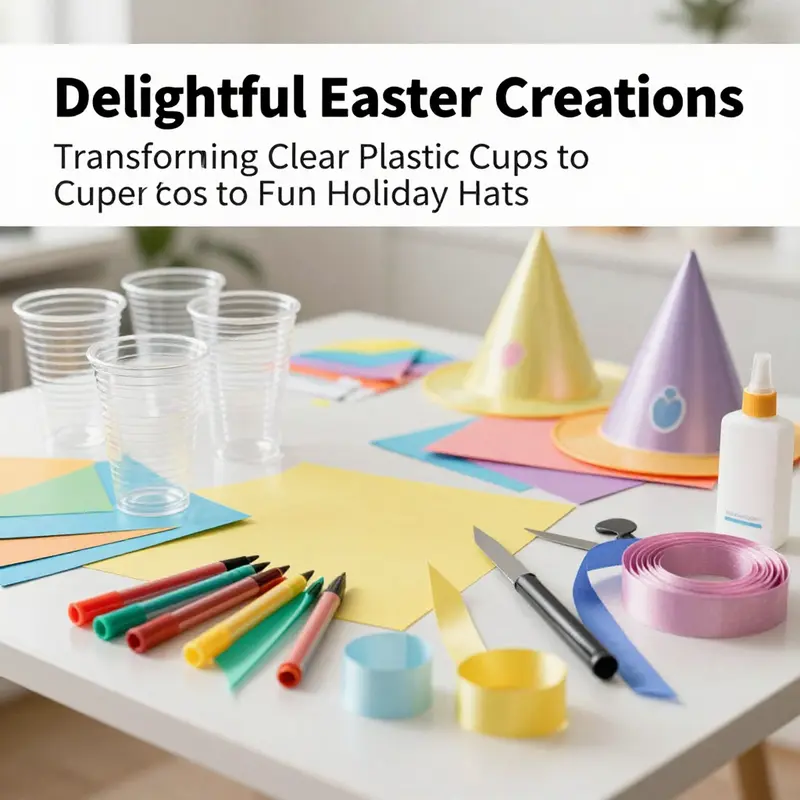
Clear plastic cups offer a simple starting point for Easter hats. Use them as a lightweight canvas for color, texture, and light. The cups are usually made from polypropylene or polystyrene, which keeps the hat light and sturdy enough for decoration. For best results, choose a 12-ounce size that fits comfortably on a child’s head and provides enough surface area for decoration. Attach a soft headband or fabric band to hold the hat in place during wear. Decoration ideas include craft foam shapes for ears or petals, ribbons for shimmer, Easter stickers, and non-toxic paints or markers. Glue can be hot glue for quick, strong bonds on heavier pieces, or craft glue for a gentler hold; always supervise hot glue use with children. When decorating, aim for a balanced silhouette so the crown or brim does not overwhelm the cup. For younger kids, a simple colored band around the lower rim with a few appliques works well, while older kids or adults may enjoy adding a pair of bunny ears or a sunburst crown. Safety comes first: use non-toxic materials, remove any small parts for younger children, and check for sharp edges. If creating kits for a classroom, consider repurposing clean cups and adding a lightweight base like a Styrofoam disc and a soft headband to anchor decorations. The process should emphasize planning and play, with pencil sketches, careful cutting, and an approach that allows color swaps or reversible outer layers. By keeping the project approachable and reusable, you can turn an ordinary cup into a festive Easter hat that kids will wear with pride. For further inspiration, you can refer to guides such as the linked resource: https://www.thesprucecrafts.com/easter-hat-plastic-cup-4125876
From Transparent Cups to Springtime Crowns: Creative Decorating Techniques for Easter Hats
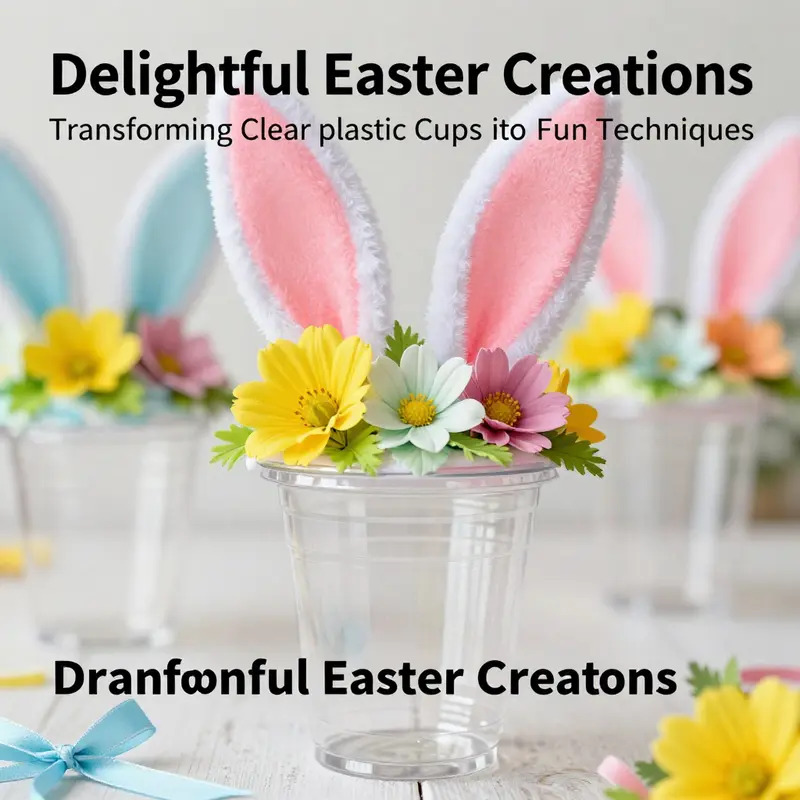
Clear plastic cups, when given a little imagination, can blossom into festive Easter hats that are as charming as they are sustainable. The transformation begins with a simple, overlooked object and ends with a playful crown that catches the light and the attention of a parade or garden party. The transparent shell invites color and texture to take center stage, turning a utilitarian everyday cup into a vehicle for imagination. This approach isn’t about pretending the cup was never plastic; it’s about reimagining its purpose so that it becomes a small beacon of spring—a nod to renewal, craft, and shared moments. Families discover that decorating together can be just as revelatory as the final look of the hat itself, because the process invites conversation, skill-building, and a sense of collective achievement. The cups’ inherent sturdiness provides a reliable base for layers of decoration, making them forgiving for young hands and satisfying for grown-ups who enjoy a clean, organized craft session. In this light, the activity feels less like a disposable pastime and more like a tradition-in-progress, one that can travel from kitchen table to classroom to community festival with ease and delight.
The first step in this gentle metamorphosis is choosing the right cup and envisioning the shape you want the hat to take. A 12-ounce clear plastic cup offers a manageable scale for most children, but the idea scales up or down. The cup serves as a shallow dome that, with a few edits, can become a brimmed bonnet, a towering cone, or a playful dome crowned with bunnies, eggs, or blossoms. The color story you choose sets the mood for the entire ensemble. Gentle pastels evoke the soft hush of early spring, while bright, saturated hues invite energy and celebration. Because the cup is transparent, the decorating approach can focus on exterior surfaces, leaving the interior clean for comfort. This transparency also opens a corridor for additional creativity: you can layer paint or paper from the outside to create a hat that glows from within when light passes through, a subtle wink to the season’s glow. The concept remains simple, but the options are nearly endless, and that open-endedness is what makes this project so inviting for mixed-age groups and casual makers alike.
A complete decorating plan rests on a few thoughtful material choices. Gather colored papers, ribbons, stickers, glitter, markers or acrylic paints, glue, and a sturdy piece of cardboard to craft a detachable brim. The brim isn’t a rigid constraint; it’s a design that can be shaped, trimmed, and attached so the hat feels balanced when worn. When you paint the exterior, you may choose to outline Easter motifs—bunnies, eggs, chicks, and floral sprigs—so the images read clearly from a distance. After the paint dries, embellishments can be added with glue or a light spray of adhesive to secure ribbons or sparkles. The goal is to create a surface that gleams with a sense of festivity but remains comfortable against the head. A soft edge around the rim is helpful for wearers who will be lifting the hat on and off. The layer of decoration can be intentionally varied across the cup’s circumference; for example, one third of the cup can feature eggs and bunnies in a painterly scene, while the remaining portion is wrapped with a ribbon or wrapped in a strip of decorative paper for a contrasting texture. The transparent cup then doubles as a storytelling canvas, inviting little artists to narrate the scene as they work and to recognize how color and shape convey meaning.
If the group seeks a more ambitious silhouette, stacking several cups of different sizes creates a hat with depth and visual intrigue. A nested arrangement can give the hat a tiered look, reminiscent of old-fashioned bonnets or whimsical garden hats. The process of stacking invites motor planning and spatial reasoning, as children learn how to balance dimensions and align edges. To secure multiple layers, one can use a light dab of glue on the contact points or a slim strip of double-sided tape along the rim. The key is to maintain enough flexibility so that the structure remains comfortable and adjustable for different wearers. When finished, a detachable brim can anchor the whole structure and offer a recognizable Easter-ready silhouette. The brim, cut from stiff cardboard and decorated to match the cup, functions more as a decorative frame than a fixed piece. It can be attached with a fabric hinge or a loop-and-peg setup that allows the brim to swing away when the hat is not in use, preserving the cup’s clean lines for future decoration sessions.
For families craving a more formal or traditional look, a few advanced techniques extend the craft beyond kid-friendly simplicity. A careful application of heat to lightly soften the cup enables a gentle shaping that can morph the dome into a more rounded crown or a fluted top. This step must be supervised by an adult, given the heat element and the need to avoid burns, but the resulting form—a hat that appears to rise gracefully from the head rather than sit flat—offers a dramatic payoff. Another sophisticated option is to integrate recycled materials in a way that reads as retro or textured. Strips of magazine paper, patterned fabric scraps, or kraft paper can be wrapped around the cup to create a layered, collage-like surface. When these strips are sealed with a neat coat of glue or decoupage medium, the cup starts to glow with a tactile, handmade patina that differentiates it from mass-produced party hats. The sustainability thread here is meaningful: recycled materials give the project a second life, reduce waste, and teach children the value of repurposing everyday objects into something memorable and reusable.
The applications for these hats extend well beyond a single holiday moment. In classrooms, they become part of a spring-themed unit about color, shape, and community celebration. In families, they serve as a centerpiece for Easter gatherings or neighborhood parades, where each hat tells a personal story through color and embellishment. And in school or church communities, the hats can participate in small parades or pageants, adding a splash of color to the event’s atmosphere and providing a tangible reminder of the season’s themes: renewal, generosity, and play. The process also supports social skills; sharing materials, negotiating designs, and collaborating on a final product helps children practice communication, patience, and cooperative problem-solving. The hats’ lightness and comfort invite extended craft sessions, enabling participants to refine their ideas and experiment with new combinations without the pressure of perfection. As the designs multiply, so does the sense of collective accomplishment, and the hats gradually emerge as a sort of portable gallery, showcasing the family’s or class’s creative voice.
A practical approach to sourcing and planning can smooth the path from idea to finished hat. When you begin, lay out a few base color stories and invite makers to select the themes they want to express through their cups. If time allows, you can arrange a mini gallery walk where each participant explains the elements of their hat—the color choices, the motifs, and the materials used. This reflective moment reinforces the value of creativity and highlights how even a simple cup can spark conversation. The process naturally lends itself to a sense of eco-consciousness as well. The act of reimagining trash into a festive accessory aligns with a broader commitment to reducing waste and encouraging reuse. The clear plastic cup, once a vessel for a cold beverage, becomes a stage on which imagination performs and refreshment for the senses is celebrated anew.
For readers seeking additional inspiration, the craft community offers detailed tutorials that explore similar techniques, including layered designs and decorative accents. These guides often provide step-by-step visuals that can help beginners build confidence while giving seasoned crafters ideas to push their designs further. If you’re exploring options for sourcing materials and cups, you can explore a practical example of how a common cup might be adapted for decorative use here: senang01-hot-sale-customized-disposable-single-wall-paper-ice-cream-cups-with-lid-eco-friendly-food-grade. This link points to a related category in the same family of culinary disposables, highlighting how accessible these materials can be, even when your end goal is a playful Easter hat rather than a dessert cup.
When the hats finally emerge, they carry more than color and form. They hold memories of shared effort, laughter, and the micro-decisions that make a craft project meaningful. Children learn to anticipate how a design reads from a distance, to adjust proportions so that a brim sits comfortably, and to balance embellishments so they don’t overwhelm the wearer. Adults discover that they can facilitate without taking over, offering guidance on technique while preserving the playful spirit that makes such projects so engaging. The result is not merely an object to wear; it is a symbol of collaboration and springtime joy, a small, wearable festival that can travel from one hand to another as stories are shared and new ideas are born.
For readers who want a gentle entry point into this world of transforming everyday objects, the core principle is to treat the cup as a canvas rather than a container. Let color and texture define the mood, and let the structure of the cup do the heavy lifting in terms of form. The rest—glitter, ribbons, and delicate motifs—becomes the language through which the celebration speaks. In this way, clear plastic cups are not merely discarded after use but are transformed into a continuing source of creativity, an invitation to see in ordinary things the possibility of something delightfully new. The Easter hat project thus becomes a small, tactile lesson in sustainability, imagination, and community—the kind of craft that may begin with one cup and, with time, multiply into a chorus of hats that celebrate spring together.
External resource for inspiration and technique refinement: https://www.thecrafttrain.com/paper-cup-easter-hat-craft/
Translucent Bonnets, Shared Spring: Turning Clear Plastic Cups Into Community Easter Hats
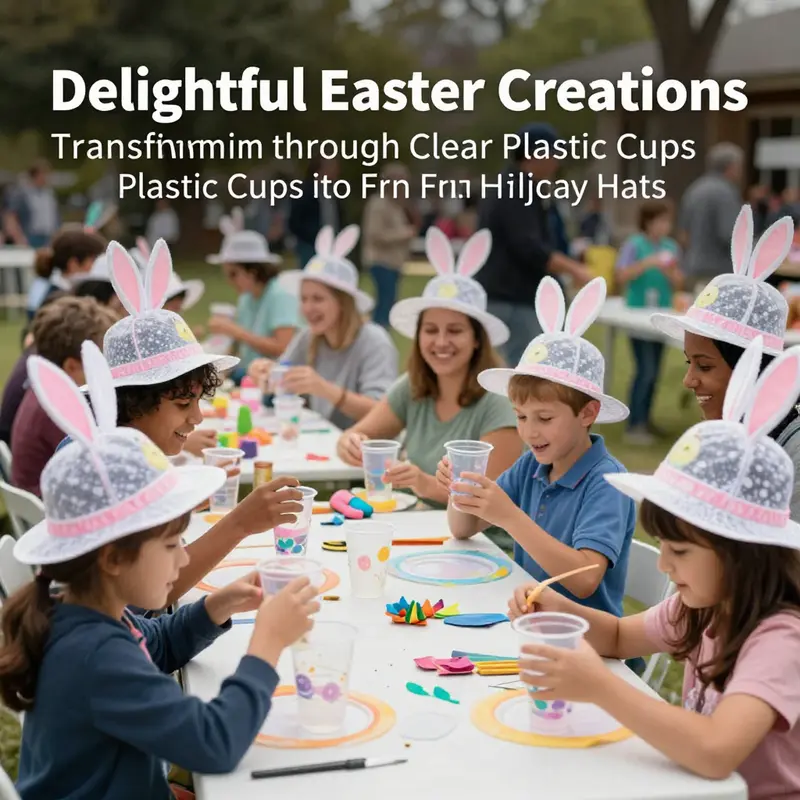
Transforming clear plastic cups into Easter hats begins with a spark of imagination. A transparent cup can become a playful crown for a child, or a shimmering prop for a community parade. When people reimagine everyday objects as festive gear, the act of crafting becomes a shared ritual that binds neighbors together.
What makes these cups well-suited for community craft is their balance of sturdiness and pliability. They hold their shape enough to sit on a head, yet are easy to cut, decorate, and pair with tissue, ribbon, or fabric.
The process invites participants of all ages to contribute: younger siblings pressing glitter, teens experimenting with patterns, and adults leading decorating stations with safety in mind. One child might ask, “Can we reuse these cups after Easter?” The answer can be a hopeful yes, paired with ideas for future crafts or recycling.
The hats also offer micro-lessons in sustainability, teaching about the environmental footprint of single-use plastics and how repurposing can reduce waste. The result is a family-friendly, inclusive activity that builds social connection and lasting memories.
Ultimately, the hats become communal artifacts: photographed in parades and classrooms, shared in newsletters, and kept as cheerful reminders of collaboration and springtime renewal.
Bright Cups, Brighter Hats: Reimagining Clear Plastic Cups as Easter Headgear

Clear plastic cups often fade into the backdrop of party setups, balancing beverages and convenience with quiet practicality. Yet in the light of spring festivals and Easter gatherings, these everyday vessels can take on a second life as wearable art. The idea rests on a simple premise: a sturdy transparent form transformed with color, texture, and whimsy can offer a canvas as flexible as the imagination itself. When the goal is to celebrate renewal, color, and community, the humble cup becomes more than a disposable item; it becomes a small piece of wearable craft that carries the mood of the season.
The transformation begins with possibility. A clear cup, with smooth sides and an open mouth, invites the eye to roam from decorations to wearing. The surface becomes a stage for embellishment. Paint, ribbons, stickers, felt shapes, and fabric scraps can cling to its exterior, turning a utilitarian object into a cheerful Easter crown or cap. The key to success lies not in changing the cup’s structure but in respectful enhancements that acknowledge its shape while expanding its presence.
Designers and educators often note how the cup’s transparency can work to its advantage. When light passes through, colors from ornaments around the rim or crown multiply, producing a gentle glow that is festive and approachable. This effect is especially engaging for children, who see ordinary materials become magical with a few well-chosen accents.
Decoration is a study in balance. Because the base is clear, the color palette can be bold without overwhelming. Easter pastels—soft pinks, baby blues, sunny yellows, and mint greens—are common, but bolder bursts have a place too. Strands of ribbon can frame the rim, forming a decorative collar without impeding comfort. Paper flowers, tissue rosettes, or small felt bunnies can be affixed to the sides, catching light and fluttering in a breeze during an outdoor hunt. Children can also apply stickers and cut-out shapes that reflect Easter motifs—eggs, tulips, chicks, and butterflies—while learning about symmetry and composition. Each embellishment invites a small narrative about spring and shared celebration.
Wearability matters. A cup that doubles as a hat should sit lightly on the head, leaving room for movement. A simple headband or elastic loop can anchor the cup to the wearer. The band can be tucked beneath ribbons or fabric so the final look remains polished. Some designs trim the bottom rim to soften edges and reduce pressure points. If a brim is desired, it can be extended with a lightweight ring of cardboard or sturdy paper attached around the base of the cup’s mouth. Together, crown and brim create a hat that is recognizably Easter-themed and robust enough for a brief parade or photo session.
The educational and social value of this craft goes beyond aesthetics. In classrooms, children practice fine motor skills through folding and gluing small decorations, measuring ribbon lengths, and aligning elements along curved surfaces. Families share decisions about color schemes and themes that reflect personal memories. Schools and community centers can adapt the activity for a range of ages and abilities, with younger participants focusing on color and placement, and older participants tackling more intricate details such as layered paper shapes or small felt ears that extend from the crown with gentle springs to simulate movement. The result is a collaborative, inclusive activity that echoes the spirit of Easter and springtime.
In broader terms, these hats demonstrate how accessible, low-cost materials can spark creativity and conversation. They invite discussions about sustainable craft practices when cups are reused or repurposed, and they offer a lightweight option for events where setup time is limited. While weather and comfort are considerations, careful planning—using waterproof glues, durable fabrics, and well-designed headbands—helps ensure a positive experience. The hats travel well, store easily, and can be adapted for different age groups or occasions, making this concept versatile across a range of springtime contexts.
For readers seeking a deeper dive, a brief guide to decorating paper cups provides actionable steps, tips on materials, and variations to explore. The central message remains consistent: start with what you have, invite imagination, and encourage collaboration. If you want a structured reference with visuals and practical advice, this resource offers a clear pathway to translate ideas into wearable, seasonal art.
The lasting impression of these Easter hats lies in participation. Families and classrooms alike discover that crafting together creates shared memories, while the hats themselves become symbols of renewal, light, and community. In short, turning clear plastic cups into Easter hats is more than a simple craft trick—it’s a small blueprint for inclusive, playful, and sustainable celebration.
Final thoughts
In conclusion, the simple clear plastic cup, often overlooked as a disposable item, can serve as a canvas for creativity during the Easter season. By repurposing these cups into fun hats, businesses can offer an engaging activity that brings communities together, boosts marketing efforts, and fosters a spirit of celebration. The crafting process not only stimulates creativity but also results in a feeling of accomplishment for both children and adults. Implementing such interactive projects can enhance customer relationships and promote a joyful atmosphere during festive events, making it an opportunity worth exploring.