
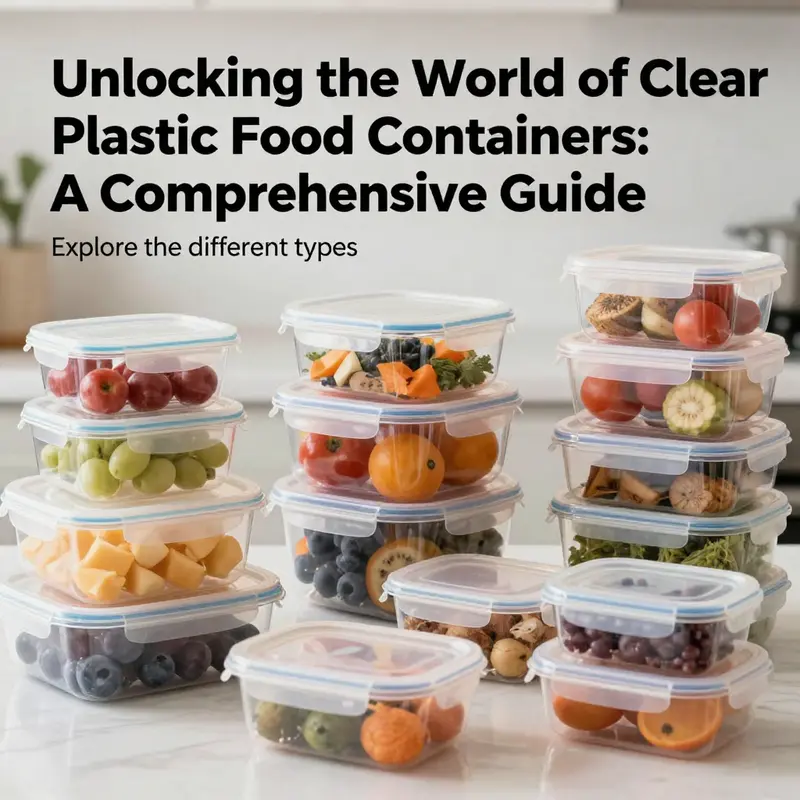
When it comes to food packaging, clear plastic containers offer an array of options, each suited for various culinary applications. From clamshells ideal for a scrumptious takeout meal to punnets perfect for delicate berries, understanding these options is crucial for businesses within the beverage and food industry. This exploration will take you through the essentials of clamshell containers, snap-on designs, food-grade standards, and specialized punnets, providing insights into how these containers can enhance your service and satisfy your customers.
Clear, Hinged, and Visible: How Clamshell Containers Shaped Modern Food Packaging
Clamshell containers sit at the intersection of practicality and perception, a form that instantly signals what many readers value most in food packaging: clarity, security, and a promise of freshness. These clear, hinged, two-part boxes have become the most recognizable shape in takeout and retail displays, and their ubiquity tells a longer story about how we buy and trust food. In the everyday dance of grabbing a meal or a snack, the clamshell does more than merely hold contents; it frames the consumer experience. The transparent lid and base offer an uninterrupted view of the product, letting color, texture, and even the small nuances of freshness register without the barrier of a lid being peeled back or a wrapper peeled away. This visibility is not incidental. It is a calculated design choice that supports impulse decisions in a grocery aisle, streamlines the ordering experience at a counter, and reassures buyers who want to see what they are paying for before they commit to a purchase. The hinge, a simple mechanical feature, is the other half of the equation. A reliable snap or seal keeps the contents contained, reducing the chance of spills during transit and on crowded lunchroom desks, while also providing a tamper-evident cue that the product inside remains intact until opened. In many settings, the clamshell functions almost as a miniature package in itself—a compact, portable display case that protects the contents from handling and environmental exposure while still letting the product be examined with minimal effort. The overall effect is a package that communicates both value and confidence, a signal that the food inside has been prepared with care and presented with transparency.
The material choices behind these familiar boxes are a crucial part of their effectiveness. PET, polystyrene, and polypropylene each bring a different balance of clarity, rigidity, heat tolerance, and end-of-life considerations. PET clamshells are prized for their restrained weight, high clarity, and robust barrier properties, traits that make them well suited for fresh produce, eggs, and other items where visibility helps drive sales and where the packaging needs to withstand light handling throughout distribution. The unmistakable sparkle of PET under store lighting enhances product appeal, allowing buyers to appraise ripeness, color, and surface quality at a glance. Yet the same clarity that makes PET so attractive also raises questions about recyclability and environmental footprint. In many regions, PET is widely accepted by curbside programs and municipal recycling facilities, a factor that retailers and producers weigh carefully against other considerations such as cost, supply stability, and compatibility with existing waste streams.
Polystyrene, another common choice for clamshells, offers a different set of trade-offs. Its rigidity and lower cost have historically made PS a go-to option for budget-friendly packaging, particularly for desserts, bakery items, or single-serving portions where a crisp, hard shell helps maintain shape and presentation. However, concerns about material safety, environmental impact, and the prevalence of PS in litter and waste streams have nudged many users toward PET or alternative materials in recent years. The balance among transparency, price, and sustainability continues to shift as consumer expectations evolve and regulatory landscapes update. Polypropylene provides a middle path with heat resistance, toughness, and the potential for better temperature tolerance during hot foods or warm deliveries. PP is more forgiving of micro-movements during transport and can be more amenable to certain microwave or reheating scenarios, though it may not offer the same level of optical clarity as PET. In practice, brands choose based on the intended use, the type of contents, and the target audience’s preferences for recyclability or compostability. The choice is rarely about one property alone; it is a calculated equilibrium among visibility, protection, sterility, and lifecycle impact.
As the chapter on clamshells unfolds, it is important to recognize the broader shift toward sustainability that has reoriented material design and consumer expectations alike. The industry has seen a surge of eco-conscious innovations that aim to preserve the strengths of the clamshell—clarity, secure closure, and resilience—while reducing environmental footprints. Biobased and compostable options have moved from niche experimentation toward mainstream viability. Bagasse, a sugarcane fiber residue, emerges as a starch-like alternative that can offer decent rigidity and a natural look while supporting end-of-life pathways beyond conventional plastic recycling. Bamboo-derived materials and polylactic acid (PLA) blends represent other avenues for those seeking renewable inputs, though they bring their own performance considerations. In some cases, these biodegradable clamshells require industrial composting infrastructure to achieve the desired disposal outcome, a fact that consumers and businesses must acknowledge when deciding which packaging to adopt in specific markets. The promise is clear: a packaging format that preserves product integrity and shelf appeal while contributing less to landfill mass and long-run environmental concerns. The reality, however, is nuanced. The degree of recyclability, compostability, or upcycling available to a given clamshell depends on regional waste streams, local processors, and the quality of sorting that happens at the material recovery facility. A PET clamshell properly sorted for recycling can be diverted from landfill, but only if the recycling stream is accessible and free from contamination. This is why many brands and retailers invest not only in the materials themselves but also in clear labeling, waste-management guidance, and consumer education that helps diners and shoppers make responsible choices after use.
One practical dimension that anchors much of the clamshell’s appeal is its performance with a range of contents. Eggs, a classic application, illustrate both the strengths and the limits of the format. Egg clamshells often rely on PET or PS to deliver a transparent, rigid structure that protects fragile contents during transport and display. The rigidity helps prevent the delicate shells from rubbing together and cracking, while the shape supports upright stacking on shelves and in takeout bags. For other foods—salads, fresh fruit, desserts—the clamshell’s design lends itself to portion integrity. A tightly sealed lid keeps moisture, oils, and aromas within, which helps maintain perceived freshness and reduces the risk of cross-contamination with nearby products. The snap-on or press-fit closure is a critical detail here. A secure closure not only reinforces the sense of value but also contributes to safety in food-service operations by enabling portion control and reducing the likelihood of leaks at the point of sale or during transit. At the same time, the see-through design acts as its own form of marketing. In a busy display, a transparent container allows a consumer to quickly assess the product’s color, texture, and even the presence of any seasonal, seasonal variations like speckles on fruit or the glistening surface of a freshly mixed salad. This rapid visual cue often speeds decision-making, a factor that retailers and food-service providers rely on to improve throughput and reduce abandoned baskets. The clamshell’s popularity also rests on its compatibility with both disposable and reusable formats. In many settings, it serves as a one-time-use option that aligns with strict hygiene protocols in takeout operations and at outdoor events. In other contexts, the same shape and closure mechanism can be repurposed as a reusable container, with appropriate cleaning and sanitation cycles, thereby extending its lifecycle and offering a more sustainable alternative for customers who prefer to minimize disposable waste.
The environmental conversation surrounding clamshells moves beyond material choice to encompass the entire life cycle. Recycling programs have evolved in many regions to recognize PET’s value in a circular economy, where recovered materials feed into new containers and products. Yet recycling remains a regional affair, with variations in what counts as eligible material, what contaminants are tolerated, and how effectively sorting technologies separate PET from other polymers. Contamination—such as food residues, labels, or adhesives—can derail recycling streams, underscoring the need for responsible disposal and careful consumer guidance. This is where the clamshell paradox becomes most evident: its clarity and protective performance are strongest when the material can re-enter the supply stream after use; without efficient end-of-life processing, the same packaging risks becoming waste that households and institutions struggle to manage. Consequently, industry players are increasingly pairing materials with clear disposal directions, invest in recycling infrastructure, and experiment with compostable layers or liners that align with local waste-management capabilities. The overarching aim remains consistent: maintain the advantages of the clamshell’s form while steering more of it toward responsible end-of-life pathways that match the public’s evolving environmental expectations.
To understand the full spectrum of clamshell materials and their implications, one can think of the clamshell as a canvas that adapts to different needs. PET remains the most recognizable for its exceptional clarity and recyclability in many markets, which helps explain its continued dominance in fruit, egg, and premium food packaging. PS appeals to cost-sensitive segments and certain bakery products where a crisp, rigid box holds shape and presentation. PP, with its heat resistance and general durability, offers a pragmatic balance for items that might be warm or require a bit more resilience during handling. Yet the canvas is shifting. Eco-aware consumer demand, regulatory shifts, and advances in materials science are driving the development of alternatives that blend performance with sustainability. Bagasse-based clamshells, bamboo fiber variants, and PLA-based options illustrate a future in which compostability and renewable content become more commonplace, even as packaging engineers refine barrier properties and mechanical stability to keep contents intact through complex distribution networks. The path forward will likely involve a portfolio approach: PET where recyclability is robust and well-supported; PS where cost constraints dominate but environmental concerns are managed through recycling streams; PP for high-temperature or sensitive items; and biodegradable options for markets that value composting capacity and have the infrastructure to support it. The real-world outcome will depend on how well these materials integrate with waste-management systems, how clearly brands communicate disposal expectations to consumers, and how consistently the end-of-life outcomes compare with the sustainability goals claimed in marketing materials.
In the broader narrative of what these containers are called, clamshell remains a dominant descriptor that captures both form and function. They are not the only option in the world of clear plastic food packaging, but their distinctive hinge and hinged lid give them a unique presence. Beyond clamshells, terms such as snap-on, takeout containers, punnet boxes, or simple clear containers describe variations in closure mechanisms and form. Yet the underlying logic stays the same: a transparent, protective vessel that allows a product to be seen, handled with ease, and transported with confidence. When one walks through a grocery aisle or a deli counter, it is the clamshell’s gleam and its snap-closure certainty that often anchor the perception of freshness and care. This association is not accidental; it is the result of decades of design optimization that balanced visibility, mechanical reliability, and consumer trust. The material story—PET’s clarity, PS’s rigidity, PP’s durability, and the experimental forays into bagasse, bamboo, and PLA—maps directly onto how different retailers position their offerings, how menus are presented, and how waste streams respond to the packaging choices made at the point of purchase. The chapter of clamshells is thus not simply about a plastic container. It is a lens on how packaging engineers translate a simple shape into a versatile platform for food presentation, shelf appeal, and responsible consumption. It is also a reminder that the most recognizable packaging forms are the ones that endure because they solve real problems with elegance: containment that resists leaks, a window into the contents that builds trust, and a design that can flex to different products while remaining adaptable to shifts in materials technology and environmental expectations.
For readers seeking to explore the material landscape of packaging further or to consider how a supplier portfolio may reflect the evolving standards in this space, the broader category of plastic packaging offers a useful frame. A practical way to dive deeper is to look at the range of packaging solutions available under the umbrella of plastic packaging, which encompasses not only clamshells but also other clear and semi-clear formats designed for shelf visibility and secure transport. This context helps explain why clamshells have persisted as a staple in many shelves and takeout counters, even as brands experiment with more sustainable materials and end-of-life options. The clamshell’s staying power lies not only in its immediate utility but in its capacity to adapt to changing waste systems, consumer expectations, and production realities. As the industry continues to balance form, function, and footprint, clamshells will remain a touchstone for discussions about how to preserve the clarity and confidence that buyers associate with good packaging while moving toward more responsible and sustainable solutions. The narrative of these containers is thus both practical and aspirational, a reflection of how everyday objects can embody broader shifts in design, consumption, and stewardship.
External resource for further reading: https://www.ecoenclose.com/blog/plastic-clamshell-food-containers/
Internal reference for related discussions: plastic packaging
Clear, Hinged, and Ready to Go: Unraveling the Language and Mechanism Behind Snap-On Clear Plastic Food Containers
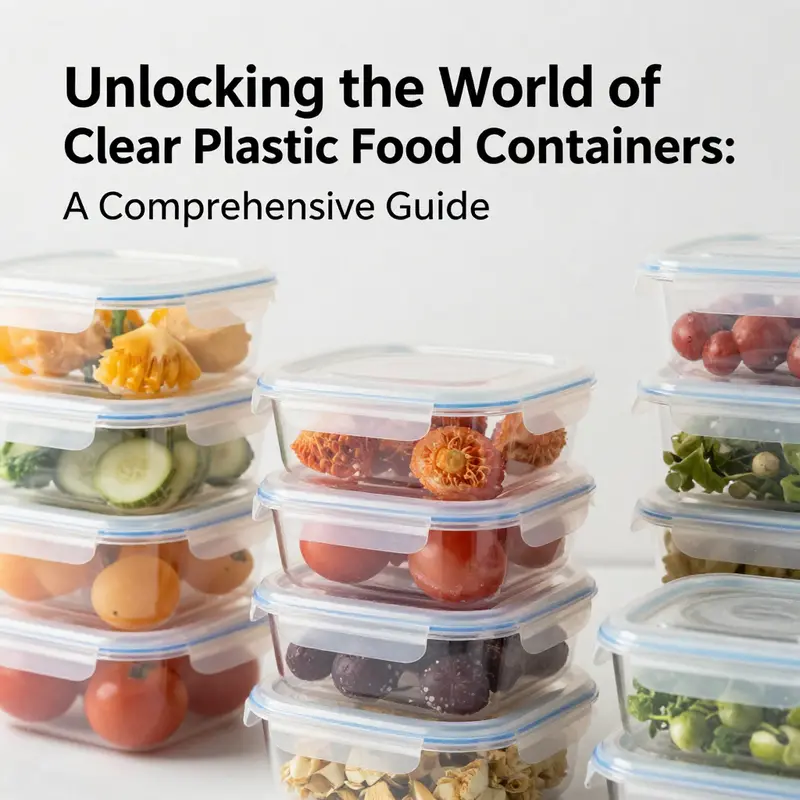
Clear plastic food containers are a familiar part of everyday kitchens, cafés, and grocery aisles, but the vocabulary surrounding them can be as tangled as a drawer full of lids. When you ask what these containers are called, you might hear terms that seem to describe different things at once: clamshells, snap-on or press-fit containers, takeout boxes, pun nets, and generic food-grade storage options. The truth is that the language mirrors two realities at once—the shape of the container and the way the lid attaches. In the most common everyday use, the focus tends to settle on a particular closure style: the snap-on, or press-fit, lid. This chapter follows that thread, tracing how a simple hinge and a carefully engineered rim can create a practical, everyday packaging system that is transparent enough to see the contents yet sturdy enough to protect them for short-term storage, transport, and display. It also threads in the broader family of clear plastic containers to show how names shift with function, material, and market expectations, and how a single mechanism—an unobtrusive press-fit—can shape a product category.
To begin with, the term snap-on is not a single, universal descriptor but a family label for lids that rely on interlocking geometry rather than threaded profiles. In many designs, a clear plastic lid closes over a similarly clear body, and the lid’s inner edge or a molded rim snaps into a groove or recess along the container’s top lip. The result is a lid that can be pressed into place with a simple downward motion and lifted off with a light, outward pry. This press-fit closure—often called snap-fit or friction-fit in technical literature—breathes ease into regular use. The user doesn’t need to line up threads or twist; a quick press seals and a quick lift reopens. From a consumer standpoint, that ease of use is a major advantage for everyday food storage, portioned meals, and even cosmetic samples that arrive in clear packaging designed to reveal color, texture, and quantity at a glance. In delis, bakeries, and cafeterias, the same closure principle supports rapid service and easy restocking, which in turn sustains the fast pace of daily operations.
The visual clarity of the container is an essential component of its effectiveness. Clear plastic allows the contents to shine through without requiring opening the lid to verify freshness or presentation. This visibility is not merely cosmetic; it helps with inventory control, consumer appeal, and the reduction of waste. When a lid is pressed into place, its seal often relies on a smooth, continuous contact around the joint, minimizing air gaps where moisture could creep in or where aromas could escape. Yet the simplicity of the snap-fit conceals a layer of engineering that matters far more than it might on first glance. The fit must be tight enough to resist casual opening, yet flexible enough to accommodate minor manufacturing tolerances. The lid and body work together like a two-piece puzzle whose interlocking features create a predictable closure every time. The hinge, if present, is designed to survive repeated opening and closing cycles while maintaining the alignment of the lid with the container body.
Within this landscape, the classification becomes a matter of emphasis. The two-part, hinged style—often the most recognizable shape for clear, rigid containers—earned the moniker clamshell in popular usage. Clamshells describe a container composed of a top and bottom shell joined by a hinge, with a snap-on or pressure-based closure along the edge rather than an external thread. The term remains common in consumer discourse because it captures both the form and the closure dynamic in a single, memorable image. Meanwhile, other descriptors—takeout containers, snap-on lids, or press-fit lids—tend to highlight function or mechanism rather than the exact geometry. An especially practical nuance is the way packaging is labeled in different sectors. In a deli or bakery setting, the same basic design might be described more pragmatically as a takeout container with a snap-on closure, signaling both the intended use and the ease of access for customers who may be juggling other items.
That pragmatic labeling is not purely linguistic. It occasions differences in how a product is marketed, specified, and regulated. When a container is described as food-grade, that term underscores safety standards for contact with edible products. Food-grade implies more than mere transparency; it signals compliance with regulatory requirements that govern migration of substances from plastic into food, the absence of prohibited additives, and suitability for short-term contact with ready-to-eat items. In practice, a snap-on, clear plastic container marketed as food-grade is seen as a versatile option for a wide range of foods, from salads and fruits to desserts and portioned sides. It is this combination of clarity, ease of use, and safety that explains why snap-on containers have become so deeply embedded in the everyday packaging landscape.
The materials behind snap-on containers further refine their identity and capabilities. Polystyrene (PS) and polypropylene (PP) are among the most common polymers for clear, rigid food containers. PS offers exceptional clarity and rigidity, which heightens the appeal of visible contents. It remains a staple for short-term display and consumer sampling in many settings. PP, by contrast, balances clarity with improved heat resistance and chemical tolerance, making it a frequent choice for items that might be warmed briefly or subjected to colder storage. PET can also appear in the mix, delivering a sharper clarity and good barrier properties, though its use in rigid, snap-on-lidded formats depends on the exact design and intended temperature range. The choice of material influences not only how the lid engages with the body but also how far the packaging can go in terms of microwave compatibility, freezer resilience, and resistance to cracking under impact. The user benefits of such materials emerge most clearly when a lid closes with a reliable click and a container rests securely in a refrigerator, cooler, or pantry shelf.
In practice, this material logic translates into real-world consequences for storage duration and usability. A snap-on container often shines for short-term storage, refrigerated display, and on-the-go meals where transparency and speed are valued. The absence of threading on the closure means fewer mechanical parts to thread or cross-thread, which reduces the chance of user error during busy service periods. It also means that repeated opening and closing cycles are common, which places some emphasis on the durability of the lid’s edge and the resilience of the interlock. Yet, there is a trade-off. Snap-on seals, while convenient, can be less durable than screw-on designs when subjected to rough handling or long-term transport. They may also present a higher leakage risk for liquids or sauces if the fit is not perfectly tuned for containment. For products that require longer shelf life or liquid integrity, the design might adopt additional features—such as a gasket or an inner barrier—but these choices add complexity and sometimes reduce the level of transparency that is so central to the appeal of clear containers.
Beyond the core snap-on mechanism, the broader family of clear plastic containers encompasses a spectrum of shapes and purposes. Punnets, for example, are small, shallow boxes often used for berries or delicate produce. They emphasize airflow and product visibility, with a lid or cover that is typically snap-on rather than threaded. The overarching category of takeout containers includes a wide array of configurations, from oval and round to rectangular and square, each leveraging a similar closure ethos: a top that can be pressed into place with little effort and removed without the need for tools. The common thread through all of these forms is the balance between visibility, ease of handling, compatibility with quick-service workflows, and the ability to safeguard the contents during short-term storage and display. The challenge for designers is to tailor the geometry of the lid and the lip so the snap-on action remains consistent across temperature fluctuations, loading conditions, and manufacturing tolerances.
In describing these mechanisms, one might hear that the lid simply snaps on, but the reality rests on a careful design of interlocking features. The rim of the lid may incorporate a double-wall or an overhang that presses into a corresponding groove along the container body. Some designs rely on a raised edge that compresses slightly as you press, creating a secure seal without relying on over-engineered tolerances. The result is a closure that feels instantaneous to users, yet depends on precise molding and material behavior. When executed well, the snap-on system provides a pleasing tactile feedback—the lid gives a definite, satisfying snap when closed and a gentle lift when opened. When it fails, the lid might sit unevenly, or there may be a subtle wiggling at the joint. Such outcomes are addressed during quality control and product testing, where even the thickness of a single millimeter of plastic can influence the seal’s reliability.
The lab-like attention to detail behind a seemingly simple snap-on lid also intersects with considerations of recyclability and end-of-life handling. Clear containers designed for consumer use are often recyclable, but the recycling stream depends on local infrastructure and resin codes. Consumers who understand the value of separating components—whether lids go to a different bin or stay with the body—help improve recycling outcomes. In practice, the ease of rinsing and the clarity of the container can influence disposal decisions, especially when the contents leave residues that complicate processing. Packaging designers and manufacturers continually refine such details to maximize clarity, minimize leakage, and support responsible disposal. The net effect is that a seemingly modest decision—the choice of a snap-on closure—ripples outward, affecting consumer experience, product quality perception, and end-of-life outcomes.
For readers who want to situate these ideas within a broader catalog of packaging options, the landscape includes a spectrum of related terms and categories. The general phrase food-grade plastic containers covers most everyday storage solutions, signaling that the plastic complies with safety standards for contact with food. In addition, many of these containers are marketed for specific contexts—delicatessen use, bakery portions, or ready-to-eat meals—while still retaining the same fundamental snap-on, press-fit closure. The umbrella of terms can seem redundant, but understanding the distinctions helps clarify what you are purchasing. When a label highlights the closure method, such as snap-on, you are learning something about how the lid interacts with the body, how easy it is to open, and what kinds of contents the package is best suited to contain in the short term. The shape terminology—clamshell, punnet, oval container lid, takeout container—adds further detail about form, use case, and compatibility with display or transport needs. Taken together, these names reflect a packaging ecosystem that values visibility, speed, and practical reliability as core performance metrics.
As with any thoughtful product category, the vocabulary around snap-on containers evolves with material science, regulatory expectations, and consumer habits. Designers continually test new geometries to improve sealing reliability without increasing user effort. They also explore coatings, surface finishes, and compatibility with printing or labeling that preserves legibility while maintaining the integrity of the clear plastic. The aim is to harmonize the ease of use with a durable, predictable performance profile that remains accessible to nonexpert users. For many people, a container is less about the explicit name and more about the experience—how clearly the contents show through, how quickly you can seal or reopen it, and how confident you feel about freshness and safety. In that sense, the snap-on mechanism is not merely a technical feature; it is a user experience amplifier that helps everyday routines run more smoothly.
To the reader navigating the aisle or browsing an online catalog, it helps to keep one mental model in view: snap-on containers are a practical solution built around a simple, repeatable action. The lid’s fit relies on interlocking geometry rather than threads, delivering quick closure, straightforward reuse, and a high degree of visibility for the contents. The materials chosen support the intended temperature ranges and handling conditions, with PS offering crisp clarity and PP offering robust performance under varying temperatures. The broader naming ecosystem—clamshells, punnets, takeout containers, and food-grade descriptors—shrinks into a compact set of cues once you recognize the central role of the press-fit closure. For designers and buyers alike, the challenge is to select a configuration that preserves clarity, ensures a reliable seal for the expected storage duration, and aligns with safety and disposal preferences in their community.
In closing this exploration, it remains valuable to see how this single mechanism anchors a wider conversation about everyday packaging. The meaning of a container’s name becomes clearer when you consider the user’s task: to store, display, and transport food with minimal fuss and maximal confidence. The snap-on lid is more than a closure; it is a promise that what is inside stays intact while it travels through kitchens, delis, and households. This is why the terminology persists across markets and why clamshells and takeout containers remain staple references in both consumer discussions and supplier catalogs. The naming reflects a shared understanding of form and function—a compact vocabulary that communicates a lot about use, practicality, and the everyday choreography of meals on the move.
For readers who want to explore related packaging categories and the broader landscape of plastic packaging options, a broader view of the packaging category can be helpful. Plastic packaging covers a wide array of materials and forms that support storage, display, and transport across industries. You can learn more about the wider category and its applications at the plastic packaging section of the catalog. https://cupbowlpack.com/product-category/plastic-packaging/
External reference for deeper technical insight: for more on the materials and lid-compression dynamics in clear rigid containers, see the discussion on plug-and-lid interlock designs and composition standards at the external resource. https://www.plasticsealguide.com/understanding-plastic-oval-container-lid-composition-standards-applications/
Clear Choices, Safe Choices: Unraveling the Names and Standards Behind Transparent Plastic Food Containers
Clear plastic food containers occupy a curious space in everyday life. They are at once ubiquitous and oddly specialized, praised for their transparency that lets you see the contents at a glance and prized for the neat, stackable shapes they bring to kitchens, lunchrooms, and takeout displays. Yet the names we use for these containers can feel like a small map of a larger industry: clamshells, punnet boxes, takeout containers, snap-on or press-fit boxes, and a broad umbrella of “food-grade” storage vessels. The variety is not merely cosmetic. Each term often signals a distinct design, a particular closure mechanism, a favored material, or a specific use case. When you look at a clear, rigid, two-part container with a hinged lid, the label “clamshell” is the shorthand that most people reach for. It evokes the familiar hinged lid that snaps shut with a satisfying closure and a quiet click, the kind of container you might give a customer for a salad, fruit, or a prepared dessert. But not every clear plastic container with a lid is a clamshell, and not every clamshell is suited for every purpose. The language helps us navigate the practical realities of food safety, regulatory standards, and the practical constraints of storage and transport that shape how we use these containers in everyday life.
Beyond clamshells, the landscape widens to include snap-on or press-fit designs. These closures rely on a precise fit—the lid snaps over the rim or presses into a groove to create a seal that keeps moisture in or out, depending on the container’s use. Delis, bakeries, and cafeterias frequently rely on this type of closure because it supports portion control and easy stacking, while still enabling quick access for customers or staff. Another term, “takeout containers,” foregrounds the practical context rather than the mechanism or shape. It signals a disposable or reusable vessel intended for carrying meals away from the point of purchase, whether that meal is hot, cold, or somewhere in between. And then there are the punnet boxes, the budding synonym for clear plastic boxes used for small, delicate items like berries or tomatoes. The punnet’s open-top form and clear walls allow producers and retailers to display fruit without obscuring its appeal, while the rigid walls provide the structure needed to protect fragile items during transport.
All of these terms share a common thread: the materials behind them. The most common clear plastics used in food storage have historically included polystyrene (PS) and polypropylene (PP), with high-density polyethylene (HDPE) also finding a home in some storage and transport applications. Each material carries its own profile of properties—rigidity, clarity, chemical stability, heat resistance, and the potential for leaching under certain conditions—that informs how a container should be used. For instance, polystyrene, with its crystal-clear look, has been a durable option for many clamshell and display applications. But as concerns about chemical migration and environmental impact have grown, the industry has increasingly leaned toward safer, more chemically stable options like PP and HDPE for food contact. The distinction between these materials is more than academic. PP, often coded as recycling code #5, and HDPE, coded as #2, are celebrated for their robustness in everyday storage, their resistance to heat, and their relatively low propensity to release substances into food under typical conditions. When you encounter a clear container marketed for food storage, checking the material is a practical step toward ensuring safety and performance. In this light, the vocabulary around these containers becomes a practical guide, not merely a glossary. The language helps shoppers and users assess whether a container is appropriate for a given use—whether it’s storing a cold fruit salad, packing a hot takeout meal, or organizing pantry staples. For the curious consumer who wants to drill down further, this is where a broader understanding of “food-grade” labeling matters. A phrase as simple as “food-grade plastic” is a guarantee of compliance with standards designed to protect health in everyday use. It signals that the material has been evaluated for direct contact with food and that its composition and manufacturing processes meet established safety criteria. This reassurance is particularly important when considering the lifecycle of a container—the way it is manufactured, the conditions under which it will be used, and how it is disposed of or recycled.
The regulatory backbone behind these assurances is the U.S. Food and Drug Administration, or FDA, which governs materials that come into contact with food. The FDA’s oversight is anchored in Title 21 of the Code of Federal Regulations, a set of rules that outline what substances are permissible in contact with food and under what conditions they may be used. When a consumer sees a clear plastic container labeled as food-grade, the underlying confidence rests on that regulatory framework: it is not just a marketing claim but a conclusion drawn from systematic evaluation of the material’s safety profile, its interaction with various food types, and the stability of additives or colorants used in the container. The kinds of plastics the FDA often approves for food storage are PP and HDPE, prized for their chemical stability, heat resistance, and safety margins. The emphasis on approved plastics is not about restricting choice, but about ensuring that the container will not introduce harmful substances into food through everyday use, whether the contents are fatty, acidic, or otherwise reactive.
Yet safety is not a one-size-fits-all standard. Temperature, duration of contact, and the type of food stored all influence how a container behaves. A container labeled for hot foods must withstand higher temperatures without transferring heat or releasing residual compounds into the meal. This is why microwave-safe labeling becomes a crucial cue. Without such labeling, heating a non-microwave-safe plastic can alter the container’s physical integrity and, in more extreme cases, contribute to chemical migration. The same caution applies to fats and oils, which can facilitate the transfer of certain substances when heated or held at elevated temperatures for extended periods. The practical implication for households and food-service operations is straightforward: reading the labeling, respecting temperature guidelines, and avoiding exposure to heat outside the container’s specified range are essential rituals for safe use.
A careful shopper will also examine the physical condition of any container before reuse. Cracks, cloudiness, or cloudy films can indicate damage that may harbor bacteria or create pathways for migration of substances into food. The reuse question itself is nuanced. Many clear containers are designed as single-use packaging in the sense that consumer cycles are not intended to involve repeated heating or aggressive cleaning. Reusing single-use containers for hot or oily meals can increase the likelihood of chemical leaching or structural failure. In practice, that means the decision to reuse should consider both the material and the intended heat exposure. If the container is explicitly marked as microwave-safe or intended for repeated use, it may be suitable for longer life in the kitchen. If in doubt, opting for containers designed for reuse and labeled accordingly is the safer path.
For people who are mindful of long-term exposure concerns, attention to diet and the broader environmental context can be a part of everyday decision-making. Some researchers suggest that maintaining a diet rich in antioxidant-containing foods—such as deeply colored vegetables, whole grains, and plant-based options—may help mitigate potential oxidative stress related to microplastics and other particulate exposures in a broader sense. This is not a substitute for making safer container choices, but it underscores the principle that safeguarding health is a multi-faceted effort. From a practical standpoint, the path toward safer use is anchored in these habits: select efficient, durable, food-grade plastics like PP or HDPE; verify that the container is labeled for the intended use; avoid heating non-microwave-safe plastics; inspect containers for damage; and be mindful of reuse practices. In daily practice, these steps translate into more confident meal preparation, smoother storage routines, and less risk of unintended exposure.
The vocabulary around clear plastic containers also carries functional implications for how we organize food in the home or in a professional setting. Consider the everyday act of storing leftovers after a meal. The choice of container—whether a clamshell for a portion of fruit, a snap-on box for a deli salad, or a punnet for berries—can determine how effectively the contents are protected, how clearly they are displayed, and how easily they can be retrieved later. When categorizing a pantry or a refrigerator, it helps to think in terms of shapes and closures that suit the items you shop for and cook with. A clamshell’s two-piece, hinged design might excel for compact, portable portions; a snap-on container could be ideal for stacking in a crowded fridge; a punnet offers a breathable, display-friendly option for fragile fruit. In all cases, the idea of “clear” remains central—the transparency is not merely aesthetic but a practical feature that helps you monitor freshness and quantity without opening containers and exposing foods to air repeatedly.
From a design perspective, the conversation about clear plastic containers often returns to the idea of safety married with practicality. The containers must be robust enough to protect contents during transit and storage while maintaining their clarity to showcase the product inside. The choice of material shapes not only performance but also environmental outcomes, as different plastics lend themselves to different recycling streams. Consumers who aim to recycle are sometimes confronted with confusing codes and local practices. Understanding which plastics are most suitable for food contact and how to dispose of them responsibly becomes part of a larger literacy about packaging. For those who curate kitchens, cafés, or event settings, the vocabulary serves as a shorthand for discussing durability, safety, and convenience with colleagues, suppliers, or customers. In this sense, the study of these containers—their names, their materials, and their regulatory status—is not a dry catalogue but a practical guide to safer, more efficient food handling.
To integrate this knowledge into a working workflow, consider the following approach: when you encounter a clear plastic container in any context, ask what you intend to store, at what temperature, and for how long. If the container is labeled as food-grade and, ideally, microwave-safe, you have a reliable starting point for both short-term storage and reheating. If it is not clearly labeled, or if it appears damaged, it is safer to replace it with a container that carries explicit safety assurances. When organizing storage solutions, you can connect the idea of safety with accessibility by linking to a broader set of storage options, such as dedicated storage containers that offer appropriate seals, sizes, and materials for different foods. This is where the concept of storage containers becomes a practical, navigable category in a kitchen ecosystem. For readers who want to explore related options, you can examine the broader range of containers and packaging available in the storage-containers category, which provides an overview of products designed to optimize space, maintain freshness, and support safe handling in everyday life.
As you navigate the naming conventions and safety standards, you may also consider how these containers fit into a broader system of food packaging and storage. The terminology—clamshells, snap-on, punnet boxes, takeout containers—reflects a spectrum of design priorities: ease of use, display appeal, portion control, and compatibility with cold or warm foods. The underlying safety framework, anchored in FDA oversight, provides the guardrails that keep these products aligned with health protections. The interplay between form, function, and regulatory compliance is what makes these clear plastic containers more than simple vessels. They are a visible interface between supply chains, consumer habits, and public health. When you pick up a container, you are simultaneously selecting a product that has been vetted for food contact, a vessel designed for a particular use case, and a practical tool for organizing meals, snacks, and ingredients. The language of the container—whether you call it a clamshell, a punnet, or a takeout box—carries with it a set of expectations about safety, reliability, and convenience. And while the nuances of plastic chemistry can seem daunting, the everyday decision-making remains approachable: choose food-grade PP or HDPE for storage, heed temperature guidelines, avoid reusing single-use packaging for hot foods, and inspect containers for damage before each use.
For readers seeking a practical, actionable touchpoint, the explicit link to an accessible category of products can be helpful. If you’re organizing a kitchen or preparing for a service setting, consider looking at storage containers as a core pillar of your system. The storage-containers category can be a practical resource for selecting containers that balance safety, durability, and ease of use, helping to align everyday practices with the safety standards that govern all food-contact materials. This approach reinforces a coherent framework: recognize the container type by its name, understand the material behind it, verify regulatory clearance for food contact, and apply careful usage guidelines that preserve both safety and quality. In sum, the world of clear plastic food containers is not a chaotic lexicon but a structured landscape where language, material science, and regulatory guardrails come together to support safe, practical, and efficient food storage and transport.
External resources offer a deeper dive for those who want to verify regulatory specifics or explore the broader regulatory landscape. For authoritative guidance on how these substances are evaluated and approved for food contact, the FDA provides a detailed overview of food-contact substances and the regulatory framework governing their use. This resource helps connect everyday container choices to formal safety standards and ongoing public health protection: https://www.fda.gov/food/food-contact-materials/fda-food-contact-substances.
Internal link to explore related products and organizational options can be helpful as well. For readers who want to see how these containers fit into a broader packaging and storage ecosystem, a practical entry point is the storage containers category, which highlights a range of vessels designed for safe, convenient storage and organization: storage containers. By embracing the terminology, the regulatory context, and practical usage guidance, you’ll be better prepared to choose clear plastic containers that meet your needs while aligning with safety standards and responsible handling practices.
Punnets and Clear Clamshells: The Preferred Packaging for Delicate Produce
Punnets and Clear Clamshells: The Preferred Packaging for Delicate Produce
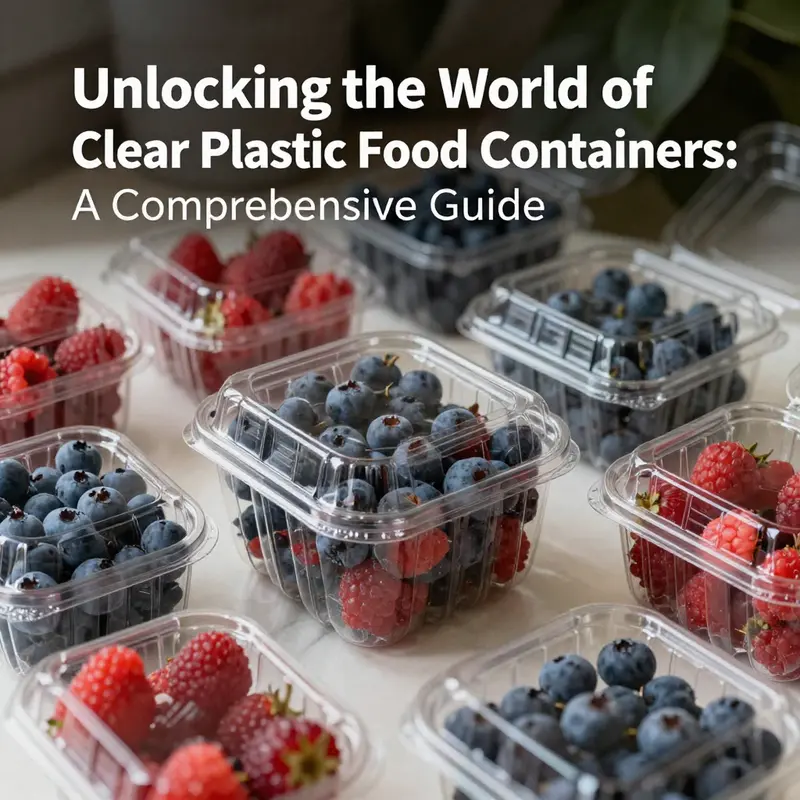
Punnets—often seen as the small, transparent boxes holding strawberries, blueberries, or cherry tomatoes—are a specific and highly effective type of clear plastic food container. They combine a rigid two-part form with a hinged lid to deliver protection, visibility, and convenience. For delicate produce that bruises, leaks, or quickly loses appeal when mishandled, punnets offer a balance of structural support and consumer-facing clarity that few other formats match.
At their core, punnets are clamshell containers tailored to fragile fruit and small vegetables. Their profile is low and wide to spread weight and limit pressure on individual pieces. The hinged lid snaps or presses closed, creating a secure envelope that resists accidental opening while still being easy for shoppers to use. Made from food-grade polymers such as PET, PP, or PS, punnets meet safety standards for direct food contact and can be designed to meet specific performance needs: stiffness for stacking, flexibility for resealability, or clarity for visual merchandising.
Design choices in punnets reflect the tension between protection and presentation. Transparency is central: a clear surface lets shoppers inspect color, ripeness, and blemishes without opening the package. That visibility improves sales and reduces returns, since consumers can make informed choices. At the same time, vents or perforations are often integrated to preserve respiration and moisture balance. For example, delicate berries release moisture; too much trapped humidity accelerates spoilage. Carefully placed vents, sometimes paired with micro-perforated lids, allow airflow while minimizing contamination risk.
Beyond vents, many punnets include features that address real-world handling. Reinforced ribs and thicker walls at the base prevent crushing when containers are stacked on retail shelves or during transport. Lids are engineered to resist deformation and to provide audible feedback when closed, signaling secure sealing to staff and customers. Some punnets incorporate small compartments or integrated dressing containers for pre-packaged salads, marrying convenience with leak resistance. Those additions broaden the punnet’s use beyond fruit to ready-to-eat items, artisanal salads, and small prepared foods.
Material selection drives both performance and sustainability. PET is prized for its clarity and stiffness; it presents produce with glass-like transparency. PP offers better heat tolerance and can be more suitable for microwaveable salads or prepared foods. PS is economical and rigid but less recyclable in some streams. Manufacturers must weigh recyclability, cost, aesthetics, and regulatory compliance. Increasingly, recycled content and mono-material constructions are prioritized to simplify recycling and meet retailer and consumer expectations.
Lightweight construction is another notable advantage. Punnets reduce material use and cut shipping weight. That lowers transportation costs and the carbon footprint associated with moving fresh produce. Their durability, compared to glass or thin cardboard, reduces loss due to breakage. The design endures typical logistic stresses, from automatic packing machines to hand-stacked displays. This reliability supports tight retail margins and reduces waste across the supply chain.
Aesthetic flexibility makes punnets valuable for branding and merchandising. While clarity is a default, manufacturers can emboss logos, add tamper-evidence features, or incorporate labels that wrap around or sit on the lid. Open-weave or textured designs can give a rustic or premium appearance for farmers’ markets or gift packaging, enhancing perceived value. Because the container keeps produce visible, careful label placement and tasteful graphics complement the product rather than obscure it.
Punnets also respond to consumer behavior. Shoppers often choose produce based on visual inspection. A clear container supports that behavior while protecting the item. Resealability matters for convenience: customers appreciate containers that close securely after partial use. This reduces food waste at home and adds to the product’s perceived utility. In short, punnets align with the shopper’s desire for attractive, fresh-looking produce that remains protected from aisle to kitchen.
Market forces continue to propel the punnet segment. Demand for pre-packaged fresh produce has grown as retailers emphasize convenience and standardized portioning. Premium retail settings and specialty grocers favor punnets because they communicate quality and support higher price points. According to industry analysis, the rigid plastic container market has shown steady growth driven in part by fresh produce packaging. Retailers and packers are investing in packaging that preserves shelf life and reduces returns, and punnets fit that need by limiting mechanical damage and improving presentation.
Sustainability considerations are reshaping punnet design and material choices. Single-use perceptions have pressured suppliers to pursue recycled PET (rPET), lightweighting strategies, and designs that avoid multi-material laminates. Mono-material constructions simplify recycling, and clear PET or PP punnets are often more recyclable in existing streams than mixed-material alternatives. Some packers are testing compostable or fiber-based trays with clear lids, but pure plastic punnets remain dominant because of their transparency and strength. The trade-off between function and environmental impact drives continuous innovation: thinner walls, optimized ribbing, and post-consumer recycled content are common responses.
Retailers, too, are adjusting their approach. Merchandising teams use punnets to create attractive multipacks or gift sets. Seasonal displays benefit from the clean lines and stackability of punnets, while bulk bins continue to coexist for customers who prefer loose shopping. For value-driven channels, cost-effective PS or PP punnets are common; for premium channels, PET with high gloss and premium labeling is more frequent. The variety of options lets supermarkets tailor presentation and price to their customer base.
Manufacturing processes for punnets are well established: thermoforming and injection molding are the primary methods. Thermoforming is efficient for thin, clear PET trays with defined shapes and ventilation features. Injection molding suits designs requiring thicker walls, integrated hinges, or complex interlocking closures. These methods deliver high throughput and low per-unit costs, which is essential for large-volume produce packing operations. Automation in packing lines also influences punnet geometry—consistent part dimensions and reliable closures ensure smooth machine handling.
Practical concerns influence adoption at the farm and packhouse levels. Harvest timing, product fragility, and transport distance determine the type of punnet to use. For berries that bruise easily, a rigid PET punnet with venting and a snug lid is preferred. For sturdier items, a lighter PP punnet may suffice. Logistics also play a role: punnets that nest efficiently when empty reduce storage footprint and shipping costs on the inbound side, while stackable closed punnets save shelf space at retail.
Innovation in punnets is ongoing. Some designers are exploring integrated absorbent pads to capture excess moisture, while others experiment with smart labeling that indicates temperature exposure or time-since-pack. Modified atmosphere packaging (MAP) variants exist as well, using barrier layers or film windows to extend shelf life by adjusting internal gas composition. Each innovation aims to preserve freshness longer while maintaining the core benefits of visibility and protection.
Choosing the right punnet is a decision that balances product characteristics, retail needs, and sustainability goals. For delicate produce, the punnet’s protective geometry, clear presentation, and resealable lid make it an ideal container. Its design reduces handling damage and supports consumer inspection, which helps sales and reduces waste. The material economy and manufacturing efficiencies keep costs manageable, while ongoing improvements address recyclability and functional performance.
For businesses looking to integrate punnets into their packaging portfolio or to source different styles and materials, exploring suppliers focused on plastic packaging provides a starting point. Retailers and packers seeking paper-based alternatives or hybrid solutions can examine broader packaging categories to weigh trade-offs between appearance and recyclability. One resource that catalogs packaging options and suppliers can be found under the plastic packaging category.
External analysis underscores the broader market trends and supports the continued relevance of punnets in fresh produce retailing. For further industry context and market projections, see the Freedonia Group’s report on rigid plastic food containers: https://www.freedonia.com/research/food-containers-us-11th-edition
Final thoughts
Understanding the various types of clear plastic food containers available is vital for any food-oriented business. From the versatile clamshell containers that usually capture the eyes of customers to sturdy snap-on containers that ensure freshness, each option has distinct advantages. Utilize food-grade containers to prioritize safety and consider specialized punnets for fragile produce. With the right knowledge, you can elevate your food presentation and maintain quality, ultimately enhancing customer satisfaction and driving your business’s success.