
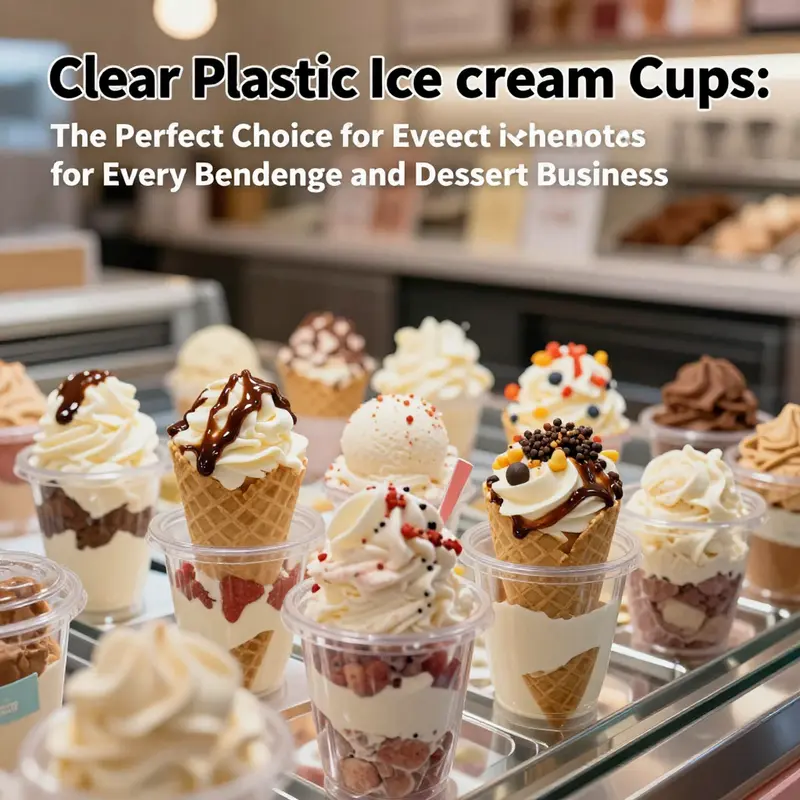
Clear plastic ice cream cups have emerged as a staple in the world of frozen desserts and beverages. Their transparent design not only allows for a beautiful display of colorful treats but also serves practical needs in retail and service environments. From bubble tea shops and food trucks to restaurants and event planners, these cups provide functionality and visual appeal that can drive sales and customer satisfaction. In this article, we will delve into the various types of clear plastic ice cream cups, evaluate their environmental impact, and explore current market trends to help you make informed decisions for your business.
Seeing Sweetness: The Spectrum of Clear Plastic Ice Cream Cups and Their Impact on Presentation, Practice, and Sustainability
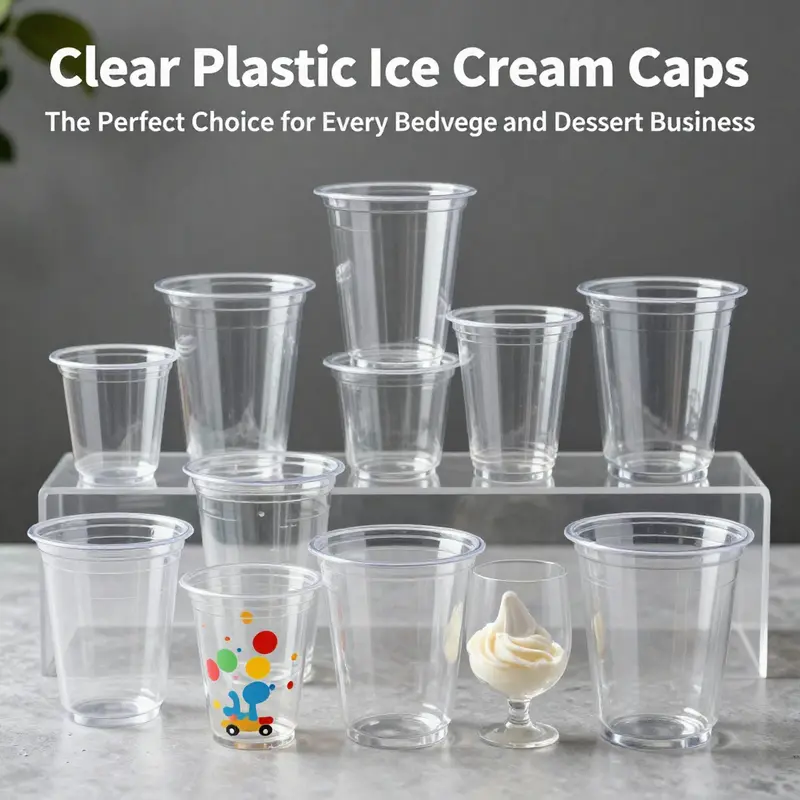
Clear plastic ice cream cups do more than hold dessert. They are a decisive, often overlooked, instrument in the choreography of a customer’s experience. In a world where color, texture, and even the glow of a display case entice the eye before a single lick is taken, the choice of cup matters as much as the scoop. The transparency of these cups invites the eye to travel from the surface sheen of a chocolate ripple to the delicate whorl of vanilla, from the glossy spill of a milkshake to the layered drama of a sundae. In this sense, a clear cup is not merely a vessel; it is a stage prop that frames the dessert, communicates quality, and nudges a decision just enough to spark an impulse purchase. Yet behind this simple clarity lies a complex balance of materials, design, function, and responsibility. The wide array of options—polystyrene, polypropylene, and compostable PLA—each brings a different mix of durability, temperature tolerance, and environmental impact. To understand the modern landscape of clear plastic ice cream cups is to read a map of how retailers, operators, and brands negotiate visibility with practicality, and sustainability with profitability.
The material story is foundational. Polystyrene and polypropylene have long supplied the industry with high clarity and reliable rigidity. PS, with its crisp transparency, makes the ice cream inside appear almost sculpted, as if the dessert were carved out of glass. PP, while slightly less crystal-clear than PS, offers robust resistance to cracking and leakage, which is crucial when handling hard scoops, soft serves, or dense toppings. These cups excel in cold conditions, keeping ice cream from sweating into the sleeve or becoming a murky, half-melted mess in transit. They are typically available in a broad size range—from petite 4 ounces meant for tastings or small servings to 16-ounce cups that suit larger indulgences or parlor display pieces. For storefronts, classics like these deliver dependable performance and a pristine presentation that many customers associate with quality. But they carry a trade-off: traditional plastic cups are not inherently designed for easy end-of-life disposal. When the industry looks toward a circular economy, the perception of recyclability and waste footprint becomes part of the decision matrix.
Enter compostable PLA cups, which emerged from a sustainability-conscious drive to reduce reliance on conventional fossil-based plastics. PLA, a plant-based bioplastic derived from renewable resources like cornstarch, offers a compelling environmental narrative. When used in appropriate contexts, PLA cups can be composted at industrial facilities, aligning with events and brands that want to signal responsibility. However, PLA’s performance envelope is more nuanced. While it can hold up under normal cold conditions and for typical serving durations, extreme heat or prolonged freezing can compromise structural integrity and clarity. In other words, PLA can deliver the right message at the right time, but its suitability is strongly tied to the operating environment and the lifecycle plan. The growing availability of compostable cups has nudged many businesses toward end-user education about composting streams, facility capabilities, and consumer expectations for sustainable packaging. The price landscape mirrors this shift: compostable PLA options can be more expensive per piece than traditional plastics, but the costs are increasingly mitigated by bulk purchasing and the green branding payoff for certain markets.
Beyond the base materials, the design and accessory options expand the ways shoppers experience the product. Classic clear ice cream cups, available in standard sizes, remain a staple in many shops because they balance visibility with predictable performance. They are designed to resist cracking and leakage, maintain cold temperatures, and showcase the dessert in its purest form. Yet as shops explore premium experiences, these cups may be paired with features that elevate the ritual of eating. Clear lids, for instance, transform a takeout scenario. A secure-fit lid preserves freshness and reduces the chances of spills during transport, a consideration that matters for mobile vendors, event setups, and busy outdoor locations. The visual continuity of a transparent lid with a transparent cup also preserves the product’s appeal, ensuring that the eye still, at a glance, scans the layered colors and the textures—salted caramel ribbons, fudge swirls, fruit bits—that entice the customer.
Another variation that interlocks practicality with play is the clear cup equipped with a built-in spoon. This all-in-one solution is particularly popular for children’s portions or party kits, where mess-free eating and convenience are a selling point. A sturdy spoon, integrated with the cup, reduces the need for extra utensils and streamlines cleanup—a practical advantage for events and catering. Still, the trade-offs must be considered: sometimes the integrated spoon can compromise the cup’s ruggedness, especially with very dense ice creams, and the overall user experience depends on the spoon’s size, grip, and sturdiness. In the same ecosystem, specialty cups designed to accommodate boba, bubble tea, or other cold beverages expand the meaning of a clear cup beyond ice cream alone. These multi-purpose designs often feature larger capacities and stronger seals to handle sugary syrups and dense toppings, reflecting an evolving beverage-dessert hybrid culture that favors versatility and resilience in one package.
The pricing and procurement landscape reinforce the practical dimension of choice. Wholesale costs vary substantially based on material, size, quantity, and any customization. For instance, clear PP cups can be priced very competitively in bulk, while compostable PLA options sit in a higher tier per unit, reflecting materials costs and the complexities of industrial composting. Customization adds another layer of value: branded lids, logos, and color accents transform a simple cup into a marketing instrument, extending brand recognition from the storefront to the consumer’s home or event swag bag. In a busy environment, such as a festival or a high-volume shop, the choice often reduces to a balance between cost per unit and the value of branding opportunities, along with the practical performance required for the dessert and the service context. What matters is a holistic assessment: will the cup preserve product integrity during display and transport? Does it align with the shop’s sustainability narrative? Will it fit the operational flow of the team, from stacking and stocking to serving and clean-up? These questions shape the final call.
The decision process is further influenced by the journey from consumer to end-of-life. Clear cups that emphasize visibility also raise expectations about cleanliness, orderliness, and recycling or composting practices. If a shop positions itself as eco-conscious, then the choice of a compostable PLA cup can be a powerful storytelling device—provided the infrastructure for composting exists and customers understand how to dispose of the cup properly. Conversely, for venues where recycling streams are robust and accessible, traditional PS or PP cups may be preferable because they fit established recycling flows and offer clear advantages in temperature resistance and durability during heavy-use shifts. The spectrum of options thus mirrors the spectrum of business models: from boutique parlors prioritizing premium visuals to mobile vendors valuing portability and reliability, to eco-minded brands balancing sustainability with practical performance.
To understand the full landscape, consider the following continuum as a practical guide. Start with the Classic Clear Ice Cream Cup for situations where presentation dominates and the cast of flavors remains the star. Its high-clarity material draws attention to color and texture, which is essential in in-store displays or artisanal scoops. When the operation demands on-the-go service with quick turnover, the Disposable Clear Plastic Cup with a matching lid becomes compelling. The lid protects the product during transit and reduces spills for crowds, which is invaluable in festivals, food trucks, or outdoor events where speed matters as much as presentation. For families or events requiring no extra utensils, the Built-in Spoon design can win loyalty through convenience, especially for kids or hands-on parties. Yet it is prudent to anticipate potential durability concerns if the ice cream is particularly dense or if the event requires longer transport times. In contexts where the brand intends to showcase a forward-thinking, sustainability-forward stance, Compostable Eco-Plastic Cups present a narrative that resonates with eco-conscious consumers and events that emphasize green practices. However, the readiness of composting infrastructure, along with the product’s temperature tolerance, should be validated before relying on PLA for every use case. Finally, the Specialty Cups—designed for boba beverages, smoothies, and multi-purpose cold drinks—offer a versatile option in modern cafes that blend dessert and beverage experiences. Their larger capacities and robust seals meet the needs of the contemporary dessert-beverage ecosystem, where customers expect both durability and the spectacle of a clear container that reveals the layered textures within.
Across these types, the thread that binds their use is the pursuit of a seamless consumer journey. The cup is the first handshake with the dessert. It preconditions the perception of quality—the smoothness of the material, the absence of leakage, the way the cup sits in the hand, and the ease with which a lid, if used, seals in the flavor. Yet there is more to it than aesthetics. The cup also functions as a logistics and operations tool. It must survive cold temperatures without cracking, keep contents from sweating, resist warping under heat exposure, and be stackable for efficient storage. It must be compatible with lids, sleeves, and other accessories that form an end-to-end packaging solution. And, increasingly, it must align with a brand’s ethical and environmental commitments if a company seeks to attract customers who value responsible packaging. In this sense, the choice of cup becomes a statement about how a business treats its customers, its employees, and the planet.
The landscape is not static. Innovations in materials science and logistics continue to reshape what is possible. For instance, advances in barrier coatings can improve heat resistance and leakage protection for clearer cups, enabling longer-lasting cold desserts in more demanding environments. Developments in composting technology and consumer education can expand the practical coverage of PLA cups, ensuring more end users understand how to dispose of them in appropriate streams. Meanwhile, advances in customization technologies give brands new ways to stand out without sacrificing performance. A cup can be as much a canvas for logo and color as it is a functional container for a frozen treat. The integration of lids, spoons, and labels into a single, cohesive ecosystem helps streamline operations, reduce waste, and create a memorable unboxing or consumption moment for customers.
For anyone navigating this spectrum, a practical takeaway is to map the intended use case against the core capabilities of each cup type. Consider the temperature profile of the product, the typical duration from scoop to mouth, and the environment in which the dessert will be served. If the operation features high crowds and frequent takeout, prioritize cups with reliable leak resistance and secure lids. If the display is premium retail, lean toward high-clarity cups that maximize visual impact, supplemented by thoughtful branding touches. If sustainability is a driving driver, weigh the environmental narrative against real-world disposal infrastructure and the product’s performance under typical conditions. In all cases, coupling the chosen cup with branding, lids, and accessories that reinforce the desired customer experience can elevate a simple dessert into a cohesive brand moment.
For readers seeking additional options and a broader catalog of choices, the Plastic Cups category offers an expansive range of transparent options and configurations that can complement or extend the insights shared here. This resource can help teams compare size, shape, and compatibility with lids and sleeves, ensuring a cohesive packaging strategy across the storefront, to-go line, and events. (Internal link: Plastic Cups category)
External resources can further illuminate the procurement landscape. For wholesale procurement and a sense of current market pricing, industry listings and supplier catalogs provide practical context about minimum order quantities, lead times, and customization options that influence the final decision. For example, the following external reference offers insight into market offerings and the logistics of sourcing wholesale clear plastic ice cream cups: https://www.alibaba.com/product-detail/Wholesale-Disposable-Clear-Plastic-Ice-Cream_1600498887661.html?spm=a2700.19128389.0.0.1b1d1c16XZwH0p. This reference illustrates how suppliers frame value in terms of unit price, volume, and the balance between cost and performance that brands must navigate when planning promotions, seasonal spikes, or programmatic packaging strategies.
In sum, the spectrum of clear plastic ice cream cups encompasses simple reliability and visual appeal as well as the complexities of sustainability, customization, and logistics. The right choice hinges on aligning product performance with consumer expectations and brand narrative, while also keeping a steady eye on the practicalities of handling, distribution, and end-of-life disposal. A well-chosen cup does more than protect a scoop; it reinforces the dessert’s story, supports operational efficiency, and communicates a brand’s values in a way that customers can see, touch, and remember. The cup, in short, is a quiet yet powerful ambassador of the dessert experience, shaping perception as it preserves pleasure.
External resource note: For broader procurement context and market options, an external reference provides a snapshot of wholesale capabilities and pricing structures you may encounter when sourcing these cups across large-volume orders. See the link above for a practical example from a leading supplier.
Internal hyperlink reference (one-time): Explore additional options in the Plastic Cups category to see how different clear cup configurations and lid combinations can complement your dessert presentation and service model.
Seeing Through the Footprint: Rethinking Clear Plastic Ice Cream Cups
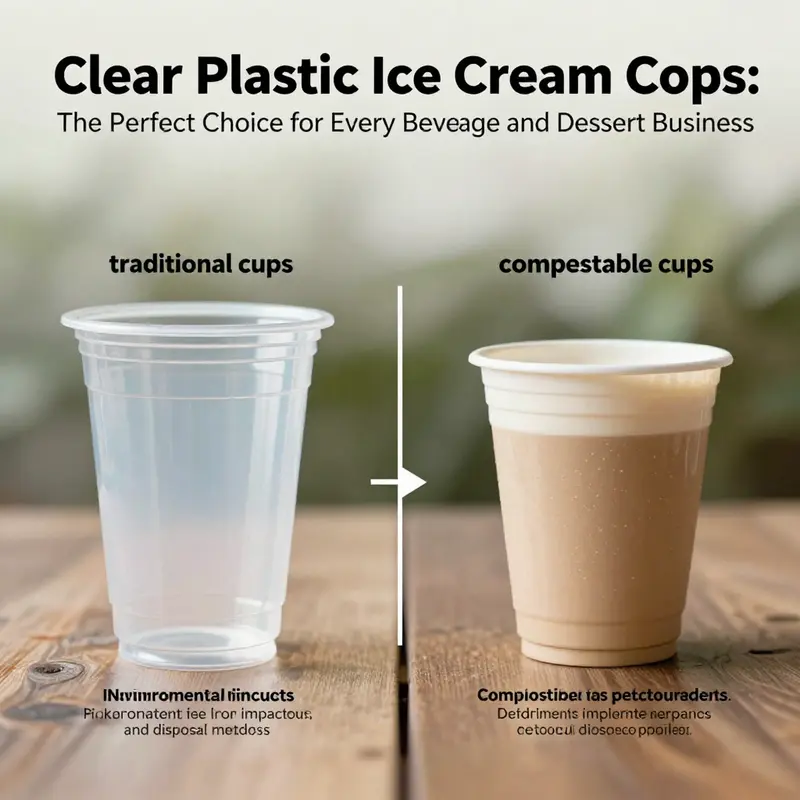
The clarity of a frozen dessert can be almost hypnotic. A pale swirl of vanilla, a ribbon of caramel, the gradient of a layered sorbet—these visuals are part of what sells the experience. Clear plastic ice cream cups play a crucial role here, turning a flavor into a form customers can admire before the first bite. But beneath the glassy sheen lies a quieter, less visible story—the environmental footprint that accompanies the ease of use and the appetite for eye-catching presentation. This chapter follows that story beyond the display case, tracing a pathway from raw material extraction to end of life, and asking what it would take for the industry to balance appetizing visuals with a lighter footprint on the planet.
The lifecycle of a clear plastic ice cream cup begins with the raw materials that form its skeleton. Most conventional cups are fashioned from petroleum-based polymers, typically polymers such as PET or PP. These materials offer the combination of clarity, rigidity, and temperature resilience that dessert packaging requires. A cup must stay intact as it holds a cold treat, resist cracking during handling, and remain visually pristine to entice customers on a busy counter. Yet every gram of plastic derived from fossil fuels carries with it an energy and emissions burden that compounds through the supply chain. Fossil fuel extraction, resin processing, and the energy used in shaping, annealing, and molding the cups contribute to greenhouse gas emissions that accumulate with every order and every disposable cup that ends up in a landfill or the ocean. The trade-off is not merely about whether a cup is transparent; it is about the broader systems that govern how we produce, use, and finally dispose of single-use materials in a world increasingly alert to climate implications.
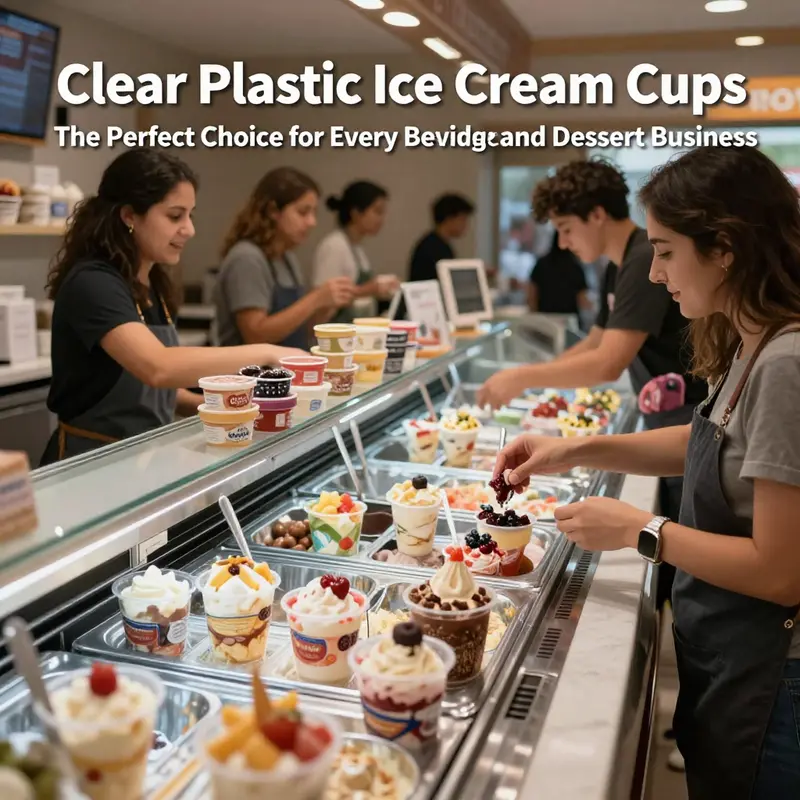
The convenience of party and dessert service rests on the cup’s ability to perform under practical conditions. In the retail setting, classic clear cups must withstand the cold of freezer storage and the moist, occasionally syrupy environment of ice cream display. They need to resist leakage during handling and to maintain a comfortable temperature for a brief window after purchase. In the takeout context, disposable clear cups with lids offer a lightweight, portable solution that minimizes spills during travel and preserves freshness during transit. In both cases, these cups are designed to be single use, a condition that intensifies concerns about waste generation. When millions of these cups are used each day across varied venues, even modest per unit environmental costs magnify into a substantial footprint. The pursuit of performance thus intersects with the reality of waste management infrastructure that often struggles to keep pace with demand for single-use goods.
A closer look at recyclability reveals another layer of complexity. Clear plastic cups are technically recyclable in many systems, but the practical recycling rate is hindered by a tangle of factors. Contamination from food residue can compromise the quality of recycled resin, leading facilities to reject batches that could otherwise be reclaimed. A lack of consumer awareness about the correct disposal practices complicates the simple act of “recycling,” and the problem is not limited to households. Food service operations sometimes dispose of cups through mixed streams or landfill because efficient recovery requires careful separation and cleaning, conditions not always available in fast-paced environments. Even when cups reach a recycling facility, the economics of resin recovery must be favorable; otherwise the material is relegated to landfill or incineration. These realities mean that the technical recyclability of a material does not automatically translate into high recycling rates in practice, a distinction that is crucial for buyers and policymakers to recognize when they evaluate end-of-life outcomes.
The production phase also bears significant environmental weight. Manufacturing plastic cups is energy intensive, drawing on fossil fuels for both the feedstock and the processing steps that shape, extrude, and finish the resin. This energy intensity translates into emissions, localized air quality impacts near production sites, and a broader climate load that contributes to long-term environmental change. The combination of extraction, processing, and transport forms a cumulative environmental burden that sometimes goes unobserved in the moment of purchase, when the cup appears as a neat, clear vessel awaiting dessert. For a consumer, the moment of choice may center on price and appearance; for a manufacturer, it may unfold as a broader calculation of lifecycle emissions, waste streams, and end-of-life pathways. The tension between aesthetics and footprint thus arises early in the design phase and continues through to disposal.
Sustainable alternatives offer promise, but they require careful consideration of trade-offs. Bioplastics derived from renewable resources, such as PLA, present an appealing narrative: a plant-based polymer with the potential to reduce fossil fuel dependence. In practice, however, the story is nuanced. PLA cups may perform well in regular cold conditions and can be compostable in the right environments. The catch is that industrial composting facilities are not universally available, and home composting conditions are rarely sufficient to drive the breakdown of PLA at the scale needed. Even when composting is possible, the benefits depend on the efficiency and reliability of the collection and composting streams. In some cases, PLA cups still require energy and resources for processing and may shift environmental impacts from fossil fuels to agricultural inputs, land use, and water consumption. For brands aiming to emphasize sustainability, the choice of PLA or other bio-based materials must be accompanied by a clear plan to ensure appropriate end-of-life pathways, clear labeling that communicates disposal expectations, and the development of consumer and facility partnerships to realize the intended benefits.
The broader category of compostable options also includes various plant-based or bio-derived formulations beyond PLA. Some of these alternatives are marketed as home compostable or industrially compostable, and their performance depends heavily on the environmental conditions in which they are treated. Without consistent composting infrastructure, these cups can end up in the same waste streams as conventional plastics, undermining the intended environmental advantages. It is not enough to swap one material for another; the system must align with the realities of waste management, consumer behavior, and regulatory frameworks that shape how packaging is collected, sorted, and recovered. In addition to compostability, there is ongoing exploration of other materials and designs that might offer improved recyclability or reduced energy demand during production. Yet all such options confront a common truth: the environmental benefits hinge on the existence of robust, well-funded waste management systems, consumer participation, and transparent labeling that helps individuals make correctly directed disposal choices.
What does this mean for the design and procurement decisions that guide the market of clear plastic ice cream cups? It implies a shift from a purely performance-driven mindset toward a systems-thinking approach. One part of that approach involves recognizing the limited recyclability of some conventional cups in real-world conditions and seeking options that align with local waste management capabilities. It also means acknowledging that the visual appeal of a cup should not overshadow the importance of lifecycle impacts. In some contexts, the most sustainable choice may be to optimize for reusability rather than single-use, particularly in venues with high throughput where a rigorous cleaning process can be implemented. Reusable systems require investments in warehousing, sanitization, and staff training, yet they can dramatically reduce per-unit waste when scaled effectively. Even where reuse is impractical, manufacturers can redesign products to maximize recyclability, minimize material thickness without sacrificing performance, and simplify the material mix to ease sorting and recovery.
A practical path forward involves balancing compatibility with existing waste streams and the introduction of improved end-of-life outcomes. This requires collaboration across the value chain—designers working with suppliers, packaging engineers coordinating with waste managers, and retailers aligning procurement with the realities of local infrastructure. Clear labeling on cups about disposal options can help, but only if the messaging reaches the right audience and is reinforced by on-site recycling or composting programs. Education is part of the solution, but it cannot bear the entire burden; it must be complemented by structural enhancements in collection, sorting, and processing that reduce contamination and improve recovery rates. The result would be a packaging ecosystem where the visual appeal of a clear ice cream cup remains intact, but its afterlife is managed with greater care and clarity.
For readers seeking a tangible sense of the broader conversation, this discussion can be framed within the evolving discourse on plastic packaging and its environmental implications. Policy developments, industry reports, and independent environmental journalism collectively highlight the need for coordinated action across production, consumption, and waste management to reduce harm while preserving consumer experience. Additional resources and case studies can help buyers weigh trade-offs and make informed decisions that balance visual impact with environmental considerations. See reliable packaging sustainability analyses and related reporting to understand the state of the art and its practical implications.
null
null
Final thoughts
As we’ve explored, clear plastic ice cream cups offer an invaluable combination of aesthetic appeal and practicality for businesses within the dessert and beverage sectors. From diverse types that cater to various customer demographics to a growing emphasis on sustainability, investing in the right packaging can significantly enhance your brand’s recognition and sales. Keeping abreast of market trends also ensures that you can adapt to consumer preferences while maintaining an efficient operation. Leveraging clear plastic ice cream cups will undoubtedly elevate your service and contribute to your overall success.