
Introduction
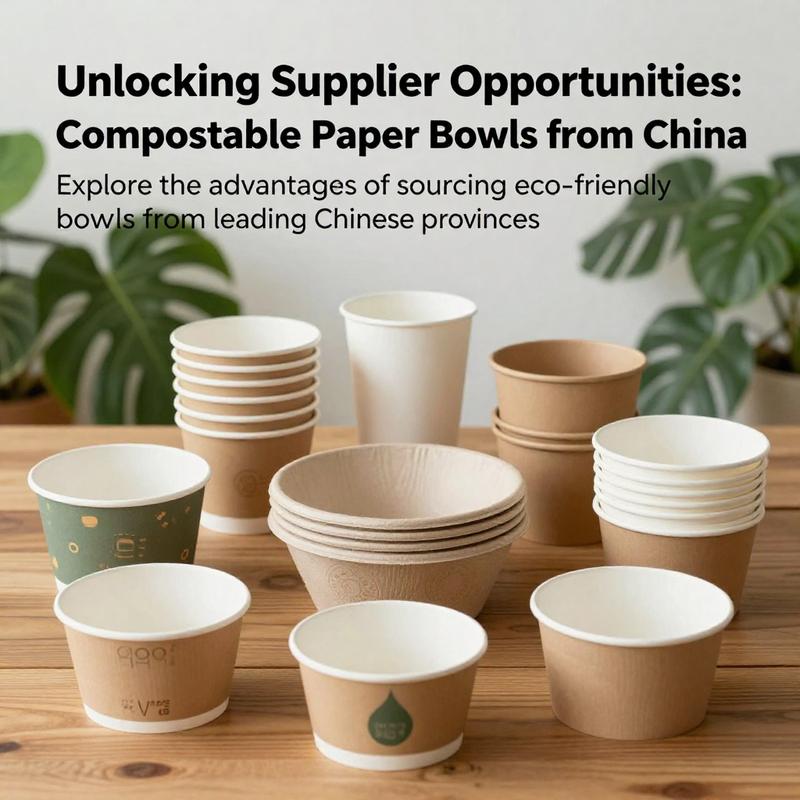
As environmental consciousness grows, compostable paper bowls have emerged as a popular alternative in the food service and packaging industries. China leads the global market, boasting over 60% market share, thanks to its robust manufacturing capabilities and technological advancements in biodegradable materials. This article delves into the unique advantages offered by different provinces in China—Guangdong’s robust supply chain, Zhejiang and Jiangsu’s innovative designs, and cost-effective solutions from Fujian and Anhui—helping business owners tap into reliable sources for their compostable packaging needs. Each of these chapters will provide insights into how sourcing from these provinces can enhance your business operations.
Tables of Contents
Chapter 1: Technological Trends in Guangdong Province: Navigating the Compostable Paper Bowl Landscape
- Innovative Solutions and Their Implications for the Compostable Paper Bowl Industry in Guangdong
- The Economic Ecosystem of Guangdong: Drivers of the Compostable Paper Bowl Industry
Chapter 2: Innovating Sustainability: Design and Production of Compostable Paper Bowls in Zhejiang and Jiangsu
- Pioneering Sustainability: The Revolution of Compostable Paper Bowls in Zhejiang and Jiangsu
- Fostering Economic Growth through Sustainable Practices in Zhejiang and Jiangsu: Leaders in Compostable Paper Bowl Innovation
Chapter 3: Embracing Sustainability: Cost-Effective Innovations from Fujian and Anhui’s Compostable Bowl Suppliers
- Driving Innovation and Efficiency: The Green Manufacturing Landscape in Fujian and Anhui
- Transformative Economies: Exploring the Economic and Environmental Benefits of Compostable Paper Bowls from Fujian and Anhui Provinces
Chapter 1: Technological Trends in Guangdong Province: Navigating the Compostable Paper Bowl Landscape

1. Innovative Solutions and Their Implications for the Compostable Paper Bowl Industry in Guangdong
In the sprawling landscape of compostable paper bowl suppliers, Guangdong Province stands out not just for its extensive manufacturing prowess but also for its substantial investment in technological advancements. To comprehend the implications of these advancements on the compostable paper bowl market, one must delve deeper into the region’s innovations and their relationship with sustainable production practices.
Guangdong is renowned as a heavyweight in China’s manufacturing scene, contributing significantly to diverse sectors with its combination of infrastructure, supply chain efficiency, and access to raw materials. This province, often seen as the beating heart of China’s economy, is characterized by its comprehensive industrial ecosystem. Here, various sub-industries flourish, supported by a well-established logistics network that ensures timely delivery of goods both domestically and internationally. Major cities like Shenzhen and Guangzhou propel economic growth through a symbiotic relationship between traditional manufacturing and cutting-edge technologies.
Technological Readiness and Innovation
Among the key areas of technological focus in Guangdong, high-tech innovation has prominently featured, particularly in sectors dealing with optoelectronic materials and advanced manufacturing platforms. There is a growing recognition of how these innovations can cross-pollinate into broader industrial applications. For instance, Guangdong’s advances in imaging devices could imply more sophisticated quality control measures in the production of compostable paper bowls. Leveraging these technologies can enhance the precision of manufacturing, thereby reducing waste and ensuring that products meet stringent international environmental standards.
However, despite the province’s technological strides, a significant gap exists between advancements in high-tech sectors and their application in the eco-friendly packaging domain. Current research indicates that while Guangdong is making headway in fields like optoelectronic materials, the specifics related to the compostable paper bowl industry are notably lacking. The technological innovations primarily pivot on industries with less direct correlation to biodegradable materials and sustainable packaging solutions. This disconnect suggests that while broader manufacturing technologies are evolving, specialized innovations specifically targeting the sustainable paper bowl industry remain uneven.
Manufacturing Centers and Their Unique Contributions
Diverse manufacturing centers within Guangdong Province contribute uniquely to the supply landscape. In more clustered regions, the established infrastructure supports large-scale production that consistently meets the growing demand for compostable paper bowls. For instance, the province’s existing capabilities allow suppliers to maintain flexibility in production runs, which is essential when catering to fluctuating market trends towards more sustainable options. Yet, the pivotal question remains: can Guangdong successfully bridge the gap between its high-tech advancements and the evolving needs of compostable product markets?
Despite the lack of direct technological advancements aimed specifically at the compostable paper bowl sector, suppliers in Guangdong still watch global trends closely. Understanding international standards, regulations, and consumer preferences drives some innovators to incorporate new sustainable practices into their existing production systems. For example, manufacturers paying close attention to ISO 22000 and ASTM D6400 can utilize insights gained from high-tech industries to inspire eco-friendlier practices that promote product viability.
The Role of Vendor Platforms in Shaping Supply Dynamics
For B2B buyers seeking suppliers in Guangdong, navigating the multitude of options emphasizes the significance of established vendor platforms such as Made-in-China.com. These platforms play a crucial role in streamlining supplier engagement, allowing buyers to filter for specific needs like eco-friendliness and production capabilities. By providing verified supplier information and promoting sample access, these platforms empower buyers to make informed decisions without the risk of compromising on quality. The clear availability of customizable options, such as kraft paper bowls or unique geometrically designed containers, reflects a responsiveness to market demands while aligning with consumer expectations for sustainability.
Key players like Eco-Products manifest impressive responses, utilizing innovative practices such as deploying renewable resources in the crafting of their products. Their focus remains on enhancing the thermal stability and composting properties of their wares, aiming for vast applications in takeout and catered events. By capitalizing on both regional manufacturing abilities and niche market demands, these suppliers exhibit foresight in brand-building strategies aimed at eco-conscious consumers.
Challenges Ahead: Aligning Technology with Sustainability
Despite maneuvering through layers of technological uncertainty, Guangdong’s suppliers must also contend with broader challenges that accompany operational scale-ups. While rapid production capabilities are commendable, they must be balanced with sustainability goals that encompass not just the final product but also the impact on the environment throughout the product lifecycle. The introduction of advanced technologies without a corresponding emphasis on sustainable practices may lead producers away from their foundational ethos of reducing ecological footprints.
Focusing on the dual goal of scaling production while enhancing sustainability can lead to significant benefits. For instance, integrating circular economy principles into manufacturing processes can optimize resource usage and minimize waste. In this context, engaging in continuous feedback loops with customers about product performance can inspire new designs, and functional improvements can arise from technological collaborations across different sectors.
Connecting Innovation and Sustainable Practices
The link between high technology and compostable paper bowl manufacturing will likely emerge from a convergent approach where innovations from Guangdong’s tech-heavy sectors are adapted to enhance product offerings without compromising sustainability efforts. This requires proactive engagement between tech firms and seasoned suppliers within the eco-friendly packaging sector. Collaborations could pave the way for developing new materials or introducing alternatives for traditional plastic coatings and inks that maintain usability while being biodegradable.
In conclusion, while Guangdong Province continues to lead as a formidable player in manufacturing, the relationship between its technological advancements and the compostable paper bowl industry is currently characterized by potential rather than direct application. It is this latent promise that should motivate stakeholders across various sectors to converge efforts, embedding sustainability deeply into the fabric of technological innovations. As demands for compostable solutions rise, Guangdong has the opportunity to pivot its rich industrial history into a future where environmental responsibility harmonizes with production efficiency. By embracing this ethos now, Guangdong can solidify its position not only as a manufacturing powerhouse but also as a vanguard of sustainable practices in the quest for eco-friendly solutions.
2. The Economic Ecosystem of Guangdong: Drivers of the Compostable Paper Bowl Industry
Understanding the economic landscape of Guangdong Province is crucial for grasping its role as a leading supplier of compostable paper bowls. This province, renowned for its vibrant manufacturing sector, plays a pivotal role in producing eco-friendly disposable tableware within the broader context of advanced and sustainable industries.
Guangdong’s economy is synonymous with rapid growth and industrial sophistication. As home to over 60% of the global market for compostable paper bowls, its position becomes more pronounced when examining the intricate web of factors fueling this dominance. The province’s economy thrives on the back of established industrial clusters that foster synergy among various stakeholders, from raw material suppliers to manufacturers. This tight-knit network not only enhances production efficiencies but also supports a competitive pricing strategy that appeals to both domestic and international clients.
At the heart of Guangdong’s industrial supremacy lies a complete supply chain system, bolstered by cutting-edge technological advances in biodegradable materials. Unlike many other regions, Guangdong has succeeded in marrying industrial output with ecological goals, allowing it to spearhead advancements in green technology while catering to the growing demand for sustainable products. The presence of specialized companies dedicated to eco-friendly practices further propels Guangdong’s reputation as a leader in compostable packaging.
The logistical advantages offered by Guangdong also cannot be understated. Located in a geographically strategic area with access to major transport routes, the province facilitates swift distribution of products throughout China and beyond. This efficiency in logistics is a decisive factor in meeting high demands in the compostable paper bowl market, especially as restaurants and stores increasingly adopt eco-friendly alternatives. With a network that supports near-instantaneous supply capabilities, manufacturers are better equipped to provide timely deliveries, thus ensuring that their clients are not left at a standstill waiting for stock.
Despite the impressive economic growth and technological developments in Guangdong, it is essential to recognize the lack of direct documentation linking the province’s macroeconomic performance to the specific supply chain of compostable paper bowls. Most references to Guangdong’s robust economy focus on its advancement in high-tech manufacturing and the growth of green technologies, such as solar energy and electric vehicles. However, these discussions often overlook the specialized nature of compostable packaging within these broader technological advancements.
A closer examination reveals that while Guangdong leads in manufacturing capabilities, the emphasis is less on compostable paper bowls specifically and more on foundational industries that may support or indirectly influence this market segment. This gap points to the need for detailed industry research aimed at better understanding the economic implications surrounding compostable paper products. As suppliers navigate this emerging market, they could benefit from more comprehensive market analyses and data-driven insights that explore the specifics of Guangdong’s manufacturing landscape and its integrated approach to sustainability.
The role of specialized suppliers in provinces like Guangdong becomes clearer against the backdrop of evolving consumer preferences. Increasingly, businesses seek reliable partners who can deliver high-quality products to align with their environmentally conscious branding. This growing demand emphasizes the importance of partnerships where expertise in both eco-friendly production and innovative design converge. As suppliers in Guangdong continue to diversify their offerings to meet these expectations, their ability to adapt becomes a significant competitive advantage.
Another notable aspect of Guangdong’s economic influence on the compostable paper bowl market is its relationship with international standards. Many local manufacturers comply with global safety and environmental regulations, such as ISO 22000 for food safety management and ASTM D6400 for biodegradability. This alignment not only assures clients about the quality of the products used in their food service operations but also positions Guangdong suppliers favorably on the global stage. As sustainability becomes a cornerstone of international trade dynamics, maintaining compliance with such standards becomes critical for manufacturers aiming to retain market share.
The province’s commitment to developing its green industry is also manifested in innovative practices among its suppliers. For instance, manufacturers often utilize cutting-edge technology to enhance the recyclability and compostability features of their paper bowls. By investing in research and development, suppliers can introduce new materials and designs that cater to both aesthetic appeal and functional performance, enabling brands to distinguish themselves in an increasingly crowded market.
In terms of cost control, provinces like Fujian and Anhui complement Guangdong’s prowess by leading in producing competitively priced paper products. These regions possess a wealth of experience in the manufacturing sector, which, when combined with Guangdong’s advanced technology, can yield synergistic benefits that drive the compostable paper bowl market forward. This interconnected network supports new entrants and established players alike—facilitating collaborative efforts that aim for cost efficiency and sustainable practices, further enriching Guangdong’s standing as a competitive leader.
Consequently, while Guangdong’s economic contributions to the compostable paper bowl supply chain may not be overtly documented, its influence emanates from comprehensive manufacturing and logistical strengths and parallel advancements in sustainability practices. The intricate interaction of these elements indicates that a deeper analysis could reveal more nuanced insights into how Guangdong’s economy positions itself as a front-runner in this specialized market segment.
B2B buyers looking to capitalize on the advantages offered by Guangdong’s extensive supply chain can leverage platforms like Made-in-China.com to find credible suppliers. This resource not only streamlines the search for compostable product options but also emphasizes secure payment methods and sample provisions, allowing buyers to make informed choices before finalizing partnerships. Committing to suppliers that uphold stringent standards in compostability and quality can ultimately set businesses apart in this eco-conscious era.
In conclusion, the economic ecosystem of Guangdong Province is undoubtedly robust, acting as a cornerstone for the compostable paper bowl supply chain. However, as companies within this industry seek to grow, the push for thorough research into market dynamics will be crucial. Increased transparency and comprehensive insight into the factors driving the compostable paper bowl market in Guangdong will further propel its influence, backing the growing global shift toward sustainable consumption. As the world progresses, ensuring that economic growth aligns with eco-friendly practices will remain a defining feature of Guangdong’s manufacturing narrative.
Chapter 2: Innovating Sustainability: Design and Production of Compostable Paper Bowls in Zhejiang and Jiangsu

1. Pioneering Sustainability: The Revolution of Compostable Paper Bowls in Zhejiang and Jiangsu
The provinces of Zhejiang and Jiangsu are not just geographical landmarks; they are crucial bastions of innovation in the production of compostable paper bowls. As the demand grows for eco-friendly alternatives in packaging and food service, these regions lead the charge in developing technologies and processes that push boundaries in sustainability without compromising on quality or aesthetics. Both provinces are uniquely positioned within China’s vast manufacturing network, harnessing a combination of technological advancement, creative design, and strategic collaboration.
Innovations Driving the Future in Zhejiang Province
Zhejiang’s accomplishments in technology and packaging rest on a foundation of robust research and development initiatives. The region ranks highly in national innovation metrics, demonstrating its commitment to integrating advanced scientific practices into industry applications. Multiple factors contribute to this innovation-rich environment. For instance, the presence of numerous national laboratories and provinces’ state-of-the-art R&D facilities enable seamless experimentation and product development.
A remarkable aspect of Zhejiang’s progress is its emphasis on collaboration through various initiatives. The implementation of a “whitelist” system is a strategic move to streamline cooperation between different innovation platforms. By encouraging strategic partnerships among universities, enterprises, and industry chains, Zhejiang fosters an ecosystem where ideas can flourish and enter practical applications swiftly. This cooperative approach has led to the establishment of a network of over 125 laboratories developed in concert with educational and industrial entities, each contributing to significant technological advancements.
Production Innovations in Jiangsu Province
Meanwhile, Jiangsu is renowned not only for its innovative prowess but also for its high levels of customization in product offerings. Suppliers in this province have emerged as preferred partners for businesses looking to differentiate their products in a crowded marketplace. Innovative design elements in compostable paper bowls, such as unique shapes, customized branding, and enhanced barriers against oil and moisture, are emblematic of Jiangsu’s commitment to meeting diverse customer needs.
This adaptability is heavily backed by the region’s vertical integration capabilities, which ensure that the entire process—from raw material sourcing to printing and packaging—occurs sustainably and efficiently. Such a model not only allows for rapid product development cycles, ranging between 15 to 30 days for new designs, but it also enables compliance with international standards that are critical in the food industry, such as ISO 22000 and ASTM D6400. Jiangsu’s manufacturers understand that maintaining a competitive edge requires the infusion of creativity and precision in their processes.
Sustainable Materials: A Focus on Compostable Solutions
In both Zhejiang and Jiangsu, the emphasis on sustainability resonates deeply within the design and functionality of compostable paper bowls. With an increasing global emphasis on reducing environmental footprints, innovations in biodegradable materials are at the forefront. One crucial development area involves water-based coatings that not only provide necessary barriers for food preservation but also enhance the bowls’ compostability attributes.
Moreover, the trend of smart packaging is gaining traction, where technologies such as QR codes are integrated into packaging solutions. These enable traceability, enhance consumer engagement, and introduce functionalities that inform and educate users about composting and recycling practices. As sustainability becomes increasingly essential to consumers, the incorporation of educational elements into product design reflects a forward-thinking approach. This strategy not only enhances customer experience but also aligns with eco-conscious directions of today’s markets.
Research-Driven Progress and Sustainable Trends
While concrete examples of production innovations specific to compostable paper bowls in these provinces are still developing, the potential for growth is undeniable. The broader paradigm of sustainable packaging initiatives throughout China highlights a concerted effort towards green technologies, reinforcing Zhejiang and Jiangsu’s role as trailblazers in the industry.
The commitment to sustainable production and packaging solutions mirrors global trends emphasizing environmental responsibility and consumer demand shifts. Notably, the integration of technological advancements in design processes in these provinces stands ready to revolutionize the way compostable paper bowls are produced and perceived in the marketplace. By continuing to leverage their comprehensive capabilities in production, technology, and design, suppliers can ensure their products not only meet current market demands but also reshape consumer views on sustainability.
Conclusion
Zhejiang and Jiangsu are instrumental in paving the way for the future of compostable paper bowls through innovative design and production practices. Their collective focus on technology, sustainability, and creativity positions them as leaders in the biodegradable packaging movement. As they explore further development of eco-friendly materials and processes, the implications extend beyond mere compliance with market needs; they represent a commitment to fostering a sustainable future.
For professionals and B2B buyers actively seeking cutting-edge suppliers in this domain, leveraging platforms that facilitate verified connections, such as Made-in-China.com, can lead to fruitful outcomes. These connections allow businesses to discover innovative suppliers capable of providing customizable, high-quality products such as waterproof kraft paper bowls that align with current sustainability aspirations. This multi-faceted approach to sourcing not only enhances collaborative efforts among regional manufacturers but ultimately drives the global transition towards responsible consumption and production.
2. Fostering Economic Growth through Sustainable Practices in Zhejiang and Jiangsu: Leaders in Compostable Paper Bowl Innovation
The provinces of Zhejiang and Jiangsu are redefining the landscape of sustainable packaging, emerging as dynamic leaders in the production of compostable paper bowls. This shift not only reflects a growing consumer demand for environmentally friendly products but also demonstrates a significant commitment to economic and environmental sustainability. Herein lies the synthesis of innovative manufacturing practices that not only cater to market needs but also drive profound economic growth.
Manufacturers in Zhejiang, particularly, have embraced this eco-conscious demand by focusing on the production of disposable kraft paper soup bowls complete with lids. The capability to offer these products in convenient packs, such as those containing 50 pieces, aligns with the elevated consumer preference for sustainable options without compromising functionality. This integration of convenience with sustainability marks a significant turn in consumer behavior, as more individuals look toward purchasing items that minimize their carbon footprints. The capacity of Zhejiang’s manufacturers to adapt and fulfill this market shift underscores their agility and forward-thinking mindset.
Jiangsu province complements this innovation with its strong background in offering customized designs, which cater to various customer needs ranging from aesthetic appeal to enhanced performance. Suppliers here thrive on the approach of distinguishing their products through unique shape designs, including square and hexagonal bowls. The introduction of specialized laminated coatings that resist oil and moisture further elevates their offerings, making these bowls not just eco-friendly but also highly practical for diverse applications. The balance of design creativity and functional integrity in Jiangsu’s compostable packaging not only satisfies aesthetic demands but also ensures product reliability in a wide array of dining scenarios.
The emphasis on environmental sustainability in these provinces isn’t merely a trend; it is an inherent part of their manufacturing ethos. Biodegradable materials are becoming the cornerstone for product development. By advancing the utilization of sustainable resources, these manufacturers are not just producing compostable paper bowls but are also actively participating in broader efforts to support circular economy models that strive to reduce waste. The shift from plastic to biodegradable alternatives is integral to this strategy, marking a notable commitment to lowering environmental footprints while enhancing product appeal in a world increasingly concerned with sustainability.
The economic impacts of the compostable paper bowl industry in Zhejiang and Jiangsu are notably profound. As eco-friendly packaging solutions gain traction, local manufacturers spur job creation and economic opportunities that stretch far beyond the initial supply chain. The demand for high-quality, sustainable construction materials also highlights the competitive advantage these regions hold, given their mature industrial clusters and efficient logistics networks. Companies here are well-poised not only to attract domestic business but also to appeal to a burgeoning global market of conscientious buyers looking for reliable, cost-effective sourcing solutions.
Furthermore, the strategic geographical placements of Zhejiang and Jiangsu bolster their logistics capabilities. Proximity to major transport hubs, including busy ports, enables manufacturers to minimize shipping lead times and freight costs, thereby enhancing their competitiveness on a global scale. This logistical efficiency becomes a vital element in meeting the demands of international customers who are looking for expedient service alongside high-quality products. As the industry grows, these logistical advantages further amplify the economic benefits for the regions, establishing them as central players in the global compostable packaging market.
Research and development (R&D) play a critical role in sustaining the competitive edge of manufacturers in Zhejiang and Jiangsu. Investments in R&D focused on improving both product features and material compositions are increasingly common among companies. Notably, the emergence of plant-based coatings such as Polylactic Acid (PLA) highlights the continuous innovation within these provinces. By supplanting traditional plastic linings with natural alternatives, manufacturers can assure sustainability while still adhering to the stringent requirements of modern environmental standards. This forward-looking approach allows them to meet both consumer desires and regulatory mandates without compromising product practicality.
The influx of international trade opportunities further emphasizes the importance of these provinces in the global packaging landscape. As businesses worldwide seek sustainable alternatives to traditional plastic products, Zhejiang and Jiangsu’s commitment to innovation positions them at the forefront of this demand. Many companies engage in collaborations not just for transactions but for knowledge sharing that enhances technology transfer and broadens the scope of possibilities in compostable packaging solutions.
One significant driver of this transformation is the growing awareness and advocacy for environmental health, which propels both consumers and businesses to seek sustainable packaging solutions. This evolving perception is reshaping market dynamics and pushing manufacturers in Zhejiang and Jiangsu to innovate continuously. The collaboration between government initiatives promoting sustainability and private sector innovation becomes a paradigm of success where ecological responsibility intersects with economic opportunity.
The transition from conventional packaging to compostable alternatives—and the innovations powering this shift—reflects a pivotal moment in sustainable practices within the packaging sector. The products emerging from these provinces exemplify a growing consciousness about environmental conservation alongside competitive business practices. Not only are these innovations helping to diminish the negative impact of waste on the environment, but they are also stimulating the economy through job creation, sustainable business models, and partnerships aimed at cultivating continuous improvement in sustainable manufacturing.
In conclusion, Zhejiang and Jiangsu provinces encapsulate an essential module in the global transformation toward sustainable packaging. Their combined efforts in crafting innovative compostable paper bowls have profound implications for both economic progress and environmental preservation. The intricate ballet between environmental stewardship and economic vitality becomes a model for other regions seeking to enhance their role in the sustainable packaging sector, proving that sustainability is not just an option but a pathway to growth and innovation.
For businesses looking to explore practical applications of these innovative practices in sustainable packaging, numerous suppliers offer diverse options tailored to meet both aesthetic and functional demands. Efforts that marry eco-conscious principles with economic growth continue to shape the future of not only Zhejiang and Jiangsu but the broader industry as well. As practitioners seek to engage with the market, they should stay informed through platforms and resources that highlight trends and suppliers in the sustainable packaging domain.
Chapter 3: Embracing Sustainability: Cost-Effective Innovations from Fujian and Anhui’s Compostable Bowl Suppliers

1. Driving Innovation and Efficiency: The Green Manufacturing Landscape in Fujian and Anhui
Fujian and Anhui provinces stand at the forefront of sustainable manufacturing in China, particularly in the creation of compostable paper bowls, a sector that is rapidly evolving to meet consumer demand for eco-friendly packaging solutions. Both provinces have carved a niche for themselves through the combination of innovation, strategic resource management, and a commitment to environmental stewardship. This subchapter delves into the innovations and production efficiencies that define the current landscape of compostable bowl suppliers in these regions.
Fujian Province: A Leader in Sustainable Solutions
Fujian Province is increasingly recognized as a major player in the sustainable packaging industry. Its reputation is built upon a solid foundation of manufacturing excellence, particularly in the production of biodegradable and PLA-coated bowls. The province leverages renewable resources, including bamboo fiber and FSC-certified pulp, to create products that are not only functional but also environmentally friendly.
One of the defining features of Fujian’s manufacturing sector is its advanced level of automation. By integrating automation throughout the production process, suppliers can significantly enhance efficiency. This efficiency enables high-volume output, with suppliers capable of producing up to 4 million compostable paper bowls per day. The speed and volume of production ensure that manufacturers can meet the growing global demand for sustainable packaging without compromising on quality.
Furthermore, Fujian’s geographical location plays a crucial role in its manufacturing success. Located near major export ports, Fujian provides suppliers with streamlined logistics pathways that are essential for international trade. This strategic positioning not only reduces shipping times but also curtails transportation costs, making Fujian-based products competitive in the global marketplace.
In addition to operational advantages, suppliers in Fujian emphasize compliance with international environmental standards. Many factories boast certifications such as BPI (Biodegradable Products Institute) and OK Compost, making them suitable partners for eco-conscious brands keen on sustainable practices. The commitment to eco-certification ensures that products from Fujian not only meet consumer expectations but also align with the rigorous demands of regulatory bodies worldwide.
Anhui Province: Emerging Innovation Hub
While Fujian may anchor the market, Anhui Province is swiftly emerging as a crucial player in the compostable packaging sector. Although less prominent than Fujian, Anhui boasts a burgeoning industrial base that is gaining recognition for its focus on cost-effective and sustainable packaging solutions.
The geographical advantages of Anhui are significant. As an inland province, it has easy access to abundant resources such as bamboo and recycled paper pulp. The availability of these materials at a lower cost allows suppliers to implement competitive pricing strategies without sacrificing quality. This cost-effectiveness is particularly attractive to businesses operating with tighter budgets, especially those transitioning to sustainable alternatives.
Anhui’s industrial capabilities are also evolving rapidly. Manufacturers in this province are increasingly targeting large-scale production of compostable food packaging, employing techniques that prioritize efficiency and market adaptability. A crucial trend among Anhui-based suppliers is the integration of cutting-edge technologies in product development, enabling them to produce compostable bowls that not only reduce environmental impact but also appeal to the aesthetic preferences of modern consumers.
Moreover, many of these manufacturers are committed to green practices, promoting a sustainable brand image that resonates well with today’s eco-aware consumers. This commitment is evident not only in the materials chosen but also in the manufacturing processes employed, which often emphasize waste minimization and resource efficiency.
Synergistic Potential of Fujian and Anhui
The cooperation between Fujian and Anhui suppliers offers significant advantages for B2B buyers seeking reliable sources of compostable paper bowls. The strengths of these two provinces complement each other. While Fujian leads in high-volume, automated production, Anhui offers cost-effective solutions driven by local resource access.
This synergistic dynamic provides B2B buyers with a spectrum of options tailored to their specific needs. Clients can choose from high-end, customized solutions available from Fujian partners or opt for more economical choices from Anhui suppliers. For businesses looking to diversify their procurement strategies, this variety allows them to align their purchasing decisions with their operational needs and market positioning.
The partnership potential between suppliers in these two provinces extends beyond just production capacity. By leveraging platforms like Made-in-China.com, businesses can gain access to a wealth of verified supplier information, enhancing sourcing efficiency. This platform not only facilitates easier access to diverse supplier profiles but also fosters secure payment options and sample requests, ensuring that businesses can effectively assess quality before committing to large orders.
Conclusion
Fujian and Anhui together represent a powerful fusion of innovation and efficiency within the compostable paper bowl manufacturing sector. As demand for eco-friendly packaging escalates, these provinces are well-positioned to offer high-quality, certified products that satisfy both consumer expectations and regulatory standards. For businesses committed to sustainability, cultivating relationships with suppliers in Fujian and Anhui could unlock a wealth of opportunities and foster a competitive edge in today’s environmentally-conscious market.
As the market evolves, companies should remain cognizant of new advancements and trends. Keeping abreast of innovations in materials and production processes will be crucial in ensuring that businesses not only meet consumer demands but also contribute positively to the planet. For further information on sourcing high-quality compostable paper bowls, buyers are encouraged to explore directories such as the China Paper Packaging Suppliers Association, which features active members from both Fujian and Anhui—essential resources in navigating the landscape of sustainable packaging solutions.
2. Transformative Economies: Exploring the Economic and Environmental Benefits of Compostable Paper Bowls from Fujian and Anhui Provinces
In recent years, Fujian and Anhui Provinces in China have distinguished themselves as pivotal players in the compostable paper bowl production landscape, providing a striking juxtaposition of economic vitality and environmental stewardship. This analysis delves into the multifaceted benefits offered by suppliers located in these regions, highlighting their role in not just advancing sustainable packaging solutions but also enhancing cost-effectiveness for businesses globally.
Fujian Province, particularly through its vibrant cities like Xiamen and Quanzhou, leads the charge by introducing innovative progress in sustainable packaging solutions. Suppliers within this region emphasize the creation of compostable paper bowls utilizing advanced materials like PLA-coated biodegradable substances. The commitment not only to sustainable practices but also to adopting state-of-the-art technology underpins their manufacturing processes. As companies look to solidify their environmental responsibility, Fujian’s suppliers have established themselves as essential partners due to their ability to produce high-quality, compliant products that meet soaring demands for ecological soundness.
The logistics landscape in Fujian further amplifies its attractiveness as a sourcing hub for compostable paper bowls. Positioned strategically as a coastal province, it benefits from streamlined export logistics, significantly decreasing shipping times and minimizing associated costs. This geographical advantage allows suppliers to efficiently reach vital markets in Europe and North America, enhancing their attractiveness to buyers operating on global scales.
The potential for high-volume manufacturing in Fujian arises from its infusion of automation technologies into the production line. Such innovations pave the way for suppliers to fulfill substantial orders swiftly, aligning perfectly with the needs of major international brands seeking reliable eco-friendly packaging solutions. Fujian’s mastery of automation not only boosts production efficiency but also places it at the forefront of competitive pricing models while reinforcing the sustainability narrative, creating a compelling package for B2B customers.
On the other hand, Anhui Province brings a unique set of economic advantages to the table. Known for its exploitation of local resources like bamboo and recycled paper pulp, Anhui emphasizes resource optimization to bolster its production of cost-effective compostable paper bowls. Such local resource utilization offers a dual benefit: it keeps production costs low while contributing to regional economic sustenance.
Companies in Anhui, such as Anhui Kailai Packaging Co., Ltd., showcase how sustainable production practices can coexist with affordability. By optimizing their use of abundant natural materials and recycled inputs, these manufacturers present a viable solution for businesses sensitive to price yet committed to maintaining robust sustainability standards. Furthermore, Anhui’s stable supply chain is bolstered by its inland location, which aids in consistent delivery and ultimately reduces input costs, securing a reliable competitive edge in the marketplace.
In examining the environmental impact of the compostable paper bowl industry in these provinces, it is evident that sustainability is not merely an add-on but a foundational element of their operational ethos. Both Fujian and Anhui prioritize eco-friendliness in their manufacturing processes. Fujian utilizes innovative models that incorporate PLA, a material known for its compostable properties. In contrast, Anhui leverages readily available yet sustainable materials such as bamboo and recycled fibers. Both approaches reflect a sincere commitment to reducing the overall ecological footprint associated with packaging.
Adherence to international safety and quality standards is a hallmark of reputable suppliers based in these provinces. Compliance with crucial certifications such as ISO 22000 (food safety management), BRC-IOP (packaging hygiene), and ASTM D6400 (biodegradability) not only ensures the health and safety of users but also solidifies the environmental credibility of their products. Such certifications provide B2B buyers with confidence that they are sourcing products that fulfill rigorous global standards of safety and environmental custodianship.
With green consumerism on the rise, businesses that look to invest in sustainable packaging are presented with a strategic advantage when they source compostable paper bowls from Fujian and Anhui. Not only do they enhance their operational efficiency through cost-effective procurement, but they also support their brand’s eco-friendly narrative. By integrating these sustainable products, companies can achieve notable market differentiation in a competitive landscape increasingly dominated by consumers prioritizing environmental responsibility.
Customization and brand differentiation are other significant advantages offered by suppliers in Fujian and Anhui. The ability to provide unique solutions such as bespoke shapes, full-color printing, and laminated coatings resistant to moisture and oils paves the way for businesses to enhance their branding efforts without compromising their commitment to sustainability. The flexibility allowed by these customizations ensures that brands can cater to specific market demands while maintaining the integrity of their product offerings.
Furthermore, as the compostable paper bowl industry gains traction, the potential market impact becomes readily apparent. Given the growing consumer preference for environmentally-friendly products, using compostable options offers businesses a way to align with societal values, thus enhancing customer loyalty and overall market share. Suppliers in these provinces are uniquely positioned to serve this burgeoning demand while maintaining cost-effective practices that allow for competitive pricing in an increasingly crowded market.
As businesses navigate the challenges of aligning their product offerings with consumer expectations, partnering with suppliers in Fujian and Anhui provides a dual advantage of facilitating a smooth transition toward sustainability while ensuring economic viability. Whether it’s due to their innovative materials, logistics efficiencies, or resource management practices, these regions have cultivated a fertile ground for eco-friendly packaging that meets and exceeds the expectations of today’s conscious consumers.
Conclusively, Fujian and Anhui Provinces stand as beacons of progress within the compostable paper bowl sector, representing an exciting fusion of economic robustness and environmental integrity. Their continued evolution mirrors broader trends in sustainable packaging, fostering business opportunities that resonate with the values of modern consumers. As companies look to expand their portfolio and appeal, engaging with suppliers from these provinces promises not just cost savings but a genuine commitment to sustainable practices that can propel their business forward. For further information on developments and a list of potential suppliers in this sector, refer to the official guide from Packaging Supplies: Compostable Paper Bowl Suppliers in China.
Final thoughts
In summary, the Chinese market for compostable paper bowls presents a significant opportunity for business owners across various sectors. Guangdong’s manufacturing strength ensures reliability in supply, while Zhejiang and Jiangsu offer innovative designs that can enhance branding and customer experience. Meanwhile, Fujian and Anhui provinces provide cost-effective solutions without compromising on quality. Embracing these suppliers not only supports sustainable practices but can also elevate business operations in a competitive market. Businesses looking to invest in eco-friendly packaging should thoroughly explore these diverse options to optimize their offerings.
Choose our reliable disposable tableware and packaging solutions for your business. We offer quality products that meet safety standards, with fast delivery and flexible options. Partner with us today to elevate your service – contact our team now for a tailored quote!
About us
We specialize in manufacturing and supplying disposable tableware, packaging paper, and boxes. With years of experience, we prioritize safety, durability, and eco-friendly practices. Our goal is to provide businesses with trusted, cost-effective solutions backed by responsive customer support.