
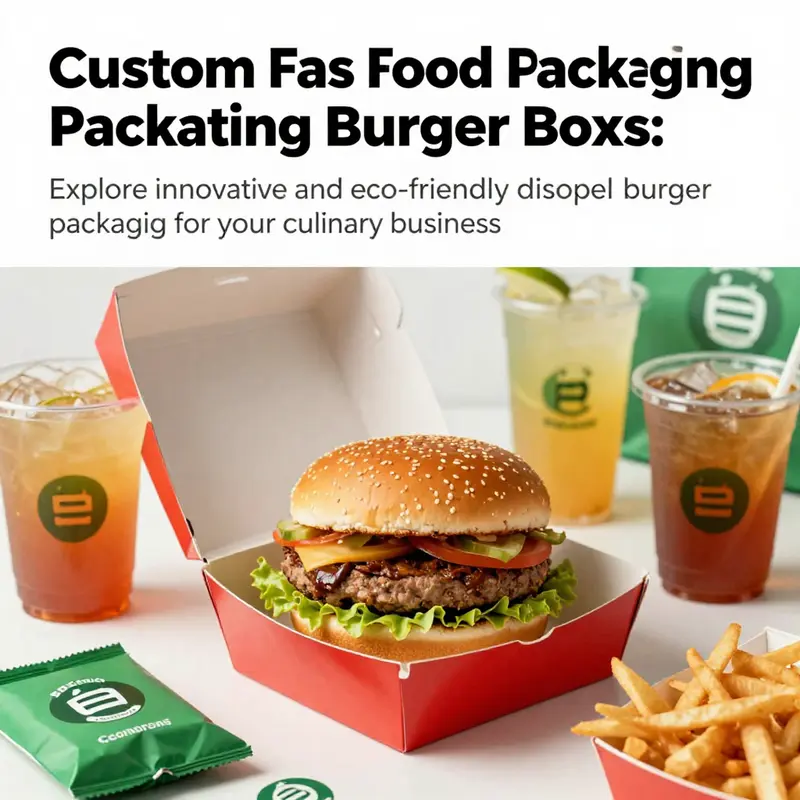
As the food service industry continues to evolve, the demand for stylish, functional, and sustainable packaging increases. Custom fast food packaging burger boxes serve not just as containers but as an extension of your brand. They cater to various sectors, including bubble tea shops, beverage chains, restaurants, food trucks, catering services, event planners, and corporate procurement teams. In the following chapters, we will delve into the core attributes of custom burger boxes, highlighting their key features, environmental certifications, delivery timeframes, cost considerations, typical usage scenarios, and recommended suppliers to empower your decision-making process.
定制一次性快餐汉堡盒:从材料创新到品牌传播的全景解读
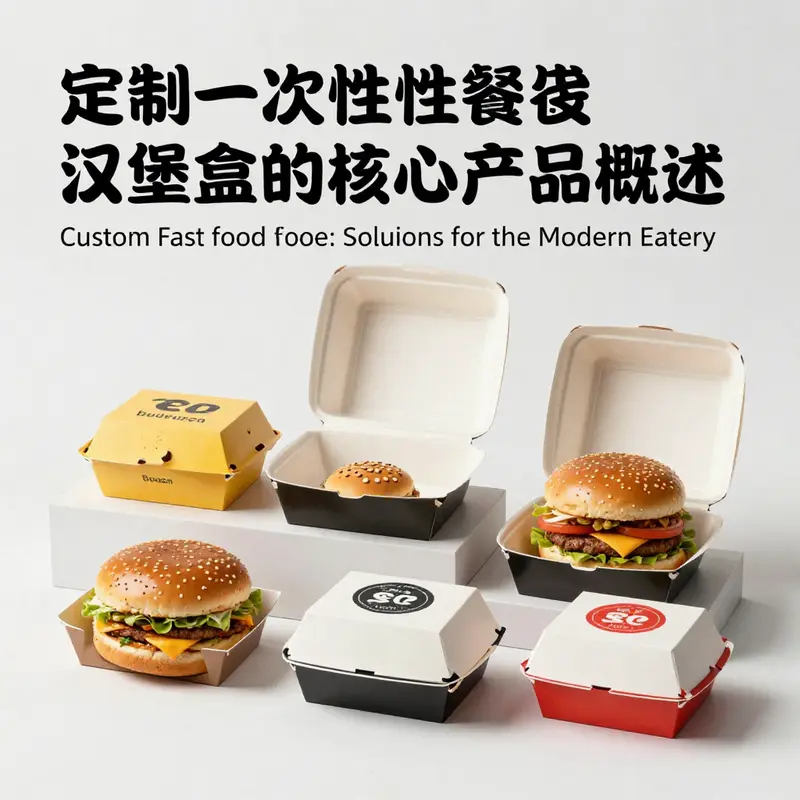
定制一次性快餐汉堡盒并非仅仅是盛装食物的容器,它承担着食品安全、运输保护、品牌传播与可持续承诺等多重职责。在快餐行业的竞争日益激烈、外卖成为常态的当下,包装的品质与形象往往成为顾客初次接触品牌时最直接的感知点。设计师与生产商在材料、结构、印刷和环保之间寻求最优组合,以实现“功能性 + 外观美感 + 品牌传递”的三重目标。这不仅关乎单次消费体验,还在于如何通过包装传递企业的价值观,进而影响长期的顾客忠诚度和市场口碑。随着消费者对环境责任的关注上升,定制汉堡盒正逐步从简单的载体演变为一个高度集成的营销与运营工具,帮助品牌在同质化的快餐市场中脱颖而出。
核心在于材料的选择与环保属性。市场主流的材料组合涵盖牛皮纸、再生纸、瓦楞纸板以及加厚淋膜纸等。牛皮纸与再生纸以其天然质感与可回收性,成为追求“自然、健康、负责任”品牌形象的首选基础;瓦楞纸板则以结构强度著称,能够承载较重或体积较大的餐品,降低运输过程中的变形与挤压风险。对油脂丰富、易渗漏的汉堡类食品而言,表面防油涂层或防油纸层的应用尤为重要,它们能有效阻断油脂的渗透,保持盒内干燥整洁。与此同时,防水与防潮特性也是衡量包装性能的重要维度,尤其在长距离配送或高温季节,涂层材料的选择直接关系到外观与功能的长期稳定性。
设计与结构创新是包装定制的另一核心维度。近年来,免折叠设计日益成为市场热潮,零折叠的成品盒极大提升出餐效率,尤其适合快节奏的外卖环境。与此同时,实用性与人性化的结构设计也在不断优化:内部分区可以容纳汉堡、薯条与饮料,避免混装导致的混乱与挤压;内部透气孔有助于调节内部湿度,保持食品口感和盒体形态;带提手或可折叠的盒型则提高消费者携带便利性,减少外出就餐时的洒漏风险。印刷工艺方面,可以实现高精度的品牌色彩复制,如CMYK或Pantone定制,以及灵活的印刷方式组合,如柔版(Flexo)与胶印(Offset),以适应不同批量与成本的需求。表面处理方面,从哑光到亮光的覆膜、局部烫金/烫银、局部UV以及浮雕压纹等工艺,能显著提升视觉与触觉层面的品牌质感,使包装成为移动的品牌载体。
品牌露出与营销价值在定制汉堡盒上具有放大效应。通过在包装上印制企业Logo、口号、独特的视觉标识,乃至嵌入二维码,企业可以将外卖包装直接转化为品牌触点,推动菜单、促销信息等数字内容的无缝衔接。这种“包装即营销”的思路在当下的多渠道零售和外卖生态中尤为重要,因为它能在短时间内扩大品牌曝光、提升顾客记忆点,并在口碑传播中起到放大效应。供应商通常提供多样的规格与颜色选择,以满足不同品类、不同定位的品牌需求;同时,他们也支持从小批量试产到大批量生产的灵活节奏,帮助企业在市场试错阶段控制成本,在确定稳定款式后再进入规模化生产。
关于环保与合规,定制快餐包装的供应链正在逐步与国际标准接轨。FSC认证是最常被强调的原材料可持续来源标识,确保原材料来自可持续管理的森林资源;欧盟生产者责任延伸制度(EPR)及相关国家法规在德国、法国等地区的应用日益成熟,要求包装具备可回收性并承担回收责任,这也推动供应商在材料选择和回收设计方面进行更系统的优化。此外,部分材料的生物降解属性逐渐成为趋势,甘蔗渣、竹浆等可降解原料在“从摇篮到摇篮”的闭环循环中发挥越来越重要的作用,为品牌提供了实际的减碳与循环经济叙事资源。
在功能性设计层面,透气性、抗油抗渗、抗压与热耐性共同构成汉堡盒的核心性能指标。高端汉堡盒往往通过加强版牛皮纸瓦楞结构、使用耐热涂层或复合材料,确保在高油脂食品运输中仍能保持盒体完整与内部环境干燥。此外,便携折叠结构、疏松度适中的折叠点设计和嵌入式手柄等细节,也体现出对终端用户体验的关注。对大型套餐与组合餐的需求,供应商还能提供大容量包装、分区盒内结构以及可多用途使用的设计思路,以覆盖外卖、活动现场配送以及家庭聚餐等多场景场合。
交货周期与成本方面,行业常见的流程是先提供免费样品以供评估,通常在5个工作日内完成,样品成本多半由运费承担。进入量产阶段,设计稿确认并完成支付后,生产周期大约在10–14个工作日之间,具体时间取决于材质、印刷工艺与数量。价格方面,单件成本受材质与加工工艺影响较大,通常在0.025美元至0.10美元之间波动;对于较大订单,如达到十万件及以上,单价通常更具性价比,能够显著降低单位成本并提升利润空间。供应链的稳定性、交货准确性以及对质检标准的严格执行,是企业与供应商建立长期合作关系的关键。
上述趋势在典型应用场景中尤为清晰。快餐连锁品牌、独立餐饮店、咖啡馆、甜品店以及需要与外卖平台深度对接的商家,都在通过定制包装来提升店内外部协同与顾客体验。另一方面,活动与展会现场的食品配送、儿童餐及家庭套餐等场景也在推动对包装的多样化需求,从尺寸、开启方式到外观设计,都要求具有更高的灵活性与识别性。市场研究显示,随着消费者对品牌形象和包装安全的关注增强,定制化程度越高、认证体系越完备、交付越迅速的供应商,越能够帮助餐饮企业构建差异化竞争优势。
在这条发展路径上,供应商的角色不仅是材料与印刷的提供者,更是品牌传播与运营效率的合作伙伴。通过整合材料科学、包装工程、印刷工艺与可持续策略,他们帮助餐饮企业把汉堡盒从单纯的容器转化为一个多维度的价值载体。为了便于企业进一步探索,业内的纸盒分类页面提供了广泛的选项与组合,便于企业对照自己的品牌定位与门店运营需求进行定制与选型。你可以在 paper-boxes 分类页面查看更多可用的盒型、尺寸与加工选项,以便在下一轮设计沟通时有更清晰的技术语言与需求表达。
综观当前市场,定制一次性快餐包装汉堡盒已从最初的功能性容器,成长为连接食品安全、用户体验、品牌传播与可持续发展的综合性产品。通过材料选择的科学、结构设计的创新、印刷与装饰的协同,以及对环保合规的严格遵循,包装正成为推动餐饮企业数字化、品牌化运营的重要环节。在未来,随着材料技术的进一步突破、回收体系的完善以及消费者对可持续性叙事的持续关注,定制汉堡盒将继续扩展其功能边界,帮助品牌以更高效、更美观、更环保的方式触达每一位顾客。
外部参考资源:
- https://www.alibaba.com/product-detail/Eco-friendly-Disposable-Food-Packaging-Burger_1600478948874.html?spm=a2700.1001380.0.0.1c7e3d33vqDlRt
定制汉堡盒的革新之道:环保材质、品牌定制与稳定配送的关键特性

在快餐业持续追求高效、卫生与品牌记忆的当下,定制一次性快餐包装汉堡盒早已超越了简单的容器功能,成为传达企业价值、塑造消费体验的重要载体。一个经过深思熟虑的汉堡盒,能够在运输、展示、使用的每一个环节上发出一致的信号:对环境的承诺、对顾客口感的尊重,以及对品牌承诺的兑现。这样的包装设计不是孤立的艺术品,而是与供应链、门店运营和市场传播共同构成的一体化系统。它的价值,体现在材料的选择、形状与结构的定制、印刷与工艺的细节,以及对法规与消费者期望的敏锐响应之中。针对希望在外卖与堂食之间实现无缝体验的餐饮企业,定制汉堡盒的核心特性,便是将环保理念、Branding 视觉与实际使用便利高度整合在一个可回收、可降解或再循环的载体上。纸盒并非单纯的容器,它像一则移动的品牌广告牌,在顾客的手中完成对品牌故事的第一轮传播,同时在后台帮助商家提升配送稳定性、降低损耗与成本。为实现这一目标,材料选择成为第一道也是最关键的门槛。现代定制汉堡盒通常采用食品级纸板、再生纸或植物基材料,并辅以可回收的涂层或防油防渗处理,以抵御油脂浸渍带来的变形和渗漏风险。这样的组合既能满足日常外卖配送的耐用性,又在回收处理时提供清晰的路径,降低对环境的压力。通过与材料科学的结合,包装厂商能够实现防油、防潮的层间结构,同时保留盒体的轻量和可堆叠性,从而在仓储与运输环节显著降低物流成本。对品牌而言,材料的环保属性往往成为品牌声誉的一部分,尤其是在注重可持续发展的消费群体中,其重要性越来越凸显。对企业而言,选择具备 FSC 认证、符合本地包装法规并具备回收体系对接能力的材料,是对消费者负责、对未来负责的基本姿态。与此相伴的,是材料的视觉与触感表达。纸盒的表面处理可以显现不同的质感,从自然的牛皮纸色调到柔和的哑光、或在必要时加入亮泽涂层、局部烫金、烫银等工艺,以提升品牌辨识度并传达不同的产品定位。通过 CMYK 与 Pantone 色彩的精准还原,印刷工艺的选择也成为品牌故事讲述的延展。印刷技术的灵活性,使餐饮企业能够将 LOGO、口号、甚至菜单二维码嵌入包装,形成一道移动的互动通道。二维码的引入尤其具有双重意义:一方面方便顾客快速获取菜单、促销信息或忠诚度计划;另一方面,品牌方也能通过数据分析了解包装带来的触达与转化效果。这种设计不仅提升了购买体验,也为后续品牌传播提供了可观的数据支撑。定制的另一大维度是结构与形态。对开、抽屉式、夹心式等多种开合方式的灵活选配,能够让包装更好地贴合不同菜品的体积与重量分布。对于较重或体积较大的组合,如整盒炸鸡、披萨或大份套餐,瓦楞纸板等增强结构材料能够显著提升抗压性,减少在运输过程中的形变风险。与此同时,内部的分隔与分区设计,能够有效避免汉堡、薯条与饮料在盒内混味、串味或挤压导致的口感下降。部分高级设计还加入微孔透气结构,帮助内部湿度在一定范围内循环,维持食物脆度与新鲜感,而可拆卸或折叠的托盘则提升了使用时的便利性和顾客体验。可折叠与堆叠的特性则与仓储成本密切相关。轻量化的盒身设计、紧凑的折叠结构及相互嵌套的堆叠特性,显著降低仓储空间需求与物流成本,尤其在高峰时段的外卖配送中,能够提高单位时间内的出货效率。品牌方在实现高度定制化的同时,也需要兼顾法规对食品包装的安全性与可回收性要求。越来越多的供应商在设计阶段就将可回收路径纳入考虑,确保包装在生命周期结束后的回收与再利用能够顺利进行。这也推动了供应链各环节的协同:从原材料采购、印刷、涂层处理到最终的包装回收,各环节必须具备清晰的责任分配与操作规范。除了材料与工艺,价格与交货周期也是实际决策中不可回避的因素。尽管高端定制可能伴随更高的单件成本,但通过大批量生产与长期合作,单位成本可获得显著下降。对试点阶段的客户,样品通常在五个工作日内可获得,以便快速评估材质、手感、耐用性及印刷效果。全面确认设计稿并完成付款后,生产周期通常在十到十四个工作日之间。这意味着品牌方可以在较短时间内完成从概念到大规模投放的转化,快速响应市场变化。在成本构成方面,不同材质和工艺的组合会直接影响单件价格,常见区间大致在每件几美分到十美分之间,批量采购在长期稳定供应与价格谈判中具有明显优势。对中小型餐饮商家而言,这样的定制能力往往带来边际收益的提升:通过独特包装提升客单价、缩短取餐时间、减少因包装问题引发的顾客抱怨,以及增强社交媒体曝光。关于供应链与案例,行业内存在多种模式。对那些希望快速进入市场的商家,选择有长期合作关系的包装厂商并采用小批量试单的模式,可以在降低初始库存压力的同时,逐步扩展产能与定制深度。对于品牌方而言,定制不仅仅是外观的改造,更是一个系统化的品牌传播策略的一部分。通过在包装上整合 Logo、口号、统一色系以及可持续理念的视觉表达,包装本身就成为门店与外卖之间的桥梁与媒介。包装设计的视觉语言应与品牌在店内环境中的风格保持一致,从而在顾客接触点形成连贯的体验。以此为基础,许多企业选择将包装定位为可持续发展与高端形象并重的载体,借助包装材料的质感、印刷的精细度以及结构设计的巧妙,提升整体用餐体验的档次感。这种策略不仅影响顾客的即时感知,也会在长期的口碑与忠诚度上产生回响。就知识库中的行业动向而言,知名包装企业在材料、结构与印刷工艺方面不断探索,如高强度纸板的抗压性与稳定性、以及表面多样化质感的实现等。这些技术与工艺的组合,使得汉堡盒不仅能有效承载汉堡与配餐,还能成为品牌故事的传递者。若以行业数据角度审视,定制汉堡盒的市场需求在持续扩大,且消费者对包装的环境友好性、使用便利性和视觉美感的要求也在不断提升。因此,企业在选择包装方案时,应优先考虑具备全方位认证体系、灵活定制能力和高效交付能力的供应商,以实现品牌价值的最大化与运营成本的优化。纸盒类别的选择与设计,是一个综合性问题,涉及材料科学、印刷工艺、食品安全、供应链管理和市场传播等多个维度。通过系统性地整合这些因素,快餐企业不仅能提升食品在运输过程中的完整性,还能通过独特的包装形象增强顾客的购买欲望和品牌记忆度。为了帮助读者将理论转化为可执行的行动,需强调的是关于纸盒包装的数字化设计工具与案例研究的重要性。这些工具允许品牌在早期阶段就进行虚拟样机评估、成本估算与回收路径设计,从而在投入产出比尚未确定之时就可以做出更明智的决策。随着可持续包装法规逐步完善,包装供应商也在不断优化自身的认证体系与回收接入渠道,以确保包装能够在使用后被有效回收或生物降解,减少对环境的长期影响。对企业而言,选择合规且持续改进的供应伙伴,等同于为自身的可持续发展路线树立稳定的基础。正是在这样的背景下,定制一次性快餐包装汉堡盒成为了一个兼具环保理念、品牌传播与运营效率的综合解决方案。它把可持续性从理念层面带入日常商业运作的细节之中,让顾客在简单的一次用餐体验中感受到品牌的价值主张与对环境的承诺。只要包装设计与材料选择、印刷与工艺、结构与功能、法规与供应链能够协同发力,汉堡盒就能真正成为品牌的可持续性证据,是门店运营的贴心助手,也是消费者口碑传播的强大推动力。为了进一步理解与应用这一理念,读者可以通过查看纸盒包装类别的相关资源来拓展选项与灵感,如 paper-boxes 页面所展示的多样化定制方案与材质选项,并结合自身品牌定位进行创新。 paper-boxes 的链接作为内部参考,可以帮助企业快速对比不同形态与材质的组合,为下一步的设计决策提供更广阔的视角。外部资源也有助于了解行业的市场趋势与合规要求,例如下列外部参考资源提供了从材料到工艺的全局视角,便于企业在评估阶段进行全面权衡与选择。
外部参考资源: https://www.alibaba.com/product-detail/Eco-friendly-Disposable-Food-Packaging-Burger_1600478948874.html
Green Grasp: Navigating Environmental Standards and Certifications in Custom Disposable Burger Boxes
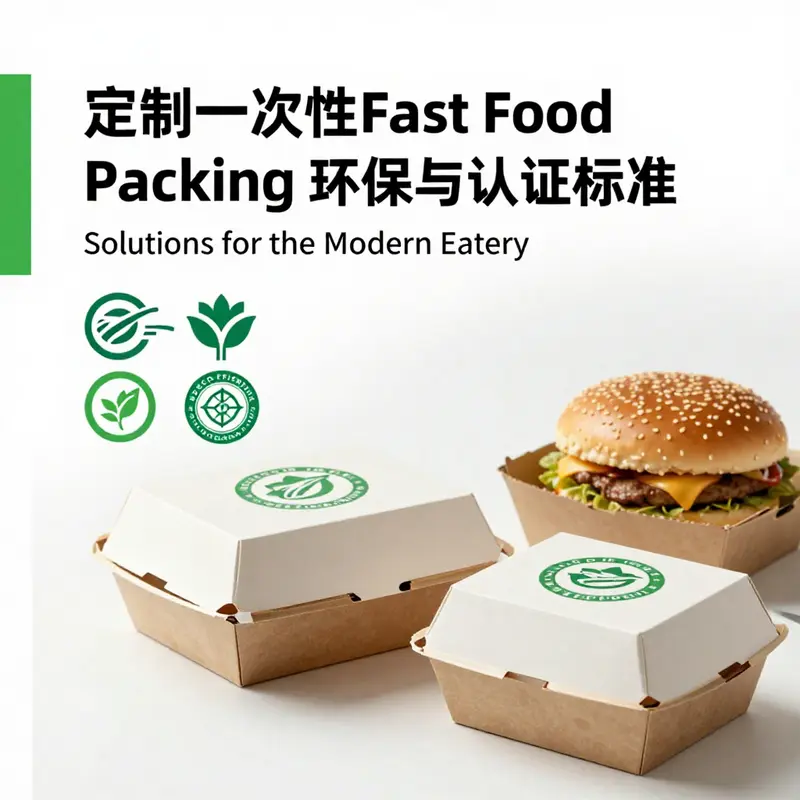
The choices begin with materials that either reduce the box’s environmental footprint or make that footprint easier to understand and manage. Kraft paper and recycled paperboard, for example, are natural allies for brands seeking a straightforward, earth-friendly aesthetic. They convey a sense of simplicity and honesty, especially when the packaging is designed to showcase the food rather than overshadow it. Corrugated board serves a different, equally important function: its structure provides robust protection for larger or heavier items, such as multi-item meals or thick-cut fries and sides, ensuring the contents arrive intact even when a delivery rider moves briskly between venues. For foods with higher oil content, a protective coating on the surface can prevent moisture and grease from penetrating the box. A water- and oil-resistant layer helps keep the exterior clean and dry, preserving the visual appeal of the branding and reducing the risk of leakage that could compromise other packages in a delivery bundle. The art of material choice also involves attention to thickness and porosity. Standards increasingly discourage ultra-thin plastics that complicate recycling streams or contaminate paper fibers at end-of-life. In addition, the overlap between “bio-based” and “compostable” requires careful communication: many biobased materials demand industrial composting facilities to reach meaningful degradation within a specific timeframe, often around 180 days, to avoid giving consumers a false sense of end-of-life freedom when such facilities are unavailable locally. The practical implication is clear: manufacturers must be precise about the environmental claims they publish and the actual facilities that can realize those claims in real-world conditions. A well-constructed specification will distinguish between materials that are recyclable in standard municipal streams and those that require specialized streams or consumer participation to avoid contamination of recycling systems. The conversation about materials thus moves beyond aesthetics or cost to the essential questions of how the packaging is collected, sorted, and processed after use. One of the most meaningful indicators is the presence of credible certifications that signal a responsible supply chain and safe, compliant materials. For a burger box, this often means adherence to standards that cover both the provenance of raw materials and the integrity of the manufacturing process. The Forest Stewardship Council (FSC) certification, for instance, assures that the wood fibers used in the paper originated from responsibly managed forests. This is not a mere label; it is a verification of a continuous supply chain that seeks to reduce deforestation, support biodiversity, and respect workers’ rights. Coupled with Extended Producer Responsibility (EPR) regimes in markets such as Germany and France, which require producers to finance the end-of-life management of their packaging, such certifications form a practical framework within which brands can operate confidently across borders. The inclusion of EPR signals not only compliance but a mindset that packaging should be recoverable or recyclable in the long run, aligning with consumer expectations that a burger box should not simply disappear after use but should be reintegrated into the resource loop whenever possible. Beyond these certifications, quality management and food-safety standards anchor the packaging to tangible, verifiable outcomes. Internationally recognized systems such as ISO 9001 for quality management, ISO 22000 for food safety management, and sector-specific standards like BRC for retail and supply chain integrity or BSCI for social compliance, offer a disciplined backbone for packaging producers. They ensure consistent product performance, reliable facilities, and ethical operations, which in turn reduce risk for restaurateurs who depend on steady supply and predictable lead times. For materials that contact food, safety testing cannot be an afterthought. Certifications or test reports from agencies such as SGS, FDA, or LFGB validate that there is no migration of harmful substances into the food—and that claims such as BPA-free hold under scrutiny. In practice, this means a packaging partner will produce a file trail: the raw material spec, supplier declarations, and third-party test results that demonstrate compliance with applicable food-contact regulations. The growing body of green standards for disposable tableware—sometimes referred to in industry language as environmental performance benchmarks—also guides the design and evaluation process. These standards encourage designers to minimize material use without compromising performance, to clearly label the material composition so waste streams can be directed correctly, and to avoid active substances that could complicate recycling or contaminant control. An important nuance is the distinction between products designed for single use and those designed for reuse or refilling. In some cases, brands explore reusable, durable packaging options for certain channels, such as in-house pickup or in-store dining areas, while keeping disposable options for delivery and takeout. Even within disposable families, packaging can be designed for easier disassembly, clearer labeling, and simpler cleaning between uses in a high-volume setting, all of which reduce lifecycle burden. The end-of-life story for a burger box matters as much as its initial performance. End-users respond to clear guidance. Labels such as “recyclable in curbside streams” or “compostable in industrial facilities” help consumers place the box in the correct waste stream, but only if the information is accurate and the local waste infrastructure supports those pathways. This is where brands lean into consumer education—yet they do so with a careful hand, avoiding overstatement and ensuring the messaging is consistent with the packaging’s verified capabilities. The design grammar that emerges from these considerations favors practical, readable information; simple icons; and a layout that keeps the food-focused imagery uncluttered. The packaging should celebrate the meal’s appearance while being unambiguous about disposal options. In that light, a well-made burger box becomes a credible carrier of brand identity as well as a steward of resources. For organizations aiming to broaden their materials ecosystem, the packaging landscape offers a pathway to diversification through more resilient and transparent supply chains. Some suppliers publish product categories that emphasize recyclable paper-based systems, others push toward compostable composite fibers, and a growing number articulate clear end-of-life pathways through FSC and EPR-compliant processes. This openness is not merely a marketing tactic; it is a practical response to evolving consumer expectations and regulatory climates that increasingly favor cradle-to-cradle thinking. The practical implications for a restaurant chain or food-service provider are significant. Lead times, production costs, and the complexity of compliance all influence supplier selection. A flexible, capability-rich packaging partner can absorb design changes, provide prototype samples with rapid iteration, and supply nuanced documentation for audits and regulatory reviews. When a brand wants to express its commitment to sustainability, it must choose packaging that can carry a coherent story across many channels. The box should translate brand values into tangible experiences—from the moment the box is opened to the moment it is responsibly disposed of or repurposed. Even the aesthetic choices, such as matte versus glossy finishes, embossing, or foil accents, carry environmental implications if they impose additional finishing steps or require coatings that hinder recyclability. For this reason, the best practice is to adopt finishes and printing methods that align with end-of-life goals while still delivering strong brand recognition and visual appeal. In this regard, the packaging ecosystem benefits from the kind of cross-industry collaborations that push for universal labeling standards and shared testing protocols. A unified approach helps reduce confusion at the consumer level and supports a smoother recycling stream across municipalities and regions. Brands can reinforce this through partnerships that emphasize education, clear instructions, and transparent reporting on packaging performance and environmental outcomes. For readers seeking a broader view of the packaging landscape, this chapter points toward a category of materials and solutions that is rapidly evolving yet grounded in steady principles of safety, recyclability, and responsible acquisition. A practical way to explore the wider options while keeping the narrative anchored to burgers is to examine the Paper Packaging category, which offers a core set of materials and processes that underlie most custom disposable fast-food boxes. Paper Packaging provides a gateway to understanding how different fibers, finishes, and structural designs interact with recycling streams and consumer behavior. The road ahead also invites attention to the regulatory signals emanating from major markets and the commitments issued by large-scale franchise networks aiming to standardize sustainable packaging across their global operations. While the specifics of each jurisdiction vary, the trend is clear: packaging must enable safe food delivery, demonstrate credible environmental performance, and communicate those performances in ways that customers can trust and act upon. In that sense, the evolution of custom burger boxes mirrors a broader shift in foodservice—from simply delivering meals to delivering responsibility alongside flavor. This shift requires a nuanced blend of material science, design discipline, and governance that can support a reliable supply chain, satisfy regulatory expectations, and honor the growing demand for brands to behave as stewards of the environment. The market response to this demand is visible in increasingly transparent supplier ecosystems, where certifications, documentation, and third-party validations are part of the standard procurement package rather than exceptions. For practitioners, the take-away is practical: start with materials and processes that clearly support end-of-life goals; verify claims with independent tests; and embed certifications into supplier selection, product development, and quality assurance workflows. As brands refine their packaging ecosystems, they can reduce risk, increase consumer trust, and unlock efficiencies in logistics and waste management. The visible result is a packaging architecture that communicates care at every touchpoint—from the moment the customer first identifies the box on the counter to the final disposal choice that the consumer makes at home or on the go. External guidance and industry momentum reinforce this trajectory. Leading-edge developments are frequently reported in industry analyses and market news, which underline the shift toward 100% recycled, verified sustainable packaging as a near-term target for global chains. These signals align with the broader move toward closed-loop or near-closed-loop packaging systems that maximize the reuse and recycling of materials and reduce reliance on virgin resources. In this sense, the chapter’s themes are not abstract ideals but concrete practices that manufacturers and restaurants can implement now. They emphasize material selection, end-of-life pathways, and a transparent approach to certifications that together reduce risk and strengthen brand integrity. Finally, the environmental and certification standards discussed here are part of a larger ecosystem of expectations from consumers, regulators, and investors who increasingly view packaging not as a cost of doing business but as a strategic asset that supports long-term resilience and market differentiation. External resource: https://www.reuters.com/business/food-beverage/mcdonalds-announces-2025-goal-100-percent-recycled-or-verified-sustainable-packaging-2026-01-08/
From Mold to Market: Decoding Lead Times and Costs in Custom Disposable Burger Boxes
Custom disposable fast food burger boxes are more than simple vessels; they are an integrated part of a restaurant’s operational rhythm and brand narrative. They must protect hot, greasy food, support quick service, travel through busy kitchens and couriers, and present a cohesive image of sustainability and care. The materials chosen—kraft paper, recycled paper, corrugated boards, and oil-resistant coatings—shape both performance and perception. Kraft and recycled papers project an eco-conscious image, especially when a brand wants to emphasize natural tones and textured surfaces that let the food speak for itself. Corrugated board provides the structural backbone for heavier or bulkier items—think larger combo meals or multi-item bundles—where compression during transit could damage appearance or integrity. A practical, moisture- and oil-resistant layer on the surface prevents grease from permeating the carton, maintaining a clean look even after long hours on a delivery route. Across these materials, the design must balance printability, cost, and environmental credentials, with certifications such as FSC and, in some markets, adherence to extended producer responsibility schemes that encourage recyclability and responsible disposal. The packaging, in short, is a portable billboard that travels with the food and conveys both function and brand values.
The choice of material and finish informs the delivery timeline as much as any design tweak. For brands that want a ready-made solution, stock options reduce lead times dramatically, but they can limit customization and branding scope. When a company aims for a distinctive look—custom logos, specific color palettes, or tactile finishes like matte lamination, foil stamping, or spot UV—the path becomes more complex. Each finish adds steps to production, from accurate color matching to additional drying or curing times, and sometimes requires specialized equipment. And because these boxes are part of a broader ecosystem—kitchen workflows, courier networks, and consumer handling—their lead times must be synchronized with other operational milestones, such as menu updates, seasonal promotions, or franchise rollouts. In this environment, a supplier’s ability to offer a coherent package of materials, printing capabilities, and service levels becomes as important as the raw box itself. For teams seeking to keep visuals aligned with a broader sustainability pledge, the choice of materials and the presence of credible certifications can be a deciding factor, sometimes offsetting a modest increase in cost with a tangible boost to brand trust.
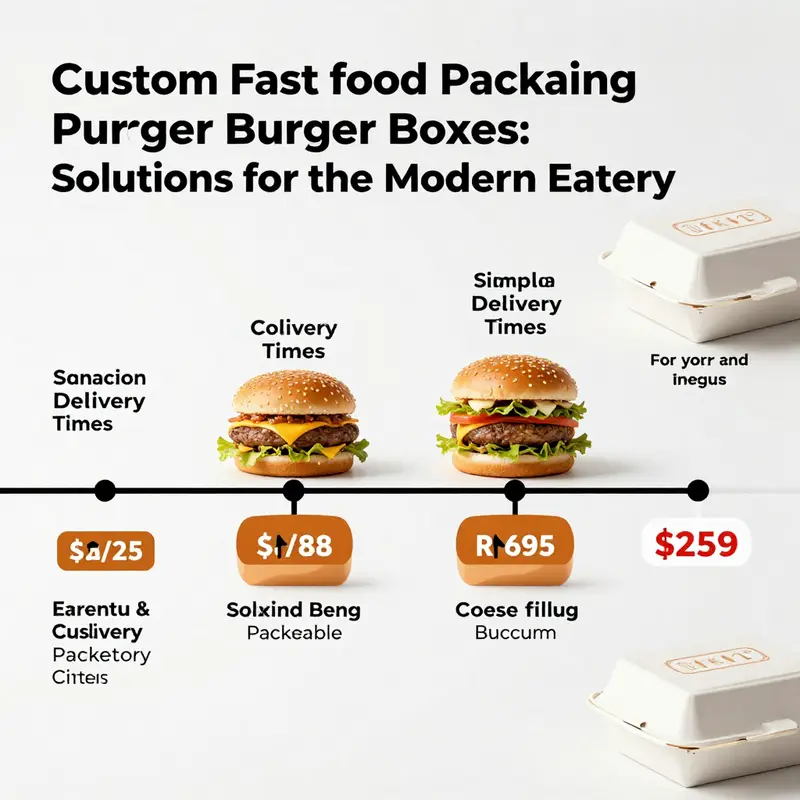
Lead times for customized packaging hinge on three broad categories, each anchored in the level of engineering and tooling required. First, there are the conventional stock products, where a manufacturer already has a stable range of formats and openings. For these, payment unlocks production and shipping promptly, typically within three to five days. The advantage is clear: minimal design changes, no new tooling, and predictable scheduling. Second, standard customization—where a shop already has existing molds and dies but asks for branding through printing or simple structural tweaks—generally requires ten to fifteen workdays. This window accommodates color matching, ink cures, and ensuring that the chosen opening mechanism—whether a tuck, a fold, or a drawer-style lid—works reliably in real-world handling. Some suppliers can compress this to closer to ten days, but consistency in quality and on-time delivery remains the priority. Third, the most intricate route involves a completely new design that necessitates opening a new mold. In such cases, the process begins with design confirmation and tooling development, followed by a sampling phase that often lasts seven to ten days. Once a sample validates the intended form and function, production begins, with timelines commonly extending beyond two weeks and varying with order size. In rare, highly optimized cases—the so-called speed-delivery models—world-class operations may push toward a 72-hour window from design approval to finished goods. However, these are extraordinary exceptions rather than the norm and depend on an unusually streamlined collaboration between client and factory, plus the readiness of raw materials and logistics. Separately, when a project is new and requires first-time samples, expect three to seven days for a proof, iteration, and final sign-off before mass production can proceed.
Cost considerations for custom burger boxes follow a similarly layered logic. The base unit price can hide a spectrum of underlying factors, including material grade, printing complexity, and the inclusion of protective coatings or barrier layers. In online listings that researchers consulted for benchmarking, a representative price point noted was around 0.09 yuan per piece for a batch of 100 units. While this figure provides a rough field reference, it’s essential to translate it into a broader commercial context: wholesale pricing often sits within a USD range of roughly $0.025 to $0.10 per unit, with the exact price heavily influenced by quantity, finish, and whether any new tooling is involved. Minimum order quantities (MOQs) for generic customization typically start around 5,000 units per style, a threshold designed to amortize the planning and setup costs across a reasonable production run. If a project requires new tooling or molds, MOQs can jump to the 50,000–100,000 range, reflecting the fixed cost of creating new dies and the longer amortization period over which the investment is recovered. In addition to the base price, several predictable add-ons shape the final cost. Logo imprinting is widely supported, but it introduces extra steps such as plate-making or screen preparation, which add to the unit cost. Special processes—foil stamping, embossing, UV coating, or matte/gloss finishes—also push prices higher but offer meaningful perceptual benefits that can reinforce branding and perceived value. Finally, shipping and logistics cannot be ignored. Depending on distance, mode (sea, air, or ground), and service level, freight adds a variable burden that can swing the total landed cost by a meaningful margin, especially for cross-border orders or multi-warehouse distributions.
Price and schedule are not the entire story, however. A consumer-facing brand seeking to maximize value often weighs materials and finishes against performance in real-world conditions. For example, a corrugated box with a strong interior support might be beneficial for a family meal or a larger burger combo, reducing the risk of crushing or leaking. A kraft or recycled-paper option conveys sustainability, which can translate into higher price tags but stronger brand equity in markets that prize responsible packaging. The choice of coatings, such as oil-resistant layers or moisture barriers, can extend shelf stability and protect the product’s appearance in transit, yet these features contribute to cost and may affect recyclability depending on the end-of-life stream envisioned by the company. In some cases, brands may optimize trade-offs by combining different materials in a hybrid structure: a sturdy outer sleeve with a lighter inner liner, for instance, to balance protection, cost, and branding clarity. The production decision, therefore, becomes a multi-criteria optimization problem where time-to-market, branding coherence, environmental commitments, and total cost must be balanced against delivery timelines and forecasted demand.
Practical decision-making for a fast food operation or a growing brand often begins with a clear design brief and a staged procurement plan. Start by outlining the exact food formats to be supported, the expected throughput, and the most common item configurations in your menu. This helps determine whether stock formats can satisfy a large share of orders or if a deeper customization program is needed. If a new mold is anticipated, request a detailed tooling quote and an upfront sample schedule so you can align expectations about sampling and lead times. It is equally important to articulate the required certifications and sustainability goals early in the conversation. If FSC certification and recyclability credentials matter to your audience, ensure your supplier can provide documentation and a credible chain-of-custody narrative. In many cases, it makes sense to request two or more scenarios—one with minimal customization using existing molds and a second with a more comprehensive branding program—to compare total cost of ownership and time to market. When suppliers provide quotes, insist on a production timeline that aligns with major promotional calendars or menu launches, and ask for a firm clock on sample delivery, final approval, and mass production dates. This disciplined approach reduces the risk of delays that ripple through the kitchen, the delivery fleet, and the customer’s dining experience.
For brands exploring broader packaging ecosystems, there is value in understanding the surrounding landscape of options. The packaging family includes a spectrum of paper-based solutions that can complement burger boxes, such as dedicated paper packaging categories that showcase different materials, finishes, and structural innovations. To explore related options within the same ecosystem, see the paper packaging category. This resource can help teams compare textures, weights, and printability while keeping sustainability credentials aligned with brand commitments. As teams weigh these choices, the interplay between cost, lead time, and brand impact becomes clearer. A thoughtfully engineered box isn’t simply a container; it is a low-friction, high-clarity touchpoint that reinforces the brand promise in every delivery and on every table.
In the end, the economics of custom disposable burger boxes are not solely a function of unit price. They emerge from a confluence of material strategy, printing and finishing choices, tooling needs, order scale, and logistics. The most successful programs are those that map out a realistic schedule well in advance, quantify the total cost of ownership across multiple scenarios, and partner with suppliers who offer transparent timelines and credible sustainability credentials. The goal is to secure a packaging solution that reliably protects the product, communicates the brand’s values, and fits within the restaurant pipeline without introducing avoidable friction. When you can lock in a dependable cadence—from the moment a new design is approved to the moment it lands on a rider’s bike or a store’s back dock—the packaging becomes not a cost center but a durable enabler of consistent guest experience and long-term brand strength.
从场景到品牌印记:定制一次性快餐汉堡盒的应用、设计与供应商选择
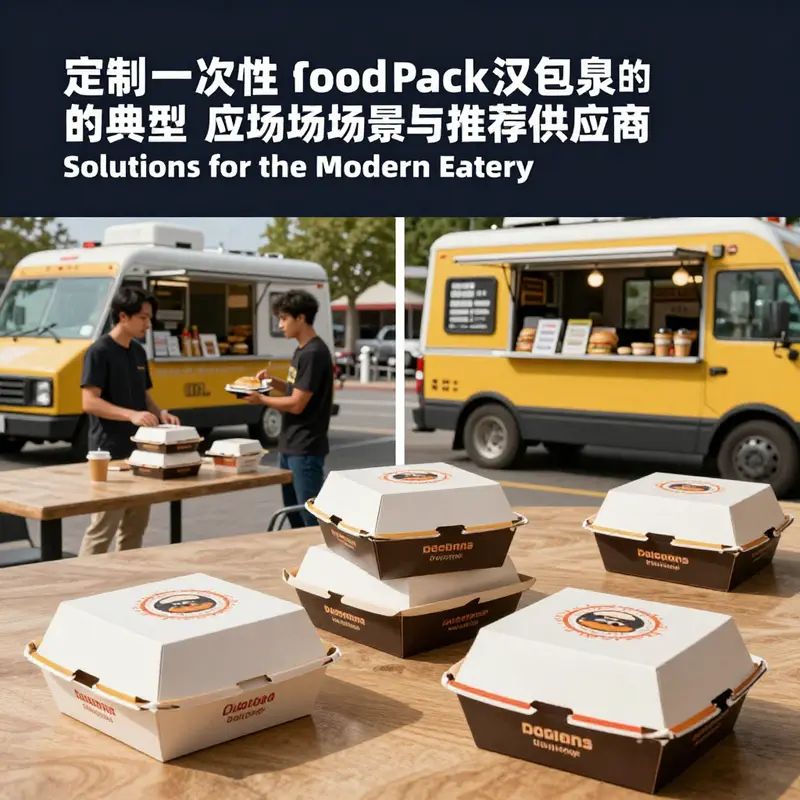
Custom disposable fast food hamburger boxes have evolved from mere containers into strategic tools for branding, logistics, and guest experience. In a market where attention is brief and choices are plentiful, the box is not just a vessel for a meal; it is a moving advertisement, a signal of values, and a facilitator of everyday operations. The chapter that follows traces how typical application scenarios shape the design and how brands, whether a bustling burger chain or a small independent restaurant, balance function with form, cost with sustainability, and speed with careful craft. It also considers how suppliers fit into the picture, offering flexible options that align with the pace of the food-service world while preserving the integrity of the product inside.
The most recognizable application scenario remains the fast-food setting where consistency matters as much as taste. A unified packaging system helps a chain project a cohesive image across its locations, reinforcing recognition even when the consumer is in transit with the meal or sharing a photo on social media. In these environments, the packaging is a rolling ambassador that travels from kitchen to rider to table, often becoming a constant in the consumer’s memory. For independent burger restaurants, the same logic applies but with a greater emphasis on differentiation. Custom boxes offer a canvas for distinctive typography, color palettes, and graphic language that communicate the restaurant’s personality. A bold, artful symbol or a witty tagline can turn packaging into a brand extension, inviting customers to recall their experience when they see the box in a photo, on a delivery app, or at home.
Another significant arena is the delivery-enabled segment. The rise of on-demand platforms has amplified the need for packaging that resists leakage, maintains temperature, and preserves texture. Insulated coatings, moisture barriers, and reinforced panels help ensure that a burger remains intact, the fries stay crisp, and the sauce remains where it should be. Beyond leakage control, the packaging must be sturdy enough to withstand the rigors of curbside pickup, commutes, and sometimes multi-item bundles. The ability to tailor opening mechanisms—such as hinged lids, clamshells, or drawer-style designs—can streamline order accuracy and reduce handling complexity for delivery staff. This practicality is not just about convenience; it translates into fewer complaints, smoother operations, and higher on-time delivery rates, which in turn strengthens loyalty.
A third major arena covers cafés, bakeries, and dessert shops that extend packaging use beyond burgers. Custom boxes for small burgers or sliders, mini sandwiches, pastries, and desserts enable these establishments to present premium cues through material choices, print finishes, and creative shapes. A well-designed box communicates quality, just as a well-plated dish would on a table. In such settings, the box becomes part of the sensory experience, signaling that the item inside is crafted with care. For themed venues and pop-up concepts, seasonal or event-driven designs can deepen the immersive vibe. A windowed panel or a subtle embossing can enhance perceived value without sacrificing practicality, letting customers glimpse the product while protecting it from moisture and oil.
Beyond the restaurant floor, there are also staged environments like corporate events, promotional campaigns, or school fundraisers where custom packaging plays a logistical and promotional role. In these contexts, the packages must be scalable—from small runs for a single event to larger orders for multiple locations. The ability to adjust dimensions, add inserts to separate items, or print multiple messages for different markets adds a layer of versatility to the packaging program. The design discipline here is less about chasing novelty and more about ensuring dependability and clarity across varied conditions, from bright sunlight to humid indoor venues.
The material choices and structural designs that support these scenarios are tightly intertwined with performance expectations. Kraft paper and recycled content remain popular for brands seeking an authentic, natural aesthetic that aligns with sustainability narratives. For heavier or bulkier meals, corrugated boards provide the necessary rigidity to prevent crushing during transit. Oil- and water-resistant coatings protect against grease seepage, preserving appearance and reducing the risk of leaks that could damage other items in a delivery bag. When the goal is to showcase the food, some packages feature clear windows or coated surfaces that preserve gloss without compromising safety. The finishes—matte, gloss, or embossed textures—offer tactile cues that reinforce a brand’s character and elevate perceived quality.
The packaging arena also embraces a spectrum of opening and stacking options. By customizing the lid design, manufacturers can deliver a more convenient, spill-resistant experience. Foldable or nestable shapes reduce space in storage and simplify logistics, which matters when a business orders in bulk. Multi-compartment designs enable separation of components or sauces, maintaining freshness and preventing flavor transfer. These functional choices are not abstract; they directly influence speed of service, order accuracy, and waste reduction, which are central to a store’s efficiency metrics and cost control.
Printing and decoration play a central role in translating brand story onto the box. CMYK or Pantone color matching ensures consistent brand colors across print runs, while flexo and offset printing support large-volume production with reliable color reproduction. Special techniques—such as matte or glossy laminates, foil stamping, spot UV, or debossing—provide heightened tactile and visual appeal. These touches are not merely cosmetic; they enhance brand recognition, evoke premium positioning, and can command a higher perceived value. They also offer a lever to differentiate in crowded market spaces where a photo of the product is often all a consumer sees before making a choice.
From a sustainability perspective, certification frameworks and responsible material choices matter. The growing demand for cradle-to-cradle thinking has accelerated the adoption of biodegradable materials such as plant-based fibers or paper products sourced under strict forest stewardship. Certifications like FSC reassure customers that the raw material comes from responsibly managed forests. In regions with extended producer responsibility (EPR) regulations, packaging must be designed for improved recyclability and end-of-life outcomes. For brands hoping to communicate environmental commitments without sacrificing performance, a carefully chosen combination of materials and coatings can balance grease resistance, food safety, and recyclability. The result is a package that supports the brand’s environmental stories while remaining practical for daily operations.
Operational realities shape the supplier relationship as much as the design itself. A capable supplier offers more than just a product; they provide a pathway to consistent execution, scalable production, and reliable delivery timelines. Typical lead times include a five-day window for sample provision to validate dimensions and finishes, followed by a ten to fourteen-day production horizon after design confirmation and payment. This cadence aligns with most mid-market restaurant cycles and new-store rollouts, where speed to market is paramount. Cost considerations vary with material choices and finishes, but a realistic range often cited in the industry falls between a few cents per unit up to a modest higher tier for premium finishes at volume. For many operators, the economics improve significantly with batch purchases, where economies of scale reduce per-unit cost and stabilize budgeting across a year of promotions and launches.
For brands seeking a practical starting point, it helps to consider a few core questions when evaluating options: Do the boxes deliver reliable leak resistance and heat retention without bulk? Can the design scale from a basic everyday box to a premium, event-specific package? Is the finish compatible with the intended brand aesthetic and with the printing method chosen? How easily can the supplier accommodate custom features such as ventilation holes, windows, or multi-compartment interiors? And crucially, how do sustainability credentials align with the company’s stated values and regulatory obligations? Answering these questions early speeds up the alignment between product performance, brand ambitions, and the supply chain realities of mass manufacturing.
For teams looking to explore concrete pathways, a practical starting point is to review available categories of packaging through a comprehensive product catalog that highlights materials, finishes, and customization options. A useful touchpoint is the broader packaging ecosystem that includes paper packaging, disposable tableware, and other related offerings. This ecosystem can enable a seamless upgrade path—from standard boxes to customized, co-branded solutions—without forcing abrupt changes across multiple product lines. Brand teams should also consider how packaging supports digital engagement. QR codes and scannable tags can link to menus, promotions, or sustainability statements, turning the box into a gateway for ongoing customer interaction. In this regard, the packaging decision becomes a marketing and operations decision rolled into one.
As part of the broader narrative, it is helpful to consider a representative approach to supplier selection that values not only cost but reliability, alignment with sustainability objectives, and the flexibility to respond to evolving needs. A thoughtful collaboration with a packaging partner can yield a design that preserves food quality while maximizing visual impact. For teams evaluating suppliers, attention to process controls, quality assurance practices, and the ability to provide scalable samples can reduce risk in the early stages of a rollout. A robust supplier relationship should also extend to post-purchase support, including timely reorders, clear communication on lead times, and responsive handling of any issues that arise during production or distribution.
In sum, the typology of application scenarios for custom disposable hamburger boxes is wide, but the underlying logic remains consistent. Boxes must protect and present, align with brand voice, and support efficient operations across the supply chain. They should be adaptable to a range of formats—from modest single-hamburger boxes to more complex multi-item packs—and capable of carrying a brand’s story through color, texture, and messaging. This is where design meets practicality, and where sustainability meets performance. For teams seeking to navigate these dimensions, a careful balance of material choices, construction techniques, and finishing options yields a packaging solution that does more than hold a meal; it reinforces a brand promise, supports smooth logistics, and invites customers to share their experience with pride.
Internal reference for further exploration: many brands look to the broader category of packaging offerings to inform their decisions. See the packaging category dedicated to paper packaging for more options and insights: paper-packaging category.
External resource for additional context: https://www.wodaye.com
Final thoughts
Custom fast food packaging burger boxes have become indispensable to the modern culinary landscape. They not only fulfill the practical need for meal containment but also represent a brand’s commitment to sustainability and quality. By selecting the right packaging solution, businesses in various sectors can enhance their customer appeal while meeting environmental standards. The insights shared throughout this article demonstrate that investing in eco-friendly, customizable burger boxes can lead to elevated brand recognition, customer loyalty, and operational efficiency. Engage with reliable suppliers who offer comprehensive solutions tailored to your needs, and watch your food service venture thrive.